Halichoeres scapularis
A small, zigzag-striped wrasse common across the Maldives' Central Atolls and the Philippine Visayas, in water around 26 to 29C.
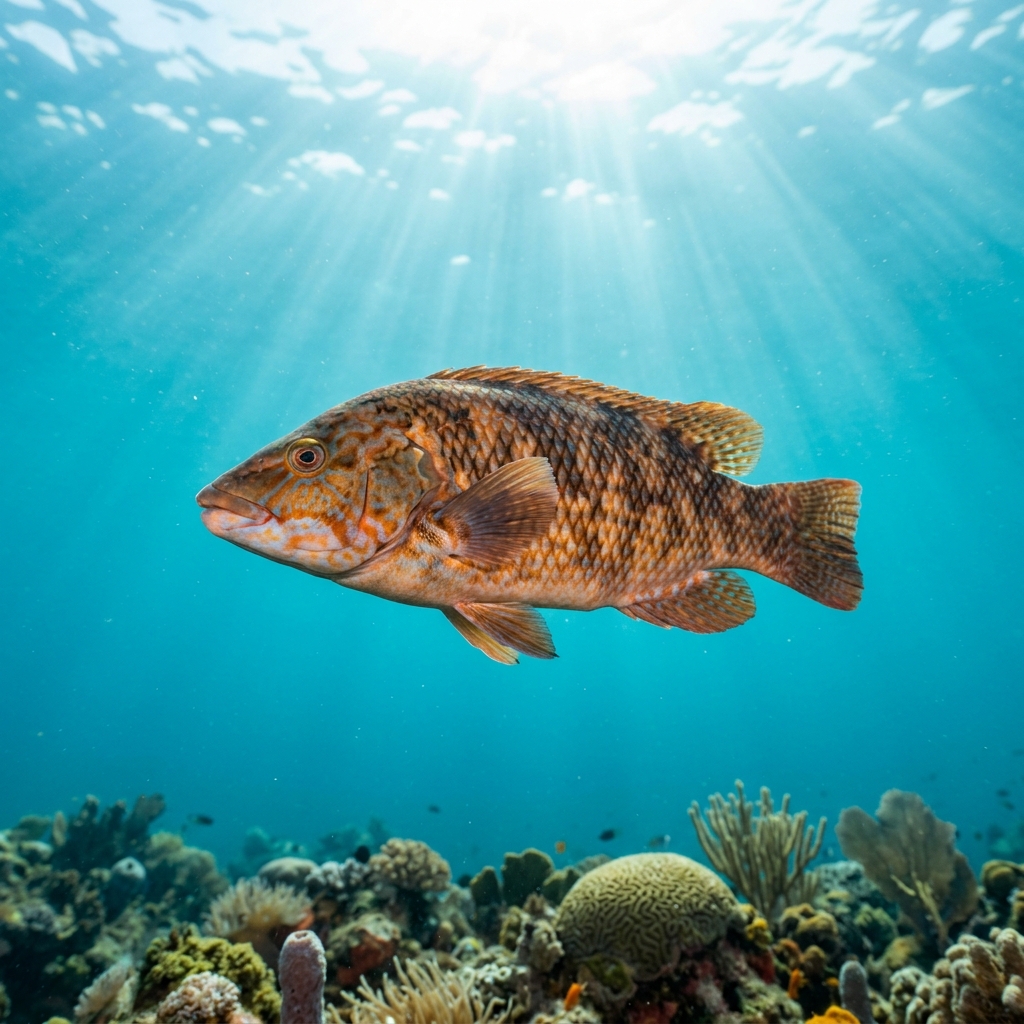
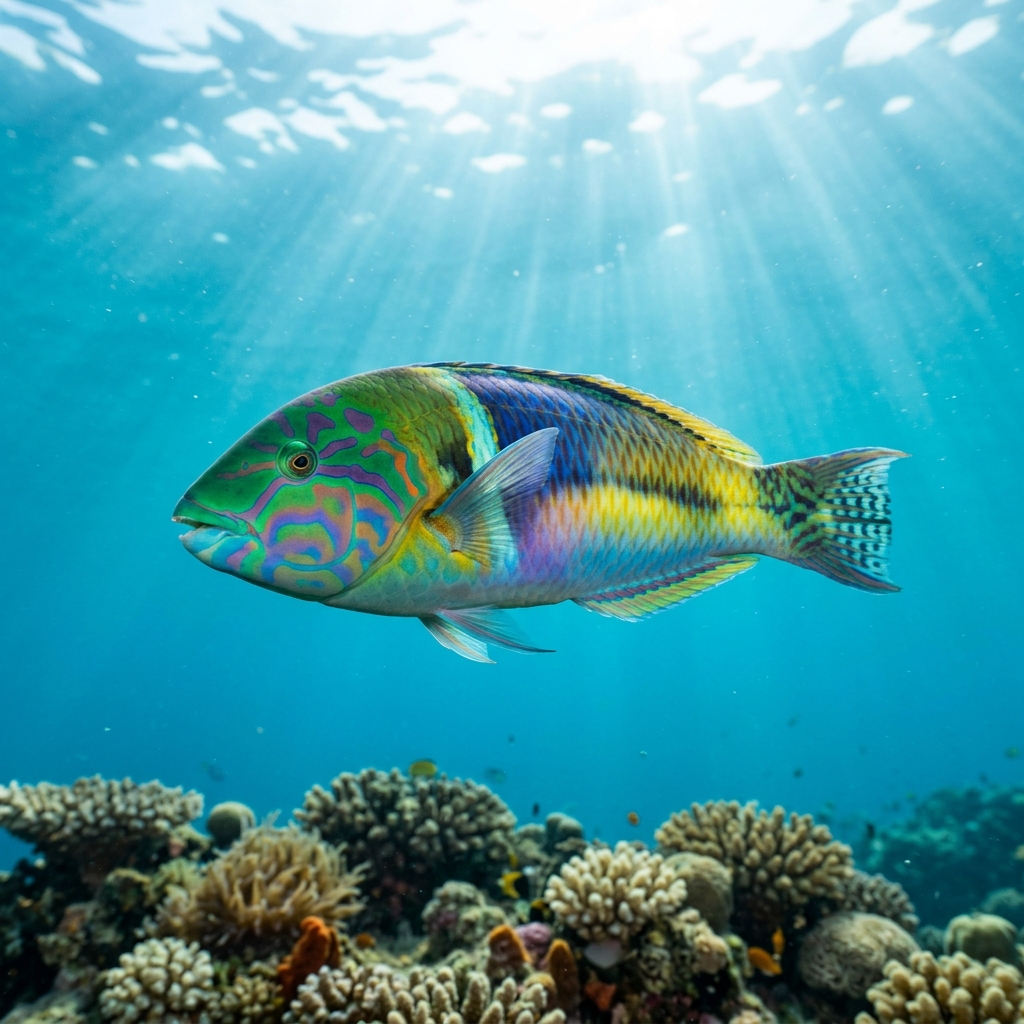
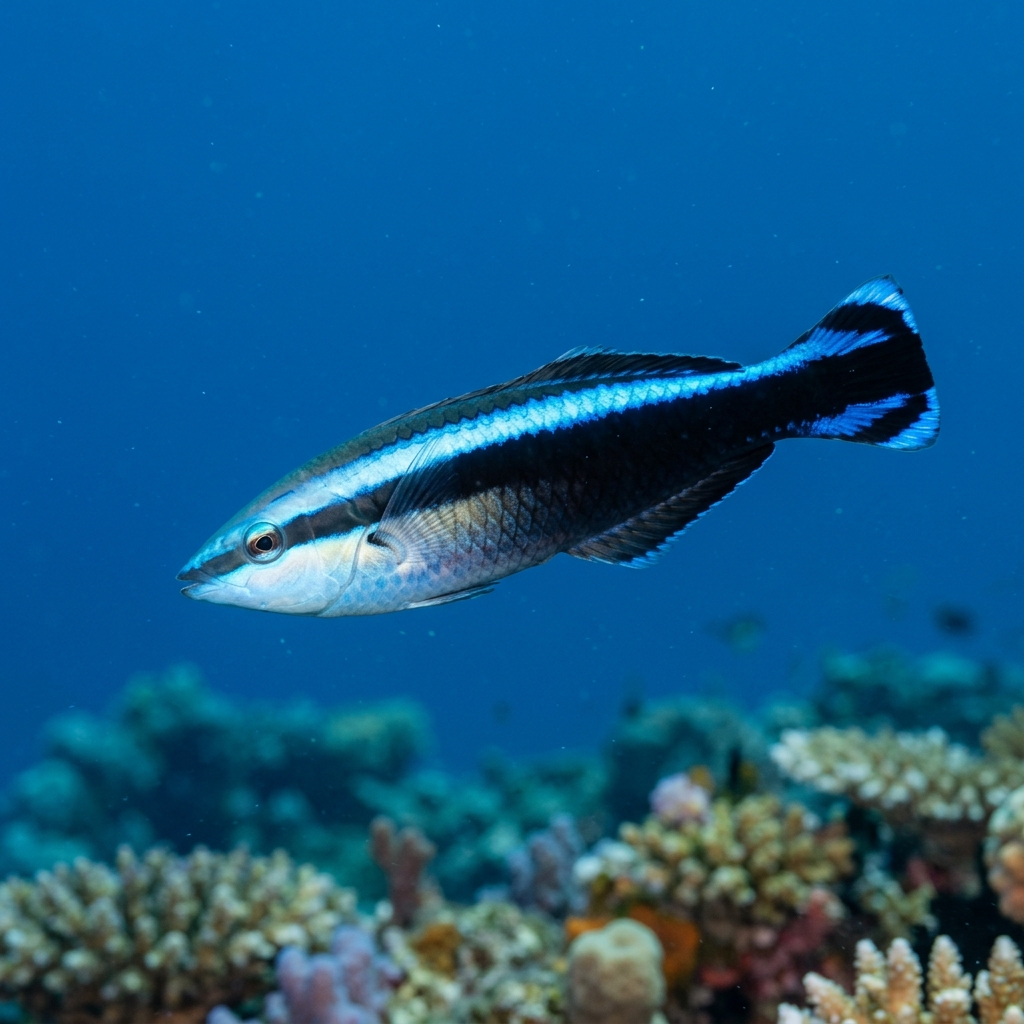
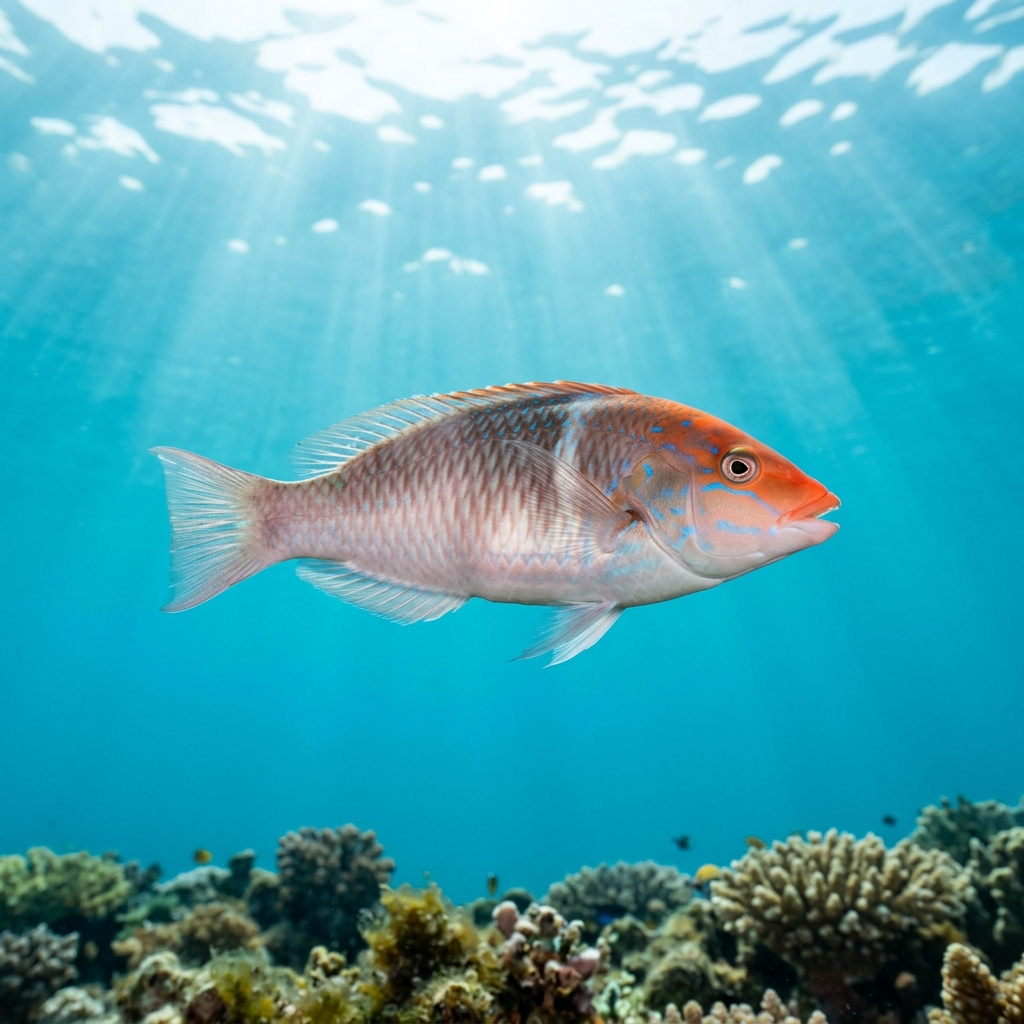
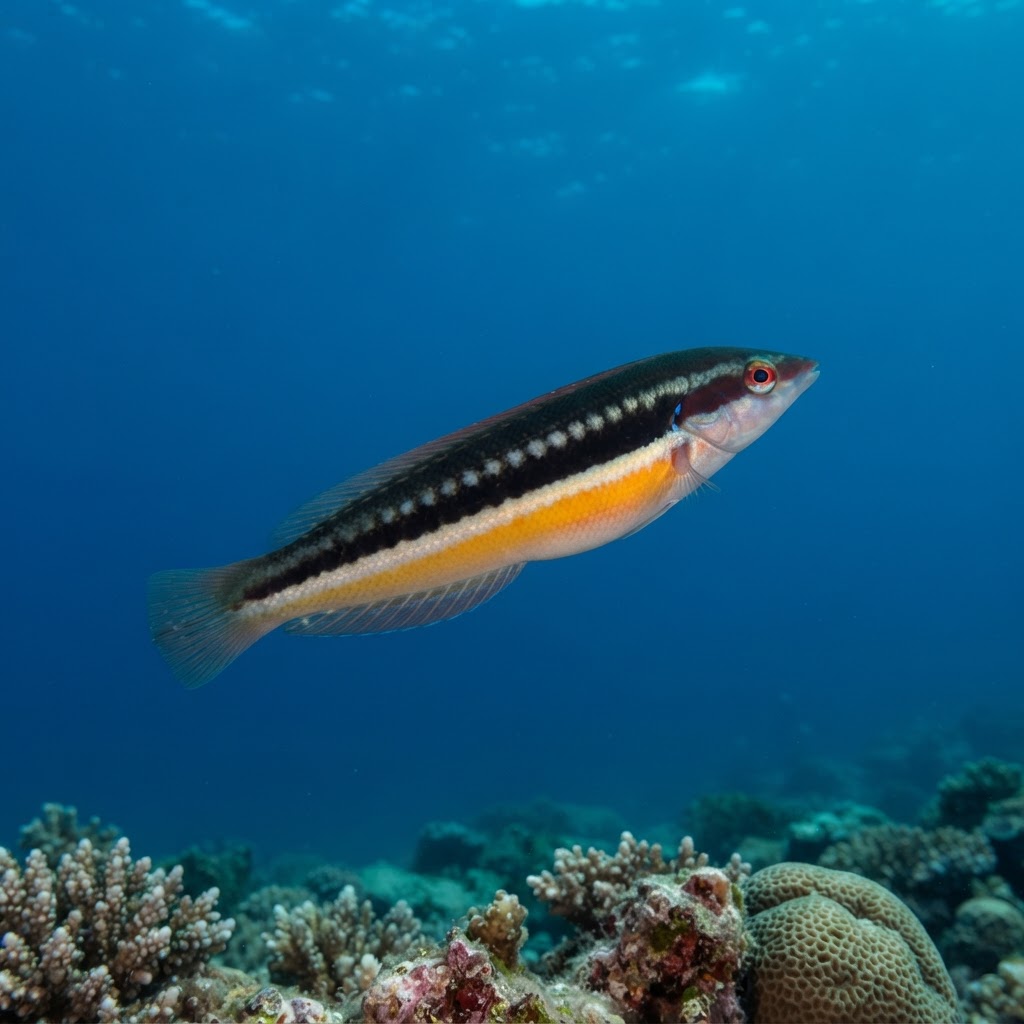
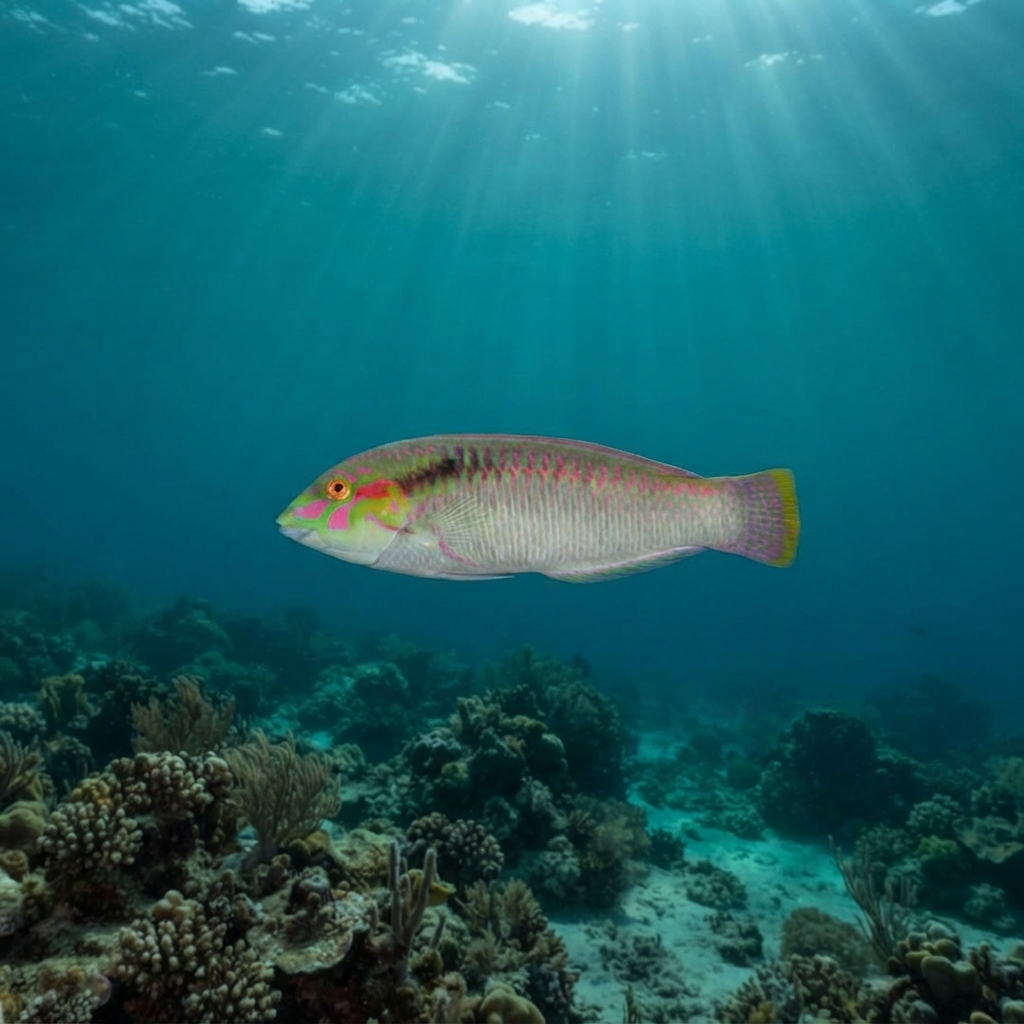
Small and slender, topping out around 14 cm, with a white to pale body and a dark, jagged stripe running along the flank that gives it its name. Look for a rounded tail and a pointed snout typical of wrasses, usually seen darting low over sand patches or rubble near reef edges. It moves in short, quick bursts rather than gliding, which helps separate it from slower-moving reef fish nearby.
Divers usually spot it picking over sand and rubble patches close to the reef base, foraging for small invertebrates in short, darting movements. It keeps a low profile and tends to stay near cover rather than venture into open water, so it is more often noticed by divers scanning the substrate than those looking up at the reef face. Sightings lean toward uncommon rather than guaranteed, so patience around sandy fringes pays off.
Like many wrasses, it is a carnivore that picks small crustaceans and other invertebrates directly off the sand and rubble rather than grazing on coral or algae.
No clear seasonal pattern shows up in the data, and with a comfortable range of 26.2 to 29.3C it stays active on tropical reefs year-round, so any month works for a sighting.
Most commonly logged in the Philippines, especially the Visayas, and across the Maldives' Central Atolls, with strong numbers also from Sabah in Malaysia, Nusa Tenggara in Indonesia, and Koh Lipe and Phuket in Thailand. It also turns up reliably at Flic-en-Flac in Mauritius, making it a fixture across a wide swathe of Indo-Pacific reef diving.
Mapping where Zigzag Wrasse is logged…
It is most reliably seen in the Philippines, particularly the Visayas, and across the Maldives' Central Atolls. Sabah in Malaysia, Nusa Tenggara in Indonesia, and Koh Lipe and Phuket in Thailand are other strong spots.
There is no strong season in the sighting data, and it favours warm water between roughly 26 and 29C, so it is present on tropical reefs throughout the year.
Look for a small, slim wrasse around 14 cm long with a pale body marked by a dark, jagged stripe along its side. It tends to stay low over sand and rubble near the reef, moving in quick darting bursts.
They are small reef fish, typically reaching about 14 cm in length, so they are easy to overlook against busier reef backgrounds.
No, they pose no threat to divers. They are small, reef-associated carnivores that keep to themselves while foraging over sand and rubble.
Most divers who log it describe sightings as uncommon rather than guaranteed, though it turns up as common or even very common at a smaller number of sites, particularly in the Maldives and Philippines.
Site and sighting data is aggregated from diver logs, iNaturalist and GBIF. For taxonomy and conservation status:
Bird Wrasses
3,632 sites