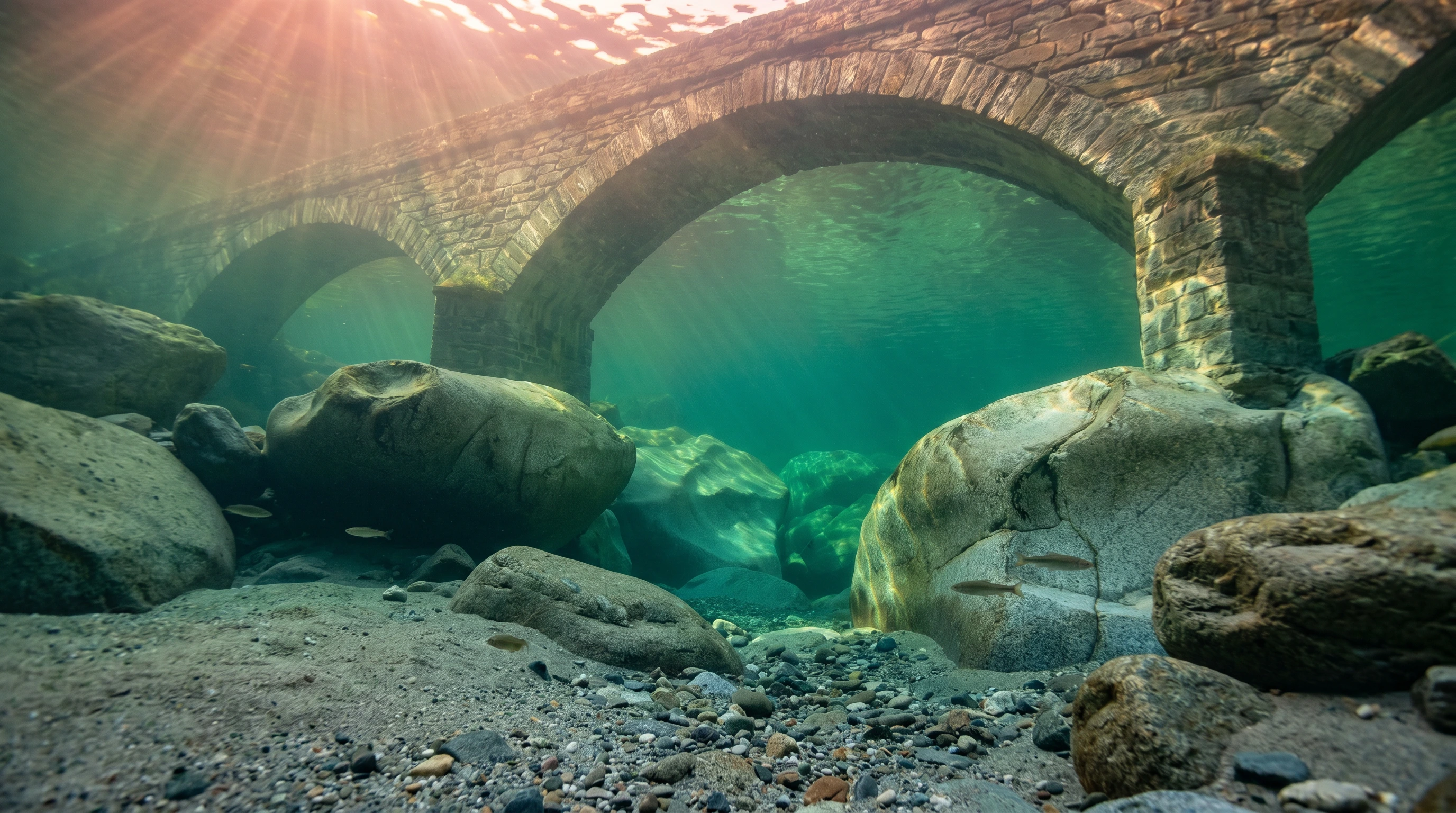
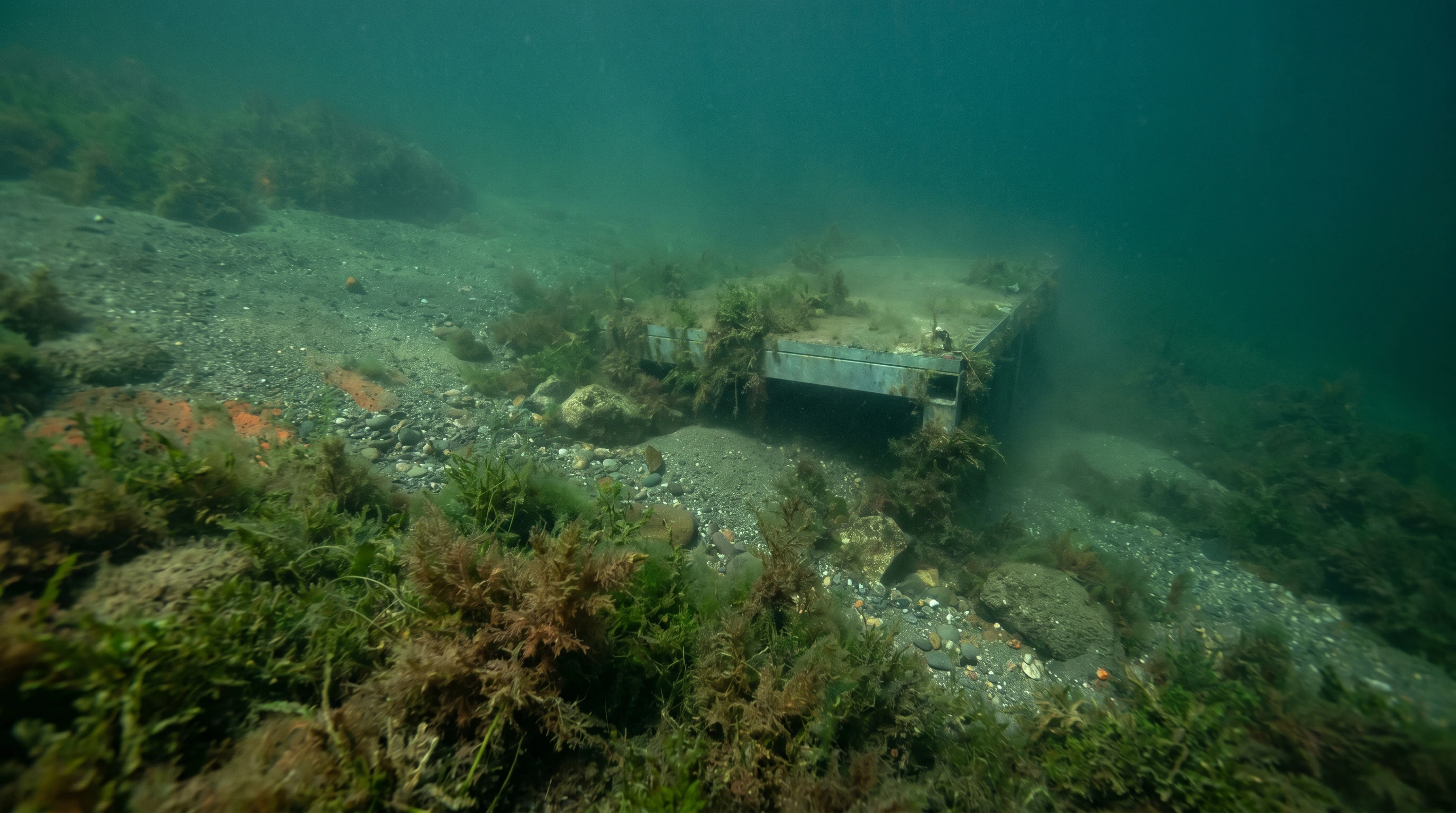
The Alps offers a distinctive freshwater diving experience across three sub-areas: the Engadine Lakes, Alpine Reservoirs, and Davos. Sites range from gentle shore-entry walls and mild drift dives, such as Old Julier Bridge, to varied topography at depth, as at Plaun da Lej. Carp is observed across the vast majority of sites, with Trout also a consistent presence. Skill levels span beginner to advanced, and most sites are reached directly from shore. The high-altitude setting and freshwater conditions make this an unusual diving destination within Switzerland.
3 areas
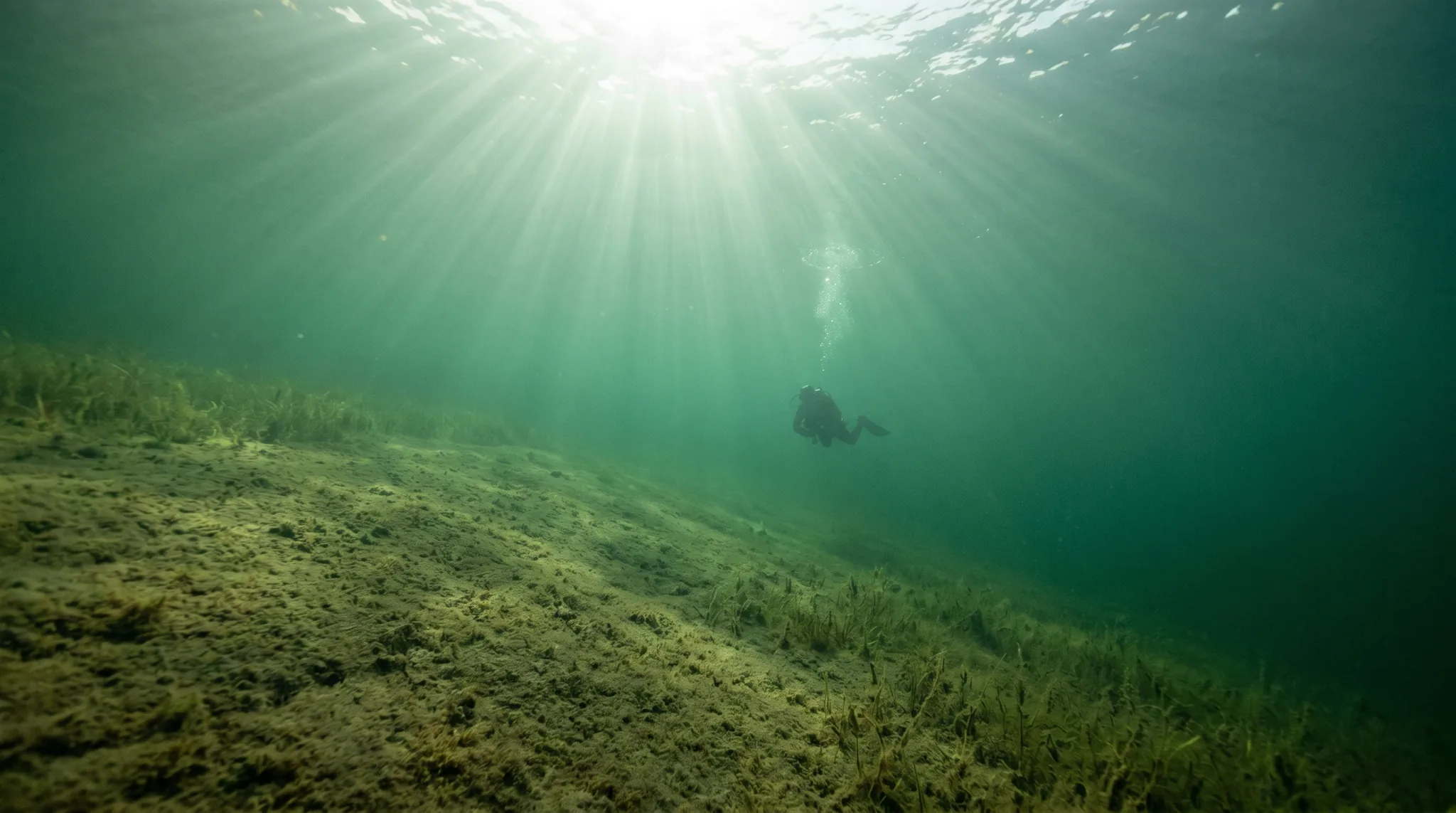
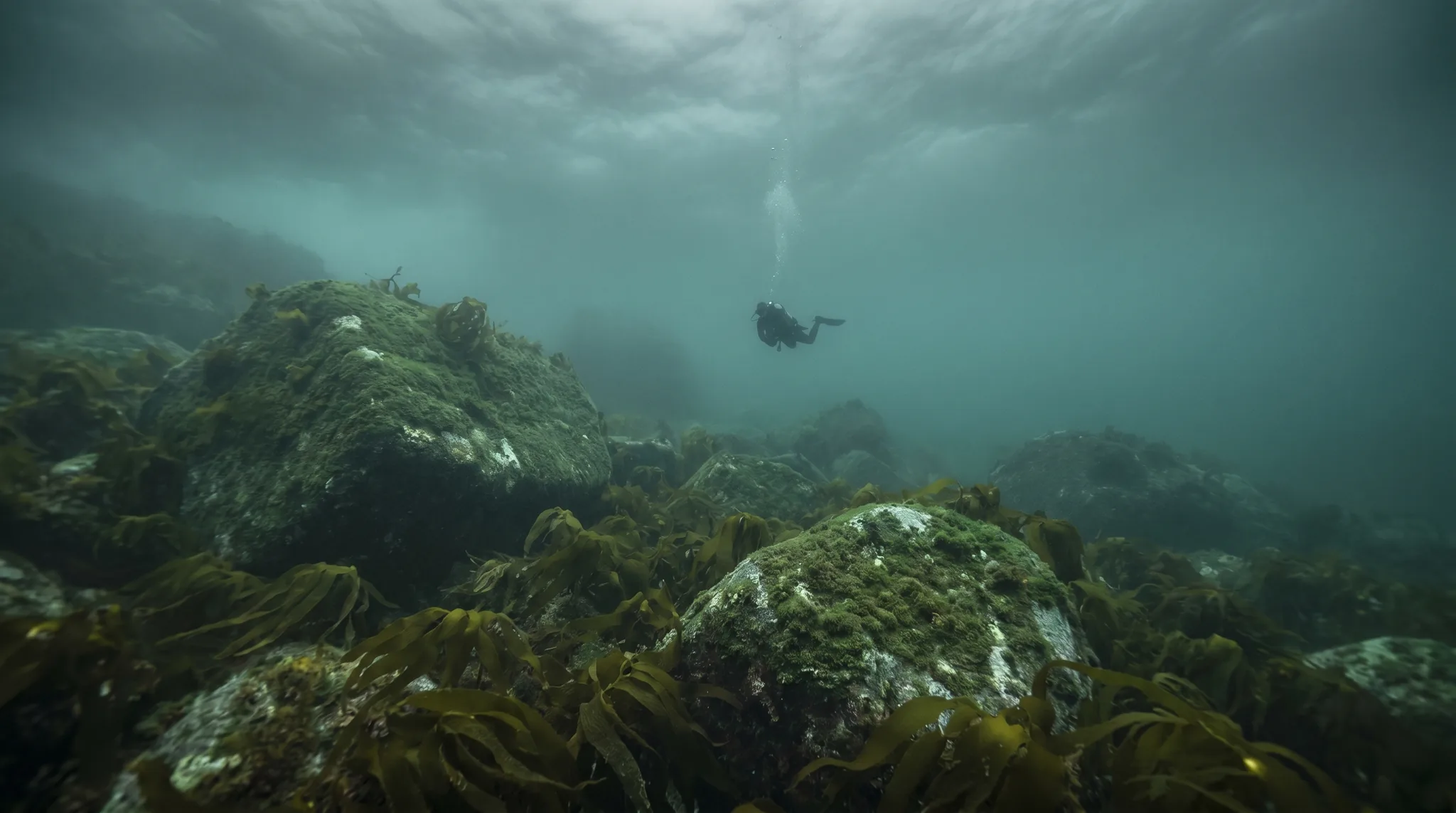
17 operators
Switzerland
Fin maps 34 sites in Alps (30 scuba diving sites and 6 snorkelling spots, with some suited to both), organised into 3 areas.
Across Alps's dive sites, June, July, August and September are most often reported as the best months to visit.
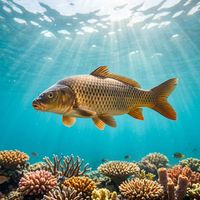
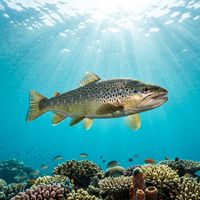
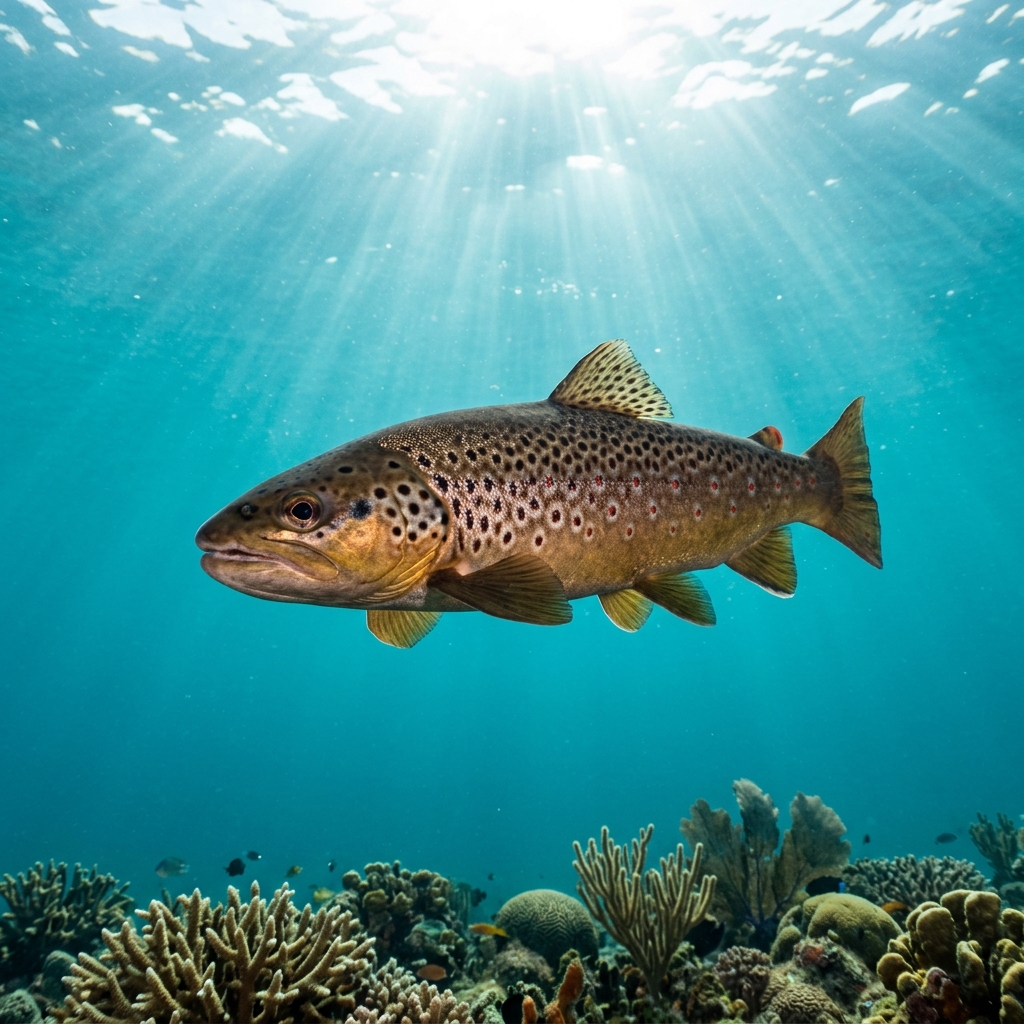
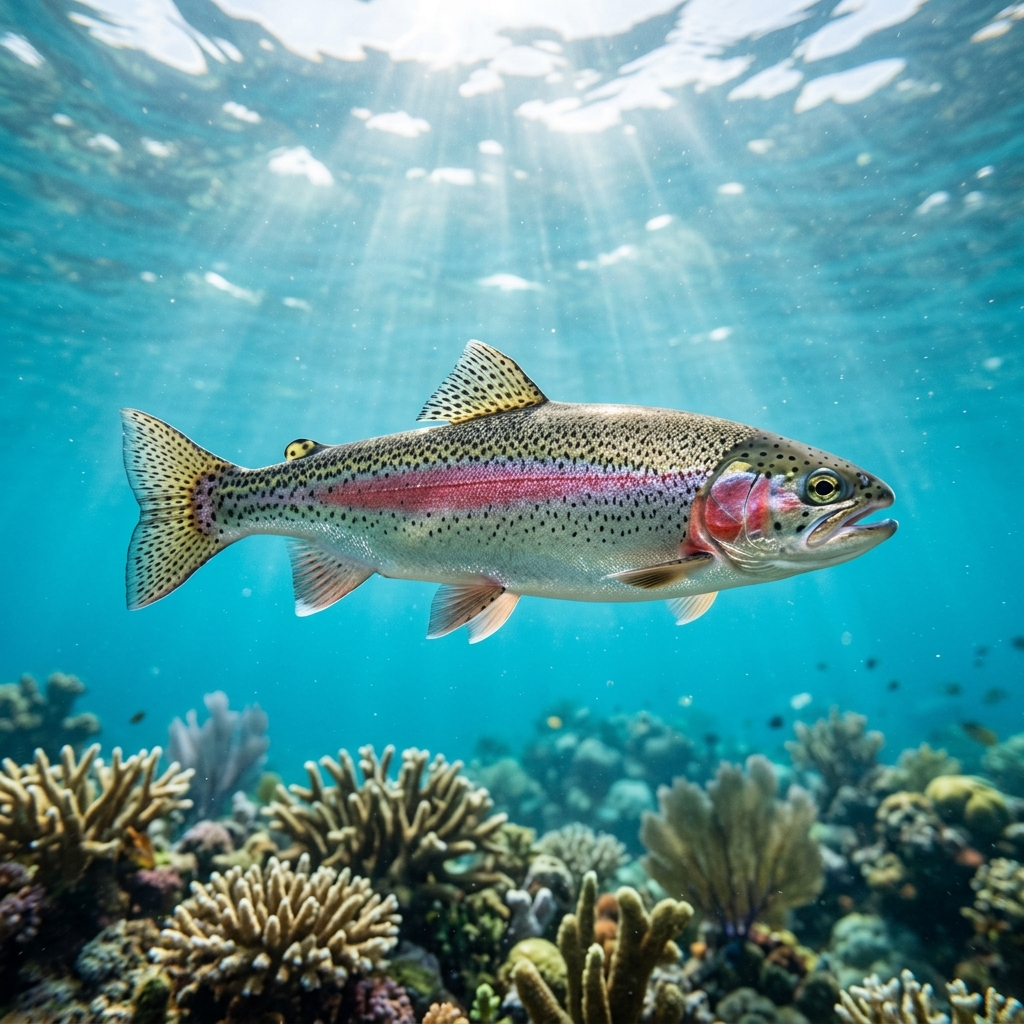
Carp is the most consistently observed species across sites in the Alps, appearing at the great majority of recorded dives. Trout is also commonly sighted, and Brown Trout and Rainbow Trout have both been observed, though less frequently. These freshwater species are the defining wildlife of the region.
Yes, the three sub-areas each have a distinct character. The Engadine Lakes hold the largest number of sites and include varied topography from shallow to deep. Alpine Reservoirs offer a different environment shaped by managed water bodies. Davos has a smaller cluster of sites and is set at high altitude, which affects both the feel of the dive and the conditions encountered.
Several sites are rated for beginners, including Old Julier Bridge, which features a mild drift along a wall structure, and Plaun da Lej, where shallower sections allow newer divers to build confidence. However, the Alps also has advanced sites such as Schottensee, so there is range for divers at different levels. Shore entry is standard across the top sites, which simplifies access.
Two operators are listed for the region: Scubalino and Clubhaus Tauchclub Orca. Both can serve as useful points of contact for local knowledge on conditions, site access and equipment in this freshwater alpine setting.