Best for beginner divers, 5-27m, shore entry, mild current.
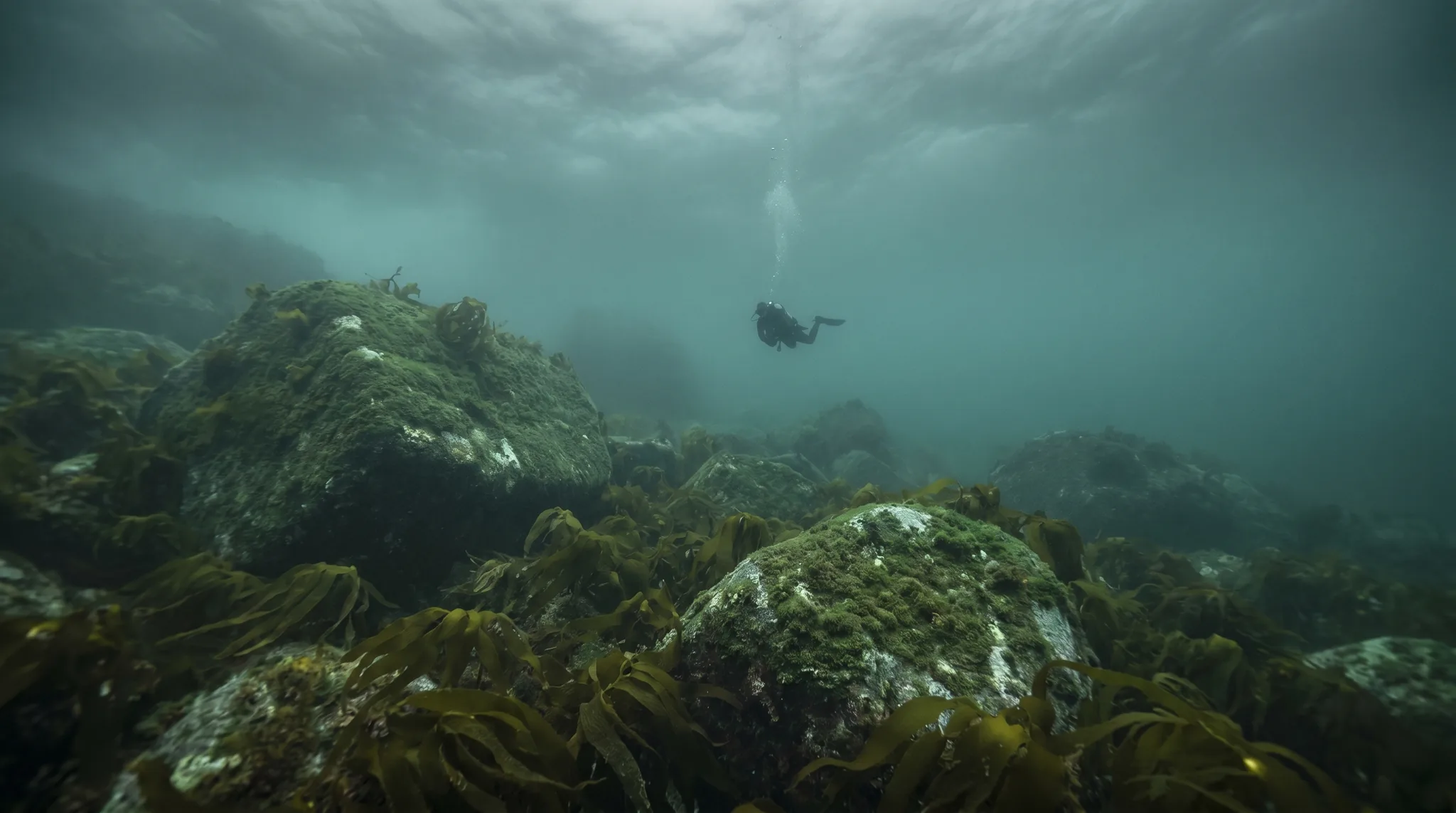
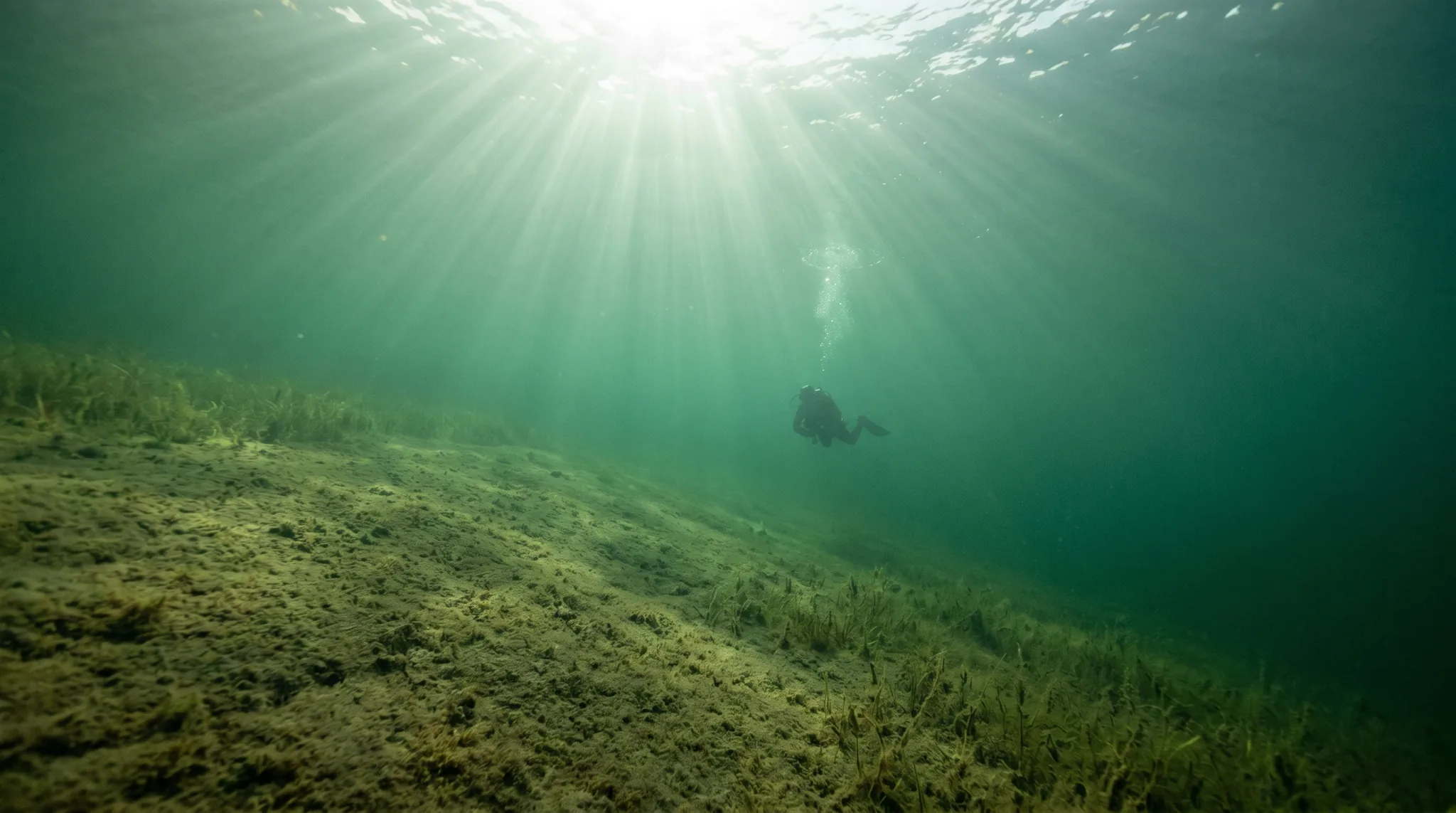
Sörhults stenbrott is a flooded former quarry in Blekinge, Sweden, offering shore-entry diving for all skill levels. The site features a rocky reef structure with depths ranging from 5 to 27 metres, averaging 15 metres. Visibility typically varies between 5 and 15 metres, and currents are mild. Divers can expect to encounter temperate freshwater fish and invertebrates common to the region. A dive shop is located on-site, providing air fills and guided tours to assist with site orientation. Divers should remain aware of potential entanglement risks near submerged structures and watch for local boat traffic when surfacing.
56.93470, 14.33920
Watch out for sharp rock edges throughout the site and keep an eye on your gear and gauges near any submerged structure where entanglement is a risk. A guided tour is worth taking on your first visit to learn the layout before diving independently.
Access info coming soon
Expected in this region. No sightings logged here yet.
Depth
5-27m
Visibility
5-15m
Skill Level
Beginner
Entry
Shore
Current
Mild
Typical Dive
45 min
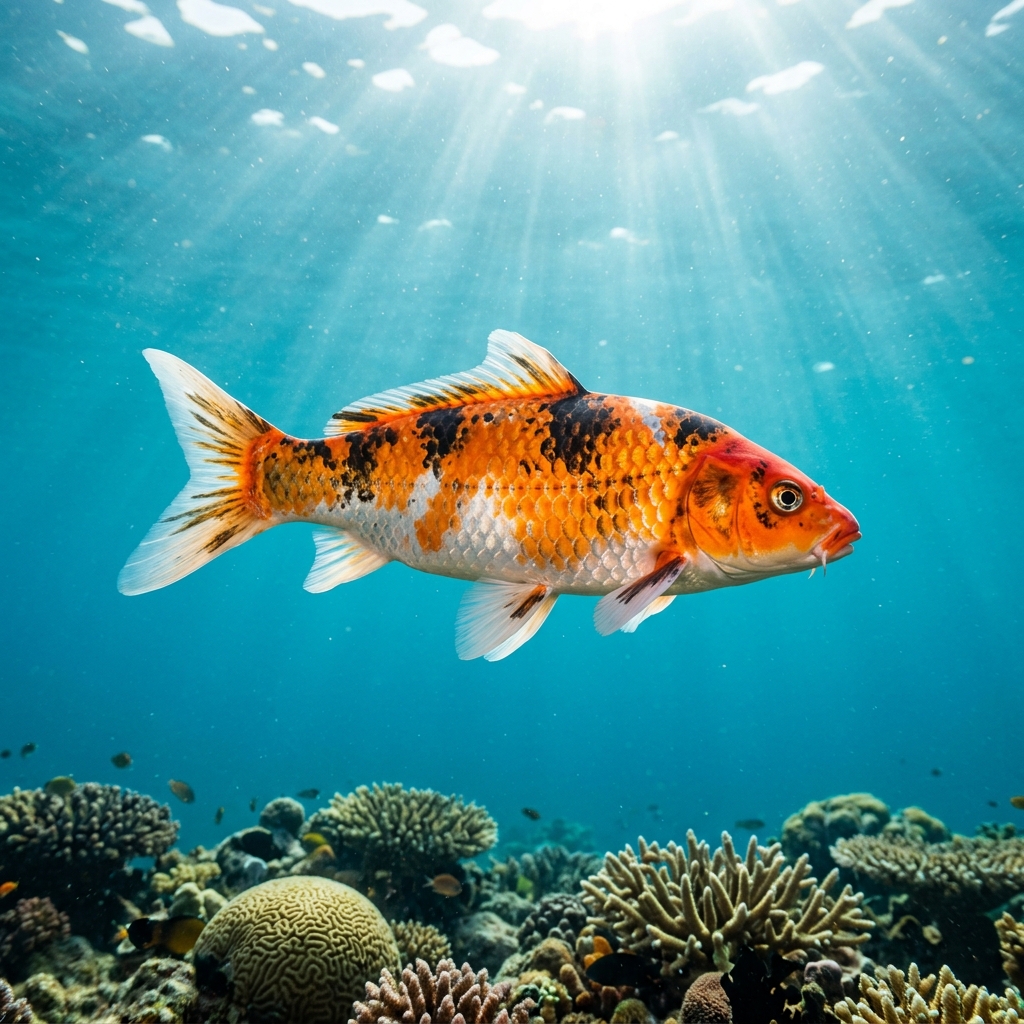
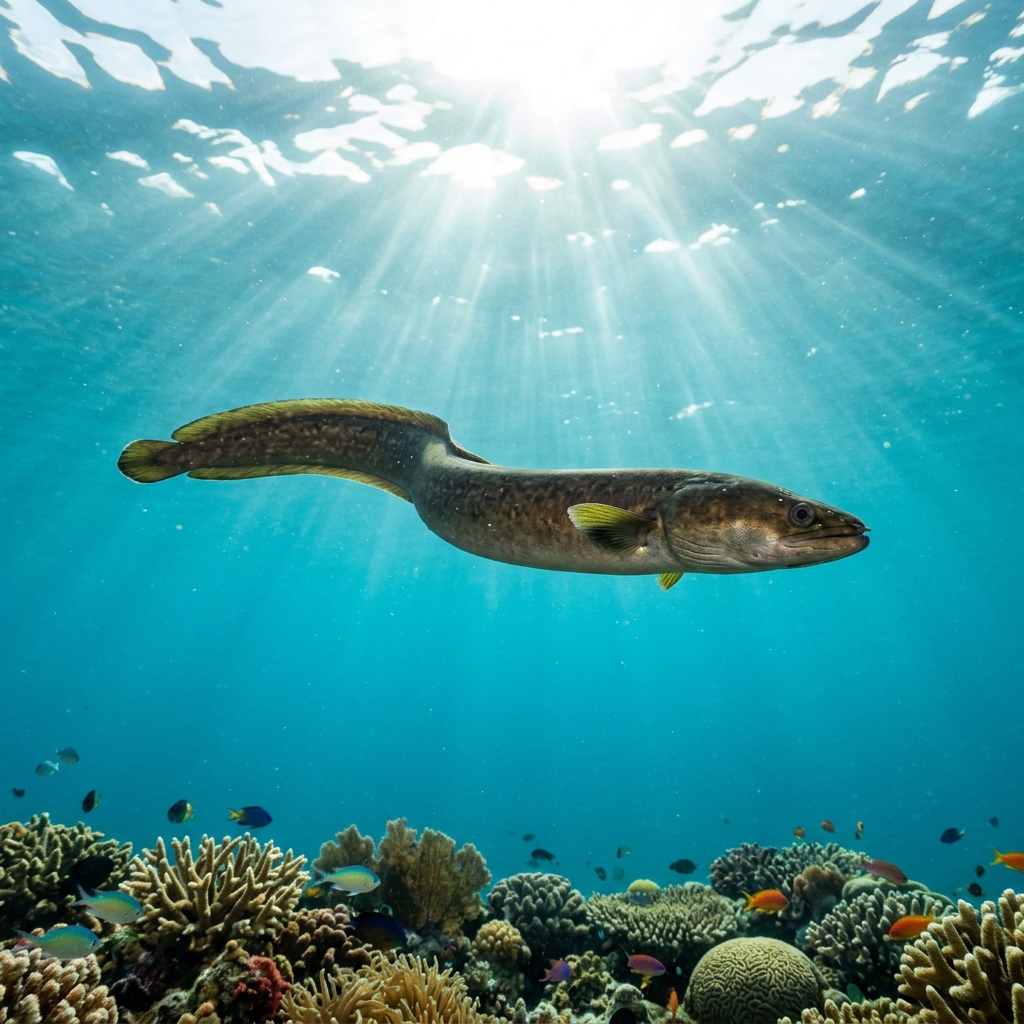
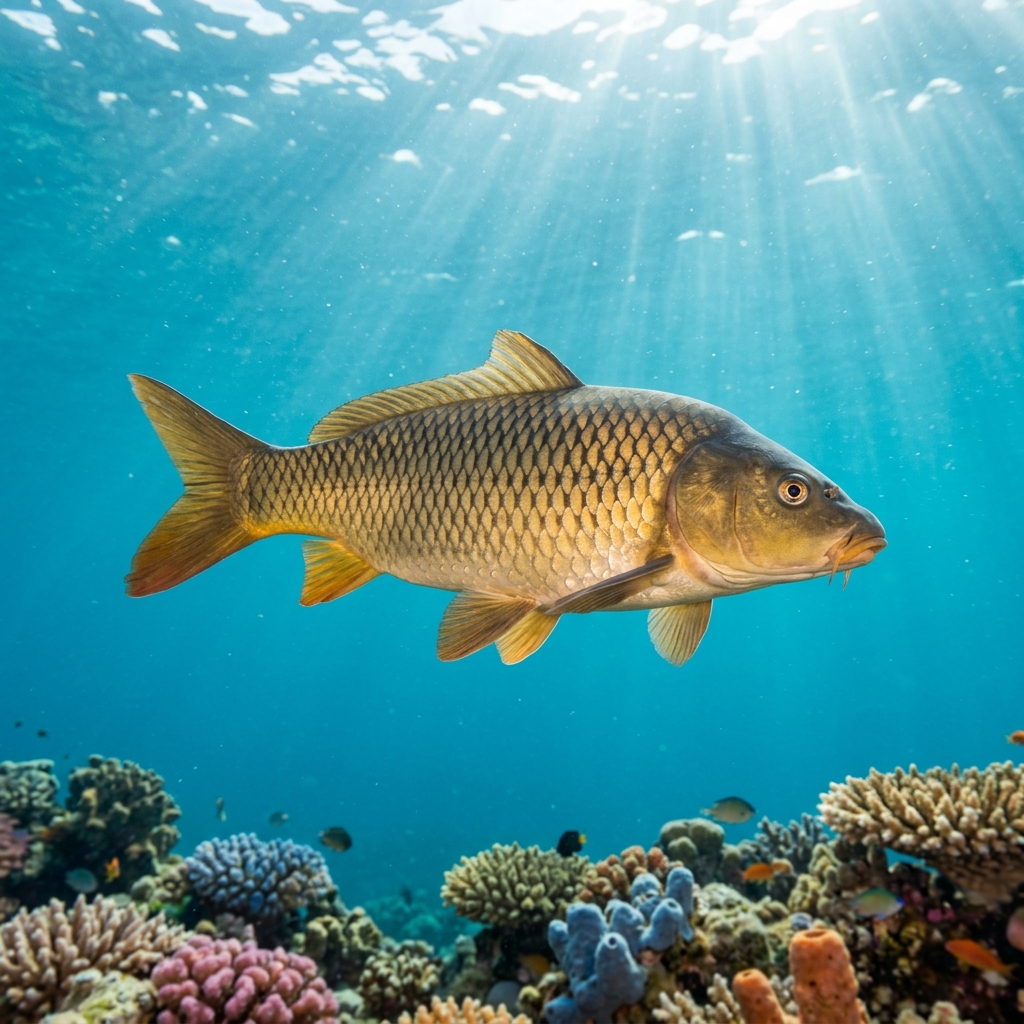
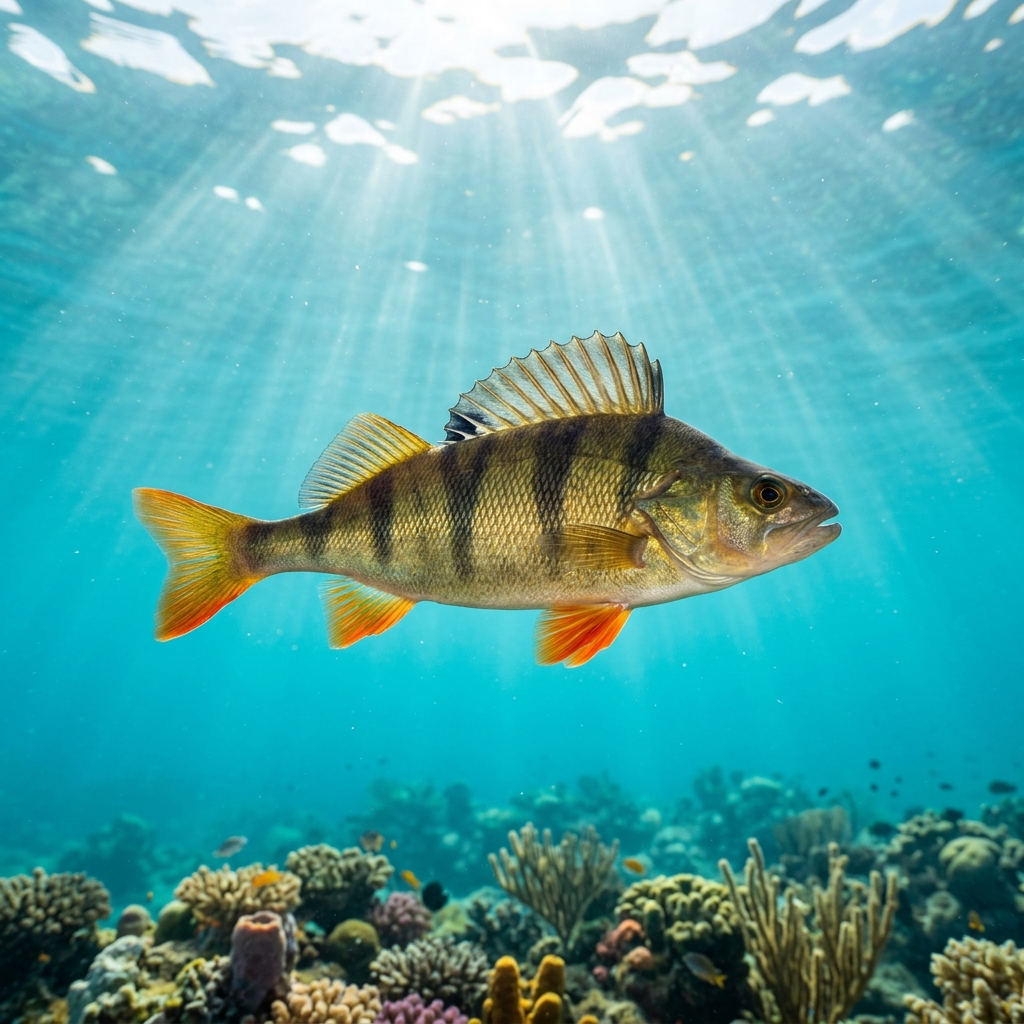
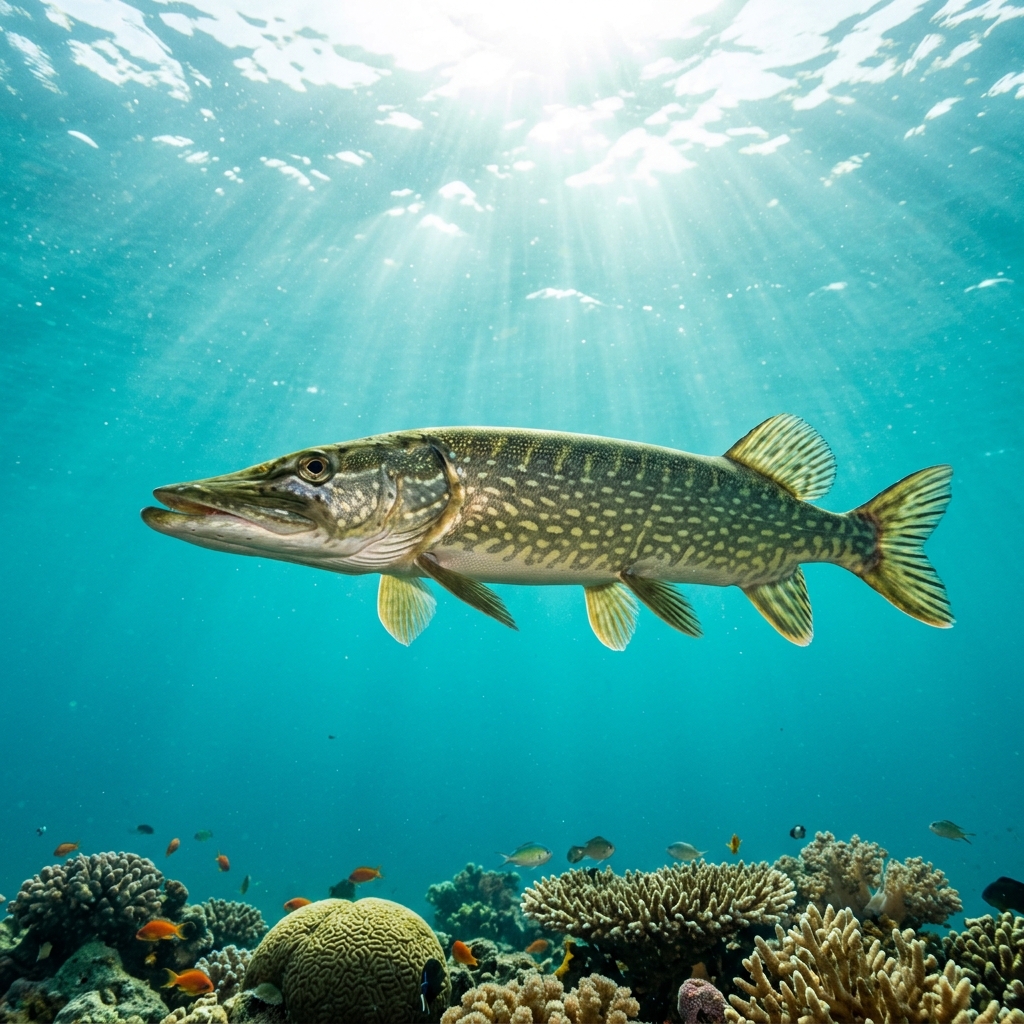
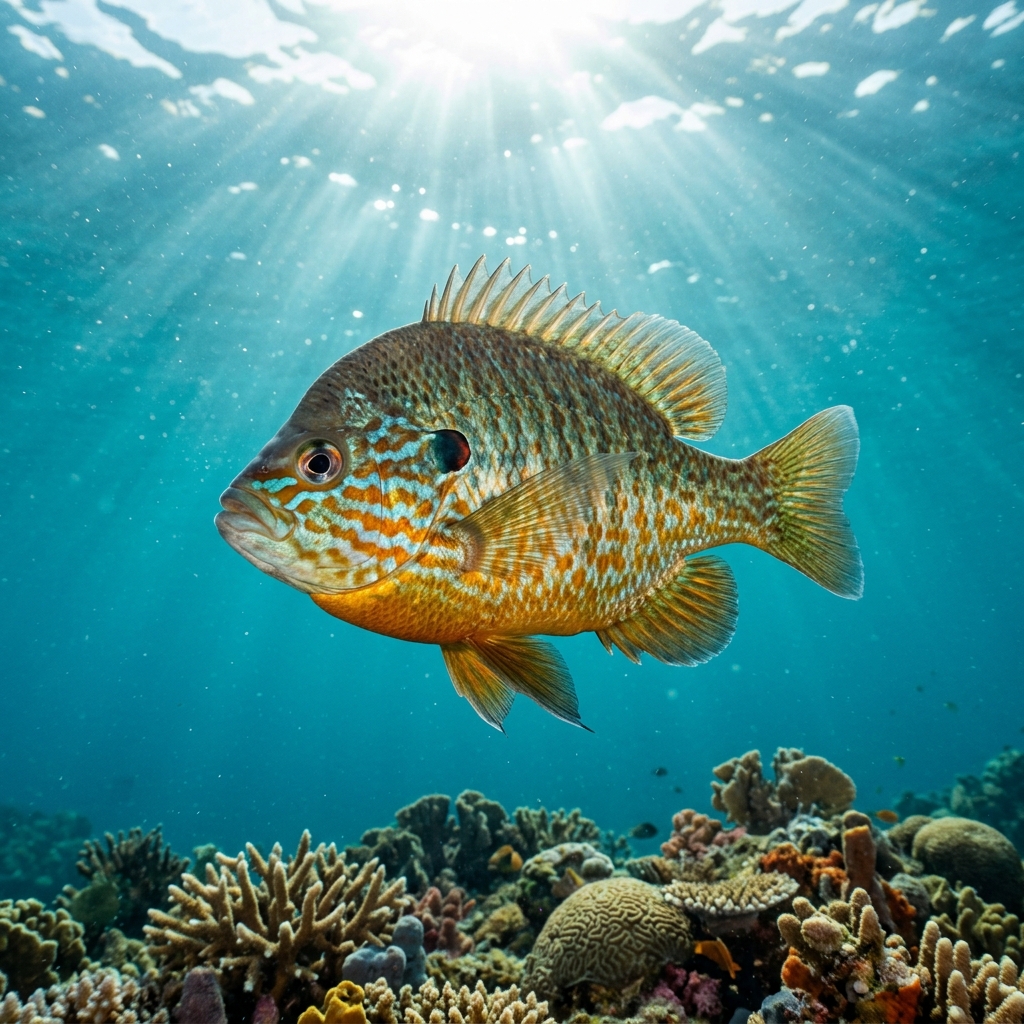
The site supports temperate freshwater fish and invertebrates typical of the region, including various perch, carp, and eel species, as well as freshwater sponges and shrimp.
Yes, the site is suitable for beginners, offering a range of depths that allow for buoyancy practice in manageable conditions.
The site ranges from 5 metres to 27 metres in depth, with an average depth of 15 metres.
Yes, Sörhults stenbrott is a shore-entry dive site.
Divers should be cautious of sharp rock edges, potential entanglement risks on submerged structures, and local boat traffic when surfacing.
Diving at Sörhults stenbrott in Rydaholm requires the following certifications: Open Water. Always dive within your training limits.
Sörhults stenbrott in Rydaholm typically has mild currents that most divers can handle comfortably.
Visibility at Sörhults stenbrott in Rydaholm typically ranges from 5 metres to 15 metres. Conditions vary with weather, tides, and seasons.