Diplodus capensis
Uncommon but reliable in South Africa's Western Cape, this silvery sea bream turns up on reef dives year-round in 18.6 to 27 C water.
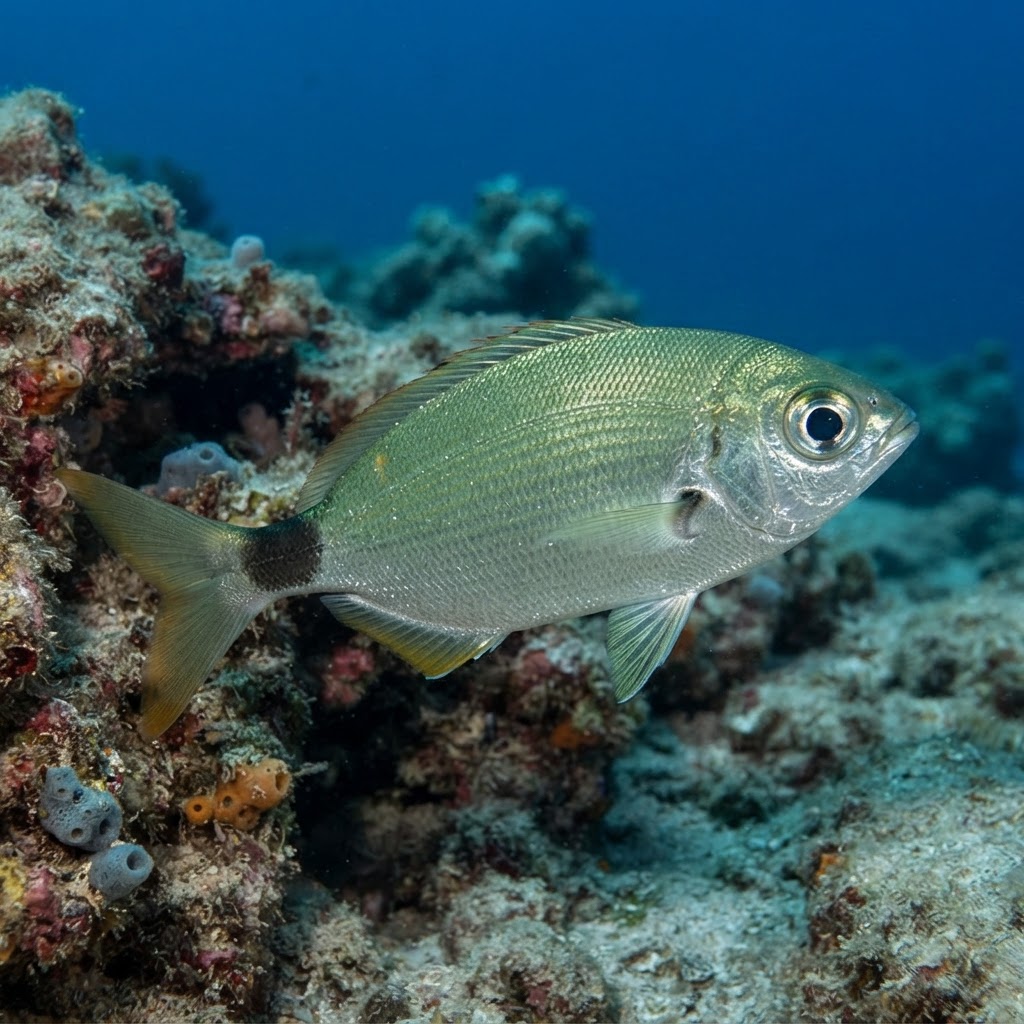
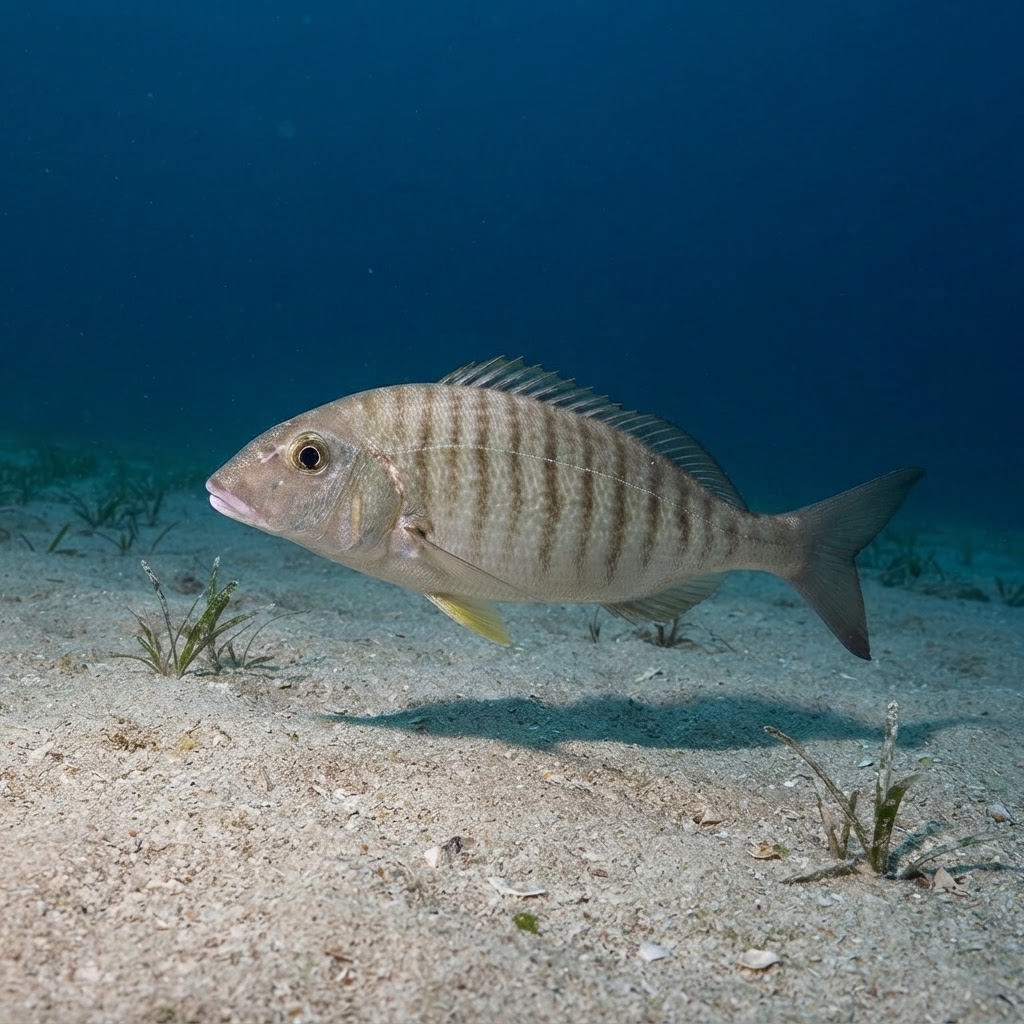
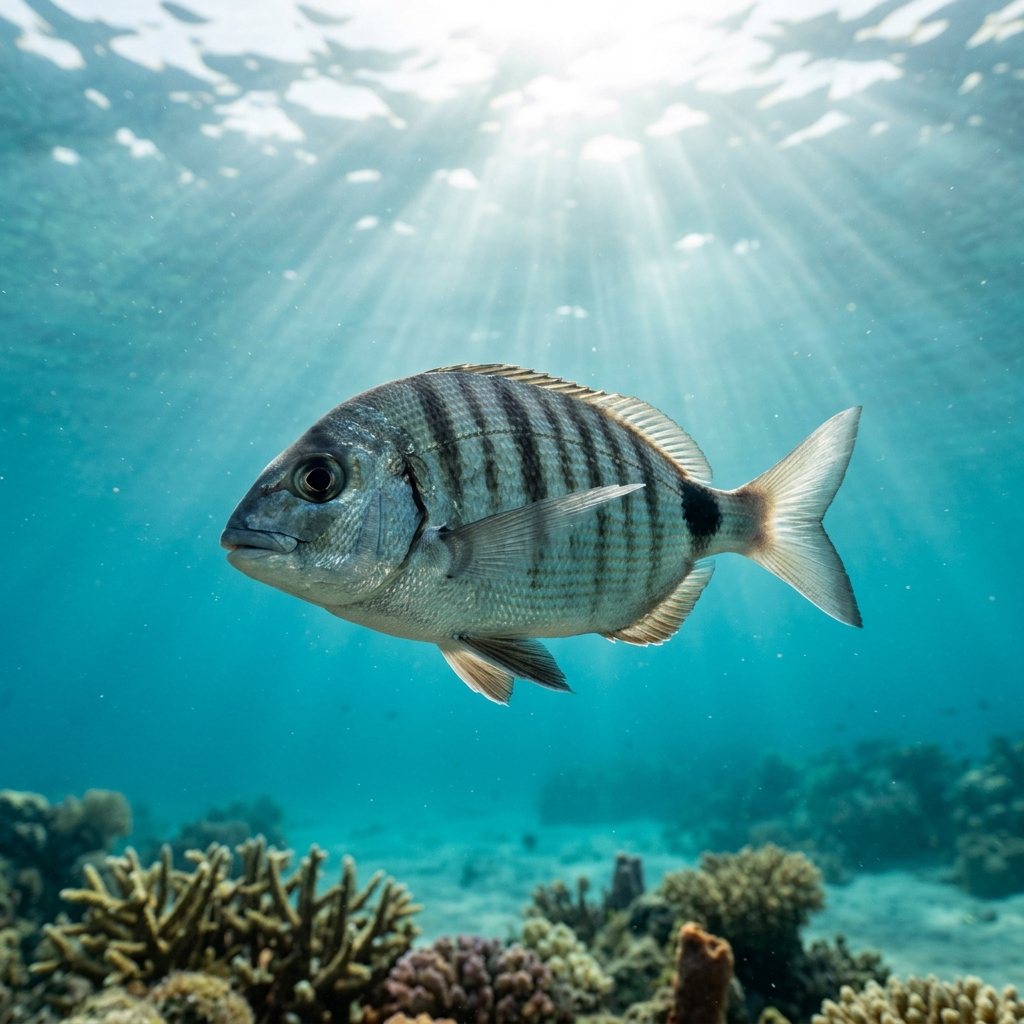
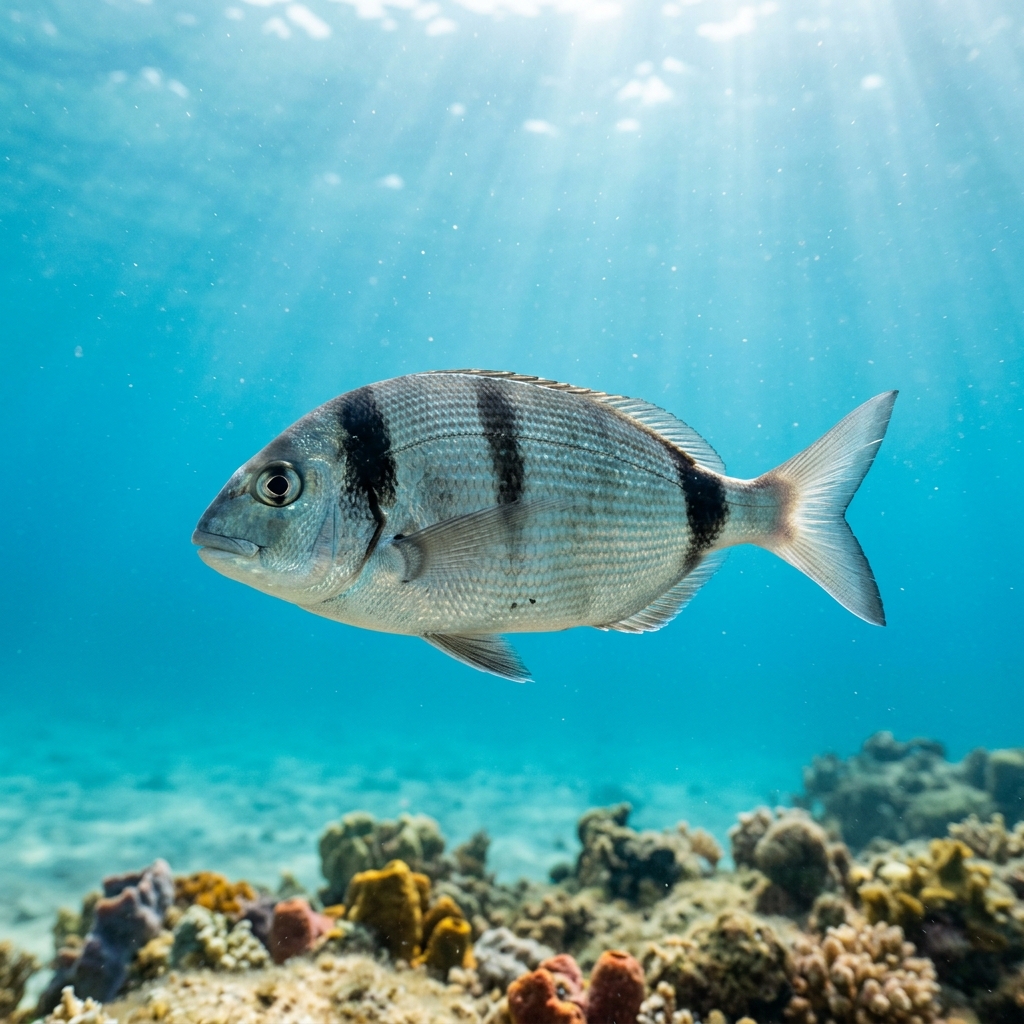
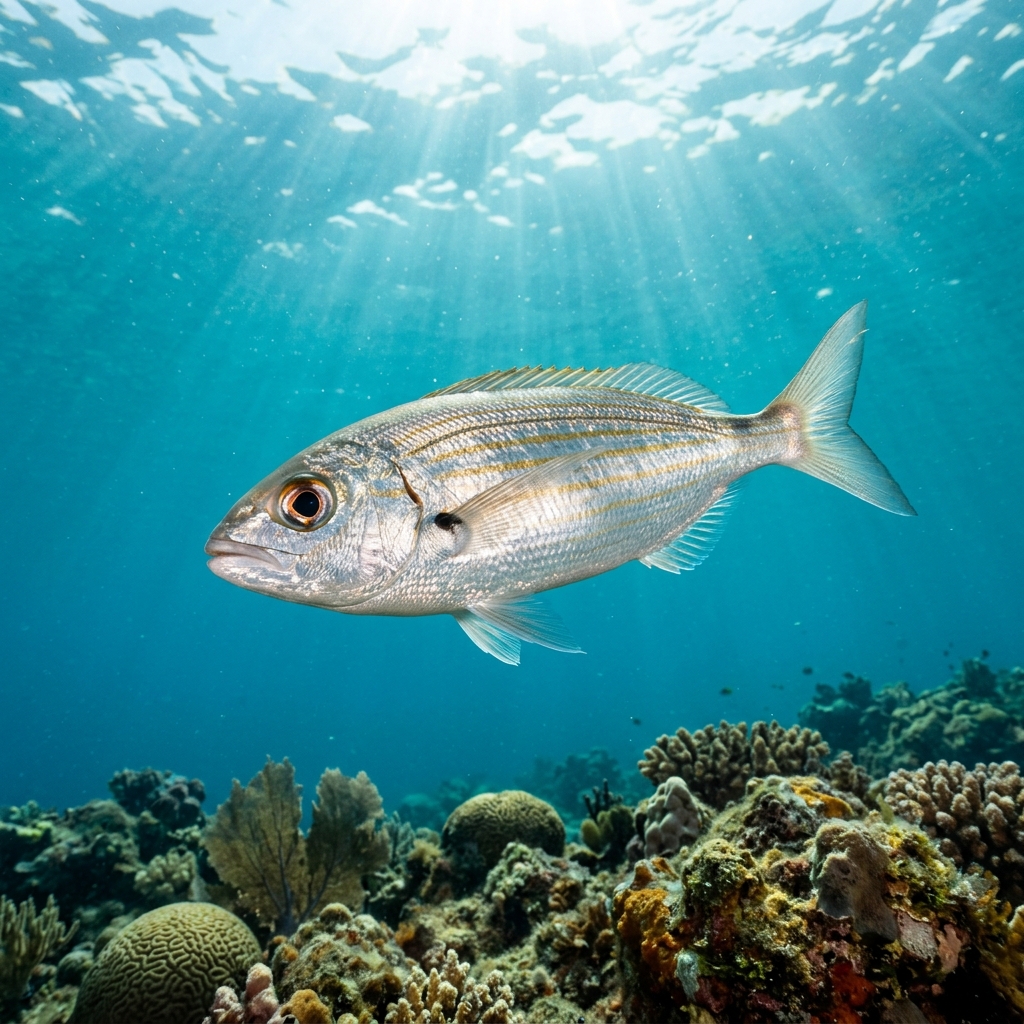
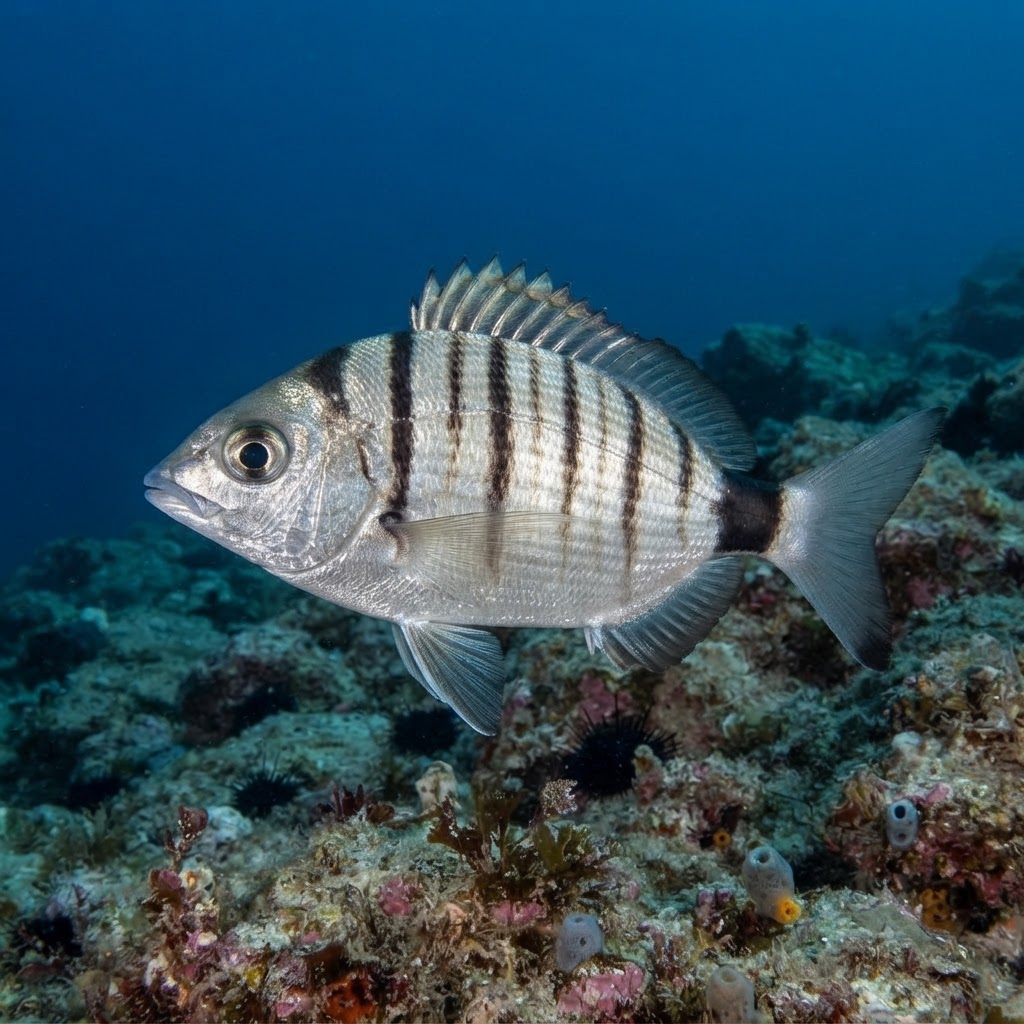
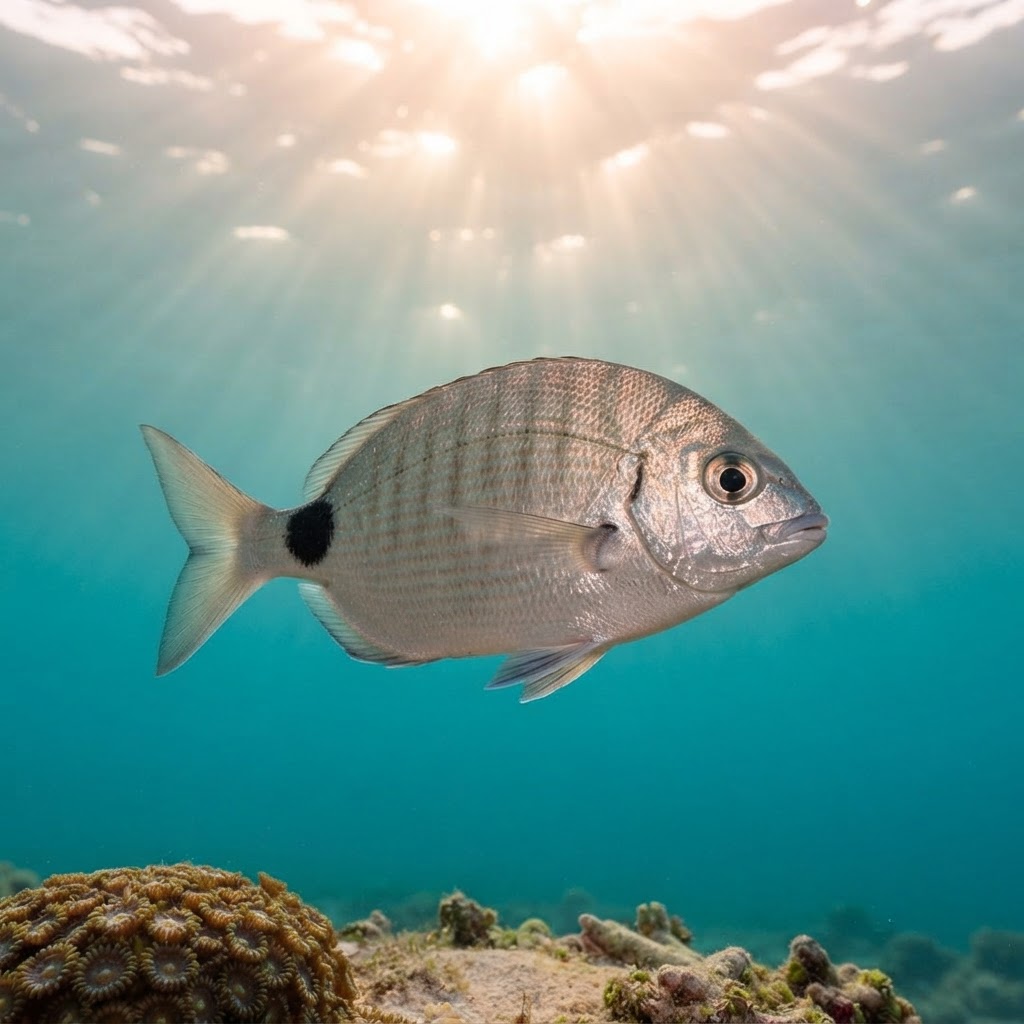
A stocky, silvery-grey sea bream around 31 cm, deeper-bodied than it is long, with faint dusky vertical bars that fade in and out depending on mood and light. Look for a blunt head and a single dark patch near the base of the tail, which is the most reliable mark against similar-looking bream on the same reef. It usually hangs with its body angled slightly nose-down as it works over rock and reef structure.
Divers usually find it cruising alone or in small loose groups over rocky and mixed reef, picking at the substrate rather than schooling in open water. It tends to keep a cautious distance rather than approach, drifting off over the reef edge if you close in too fast. Most sightings come from unhurried reef and rock dives rather than wall or blue-water sections.
Like many Diplodus sea bream, dassie are thought to change sex as they grow, starting life as one sex before some individuals shift as they mature, a pattern common across the genus though not confirmed for every population.
No clear seasonal pattern shows in the sightings, and its comfortable range of 18.6 to 27 C spans the Cape's cooler water through to Mozambique's warmer reefs, so it's a year-round possibility wherever it occurs.
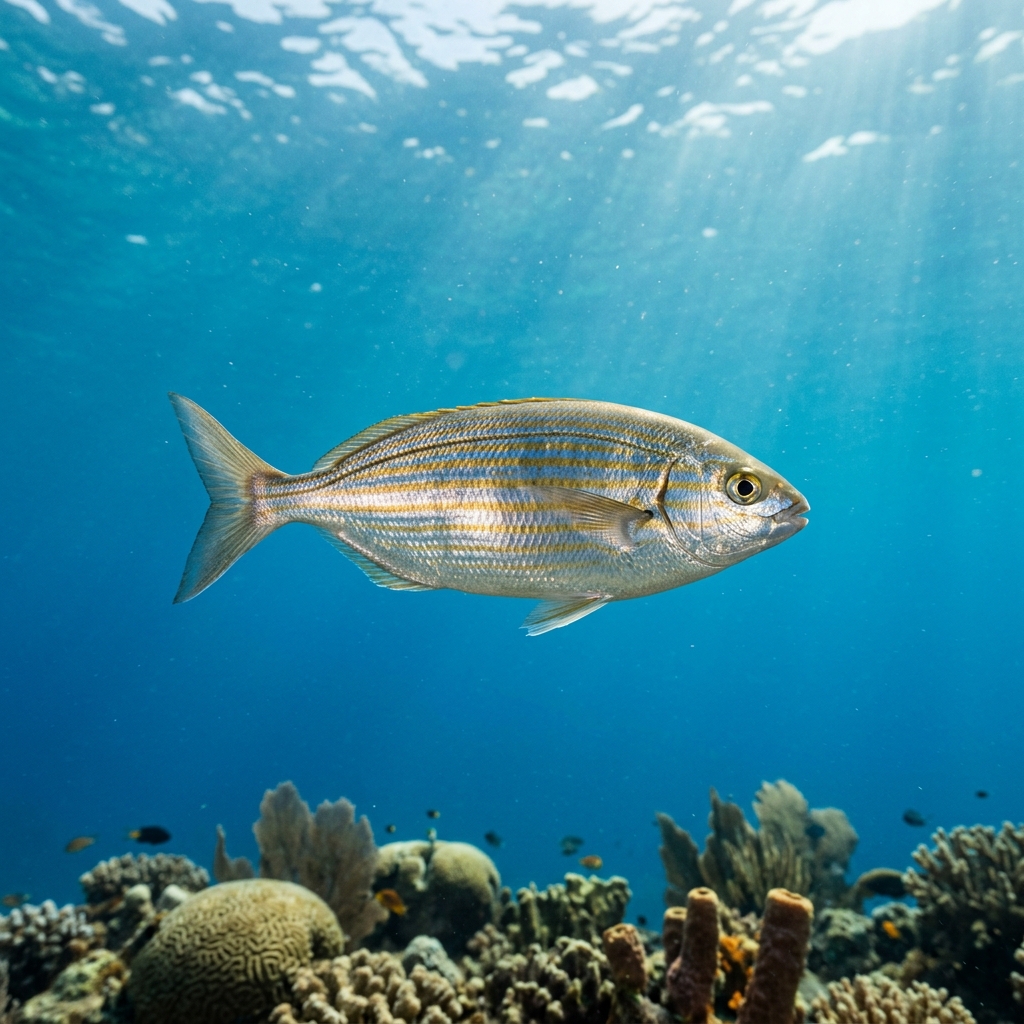
Reef neighbours a diver could mistake it for. Use the identification notes above to tell them apart.
Most consistently logged along South Africa's Western Cape, with a solid secondary presence in KwaZulu-Natal, and it also turns up around Ponta do Ouro in Mozambique. Cape reef and kelp-adjacent rocky sites carry the bulk of sightings, though it's logged as uncommon to rare at most locations rather than a guaranteed find.
Mapping where Dassie is logged…
Best chances are along South Africa's Western Cape, with further sightings in KwaZulu-Natal and around Ponta do Ouro in Mozambique. It's logged mostly as uncommon or rare, so treat it as a nice bonus sighting rather than a target species.
There's no strong season in the sightings data, and it tolerates a wide temperature range from 18.6 to 27 C, so it can turn up on Cape and Mozambique reef dives at any time of year.
Look for a silvery-grey, deep-bodied sea bream about 31 cm long with faint vertical bars and a dark mark near the tail base. It sits low over rocky reef, angled slightly downward as it feeds.
They typically reach around 31 cm in length, a mid-sized reef sea bream rather than a giant of the family.
No. They're a harmless reef sea bream that keeps its distance from divers rather than approaching or defending territory aggressively.
Site and sighting data is aggregated from diver logs, iNaturalist and GBIF. For taxonomy and conservation status:
Saddled Bream
3,846 sites