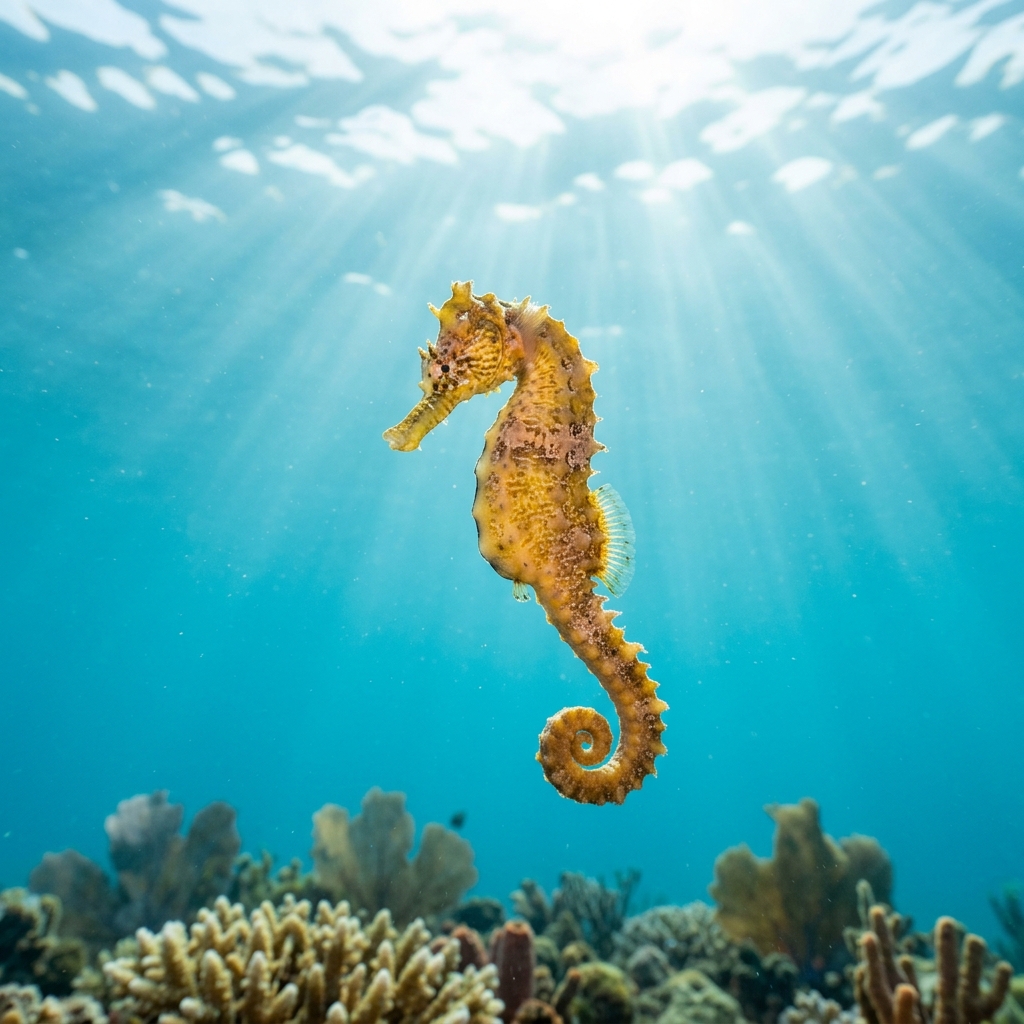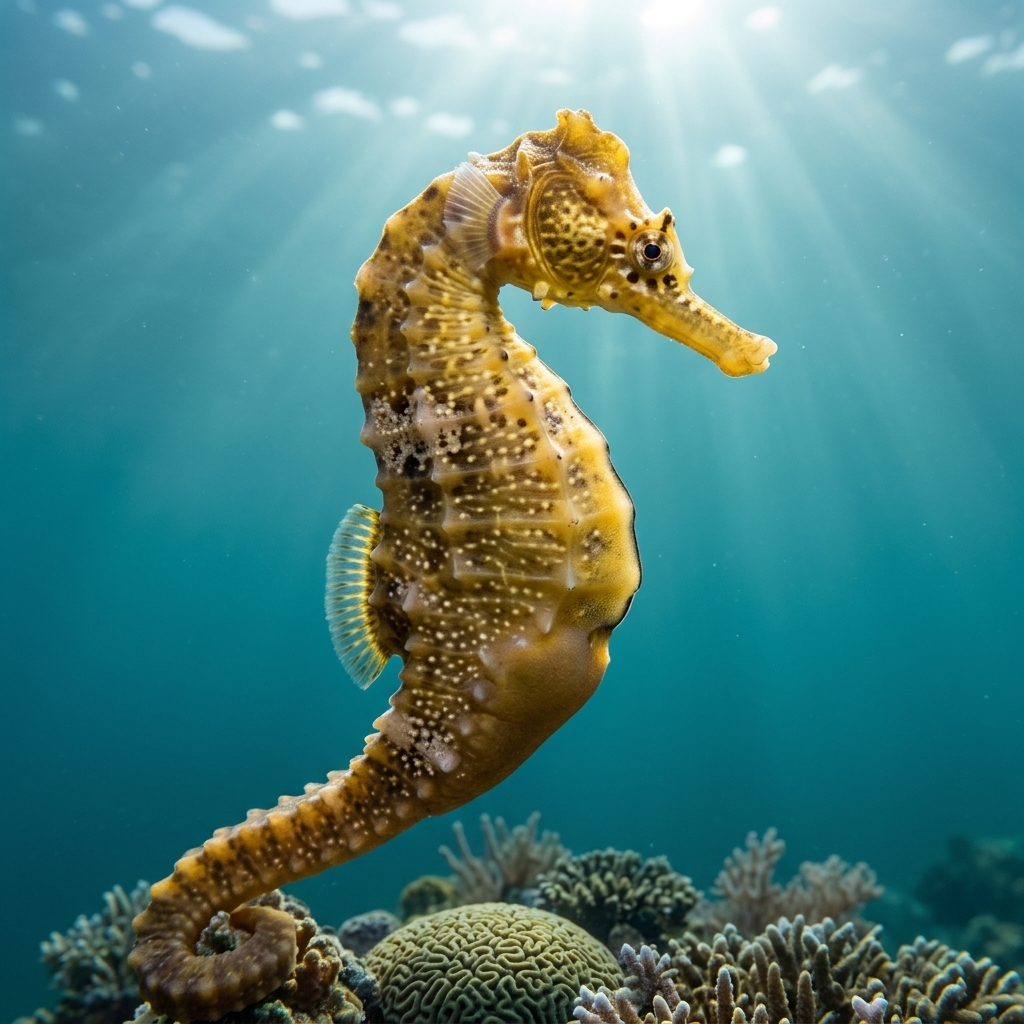
Hippocampus capensis
Rare, secretive and only found in South Africa's Western Cape estuaries, in water as cool as 15.4 C. Here's where and how to spot one.
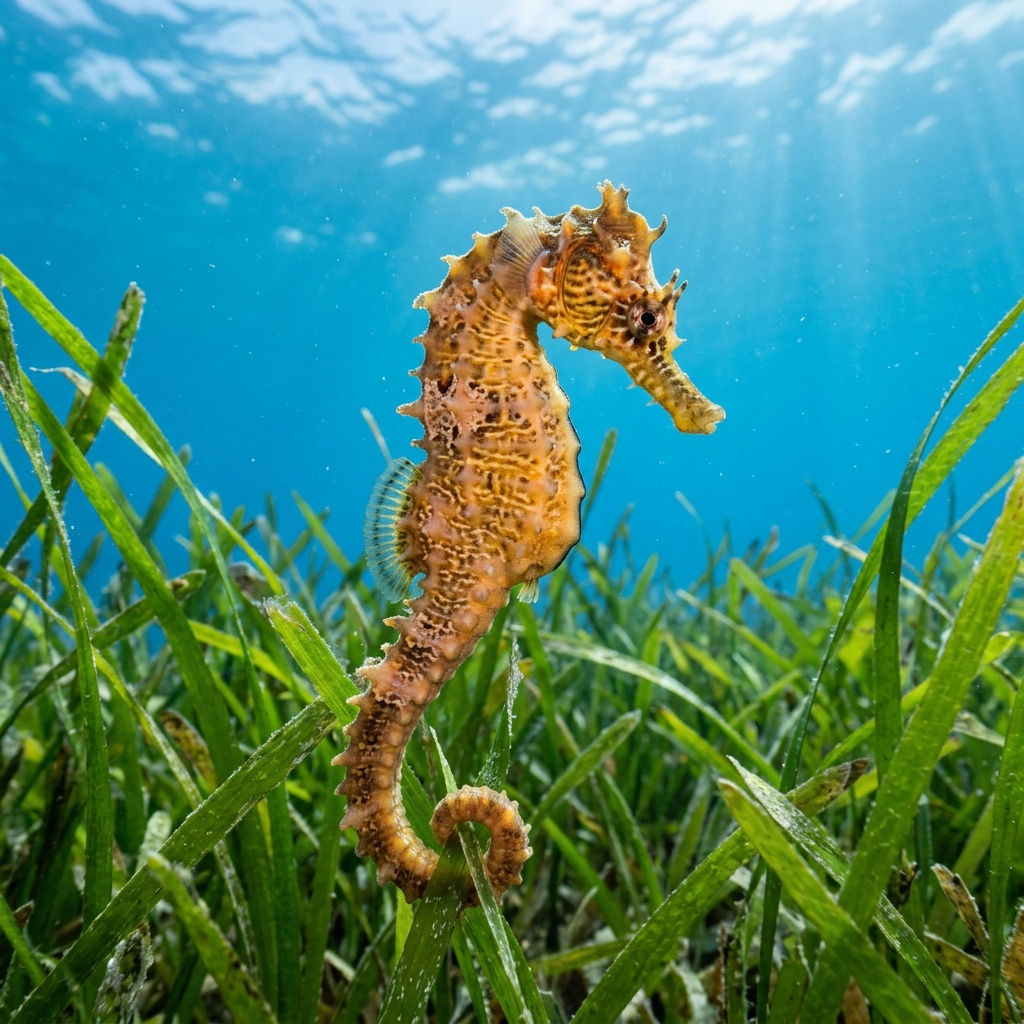
Small even by seahorse standards at around 8 cm, with a stocky body, a short snout and a low, rounded crown instead of a tall coronet. Colour runs from mottled brown to grey-green, usually blotched to match the eelgrass or algae it grips with its tail. It sits still and vertical against a plant stem rather than swimming in the open, which is often the only clue you have found one in the low visibility of an estuary.
Look for it hitched to a strand of eelgrass or a patch of algae in shallow, sheltered estuary water, holding still with its tail wrapped tight around the stem. It relies on staying camouflaged rather than fleeing, so a slow approach and a careful scan of the vegetation matters more than covering distance. Sightings logged across its sites are rare, so patience and a fine-tooth search of the grass beds pays off more than swimming past quickly.
It only lives in a few estuary systems along a short stretch of South African coast, making it one of the most range-restricted seahorses on the planet rather than a wide-ranging reef species.
Sightings do not show a clear season, and with year-round water temperatures in its estuaries running from about 15.4 to 21.4 C, it stays put in the same eelgrass beds through the year rather than migrating seasonally.
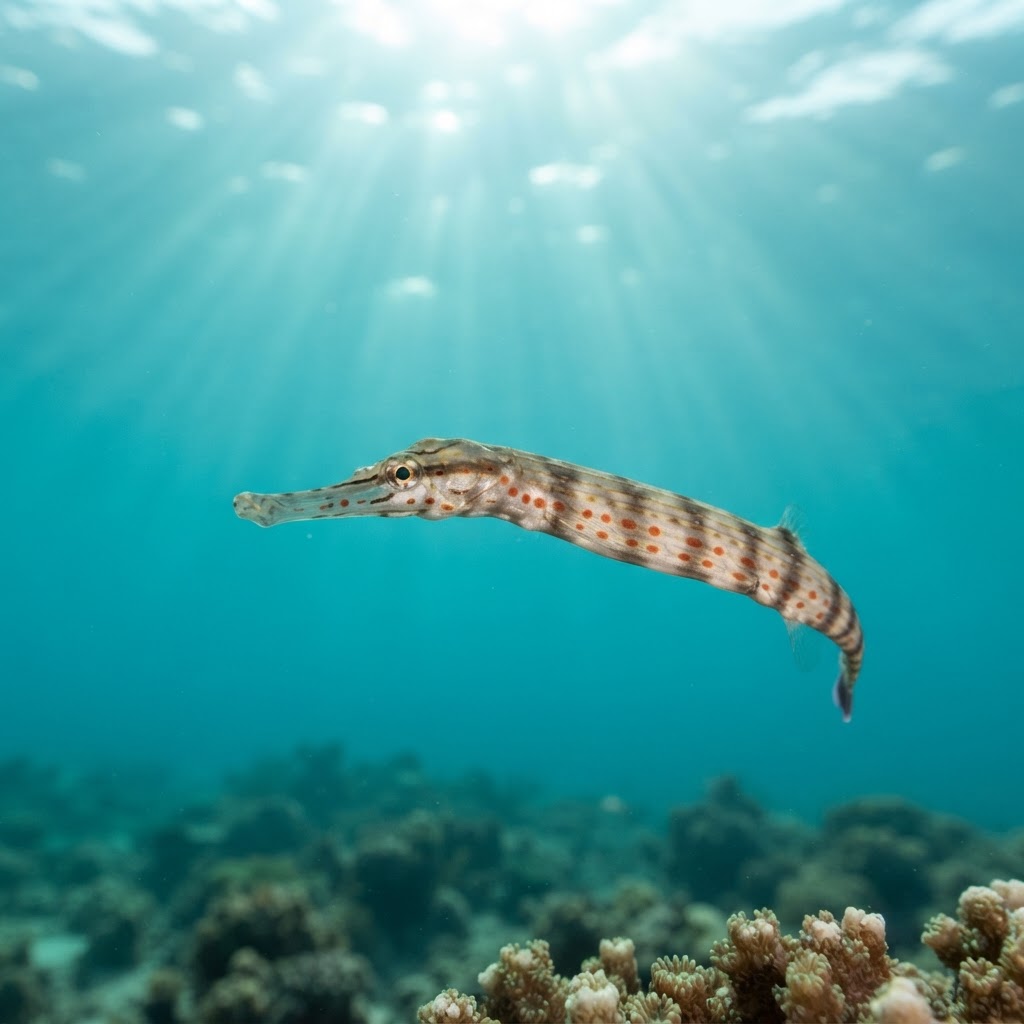
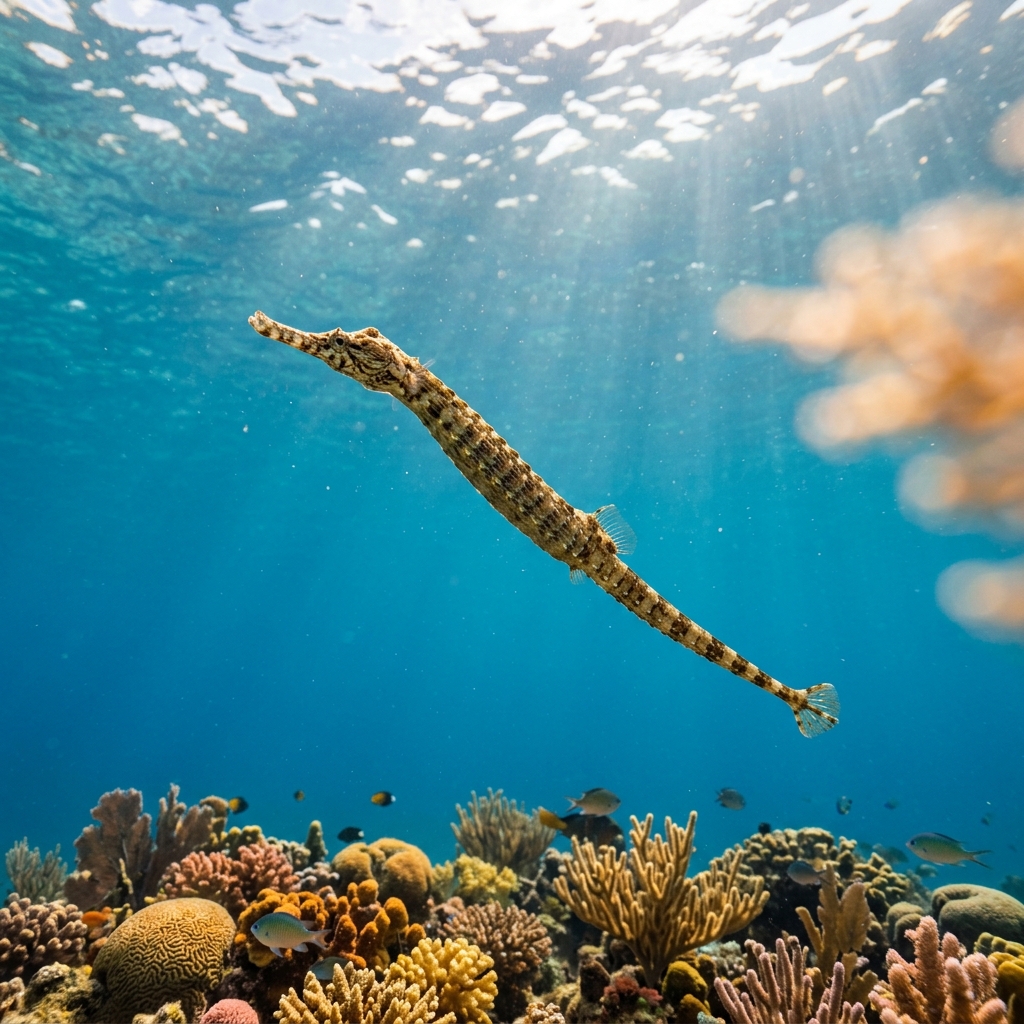
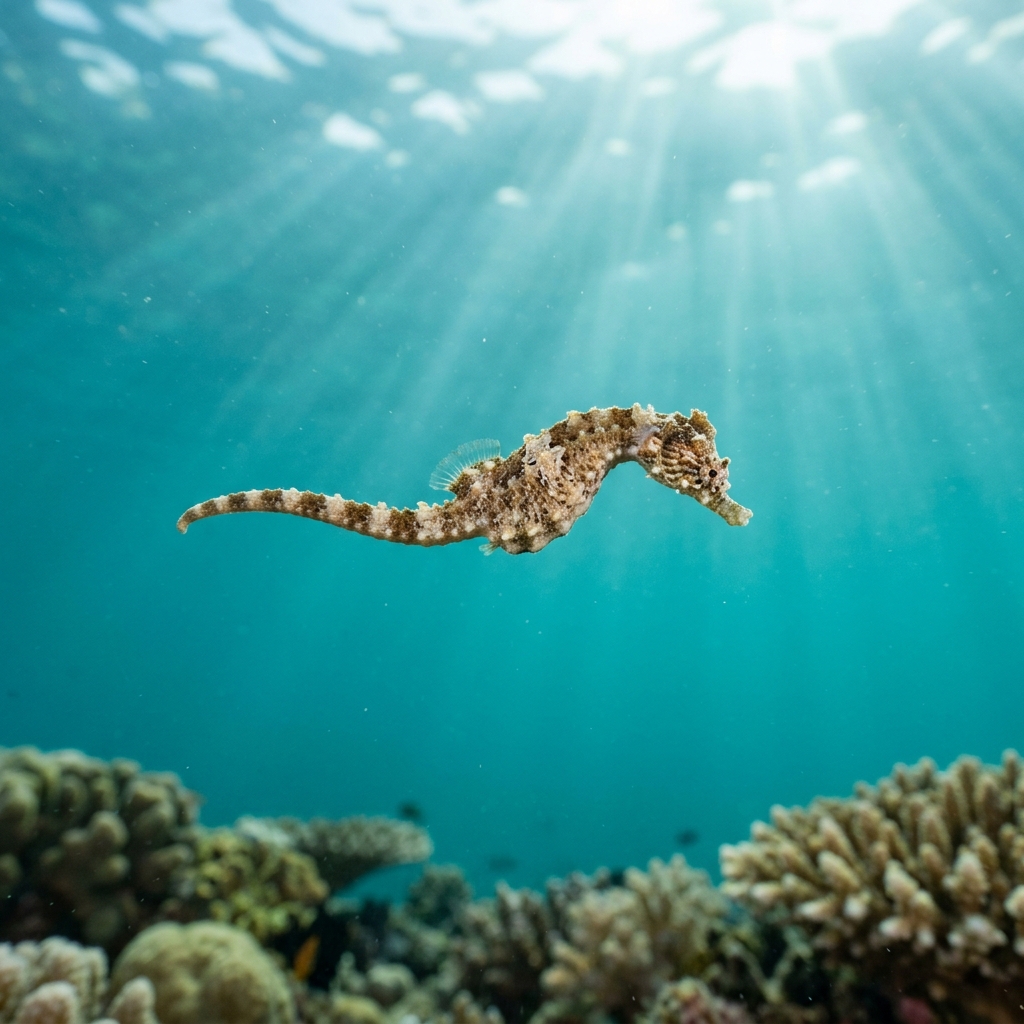
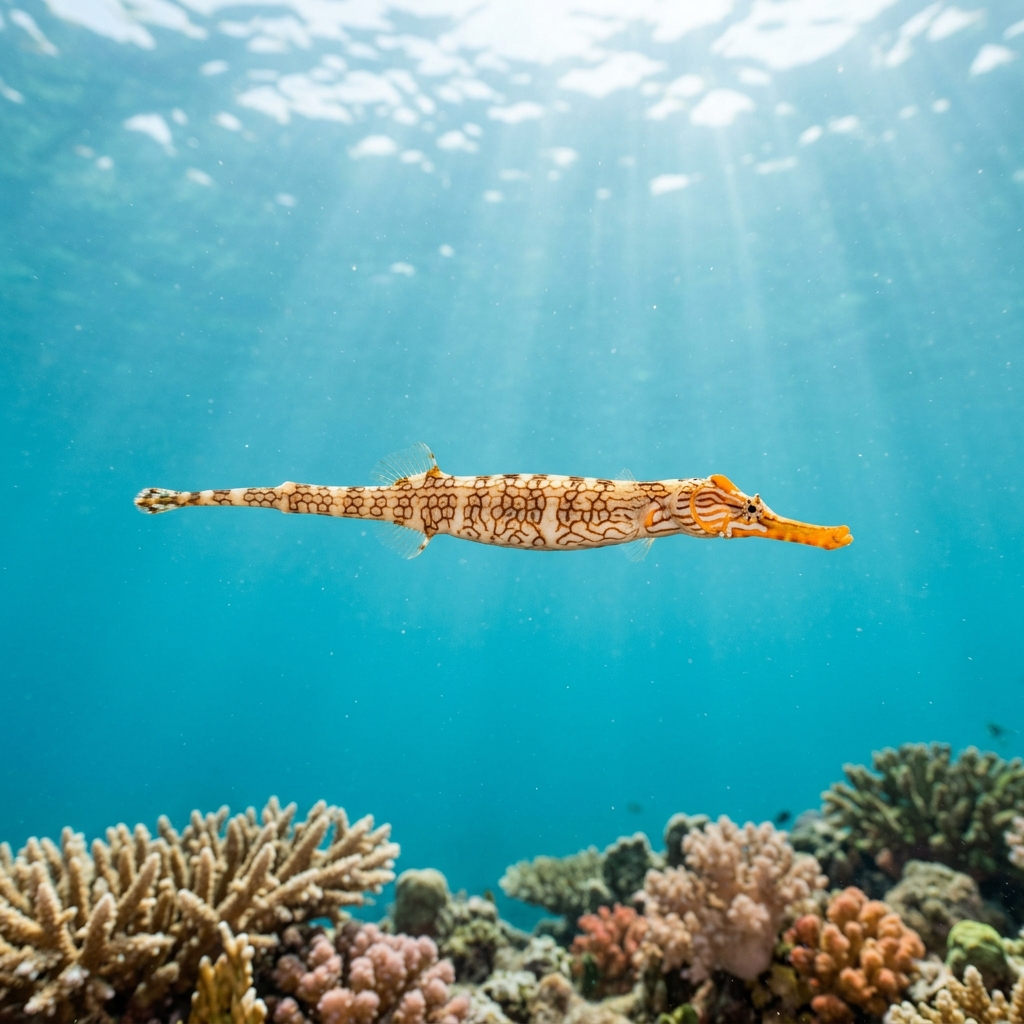
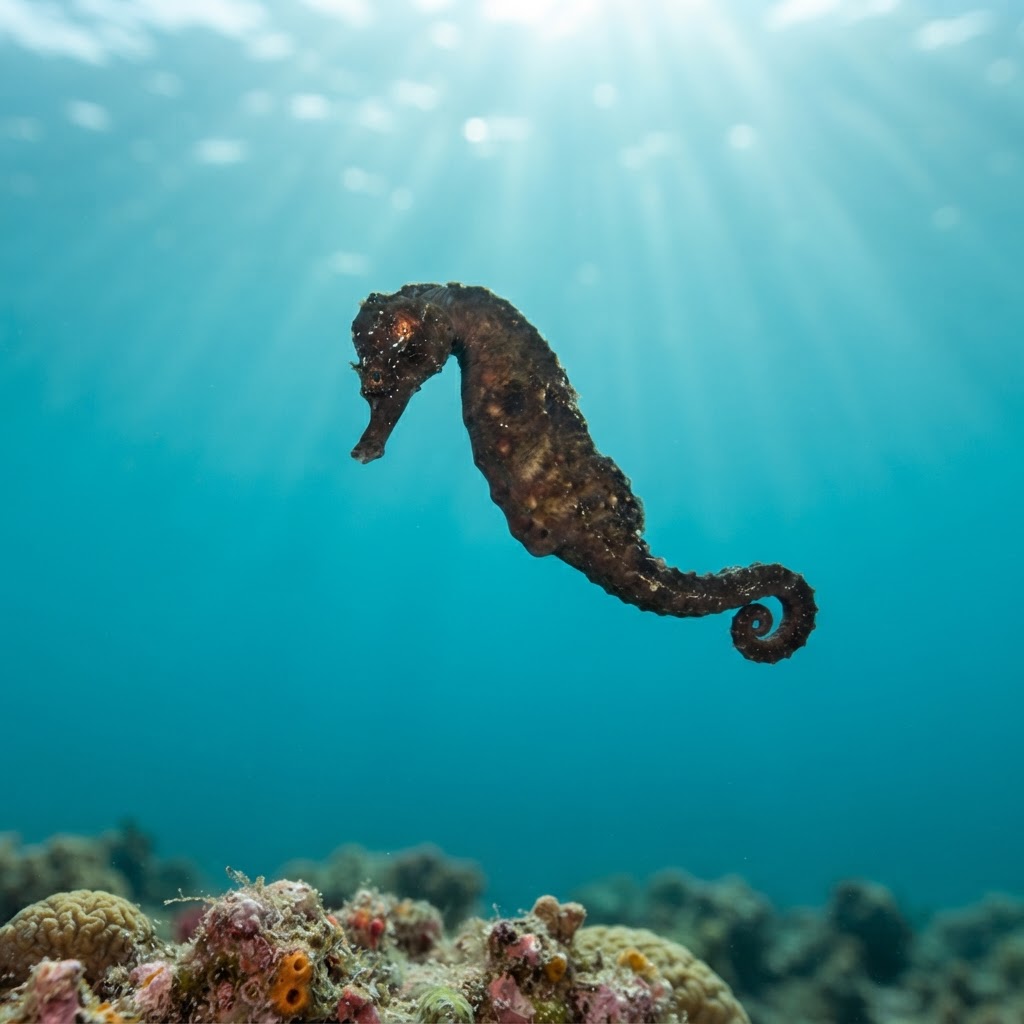
Reef neighbours a diver could mistake it for. Use the identification notes above to tell them apart.
Every logged sighting comes from South Africa, and specifically from the Western Cape, where a handful of estuary sites hold the only known populations of this seahorse anywhere in the world. There is no dive tourism trail for it elsewhere; if you want to see one, you go to the Western Cape.
Mapping where Knysna Seahorse is logged…
Sightings are concentrated entirely in South Africa, in the estuaries of the Western Cape. It is not found on open reef or in any other country, so a trip specifically to these estuary systems is the only reliable way to see one.
There is no strong seasonal pattern in sightings, and the estuaries it lives in stay within a fairly stable 15.4 to 21.4 C range year-round, so it can turn up in the eelgrass at any time of year.
Look for a small, stocky seahorse around 8 cm long with a low, rounded crown and mottled brown or grey-green colouring, usually clinging vertically to eelgrass in shallow estuary water rather than swimming freely.
They stay small, typically reaching around 8 cm in length, making them easy to overlook against grass and algae.
It is confined to just a few estuary systems on the South African coast, making it one of the most geographically restricted seahorse species known, unlike most seahorses which range across open reef and coastal habitats.
Site and sighting data is aggregated from diver logs, iNaturalist and GBIF. For taxonomy and conservation status:
Seahorse
1,346 sites