Amphiprion perideraion
Spot Pink Skunk Anemonefish across the Philippines, Indonesia and Thailand. Uncommon but findable year-round in warm waters from 25-29 °C.
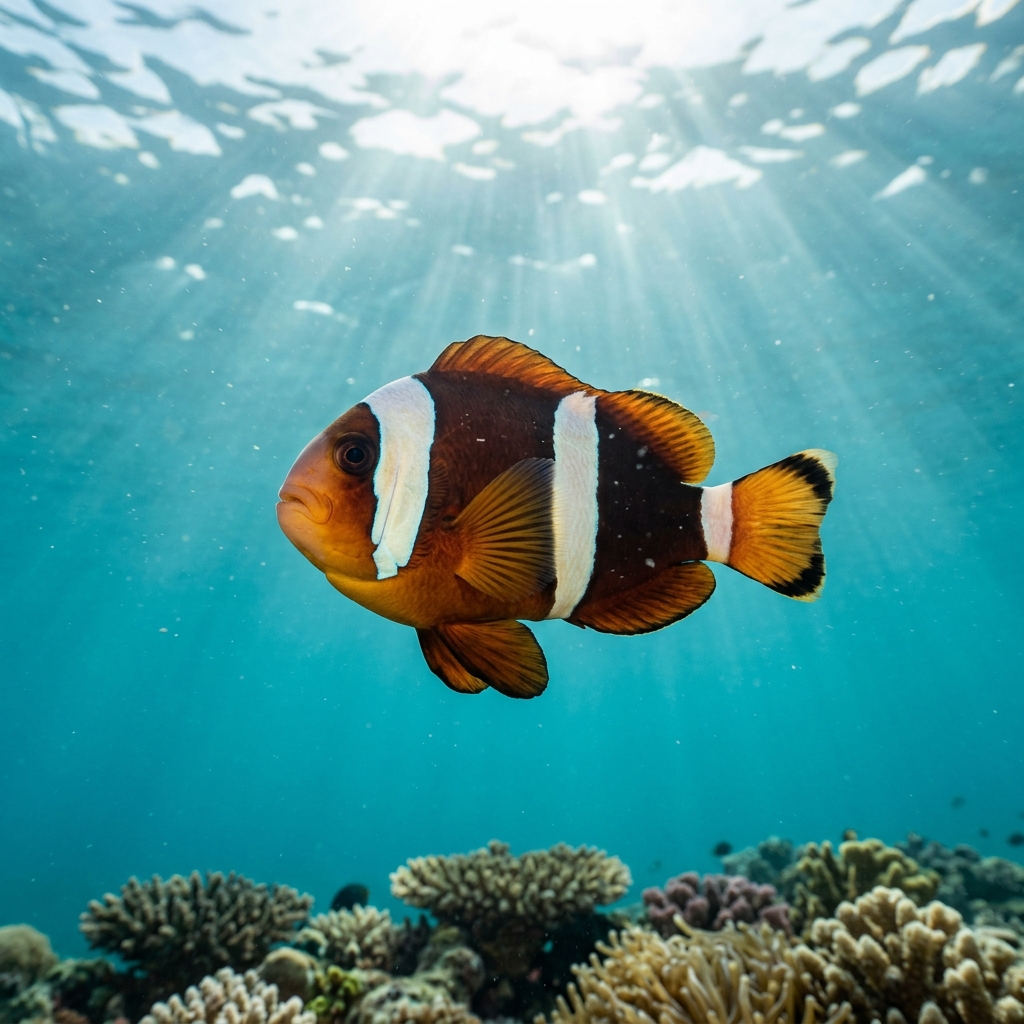
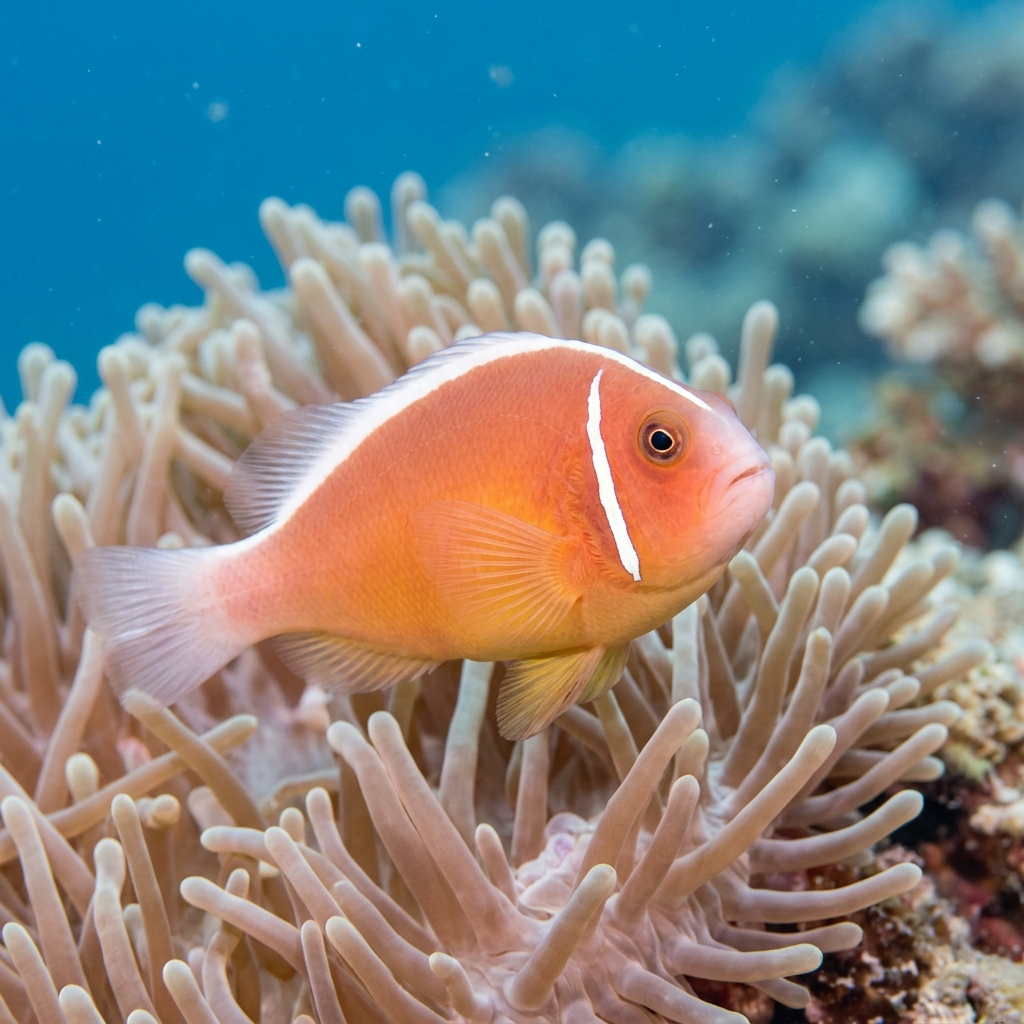
A small, pale rosy-pink fish about 7 cm long with a single narrow white stripe running along the top of the back from snout to tail, no white cheek bar, which sets it apart from most other anemonefish. The body is slender compared to the chunkier clownfish shapes divers are used to, and the colouration is noticeably soft and washed-out rather than vivid orange. Females are larger than males and may appear slightly deeper in body.
You'll almost always find one tucked into or hovering just above its host anemone rather than roaming the reef. Approach slowly and it will often hold its ground, bobbing and weaving at the edge of the tentacles, and may even investigate your mask with apparent curiosity. Get too close and it will dart into the anemone briefly, but it usually peeks straight back out; particularly bold individuals have been recorded nipping at fingers or camera housings nudging their territory. They are active during daylight, so there is no need to target a specific time of day.
Like all anemonefish, pink skunk clownfish are protandrous hermaphrodites: every individual is born male, and when the dominant female of a group dies, the largest male changes sex to replace her. This means the biggest fish at any anemone you visit is always a female.
In the Northern Hemisphere, sightings are spread evenly throughout the year with no concentrated peak, so any visit to the Philippines, Malaysia, or Japan fits. In the Southern Hemisphere (primarily Queensland, Australia), sightings concentrate between June and March.
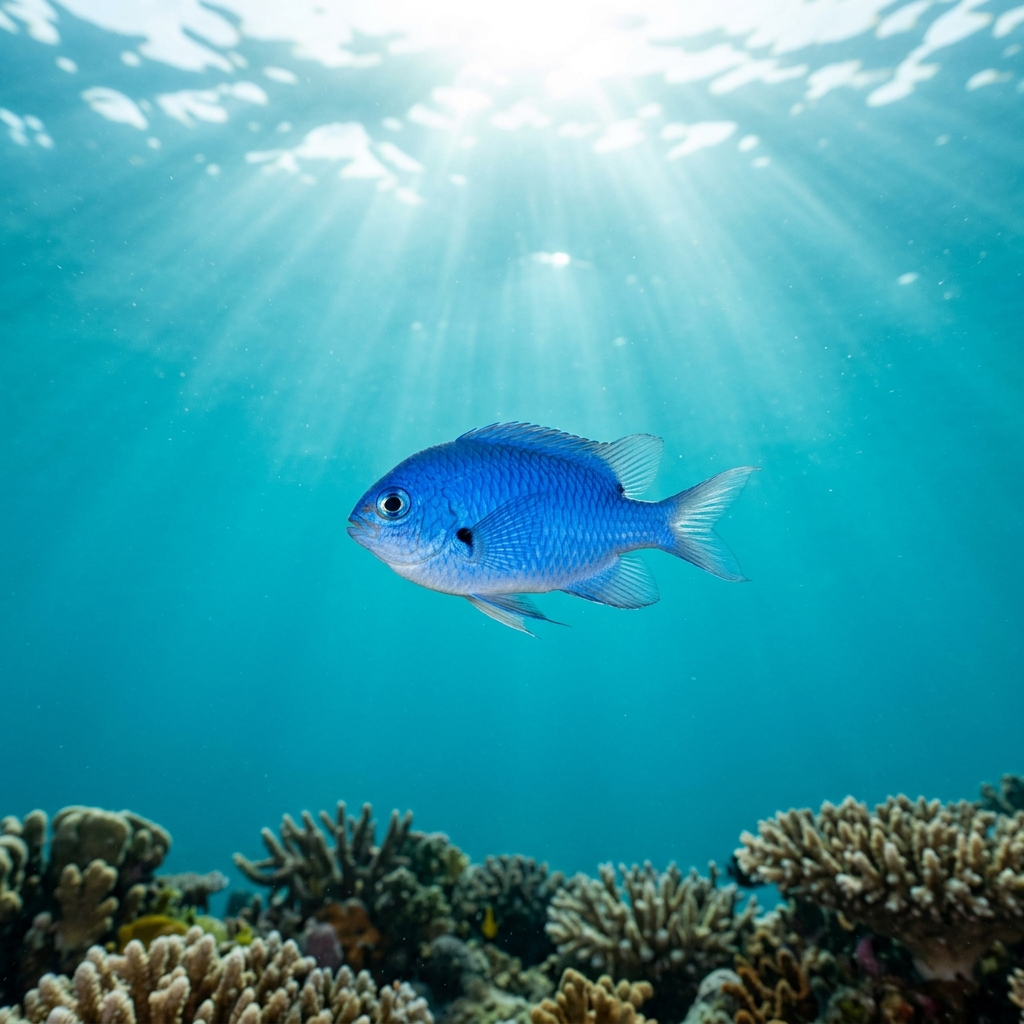
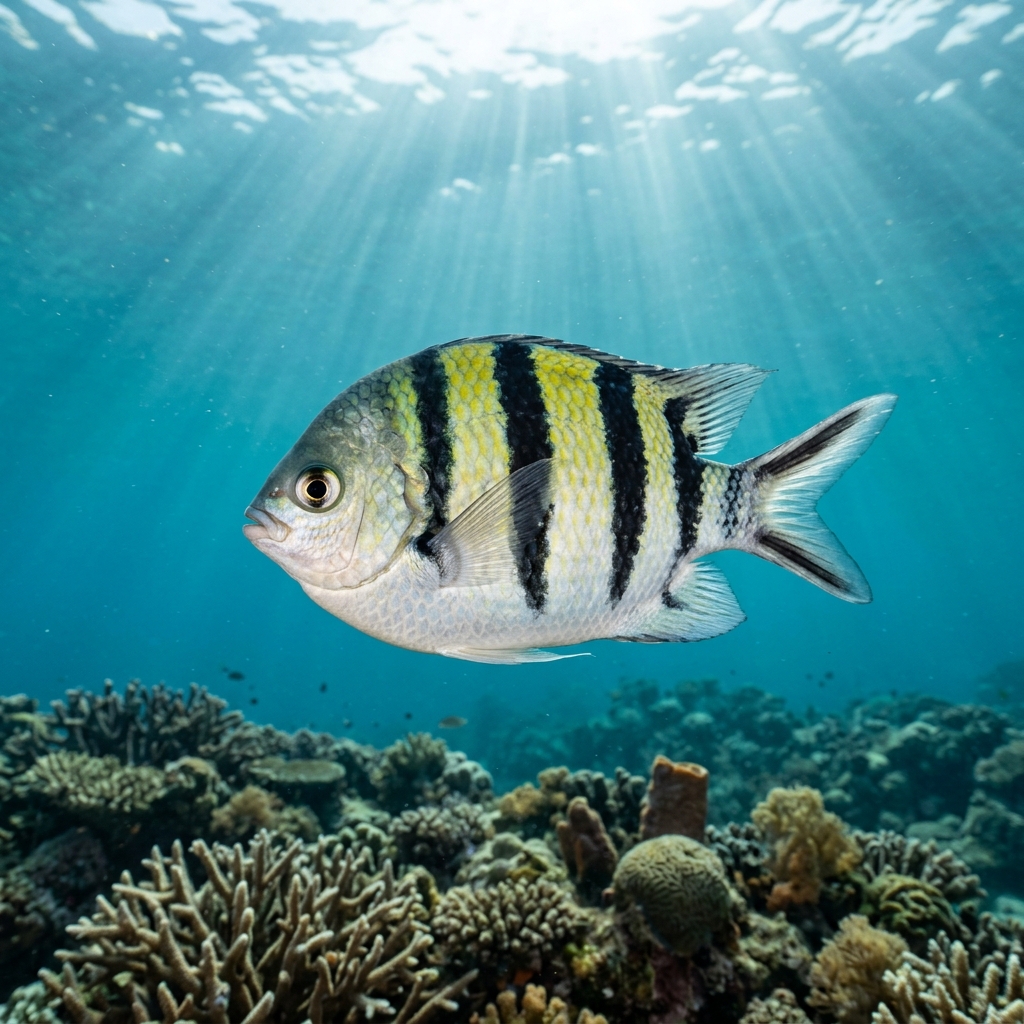
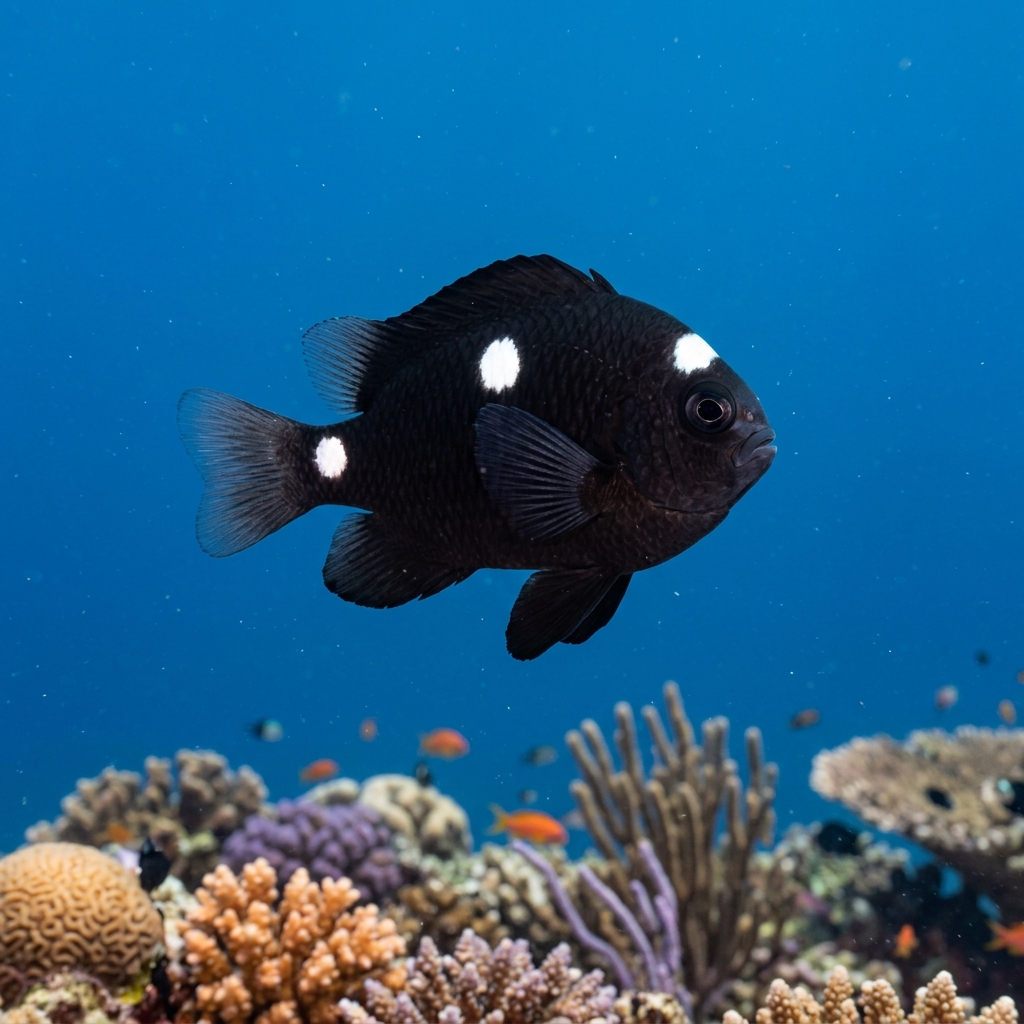
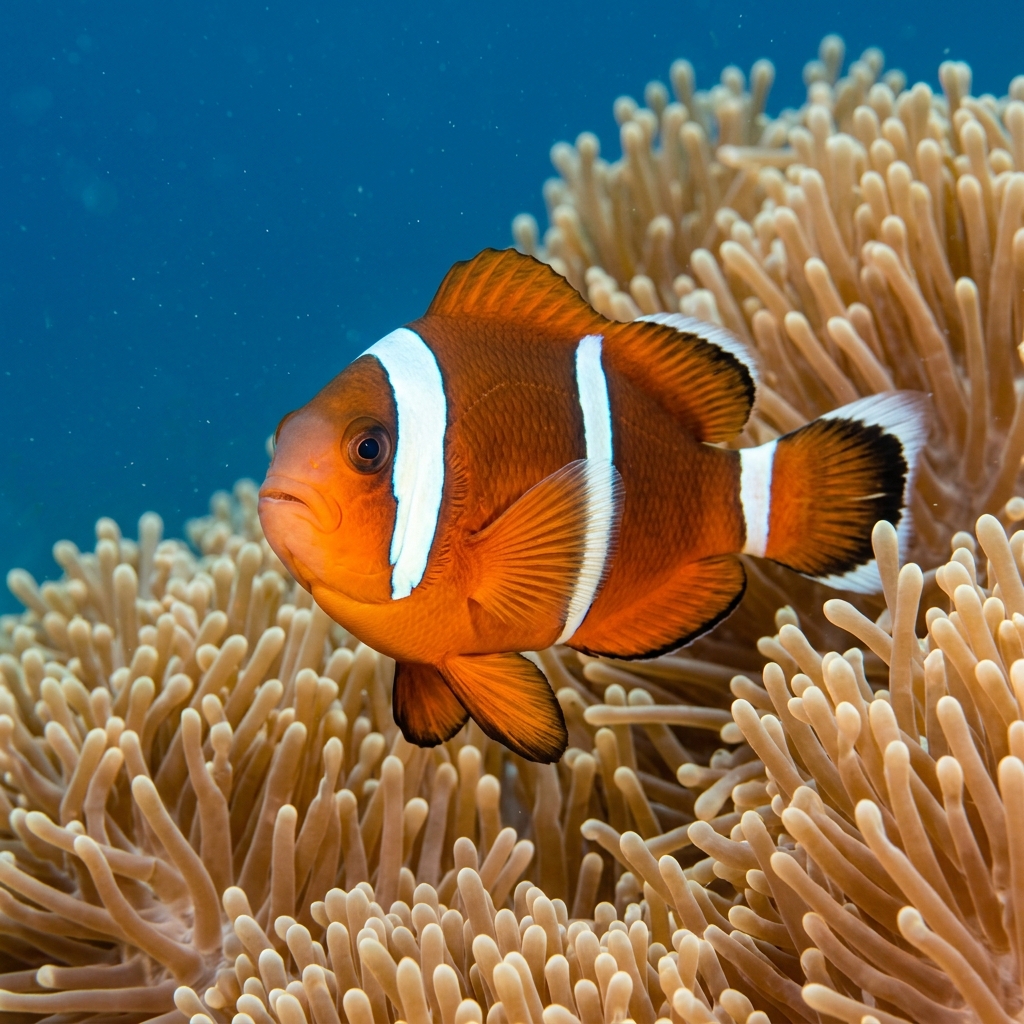
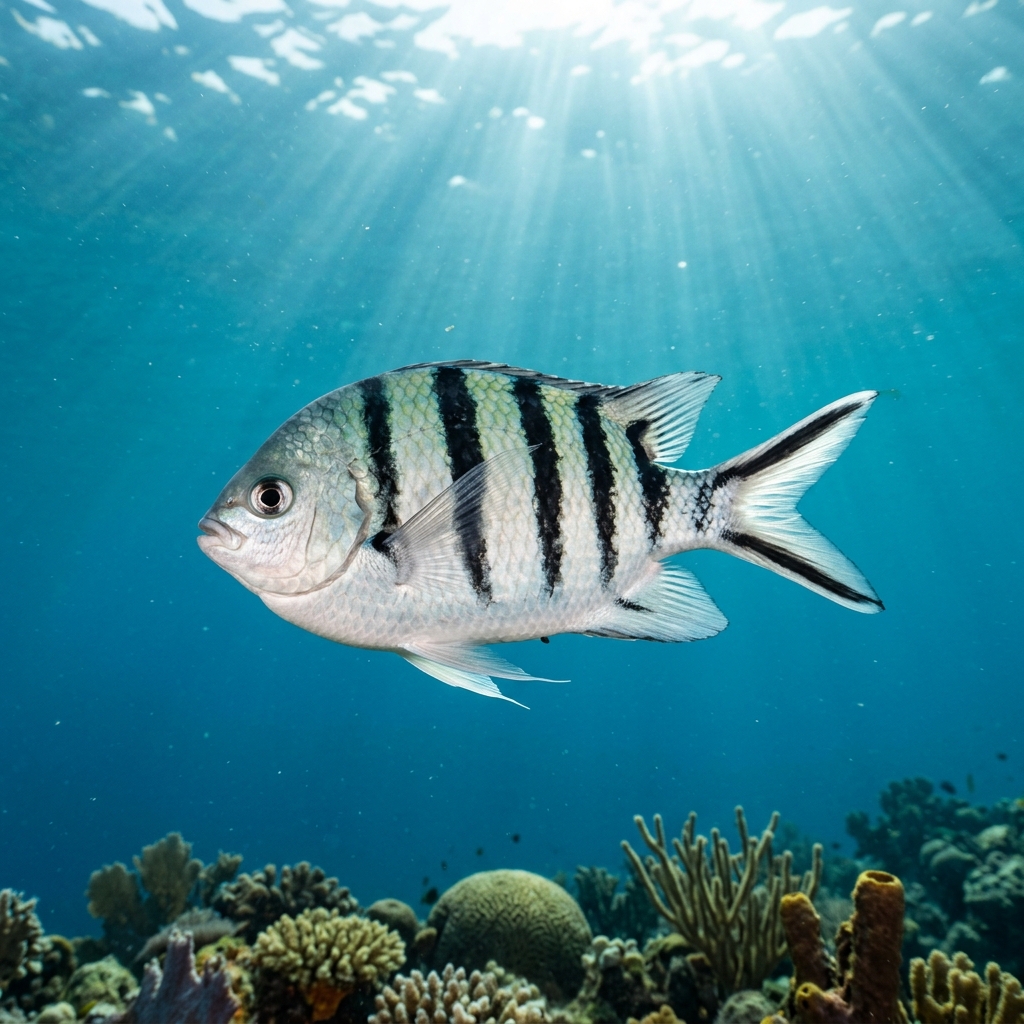
Reef neighbours a diver could mistake it for. Use the identification notes above to tell them apart.
Most commonly logged in the Philippines, particularly across the Visayas (Central, East, and North) and Luzon, making these reefs the single strongest bet for a sighting. Indonesia runs a close second, with strong populations in Sulawesi and the Maluku and Papua regions, while Malaysia's Perhentian and Redang islands and Thailand's reef systems also produce reliable records. Queensland, Australia, and Okinawa, Japan extend the range for divers in the Pacific.
Mapping where Pink Skunk Clownfish is logged…
The Philippines holds the largest concentration of logged sightings, especially across the Visayas and Luzon. Indonesia (Sulawesi, Maluku and Papua), Malaysia (Perhentian and Redang), and Thailand are also strong options. Queensland, Australia, and Okinawa, Japan round out the best destinations.
In the northern tropics, the Philippines, Malaysia, Thailand, and Japan, they are present year-round with no defined peak season. In Queensland, Australia, sightings concentrate from June through March. The species is comfortable in water temperatures of roughly 25 to 29 °C, which describes most tropical reef sites throughout the year.
Look for the single white stripe running along the top of the back from the snout to the tail base, with no white bar on the cheek. The overall body colour is a pale, soft pink rather than the vivid orange of most other anemonefish, and the body shape is noticeably slender. No other common Indo-Pacific anemonefish combines this dorsal-only stripe with that washed-out pink colouration.
Typical adults reach about 7 cm in length. Females are the larger sex in any given pair or group, as this species is protandrous (all fish start as males and the dominant individual changes sex to female). This means the biggest fish at an anemone is always a female.
No. They are territorial and will defend their anemone boldly, occasionally nipping at fingers or camera housings that intrude too close, but they are far too small to cause any harm. Approaching slowly and not crowding the anemone keeps both the fish calm and gives you a better look.
Site and sighting data is aggregated from diver logs, iNaturalist and GBIF. For taxonomy and conservation status:
Dascyllus
3,697 sites