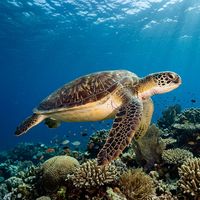
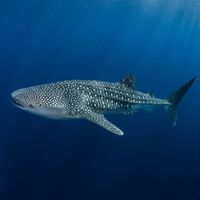
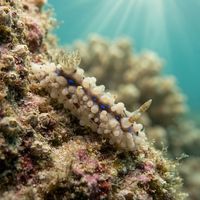
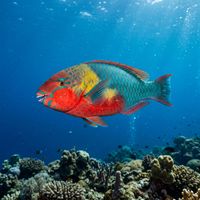
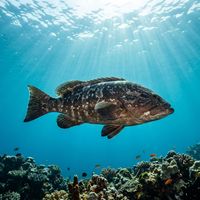
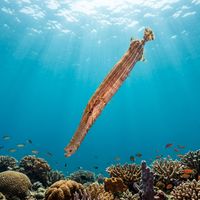
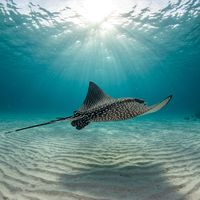
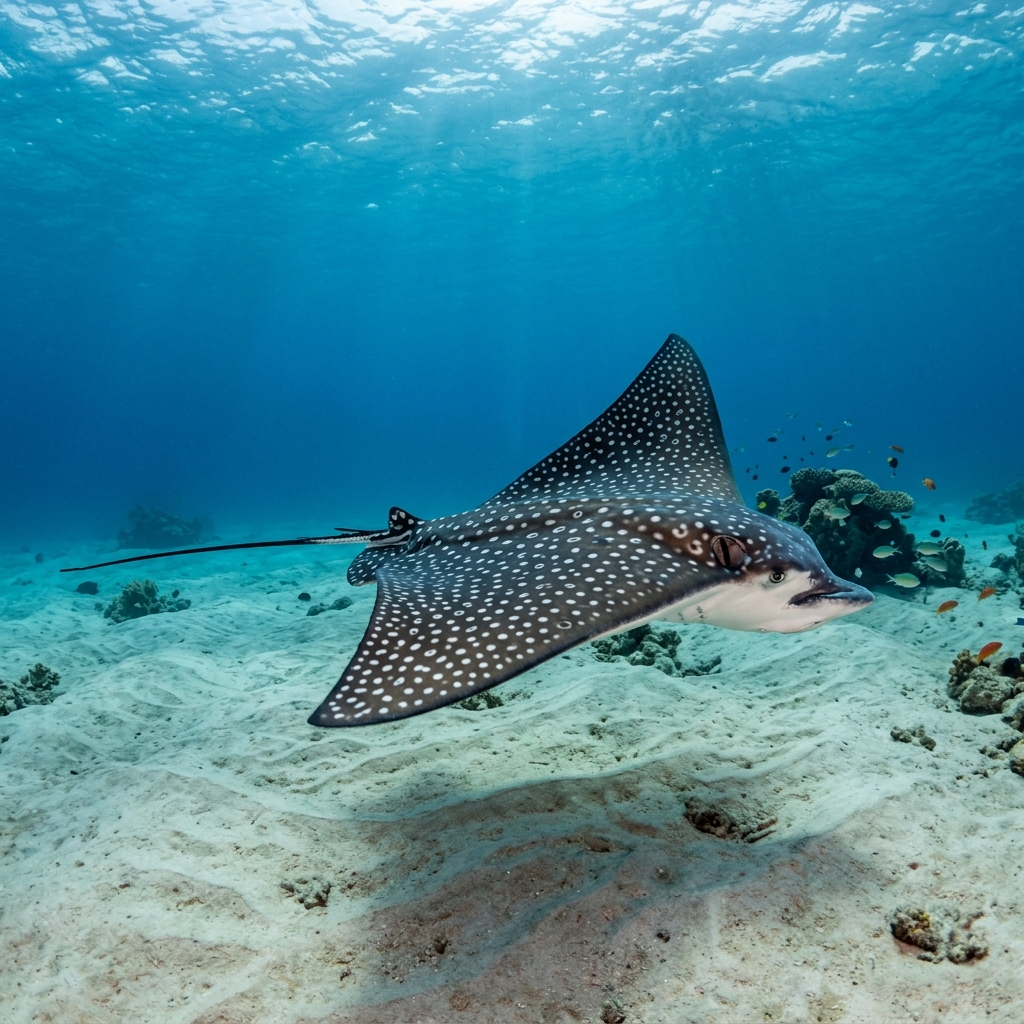
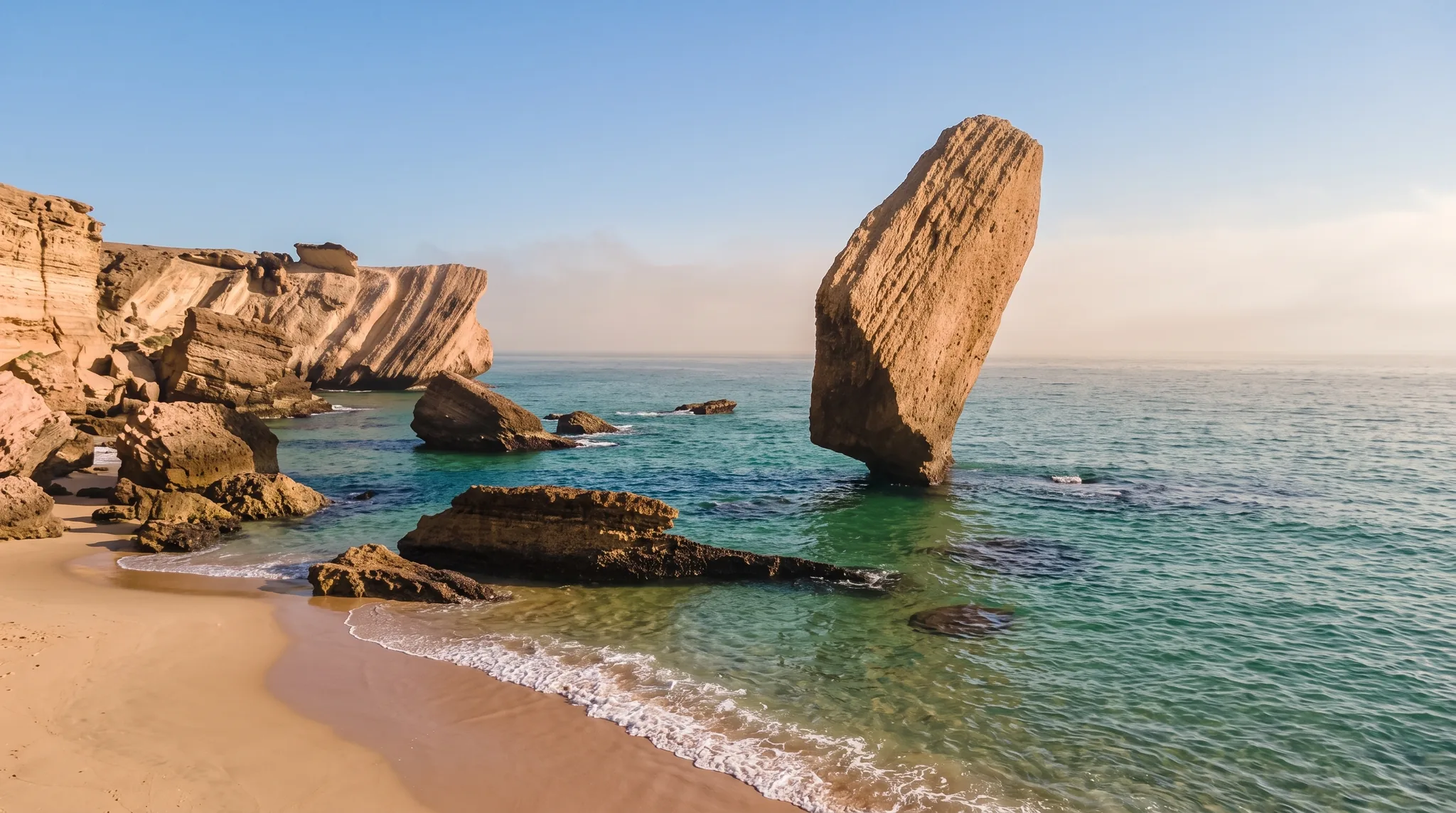
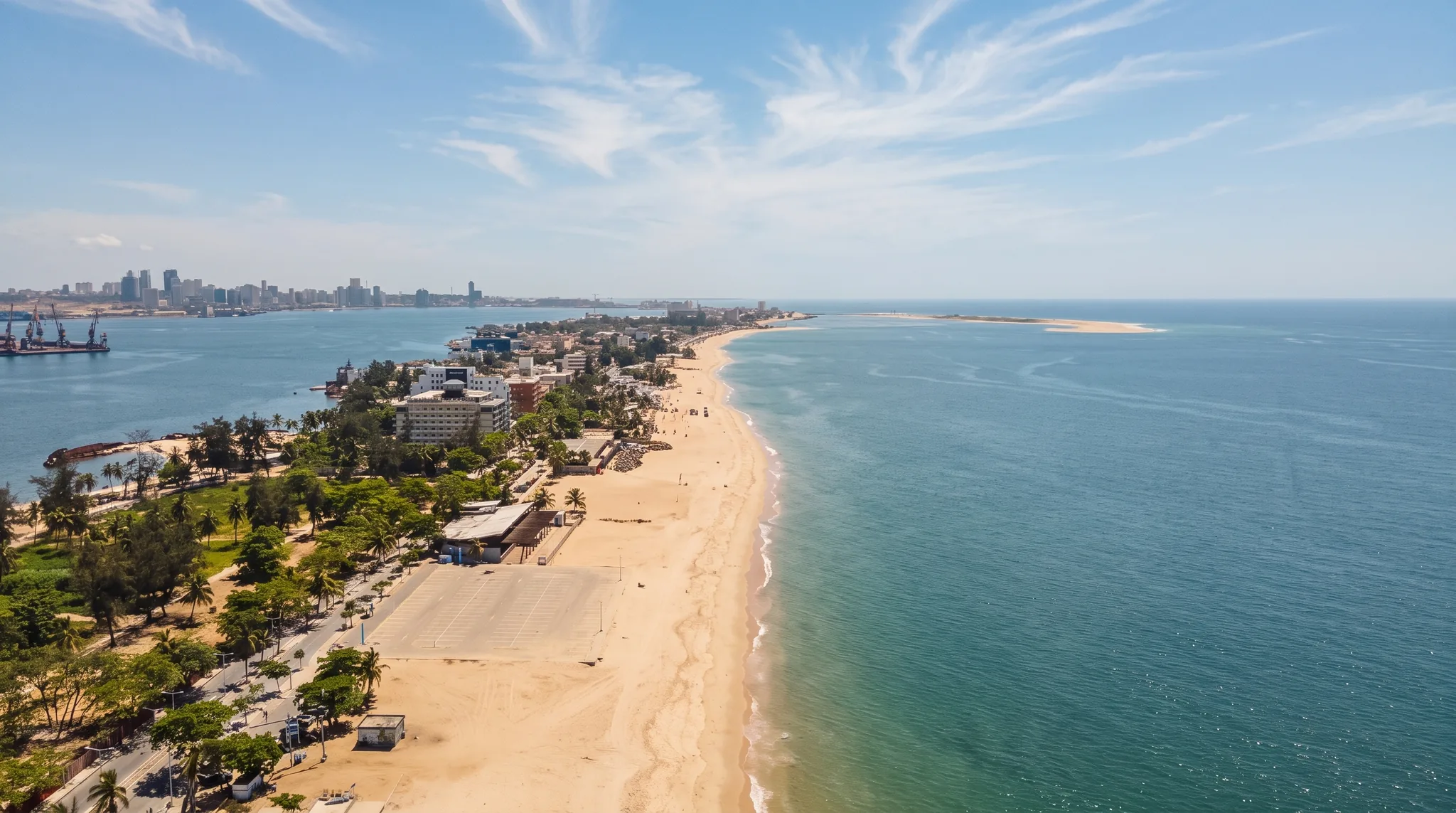
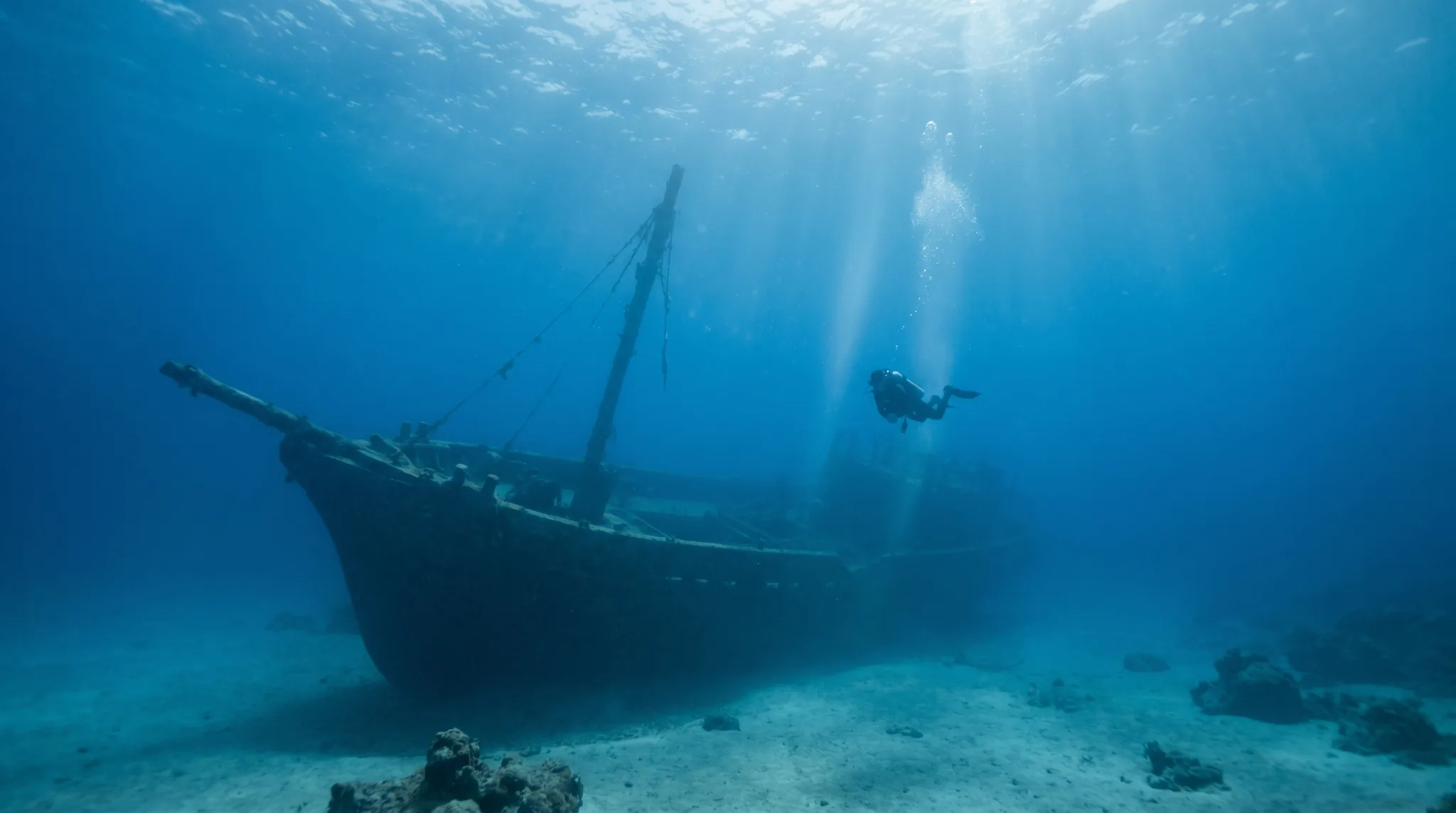
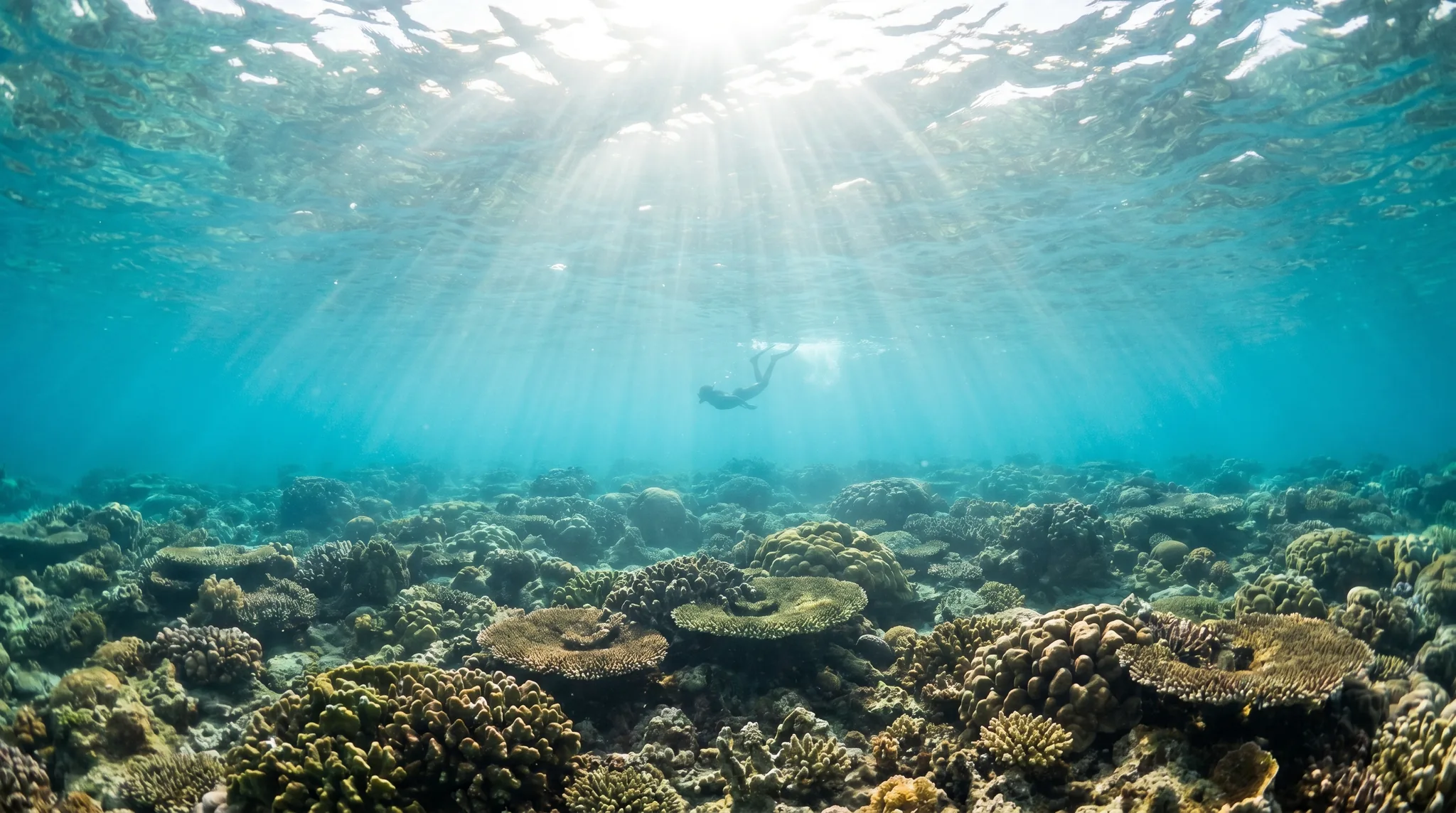
Saint Helena is a volcanic island in the South Atlantic, roughly a thousand miles from the southwest African coast. Diving here is shaped by clear, open-ocean conditions: visibility at sites in and around James Bay regularly reaches thirty metres, and the water carries a healthy mix of resident and seasonal species. The island's dive sites span shallow beginner-friendly wrecks such as the SS Papanui and MV Atlantic Rose, mid-range artificial reefs, the historically significant Witte Leeuw dating to the early seventeenth century, and the deep RFA Darkdale for advanced divers. Whale sharks visit seasonally, and green and loggerhead sea turtles, eagle rays, and blue sharks are encountered year-round. All operators are based in Jamestown.
Monthly water temperature across Saint Helena's sites, from satellite sea-surface data corrected for depth. The band shows the site-to-site spread.
Temperatures are warmest in the austral autumn, peaking around March and April, and drop to their coolest between August and October. That cooler period still allows comfortable diving but warrants a thicker exposure suit. Conditions from December through May combine higher temperatures with the best visibility, making it the most popular season for visiting divers.
5 operators
Jamestown, Saint Helena, Ascension and Tristan da Cunha
Jamestown, Saint Helena, Ascension and Tristan da Cunha
Saint Helena, Ascension and Tristan da Cunha
Saint Helena, Ascension and Tristan da Cunha
Water temperature around Saint Helena ranges from about 20°C in September to 26°C in March, based on satellite sea-temperature data for its dive sites.
In the warm season (about 26°C) a 3mm full suit is comfortable in Saint Helena; in the coldest months (about 20°C) step up to a 5mm suit.
Fin maps 8 sites in Saint Helena (8 scuba diving sites and 3 snorkelling spots, with some suited to both).
3 more sites to explore