Pempheridae spp.
Bullseye school in caves and overhangs from Australia to the Maldives. Find where divers spot them and when to look across 120 countries.
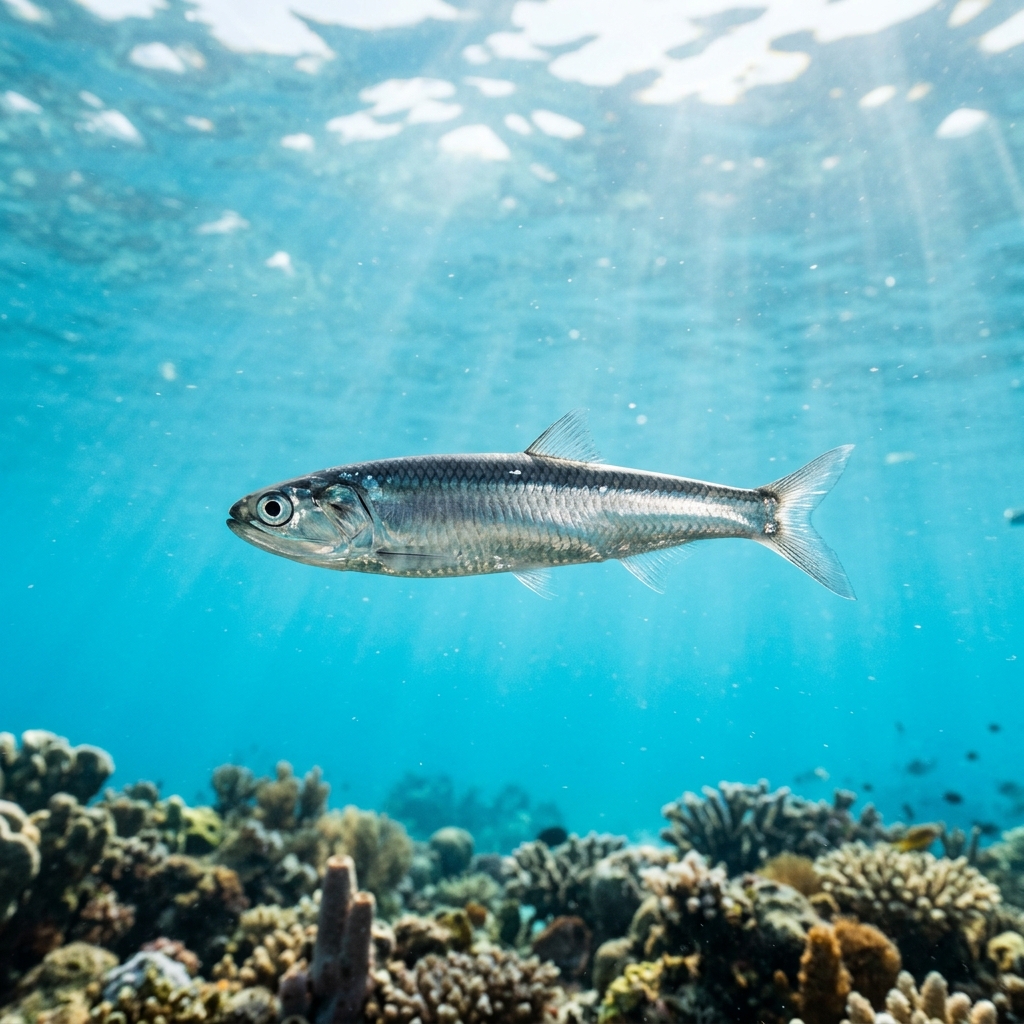
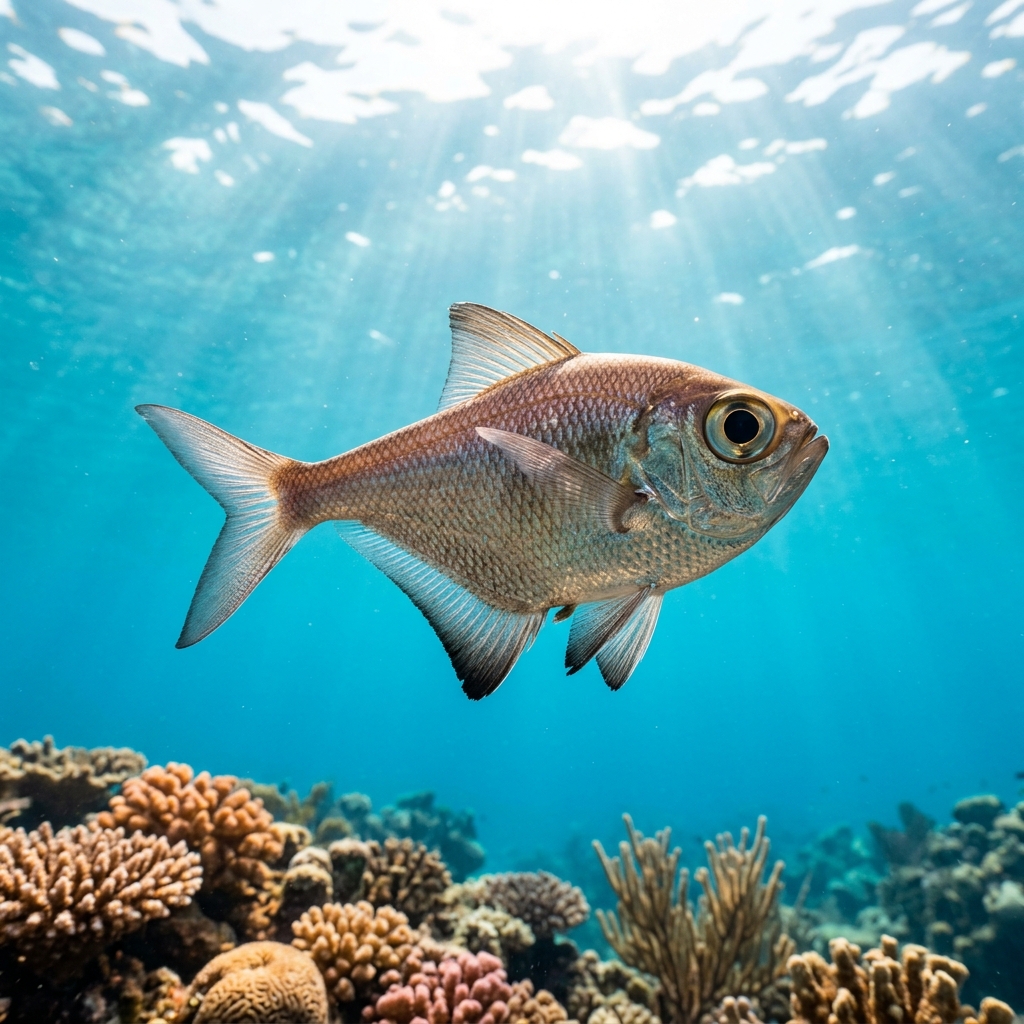
Bullseyes are small, deep-bodied fish with a noticeably large eye relative to their head, giving the family its name. Most species are a coppery bronze, silvery-grey, or pale gold, often with a dusky stripe along the lateral line. The body is strongly compressed (flattened side to side) and tapers sharply toward a forked tail, making the silhouette unmistakable in the torch beam. They nearly always appear in tight, hovering schools inside caves, under ledges, or in the shade of overhangs rather than out in open water.
During the day, bullseyes cluster in dense, slow-drifting schools inside caves, under coral ledges, or beneath jetty pylons, apparently resting until nightfall when they disperse to feed on plankton. They are tolerant of divers at close range as long as direct approaches into the cave are slow; a rushed entry will push the whole school deeper into the dark. Shining a torch across them brings out the warm copper or bronze tones that distinguish them from the silver schooling fish sharing the same structures.
The family is predominantly nocturnal, using those oversized eyes to hunt zooplankton in the water column after dark. The daytime cave-resting behaviour that divers love is essentially the whole family sleeping in plain sight.
In the Northern Hemisphere, sightings are spread across all months with no single peak season, so any time of year is worth looking. In the Southern Hemisphere, records concentrate between December and September, suggesting summer and autumn give the best odds in places like New South Wales and Western Australia.
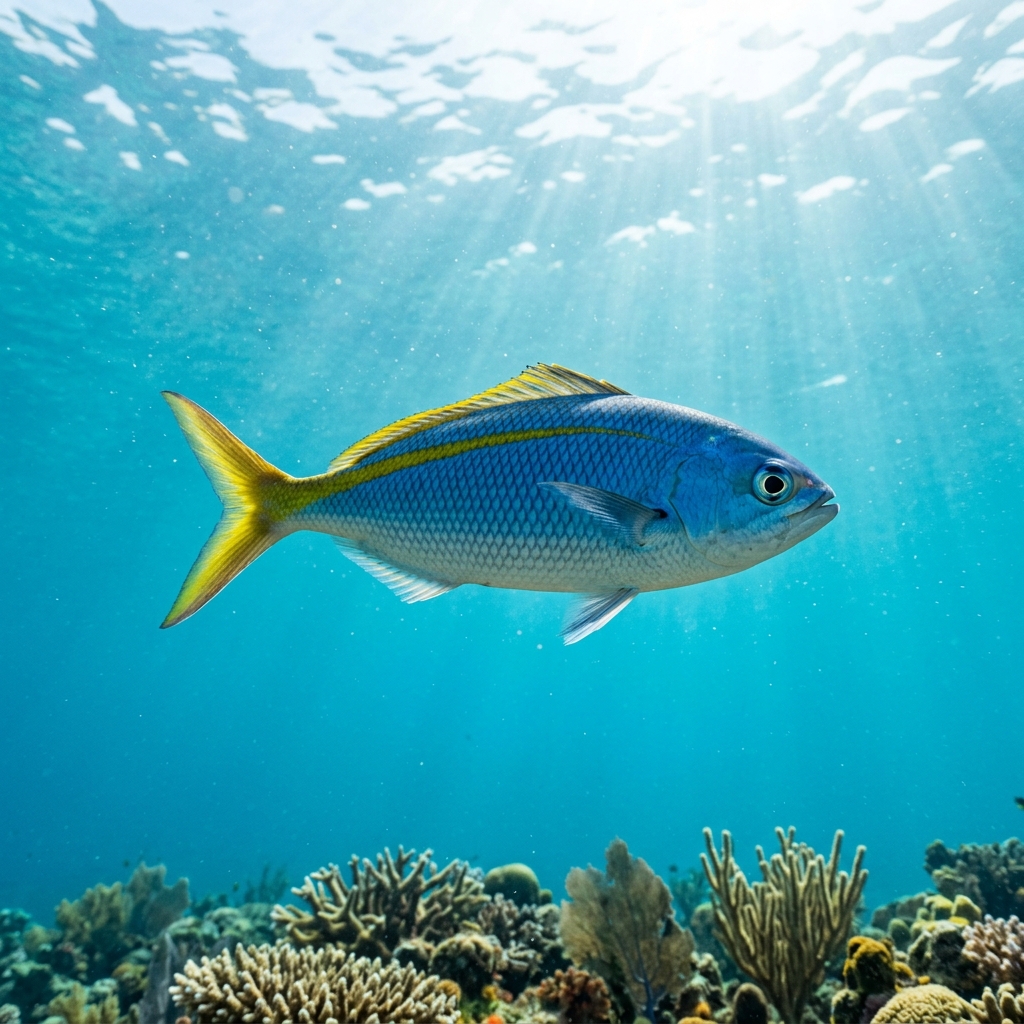
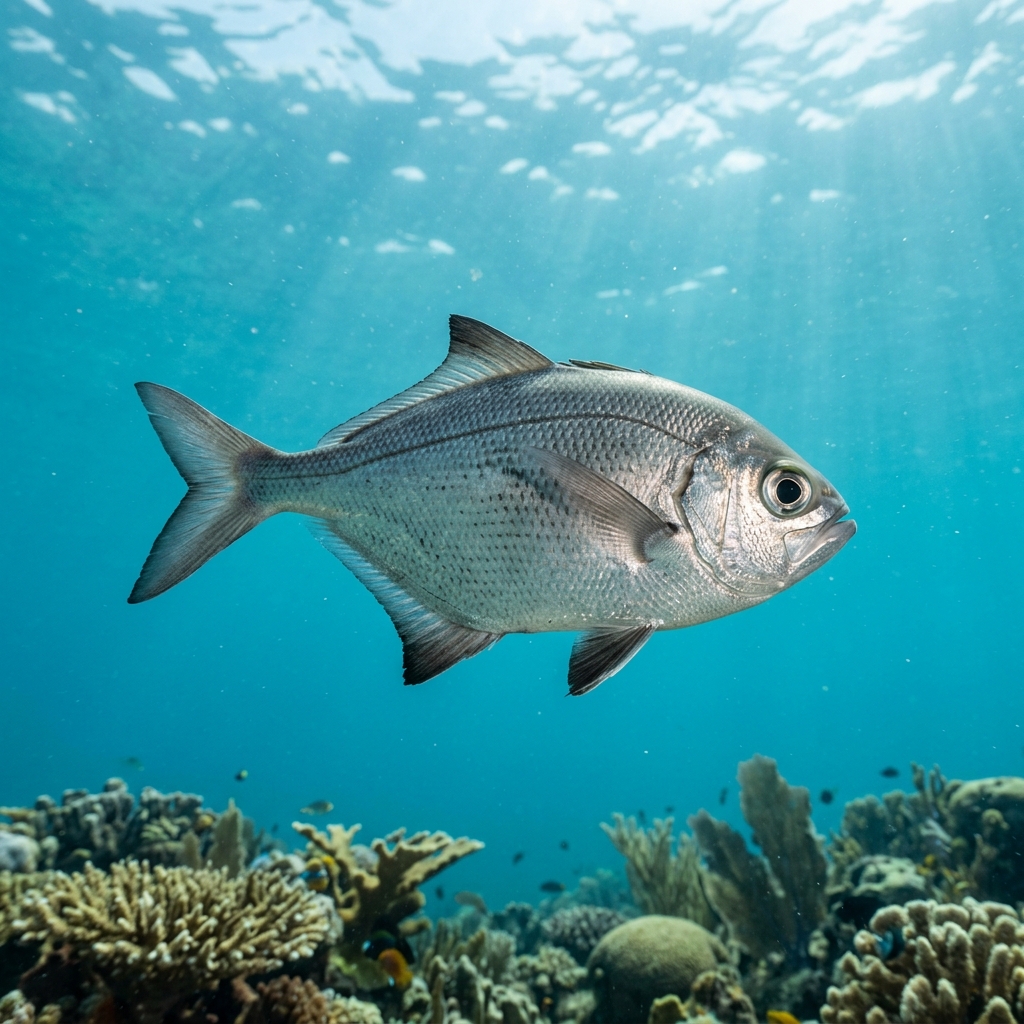
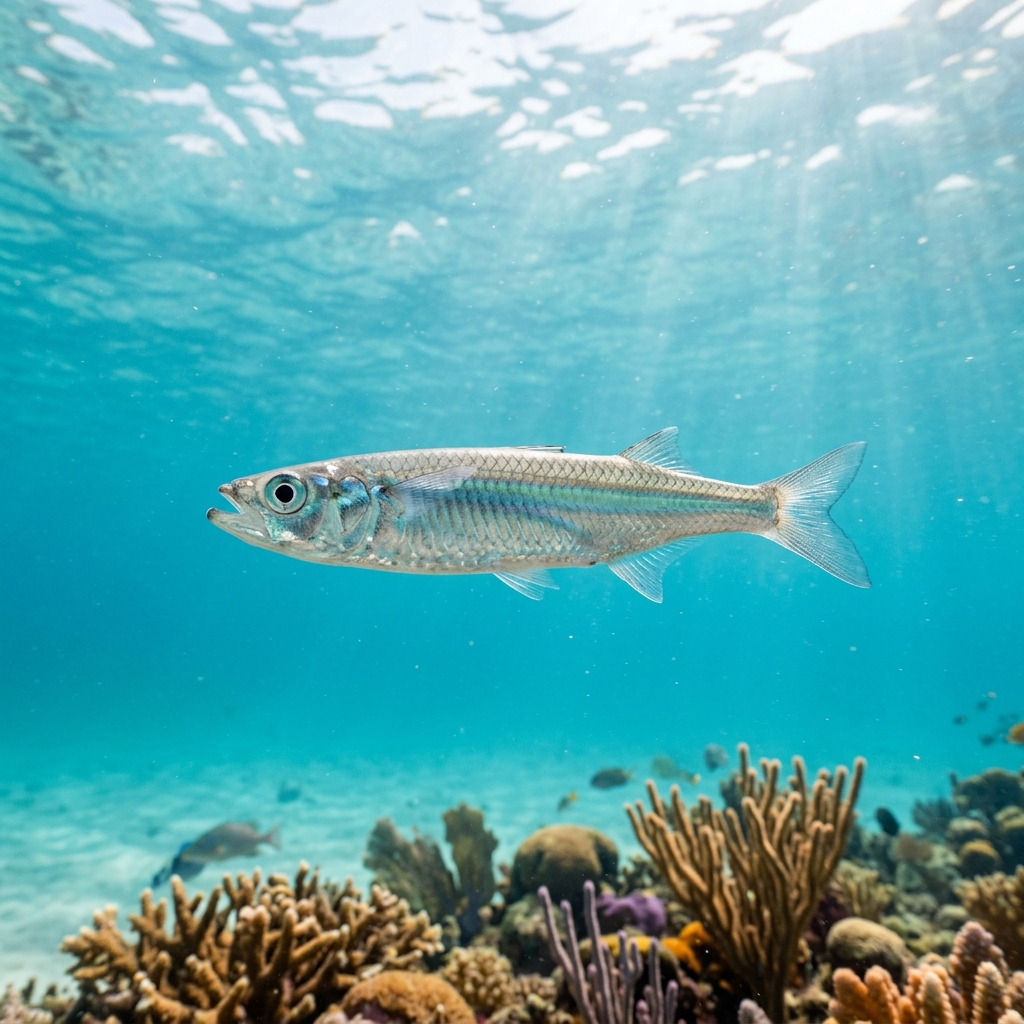
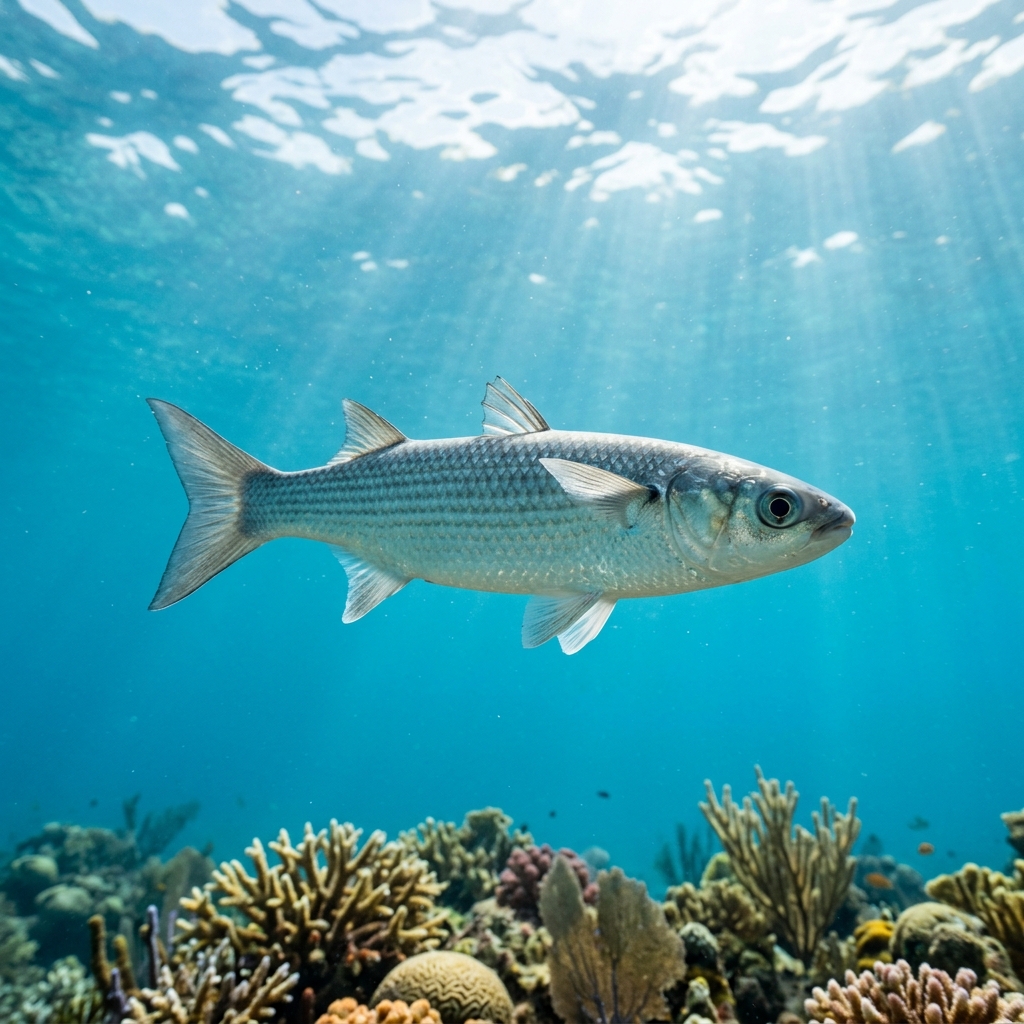
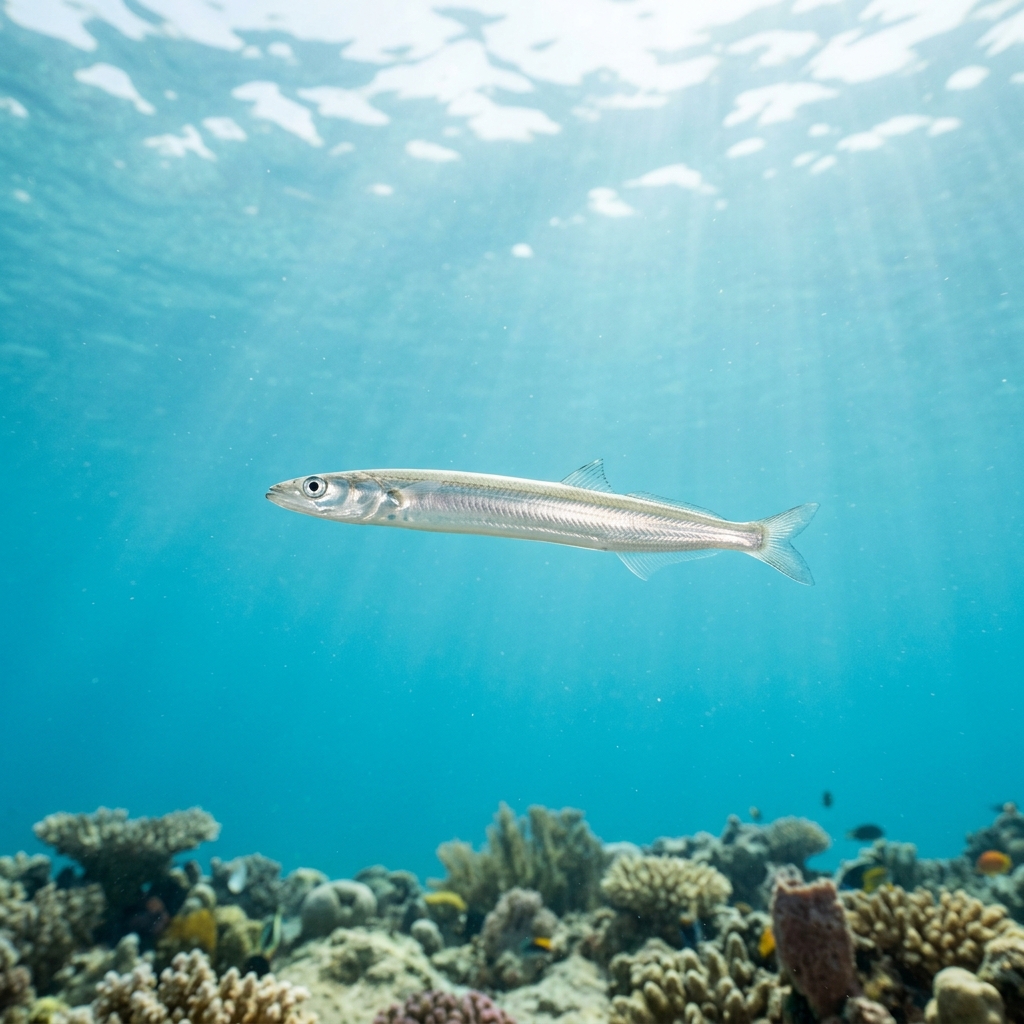
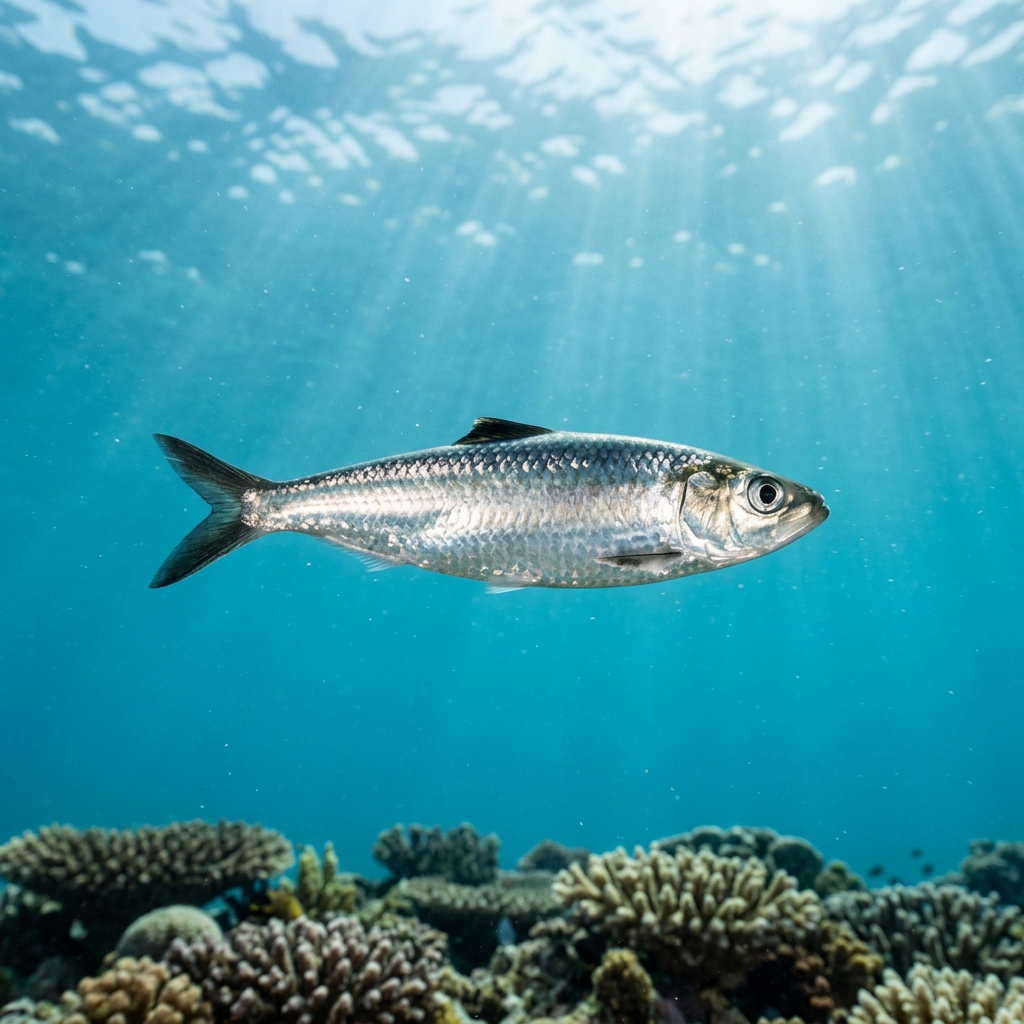
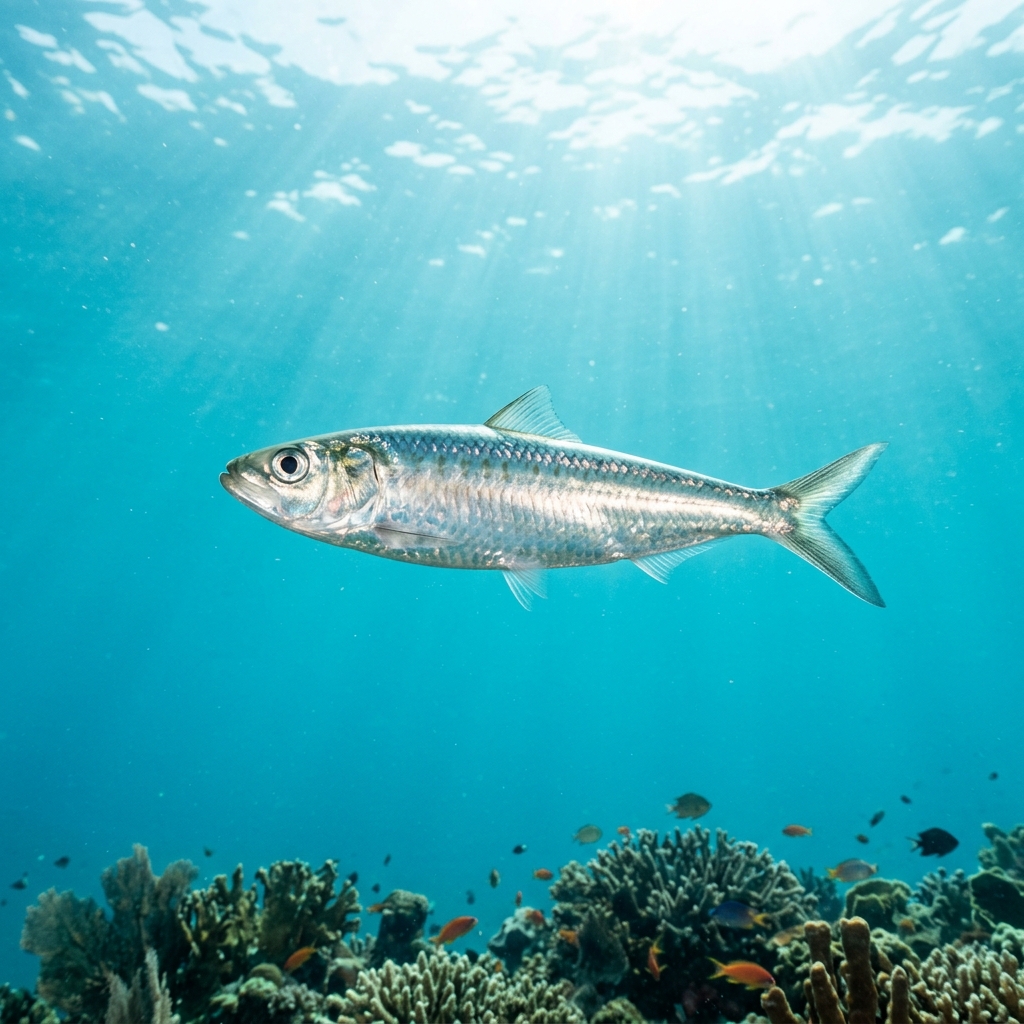
Reef neighbours a diver could mistake it for. Use the identification notes above to tell them apart.
Bullseyes turn up across a wide band of warm to temperate seas, and they are most commonly logged in Australia, particularly in New South Wales and Western Australia, and across the Maldives. Strong records also come from the Philippines, Indonesia, and Florida in the United States, and there is a notable Mediterranean presence in Greece, Italy, and Turkey, reflecting the family's tolerance for cooler temperate water.
Mapping where Bullseye is logged…
Bullseyes are logged across a wide range of countries, but the strongest records come from Australia (especially New South Wales and Western Australia), the Maldives, the Philippines, Indonesia, and the Florida coast in the United States. Mediterranean destinations including Greece, Italy, and Turkey also host them in cooler temperate water.
In the Northern Hemisphere they appear year-round with no clear seasonal peak, so any month works. In Southern Hemisphere destinations like Australia, sightings are most concentrated from December through September, making summer and autumn the more reliable window.
Look for a dense school of small, deep-bodied fish hovering in a cave or under a ledge during the day. The large eye, compressed body tapering to a forked tail, and warm copper-bronze or silvery-gold colouring are the key features. They rarely swim in open water during daylight, so location is as useful an ID clue as appearance.
No. Bullseyes pose no threat whatsoever. They are small, unaggressive schooling fish. The only thing to be aware of is that rapid movements toward their cave can scatter the school, so slow, calm approaches give you a much better view.
Bullseyes are nocturnal feeders, using their large eyes to hunt zooplankton in the water column at night. During daylight hours the whole school retreats to sheltered spots like caves and overhangs to rest, which is precisely why they are so reliably findable on a dive and can appear in very large, photogenic aggregations.
Site and sighting data is aggregated from diver logs, iNaturalist and GBIF. For taxonomy and conservation status:
Sand Eel
1,925 sites