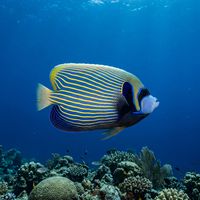
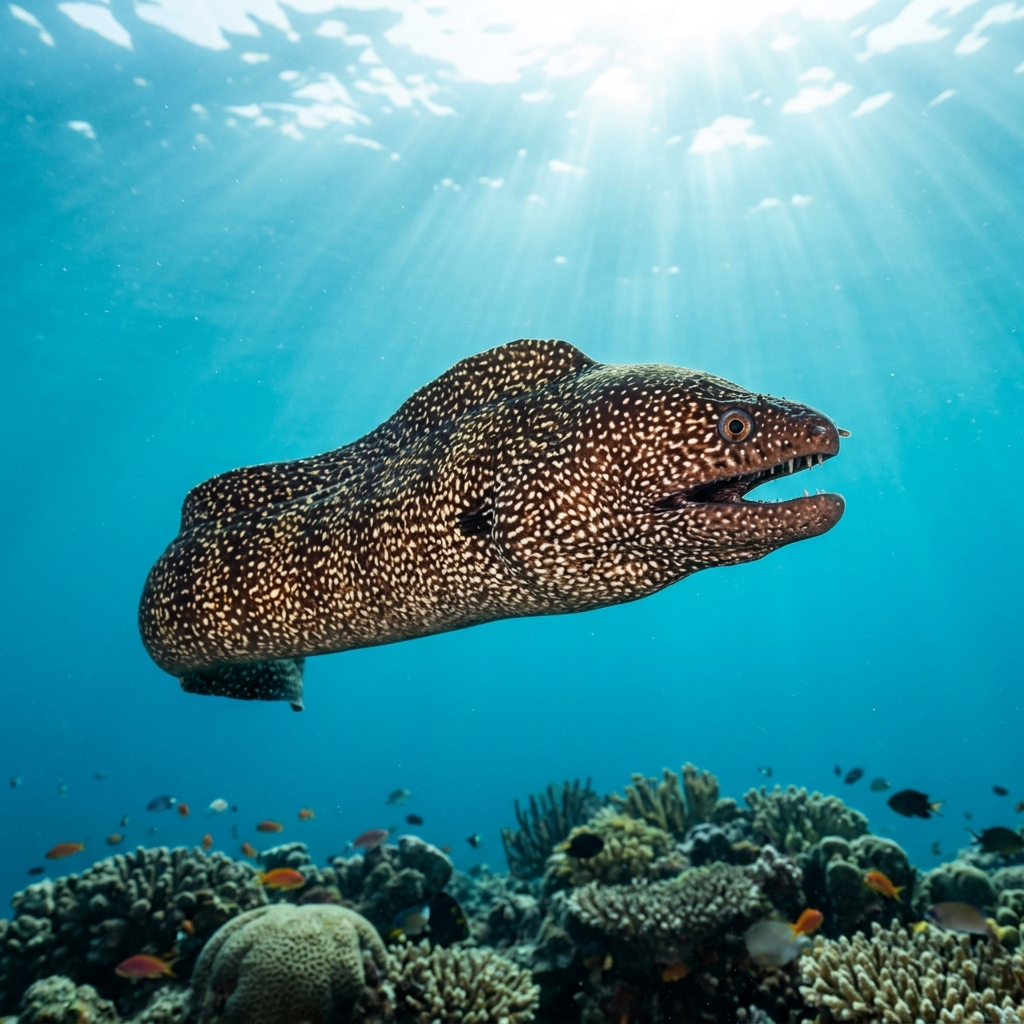
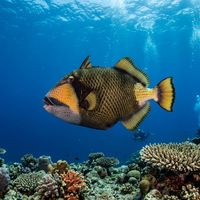
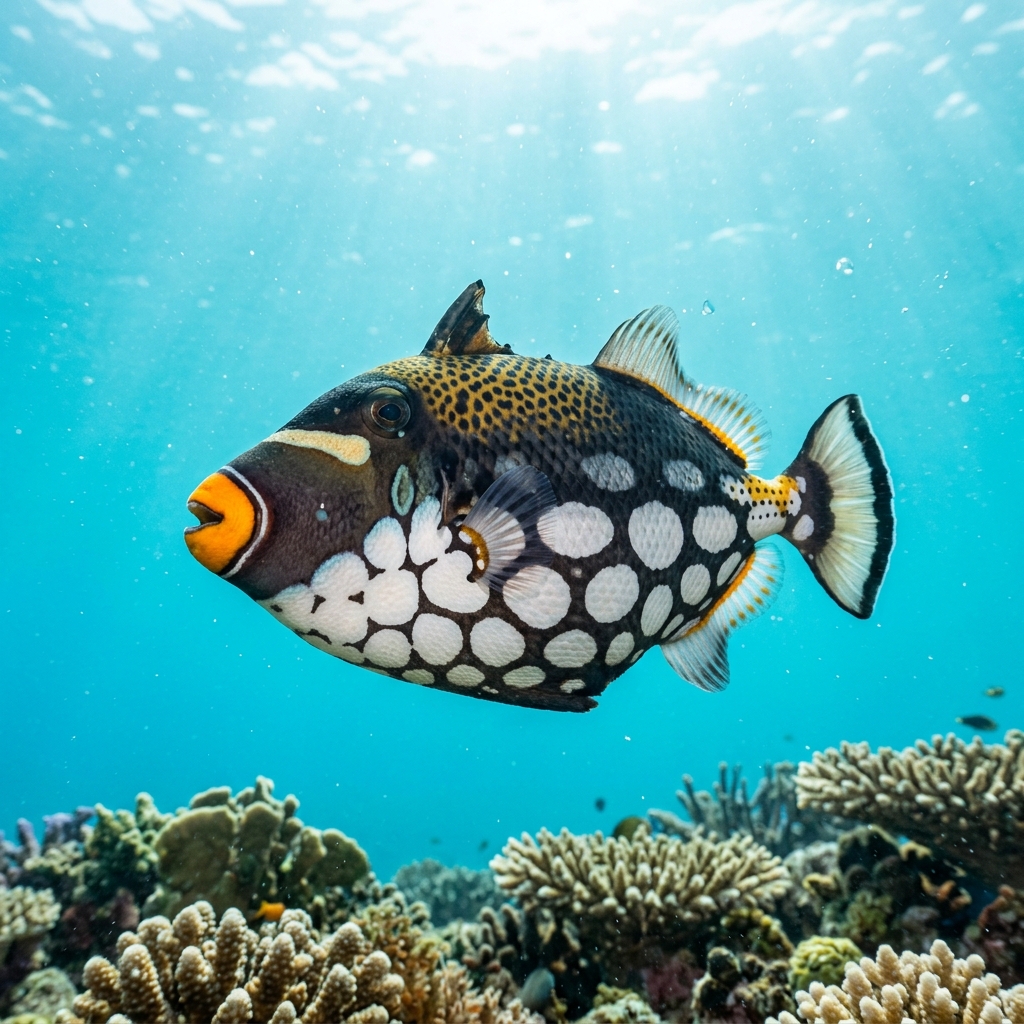
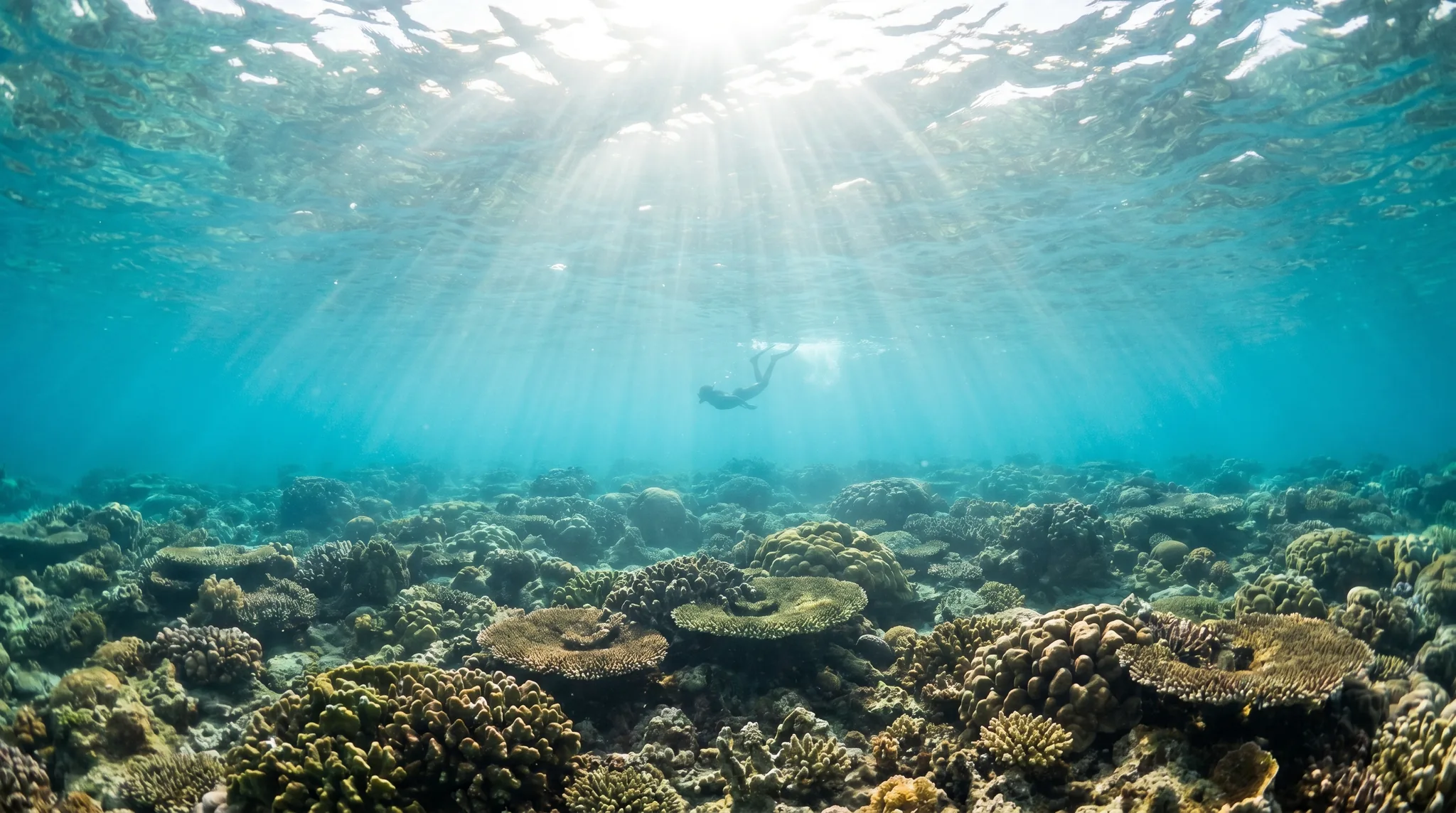
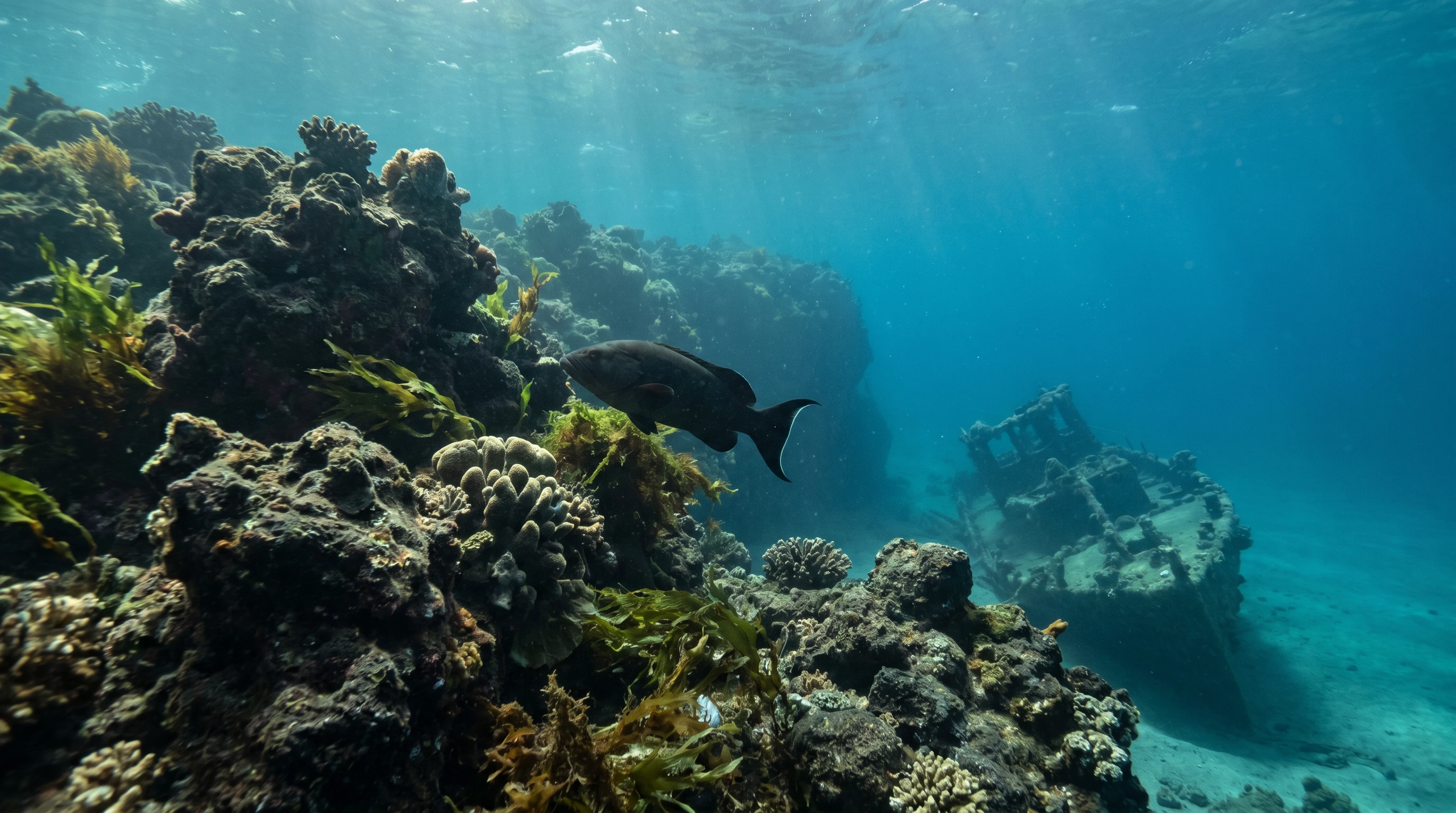
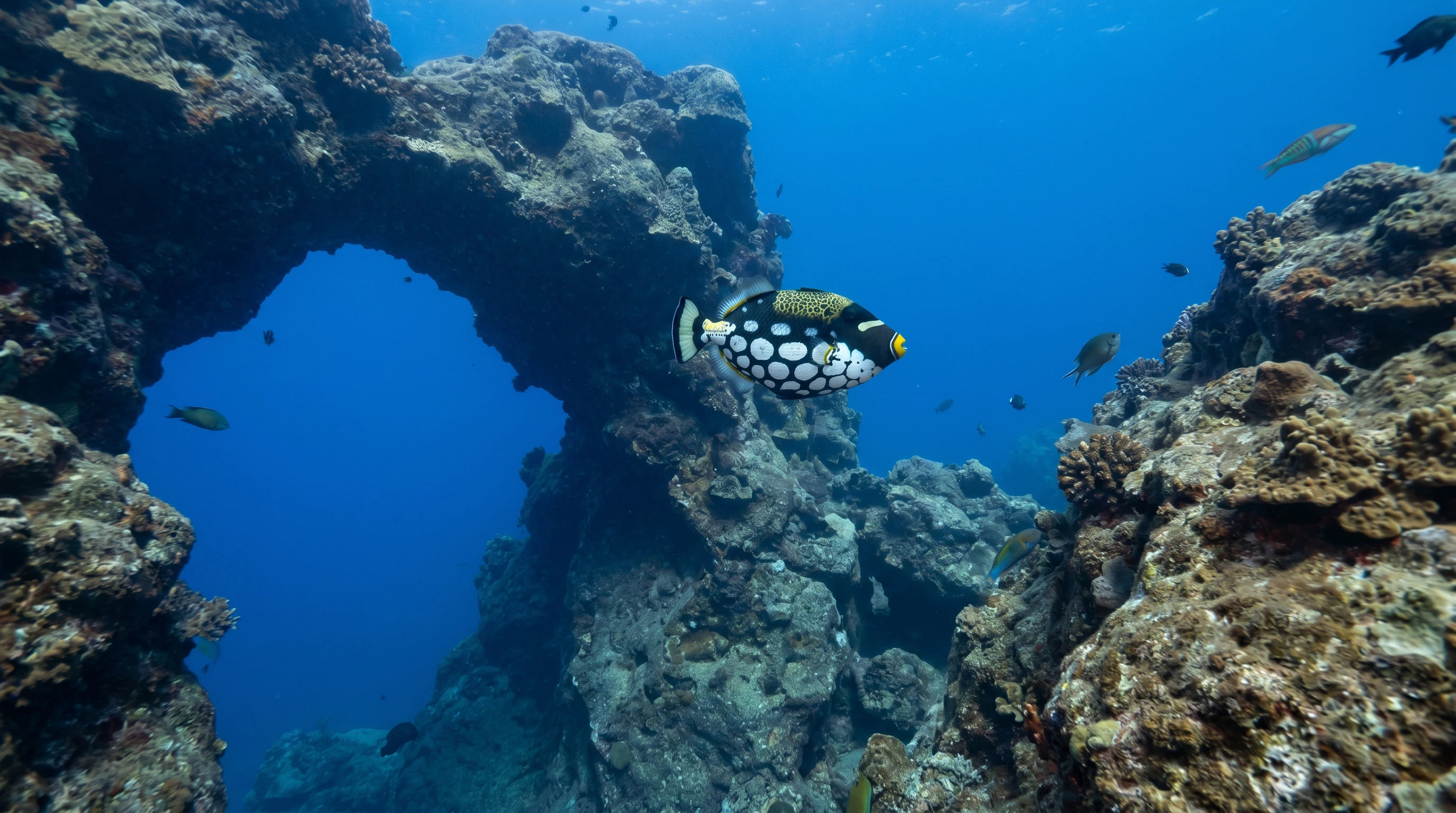
Saint-Paul offers a broad range of reef diving spread across two distinct sub-areas: Saint-Gilles-les-Bains, which holds the majority of sites, and La Possession to the north. The volcanic topography shapes much of the underwater character, with shallow reef terraces, canyons, walls, pinnacles and drift passages sitting alongside truly deep wall dives like Grand tombant de La Possession. Most sites suit beginners, yet experienced divers are rewarded by dramatic drop-offs. The species list is rich, with Turkey Moray, Wrasse, Moorish Idol and Spotted Eagle Ray among the regularly observed highlights.
2 areas
 19
19Beginner-friendly reef diving and snorkelling across sheltered lagoons and volcanic canyon systems, with rich reef fish life and occasional Spotted Eagle Ray.
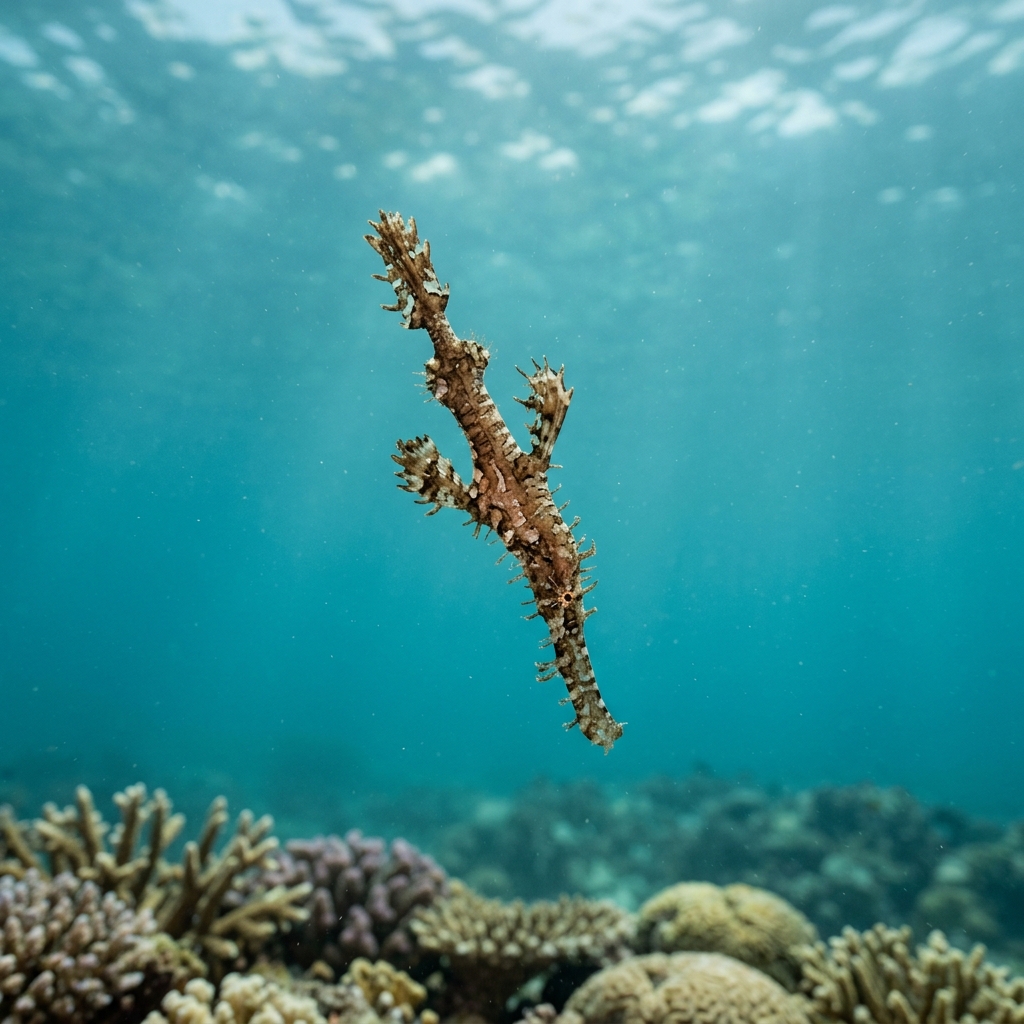
10Cap La Houssaye delivers reef dives for beginners alongside a deep wall, with an outstanding cast of cryptic species including Giant Frogfish and Robust Ghost Pipefish.
Monthly water temperature across Saint-Paul's sites, from satellite sea-surface data corrected for depth. The band shows the site-to-site spread.
Water stays warm from November through April, peaking around the summer months and cooling noticeably between July and September. The best-months data points strongly toward the cooler, drier period from June through October, when visibility tends to improve and conditions settle across the more exposed sites. Drift dives at places like Passe de Trois Bassins and Trois Bacs benefit most from these calmer, clearer windows.
21 operators
Saint-Paul, Reunion
Saint-Paul, Reunion
Saint-Leu, Reunion
Saint-Leu, Reunion
Water temperature around Saint-Paul ranges from about 24°C in July to 28°C in January, based on satellite sea-temperature data for its dive sites.
In the warm season (about 28°C) a rash guard or 3mm shorty is comfortable in Saint-Paul; in the coldest months (about 24°C) step up to a 3mm full suit.
Fin maps 29 sites in Saint-Paul (25 scuba diving sites and 6 snorkelling spots, with some suited to both), organised into 2 areas.
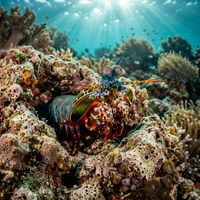
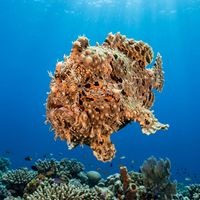
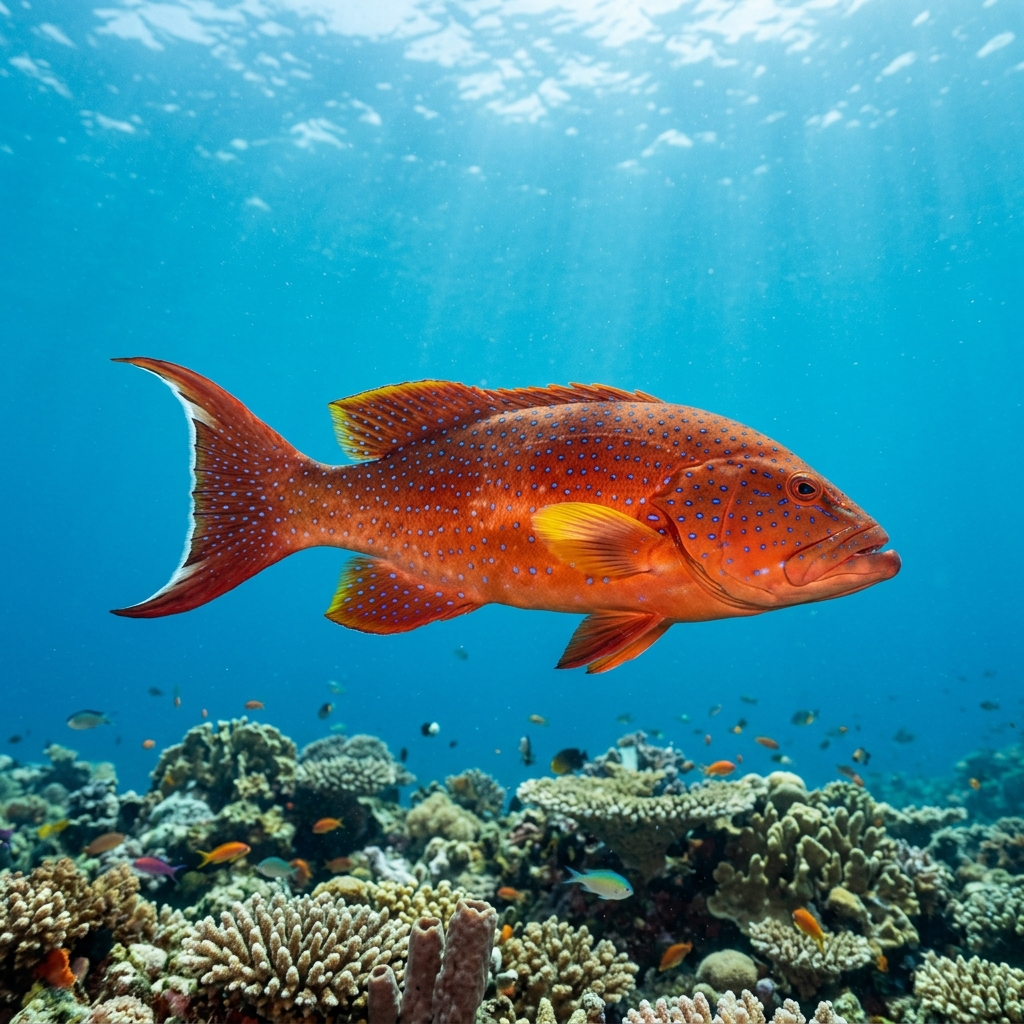
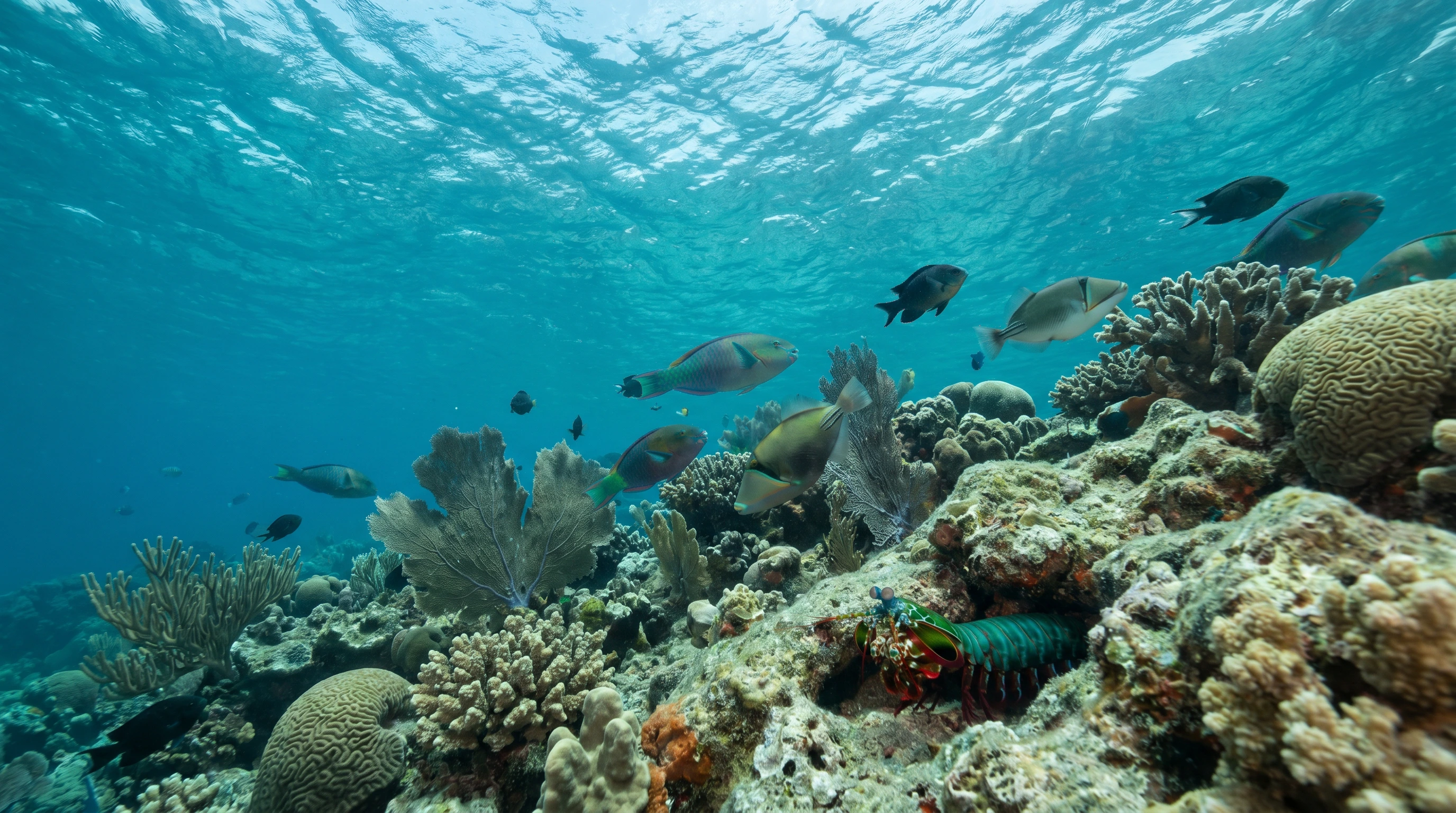
The reef system hosts a wide variety of observed species. Turkey Moray and Snowflake Moray are frequently encountered in crevices, while Spotted Eagle Ray and Lunartail Grouper patrol open water. Look carefully on the reef for Robust Ghost Pipefish, Giant Frogfish and Leaf Scorpionfish, and keep an eye out for the vivid Spanish Dancer nudibranch on night or dusk dives.
The majority of sites in Saint-Paul are rated for beginners, with shallow reef dives at Cap La Houssaye offering calm conditions and manageable depths. Sites like Le Chien, Petite Chaloupe and Grande Chaloupe provide gentle introductions to reef diving with minimal current. The deep wall at Grand tombant de La Possession is reserved for experienced divers comfortable at significant depth.
Saint-Gilles-les-Bains accounts for the larger share of sites and covers a broad spectrum from shallow lagoon reefs to drift passages and canyons around Cap La Houssaye. La Possession, to the north, offers fewer sites but includes the formidable Grand tombant de La Possession, a deep wall dive suited to advanced divers. Together they give the region a range that covers both introductory and challenging diving.
Many sites are accessible by both boat and shore entry, giving flexibility depending on the site and conditions. Several operators are based in the region, including Le Dodo Palmé, Bleu Marine Réunion, Le Vieux Plongeur Réunion, Corail Plongée and Reunion Diving. Deeper or more exposed sites such as Grand tombant de La Possession and the Canyons are boat-only dives.