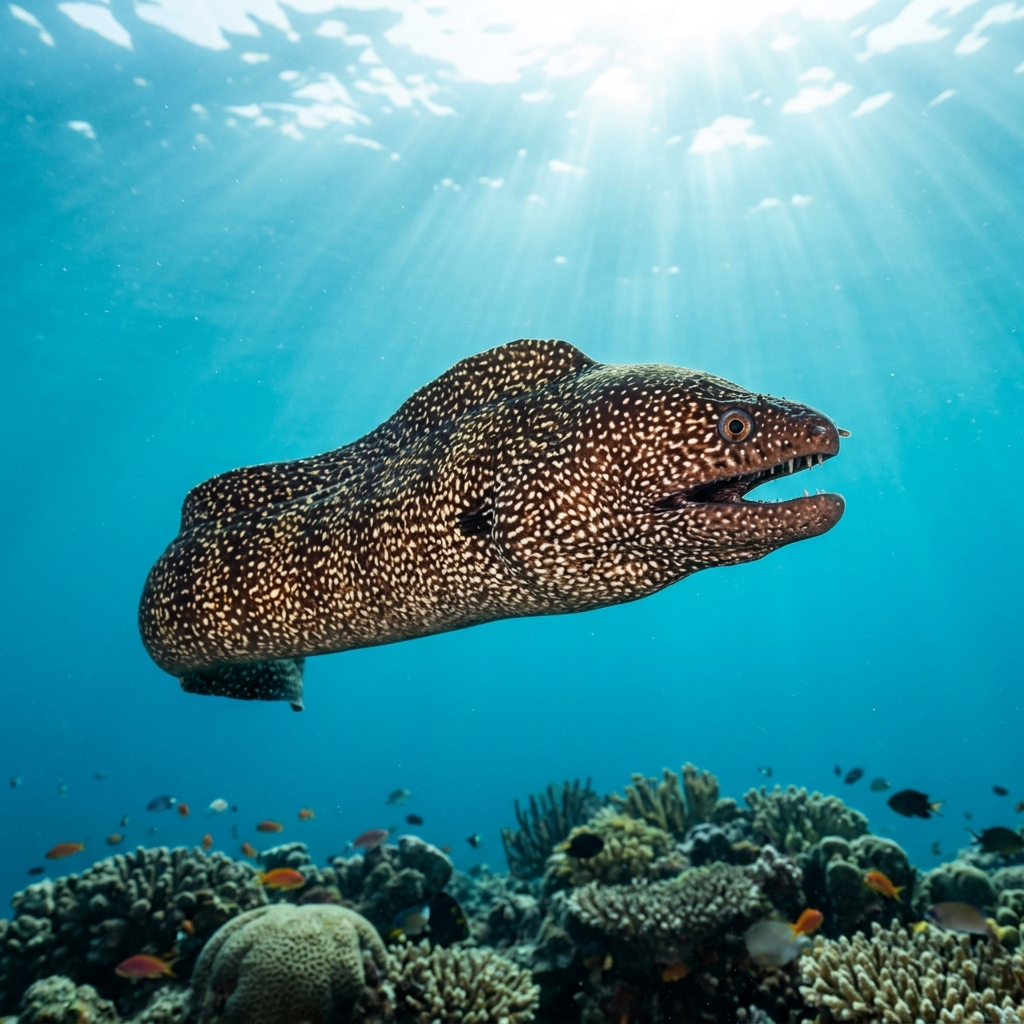
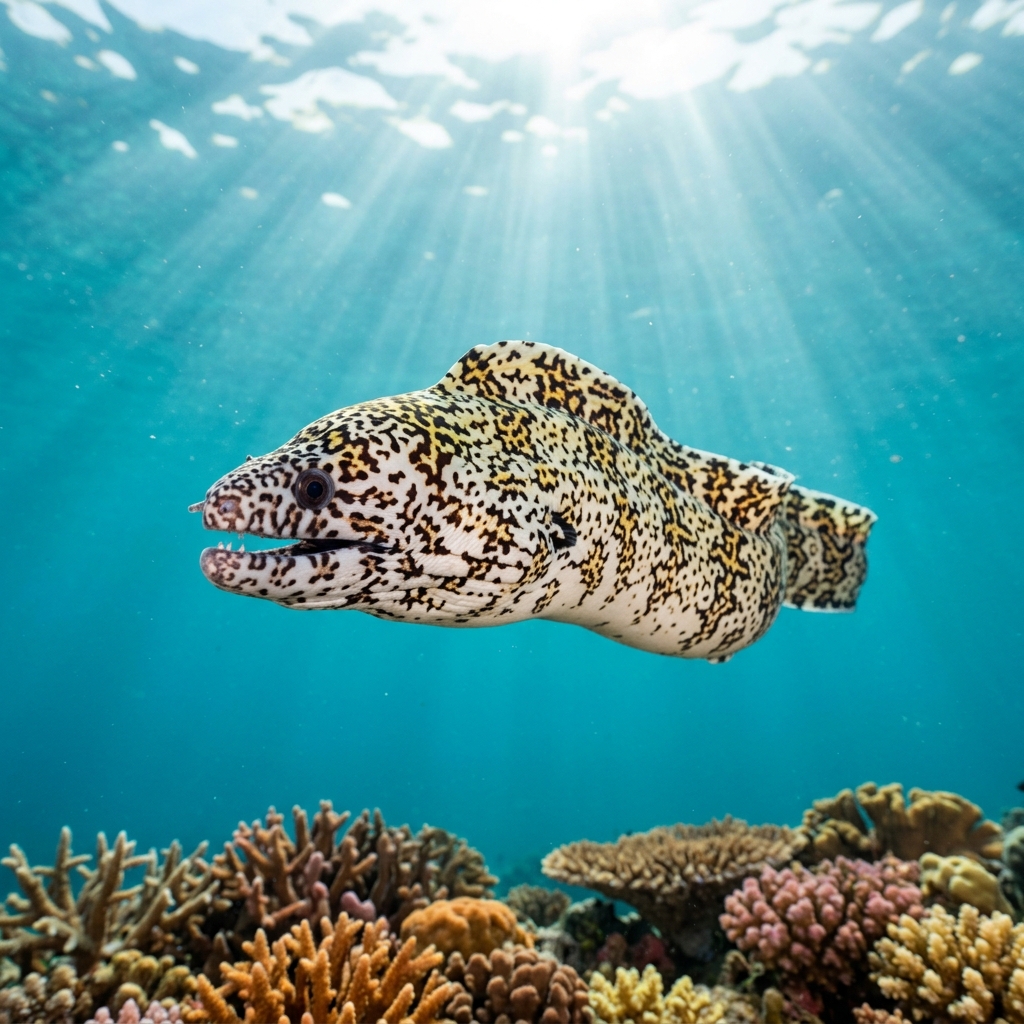
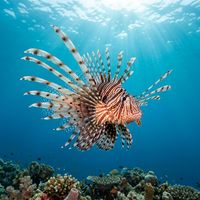
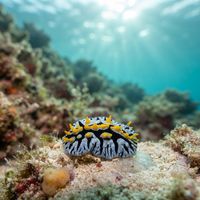
Saint-Gilles-les-Bains offers reef diving and snorkelling across two distinct zones: the shallow lagoon sites along La Saline Beach and Boucan Canot, and the more varied volcanic terrain around Cap La Houssaye, where canyon systems and drop-offs add depth and structure. Most sites suit beginners, with drift potential at Passe de Trois Bassins. The marine life leans heavily toward reef residents: Turkey Moray, Rock Cod, Wrasses and Melon Butterflyfish are consistently present, with Spotted Eagle Ray and Spanish Dancer among the notable occasional sightings.
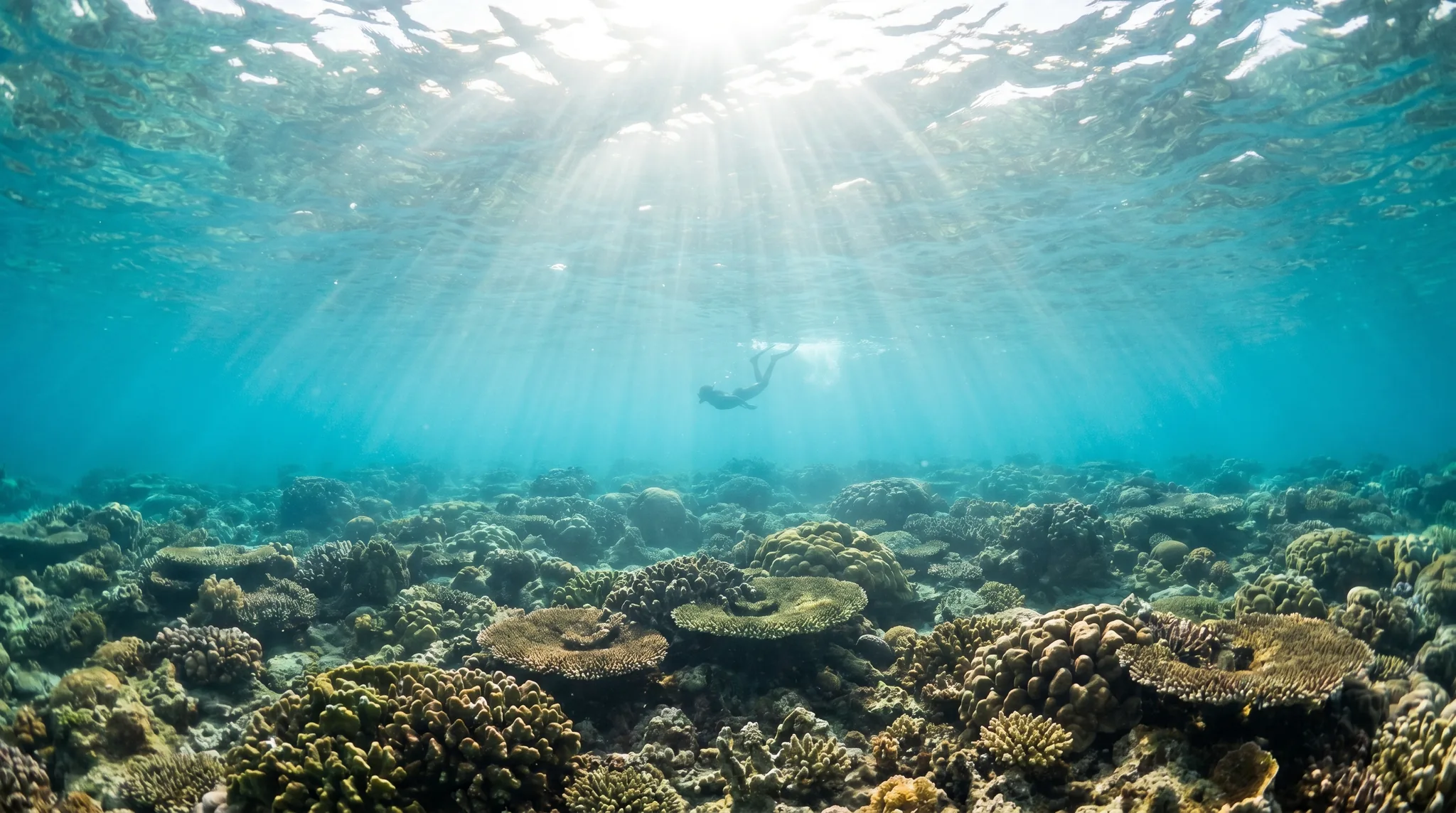
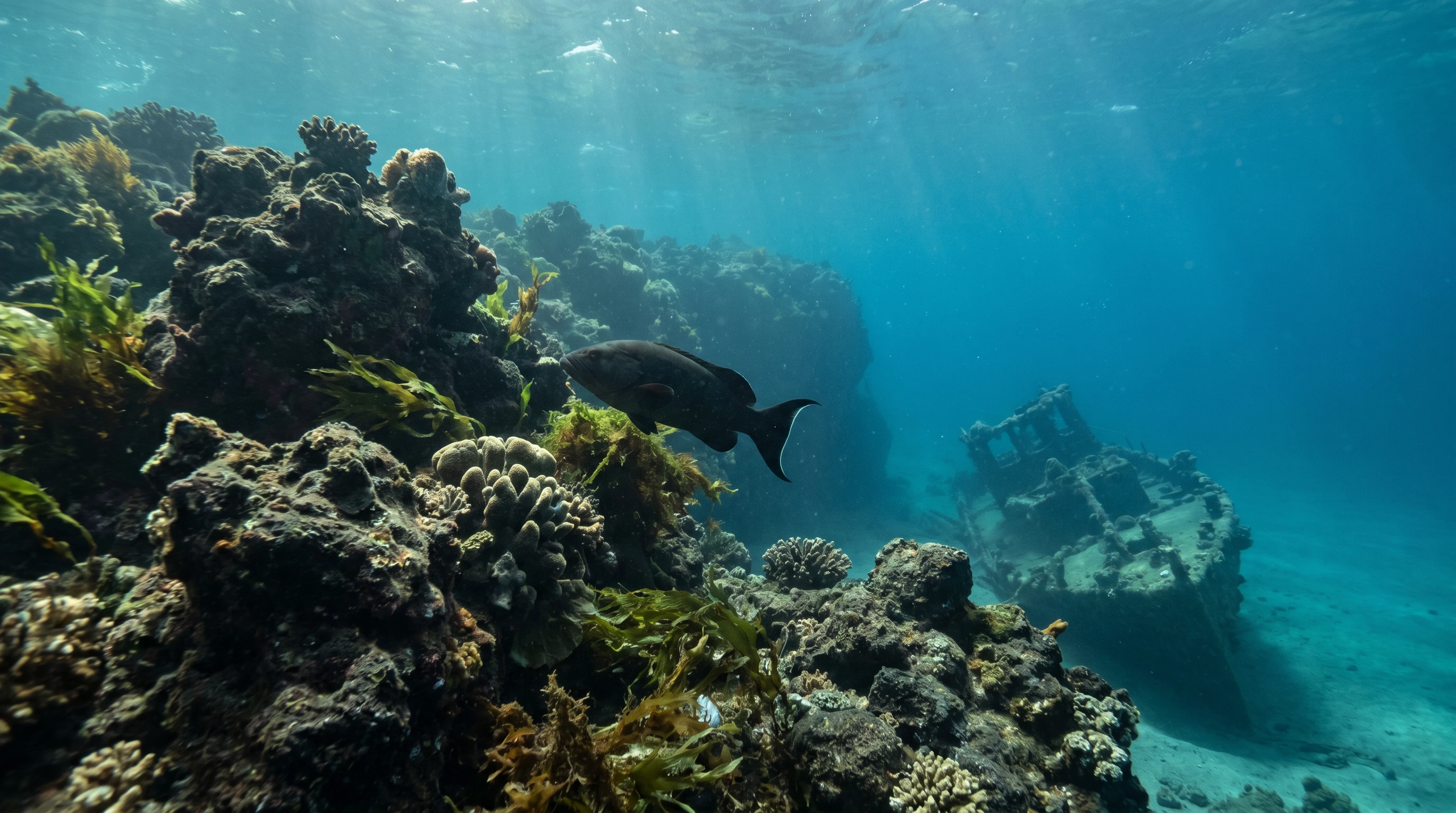
Monthly water temperature across Saint-Gilles-les-Bains's sites, from satellite sea-surface data corrected for depth. The band shows the site-to-site spread.
Water is at its warmest from January through April, coinciding with the summer wet season, when conditions can bring reduced visibility. The cooler, drier months from June through October draw the strongest diver interest, with the histogram peaking in June and October. Drift potential at sites like Passe de Trois Bassins is best assessed on the day with your operator.
19 operators
Saint-Paul, Reunion
Saint-Paul, Reunion
Saint-Leu, Reunion
Saint-Leu, Reunion
10 more sites to explore
Water temperature around Saint-Gilles-les-Bains ranges from about 24°C in July to 28°C in January, based on satellite sea-temperature data for its dive sites.
In the warm season (about 28°C) a rash guard or 3mm shorty is comfortable in Saint-Gilles-les-Bains; in the coldest months (about 24°C) step up to a 3mm full suit.
Fin maps 19 sites in Saint-Gilles-les-Bains (15 scuba diving sites and 6 snorkelling spots, with some suited to both).
Across Saint-Gilles-les-Bains's dive sites, June, July, August, September and October are most often reported as the best months to visit.
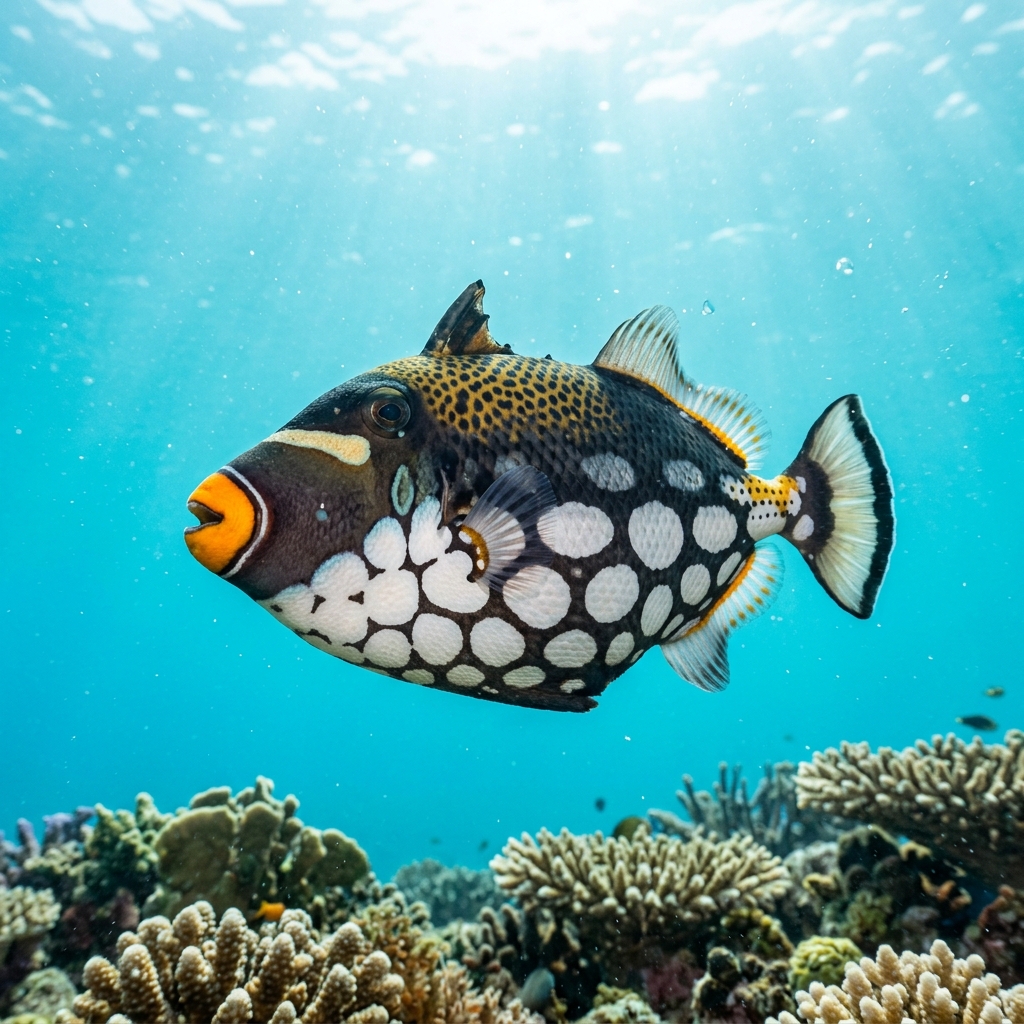
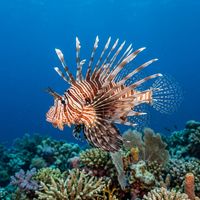
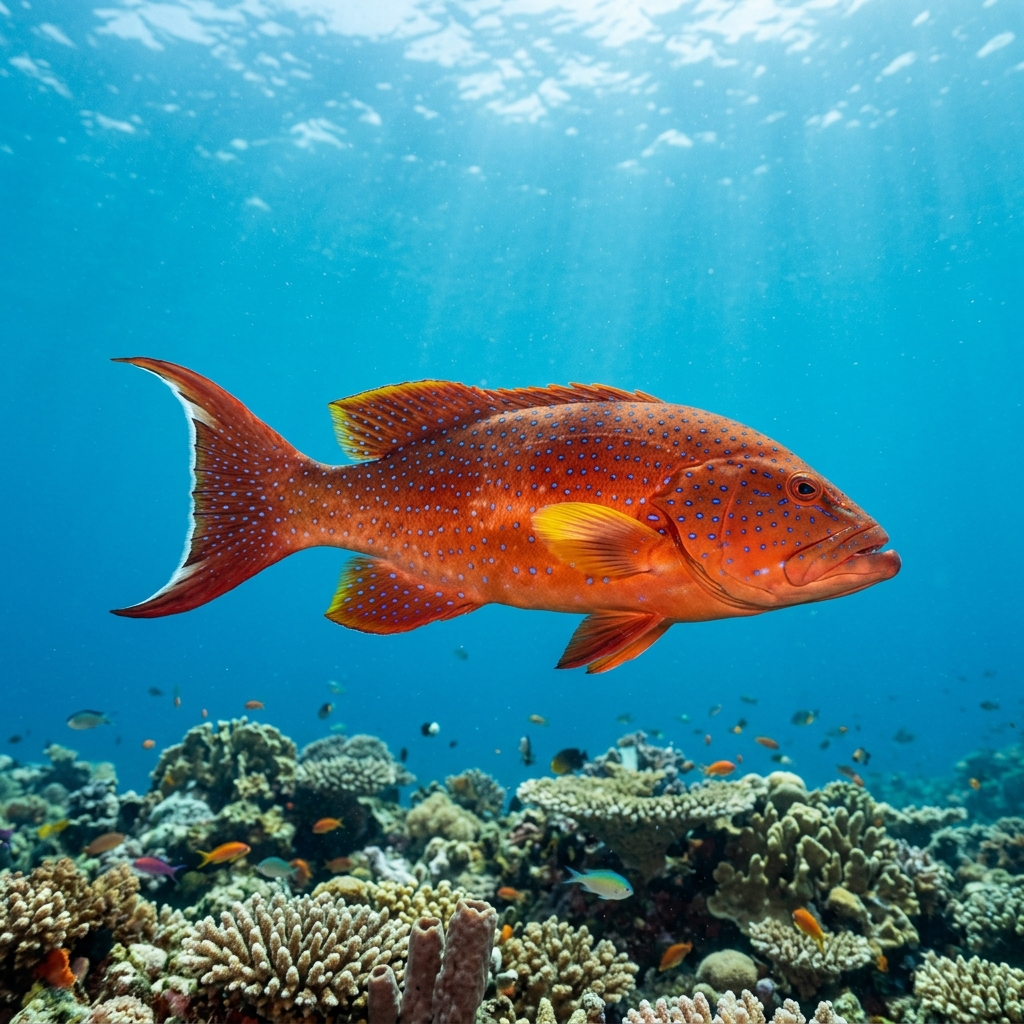
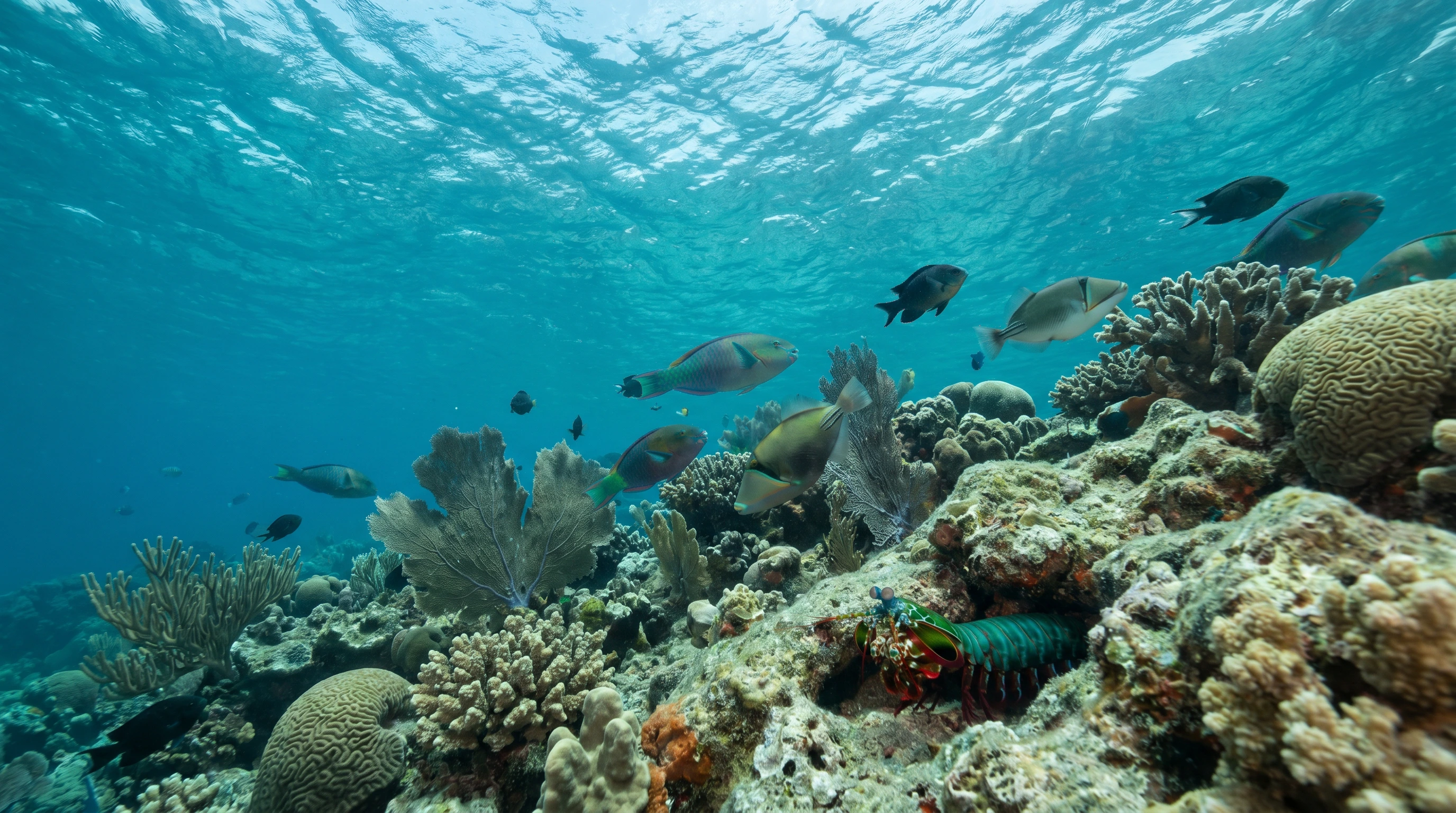
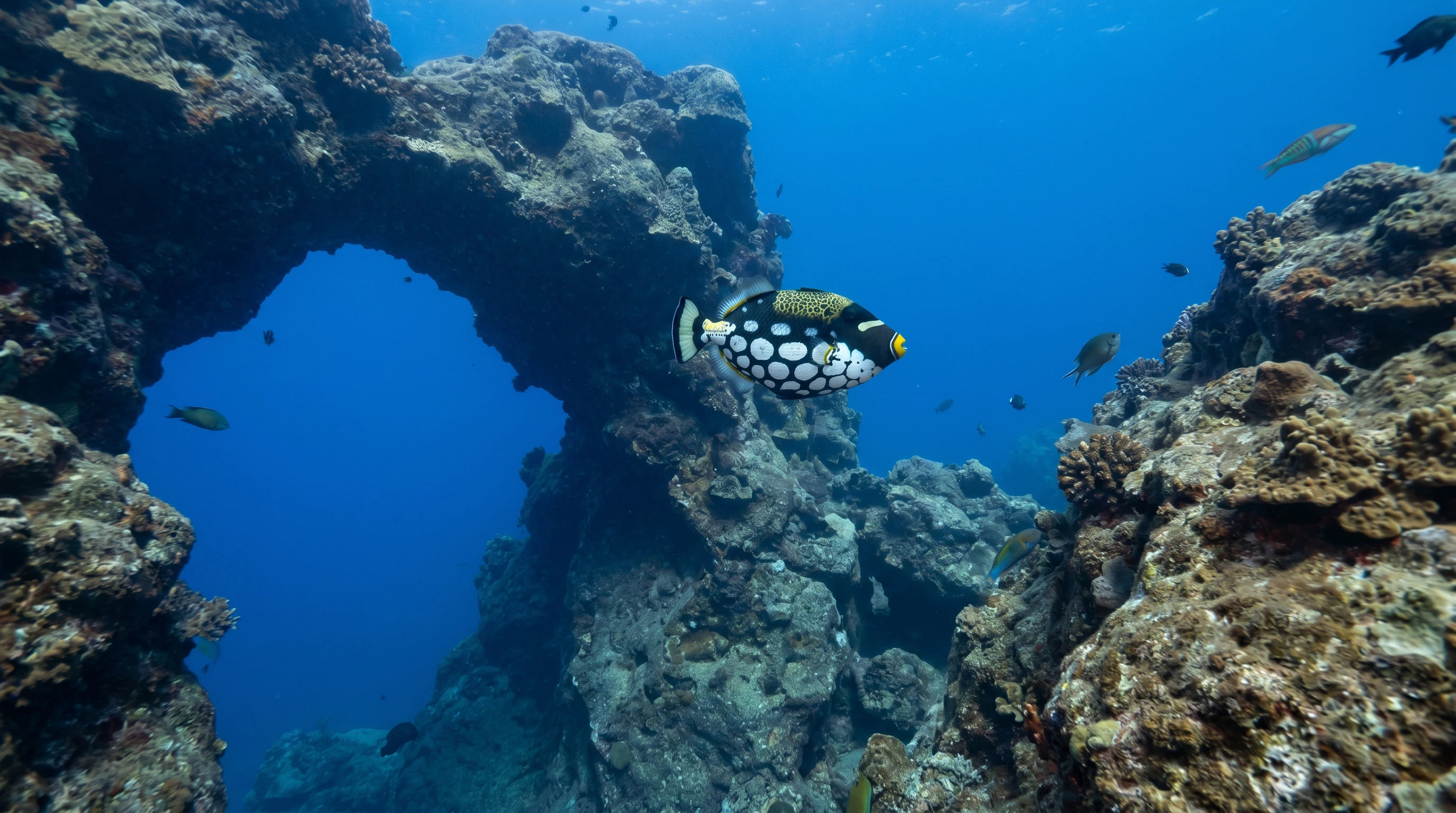
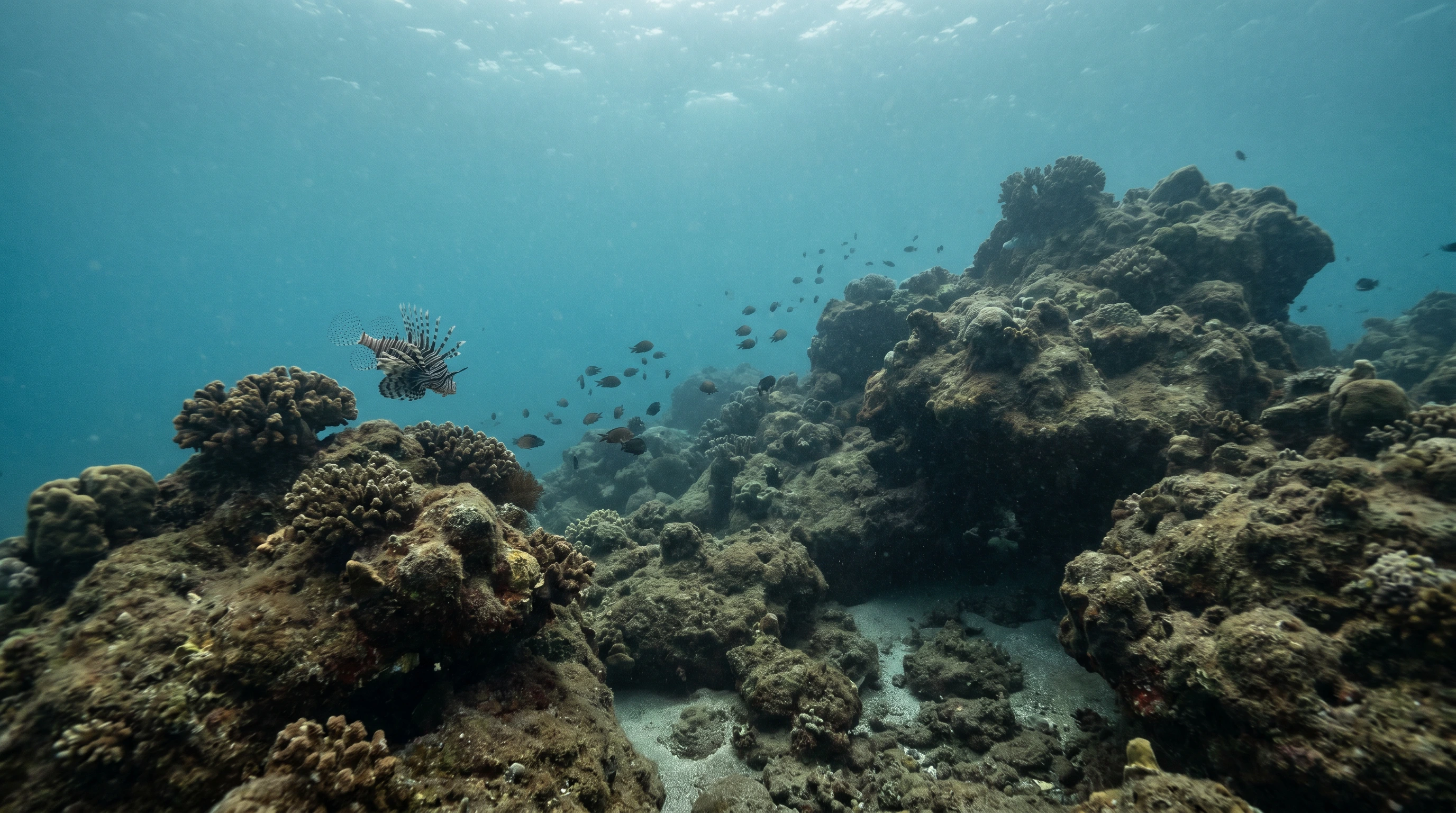
Reef fish dominate, with Turkey Moray, Rock Cod, Wrasses, Melon Butterflyfish and Moorish Idol observed consistently across sites. Emperor Angelfish, Clown Triggerfish and Day Octopus are also commonly sighted. More occasional encounters include Spotted Eagle Ray, Spanish Dancer and Humpback Whale.
The large majority of sites here are rated beginner level, including the canyon and drop-off sites around Cap La Houssaye. Le Chien is noted for minimal current, and Passe de Trois Bassins offers a gentle drift experience. Operators such as Bleu Marine Réunion and Corail Plongée run guided dives suited to newly qualified divers.
Many sites offer shore entry, including the shallow lagoon snorkel spots at Trou d'Eau and Lagon de la Saline, as well as dive sites like Cap La Houssaye and Le Chien. Some sites, including Canyons, are boat-access only. Several sites support both entry methods, giving flexibility depending on your group.
The lagoon zone around La Saline is very shallow, calm and best suited to snorkelling and introductory diving. Cap La Houssaye offers more dramatic volcanic topography, with rocky ridges, canyon systems and drop-offs that reward divers willing to go a little deeper. Both areas fall within the same broader marine reserve zone and are served by local operators.