
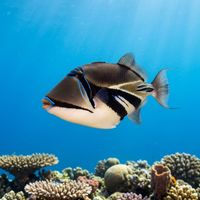
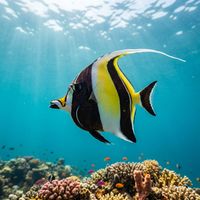
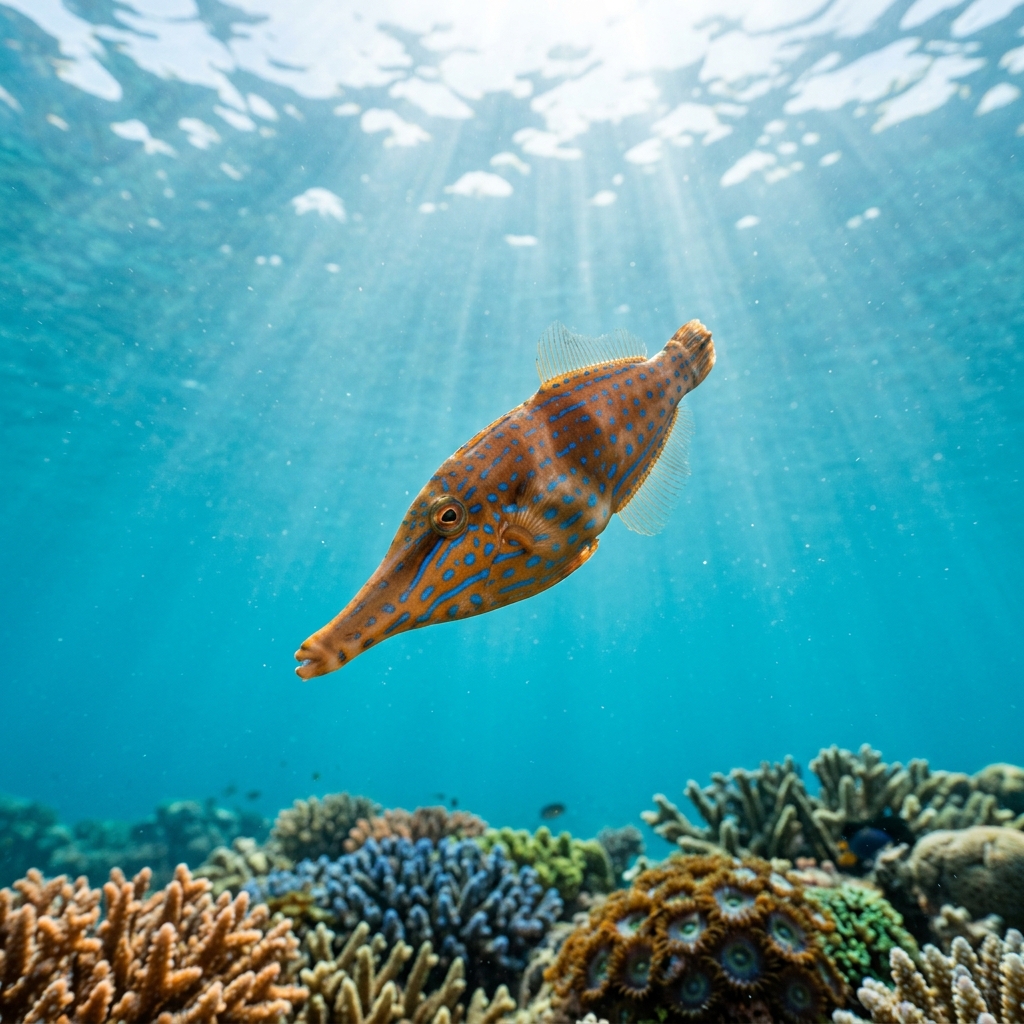
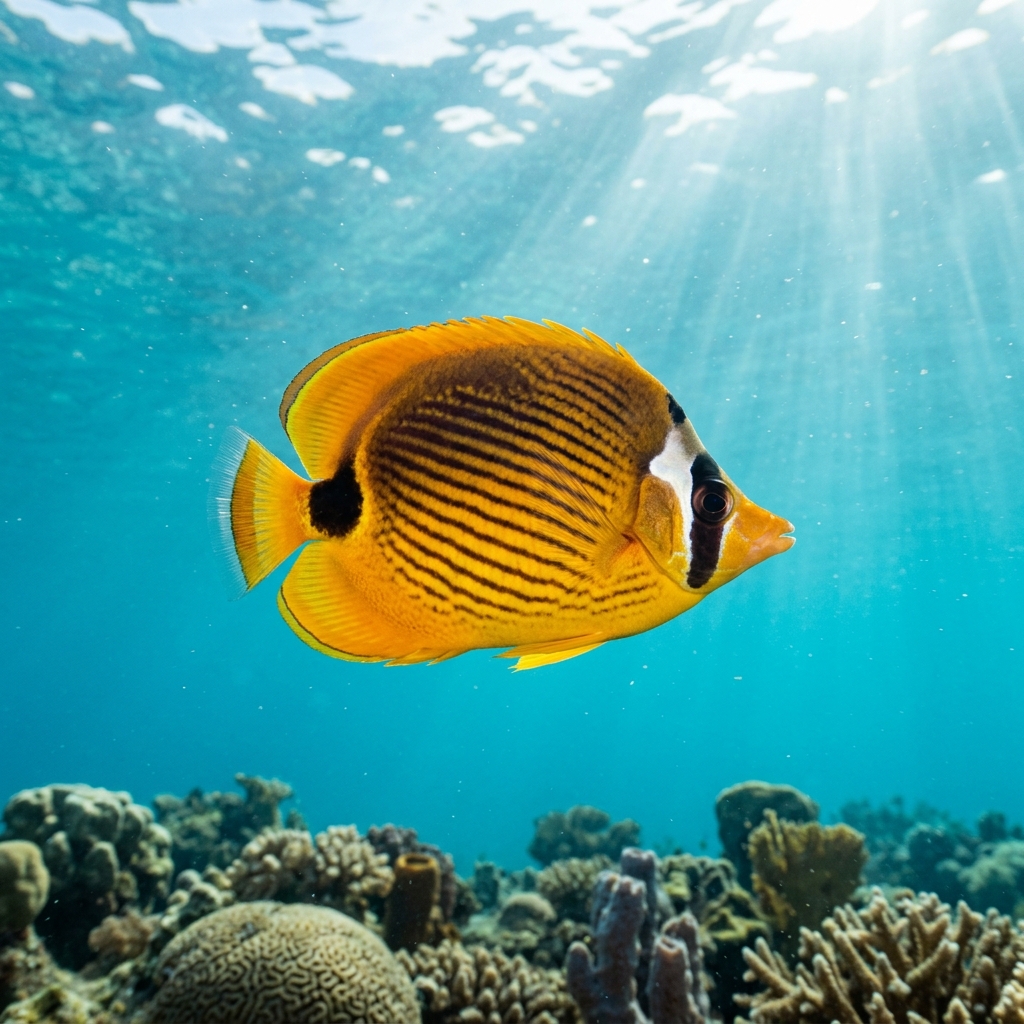
Flic-en-Flac offers one of Mauritius's most varied dive portfolios, spanning beginner-friendly reef and canyon sites, dramatic cavern systems, high-energy drift dives, and a notable collection of wrecks serving as artificial reefs. The region divides across four sub-areas: the namesake Flic-en-Flac and Cathedral cluster, Albion, Tamarin Bay, and Le Morne, each with a distinct character. Reef species are abundant throughout, with Lagoon Triggerfish, Moorish Idol, and Raccoon Butterflyfish encountered across virtually every site, while Spotted Eagle Ray is a consistent highlight. Conditions vary meaningfully by season, rewarding those who time their visit well.
4 areas
 14
14A dive area built around dramatic cavern systems, deep wrecks and reefs alive with eagle rays, lionfish and moray eels.
7Southwest Mauritius diving built around high-current passes, with eagle rays and reef sharks for advanced divers and calmer reef for beginners.
7West-coast Mauritius diving from shallow beginner reefs to a deep drift canyon, with bottlenose dolphins and reef sharks recorded in the area.
Monthly water temperature across Flic-en-Flac's sites, from satellite sea-surface data corrected for depth. The band shows the site-to-site spread.
Water is warmest from January through April and cools noticeably through the middle months of the year, reaching its coolest in July, August, and September. The best-months data points to a broad window from May through November, with late spring and autumn appearing particularly favoured. Drift sites such as Passe St Jacques can carry strong currents, so conditions at individual sites vary with season and should be checked locally.
78 operators
West-coast Mauritius diving with a strong operator presence, two wrecks, and reef sites ranging from shallow beginner dives to deeper wreck dives.
Water temperature around Flic-en-Flac ranges from about 24°C in July to 28°C in January, based on satellite sea-temperature data for its dive sites.
In the warm season (about 28°C) a rash guard or 3mm shorty is comfortable in Flic-en-Flac; in the coldest months (about 24°C) step up to a 3mm full suit.
Fin maps 34 sites in Flic-en-Flac (32 scuba diving sites and 5 snorkelling spots, with some suited to both), organised into 4 areas.
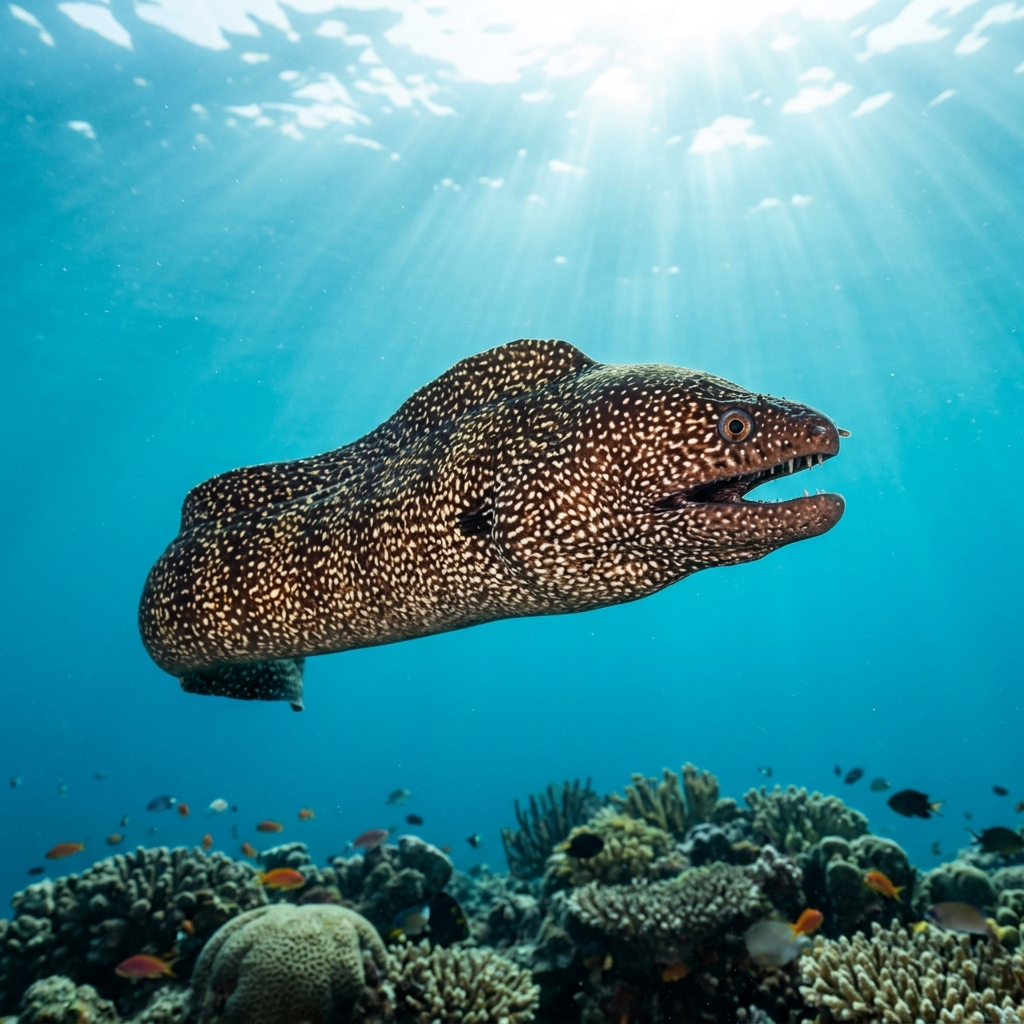
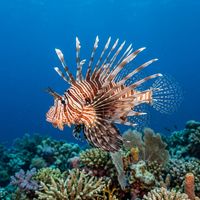
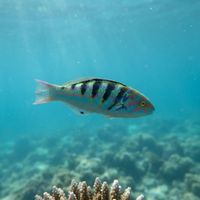
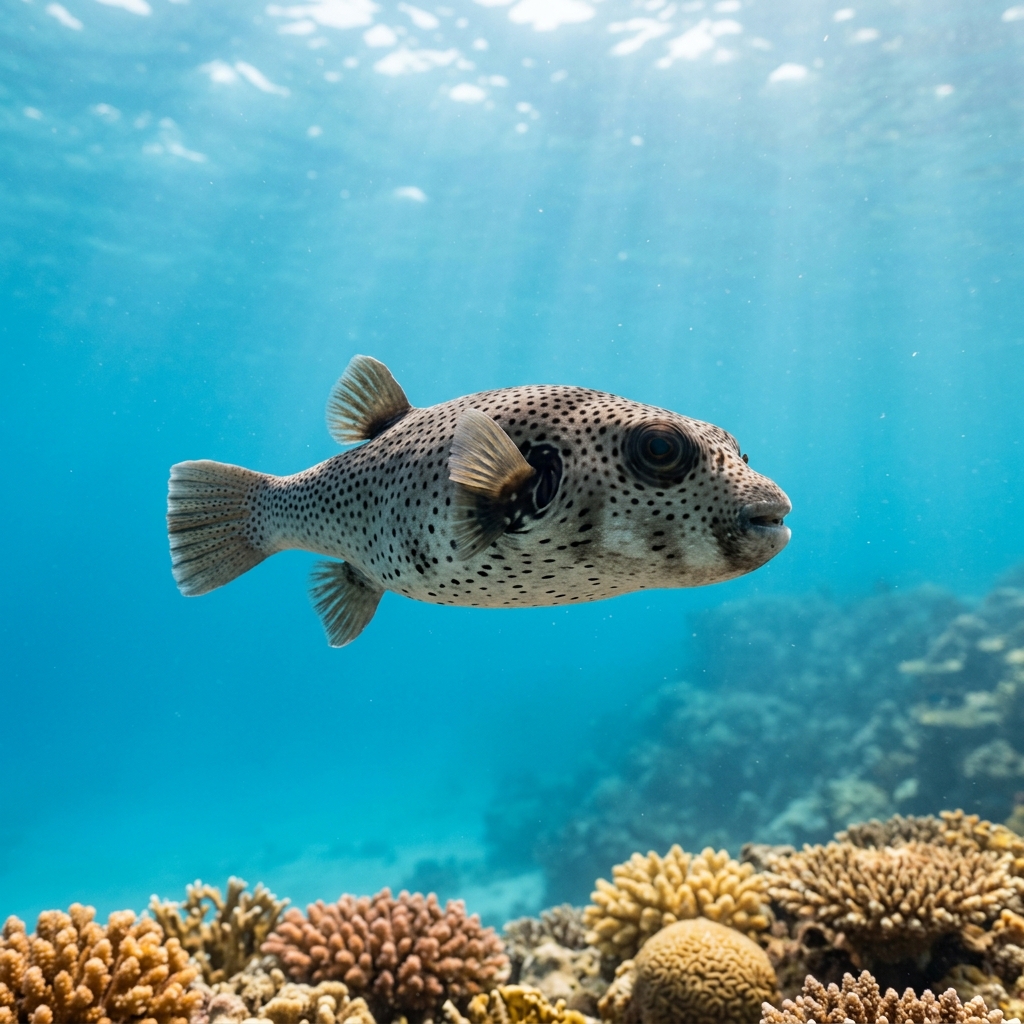
The reef fish community is rich and consistent, with Lagoon Triggerfish, Moorish Idol, Blackspotted Pufferfish, and Raccoon Butterflyfish observed across nearly every site. Spotted Eagle Ray is a well-documented highlight, and Indian Lionfish, Spotfin Lionfish, and Zebra Lionfish are all regularly encountered. Green Sea Turtle appearances are occasional but backed by observations. Turkey Moray is also commonly found along the reef structures.
A good number of sites in Flic-en-Flac are rated for beginners, including the wreck Tug II, the reef and canyon site Aquarium, and Right Cliff. These sites offer accessible depths and straightforward conditions for newer divers. Intermediate and advanced sites are also well represented, so the region caters to a full range of experience levels. Operators such as SeaUrchin Diving Center and Ocean Divers Mauritius are based locally to guide divers of all abilities.
The Flic-en-Flac and Cathedral cluster is the largest, encompassing sites that include the cavern and cave system of La Cathedrale and the drift pinnacle of Passe St Jacques. Albion is home to several wrecks used as artificial reefs, including Tug II and Kei Sei 113, alongside the deeper Tian Xian. Tamarin Bay and Le Morne each contribute a smaller roster of sites and offer their own reef character. Together the sub-areas give the region considerable variety in topography and depth range.
The vast majority of sites in Flic-en-Flac are accessed by boat, which is the norm across all four sub-areas. Shore entry does exist at a small number of sites, including Couline Bambous and the shallow Flic En Flac reef. For boat diving, a wide choice of operators is available locally, from SeaUrchin Diving Center and Tamarin Ocean Pro Diving Center to Abyss Centre de Plongée and others.