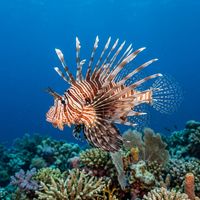
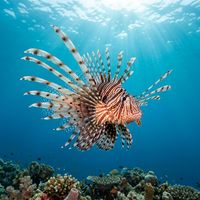
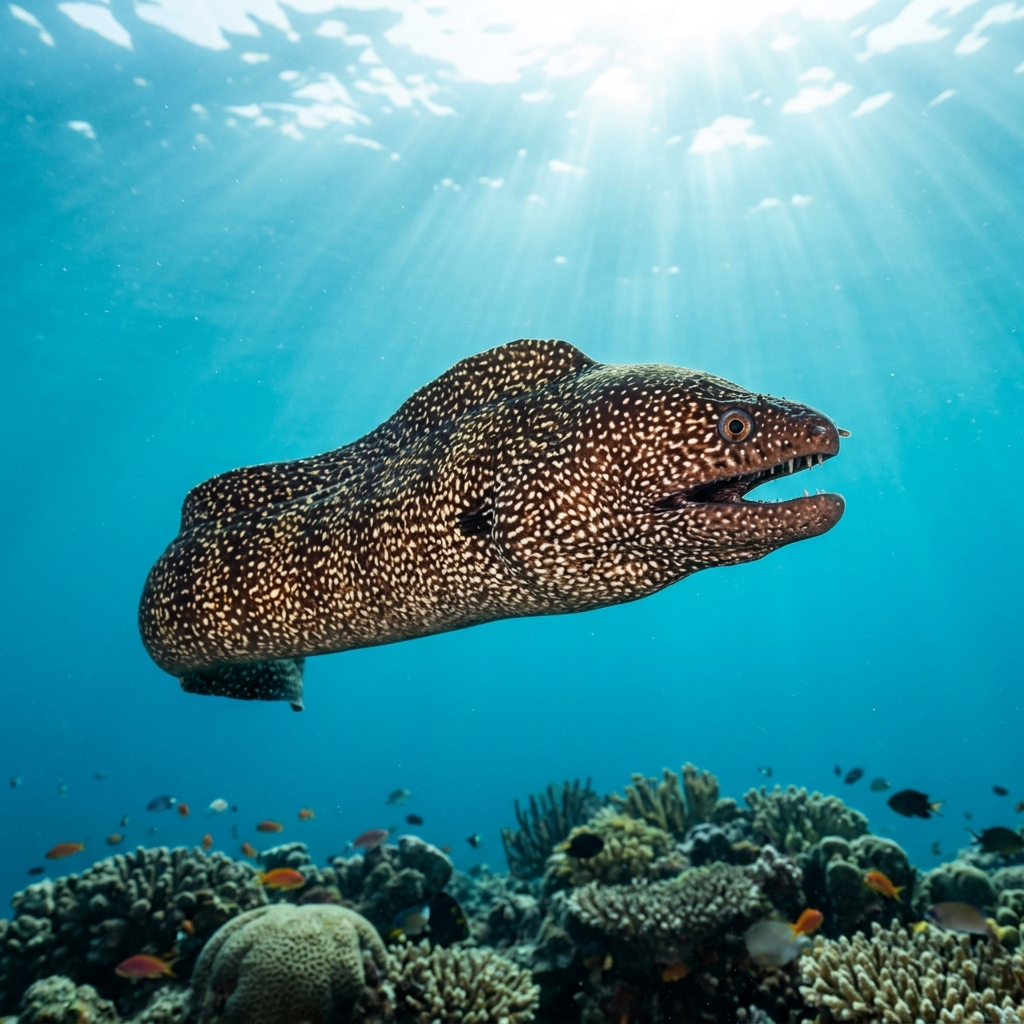
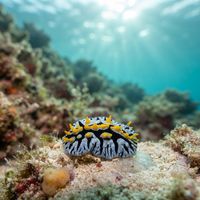
Trou aux Biches offers a compelling mix of purpose-sunk wrecks, coral reefs, walls, and drop-offs, all accessed by boat, with a handful of calm shore-entry sites for snorkellers and beginners. The wreck collection is a particular draw: the Stella Maru, Azuma Maru, and Emily and Waterlily have each colonised into artificial reefs. Marine life leans heavily toward ambush predators and cryptic species, with Indian Lionfish, Turkey Moray, Leaf Scorpionfish, and Giant Frogfish observed across many sites. November and October see the highest diver activity, and warm summer water suits beginners and advanced divers alike.

Monthly water temperature across Trou aux Biches's sites, from satellite sea-surface data corrected for depth. The band shows the site-to-site spread.
Water temperatures peak through the austral summer months from January to April, then cool noticeably through the winter months of July to September. Visibility tends to be generous across the season, though conditions are most favoured by divers in October and November. The site mix spans very shallow beginner reefs through to deep advanced dives, so seasonal planning mostly comes down to thermal comfort rather than access.
6 more sites to explore
Water temperature around Trou aux Biches ranges from about 24°C in July to 28°C in January, based on satellite sea-temperature data for its dive sites.
In the warm season (about 28°C) a rash guard or 3mm shorty is comfortable in Trou aux Biches; in the coldest months (about 24°C) step up to a 3mm full suit.
Fin maps 16 sites in Trou aux Biches (15 scuba diving sites and 5 snorkelling spots, with some suited to both).
Across Trou aux Biches's dive sites, April, October and November are most often reported as the best months to visit.
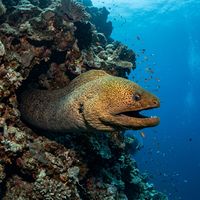
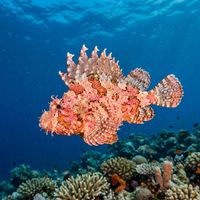
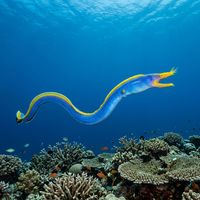
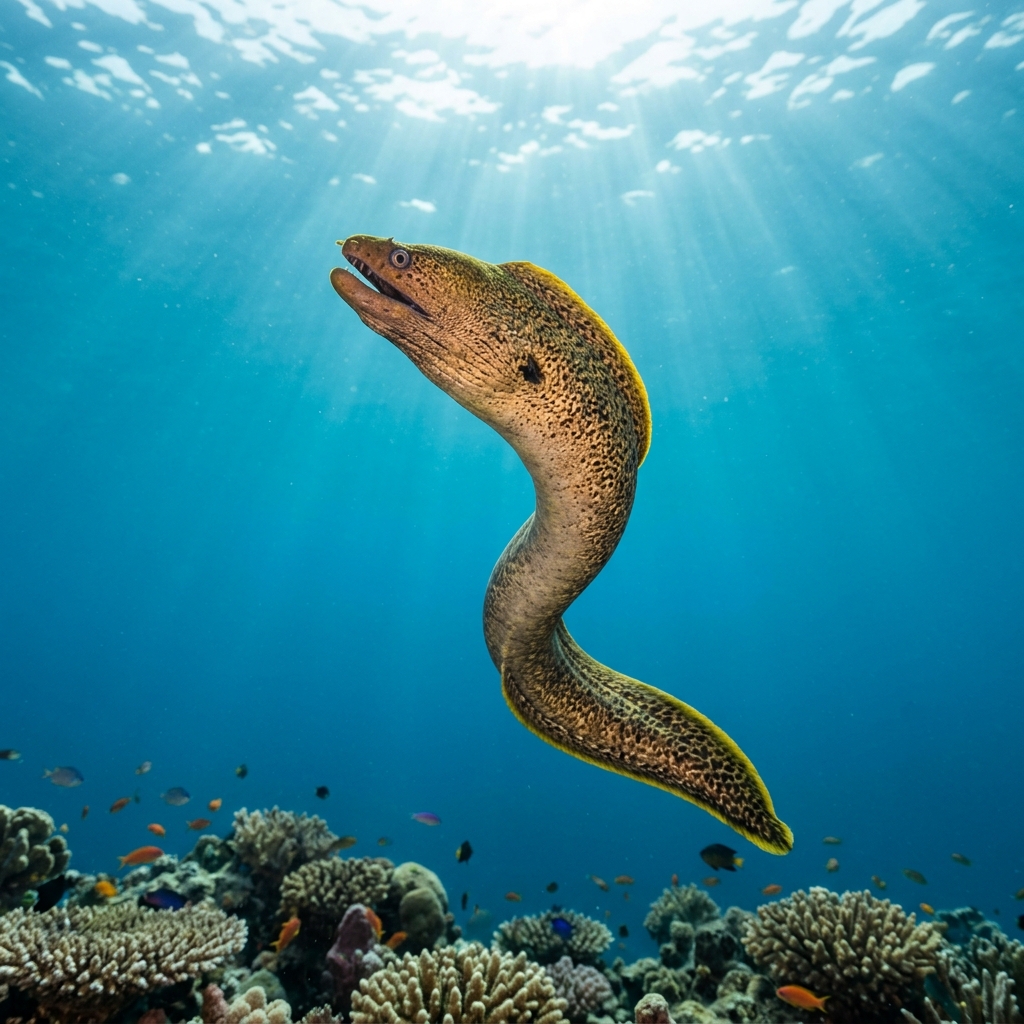
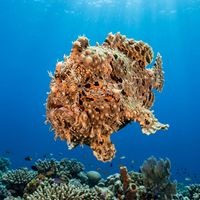
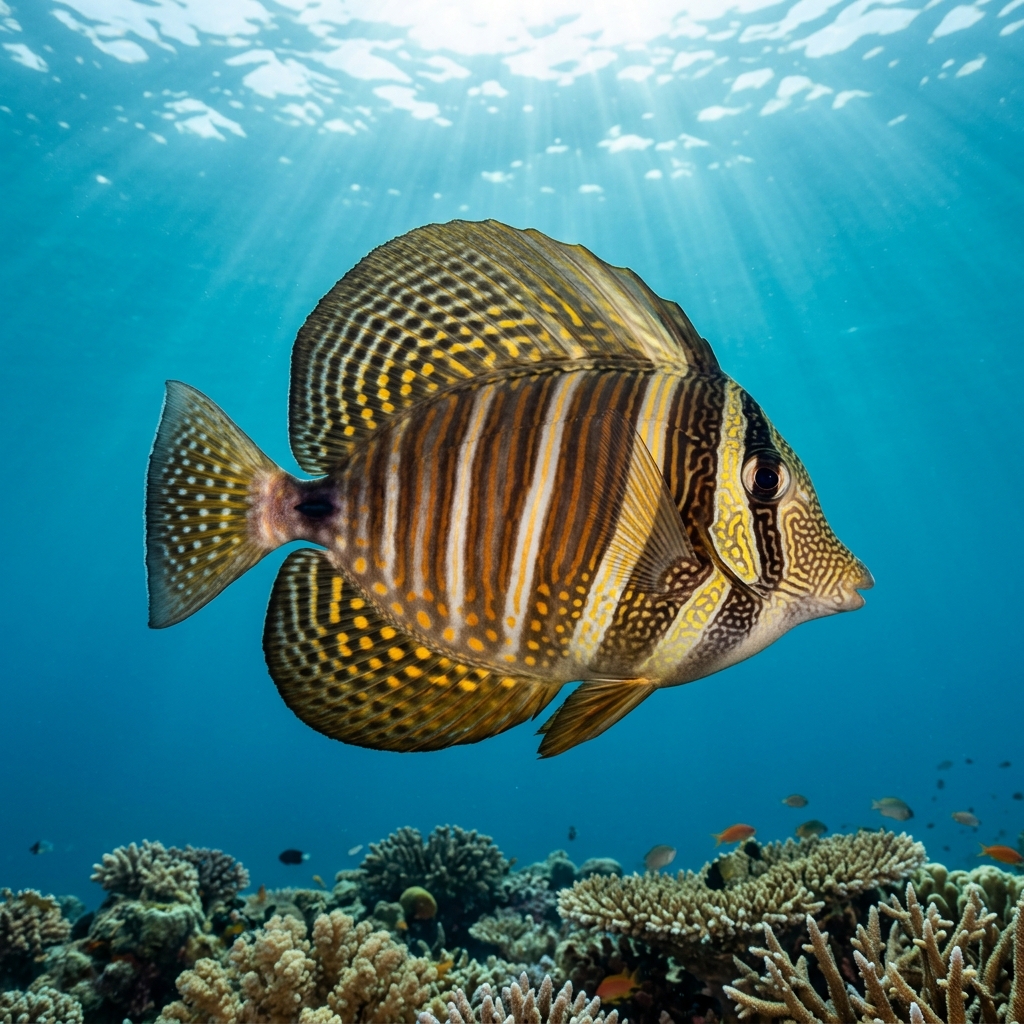
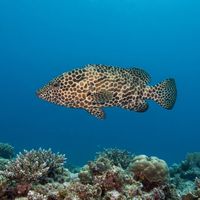
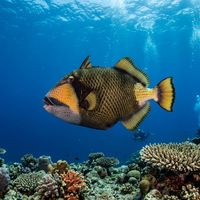
Trou aux Biches has a strong showing of cryptic and predatory species. Indian Lionfish, Spotfin Lionfish, and Zebra Lionfish are observed across many sites, alongside multiple moray species including Turkey Moray, Giant Moray, and Ribbon Eel. Giant Frogfish, Leaf Scorpionfish, and Stonefish reward patient, slow divers, while Wrasse, Rock Cod, and Desjardin's Sailfin Tang are present at nearly every site.
A good number of sites here are rated for beginners, including Poison Reef, Chilli Drop, Coral Garden, and the Stella Maru Wreck. These offer relatively shallow reef and drop-off terrain reached by boat. Advanced sites such as Black Forest and the Azuma Maru reach much greater depths and are strictly for experienced divers.
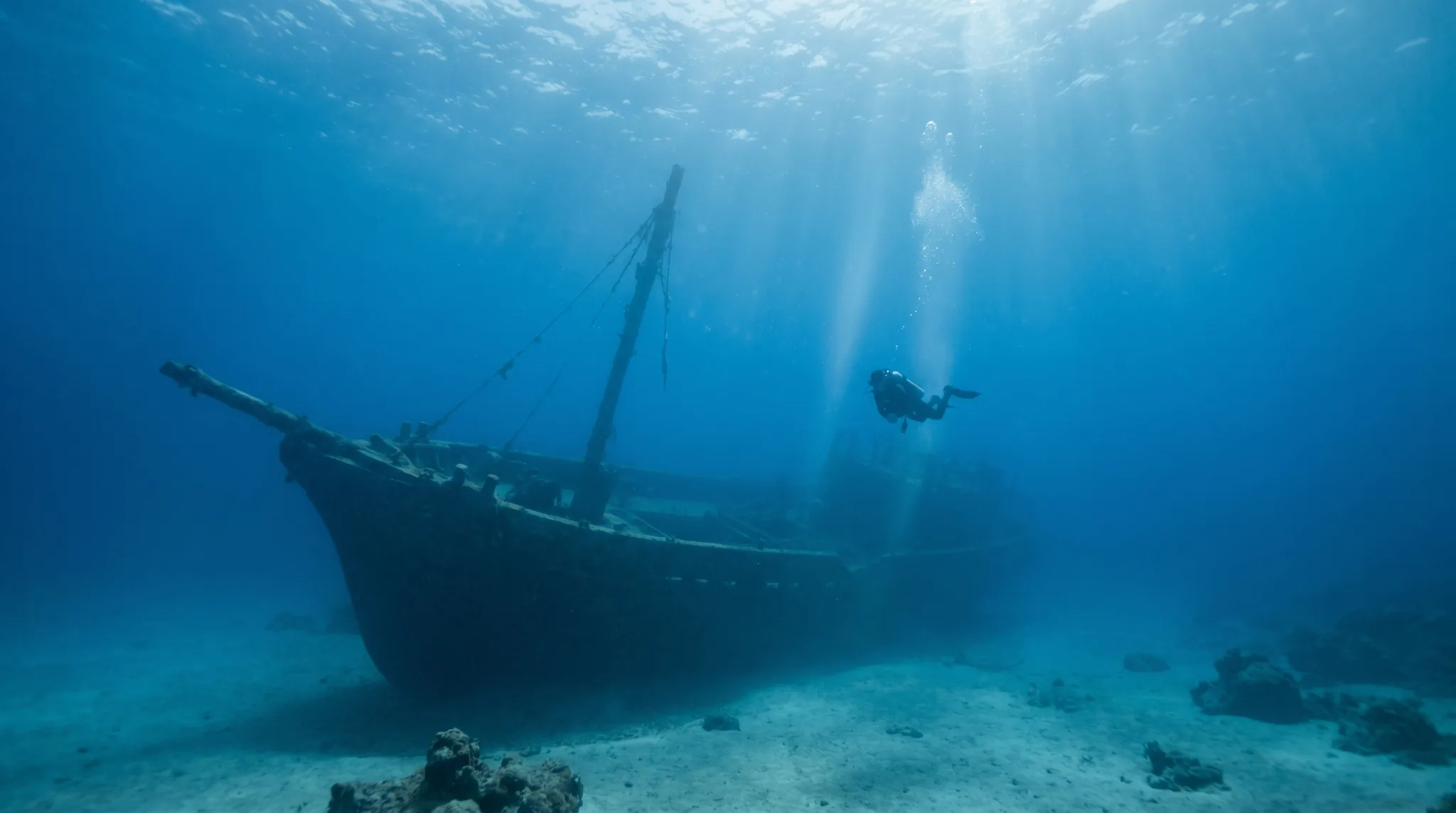
The region has several purpose-sunk vessels at varying depths. The Stella Maru sits at intermediate depths and is accessible to a broad range of divers. The Azuma Maru rests deeper and is rated for advanced divers only. Emily and Waterlily are a paired wreck site and can be experienced as both a dive and a snorkel, making them the most versatile of the wrecks.
The majority of dive sites require a boat, but two sites offer shore entry: the Trou-Aux-Biches lagoon reef and Récif Attitude. Both are very shallow and beginner-friendly, making them well suited to snorkellers and those wanting an easy introduction to the area without organising a boat trip.