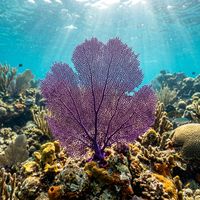
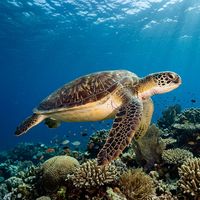
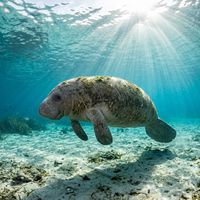
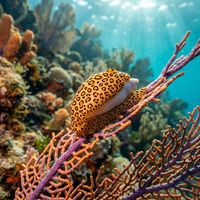
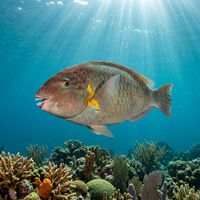
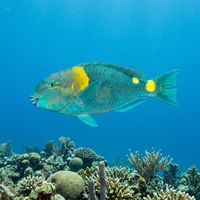
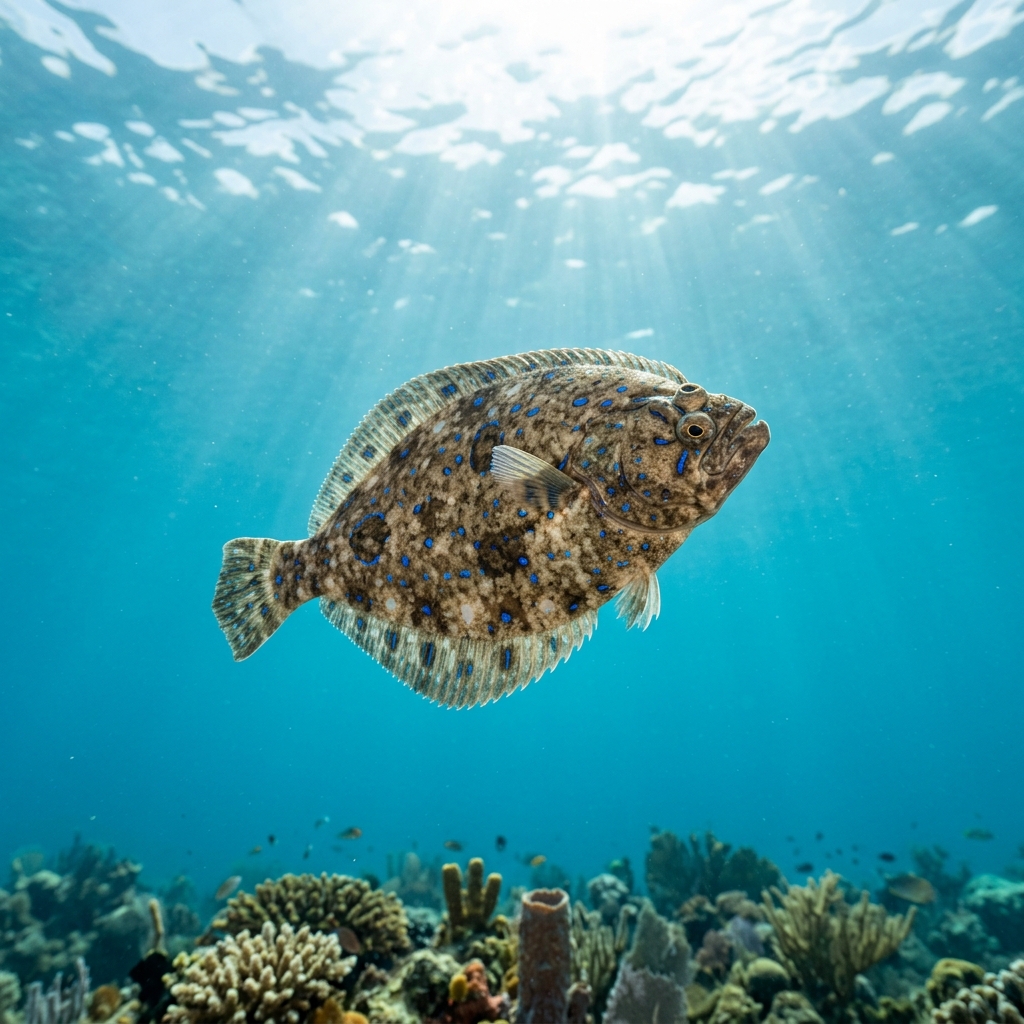
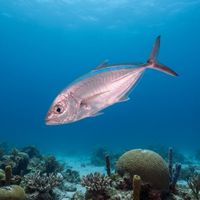
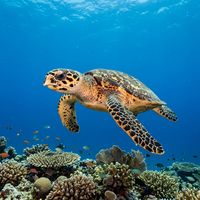
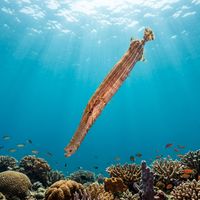
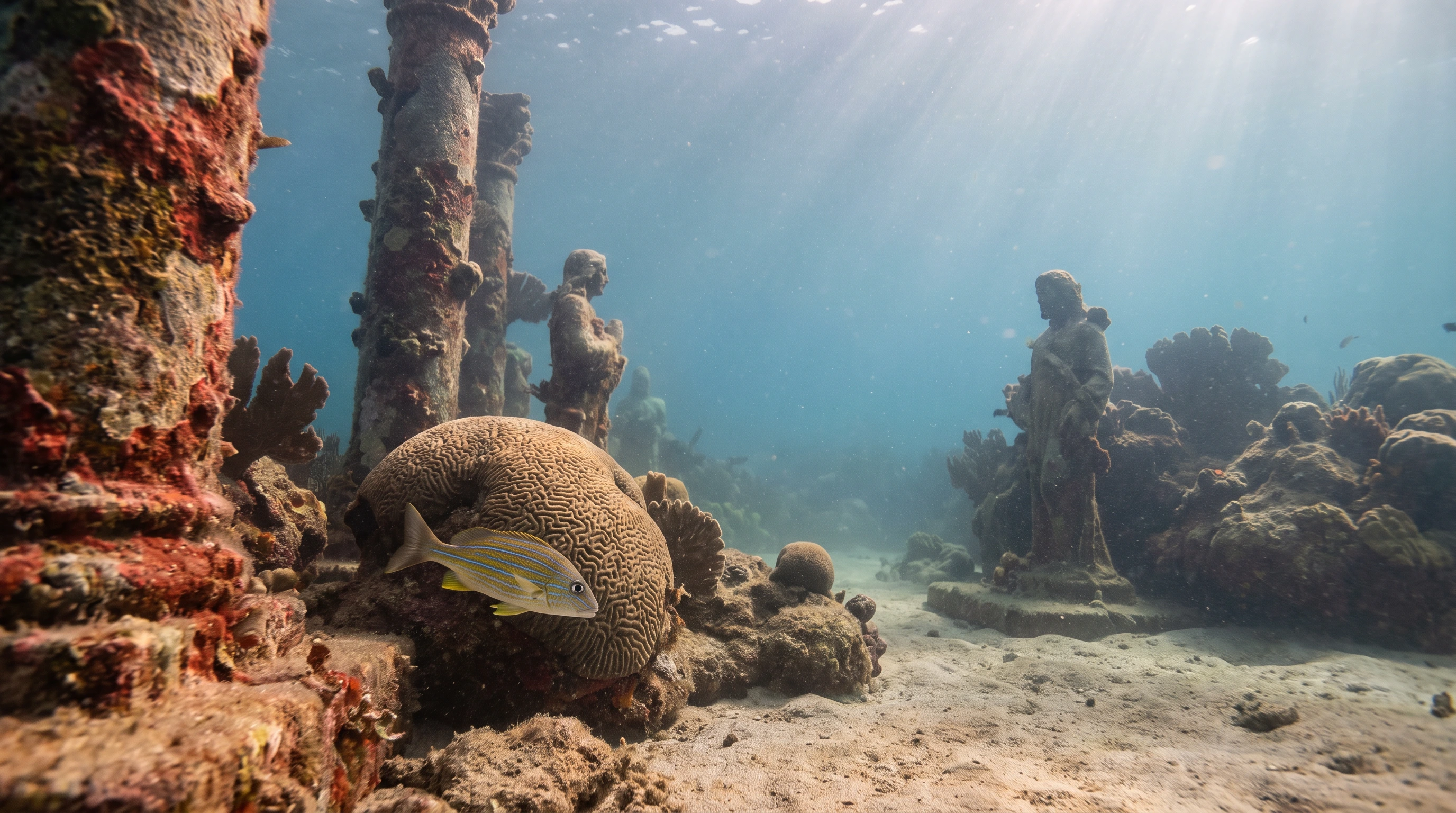
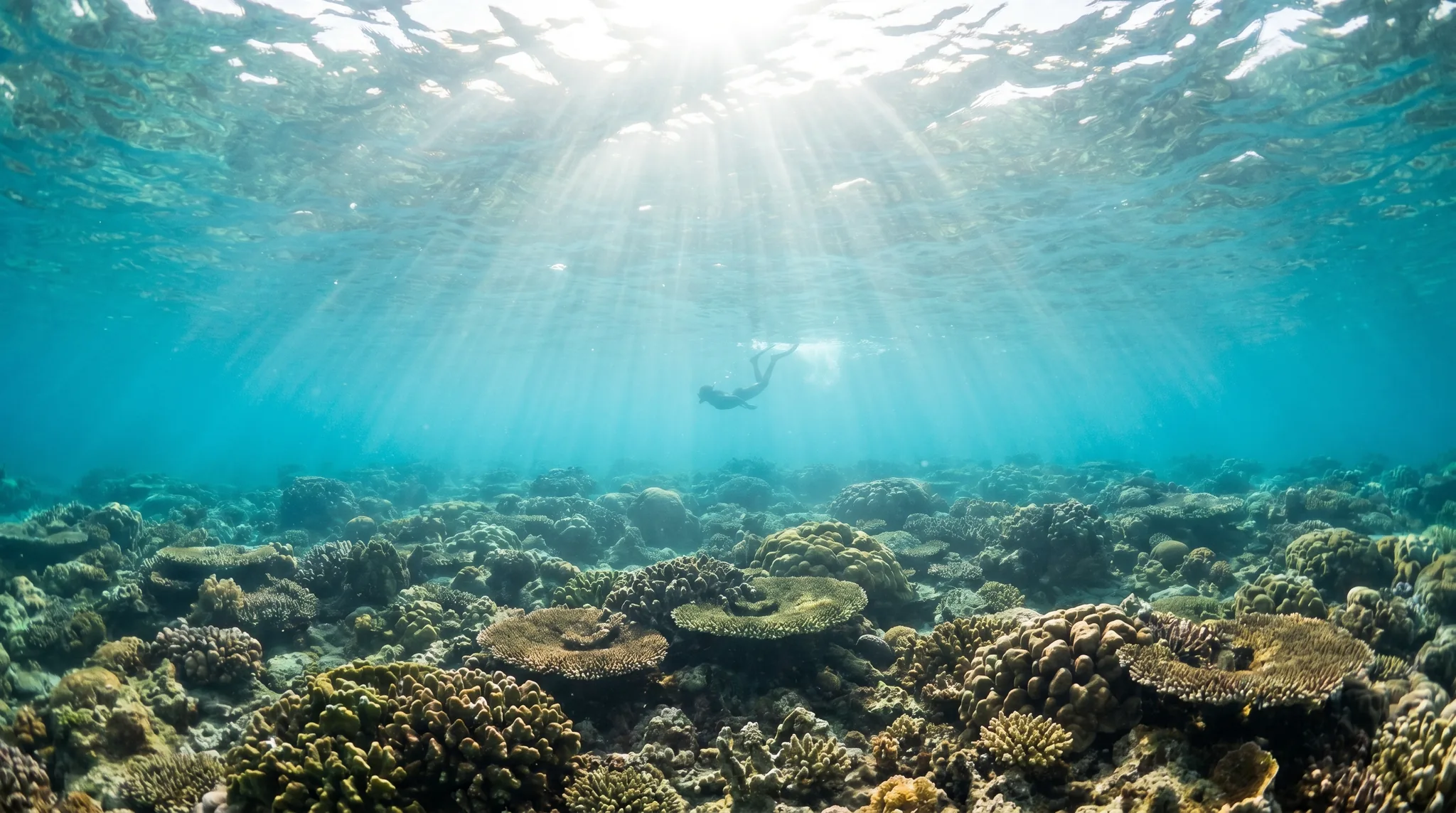
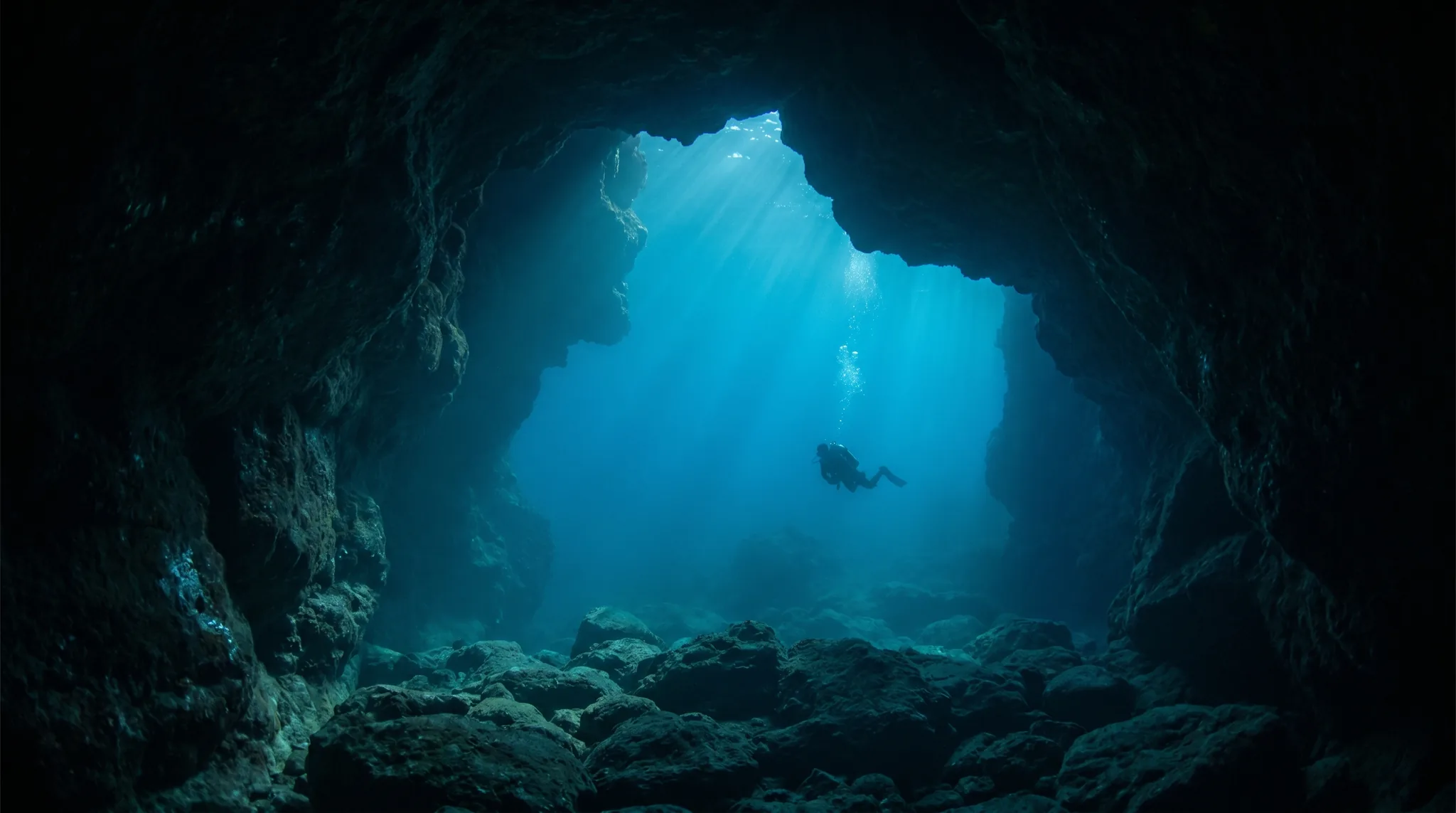
Fajardo and the east coast of Puerto Rico offer a varied dive landscape anchored by coral reef structures, seagrass beds, walls, an artificial reef, and at least one marine cave. Sites range from shallow, calm shore entries suited to beginners, such as Luquillo Town Beach, to deeper boat-access dives like Rompe Olas and the cave at Cayo Lobo for advanced divers. The marine life list is broad: Purple Sea Fan carpets the reefs, Blue Tang and Wrasses are ever-present, and signature encounters include the Green Sea Turtle, West Indian Manatee, Hawksbill Sea Turtle, and occasional Nurse Shark. Operators including Sea Ventures Pro Dive Centers and Adventure Vieques serve the area.
Monthly water temperature across Fajardo and East Coast's sites, from satellite sea-surface data corrected for depth. The band shows the site-to-site spread.
Water stays warm throughout the year, rising to its peak in September and October and sitting at its coolest, though still comfortable, from January through April. This consistent warmth makes the region diveable year-round, with May showing a slight uptick in popularity among visiting divers. Exposed sites such as Cayo Lobo can carry strong currents, so conditions vary meaningfully between sheltered shore entries and open-water boat dives.
6 more sites to explore
Water temperature around Fajardo and East Coast ranges from about 27°C in January to 30°C in September, based on satellite sea-temperature data for its dive sites.
With water around 27–30°C, a rash guard or 3mm shorty works in Fajardo and East Coast year-round.
Fin maps 13 sites in Fajardo and East Coast (13 scuba diving sites and 3 snorkelling spots, with some suited to both).
Across Fajardo and East Coast's dive sites, May are most often reported as the best months to visit.
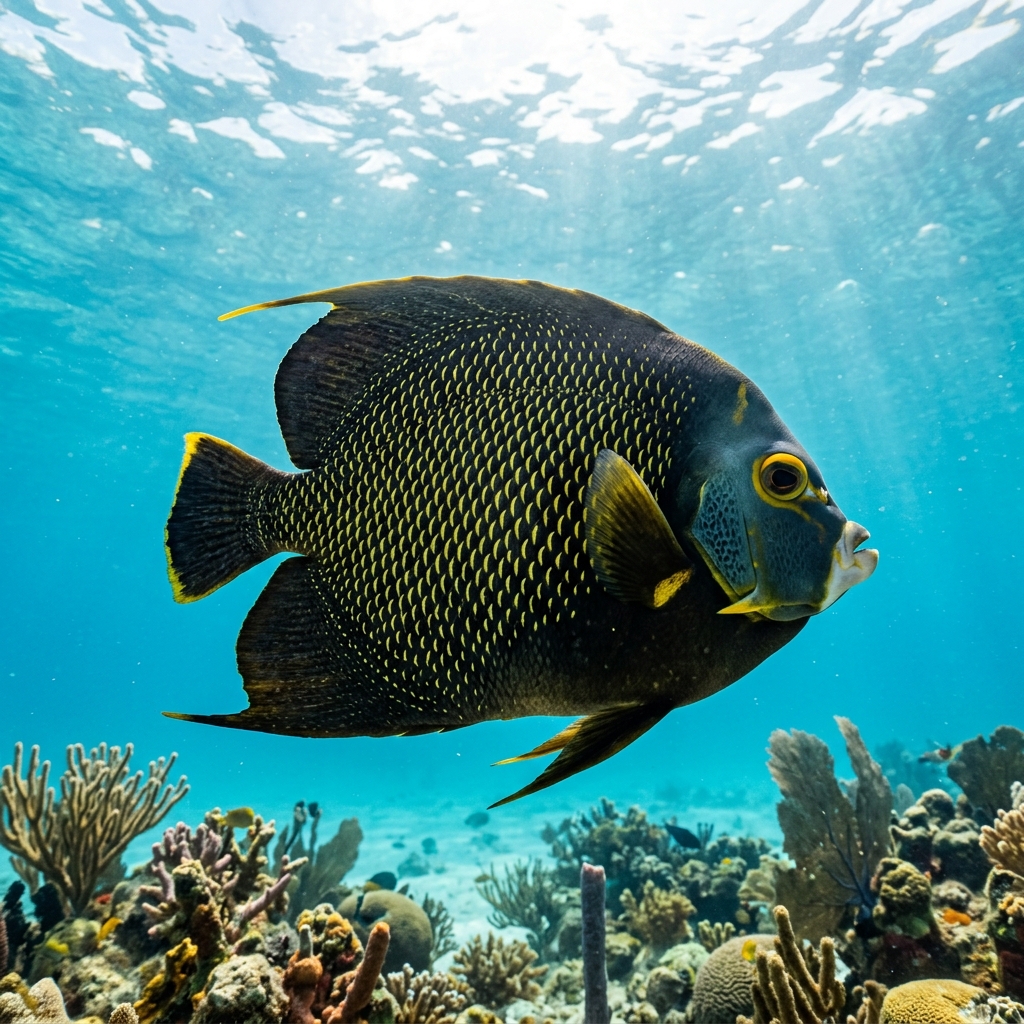
The reefs here support a wide cast of species. Purple Sea Fan, Blue Tang, Wrasses, Queen Conch, and French Grunt are consistently encountered across most sites. Keep an eye out for the Green Sea Turtle and Hawksbill Sea Turtle, both observed regularly, as well as the West Indian Manatee, Nurse Shark, Spotted Eagle Ray, and Whiptail Stingray on luckier dives.
Yes, a good portion of the sites are rated beginner level. Luquillo Town Beach is a shore entry with very shallow, calm water, ideal for building confidence. Cayo Icacos and Cayo Real are boat-access beginner sites with reef and wall structures at comfortable depths. Advanced divers are catered for too, particularly at Cayo Lobo, which involves strong currents and cave terrain.
It depends on the site. Luquillo Town Beach is a straightforward shore entry, while Roosevelt Roads and Rompe Olas offer both shore and boat access. Several of the more varied sites, including Cayo Icacos, Cayo Lobo, Cayo Real, and Cayo Diablo, are boat-only. Operators such as Sea Ventures Pro Dive Centers, Jak Water Sports, and Pure Adventure run trips throughout the area.
Coral reef is the dominant site type, appearing across the majority of listings, but the range goes further. Cayo Icacos combines reef with wall and artificial reef structures. Roosevelt Roads adds seagrass beds to the mix, and Cayo Lobo is a marine cave site with sloping terrain and large boulders. This variety means divers can explore quite different environments within a single area.