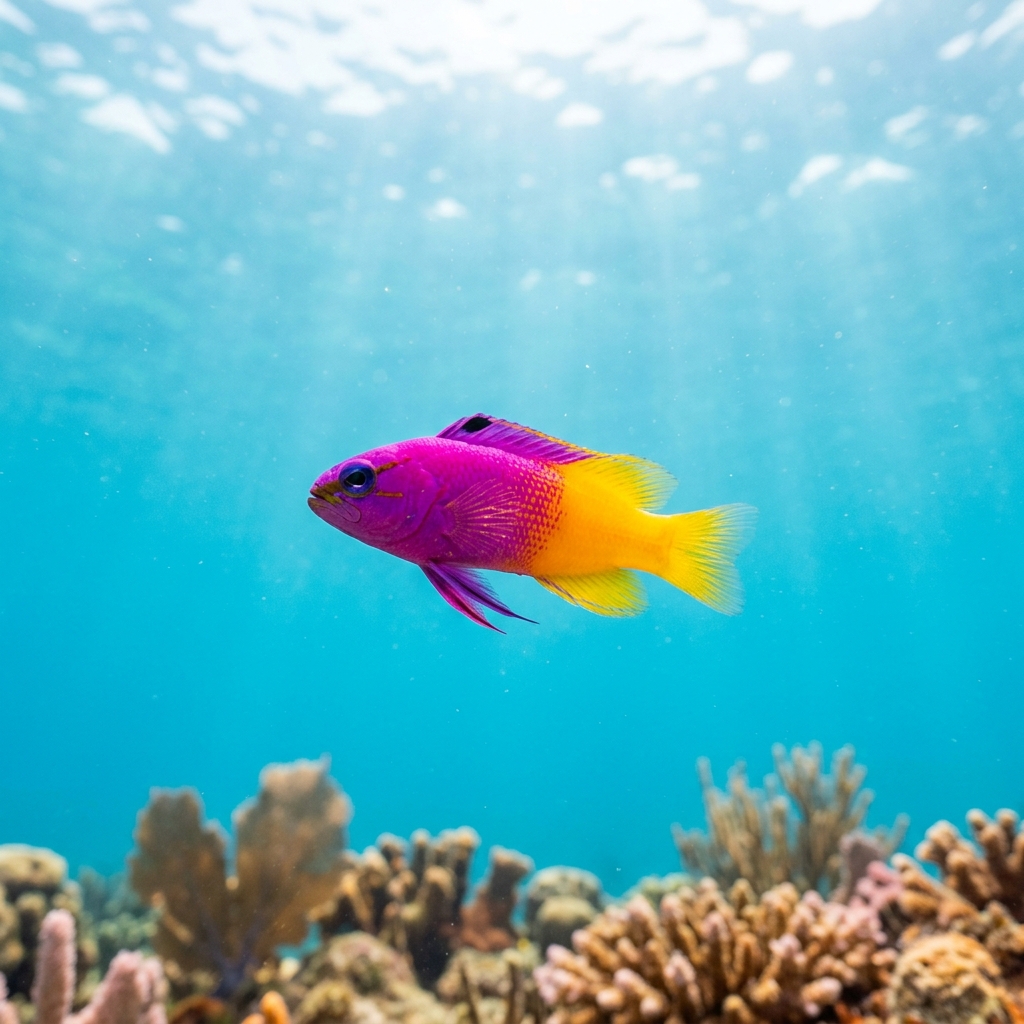
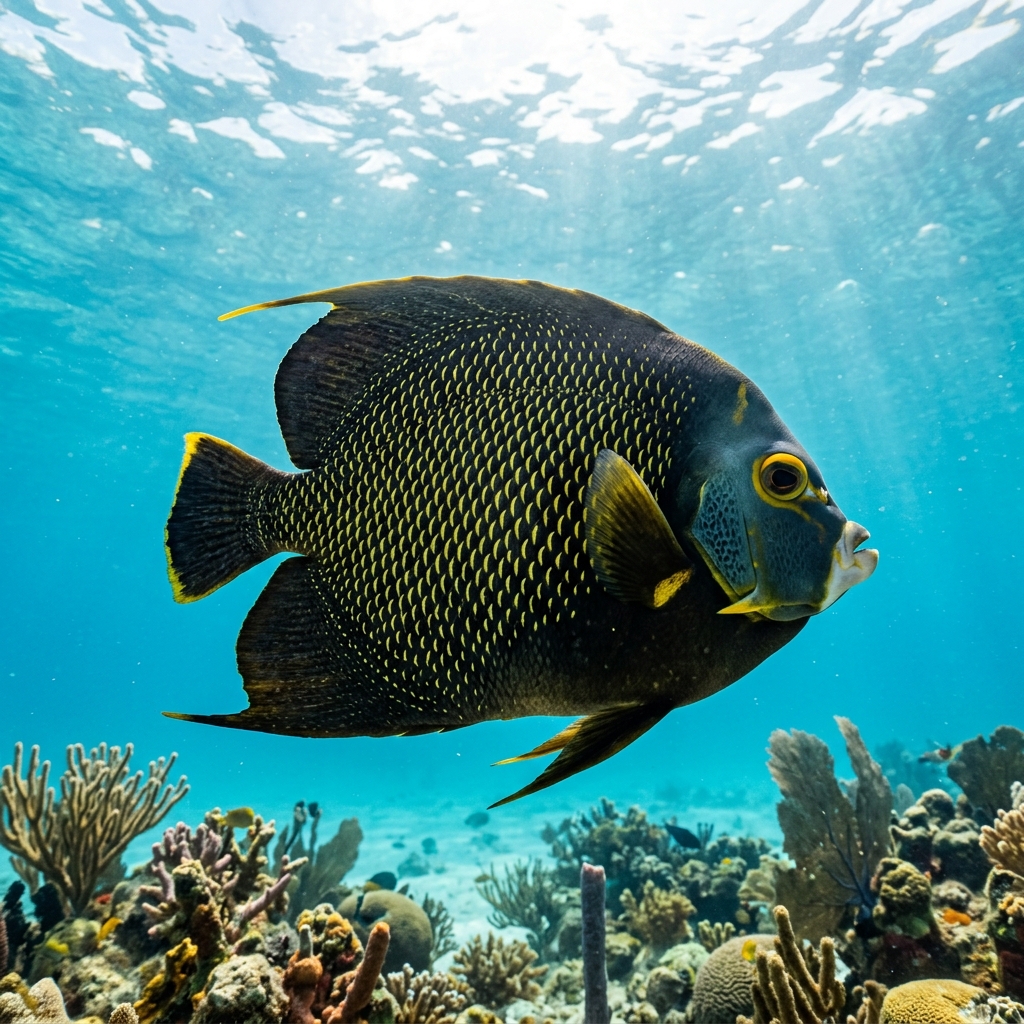
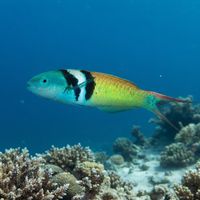
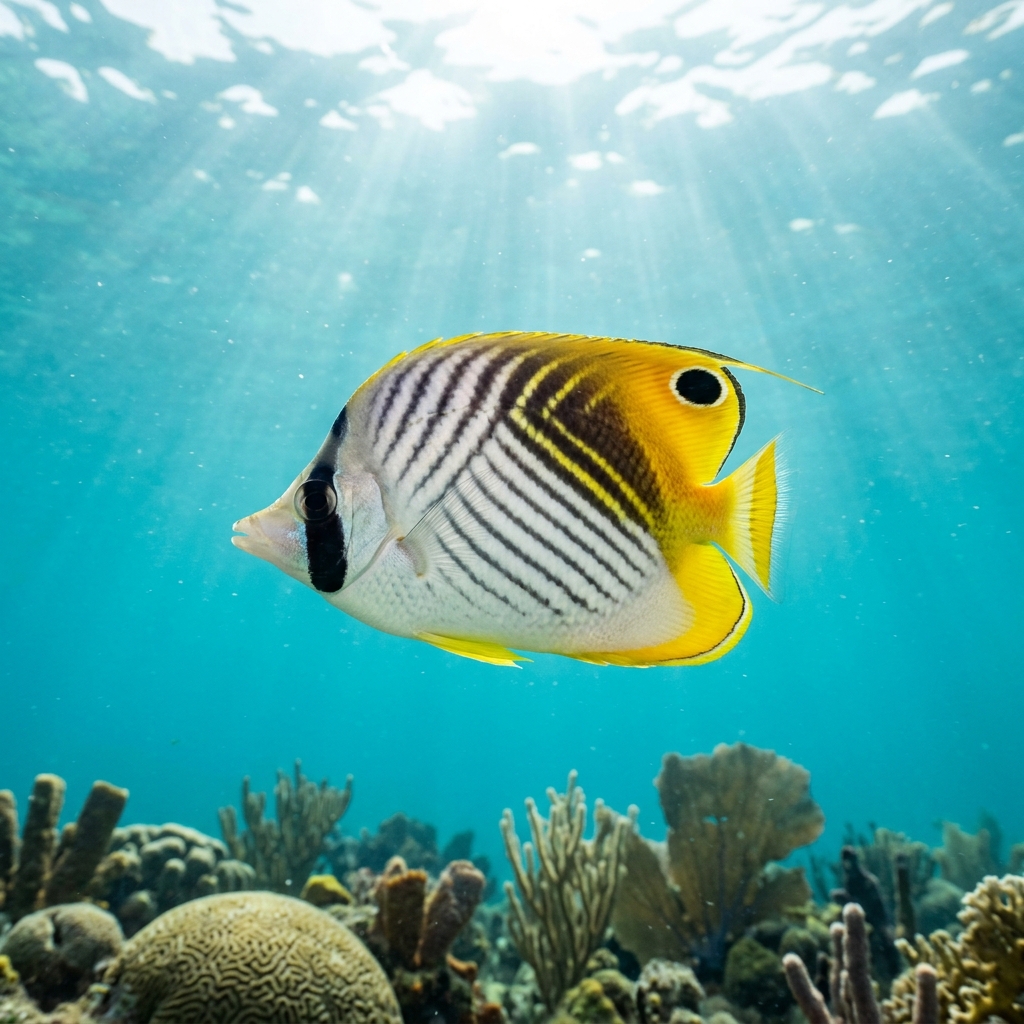
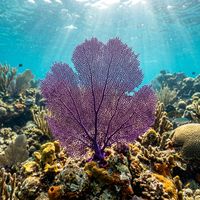
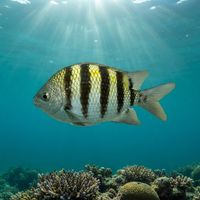
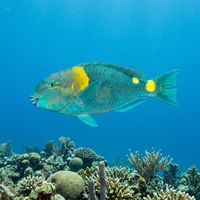
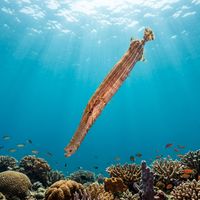
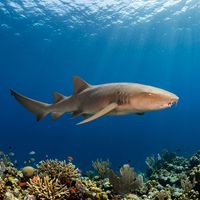
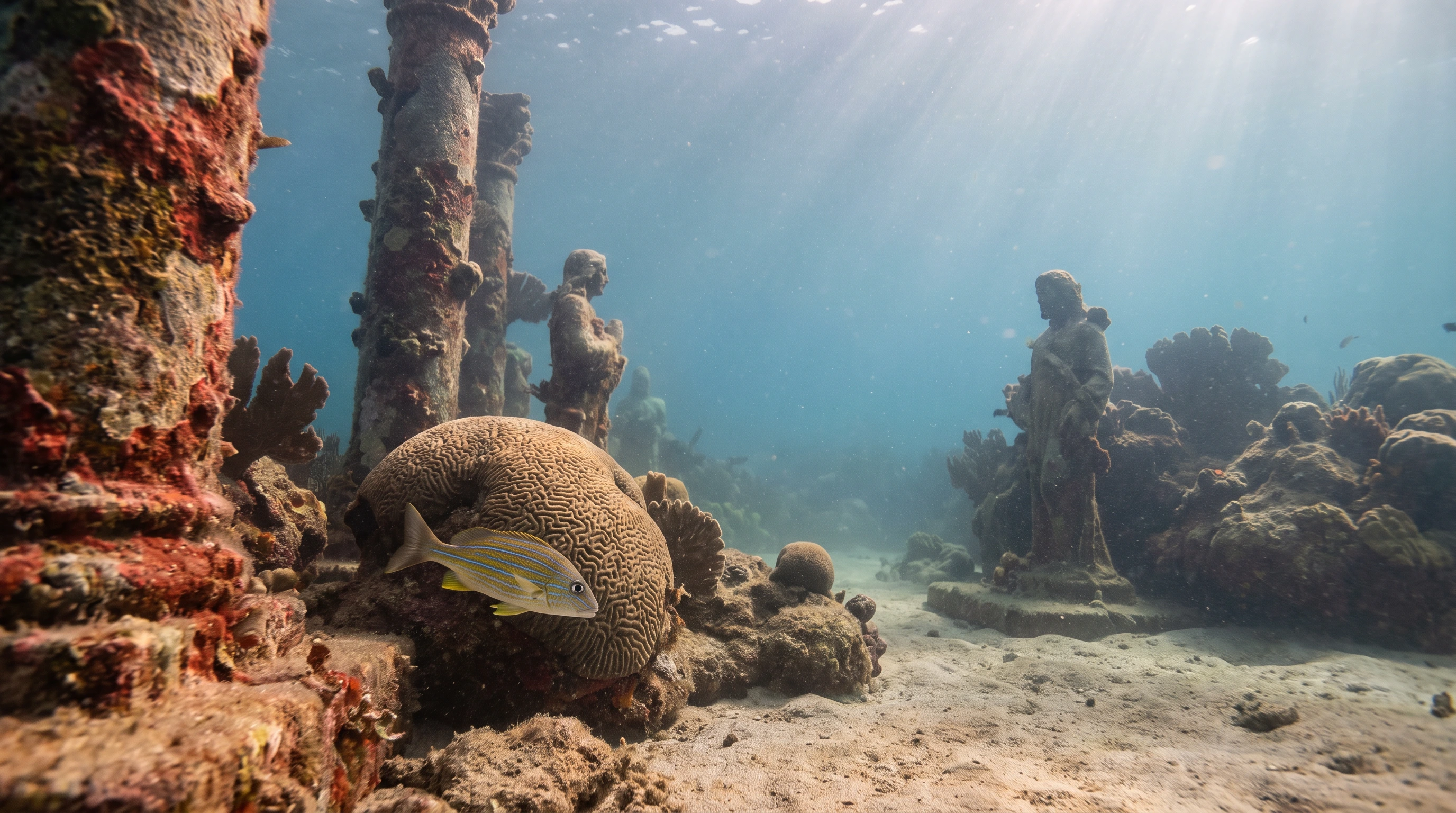
Culebra's diving centres on the reefs and walls clustered around Culebrita, where the landscape shifts from shallow ledges to drop-offs, artificial structures, wrecks, and cave formations within a single area. The vast majority of sites are accessible only by boat and are rated for beginners, making the region broadly welcoming without being limited in variety. Drift diving appears at several sites, adding a different dimension when conditions allow. The Green Sea Turtle is a consistent presence, alongside the Fairy Basslet, French Angelfish, Great Barracuda, and Nurse Shark. Purple Sea Fan and multiple parrotfish species round out a reef community that rewards careful observation.

Monthly water temperature across Culebra's sites, from satellite sea-surface data corrected for depth. The band shows the site-to-site spread.
Water temperatures remain warm throughout the year, rising slightly through summer and peaking in late summer and early autumn. Conditions favour diving from late spring through early autumn, when calmer seas and better visibility are most reliable. Several sites carry drift elements, so divers should ask operators about current strength on any given day.
6 more sites to explore
Water temperature around Culebra ranges from about 27°C in January to 30°C in September, based on satellite sea-temperature data for its dive sites.
With water around 27–30°C, a rash guard or 3mm shorty works in Culebra year-round.
Fin maps 18 sites in Culebra (17 scuba diving sites and 3 snorkelling spots, with some suited to both).
The Green Sea Turtle is one of the most reliably sighted animals across the region's dive sites. Other commonly observed species include the French Angelfish, Great Barracuda, Nurse Shark, Fairy Basslet, Stoplight Parrotfish, Blue Tang, Whiptail Stingray, and Caribbean Spiny Lobster. Purple Sea Fan is a fixture on the reefs, and Atlantic Tarpon and Smooth Trunkfish also appear with regularity.
The great majority of sites in Culebra are rated for beginners, covering a wide range of site types from shallow ledges and reefs through to walls and wrecks. Only Devon's Drop is listed at intermediate level. Beginners will find plenty of variety without being pushed beyond their skill level, though sites with drift characteristics are worth discussing with your operator beforehand.
Almost all dive sites require boat access, which is the standard way to explore Culebra's underwater terrain. A small number of sites, including Tamarindo Chico and Punta del Soldado, offer the option of shore entry as well. Operators such as Aquatic Adventures, Sea Culebra, and Culebra Bluewater Charters organise boat trips to the main sites.
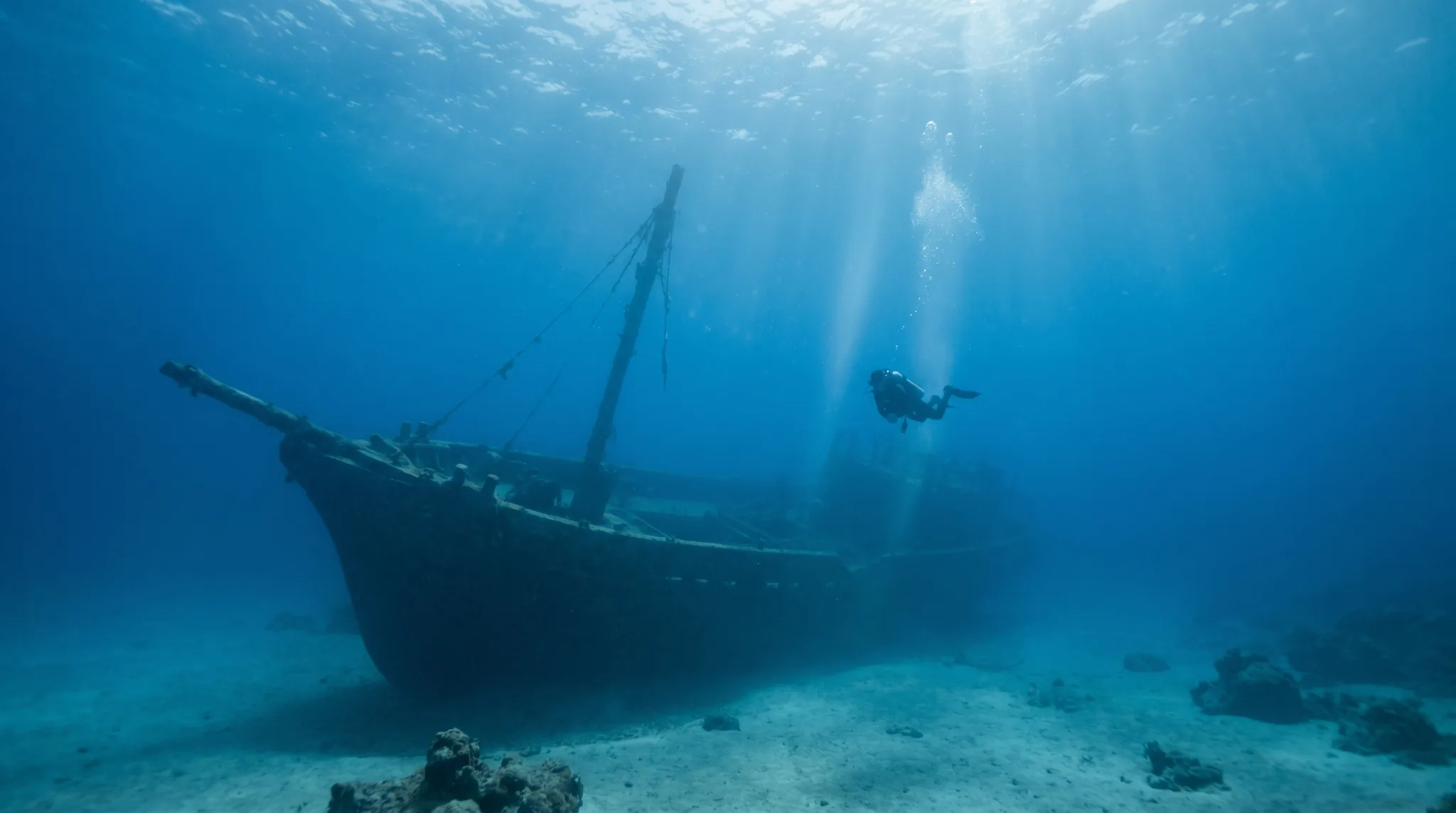
Culebra offers a varied mix of reef, wall, drift, wreck, artificial reef, and cave sites, most of them concentrated around Culebrita. Shallower reef sites like The Ledges and Arch Dive suit those who prefer relaxed, light-filled dives, while Carlos Rosario Wall and Punta Tamarindo Grande introduce vertical wall topography. Chutes and Ladders and Land's End bring drift diving into the mix, and Lana's Cove combines wreck and reef structure in one visit.