Faviidae spp.
Brain corals are logged year-round across tropical reefs from the Yucatán Peninsula to the Maldives. Here's how to spot and identify them underwater.
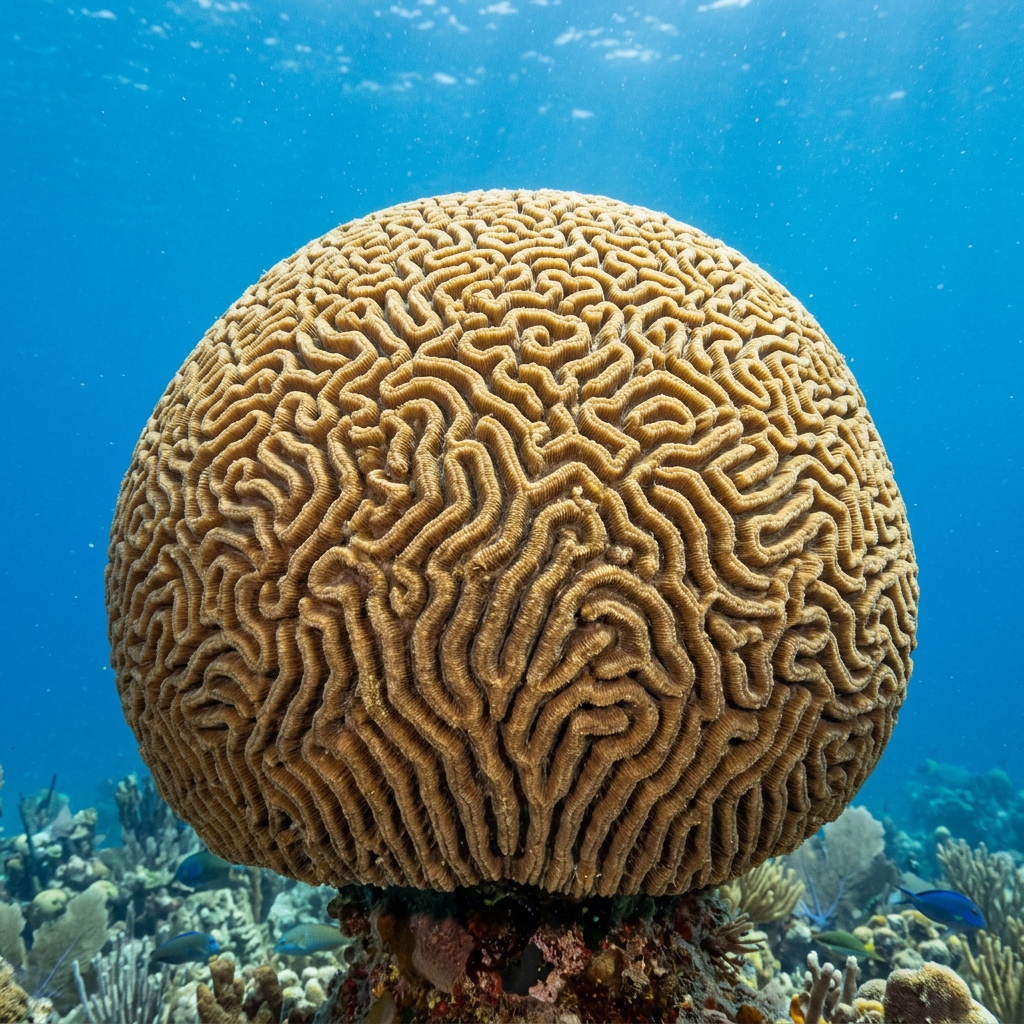
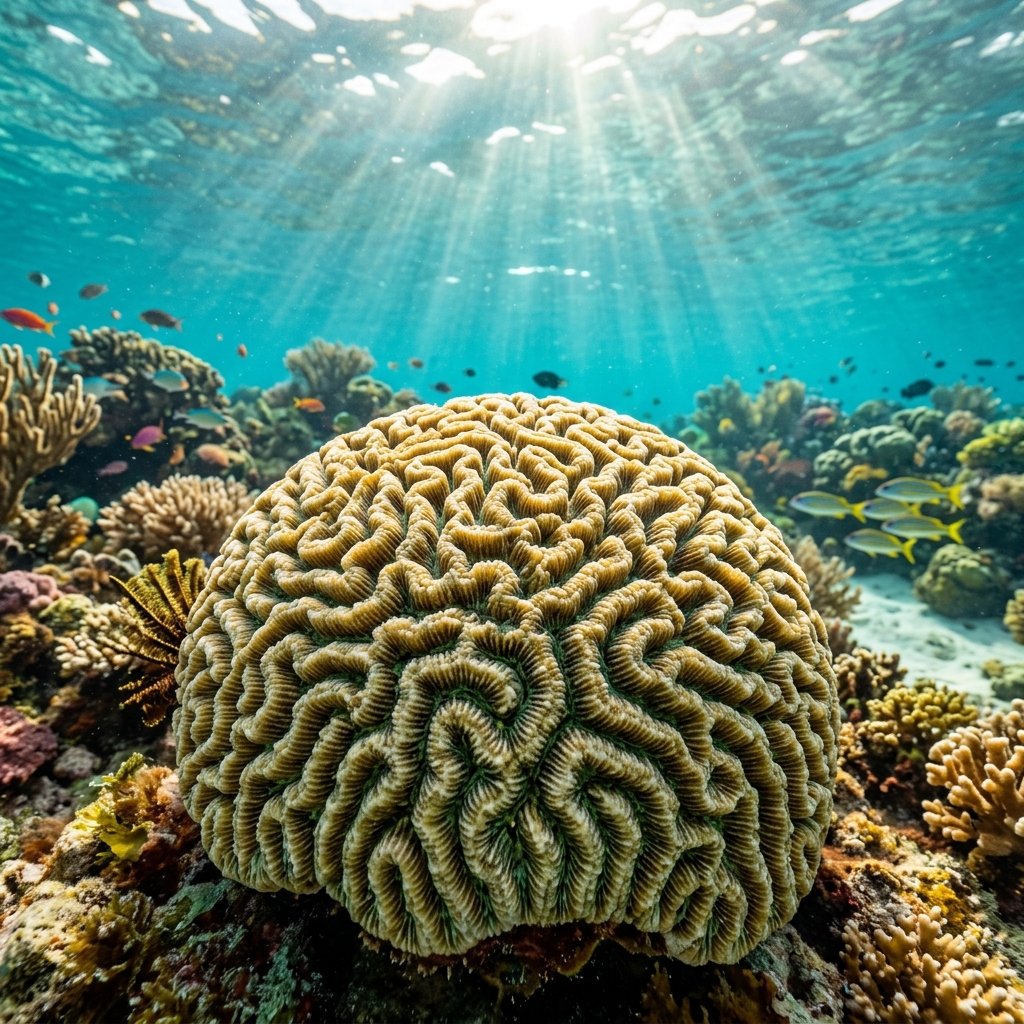
Round to dome-shaped colonies covered in long, winding ridges and valleys that closely resemble the surface of a human brain, which makes them almost unmistakeable at a glance. Colouring ranges from pale tan and olive-brown to greenish-grey, depending on the species and the algae living within their tissue. Colonies can range from fist-sized juveniles to massive boulders well over a metre across that have been growing for centuries. Look for the continuous, maze-like ridges running across the surface with small polyp mouths tucked into the grooves.
Brain corals are sessile (permanently fixed to the reef), so the encounter is really about getting close and reading the colony carefully. During the day the polyps are retracted and the surface appears as smooth, firm ridges; at night the tiny polyps extend their tentacles to feed on plankton, giving the colony a fuzzy, almost animated look. They don't react to divers, but their exposed surface is sharp and fragile, so careful buoyancy is the key to a good look without causing damage.
Some brain coral colonies are thought to be several hundred years old, making them among the oldest living animals on a reef. A single large dome can represent centuries of slow, continuous growth at just a few millimetres per year, so what looks like a static boulder is actually one of the reef's longest-running timekeepers.
Brain corals are present year-round on tropical reefs and show no concentrated season anywhere in the data. They thrive in the 25 to 29 °C water temperatures typical of the world's main coral-reef destinations, so any time you're diving those reefs you have a reasonable chance of an encounter.
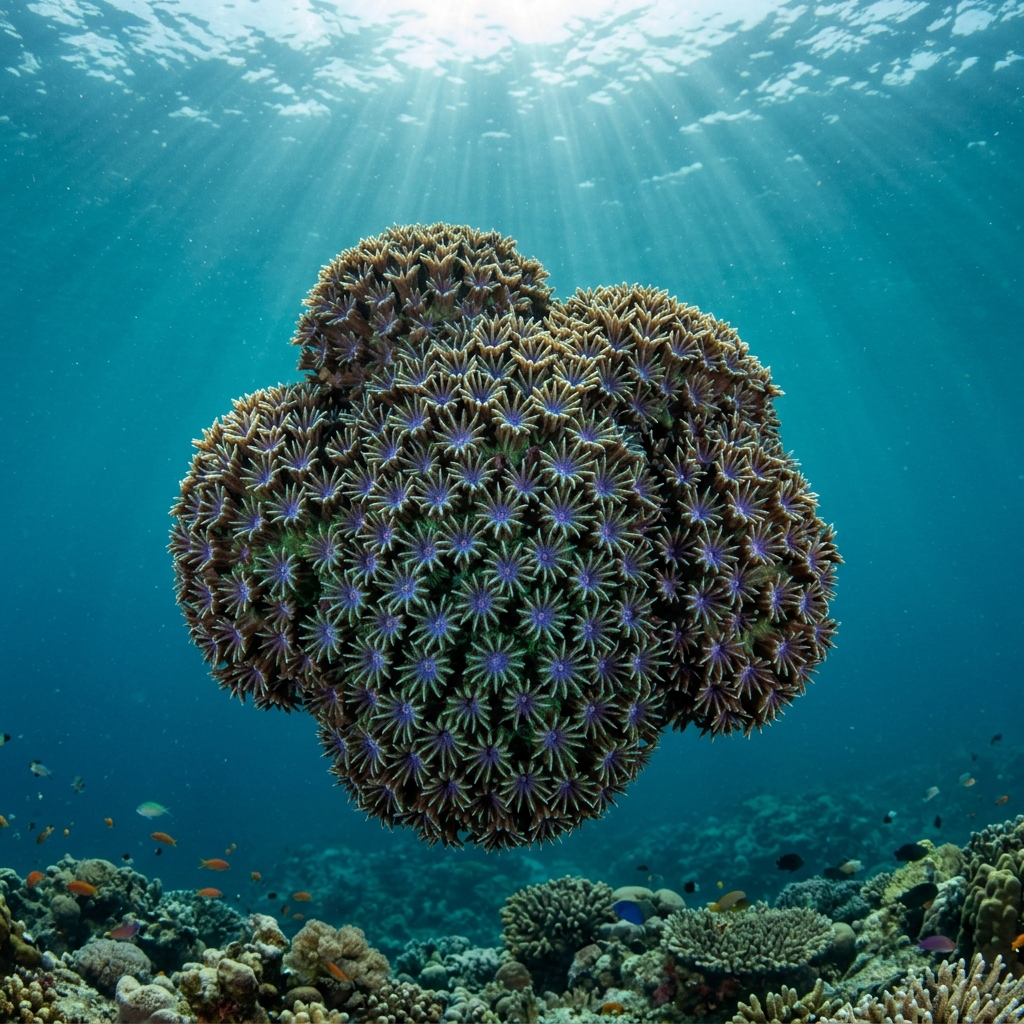
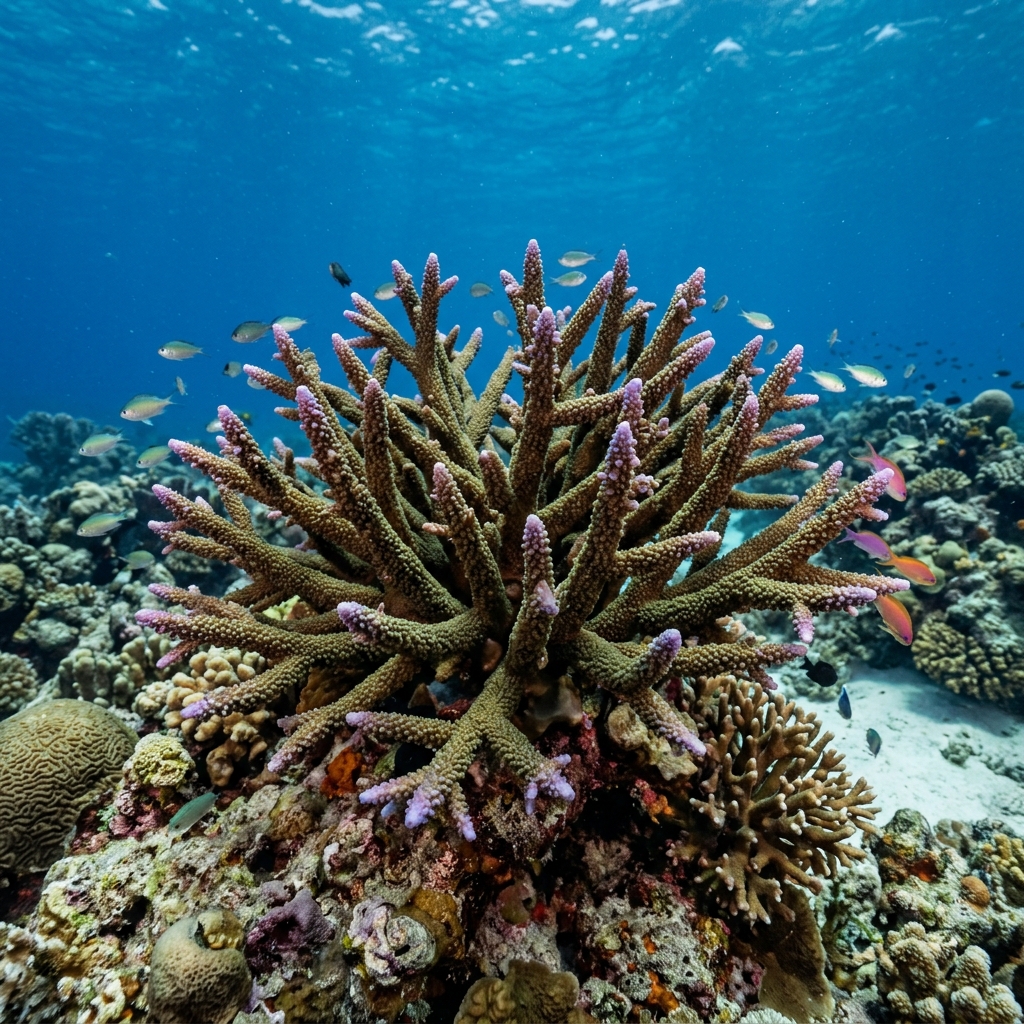
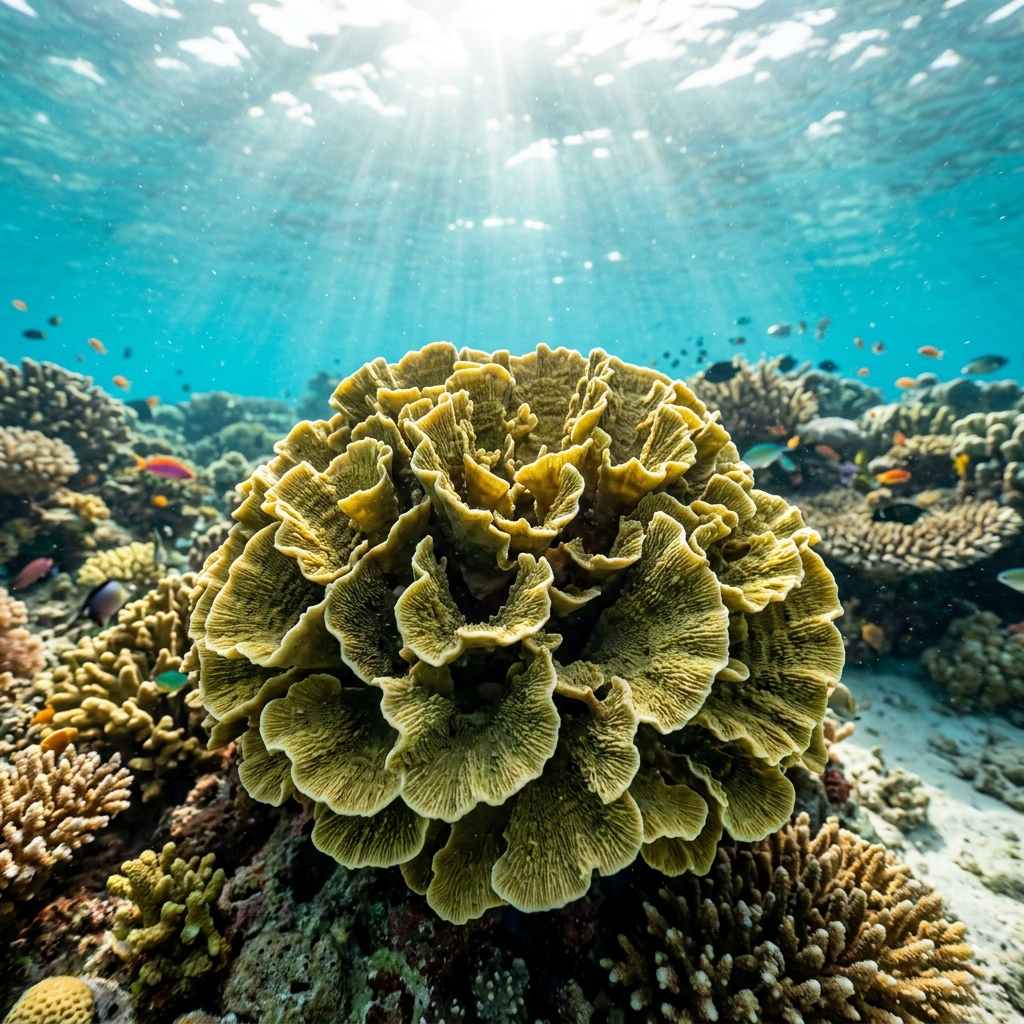
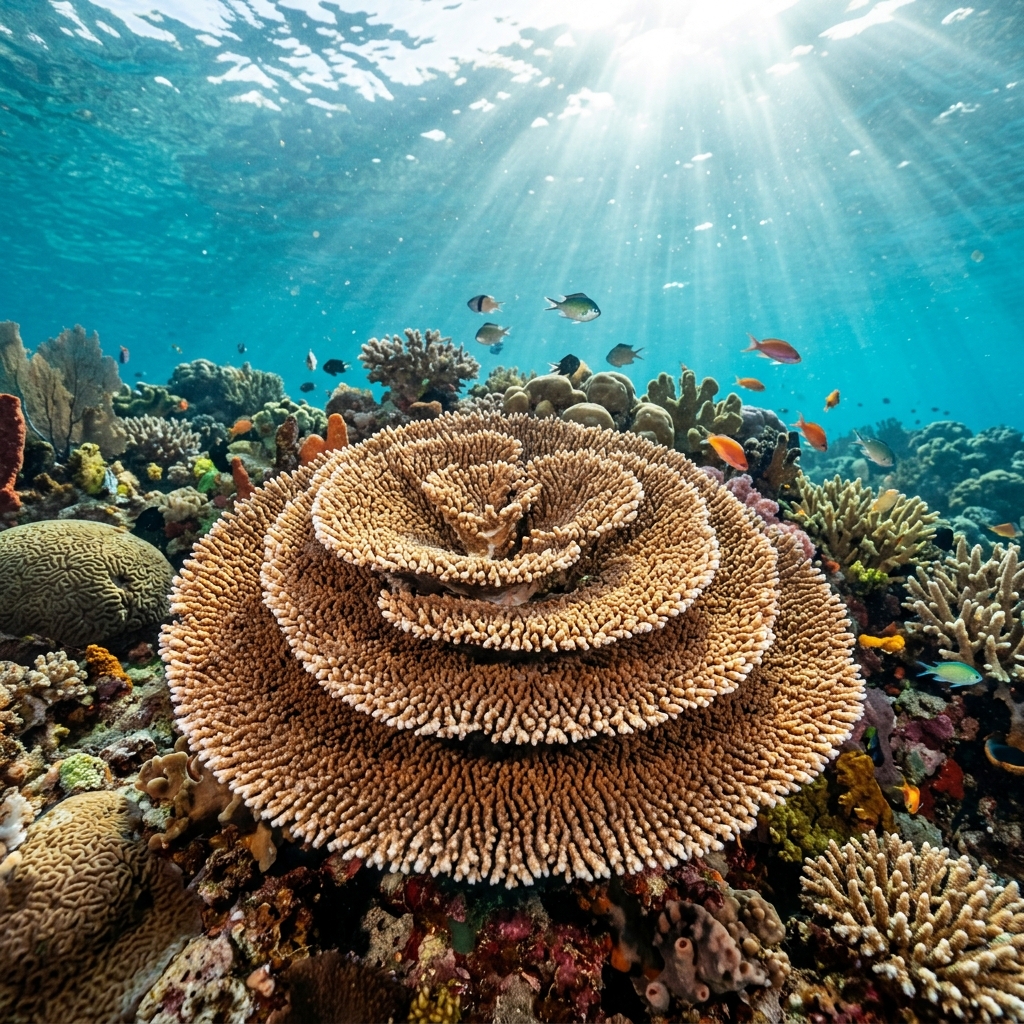
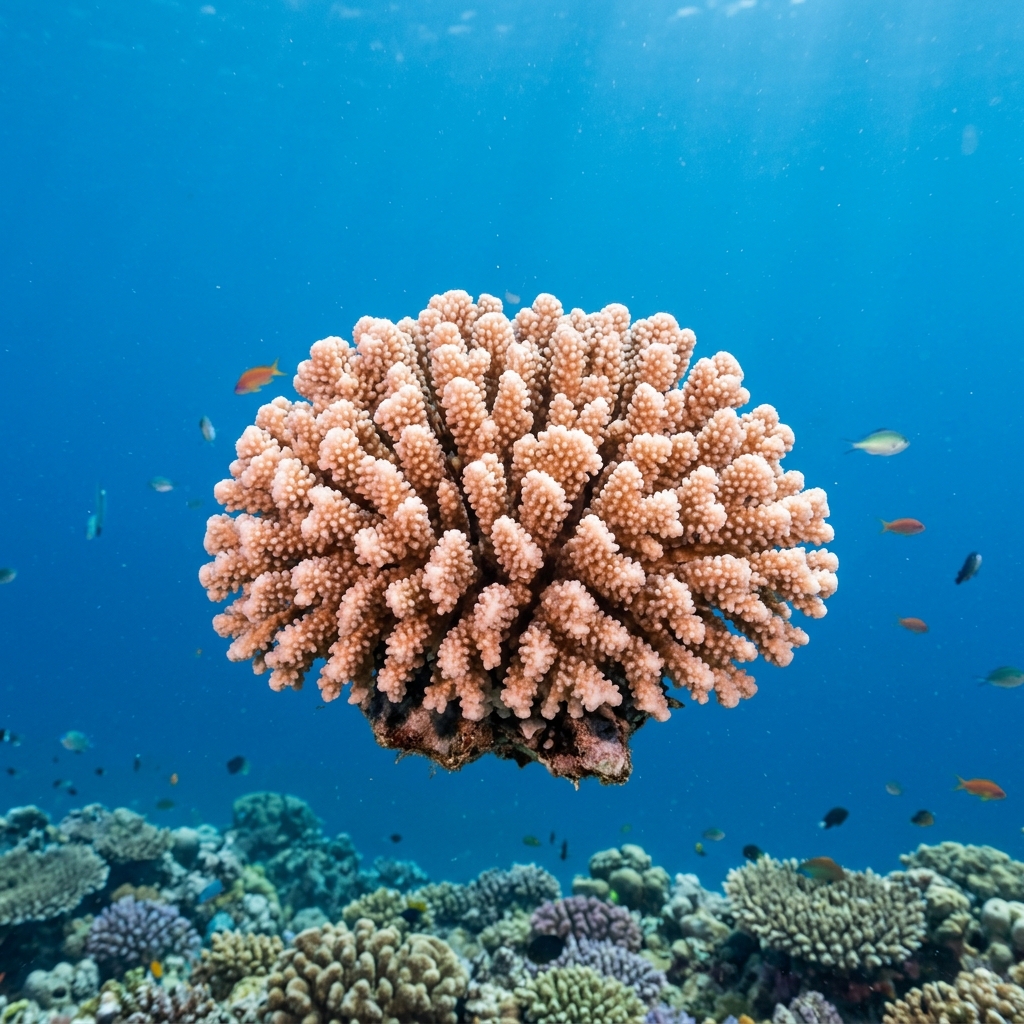
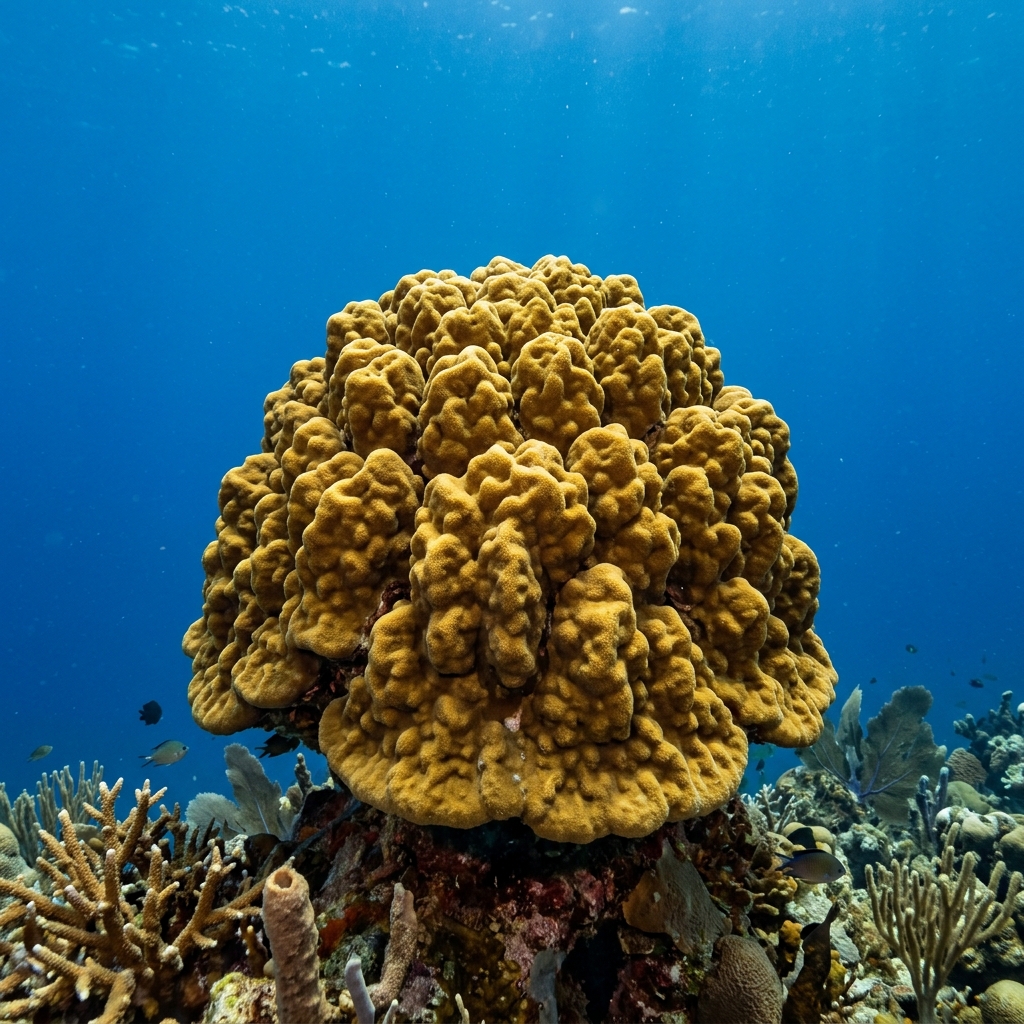
Reef neighbours a diver could mistake it for. Use the identification notes above to tell them apart.
Brain corals are logged across a broad sweep of tropical diving destinations, with the strongest presence in the Maldives, the Philippines, Mexico, Indonesia, and the Cayman Islands. Regionally, the Yucatán Peninsula and Florida stand out in the Atlantic, while the North and Central Atolls of the Maldives and the Visayas in the Philippines are reliable spots in the Indo-Pacific. Roatán and Grand Cayman are also consistent performers for anyone diving the Caribbean.
Mapping where Brain Coral is logged…
Brain corals are found across most tropical reef systems. The Maldives, Philippines, Mexico, Indonesia, and the Cayman Islands have the most logged sites. Top regional picks include the Yucatán Peninsula, Grand Cayman, Roatán in Honduras, and the North and Central Atolls of the Maldives.
There is no single best season. Brain corals are present on tropical reefs all year and sightings are recorded in every month. Plan your dive trip around the destination that appeals to you rather than a specific brain coral season.
Look for large, dome-shaped or spherical colonies with winding, maze-like ridges covering the surface, very similar in appearance to a human brain. Colouring is usually brown, tan, olive, or greenish-grey. The continuous groove-and-ridge pattern is the key feature that separates them from other massive corals at a glance.
Colonies vary enormously. Small, younger colonies may be just a few centimetres across, while the largest documented specimens exceed 1.8 metres in diameter. Growth is extremely slow, often only a few millimetres per year, so the biggest boulders you encounter on a reef are ancient structures.
Because they grow so slowly, large brain coral colonies can be several hundred years old. Some specimens in the Caribbean are estimated at over 500 years old, predating European settlement of the region. This makes them one of the longest-lived animals divers regularly encounter on tropical reefs.
Site and sighting data is aggregated from diver logs, iNaturalist and GBIF. For taxonomy and conservation status:
Cauliflower Coral
2,946 sites