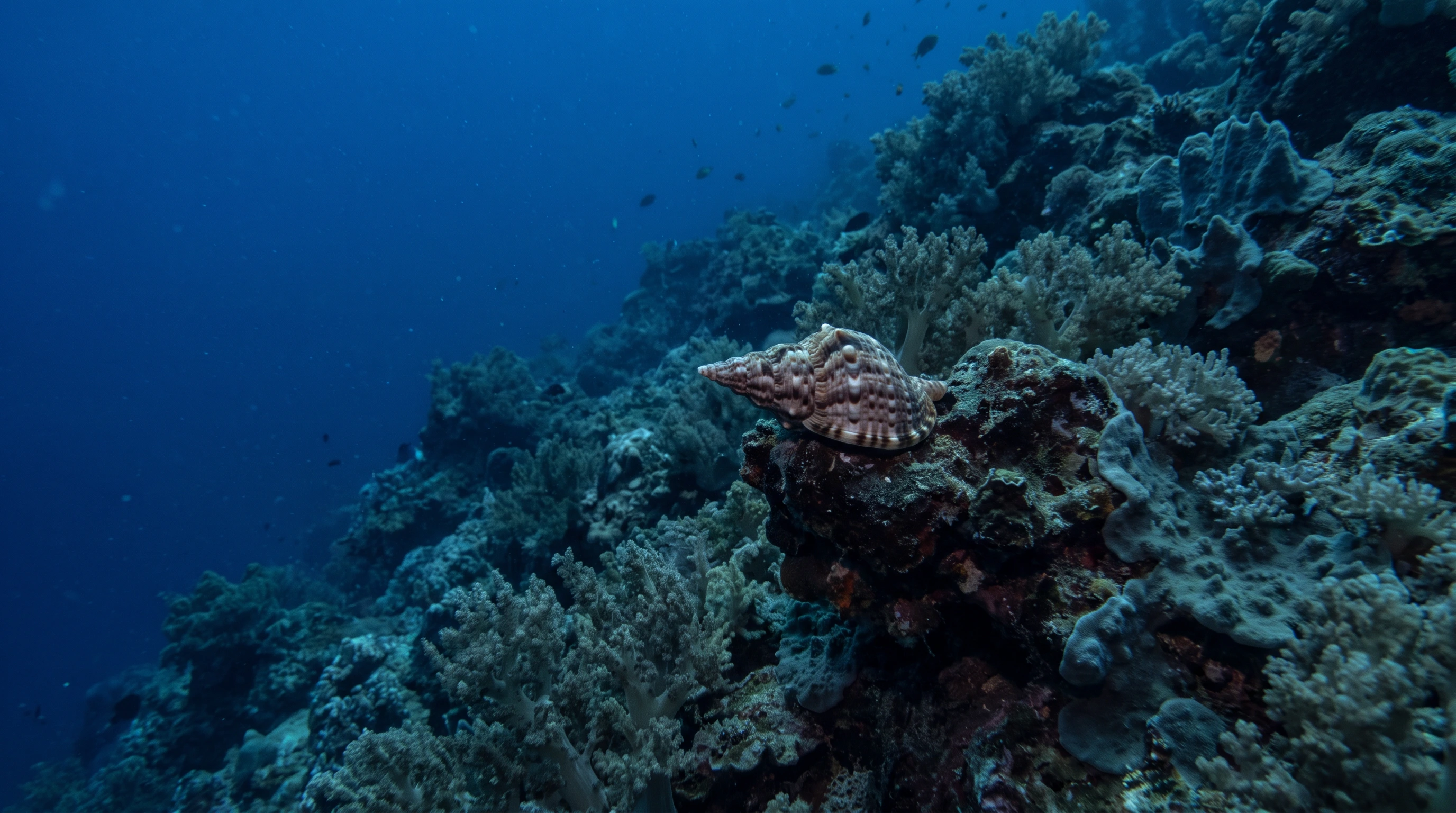
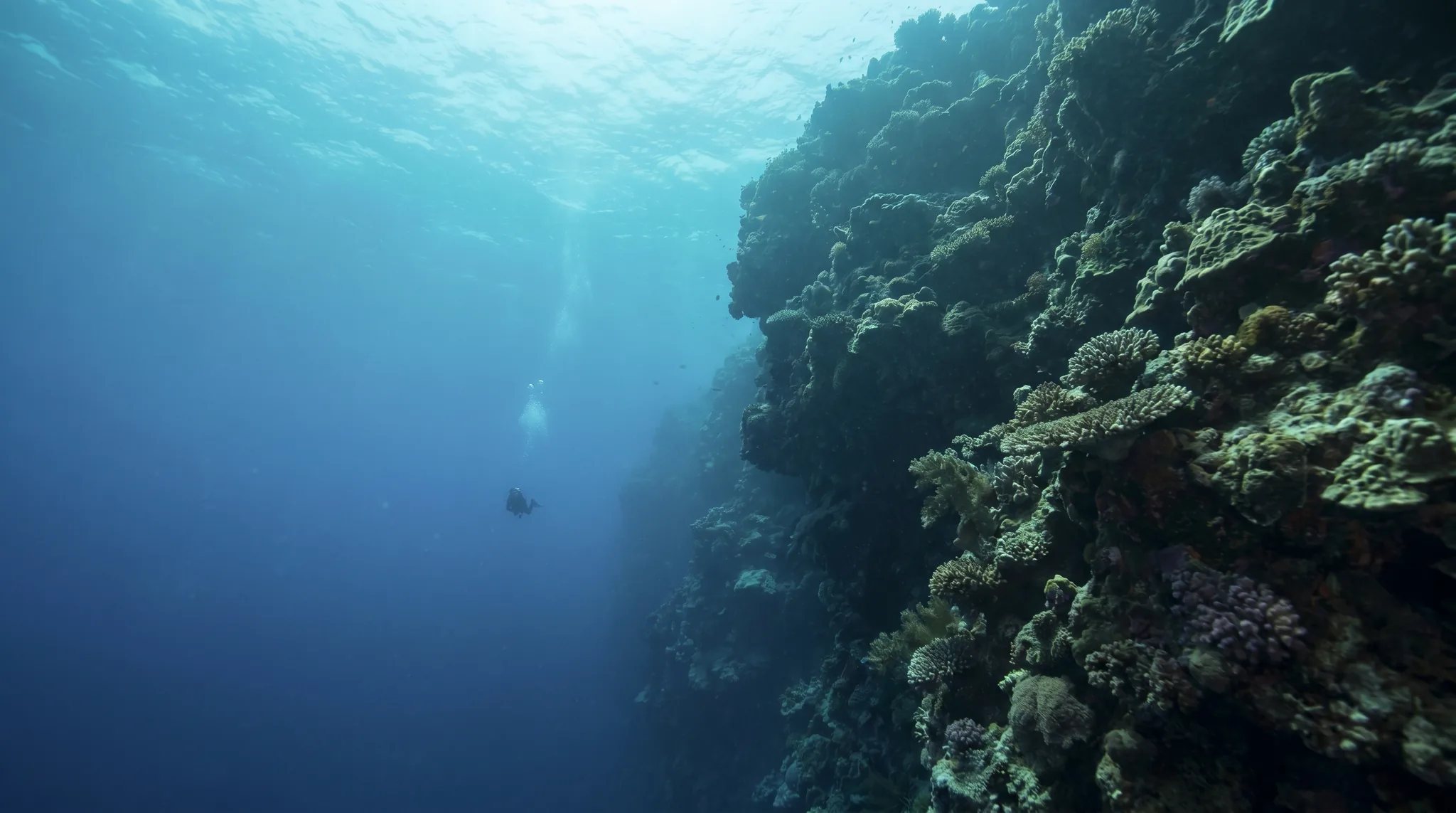
Maricaban Island is defined by its wall and drop-off diving, with sites ranging from shallow reef crests to deep profiles that test intermediate divers. Strong and shifting currents run through sites such as Bahura Reef, Sepok Wall, and Sombrero Island, making current-reading a key part of every dive. The macro life is the real draw: nudibranchs dominate the species list across multiple genera, while the Peacock Mantis Shrimp, Giant Frogfish, and Blackback Clownfish are reliably encountered.
Monthly water temperature across Maricaban Island's sites, from satellite sea-surface data corrected for depth. The band shows the site-to-site spread.
Water stays warm throughout the year, climbing to its peak during the mid-year months and cooling slightly through January and February. The best-months data points clearly to the drier months from November through April as the favoured window, when conditions at exposed sites like Bahura Reef and Wilson Rock tend to be more manageable. Currents are persistent and can shift unpredictably, so divers should plan entries and exits carefully regardless of season.
81 operators
Philippines
14 more sites to explore
Water temperature around Maricaban Island ranges from about 26°C in February to 30°C in June, based on satellite sea-temperature data for its dive sites.
In the warm season (about 30°C) a rash guard or 3mm shorty is comfortable in Maricaban Island; in the coldest months (about 26°C) step up to a 3mm full suit.
Fin maps 19 sites in Maricaban Island (18 scuba diving sites and 2 snorkelling spots, with some suited to both).
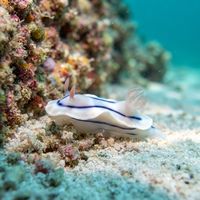
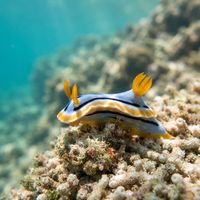
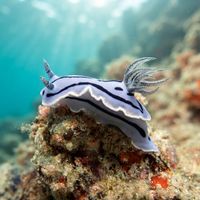
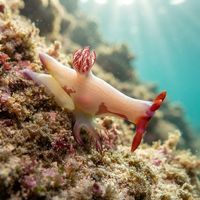
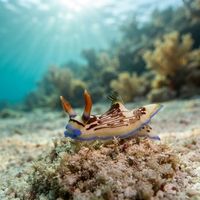
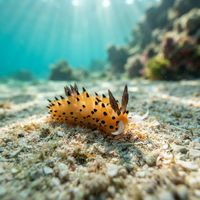
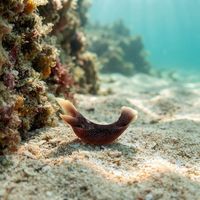
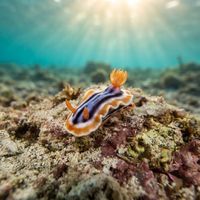
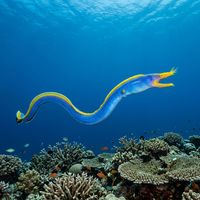
Nudibranchs are the signature attraction, with Anna's Chromodoris, Loch's Chromodoris, Streaked Chromodoris, and Willan's Chromodoris all observed very commonly across sites. Beyond nudibranchs, divers regularly encounter the Peacock Mantis Shrimp, Blackback Clownfish, Ribbon Eel, Snowflake Moray, and Giant Frogfish. The Ornate Ghostpipefish is also among the signature species listed for the island.
The sites listed for Maricaban Island are rated at intermediate skill level, and the currents at key sites such as Bahura Reef and Devil's Point can shift with little warning. Beginner divers would find the conditions and depths challenging without prior current-diving experience. Those new to diving would benefit from building experience at calmer sites before attempting the walls and drop-offs here.
All listed dive sites are boat-access only, so divers will need to arrange a boat through one of the many operators serving the area. A wide range of dive resorts and operators, including Buceo Anilao, Aiyanar Beach and Dive Resort, and Planet Dive Resort, provide boat trips to Maricaban Island sites. Booking through a resort that runs regular trips to the island is the most straightforward approach.
Walls and drop-offs are the dominant site types, seen at Bahura Reef, Sepok Wall, and Sombrero Island, where soft corals and gorgonians line steep descents. The island also offers reef dives and pinnacle formations, with Wilson Rock standing out as a deep reef profile. This variety means a multi-day stay at Maricaban Island rarely repeats the same underwater landscape.