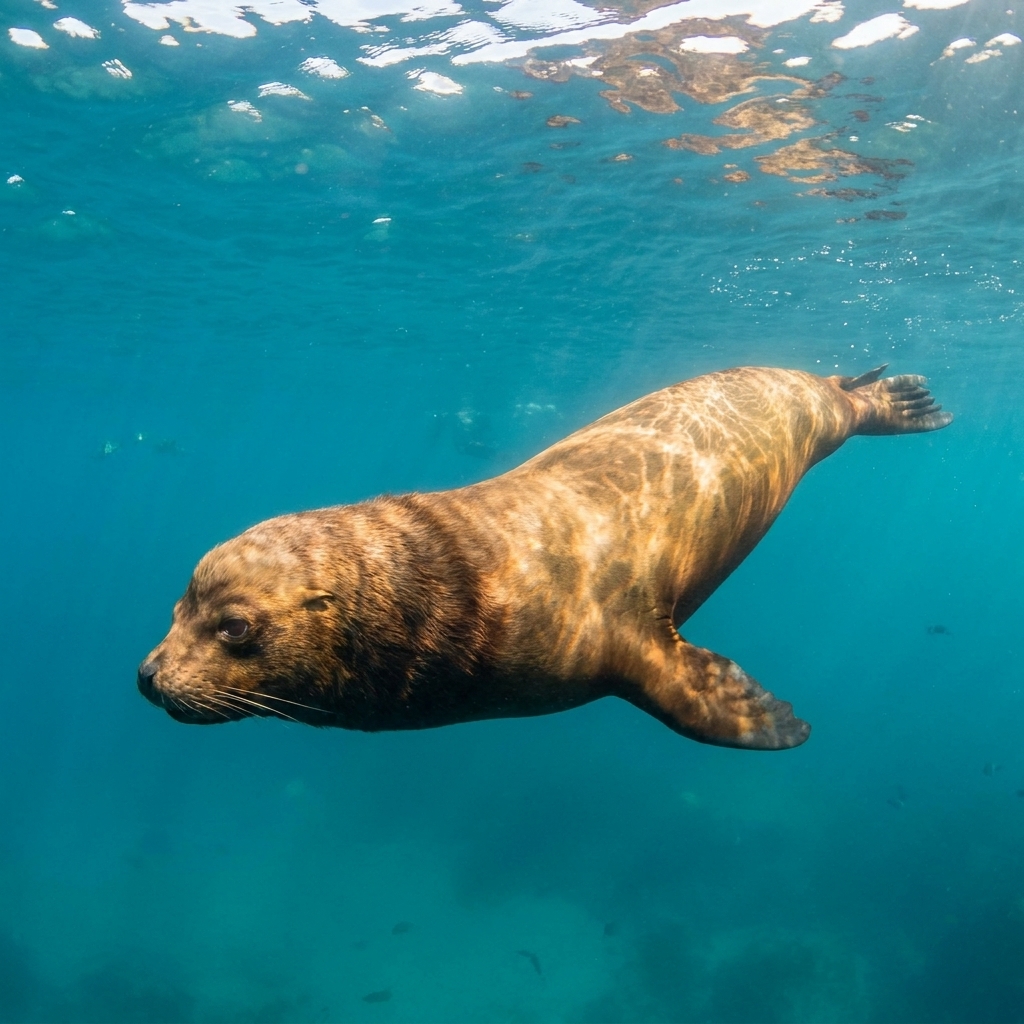
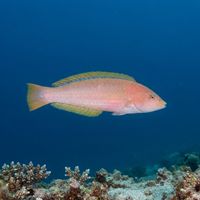
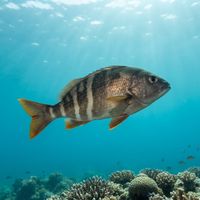
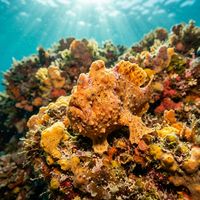
Pucusana offers a compact but varied diving scene built around rocky reefs, dramatic walls, and dense kelp forests. Sites range from shallow, shore-entry reefs suited to beginners through to deep walls demanding strong buoyancy control and current management from advanced divers. The resident South American Sea Lion is encountered reliably across many sites, and the patient diver will find Frogfish tucked into the reef. Wrasse, Scorpionfish, Pufferfish, and Triggerfish fill the mid-water, while Sally Lightfoot Crab and Sea Star populate the rocky substrate throughout. Boat access dominates, with a handful of shore entries available for those wanting flexibility.

Monthly water temperature across Pucusana's sites, from satellite sea-surface data corrected for depth. The band shows the site-to-site spread.
Water temperature in Pucusana stays relatively stable across the year, dipping to its coolest in the later dry months before rising again through the warmer season. Conditions are generally more settled in the warmer months, while cooler periods can bring stronger currents, particularly at exposed sites like Gallinazo and Baja Huaman. Divers should be prepared for variable visibility depending on season and site.
4 more sites to explore
Water temperature around Pucusana ranges from about 15°C in September to 18°C in January, based on satellite sea-temperature data for its dive sites.
In the warm season (about 18°C) a 5mm suit is comfortable in Pucusana; in the coldest months (about 15°C) step up to a 7mm or semi-dry suit.
Fin maps 16 sites in Pucusana (16 scuba diving sites).
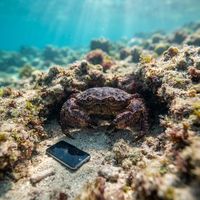
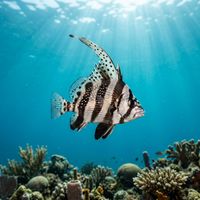
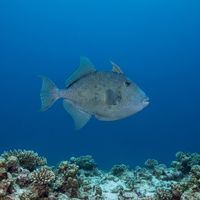
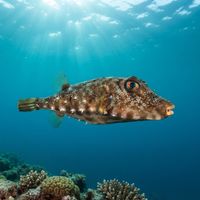
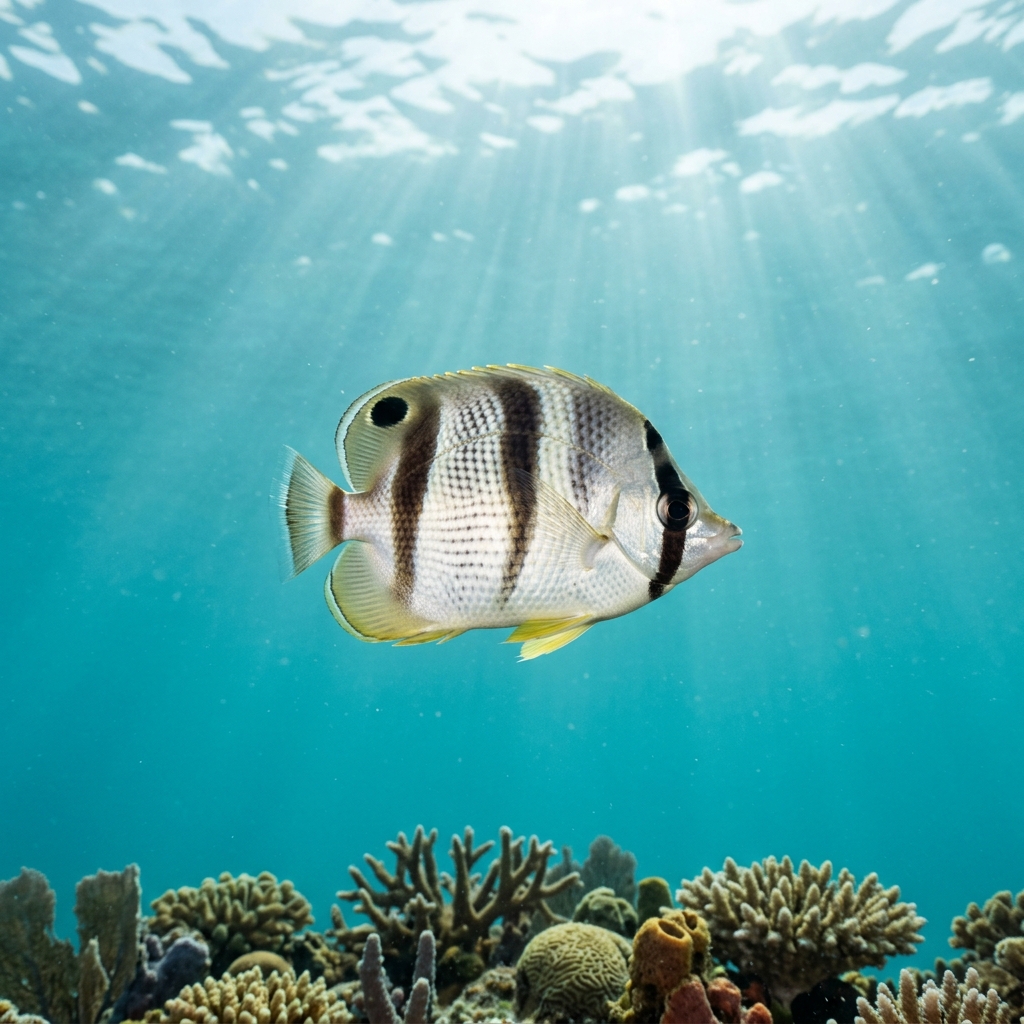
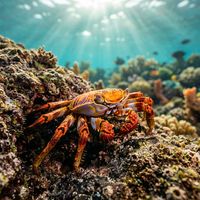
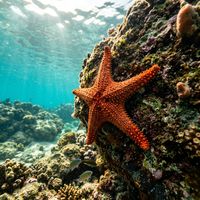
South American Sea Lion is encountered very commonly across many of Pucusana's sites, making it one of the area's signature experiences. Wrasse, Drum and Croaker, Pufferfish, Triggerfish, and Goatfish are all regularly observed on the reefs. Frogfish, though occasional, are a sought-after find for observant divers. The rocky substrate is consistently busy with Sally Lightfoot Crab, Rock Crab, Sea Star, and Sea Squirt.
Several sites in Pucusana are well suited to beginners, including the shore-entry reefs at Carbón and Muelle Minka Mar, as well as boat-accessed sites like Cerro Partido, El Chuncho, and Grano de Oro. These offer shallower profiles and more manageable conditions for those still building experience. Advanced divers are well served too, with sites like Gallinazo, Baja Huaman, La Lobera, and Laberinto presenting strong currents and deeper walls that require greater skill.
The majority of sites in Pucusana require a boat to reach, including most of the wall and kelp forest dives. Shore entry is available at Carbón and Muelle Minka Mar, which is useful for divers who prefer a more independent approach. Naylamp Diving is the local operator listed for the area and can facilitate boat trips to the full range of sites.
Pucusana stands out for the variety packed into a relatively concentrated area. Rocky reefs and walls form the backbone of most dives, with kelp forest environments adding a different character at sites like Cerro Partido, El Chuncho, Punta Naplo, and Baja Huaman. The abandoned pier at Muelle abandonado functions as an artificial reef layered over a natural reef base, attracting a distinct mix of species. This combination of habitats supports a wide range of fish, invertebrates, and the ever-present South American Sea Lion.