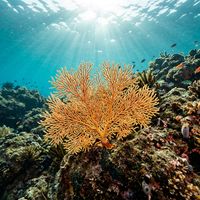
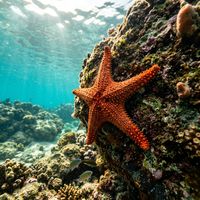
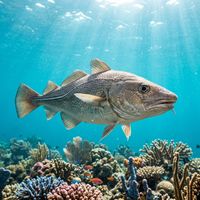
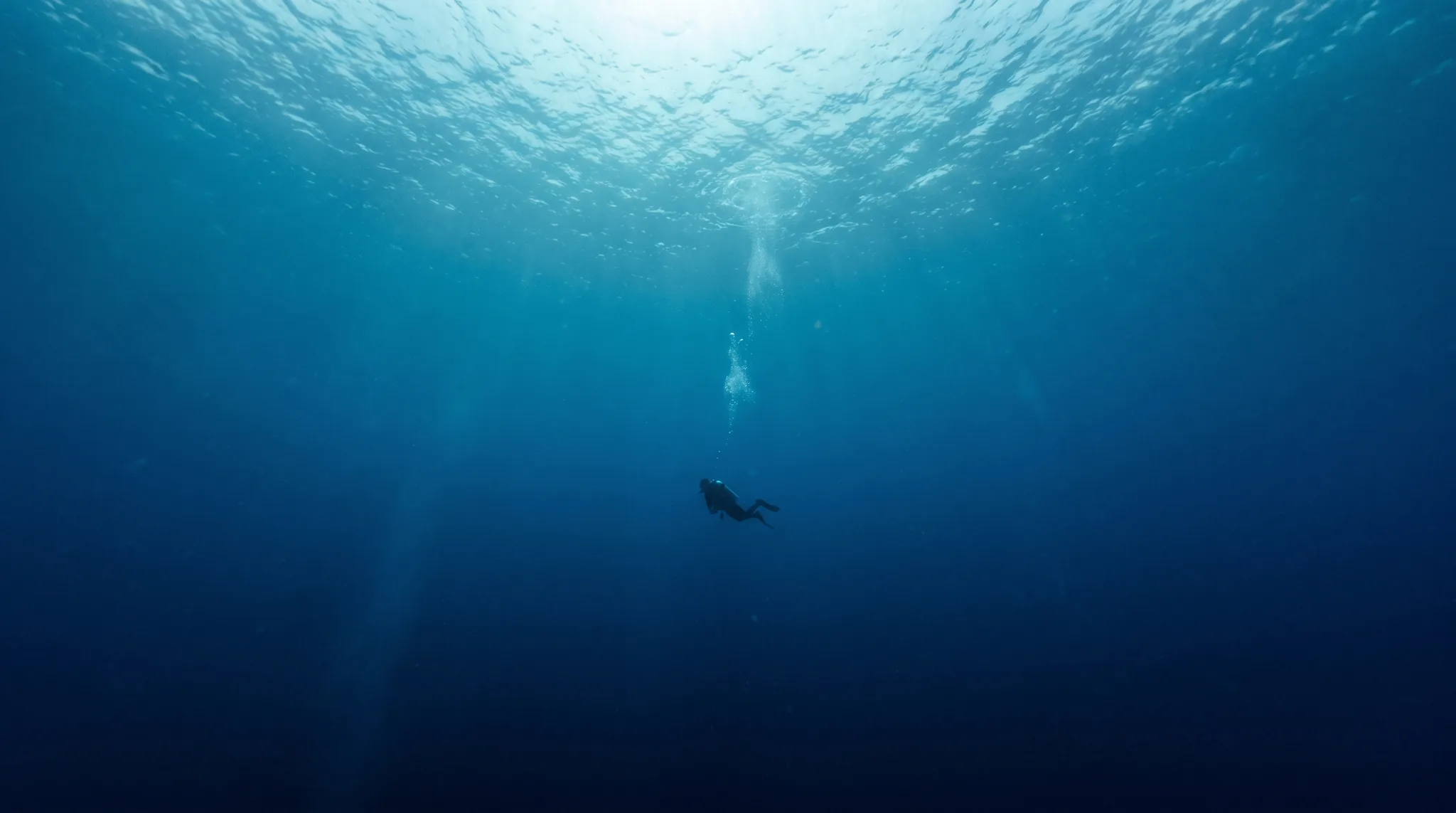
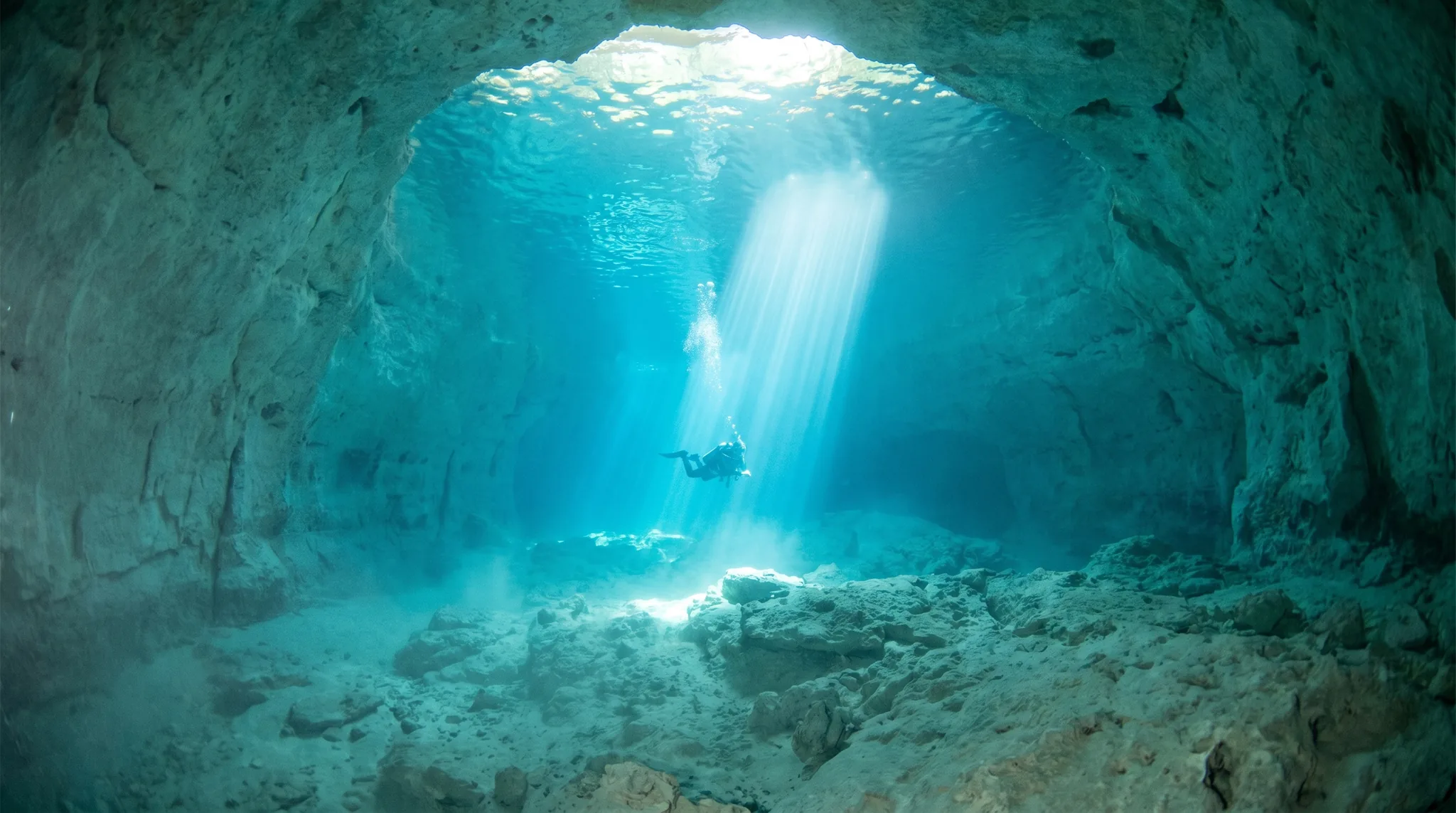
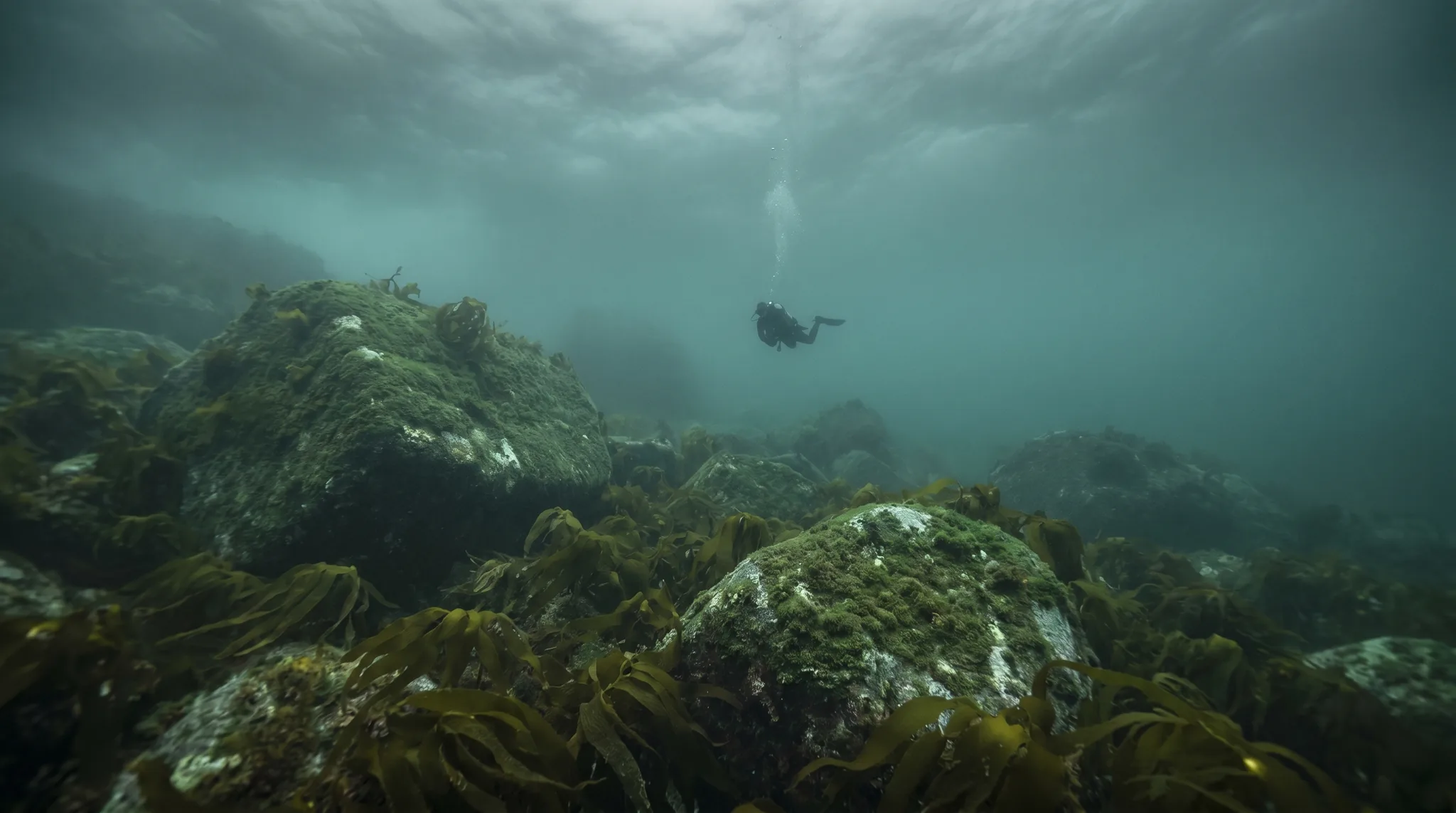
Trondheimsfjord offers cold-water diving across a broad range of site types, from shallow shore-entry reefs and kelp forests to deep wrecks and walls accessible by boat. The Trondheim sub-area holds the majority of sites, with good provision for beginners, while Fosen adds deeper reefs, caves, and notable wrecks. Fan Coral and Sea Star appear across virtually every site, Cod is reliably encountered, and patient divers may spot Atlantic Wolffish or Gray Seal. Currents and cold water are consistent factors throughout.
2 areas
 16
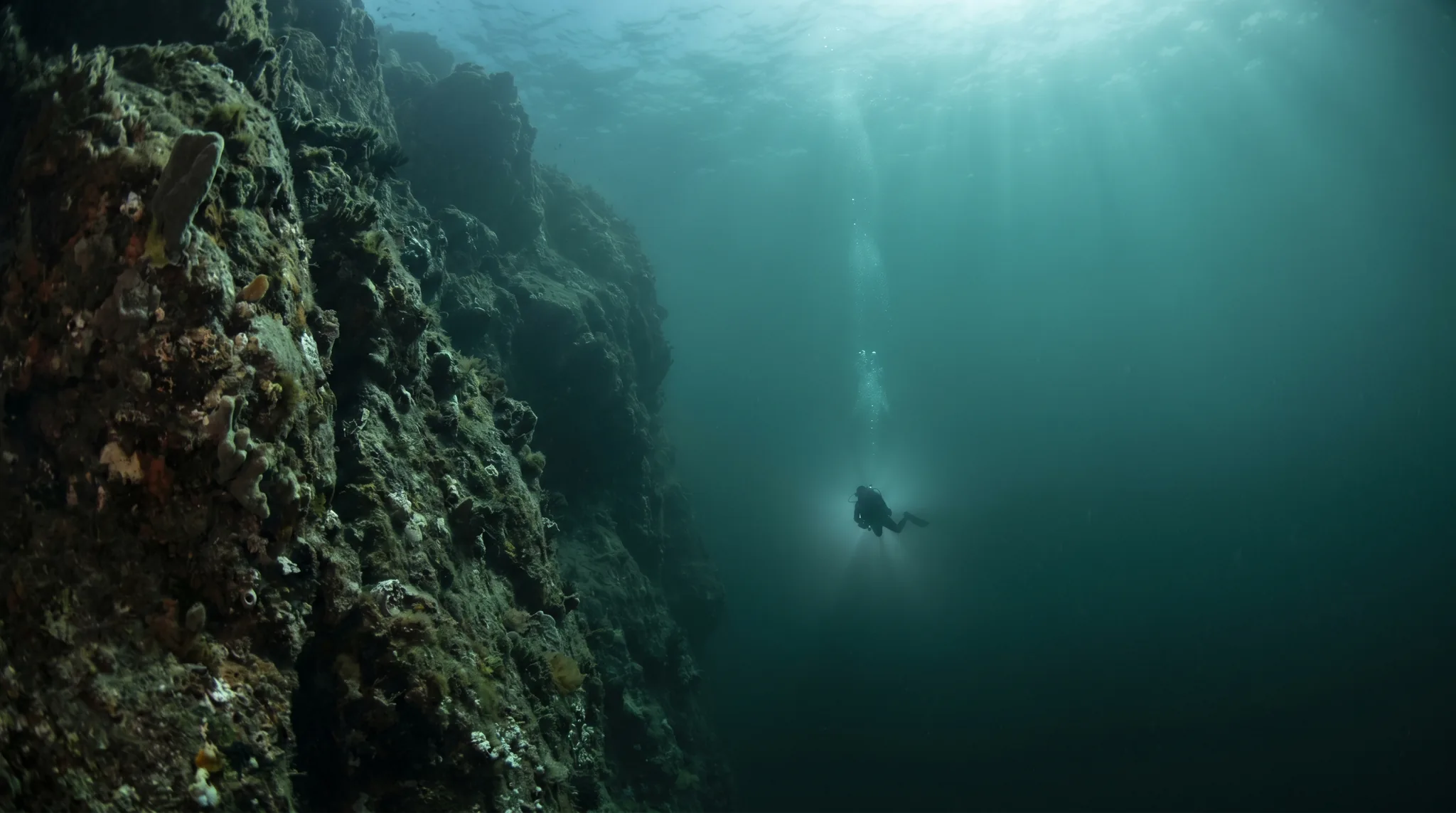
16Shore-entry fjord diving with fan coral-draped walls, kelp forests, and reliable Cod sightings across beginner-friendly and intermediate sites.
 8
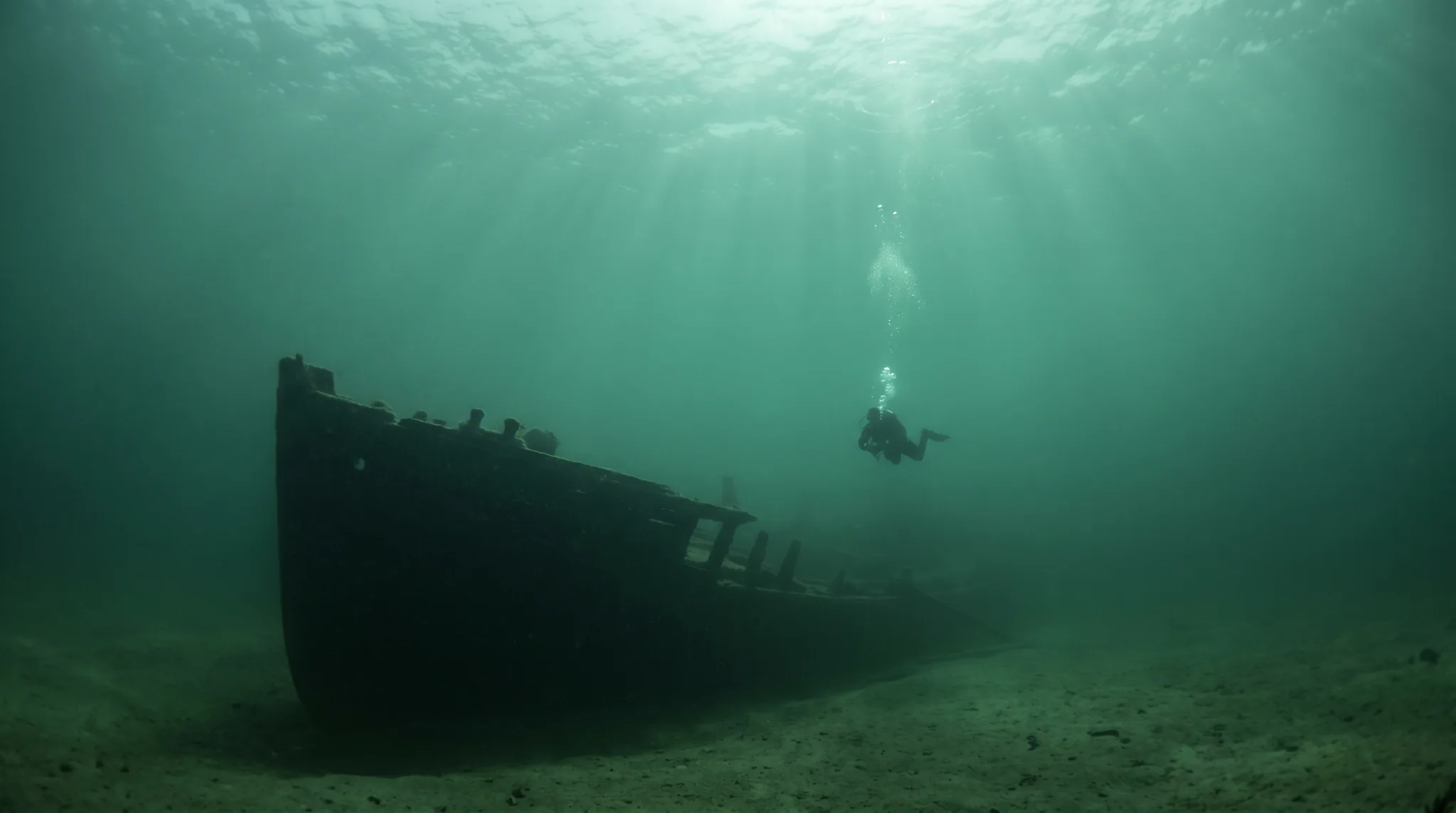
8Wrecks, kelp forests, and cold-water coral reefs in the Trondheimsfjord, with sites for all levels from sheltered reefs to demanding deep wrecks.
Monthly water temperature across Trondheimsfjord's sites, from satellite sea-surface data corrected for depth. The band shows the site-to-site spread.
Water temperature stays very cold through winter and early spring, rising modestly through summer and peaking in September before dropping again through autumn. The warmest months from June through September represent the most comfortable window for diving, with the peak season centred on midsummer. Cold water is a year-round reality here, and divers should be prepared for thermocline management regardless of season.
22 operators
Norway
12 more sites to explore
Water temperature around Trondheimsfjord ranges from about 4°C in February to 12°C in July, based on satellite sea-temperature data for its dive sites.
In the warm season (about 12°C) a 7mm or semi-dry suit is comfortable in Trondheimsfjord; in the coldest months (about 4°C) step up to a drysuit.
Fin maps 24 sites in Trondheimsfjord (24 scuba diving sites and 1 snorkelling spots, with some suited to both), organised into 2 areas.
Across Trondheimsfjord's dive sites, June, July, August and September are most often reported as the best months to visit.
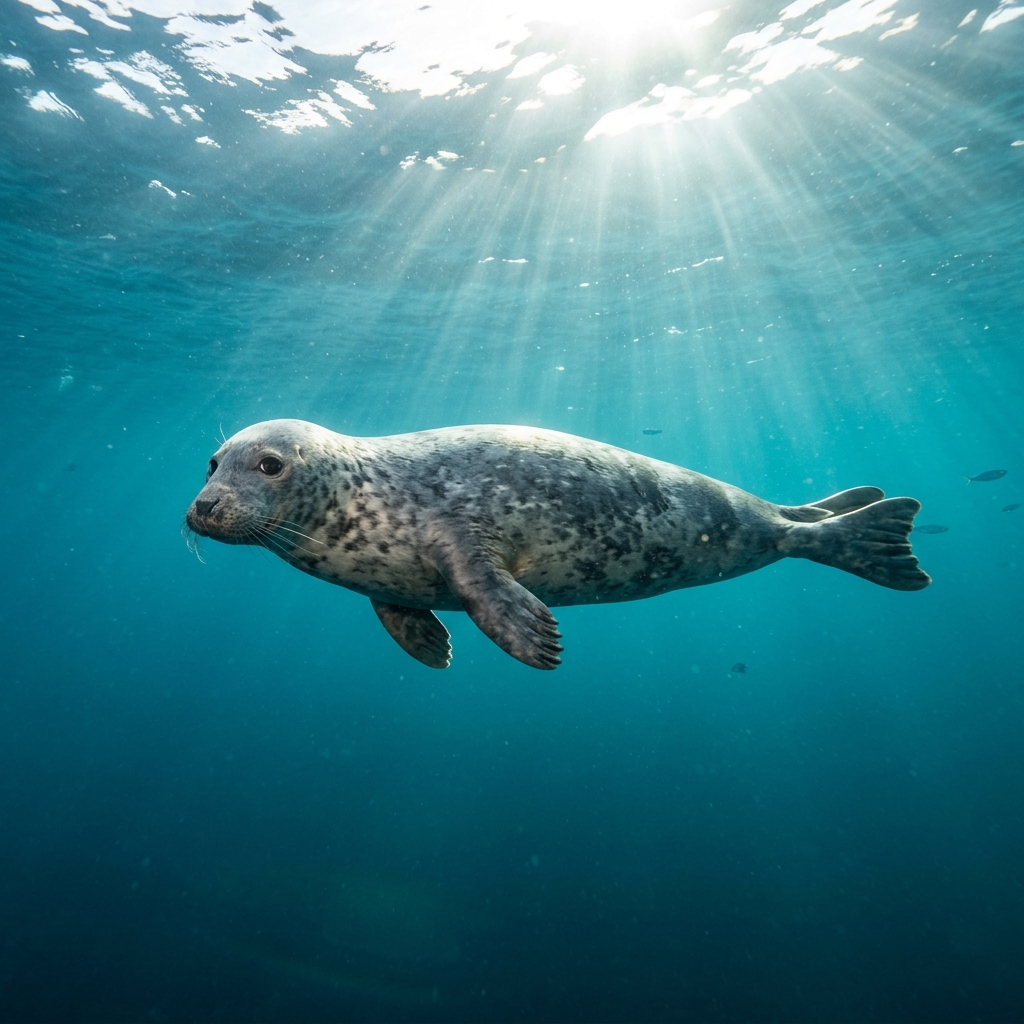
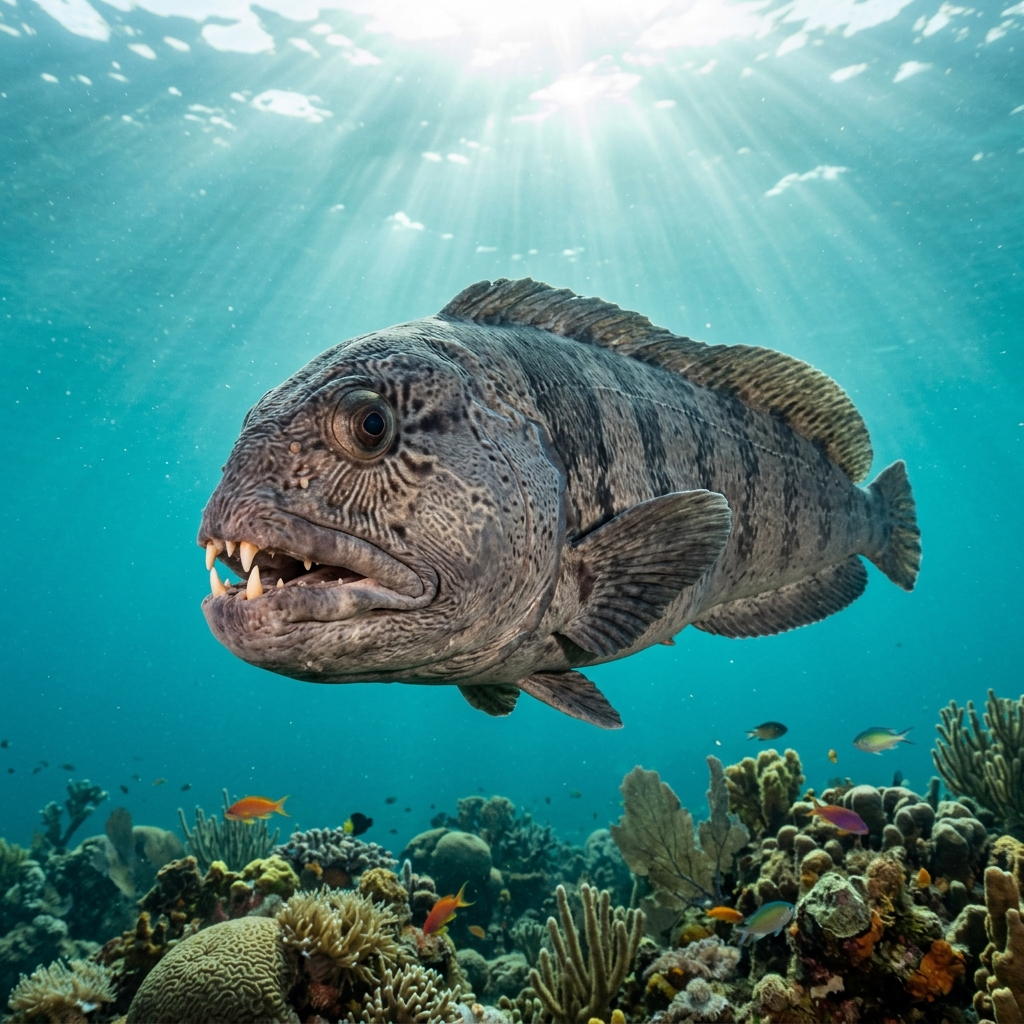
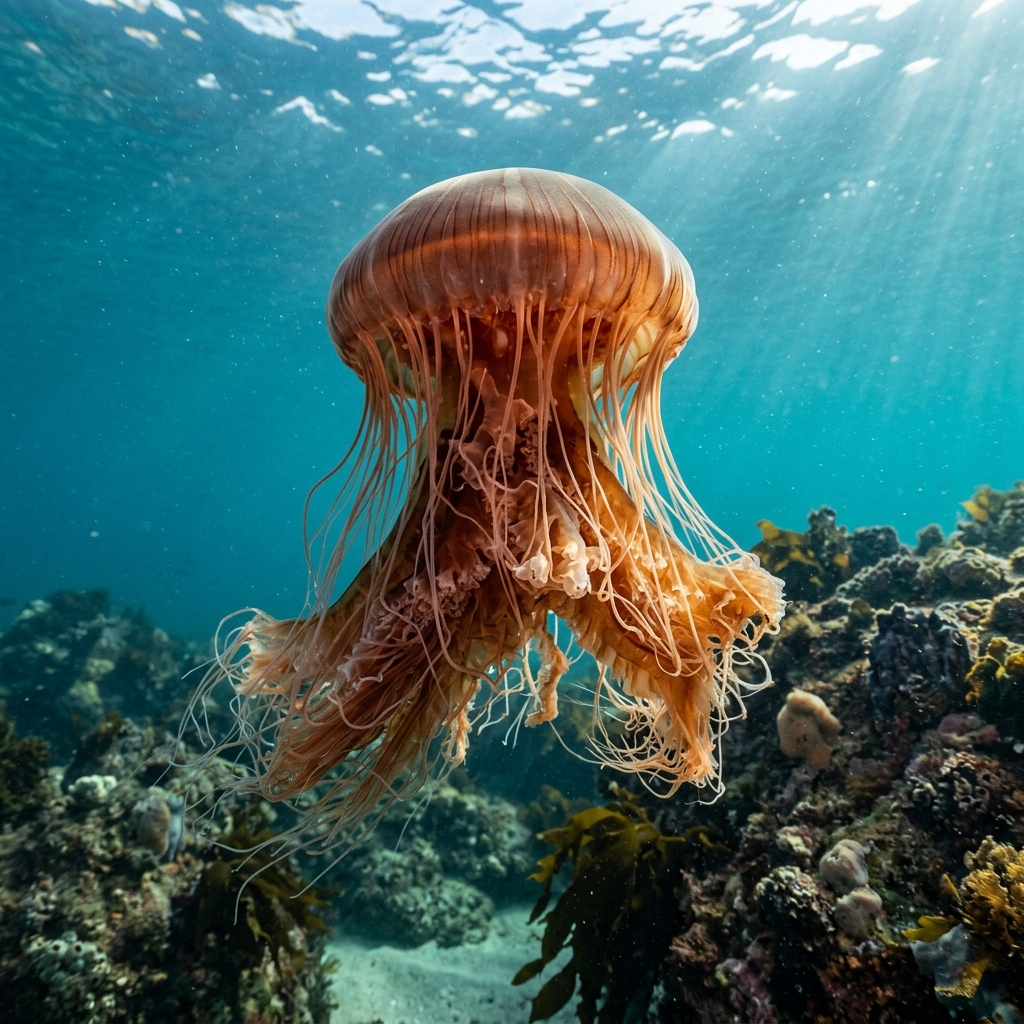
Fan Coral and Sea Star are observed across the vast majority of sites, making them near-certain sightings. Cod is frequently encountered throughout the fjord. Less common but observation-backed species include Gray Seal, Atlantic Wolffish, Giant Jellyfish, and Crab, so keeping an eye on the mid-water column and rocky crevices pays off.
A good portion of the sites are rated beginner level, including several shallow shore-entry reefs such as Frosta Port, Holsandbukta, and Korsvika. These sites offer gentle profiles and manageable depths for those building open-water confidence. Intermediate and advanced divers are also well served by deeper wrecks and walls, particularly in the Fosen sub-area.
Trondheim holds the larger share of sites and is well stocked with accessible shore-entry dives, including artificial reefs and mixed reef-and-wall profiles. Fosen tends toward deeper, boat-access sites, including the wreck of Irma, cave diving at Kjeungen, and deep reefs such as Lysbotnfluene. Divers looking for wreck or cave experiences will find more of those options in Fosen.
Several operators are based in the region, including Midtdykk, Dive Center Norwaydiving, Hindrum Fjordcenter, Steinkjer Sportsdykkere, Skarnsundet Fjordsenter, Nekton Diving, and Trondheim fridykkerklubb. This range of operators means both guided boat trips and club-based diving are available, covering much of the fjord's geography.