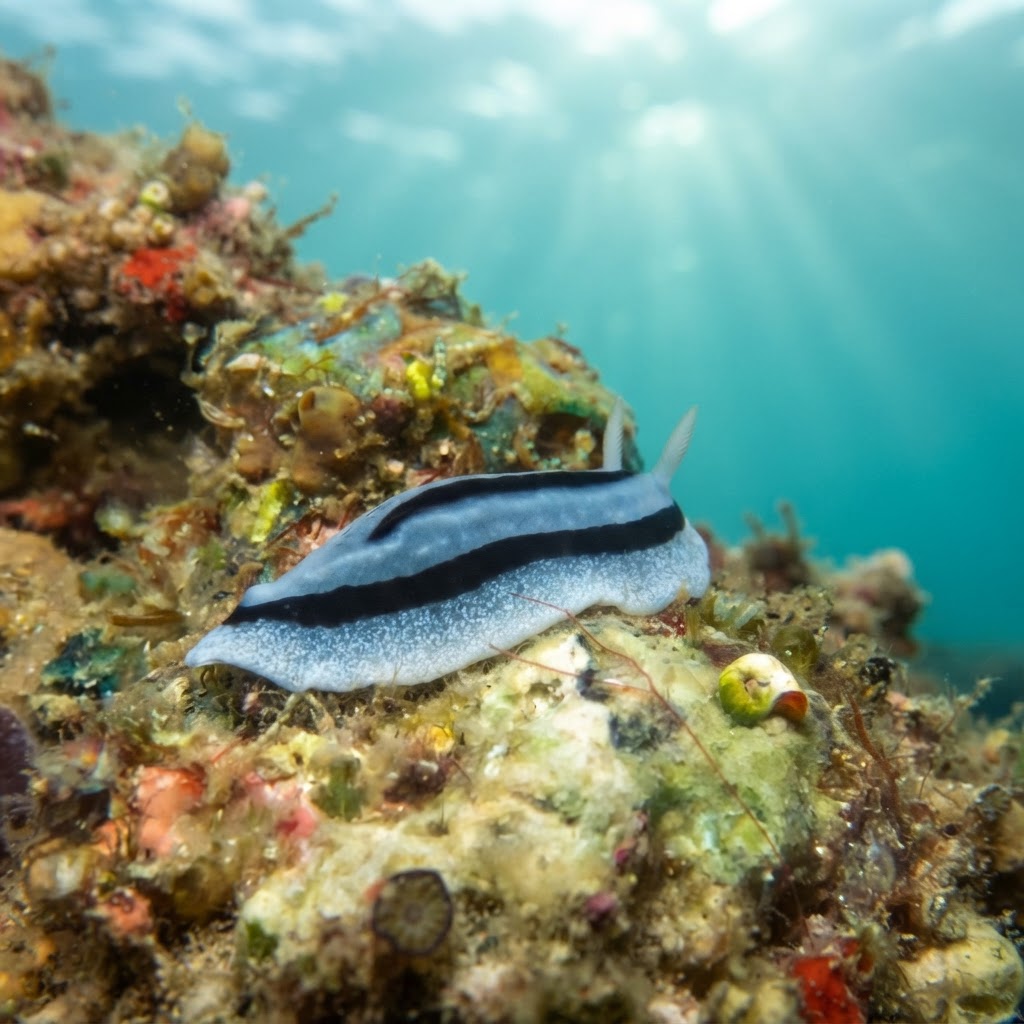
Phyllidiopsis xishaensis
A reef-crawling nudibranch most often logged in Sabah, Malaysia and Western Australia, thriving in warm water year-round.
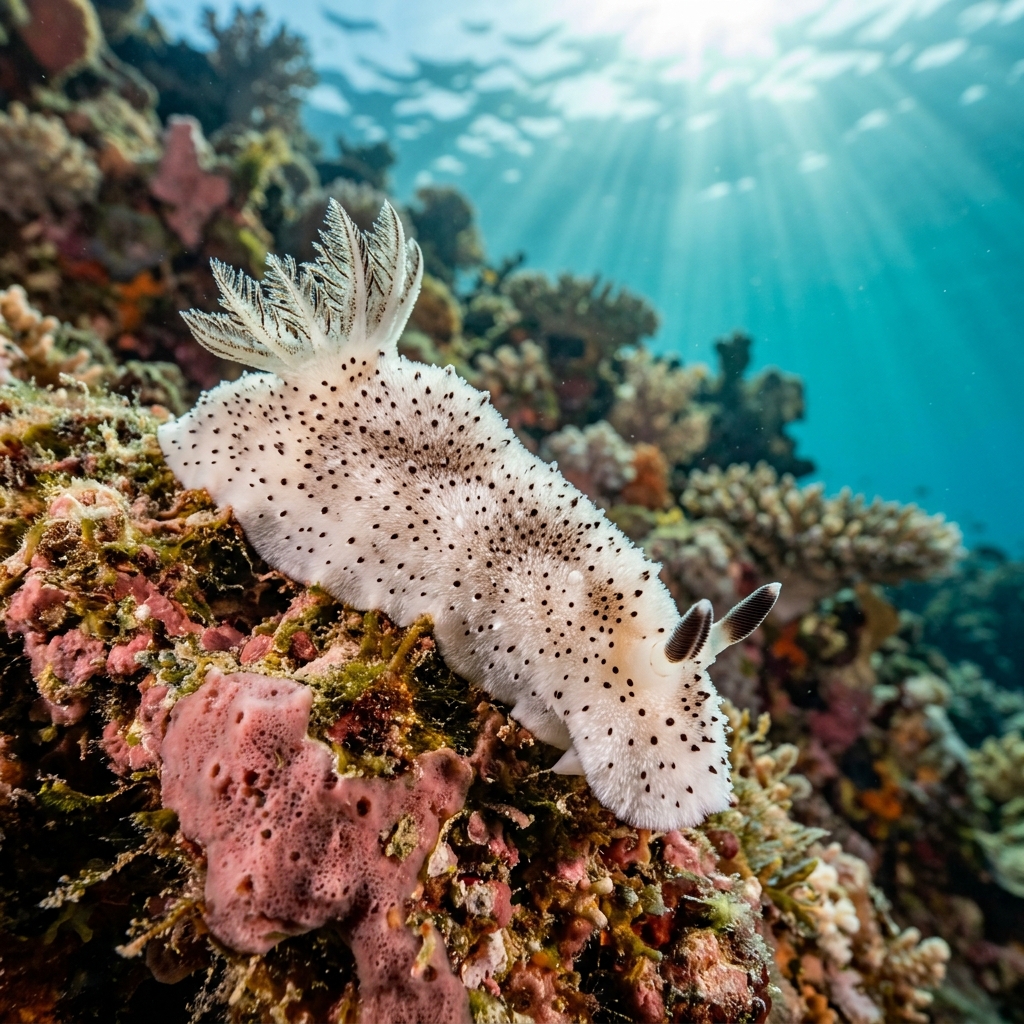
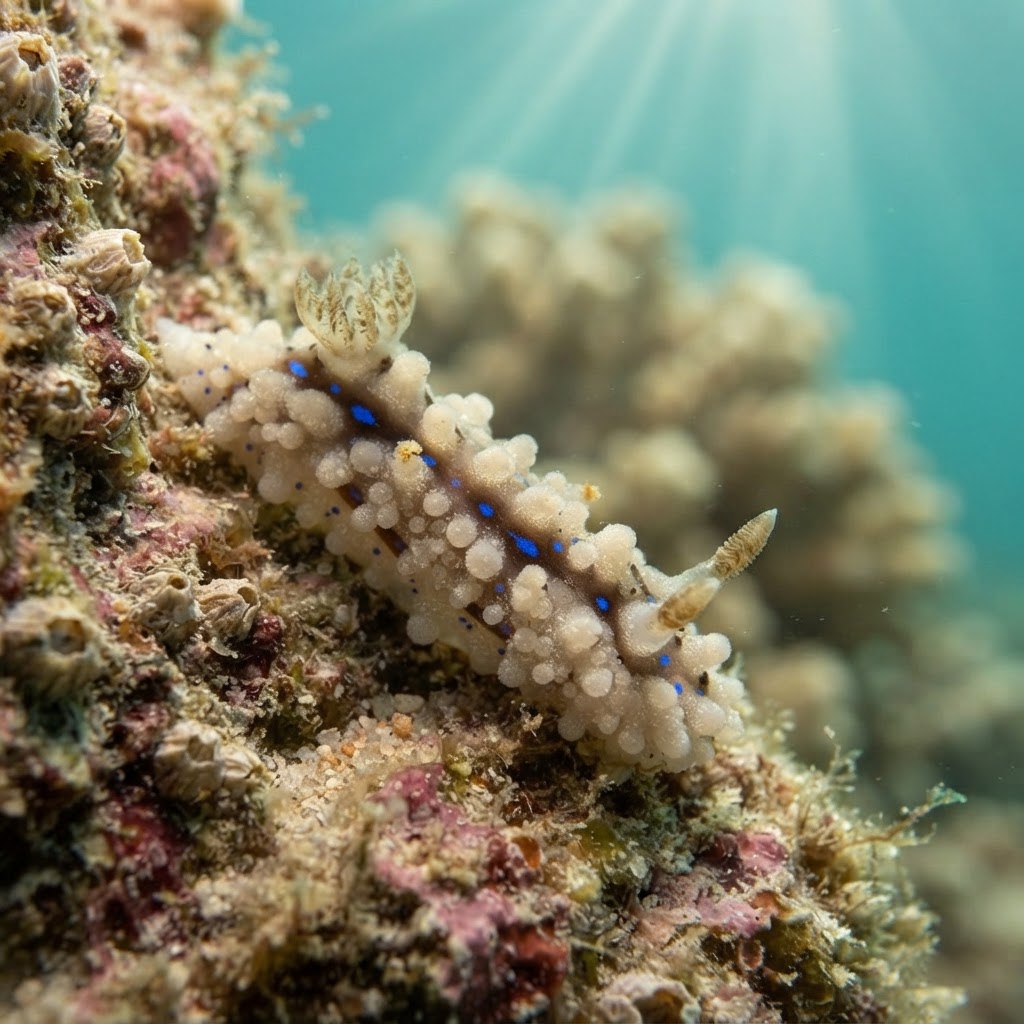
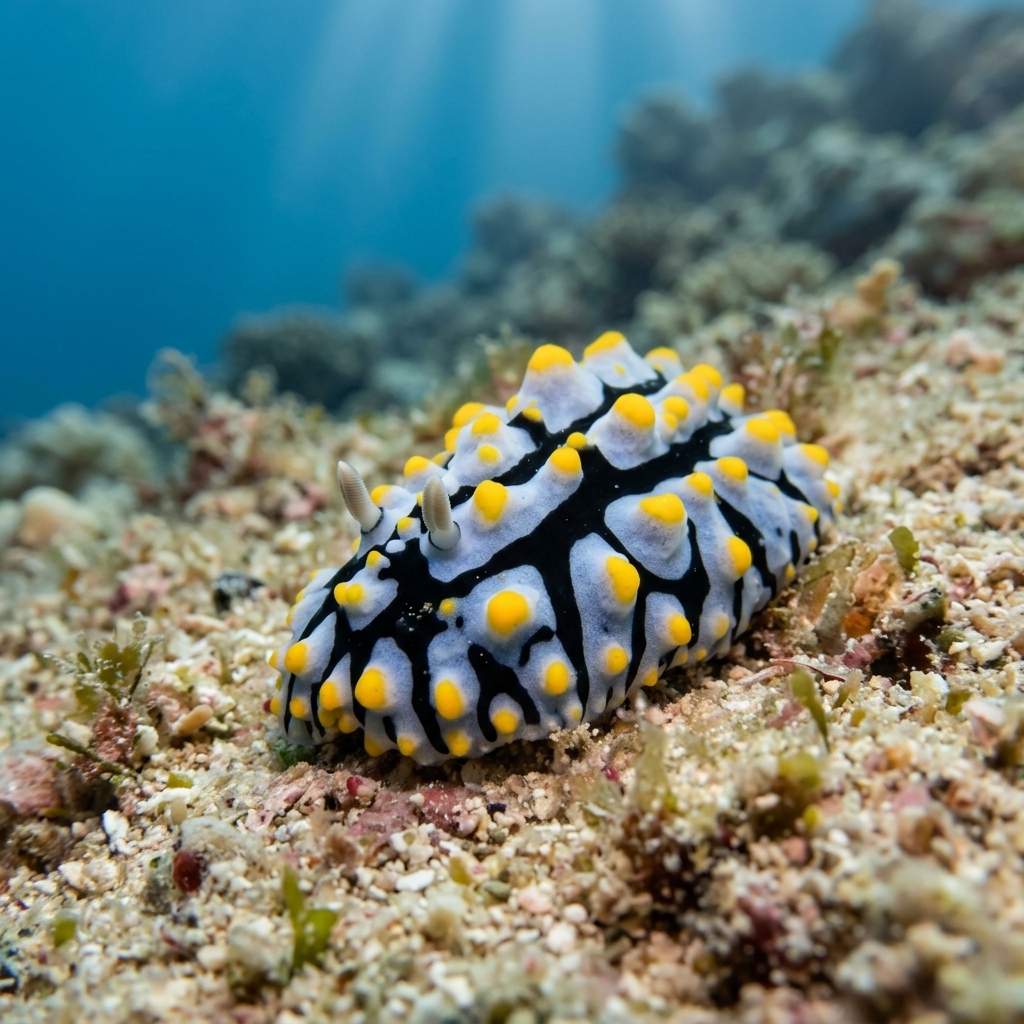
A small, elongated nudibranch (sea slug) with the raised, warty ridges typical of the Phyllidiidae family running along its back. Look for its distinctive colour pattern against a firm, non-slimy-looking body, quite different from the smooth-mantled nudibranchs divers usually notice first. It moves slowly across hard substrate and reef rubble, so it is usually spotted stationary or barely creeping when a torch or macro lens picks it out.
Typically found parked on the reef floor or grazing slowly over rubble and hard bottom, doing the unhurried crawl-and-graze routine common to phyllidiid nudibranchs. It shows no reaction to divers beyond continuing to feed, so patient macro photographers get plenty of time to frame a shot. Most logs come from daytime dives, though like most benthic (bottom-dwelling) slugs it is just as findable on a night dive if you know where to look.
Like other phyllidiids, it likely feeds on sponges and can sequester toxic compounds from its diet into its own tissue, which is thought to be why these slugs move about in the open without much concern for predators.
No clear seasonal pattern shows up in the sightings, and with a comfortable range of roughly 23.6 to 30C it is present on these reefs year-round. Plan around the destination's general dive season rather than a specific month for this species.
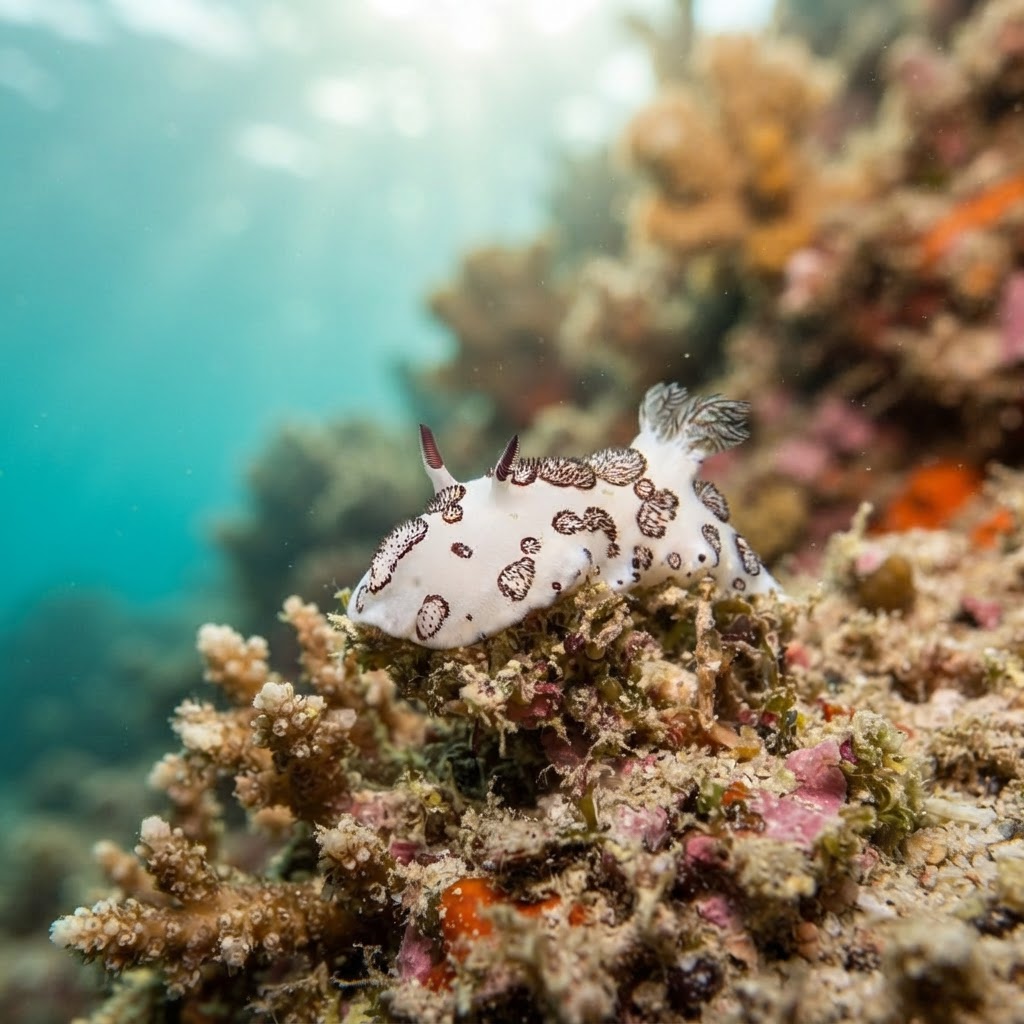
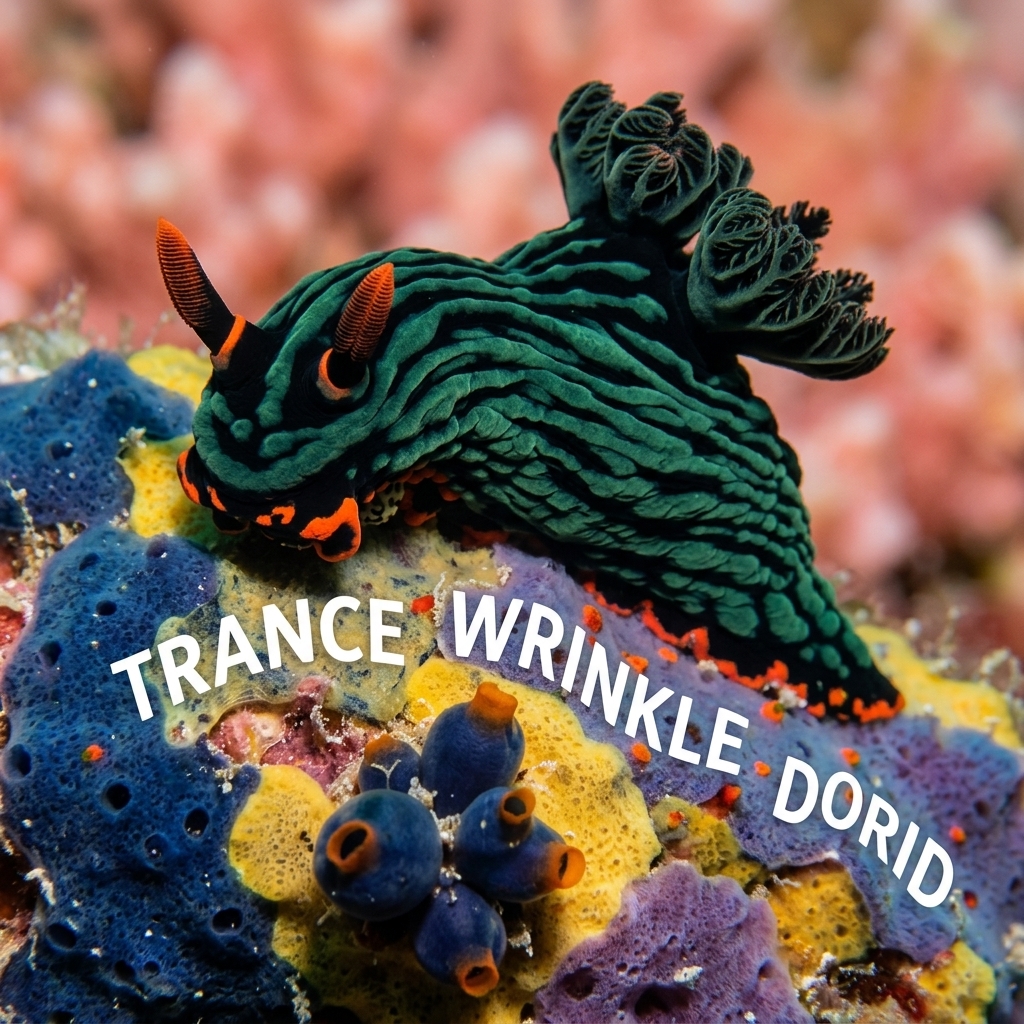
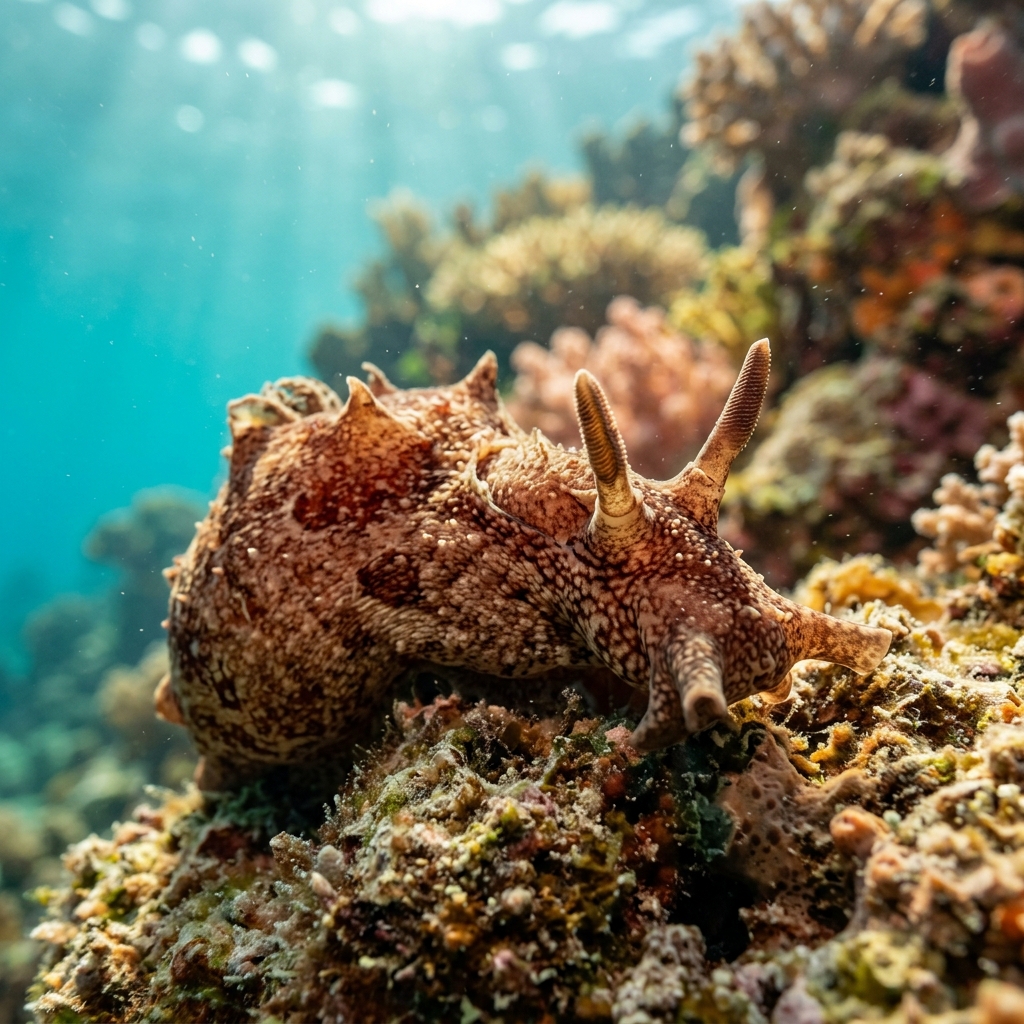
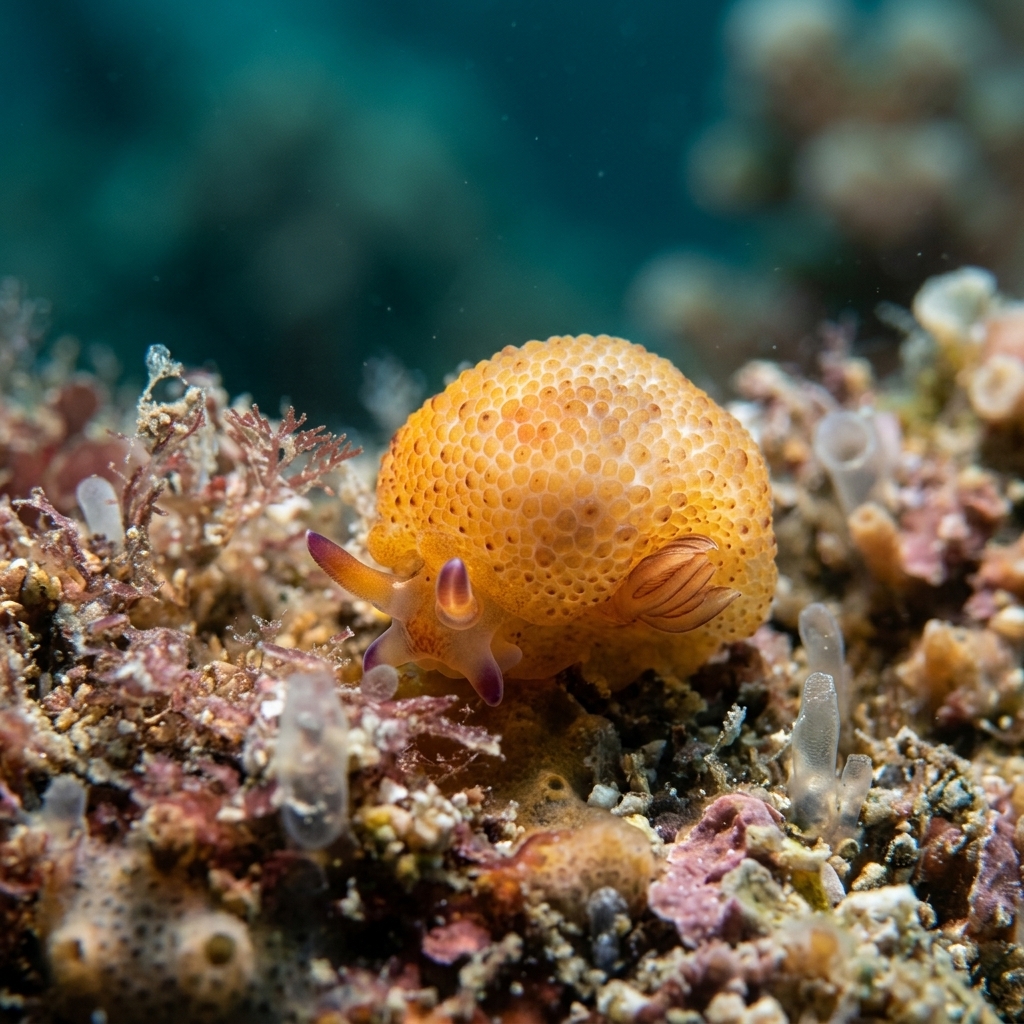
Reef neighbours a diver could mistake it for. Use the identification notes above to tell them apart.
Most reliably logged in Sabah, Malaysia and Western Australia, with strong showings in New Caledonia around Île des Pins and in the Philippines across Luzon and the Visayas. Taiwan's Longdong region and Niue's Alofi coastline also turn it up regularly, making this a wide-ranging Indo-Pacific find rather than a single-country specialty.
Mapping where Striped Phyllidiopsis is logged…
It turns up most consistently in Sabah, Malaysia and Western Australia, with good numbers also logged in New Caledonia's Île des Pins, the Philippines' Luzon and Visayas regions, and Taiwan's Longdong coast.
There is no strong seasonal signal in the data, and it tolerates a broad warm-water range of about 23.6 to 30C, so it can be found year-round wherever it occurs.
Look for a small, elongated nudibranch with the warty, ridged mantle typical of the Phyllidiidae family, moving slowly across hard reef substrate. It lacks the smooth gill-plume look of many other nudibranchs, which helps rule out non-phyllidiid look-alikes.
No, it poses no threat to divers. It is a slow-moving, benthic (bottom-dwelling) slug that can simply be observed and photographed without any risk.
Like related phyllidiid slugs, it probably feeds on sponges and can store toxic compounds from its prey in its own body tissue, which may explain why it crawls openly across the reef with little defensive behaviour.
Site and sighting data is aggregated from diver logs, iNaturalist and GBIF. For taxonomy and conservation status:
Light-spotted Aegires
3,168 sites