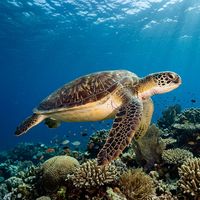
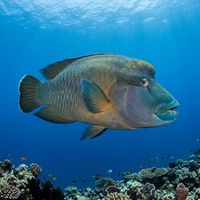
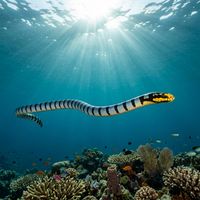
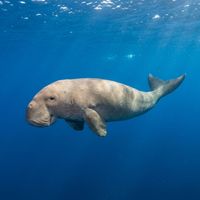
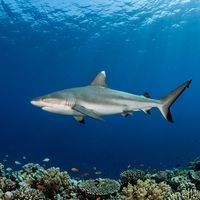
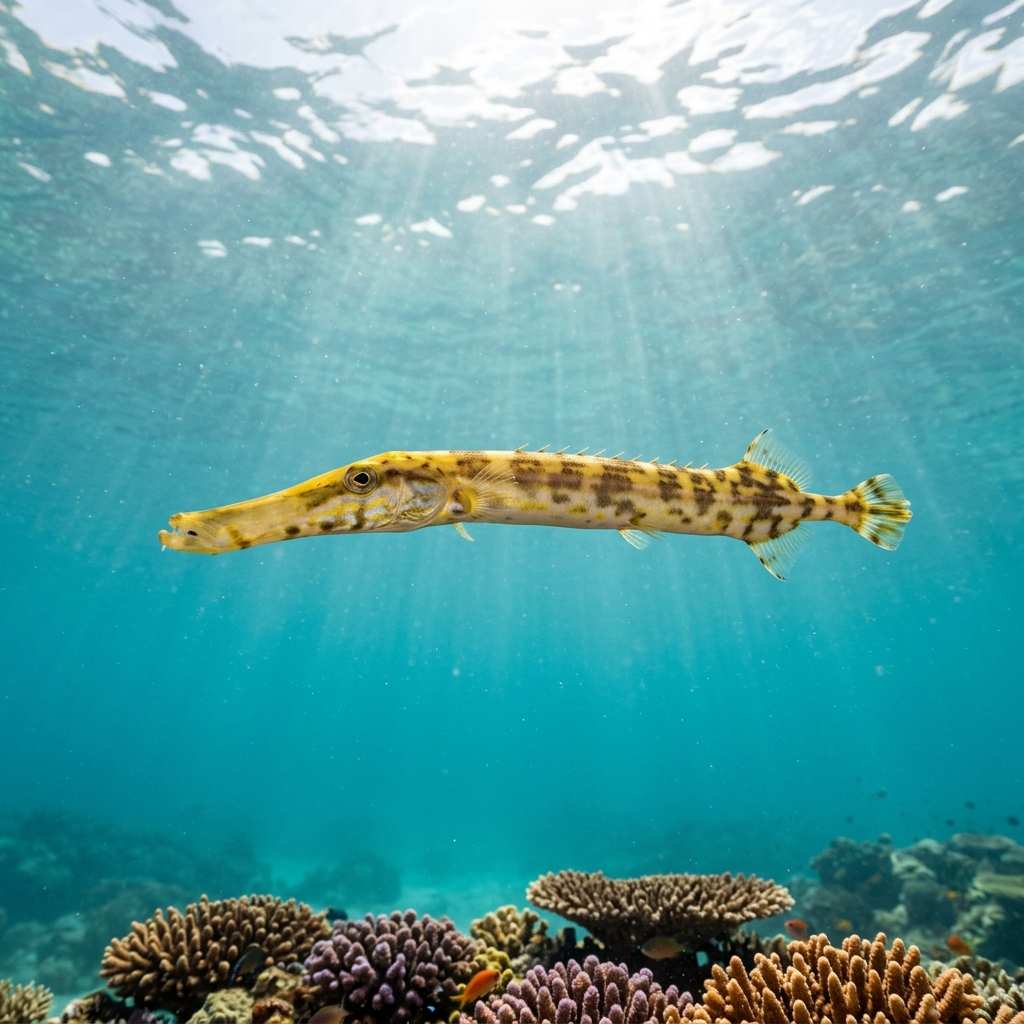
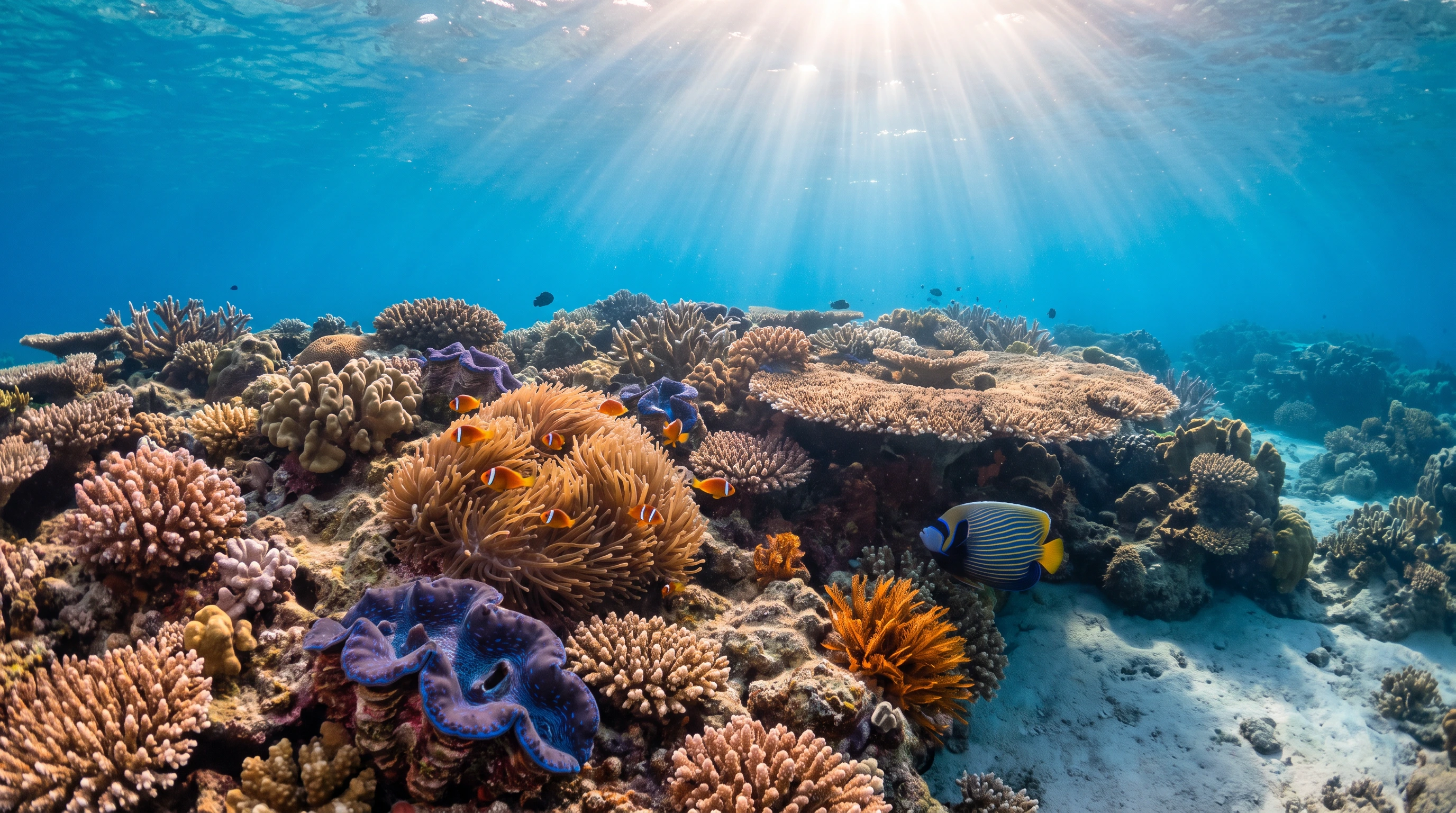
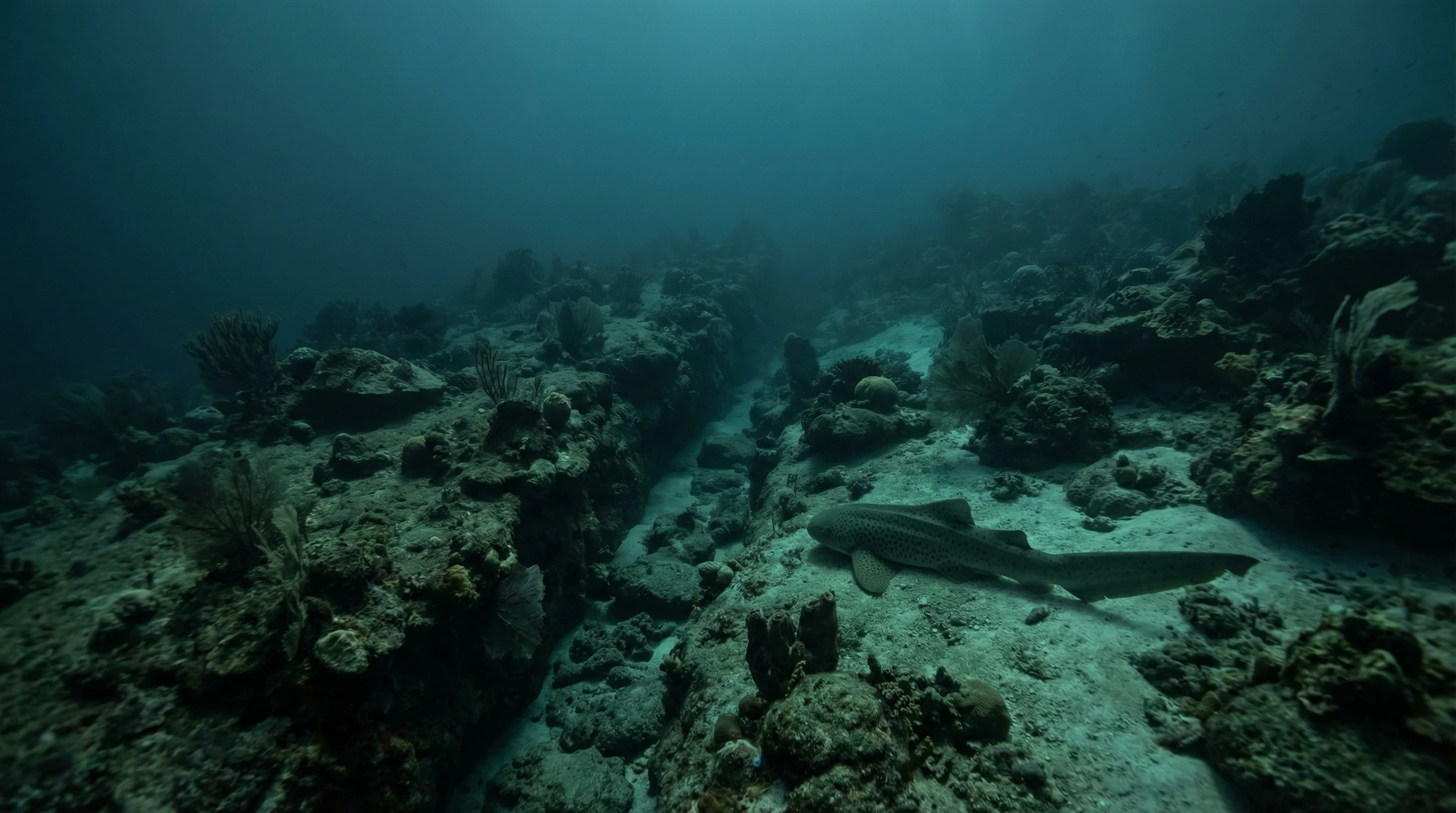
Bourail's dive sites are defined by dramatic structural topography: deep walls, drop-offs, canyons, and cave systems that reward divers willing to go beyond the shallows. Faille Shark draws advanced divers to a crack in the lagoon floor swept by strong current, while Corne de Tenia offers a canyon-and-wall complex accessible only by boat. Grotte a Jean-Claude adds cave and cavern diving to the mix. The marine life is notably varied: the Sea Krait is encountered across most sites, and the Dugong, Green Sea Turtle, Napoleon Wrasse, and Whitetip Reef Shark are all observation-backed regulars. Three local operators serve the region.
Monthly water temperature across Bourail's sites, from satellite sea-surface data corrected for depth. The band shows the site-to-site spread.
Water is warmest from January through March and cools to its lowest point in August and September. The cooler months from July through October coincide with the region's strongest best-months scores, suggesting that clearer conditions offset the drop in temperature. Sites like Faille Shark involve strong currents, so divers should plan entries around tidal windows regardless of season.
7 more sites to explore
Water temperature around Bourail ranges from about 23°C in August to 28°C in February, based on satellite sea-temperature data for its dive sites.
In the warm season (about 28°C) a rash guard or 3mm shorty is comfortable in Bourail; in the coldest months (about 23°C) step up to a 3mm full suit.
Fin maps 10 sites in Bourail (10 scuba diving sites).
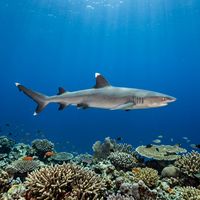
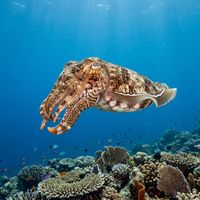
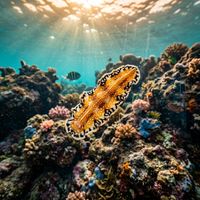
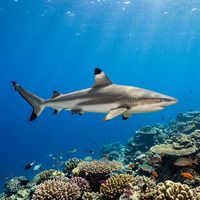
Observation-backed sightings cover a wide range of species. The Sea Krait is very commonly recorded across the sites, and the Green Sea Turtle, Napoleon Wrasse, Whitetip Reef Shark, Dugong, and Broadclub Cuttlefish are all frequent encounters. Macro divers will also find the Jorunna Nudibranch, Flatworm, Varicose Wart Slug, and Scorpionfish on most dives. Occasional sightings of Grey Reef Shark, Blacktip Reef Shark, and Eagle Ray add further variety.
The site mix leans toward intermediate and advanced divers. Faille Shark is rated advanced and involves strong currents at depth, while Corne de Tenia and Grotte a Jean-Claude are rated intermediate but still reach considerable depths with technical features such as canyons and cave systems. Divers new to drift or overhead environments should build relevant experience before visiting the more demanding sites.
Access varies by site. Faille Shark is accessible from shore, making it one of the few sites that does not require a boat. Corne de Tenia is a boat-only site, situated well offshore, and Grotte a Jean-Claude also requires a boat. The three local operators, Babou Côté Océan, Tieti Diving, and Eden Blue Caledonia, can arrange guided boat trips to the more remote sites.
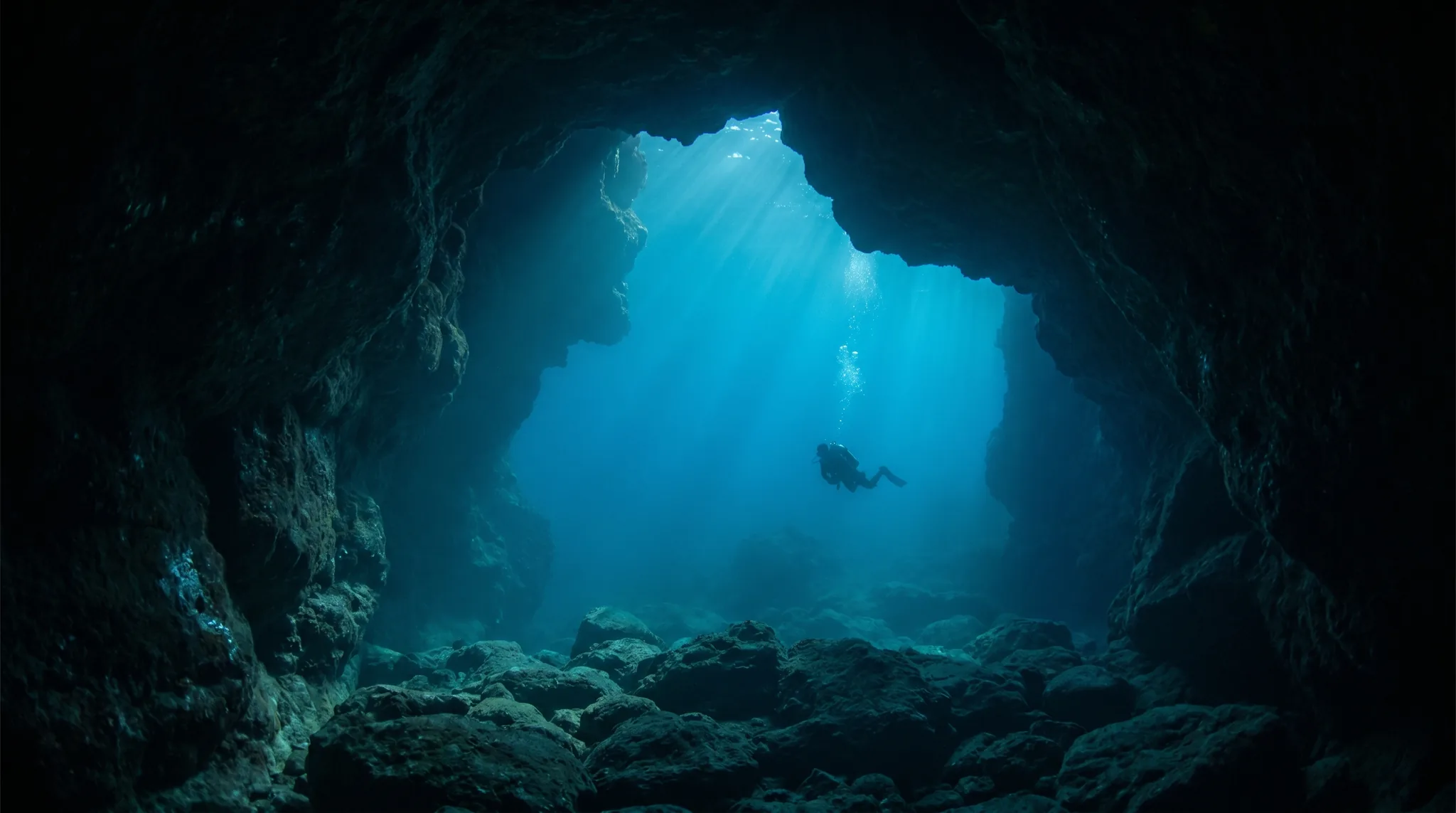
Bourail is characterised by structural diversity rather than flat reef. Sites combine walls, drop-offs, canyons, and cave or cavern systems, often within a single dive. Corne de Tenia runs from very shallow down to a deep drop-off through canyon passages, while Grotte a Jean-Claude is focused on cave and cavern exploration combined with drift. This topographic complexity is the main draw for divers choosing Bourail over more conventional reef destinations.