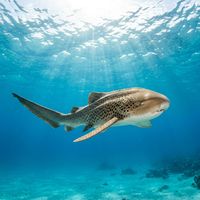
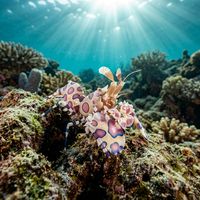
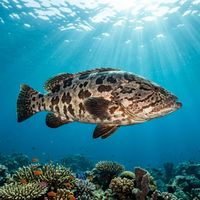
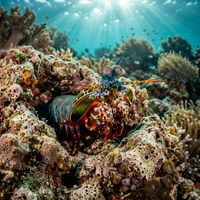
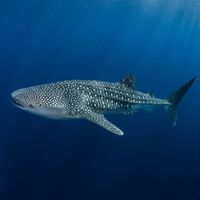
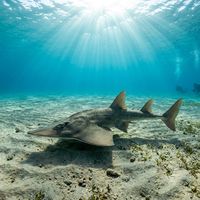
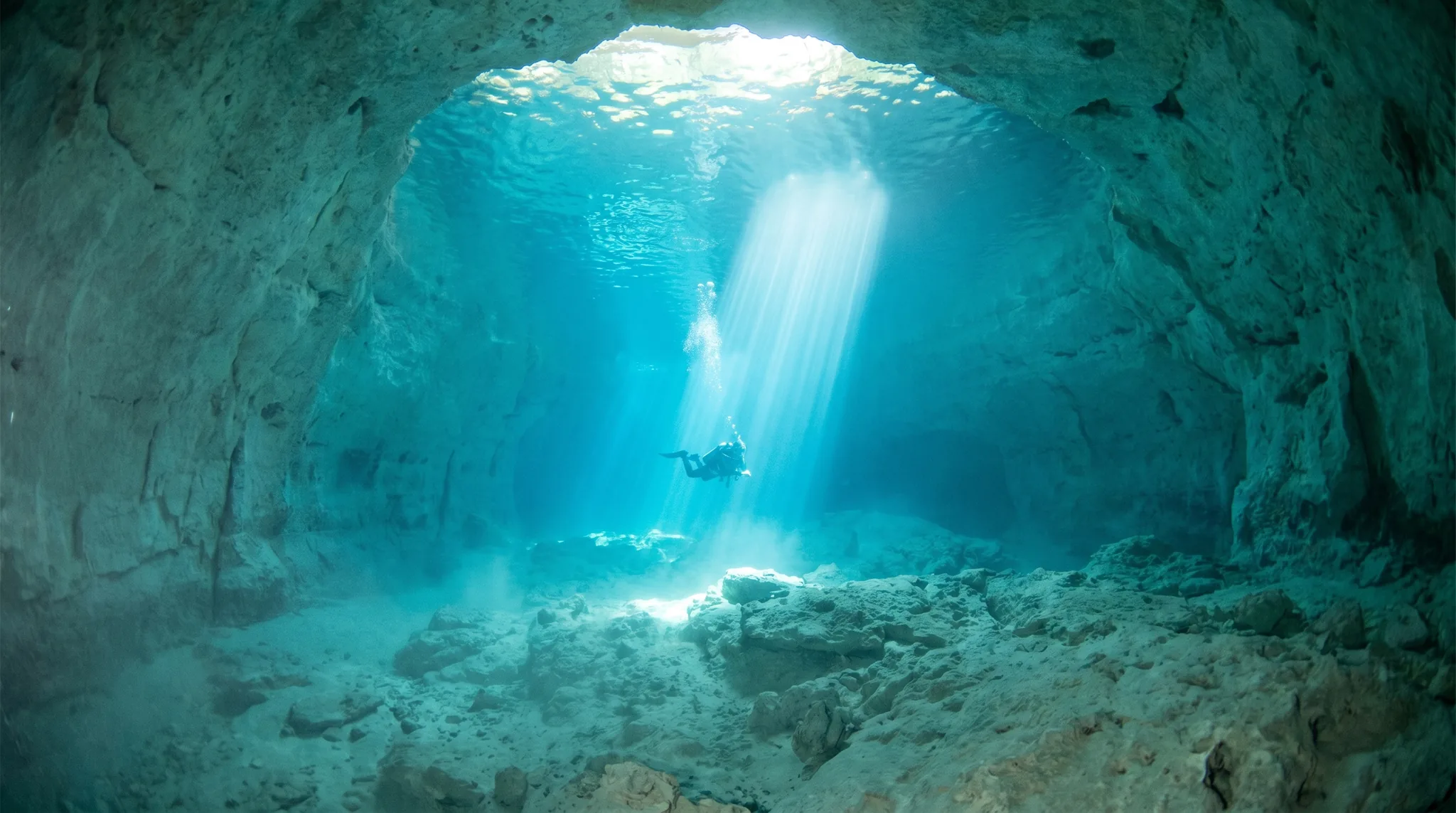
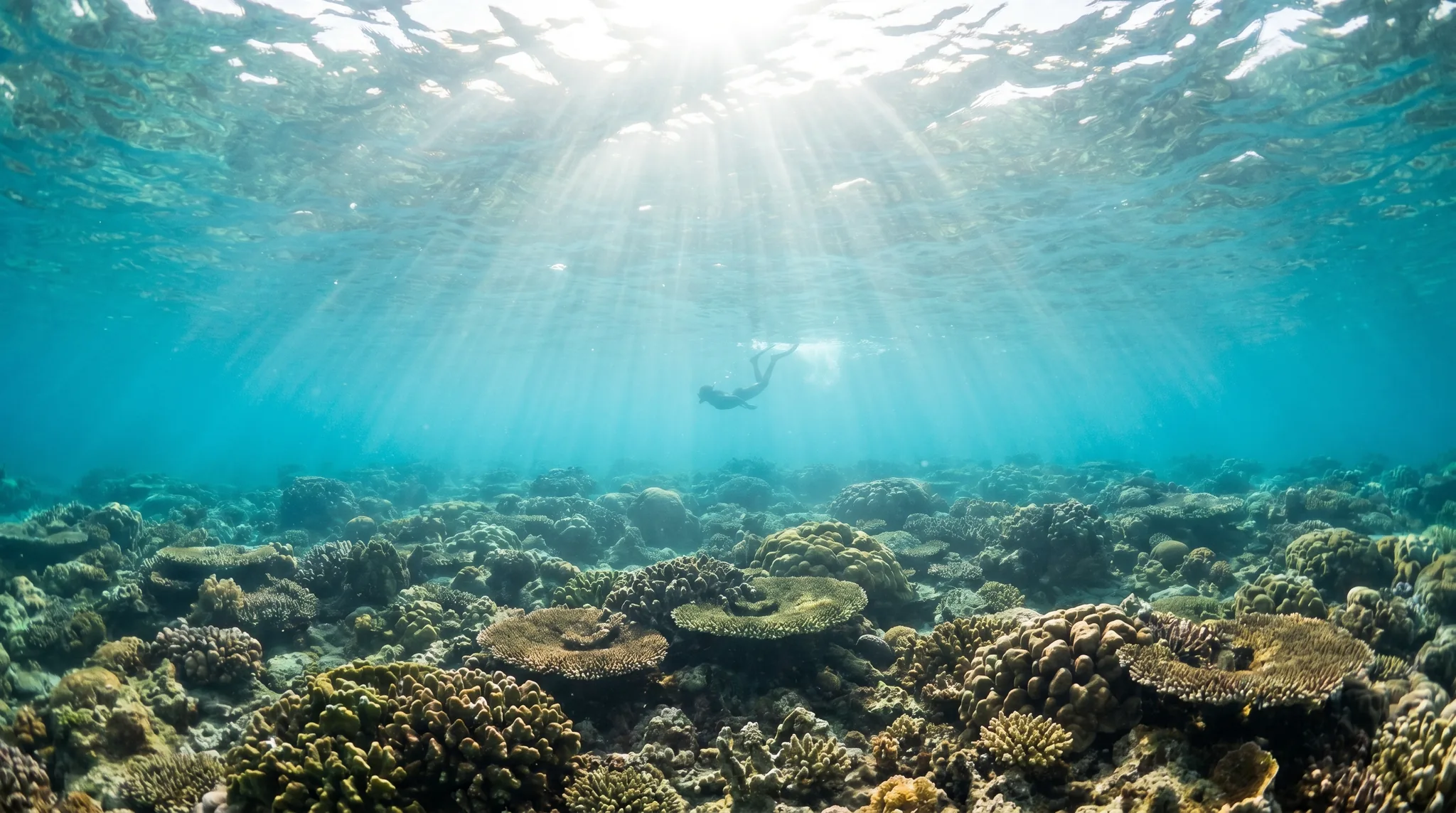
Tofo and Barra is a boat-access reef destination where the site mix spans shallow beginner dives through serious drift diving on deep walls. Signature encounters include the Whale Shark, Zebra Shark, Humpback Whale, and the occasional Dugong, alongside dense populations of Harlequin Shrimp, Peacock Mantis Shrimp, and Potato Bass. Sites range from the sheltered reef at Salon to the demanding drift walls of Giants Castle and Devils, giving the area real range across skill levels.
Monthly water temperature across Tofo & Barra's sites, from satellite sea-surface data corrected for depth. The band shows the site-to-site spread.
Water stays warm throughout the year, peaking toward the end of the wet season in late summer and cooling slightly through the winter months without dropping sharply. The shoulder months of May, September, and November tend to attract the most diving activity, likely reflecting better visibility and calmer surface conditions. Currents can be strong at the drift sites, so conditions vary considerably between the sheltered shallower reefs and the exposed offshore walls.
15 operators
Mozambique
Mozambique
Mozambique
9 more sites to explore
Water temperature around Tofo & Barra ranges from about 24°C in July to 28°C in March, based on satellite sea-temperature data for its dive sites.
In the warm season (about 28°C) a rash guard or 3mm shorty is comfortable in Tofo & Barra; in the coldest months (about 24°C) step up to a 3mm full suit.
Fin maps 19 sites in Tofo & Barra (19 scuba diving sites).
Across Tofo & Barra's dive sites, March, April, May, September, October and November are most often reported as the best months to visit.
The region has observation-backed records of Whale Shark, Humpback Whale, Zebra Shark, and Dugong. Whale Shark is classed as common and recorded across the majority of sites, while Humpback Whale appearances are frequent enough to be a realistic prospect on any given trip. Dugong sightings are occasional rather than guaranteed.
Several sites cater specifically to beginners: Salon offers a manageable reef at moderate depth, Mikes Cupboard combines reef and cave features at shallow depths, and Simons Town features chimneys and gullies at similarly accessible depths. Advanced drift sites such as Devils and Giants Castle are best left until you have solid buoyancy control and drift experience.
Every listed site in the region is accessed by boat. Sites vary considerably in how far offshore they sit, from a few kilometres to well over ten kilometres from the beach. This means planning your day around boat departures and factoring in travel time to the more distant sites.
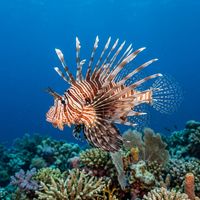
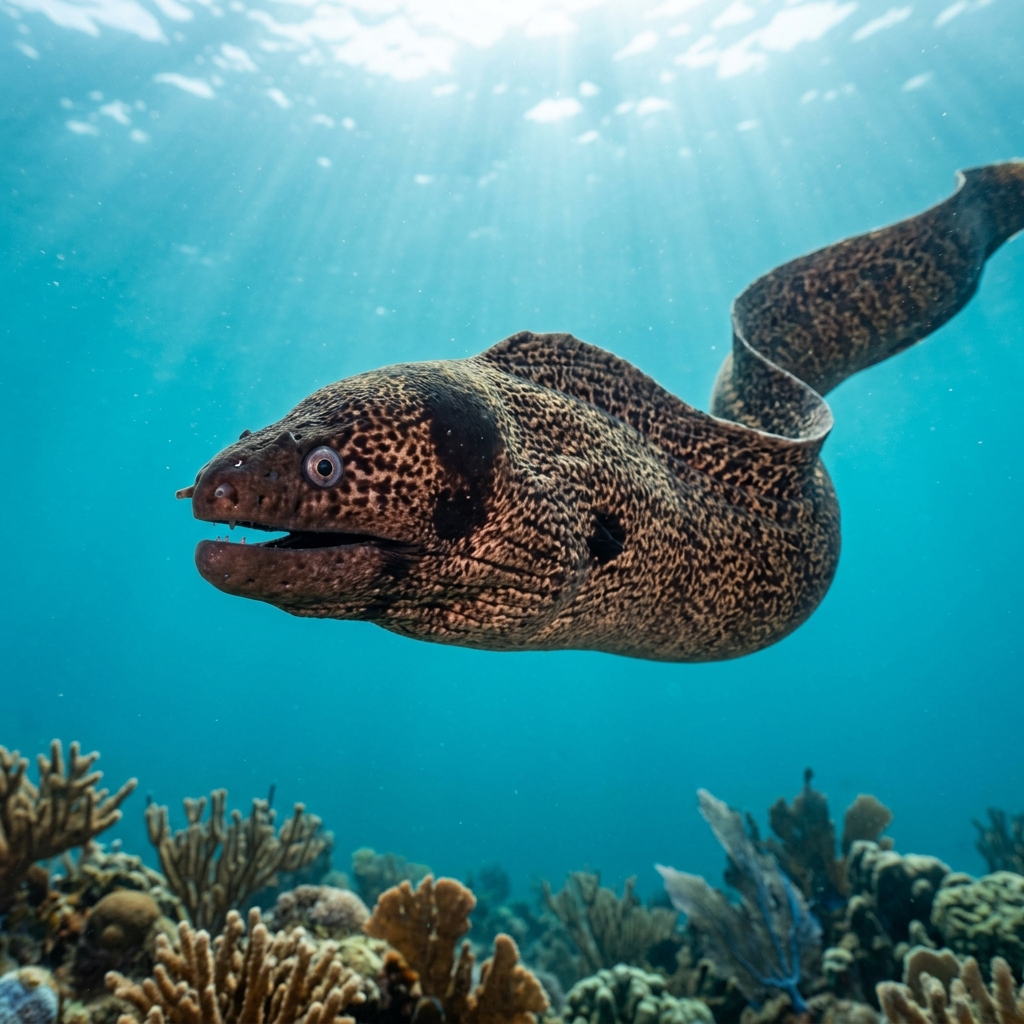
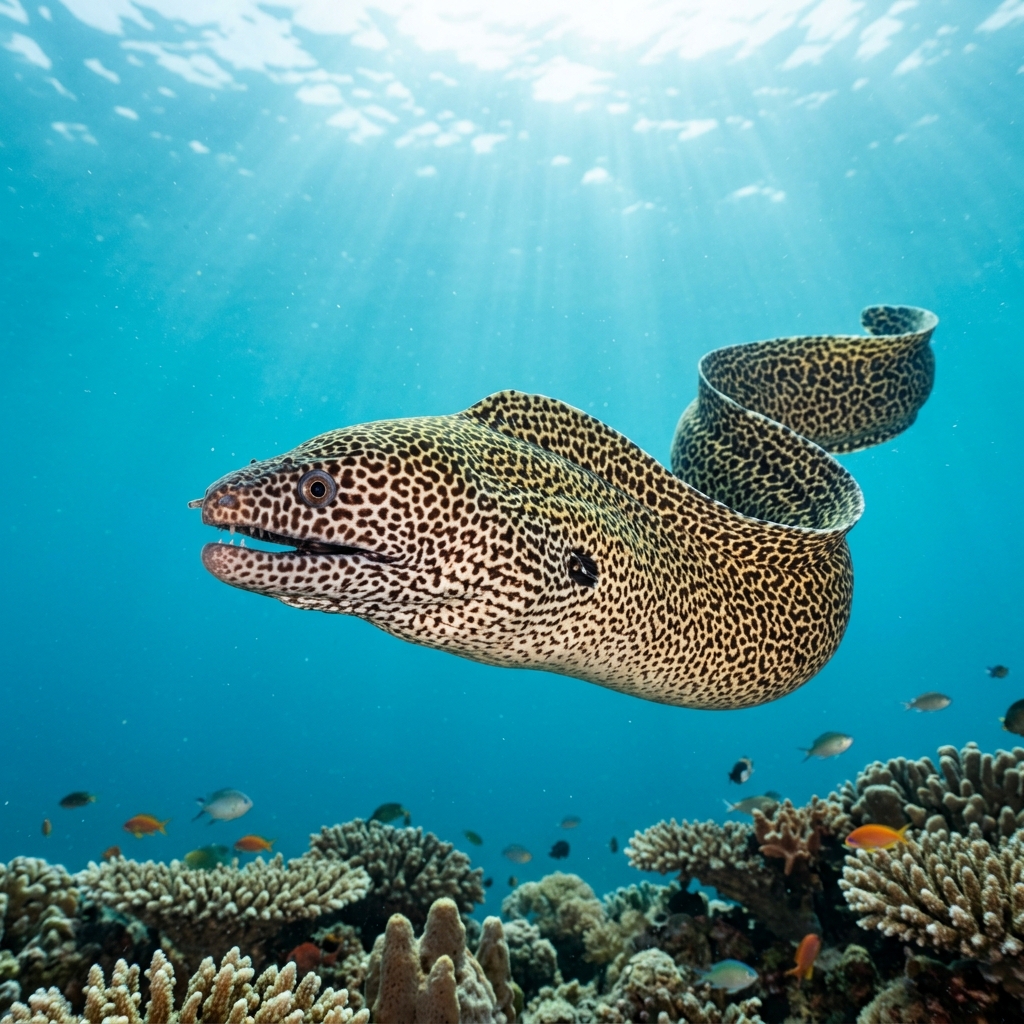
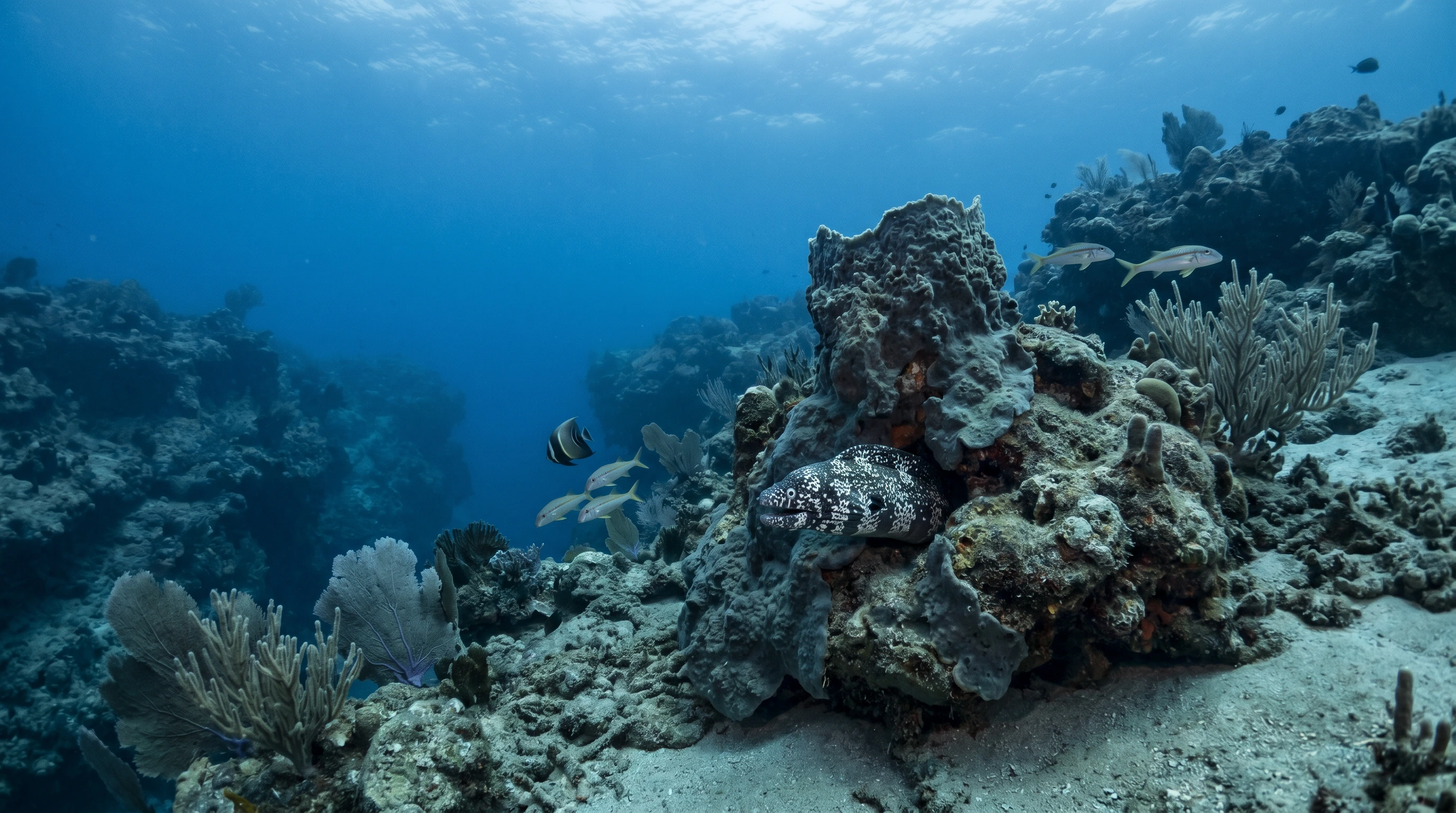
The reef holds an unusually strong showing of small and cryptic species. Harlequin Shrimp, Peacock Mantis Shrimp, Banded Coral Shrimp, Ambon Cleaner Shrimp, and Peacock-tail Anemone Shrimp are all recorded as very common across the site network. Indian Lionfish, Leaf Scorpionfish, and Reef Stonefish reward careful searching of reef structures, and both Blackcheek Moray and Laced Moray are frequently logged.