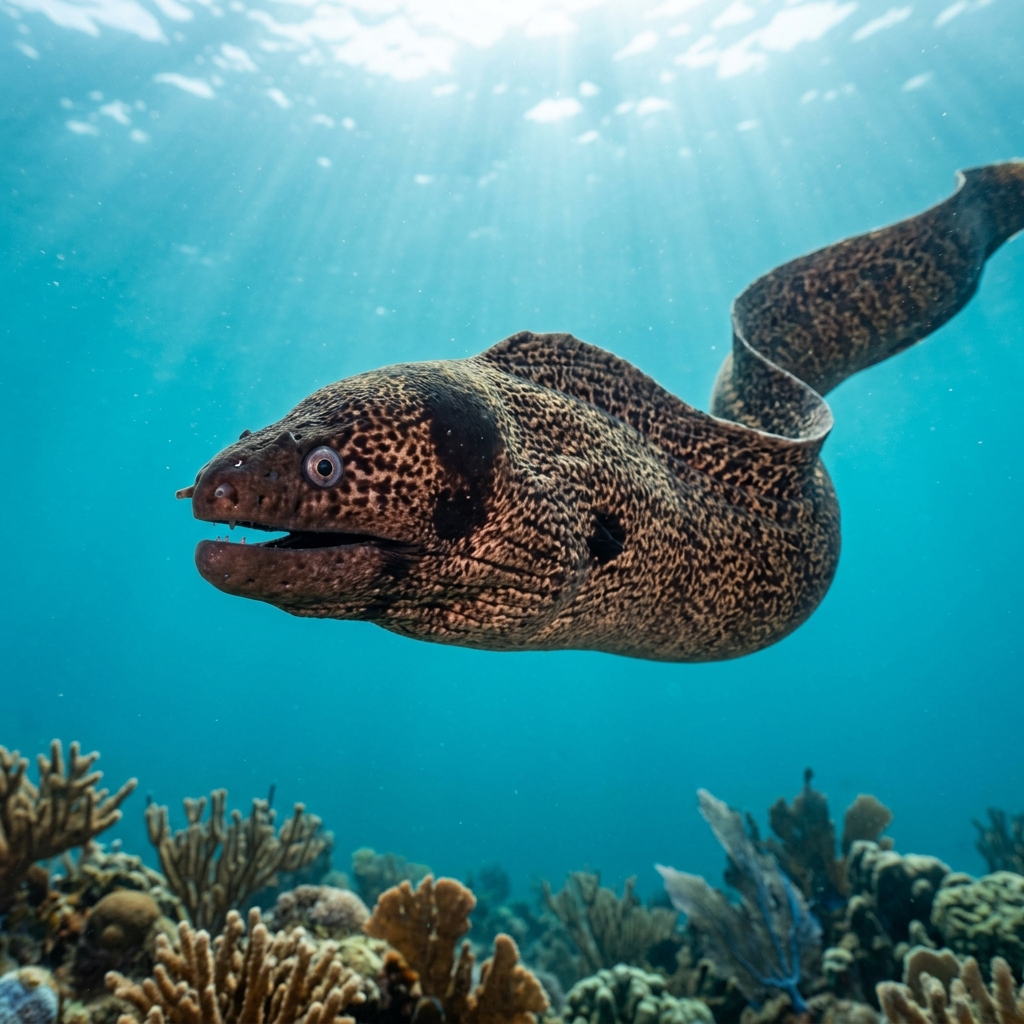
Gymnothorax breedeni
Spot the Blackcheek Moray by its dark cheek patch in the Maldives, Zanzibar, and Tofo. Sightings peak Aug, Nov in the Southern Hemisphere.
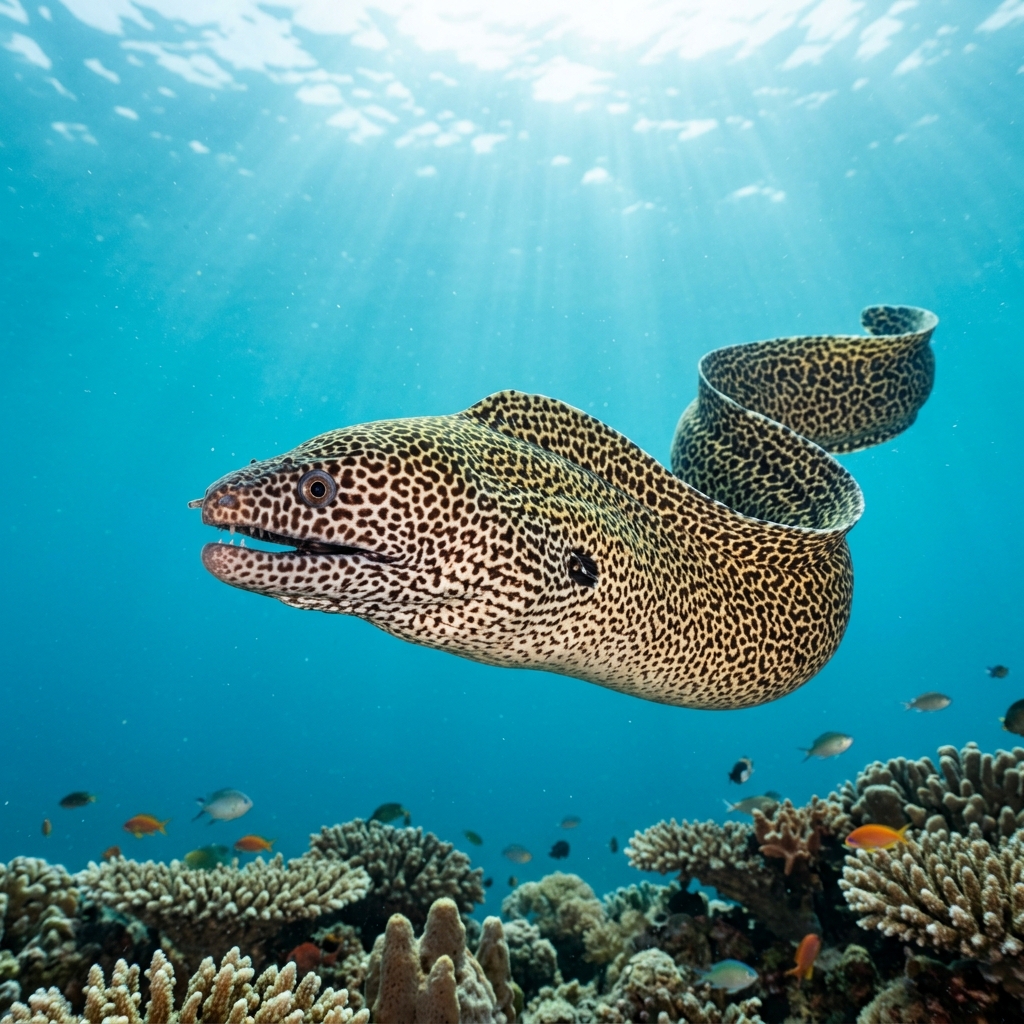
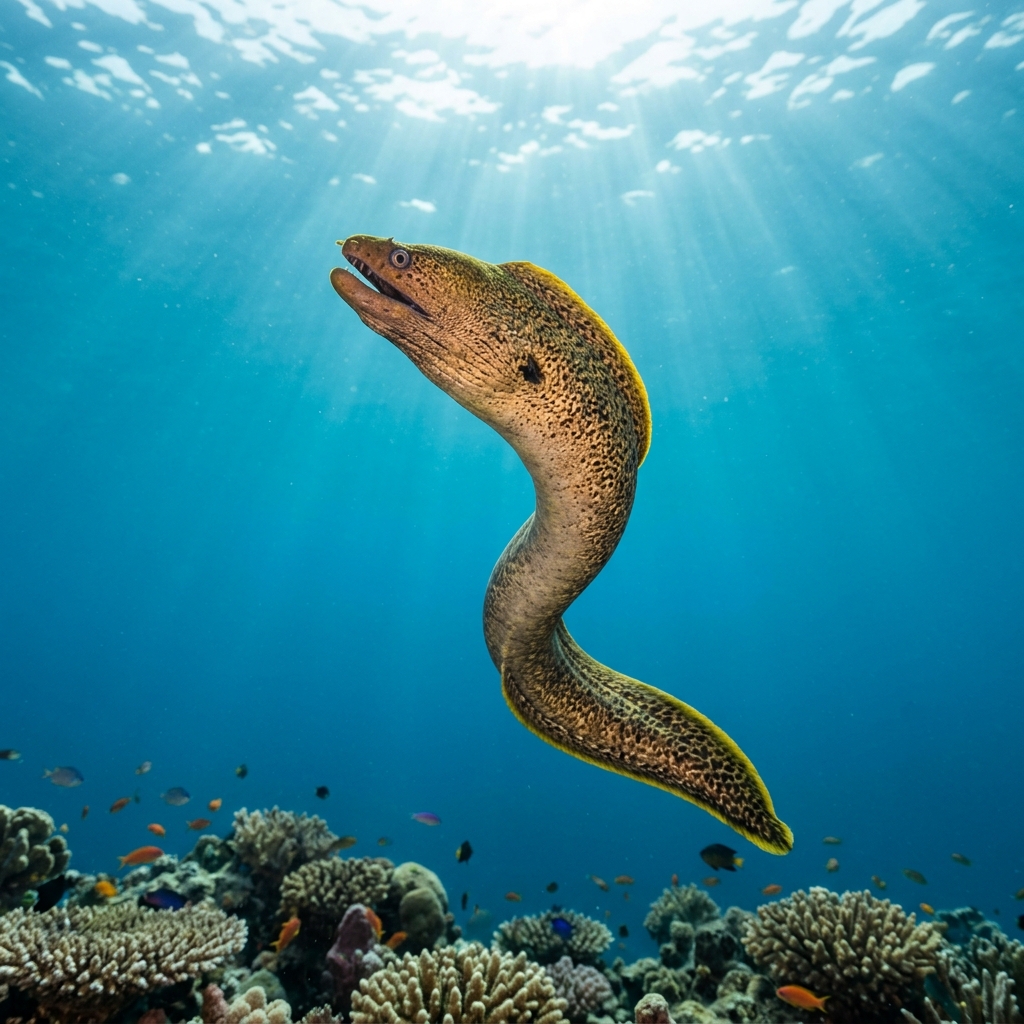
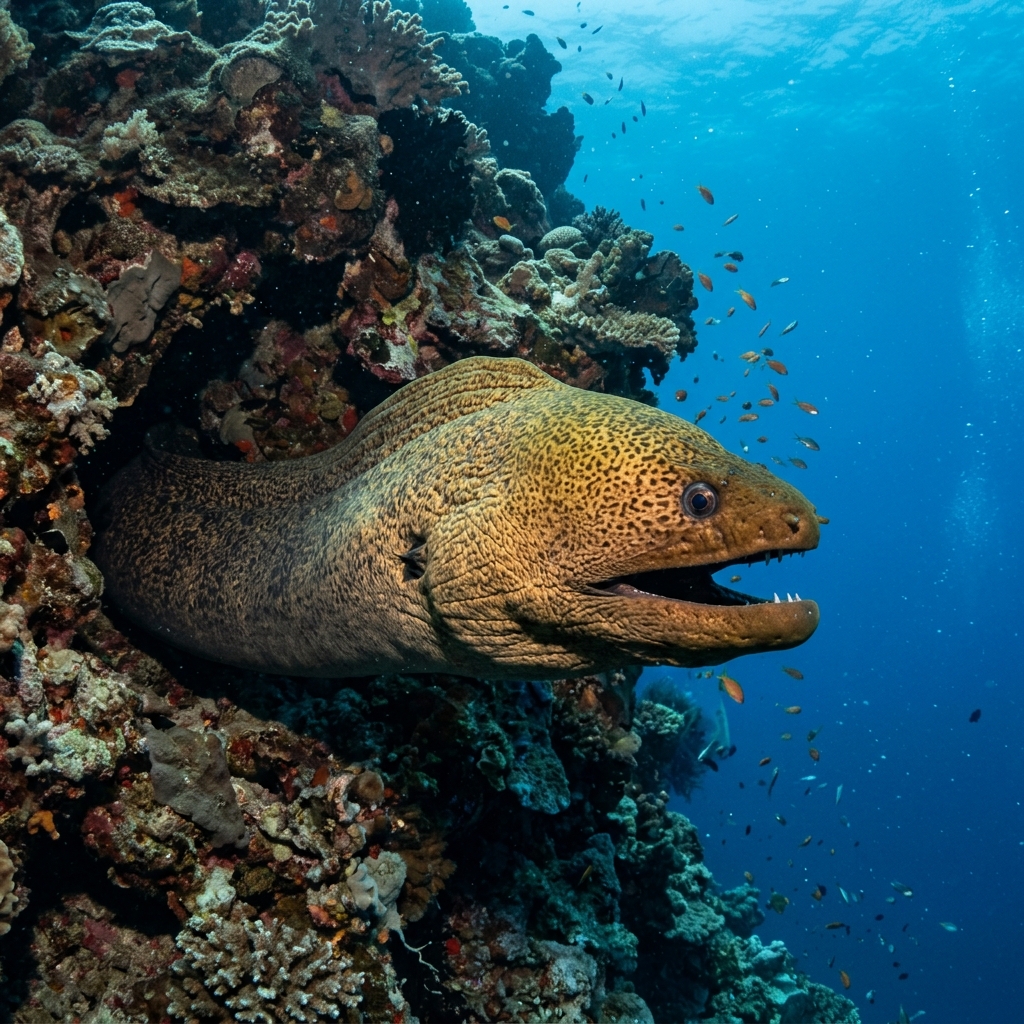
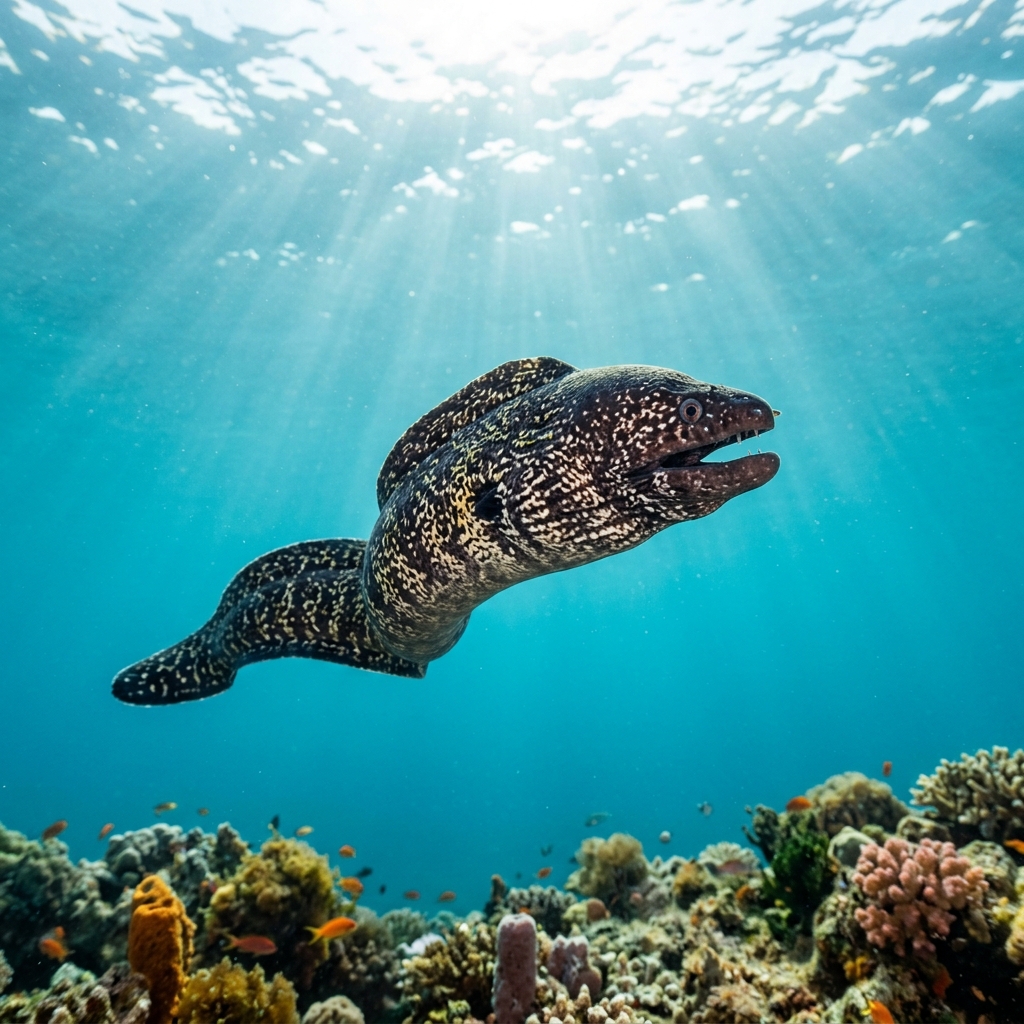
The name gives it away: look for a bold dark patch on the cheek and jaw area that contrasts with the rest of the mottled brown body. It shares the typical moray build, long and muscular with no pectoral fins, but that black or very dark blotch behind the mouth is the field mark to lock on to. In the water it usually presents as a head-and-neck view from a reef crack, so focus on the face first.
Like most morays, the blackcheek moray is a reef-dweller that spends the day tucked into crevices, ledges, and coral heads with just its head visible, slowly opening and closing its mouth to pass water over its gills. Divers who slow down and scan the rubble at the base of coral structures are most likely to find one. It is not considered aggressive and will typically retreat deeper into its hole if approached too closely.
Morays rely almost entirely on a highly developed sense of smell to hunt, compensating for relatively poor eyesight. That rhythmic jaw-gaping you see is respiration, not a threat display.
In the Southern Hemisphere sites (Mozambique, South Africa, Tanzania) sightings concentrate between August and November, so that austral late-winter to spring window is the best bet for those destinations. The Maldives data does not show a strong seasonal peak, which fits the species' tolerance for water temperatures up to 29 °C on year-round tropical reefs.
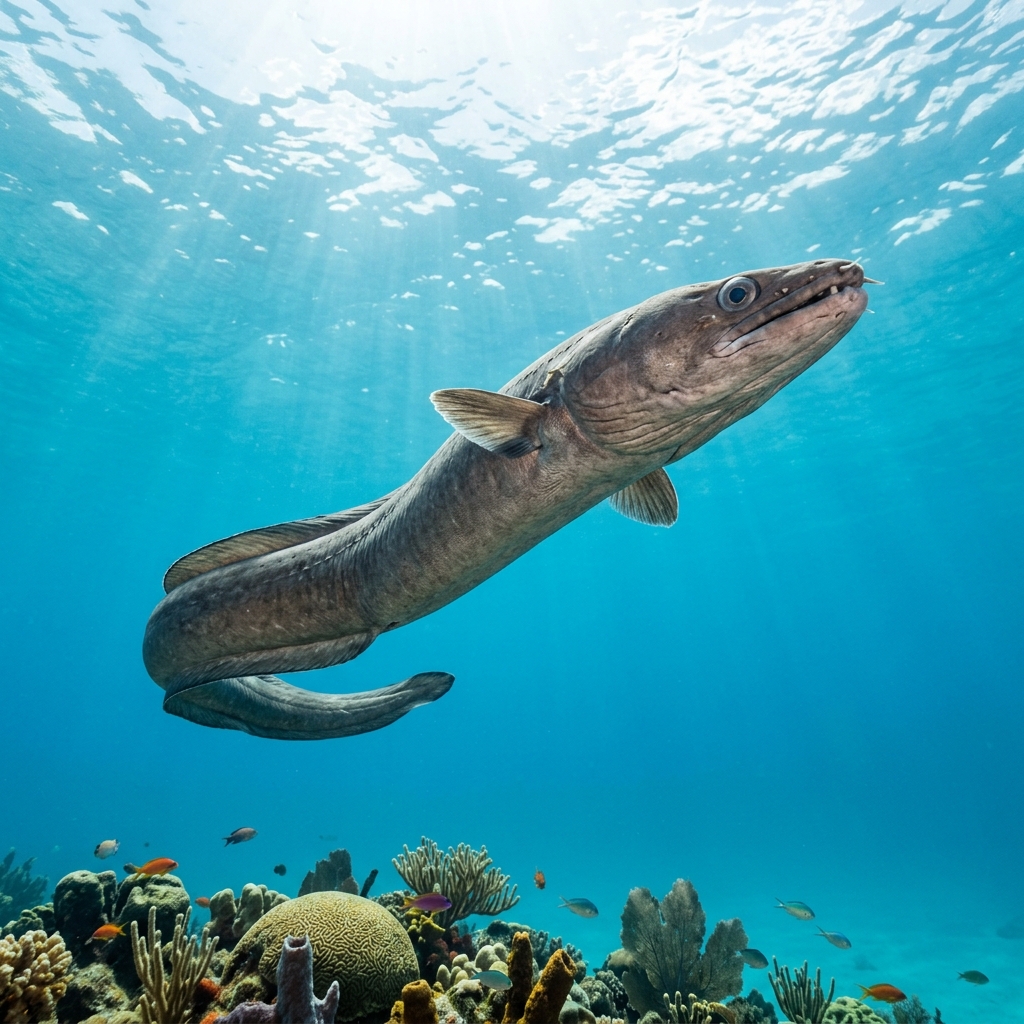
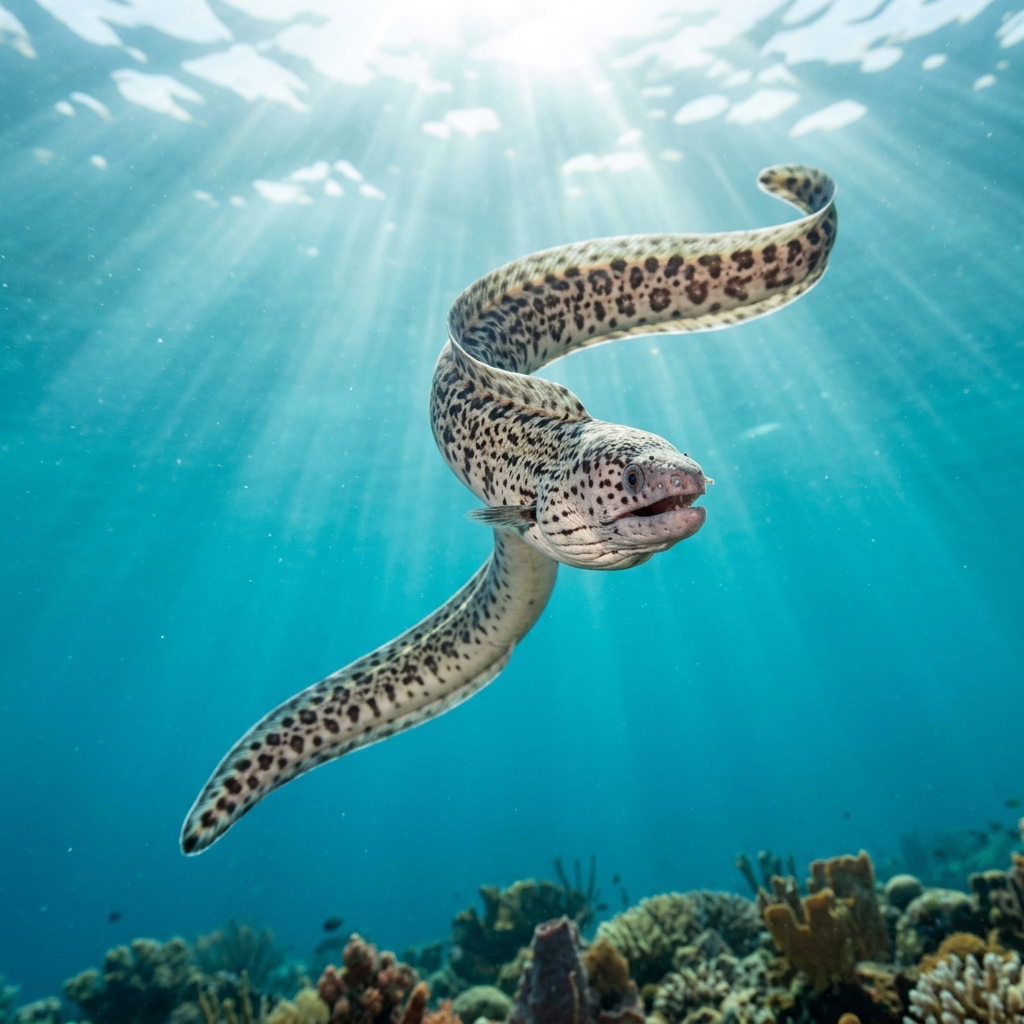
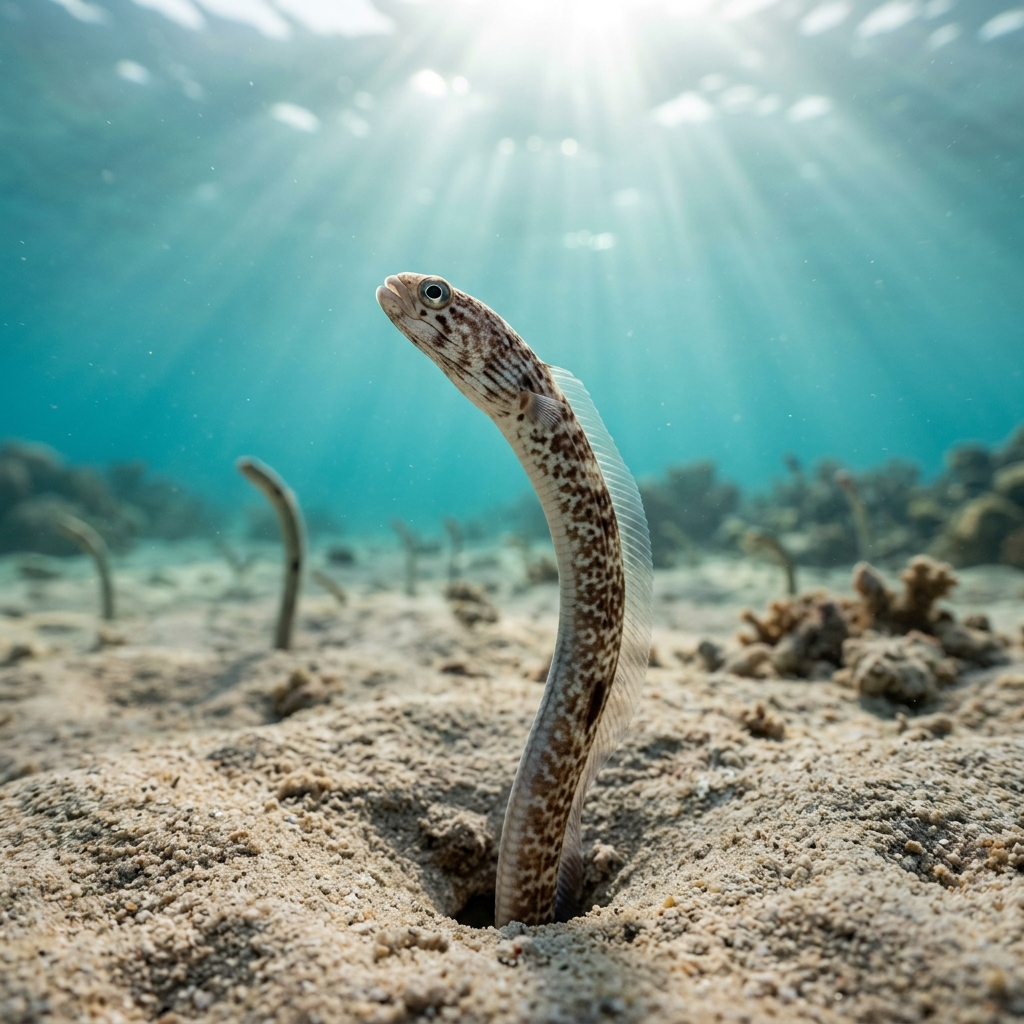
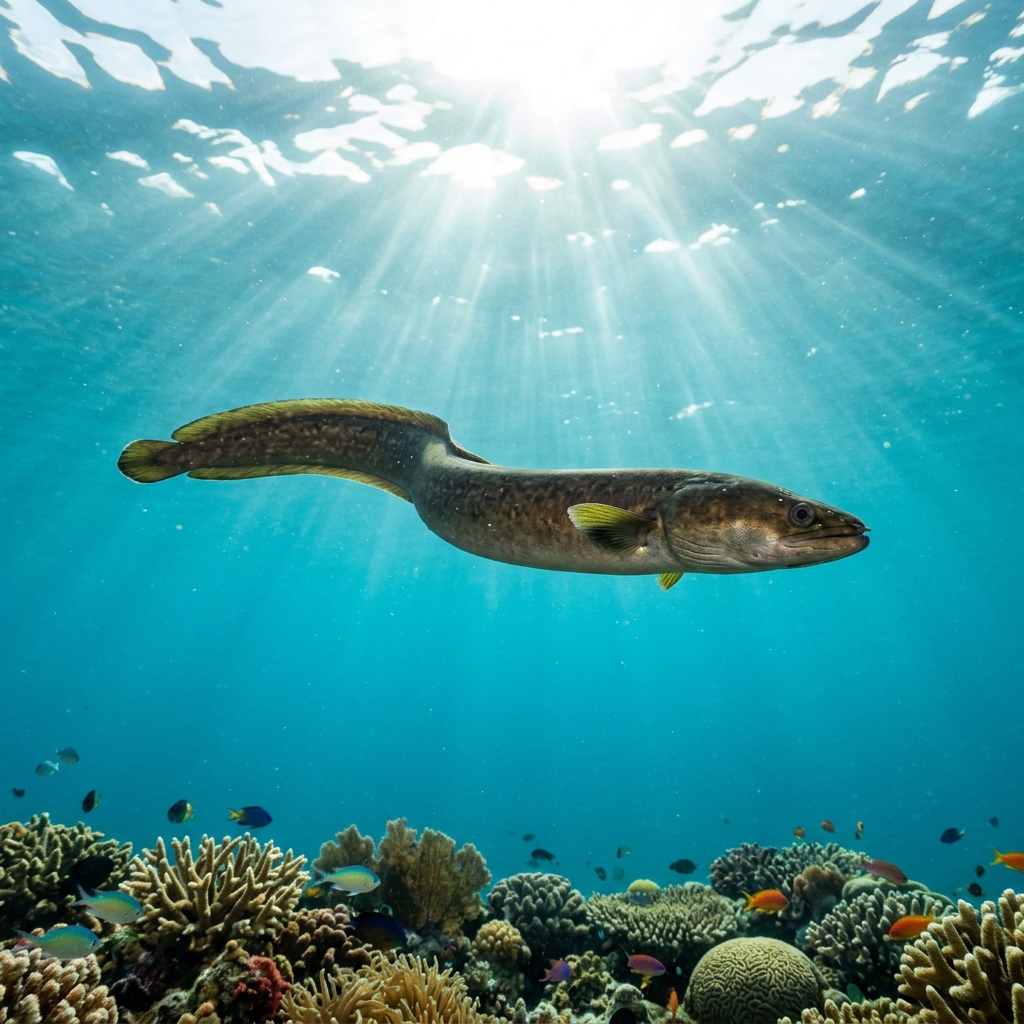
Reef neighbours a diver could mistake it for. Use the identification notes above to tell them apart.
The Maldives accounts for the largest share of logged sightings, with Male & Ari Atolls and the Deep South both producing records regularly. Zanzibar in Tanzania and the Tofo area of Mozambique are the next strongest hubs, making the western Indian Ocean the clear centre of gravity for this species. A handful of sightings also come from Ponta do Ouro, Mozambique and the Durban & North Coast area of South Africa.
Mapping where Blackcheek Moray is logged…
The species is most reliably logged across the Maldives, particularly around Male & Ari Atolls and the Deep South. Zanzibar, Tanzania and the Tofo area of Mozambique are also strong options, with additional sightings reported from Ponta do Ouro and the Durban & North Coast of South Africa.
For Mozambique, South Africa, and Tanzania, sightings bunch up between August and November. In the Maldives, the species appears year-round in warm tropical water, so there is no single best window for those islands.
Focus on the face: a dark, blackish patch covering the cheek and lower jaw area is the key mark that separates this species from similar brown morays on Indo-Pacific reefs. The rest of the body is mottled brown, typical of the family. You will most often see just the head poking from a reef crevice, so that cheek blotch is usually the only feature you need.
No. The blackcheek moray is not considered dangerous to divers. Like all morays it may bite in self-defence if harassed or cornered, so the standard rule applies: keep hands away from crevices and give it space to retreat.
Across the sites where it has been recorded it is rated uncommon rather than abundant, so a sighting is a pleasing find rather than a routine one. Slowing down on the reef and scanning crevices carefully improves your chances considerably.
Site and sighting data is aggregated from diver logs, iNaturalist and GBIF. For taxonomy and conservation status:
Garden Eel
2,448 sites