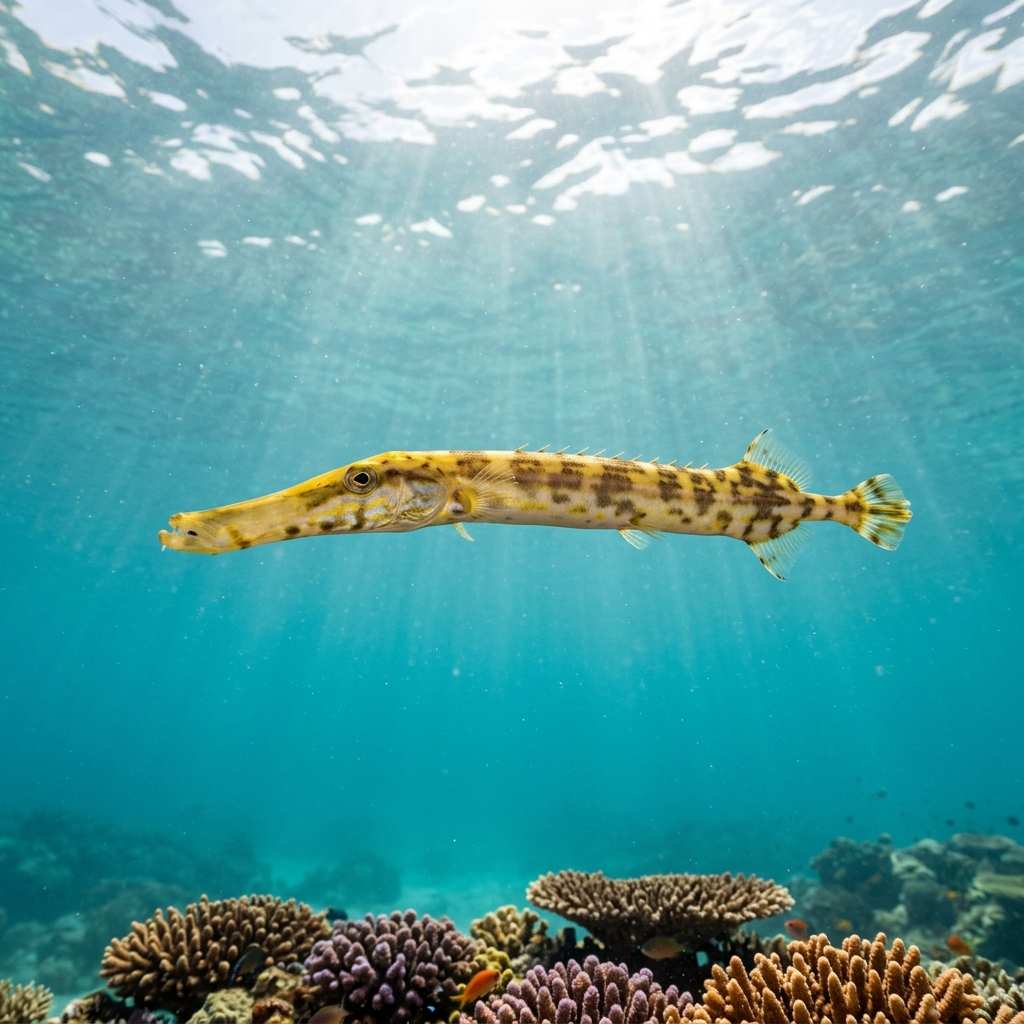
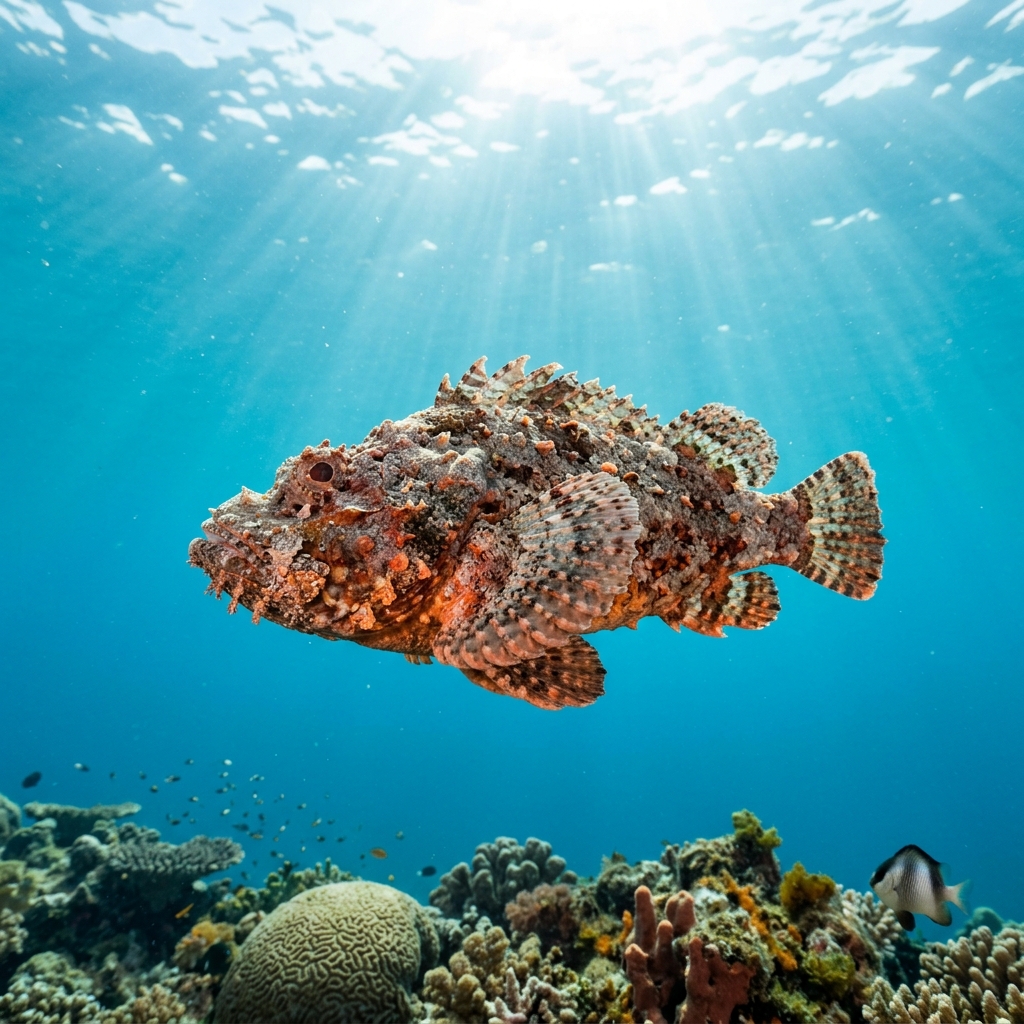
Inhambane is defined by deep offshore reefs, strong drift dives, and a remarkable cast of large marine animals. The sites spread across two main sub-areas: Tofo and Barra to the north, and Guinjata Bay and Paindane to the south. Most diving is boat-access only, reaching reef systems that range from shallow beginner-friendly craters and archways to deep advanced walls and drift channels. Potato Bass and Pacific Trumpetfish are observed across almost every site, while Whale Shark, Zebra Shark, Guitarfish, and occasional Humpback Whale appearances set Inhambane apart from more typical reef destinations. Currents and depth mean experienced divers get the most from the region.
2 areas
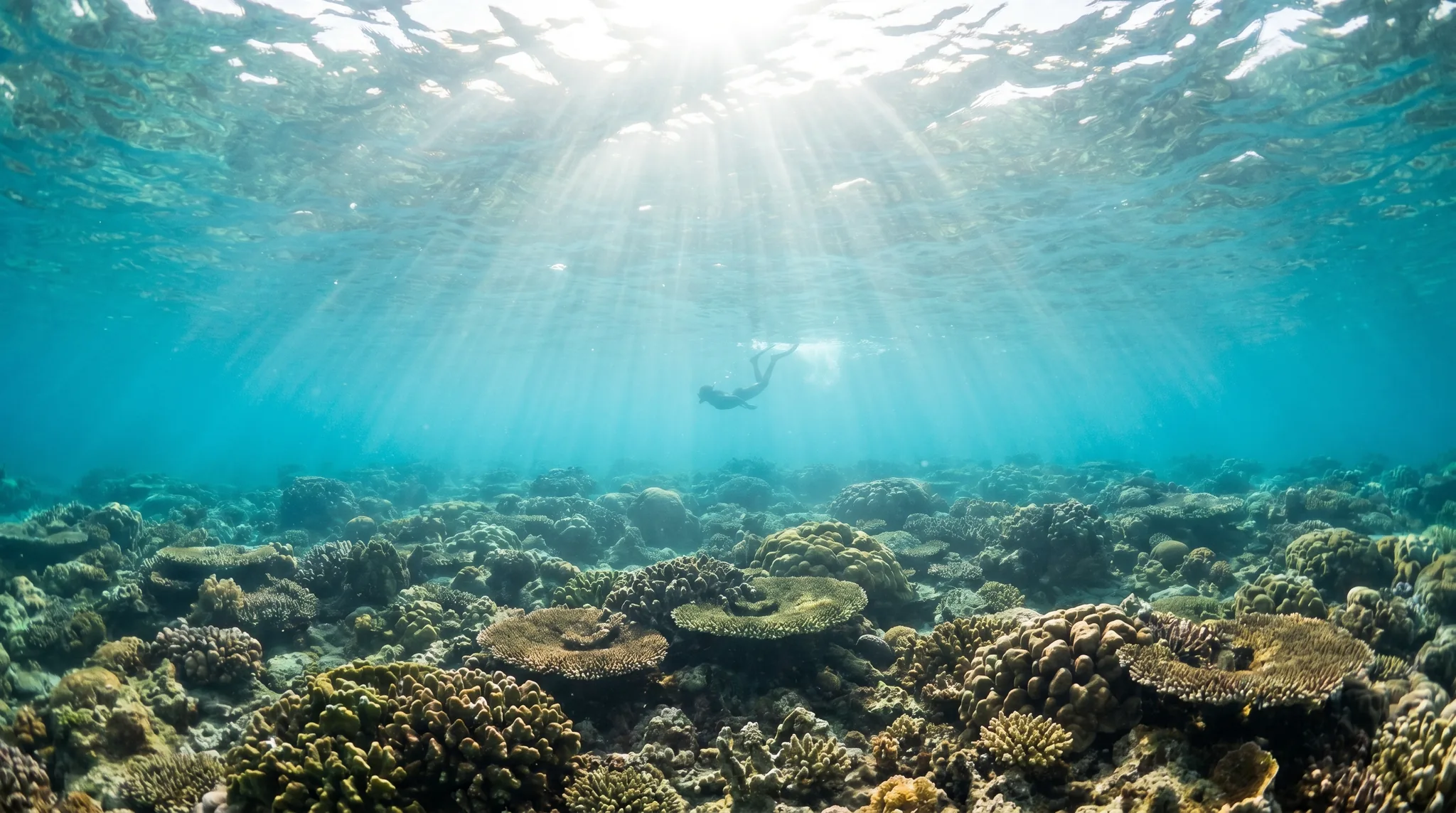
Monthly water temperature across Inhambane's sites, from satellite sea-surface data corrected for depth. The band shows the site-to-site spread.
Water stays warm year-round, peaking through the early months of the year and cooling slightly from mid-year into spring. The strongest concentration of top-rated dive months falls between September and October, with March and May also highly regarded. Visibility is highly variable, so divers should expect conditions to differ significantly between trips, particularly when currents are running strongly at the exposed offshore sites.
33 operators
Inhambane, Mozambique
Maputo, Mozambique
4 more sites to explore
Water temperature around Inhambane ranges from about 24°C in July to 28°C in March, based on satellite sea-temperature data for its dive sites.
In the warm season (about 28°C) a rash guard or 3mm shorty is comfortable in Inhambane; in the coldest months (about 24°C) step up to a 3mm full suit.
Fin maps 37 sites in Inhambane (37 scuba diving sites), organised into 2 areas.
Across Inhambane's dive sites, March, May, September and October are most often reported as the best months to visit.
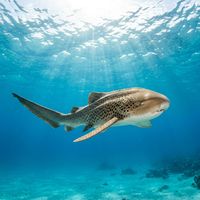
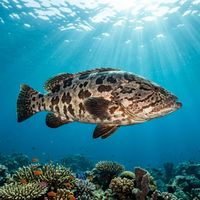
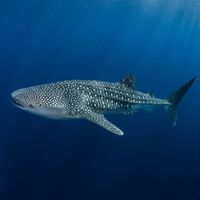
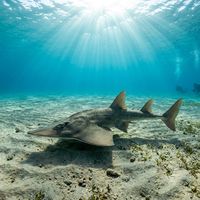
Inhambane has observation-backed records of Whale Shark, Zebra Shark, and Guitarfish across many of its sites. Potato Bass are seen very commonly, and Grey Reef Shark encounters are recorded with reasonable frequency. Occasional sightings include Humpback Whale, Green Sea Turtle, Bottlenose Dolphin, Dugong, and Napoleon Wrasse.
A portion of the sites are rated beginner level, including Krakatoa, Marble Arch, Chamber of Secrets, and Praia Da Rocha. These are shallower reef dives accessed by boat, offering a gentler introduction to the underwater environment. The majority of Inhambane's sites are intermediate or advanced, with deep reefs, strong currents, and open-water drift conditions that require solid buoyancy and drift-diving experience.
Tofo and Barra is the larger sub-area, with notably more listed sites including many of the well-known deep drift dives such as Amazon, Devils, and Manta Reef. Guinjata Bay and Paindane offers its own set of sites, including Paindane Boulders and Pandane Express, with operators such as Guinjata Dive Centre serving that stretch of coast. Both sub-areas rely on boat access for the vast majority of dives.
Reef dives combined with drift conditions make up the core of Inhambane's offering. Many sites feature layered topography: ledges, craters, swim-throughs, boulders, and drop-offs rather than flat reef. Pomene stands out by also incorporating walls, caves, and caverns, and uniquely offers both shore and boat entry. All other top sites require boat access.