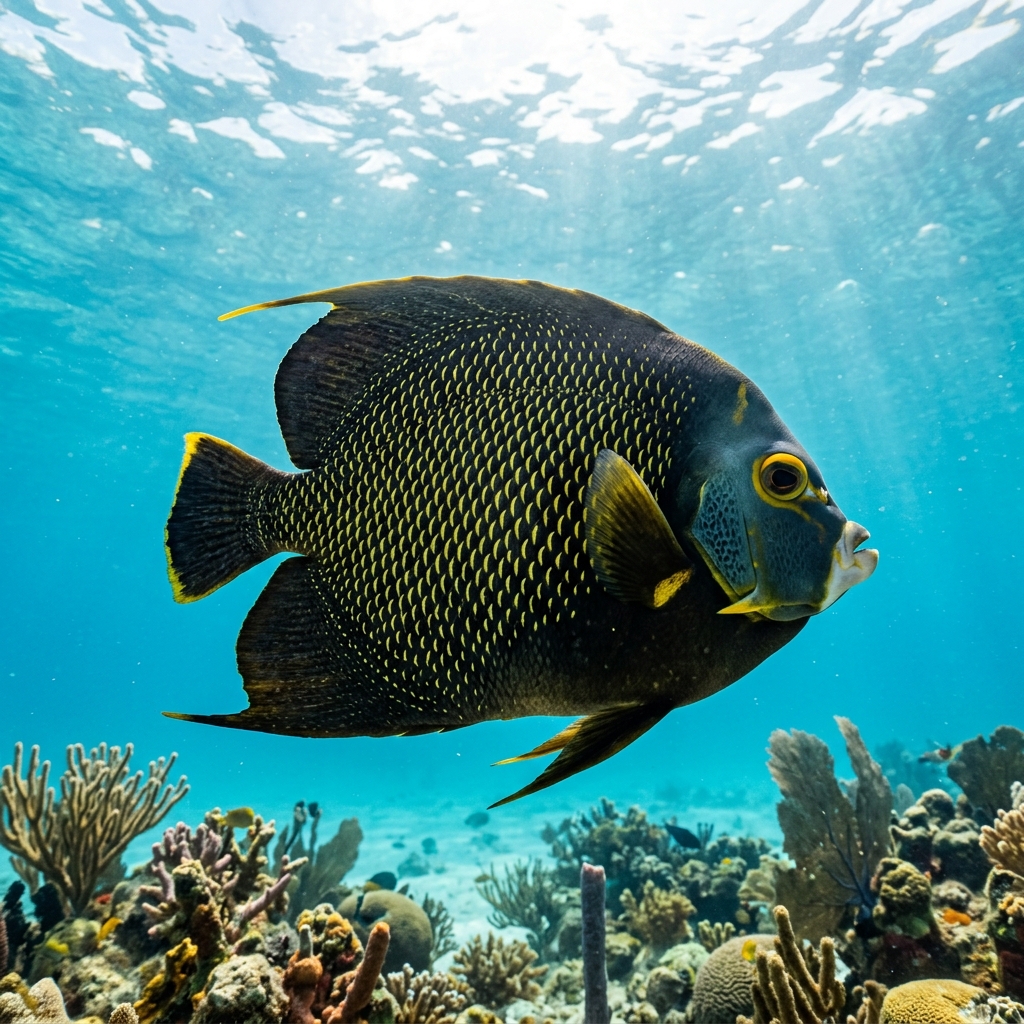
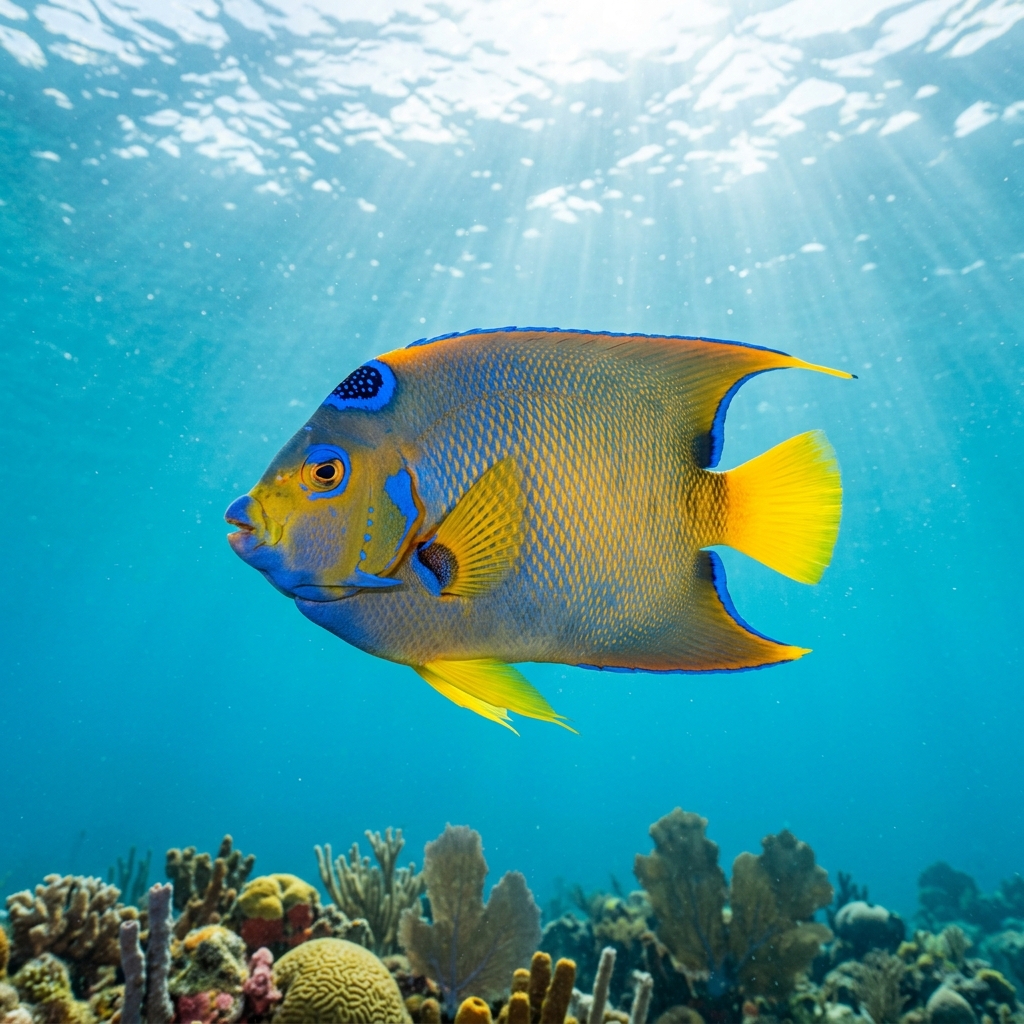
Isla Mujeres offers a varied mix of natural reef, artificial reef, wreck, cave, and drift diving, spread across sites that suit all skill levels. The underwater sculpture gallery at MUSA anchors the shallower range, while Sleeping Shark Cave and General Anaya draw advanced divers deeper. Warm water persists year-round, with the peak season running from late spring through summer. Reef life is rich, with French Angelfish, Blue Tang, Caribbean Spiny Lobster, and occasional Whale Shark sightings across the sites.

Monthly water temperature across Isla Mujeres's sites, from satellite sea-surface data corrected for depth. The band shows the site-to-site spread.
Water stays warm throughout the year, climbing to its highest in late summer and remaining comfortable even in the cooler months of January through April. The peak season runs from May through September, when conditions and marine activity are at their most consistent. Exposed southern sites such as Punta Sur and General Anaya can carry strong currents, so conditions vary noticeably depending on which part of the island you are diving.
17 operators

25 more sites to explore
Water temperature around Isla Mujeres ranges from about 27°C in January to 30°C in August, based on satellite sea-temperature data for its dive sites.
With water around 27–30°C, a rash guard or 3mm shorty works in Isla Mujeres year-round.
Fin maps 35 sites in Isla Mujeres (32 scuba diving sites and 11 snorkelling spots, with some suited to both).
Across Isla Mujeres's dive sites, May, June, July, August and September are most often reported as the best months to visit.
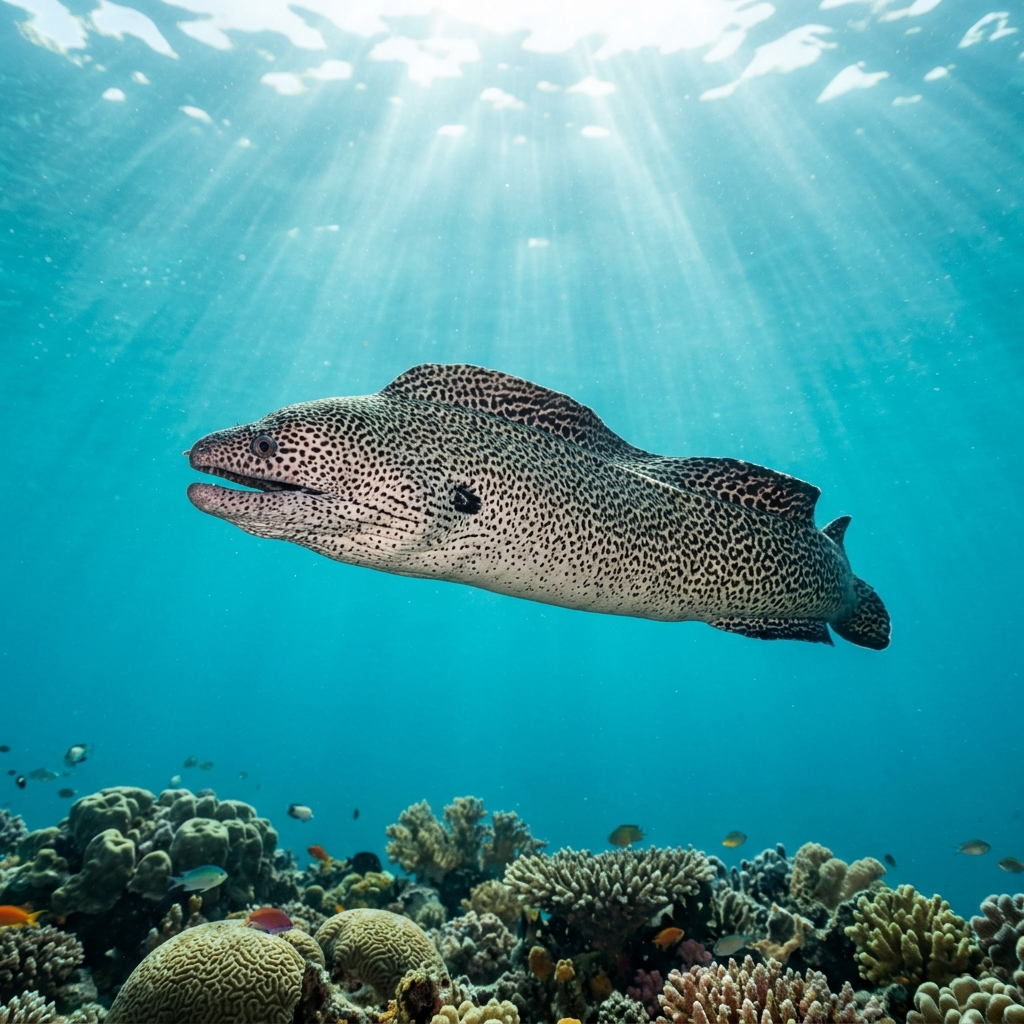
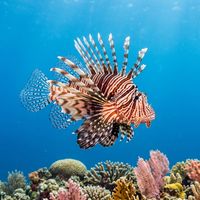
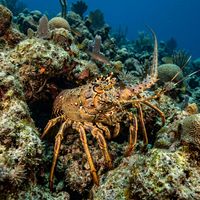
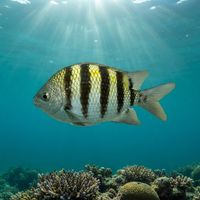
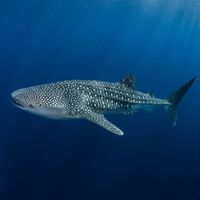
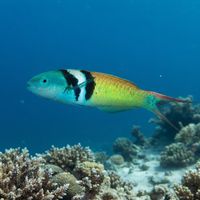
The reefs here host a wide range of species that have been observed across the sites. Very common encounters include French Angelfish, Queen Angelfish, Gray Angelfish, Blue Tang, Great Barracuda, Caribbean Spiny Lobster, Bluehead Wrasse, and Honeycomb Cowfish. Nurse Shark and Spotted Moray are also regularly seen, and Whale Shark appearances have been recorded on an occasional basis.
Yes, a good portion of the sites are rated for beginners, including MUSA, Manchones, and MUSA and Manchones Reef, all of which are shallow boat dives with accessible conditions. Intermediate options such as Bandera offer a step up without requiring advanced certification. Advanced divers have their own dedicated sites, including Sleeping Shark Cave, Sleepy Shark Caves, and General Anaya, which involve greater depth and stronger currents.
All of the listed sites are accessed by boat, so you will need to go out with a local operator. There are many operators based in the area, including Mexico Divers, Sea Hawk Divers, Pocna Dive Center, Underwater Mexico, and Scuba Musa, among others. Booking with a local dive centre is the standard way to reach both the shallow sculpture sites and the deeper reef and wreck dives.
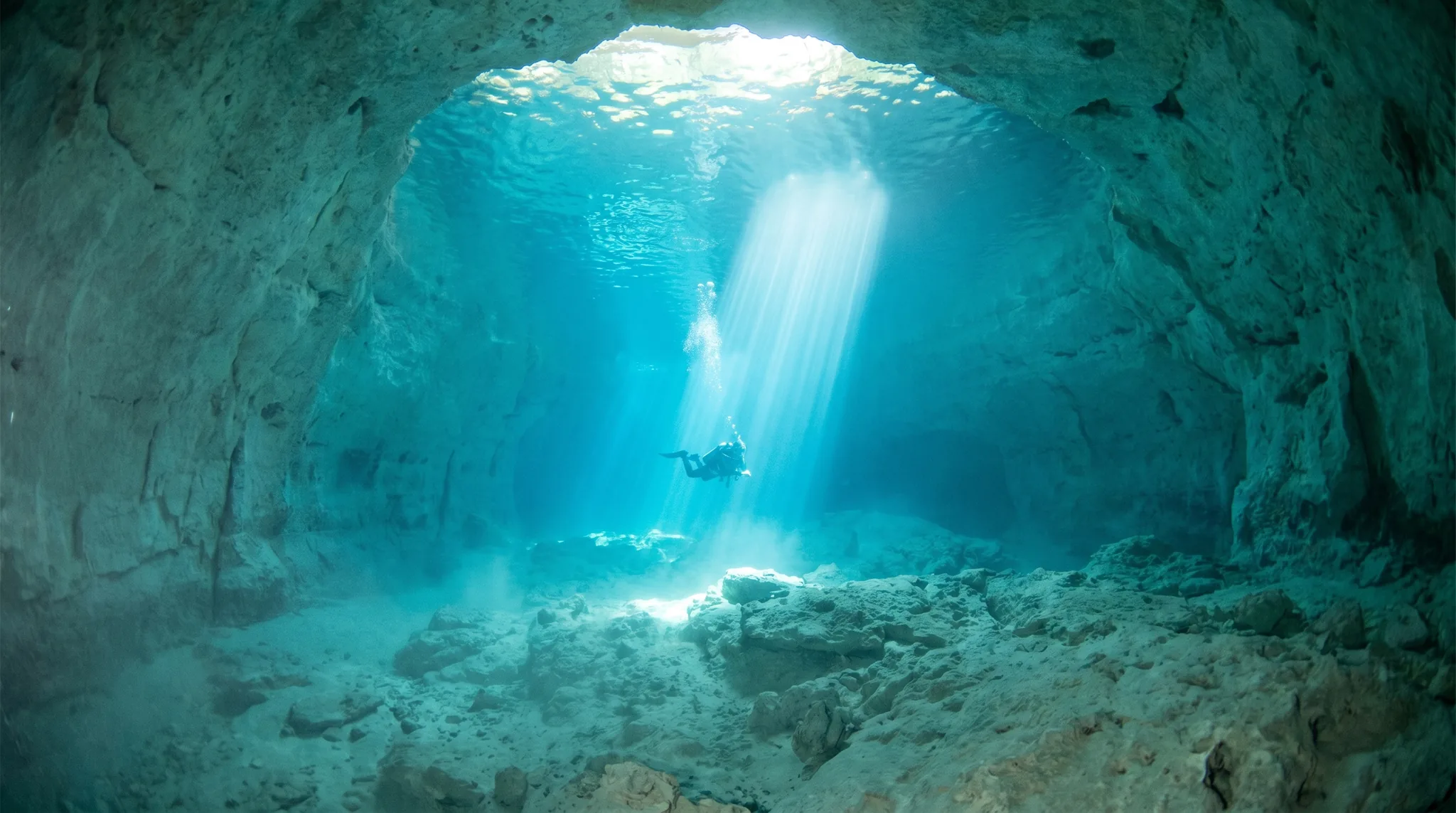
The site mix is truly broad, covering natural reef, artificial reef, wreck, cave, and drift environments. MUSA and Manchones Reef represent the shallow artificial and natural reef pairing, while Punta Sur and General Anaya offer wreck and drift diving at greater depth. Sleeping Shark Cave and Sleepy Shark Caves add a cave environment to the mix, giving divers a wide range of underwater settings within a small area.