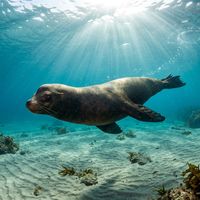
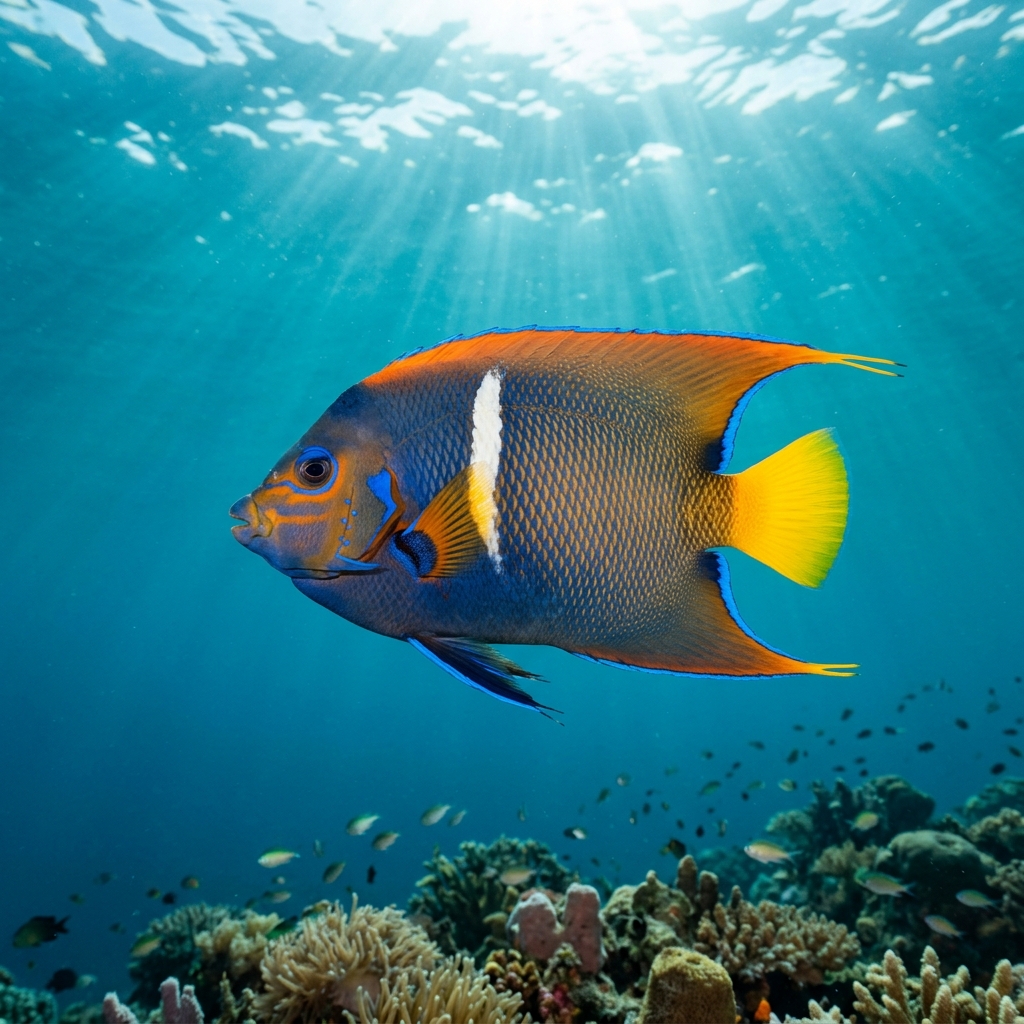
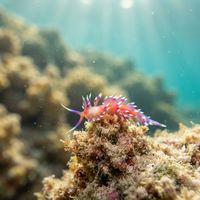
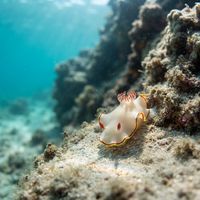
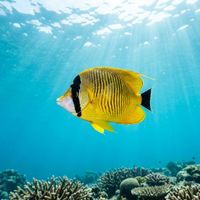
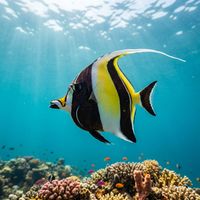
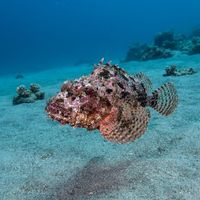
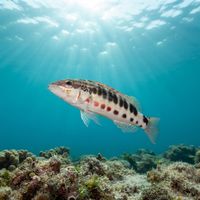
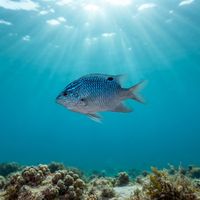
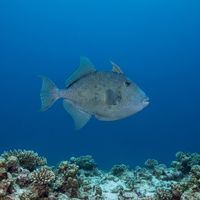
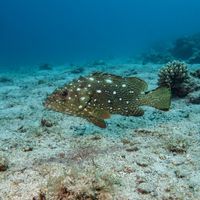
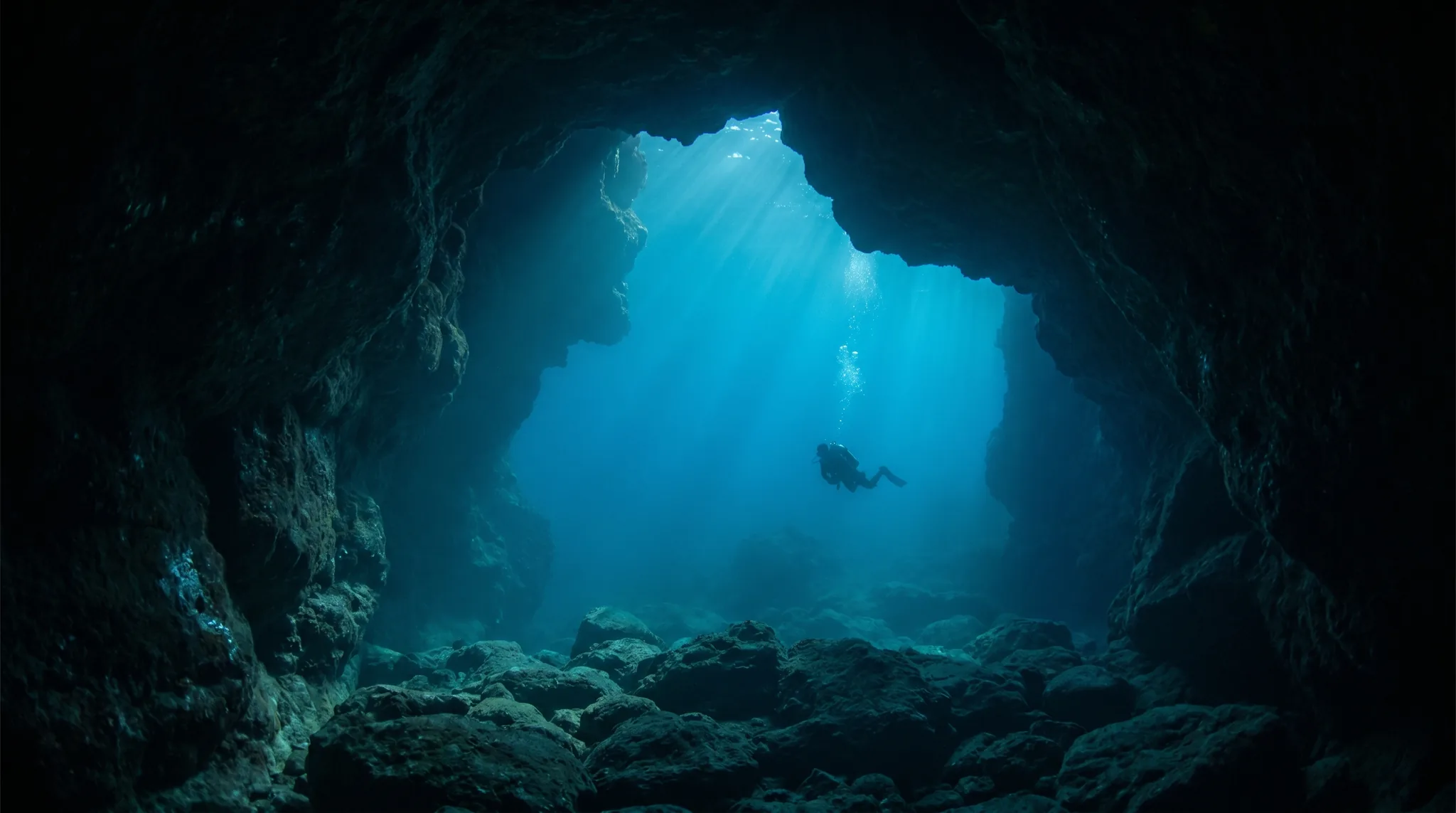
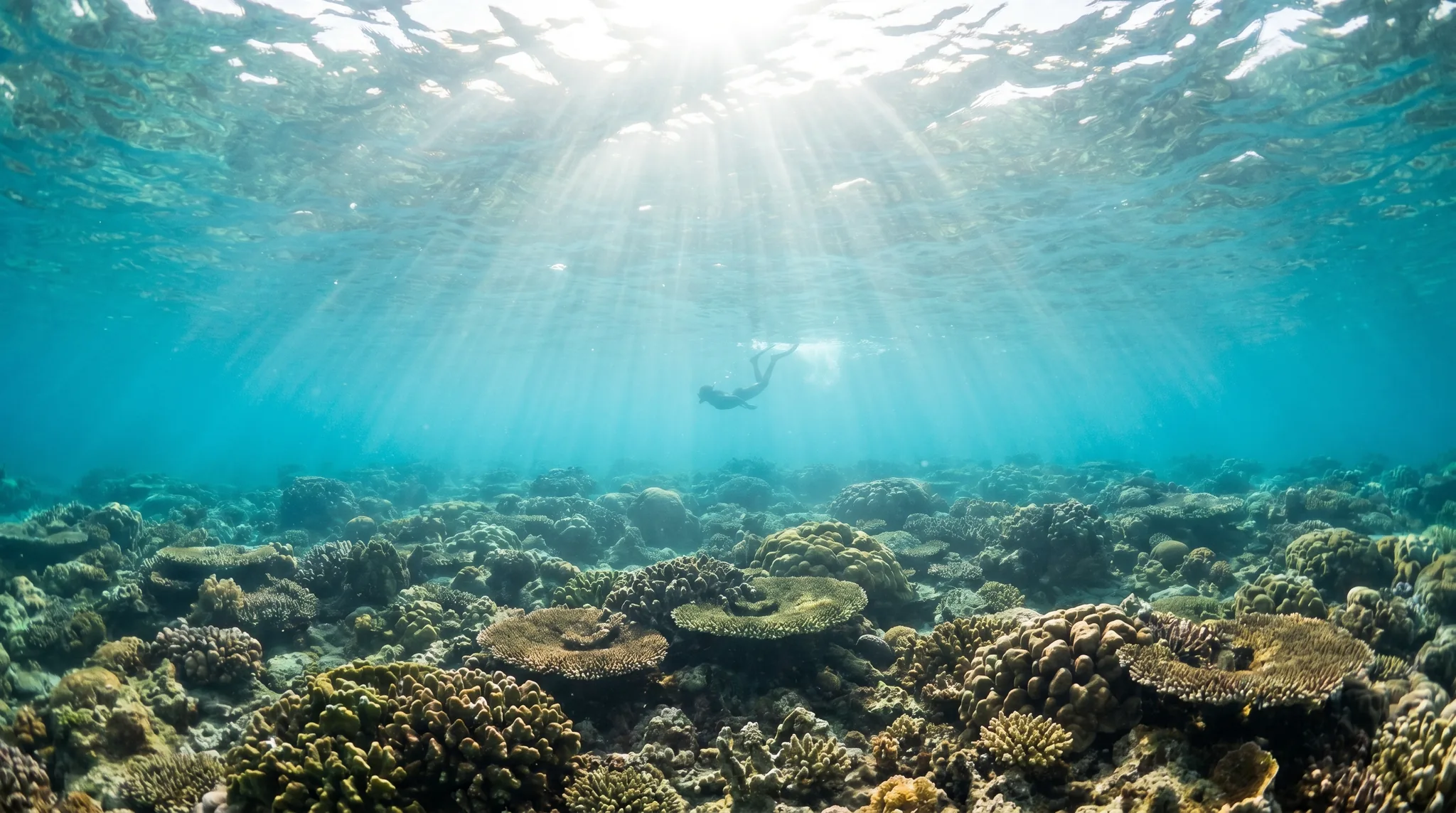
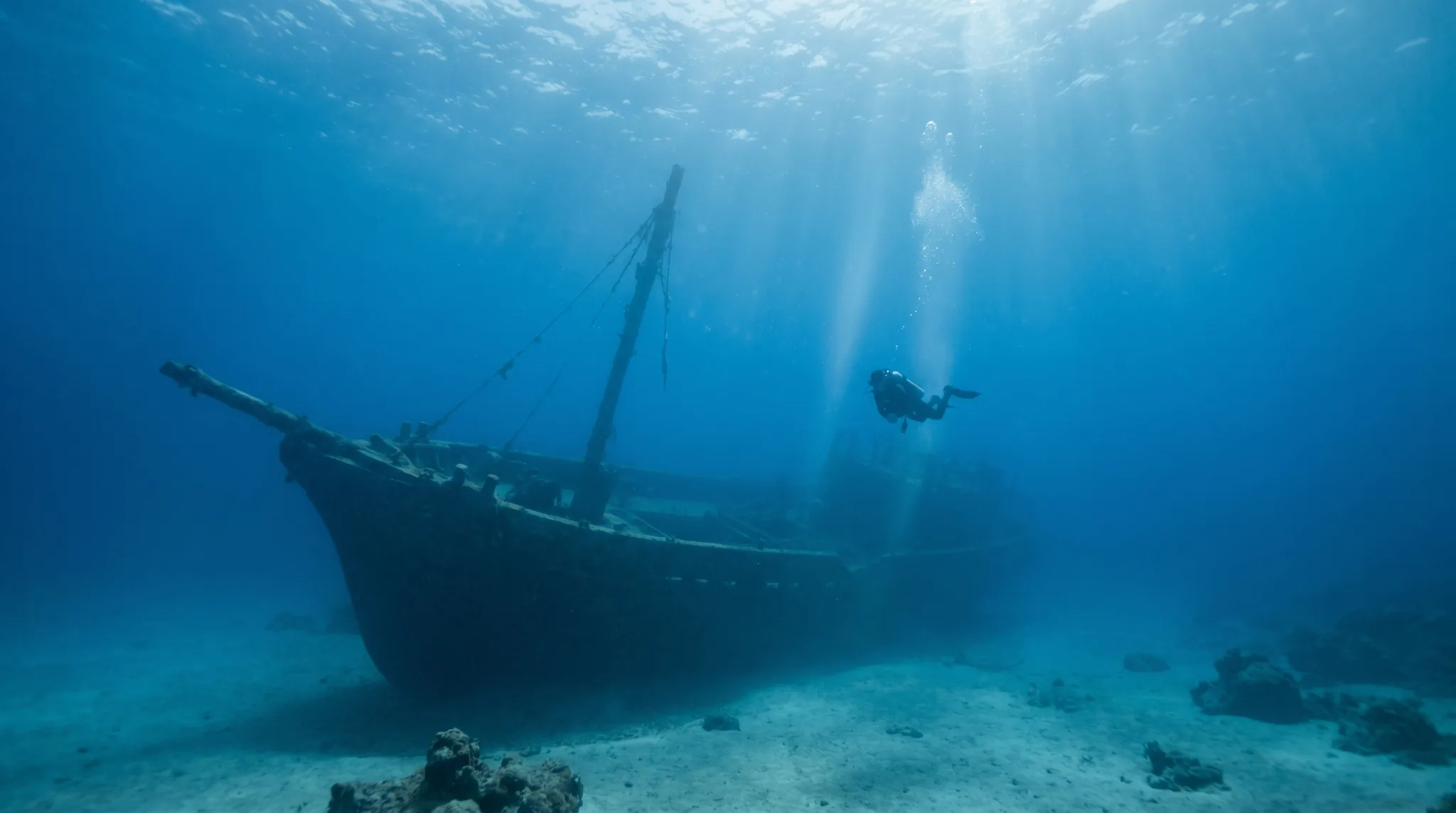
Isla San Pedro Nolasco is defined by its variety: reef walls that drop from the shallows to serious depths, cave systems, artificial reef structures, and a shallow wreck accessible to beginners. California Sea Lion encounters are very common across the sites, alongside Barberfish, King Angelfish, Moorish Idol, and Stone Scorpionfish. Nudibranch life, including Marcus' Aeolid and Red-tipped Sea Goddess, adds colour to the reefs. Most sites are boat-accessed, with a handful reachable from shore.
Monthly water temperature across Isla San Pedro Nolasco's sites, from satellite sea-surface data corrected for depth. The band shows the site-to-site spread.
Water temperatures rise through late spring and peak in late summer and early autumn, making the warmest months the most comfortable for longer dives in lighter exposure suits. The cooler winter months bring a noticeable temperature drop and thinner crowds. The best-months data points clearly to late spring through mid-autumn as the prime window, with conditions at their most settled and visibility at its broadest range.
9 operators
5 more sites to explore
Water temperature around Isla San Pedro Nolasco ranges from about 18°C in February to 29°C in September, based on satellite sea-temperature data for its dive sites.
In the warm season (about 29°C) a rash guard or 3mm shorty is comfortable in Isla San Pedro Nolasco; in the coldest months (about 18°C) step up to a 5mm suit.
Fin maps 15 sites in Isla San Pedro Nolasco (15 scuba diving sites and 1 snorkelling spots, with some suited to both).
Across Isla San Pedro Nolasco's dive sites, May, June, July, August, September and October are most often reported as the best months to visit.
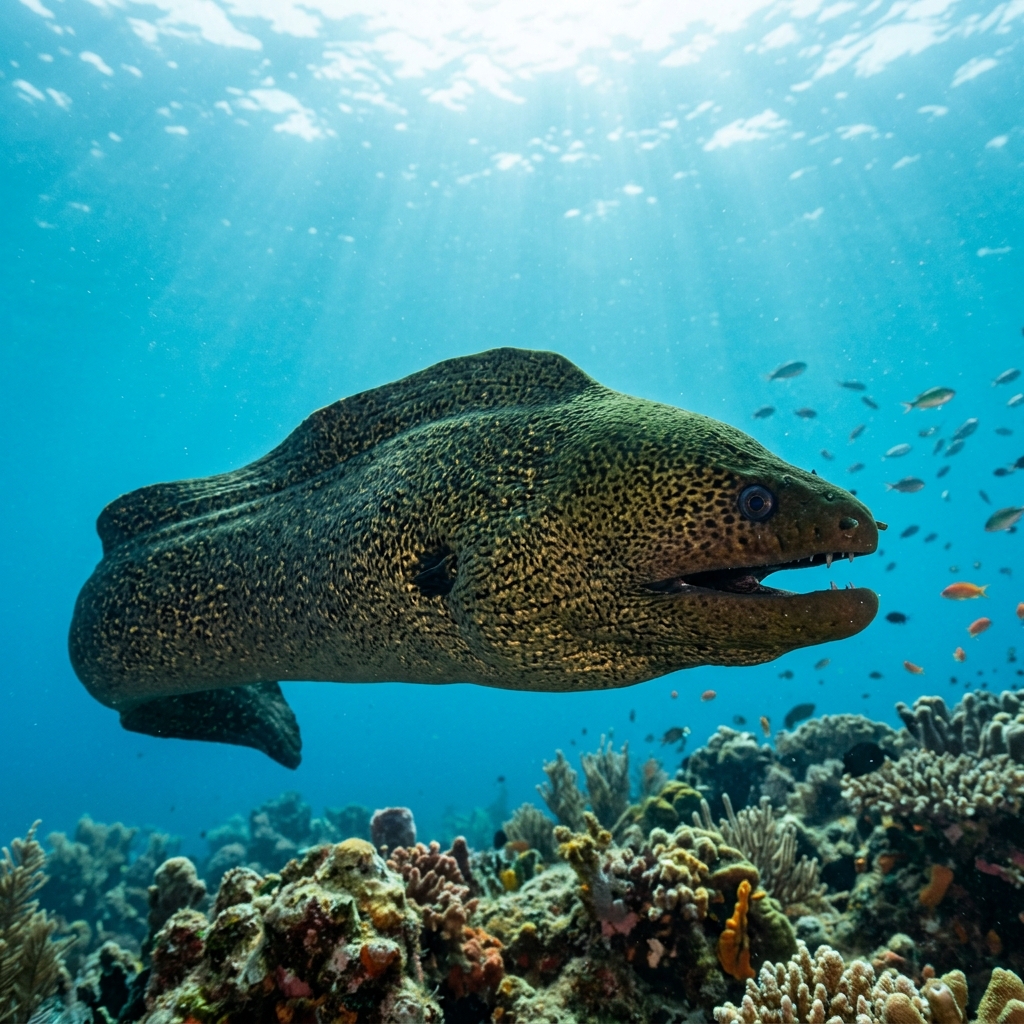
California Sea Lion is the standout encounter, observed very commonly across the sites. Barberfish, King Angelfish, Moorish Idol, and Stone Scorpionfish are also very frequently recorded. Reef fish diversity extends to Panamic Green Moray, Mexican Hogfish, Giant Hawkfish, and Flag Cabrilla, while nudibranch enthusiasts will find Marcus' Aeolid and Red-tipped Sea Goddess on the reefs.
A good portion of the sites are rated for beginners, including shallow options like Himalaya Bay, South Himalaya Bay, The Rookery, and the wreck at Punta San Pedro. Intermediate divers are well served by deeper reef and cave sites such as La Cueva and San Pedro Island. The mix means groups of mixed experience can often dive the same area from the same boat.
The majority of sites are accessed by boat, and there are several operators based in San Carlos running trips to the island, including San Carlos Dive Boats, Sonoran Sport Center, Gary's Dive Shop, and others. A small number of sites, including South Himalaya Bay and Himalaya Bay, offer shore or combined entry options for those who prefer it.
The island has an unusually varied mix for its size: natural reefs at multiple depth ranges, cave systems at sites like La Cueva and San Pedro Island, artificial reef structures, and a shallow wreck at Punta San Pedro. This range means repeat visitors can vary their dives considerably without covering the same ground twice.