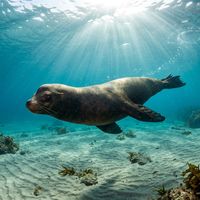
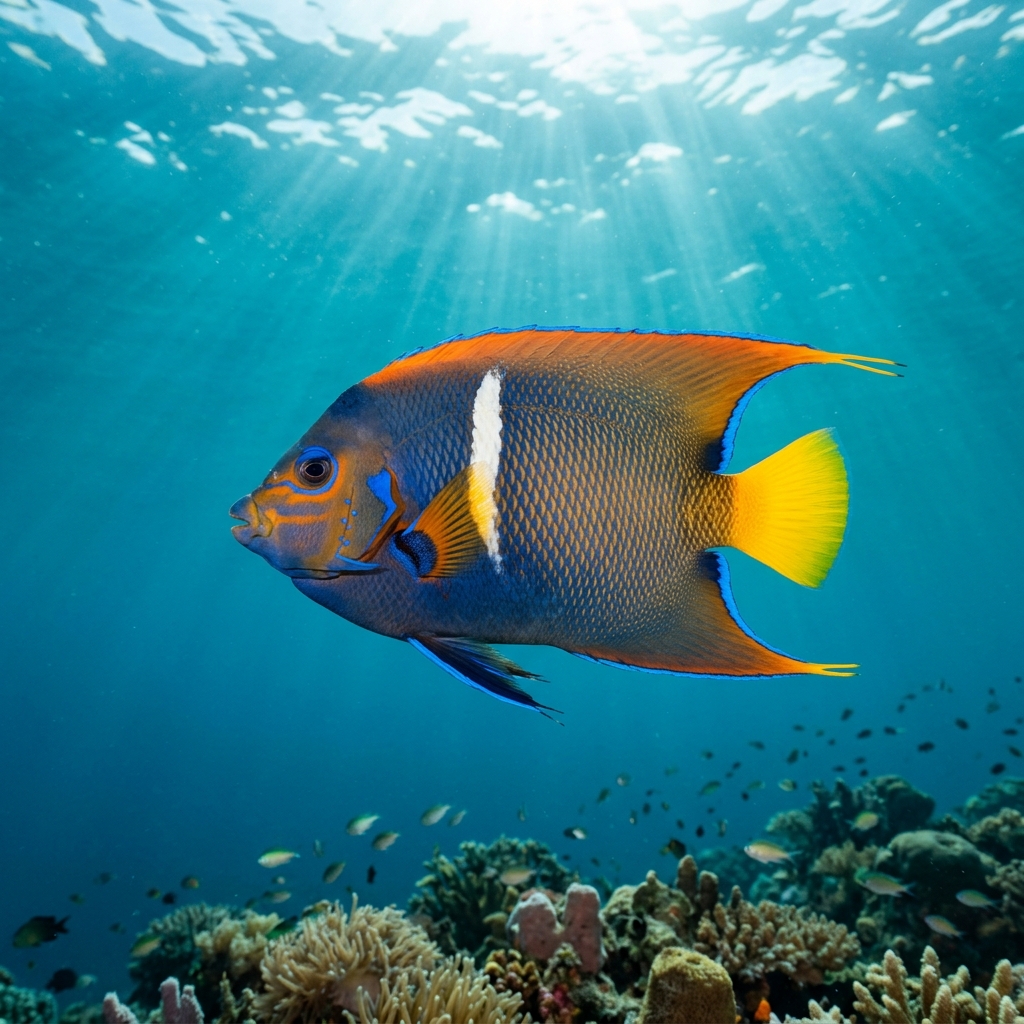
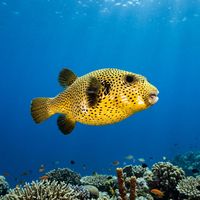
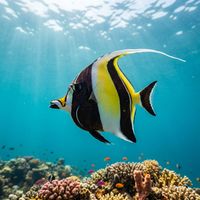
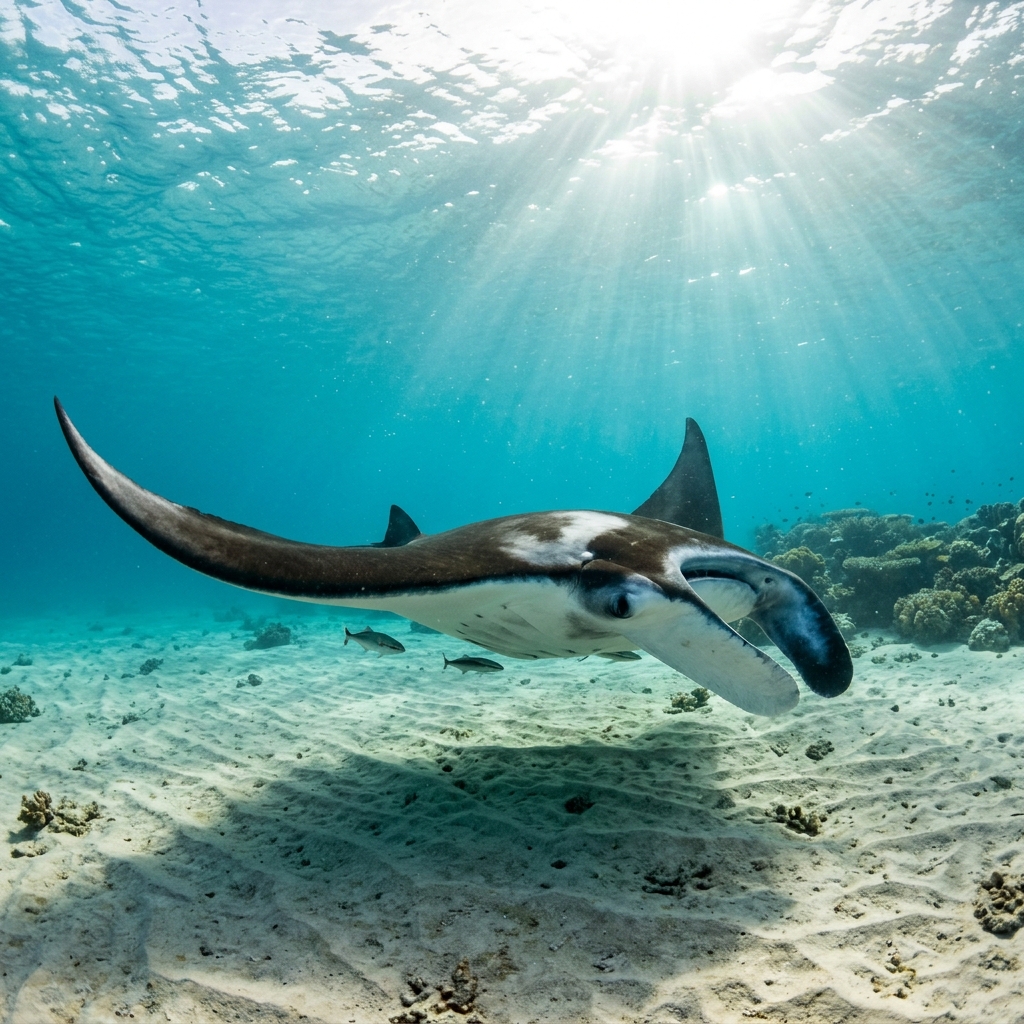
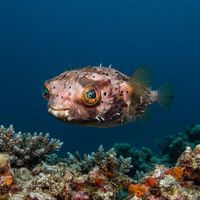
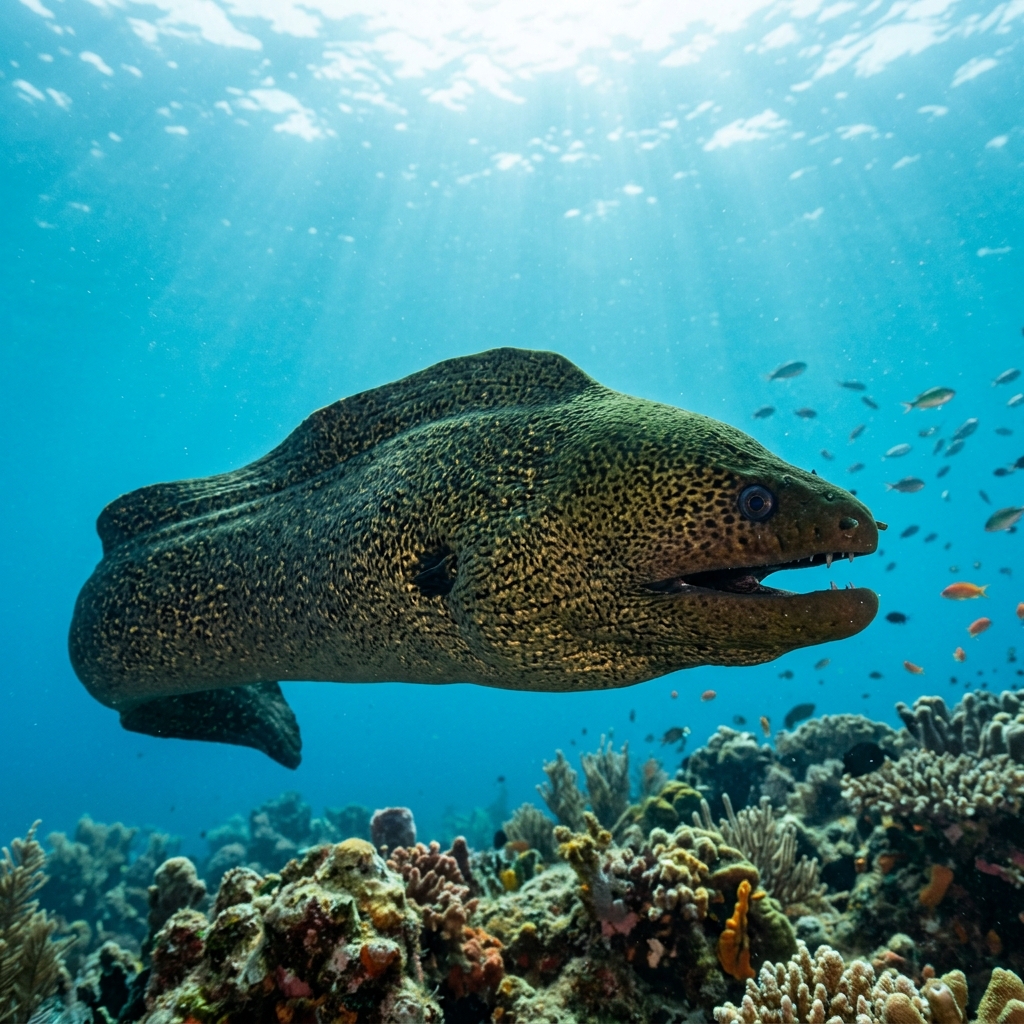
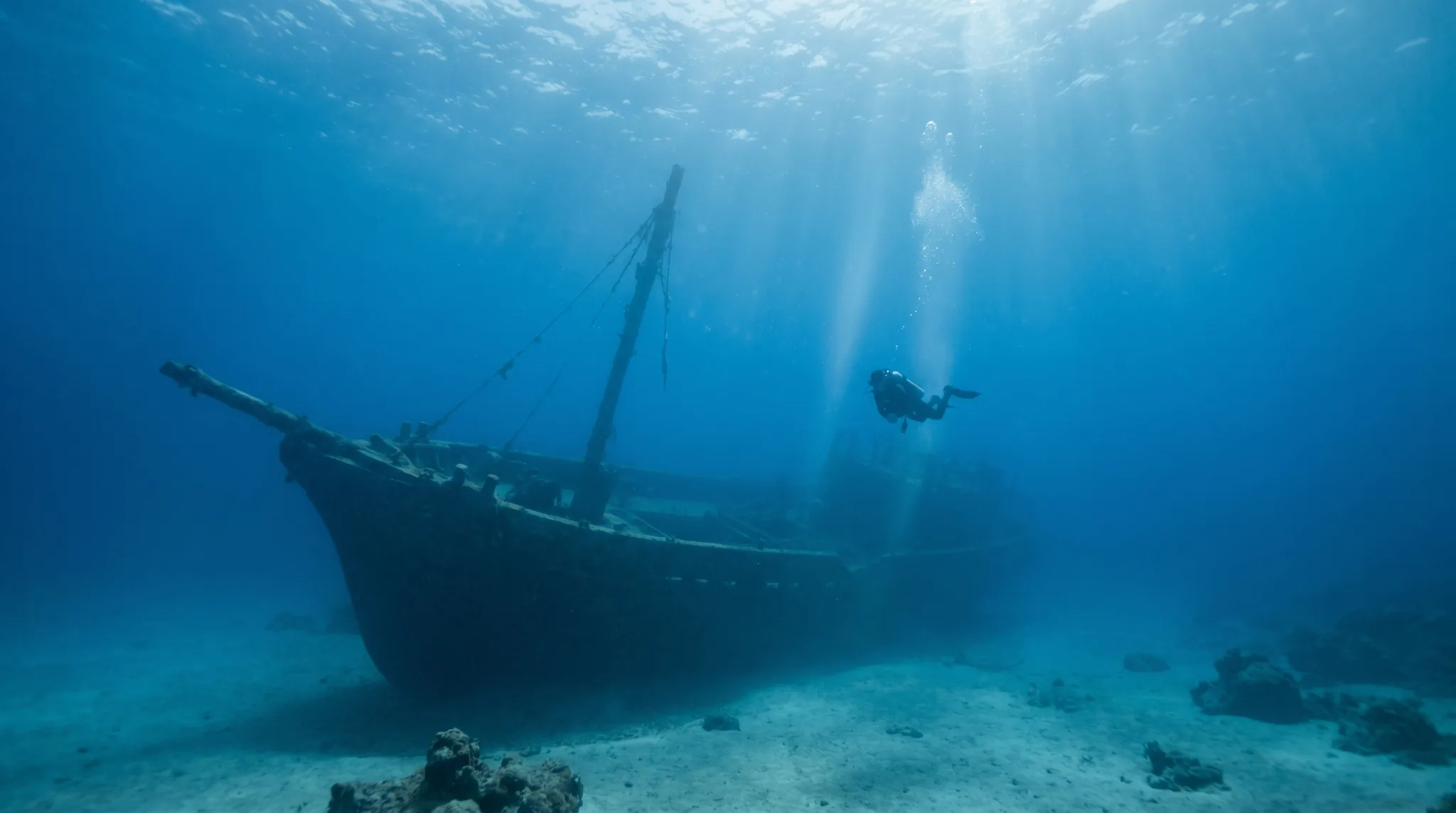
Isla Cerralvo's diving centres on boat-access reef sites, with topography ranging from shallow pinnacles and walls to deeper drop-offs and a canyon at Pargo Via. Punta Sur, at the island's southern tip where the Cerralvo Channel meets open water, suits advanced divers seeking drift and cave diving. The shallow wreck at Barco Encayado functions as an artificial reef. California Sea Lion, Oceanic Manta Ray, and Guineafowl Puffer are among the species encountered across the island's sites.
Monthly water temperature across Isla Cerralvo's sites, from satellite sea-surface data corrected for depth. The band shows the site-to-site spread.
Water temperatures climb through late summer and early autumn, with the warmest conditions peaking around September and October. The cooler months from January through April bring the year's lowest temperatures, though diving remains viable year-round. Peak season runs from early summer through autumn, when conditions across the island's exposed sites are most settled.
5 more sites to explore
Water temperature around Isla Cerralvo ranges from about 21°C in February to 29°C in September, based on satellite sea-temperature data for its dive sites.
In the warm season (about 29°C) a rash guard or 3mm shorty is comfortable in Isla Cerralvo; in the coldest months (about 21°C) step up to a 5mm suit.
Fin maps 15 sites in Isla Cerralvo (15 scuba diving sites and 3 snorkelling spots, with some suited to both).
Across Isla Cerralvo's dive sites, May, June, July, August, September and October are most often reported as the best months to visit.
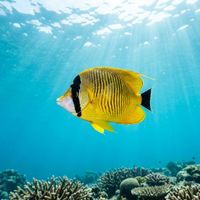
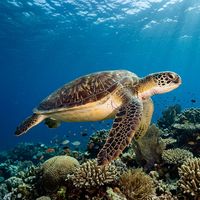
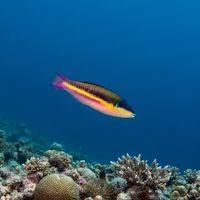
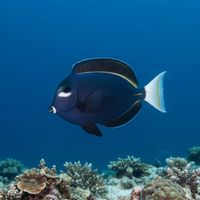
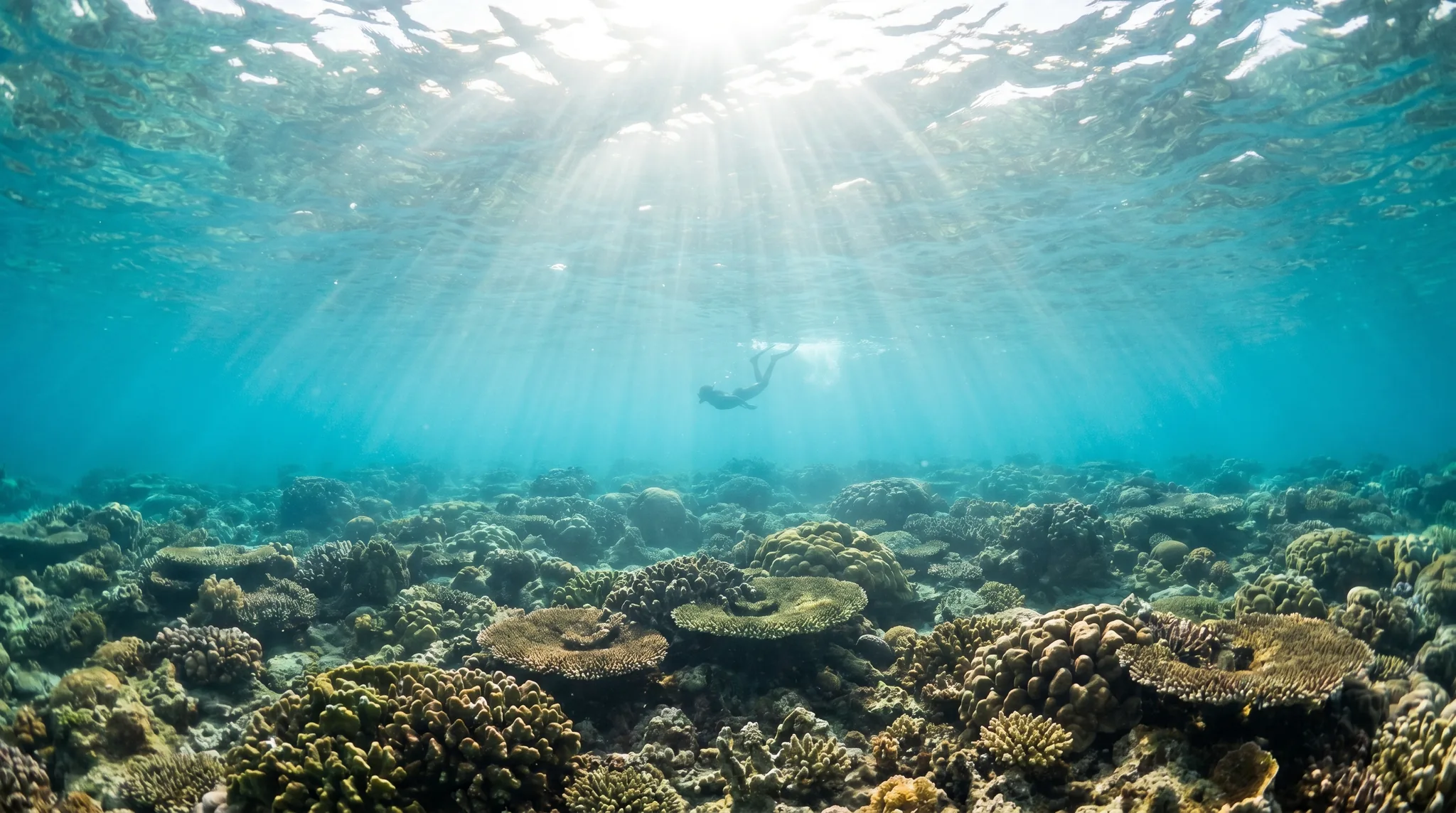
The island's reefs host a broad mix of species. Guineafowl Puffer, Moorish Idol, Bluespotted Cornetfish, and Pixy Hawkfish are among the most frequently observed. California Sea Lion is a common sighting, while Oceanic Manta Ray and Green Sea Turtle appear occasionally. Panamic Green Moray is found tucked into reef structures across many sites.
A good portion of the sites are rated for beginners, including Punta Arenas, Barco Encayado, Roca Montana, and La Reina Islet, all of which are shallow and accessible by boat. Intermediate divers will find more challenge at Los Viejitos, where strong currents can run across the pinnacle and reef formations. Punta Sur, at the island's southern tip, is the only site rated for advanced divers and involves drift and cave diving.
All sites at Isla Cerralvo are boat-access only. Baja Underwater Expeditions is the operator serving the island. There are no shore-entry sites listed for this area, so all diving is organised through boat departures.
The island offers considerable variety across its sites. Reef diving dominates, but divers can also explore walls, pinnacles, drop-offs, a canyon at Pargo Via, cave formations at Punta Sur, and the shallow wreck of Barco Encayado, which has developed into an artificial reef. This range of terrain means different profiles are available for divers at every level.