Thalassoma grammaticum
A yellow-and-purple wrasse turning up on reefs from Baja California to Cocos Island, most often logged as an uncommon sighting.
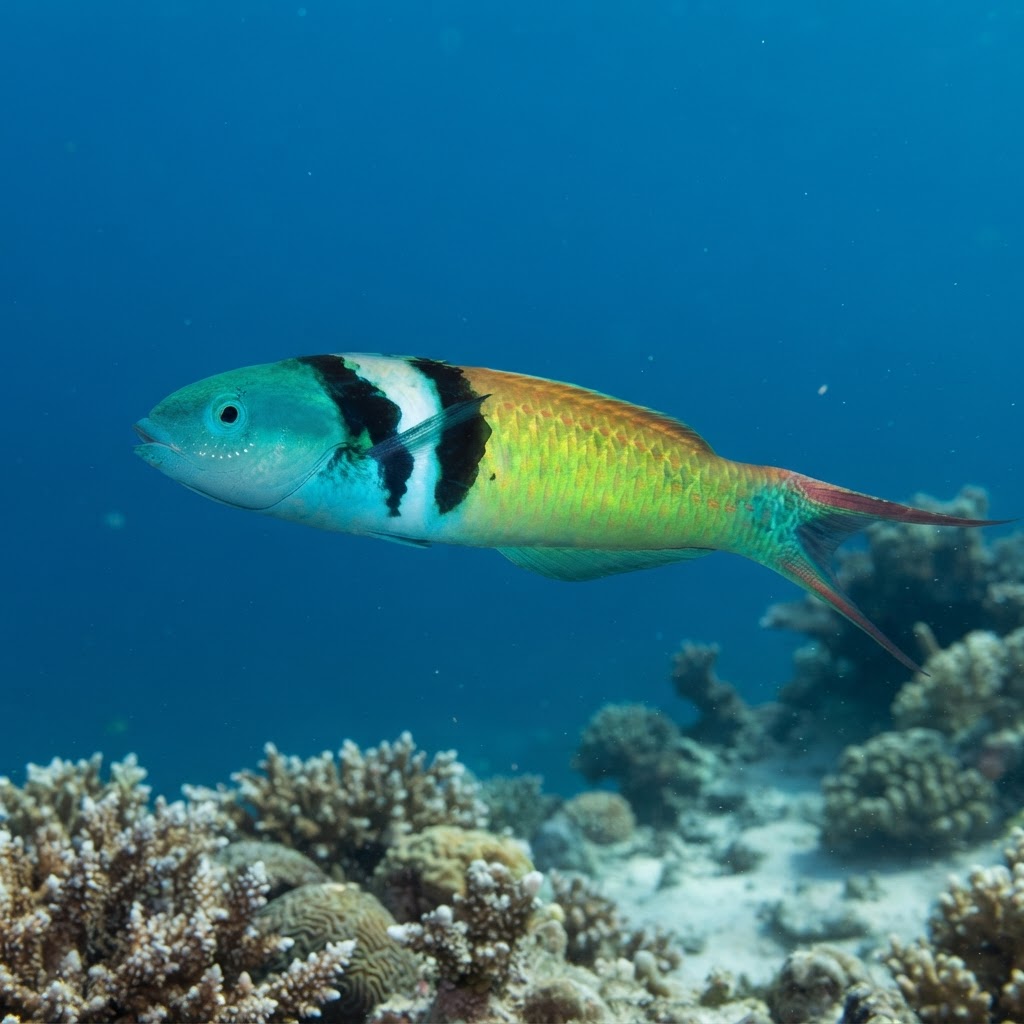
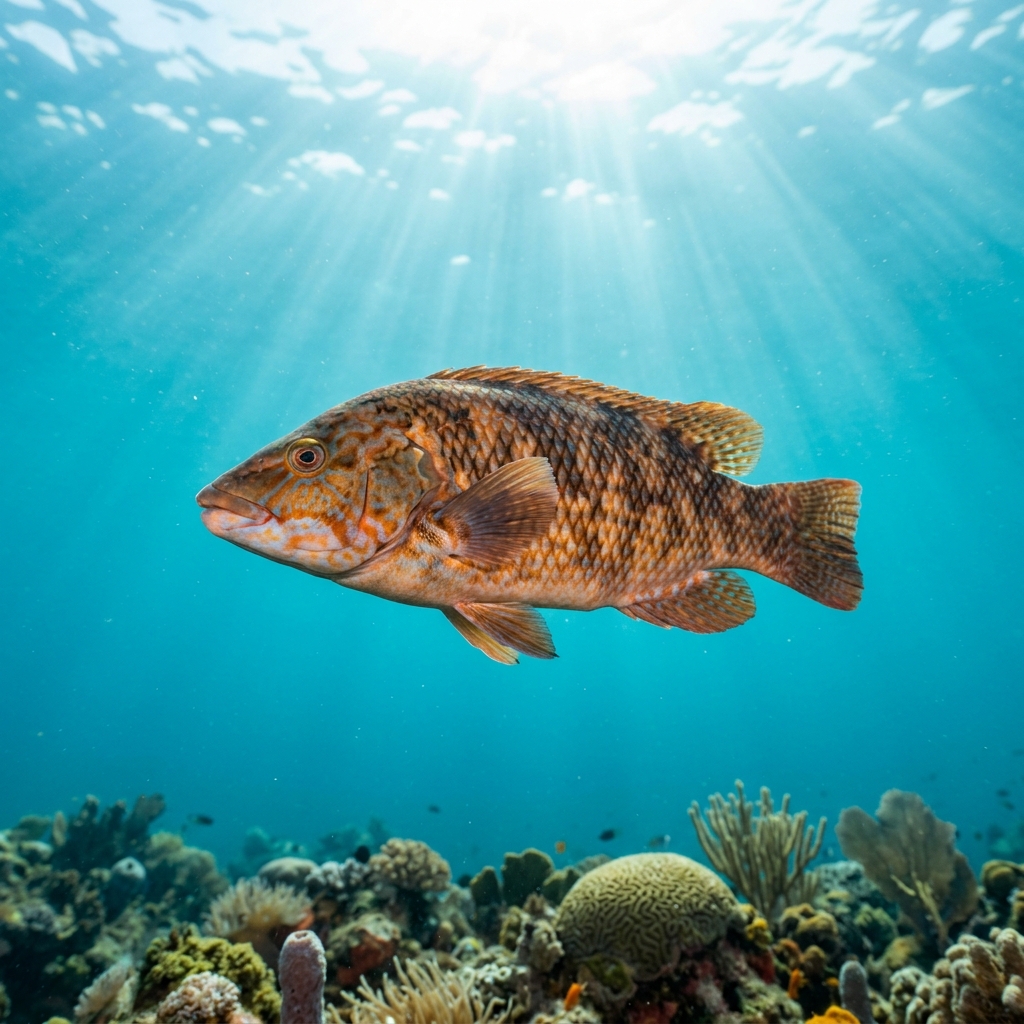
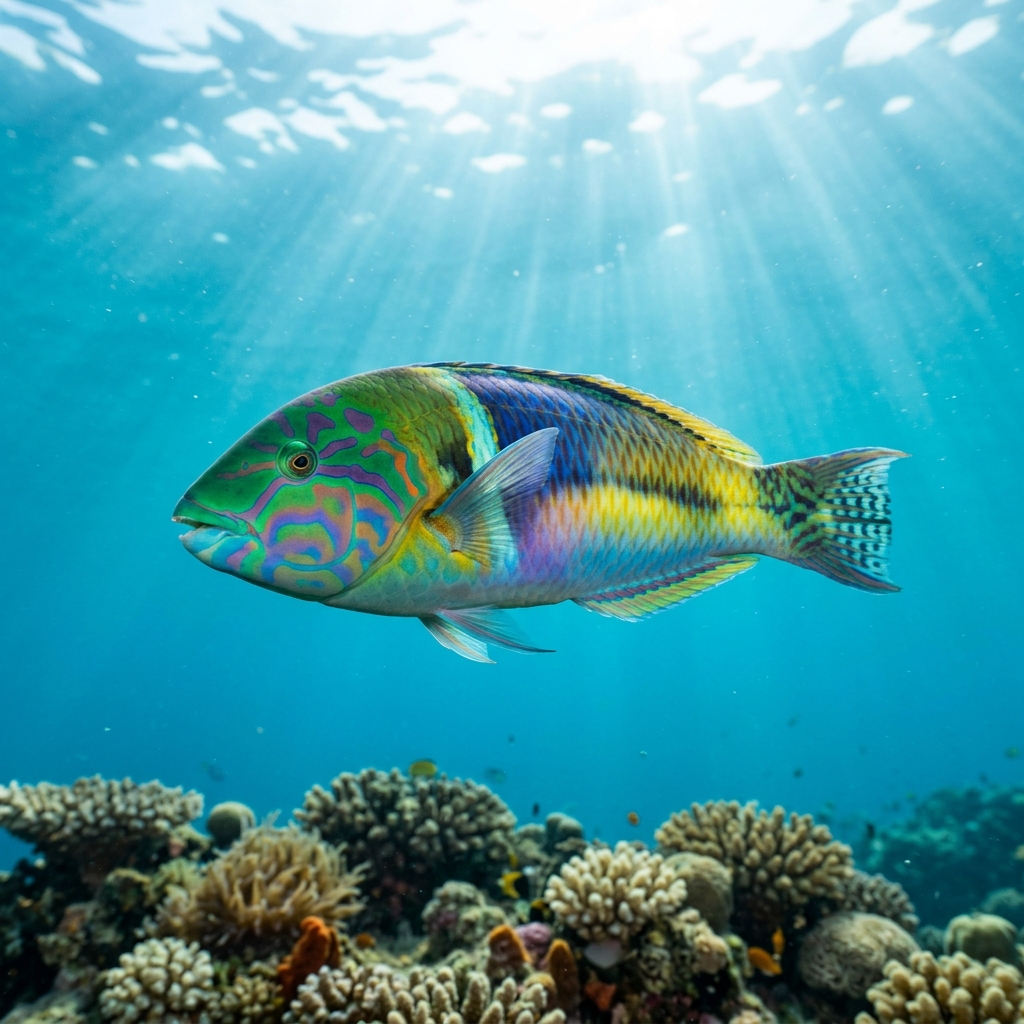
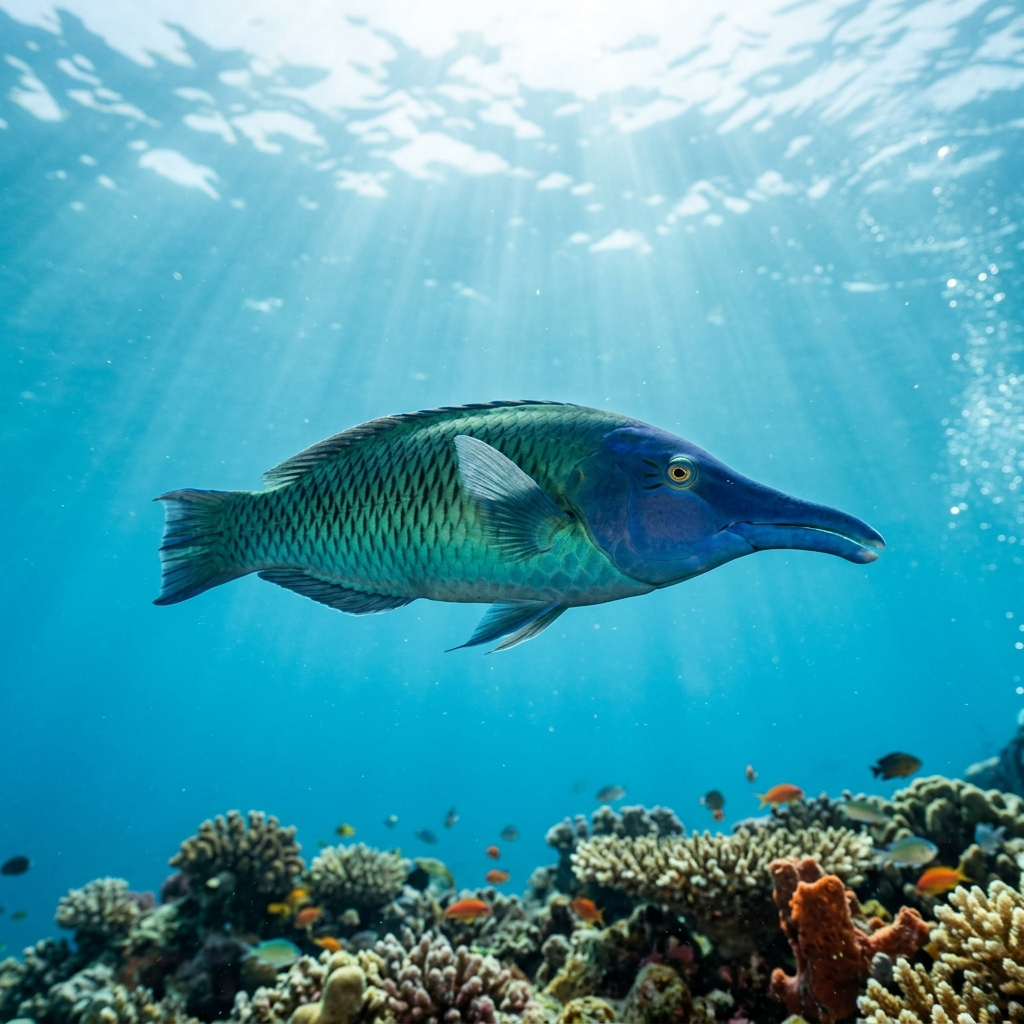
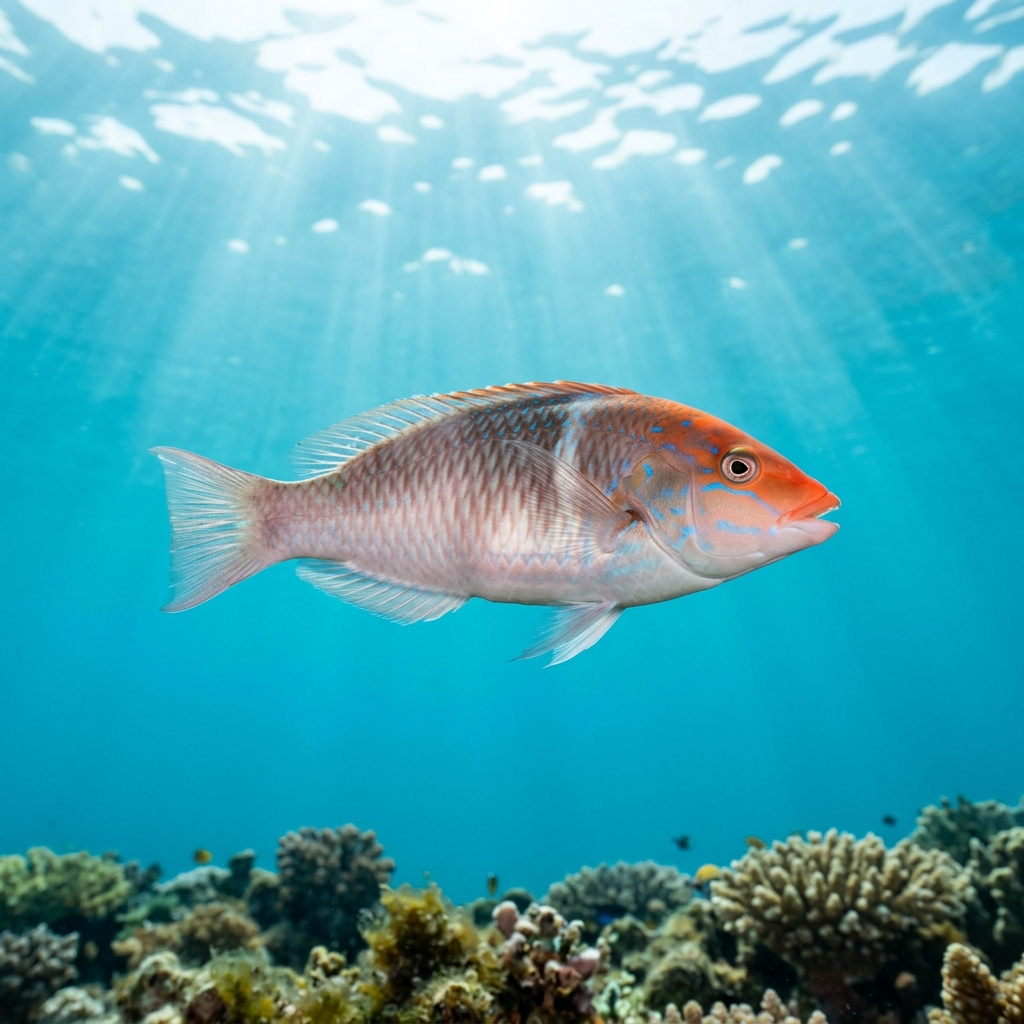
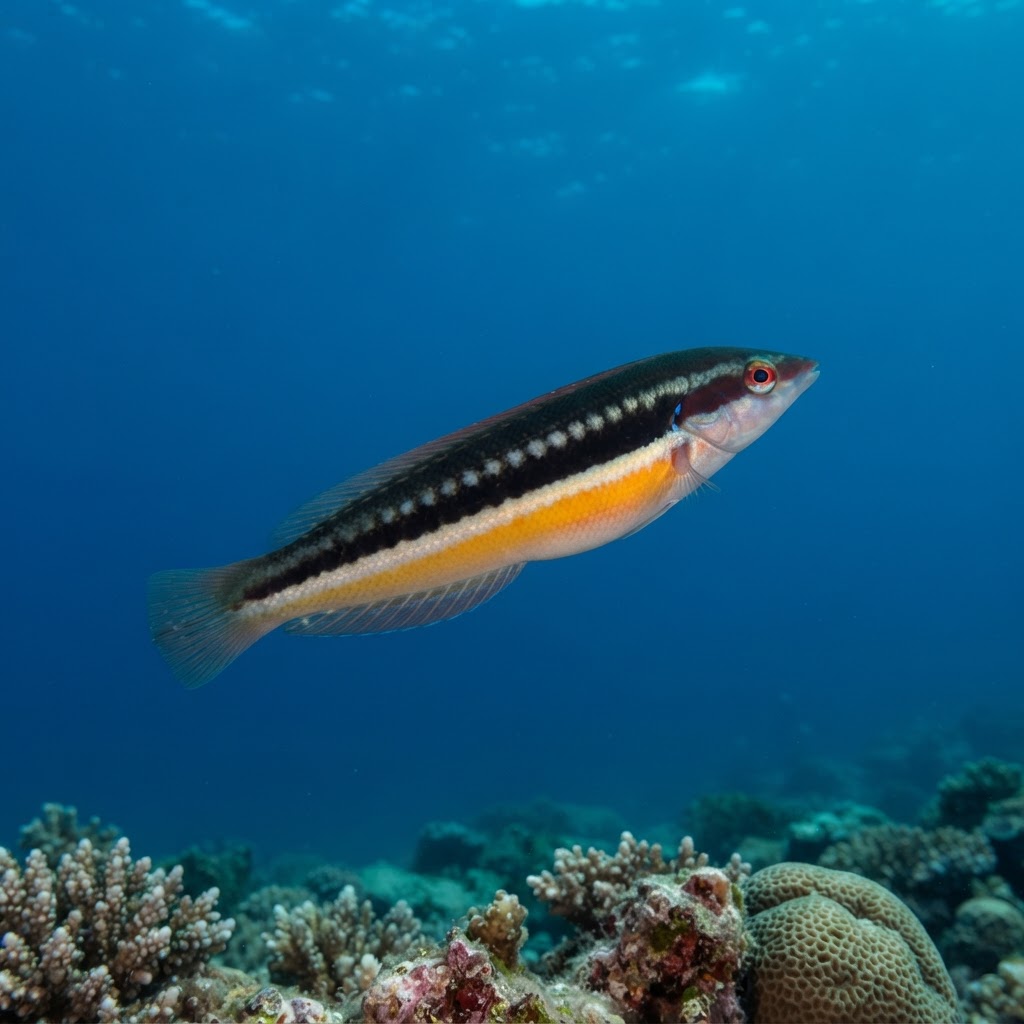
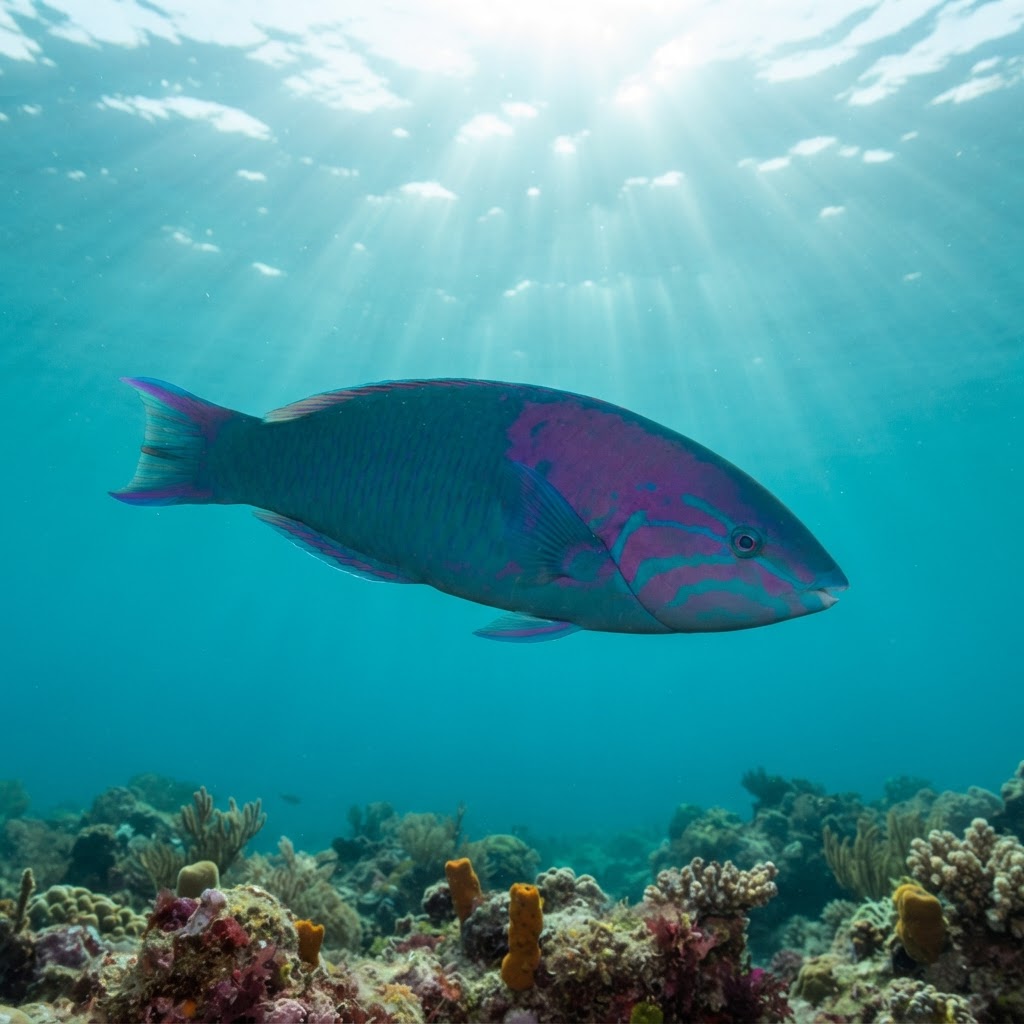
A slim, torpedo-shaped wrasse around 22 cm long, built for quick darting swims over rock and reef rather than open water. Look for a yellow to olive body with purple or blue-tinged markings concentrated around the head and gills, the kind of colour split that gives it the name. It swims with the jerky, wing-like pectoral fin strokes typical of wrasses, rarely holding still for long.
Expect quick, low-level activity over rock and rubble patches rather than a fish that lingers for a photo. It picks around structure for small invertebrates, darting between crevices, and generally keeps a comfortable distance from divers without being especially shy. Most logs describe it as an uncommon but steady presence rather than something that shows up in numbers.
Like many wrasses, it likely changes colour and even sex as it matures, so the fish you photograph as a drab juvenile may look entirely different a year later.
Sightings show no clear seasonal pattern, so treat it as a year-round encounter. Its comfort range of roughly 23 to 29°C spans the warmer months across its Pacific range, so timing your trip mainly comes down to general dive-season conditions at each destination rather than the fish's own calendar.
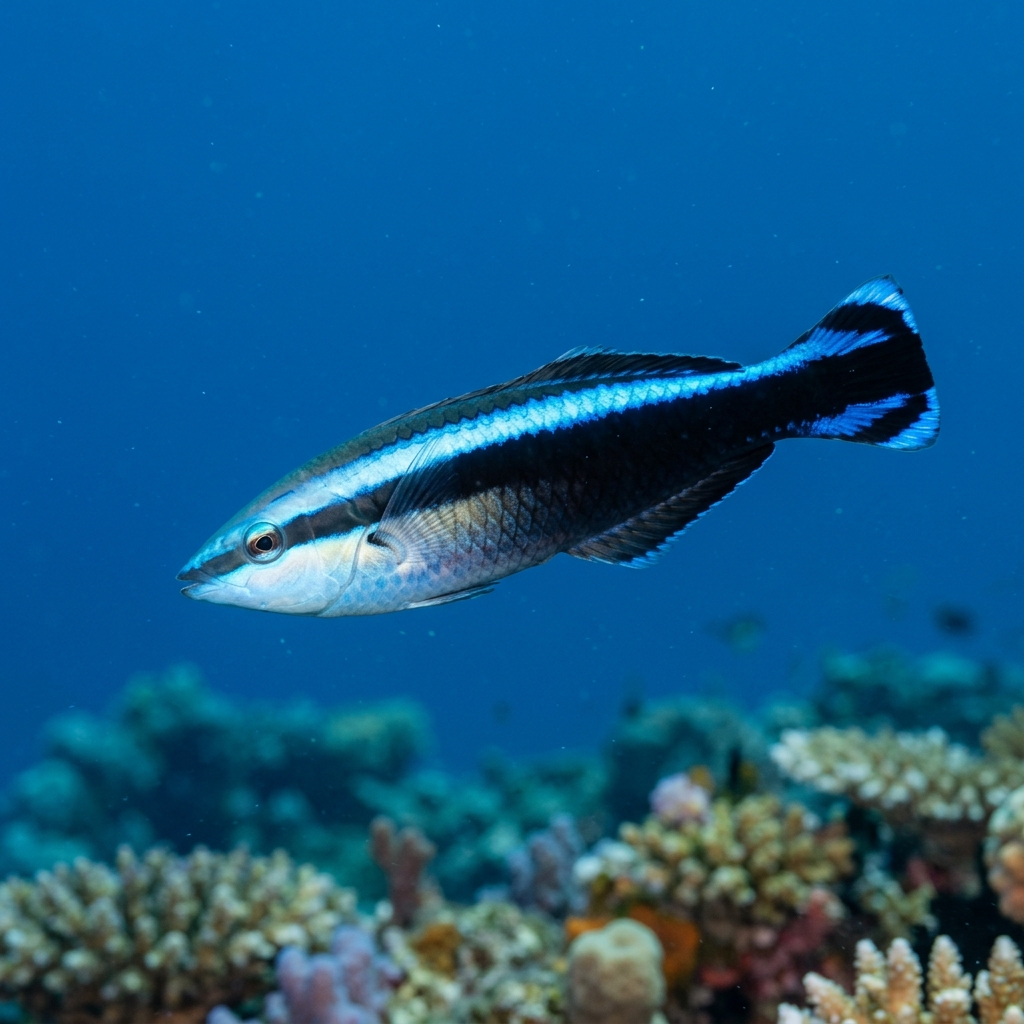
Reef neighbours a diver could mistake it for. Use the identification notes above to tell them apart.
This one is a Pacific specialty: strongest in Mexico, especially around Baja California, and a reliable find along Panama's Pacific Coast. It also turns up well in Costa Rica, both on the South Pacific coast and out at Cocos Island, and in Ecuador's Galápagos Islands.
Mapping where Sunset Wrasse is logged…
Best logged around Baja California in Mexico, along Panama's Pacific Coast, and in Costa Rica including Cocos Island and the South Pacific coast. Ecuador's Galápagos Islands is another solid spot.
There's no strong seasonal pattern in sightings, so it's considered a year-round fish on the reefs where it lives. It favours water between about 23 and 29°C, which covers most of the diving season across its range.
Look for a slender wrasse around 22 cm with a yellow to olive body and purple-blue markings around the head. It moves in quick bursts low over rock and reef rather than cruising in open water.
They typically reach around 22 cm in length, a modest size that keeps them close to reef structure rather than out in open water.
No, they pose no danger to divers. They're small, reef-associated fish that keep their distance and have no venom or aggressive behaviour toward people.
Site and sighting data is aggregated from diver logs, iNaturalist and GBIF. For taxonomy and conservation status:
Bird Wrasses
3,632 sites