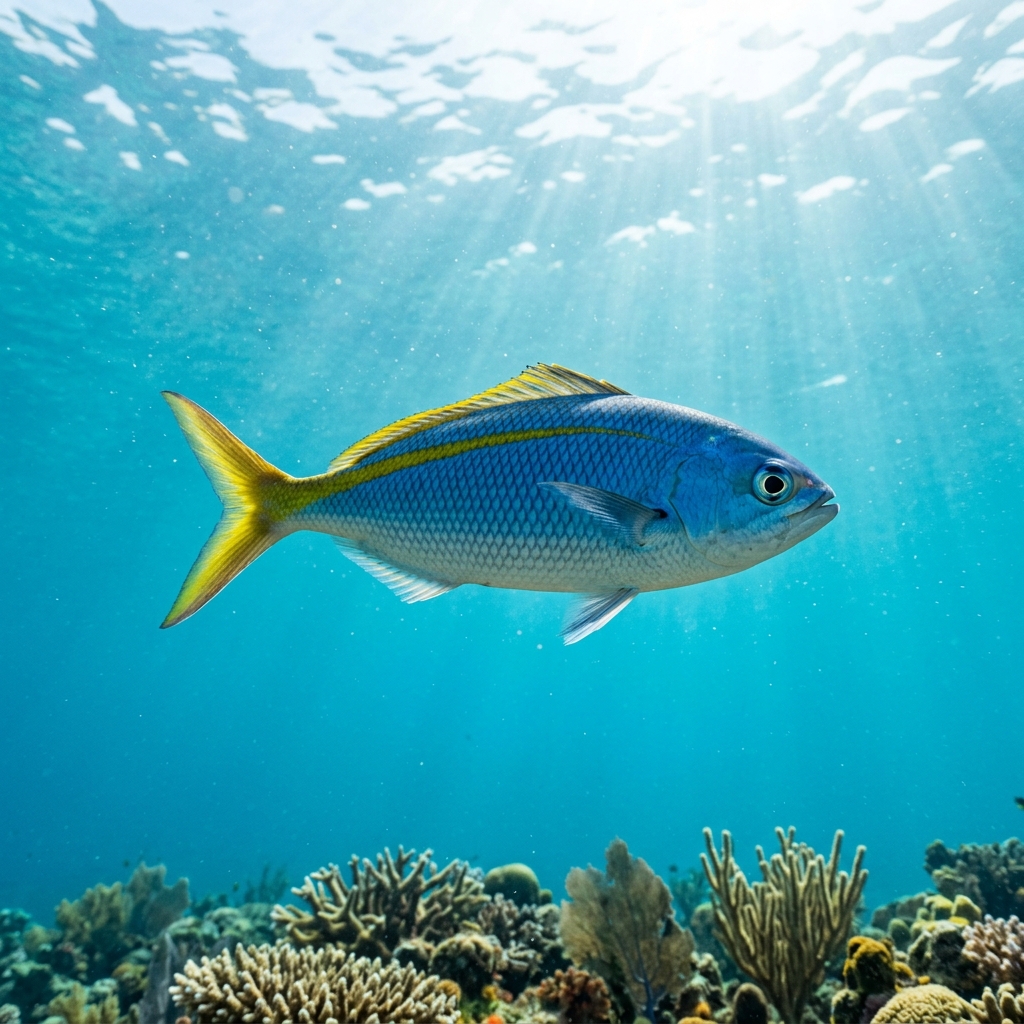
Best for beginner divers, 12-19m, boat entry, moderate current.
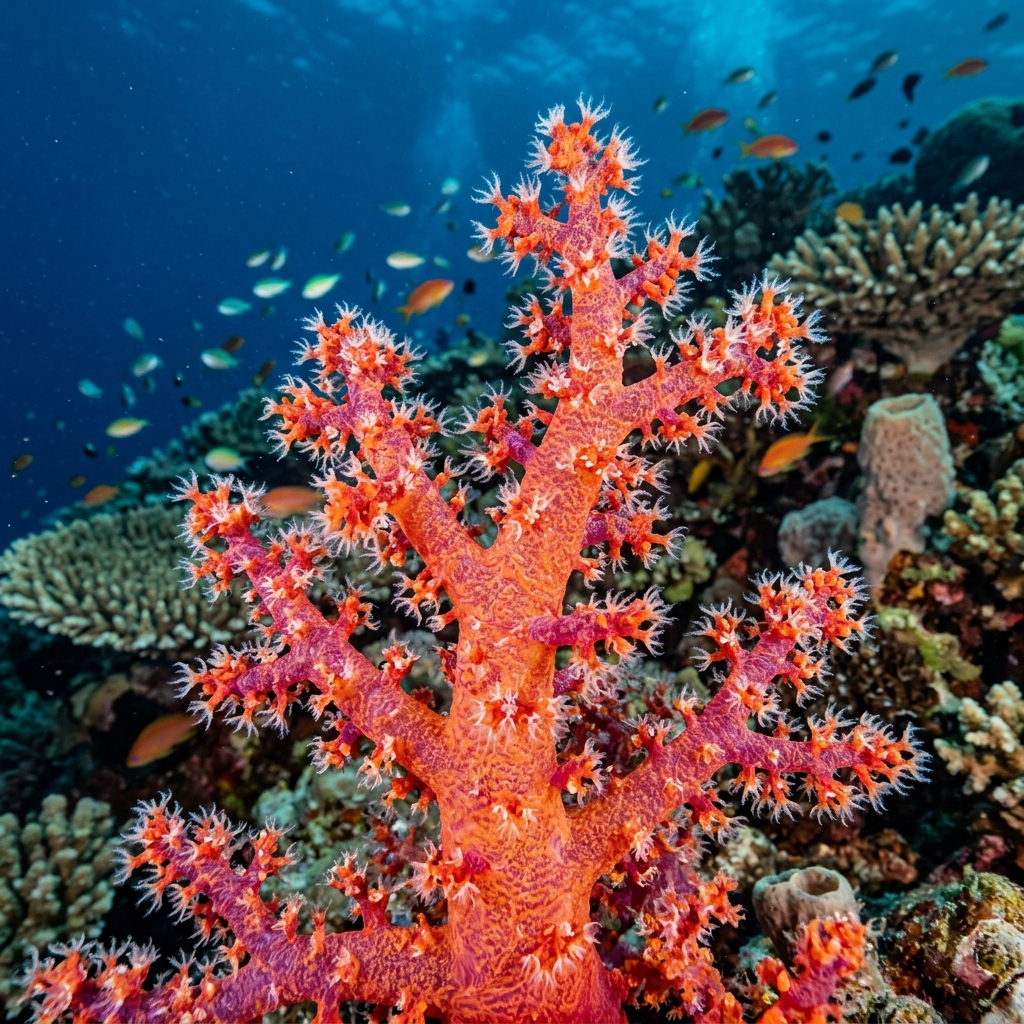
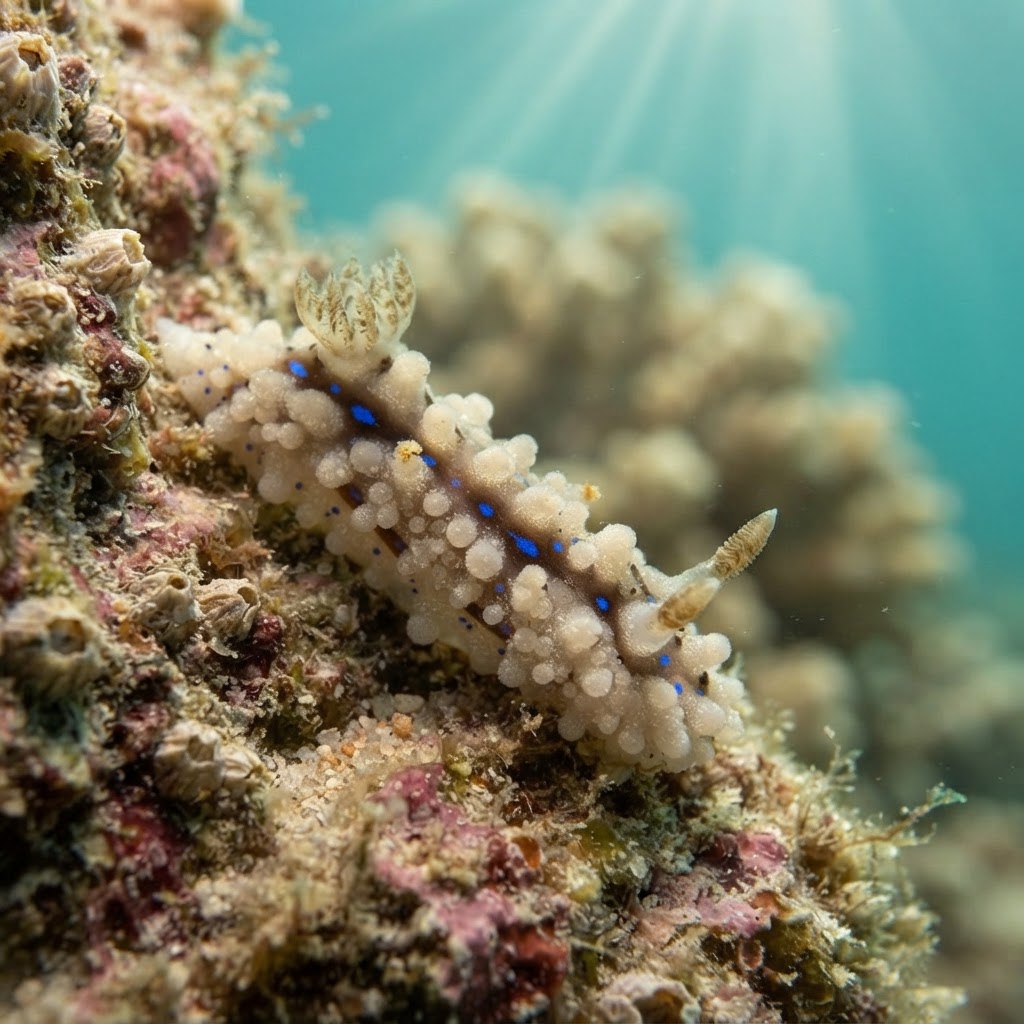
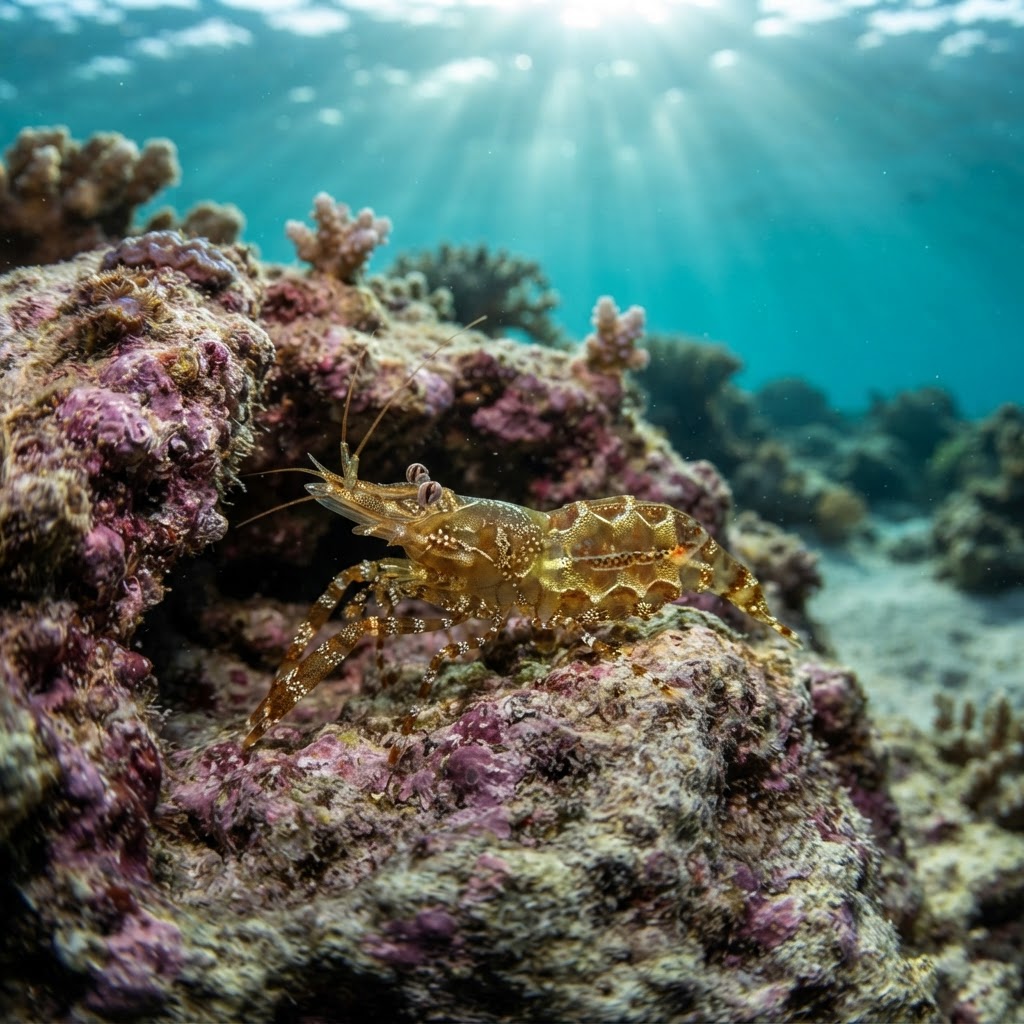
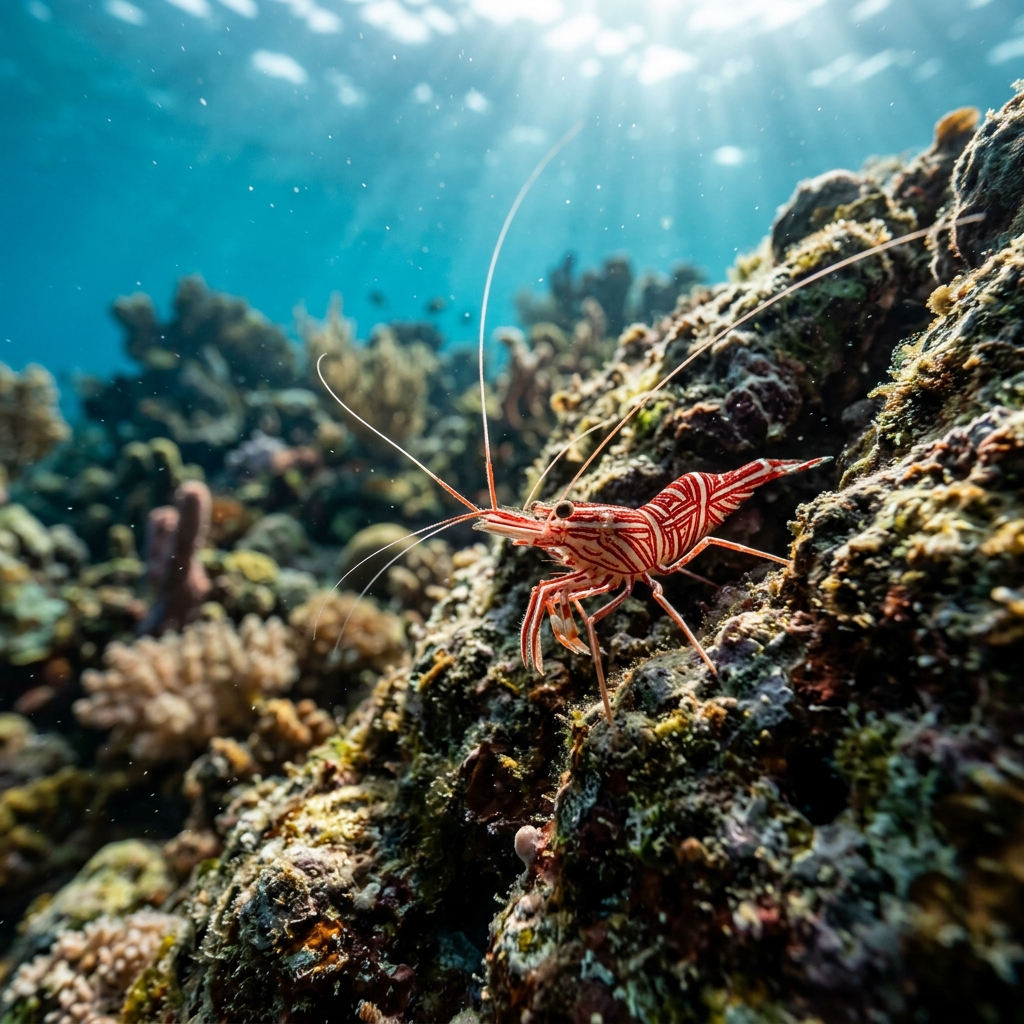
Ricky Rock is a reef dive located off Lankayan Island, Malaysia. The site features depths ranging from 12 to 19 metres, with an average depth of 15 metres. Divers must access this location by boat. Conditions include a moderate current and visibility typically between 10 and 20 metres. Water temperatures remain consistent between 28 and 30 degrees Celsius throughout the year. Due to the presence of sharp coral and occasional jellyfish, divers should exercise caution and maintain good buoyancy. The site is suitable for beginners, though Open Water certification is recommended. Shore facilities at the nearby base include showers, a rinse station, and equipment rental.
6.52878, 117.91213
Arrive early in the morning when currents tend to be gentler, which makes navigation easier if you are still building confidence with water movement. The site has good shore facilities including showers and a rinse station, so bring your own gear bag to keep everything organised after the boat returns.
Access info coming soon
Recorded at this site
Depth
12-19m
Visibility
10-20m
Skill Level
Beginner
Entry
Boat
Boat required
Water Temp
28-30°C
Current
Moderate
The site ranges from 12 to 19 metres deep, with an average depth of 15 metres.
Yes, it is suitable for beginners, though Open Water certification is the starting point for this dive.
Boat access is required to reach Ricky Rock.
Divers should be aware of sharp coral and rocks, as well as occasional jellyfish in the water.
Yes, the site offers parking, toilets, showers, changing rooms, a rinse station, air fills, equipment rental, a cafe, first aid, and gear storage.
Diving at Ricky Rock in Pulau Lankayang requires the following certifications: Open Water. Always dive within your training limits.
Expect moderate currents at Ricky Rock in Pulau Lankayang. Good buoyancy control and some drift diving experience is helpful.
Visibility at Ricky Rock in Pulau Lankayang typically ranges from 10 metres to 20 metres. Conditions vary with weather, tides, and seasons.