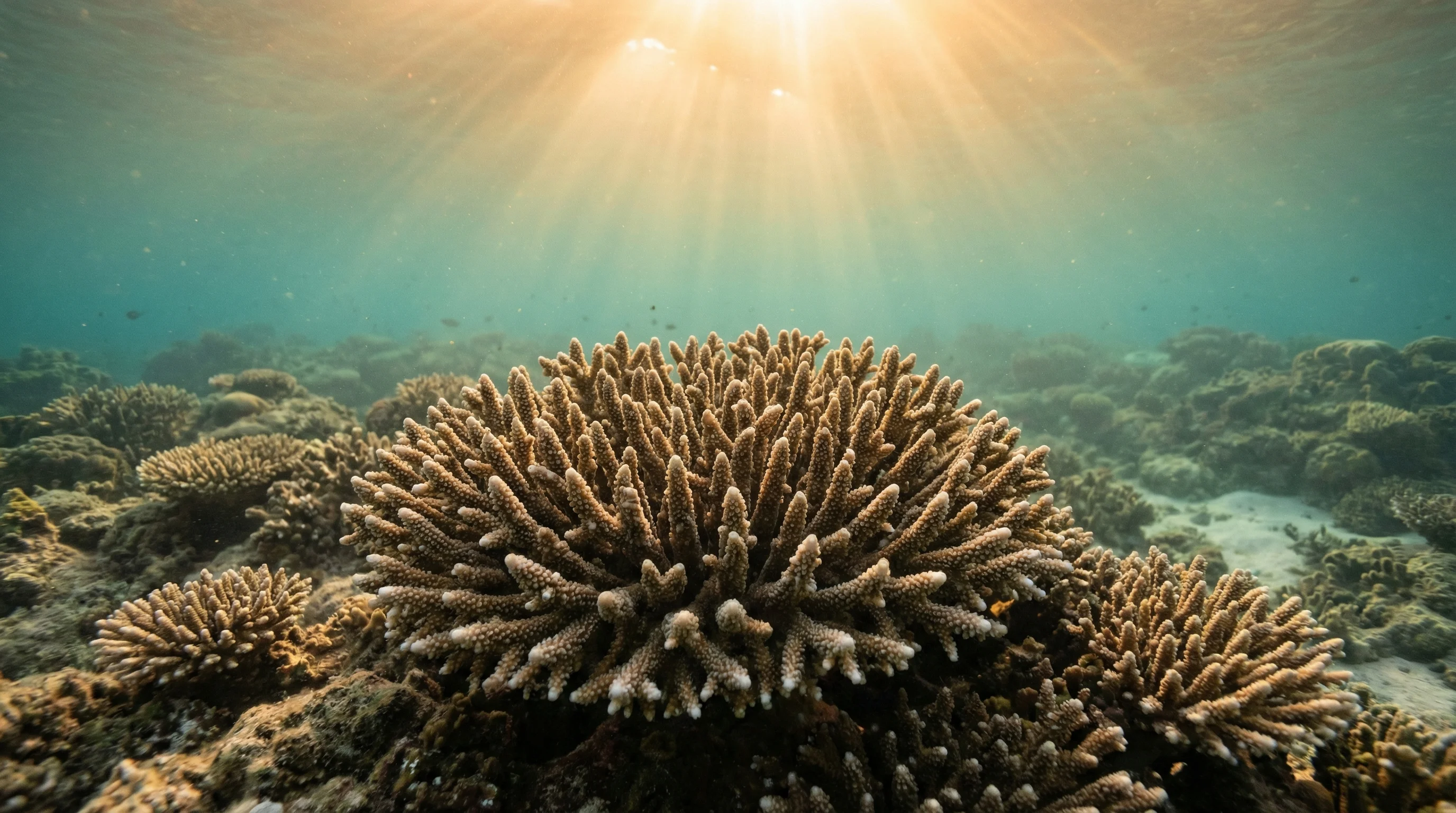
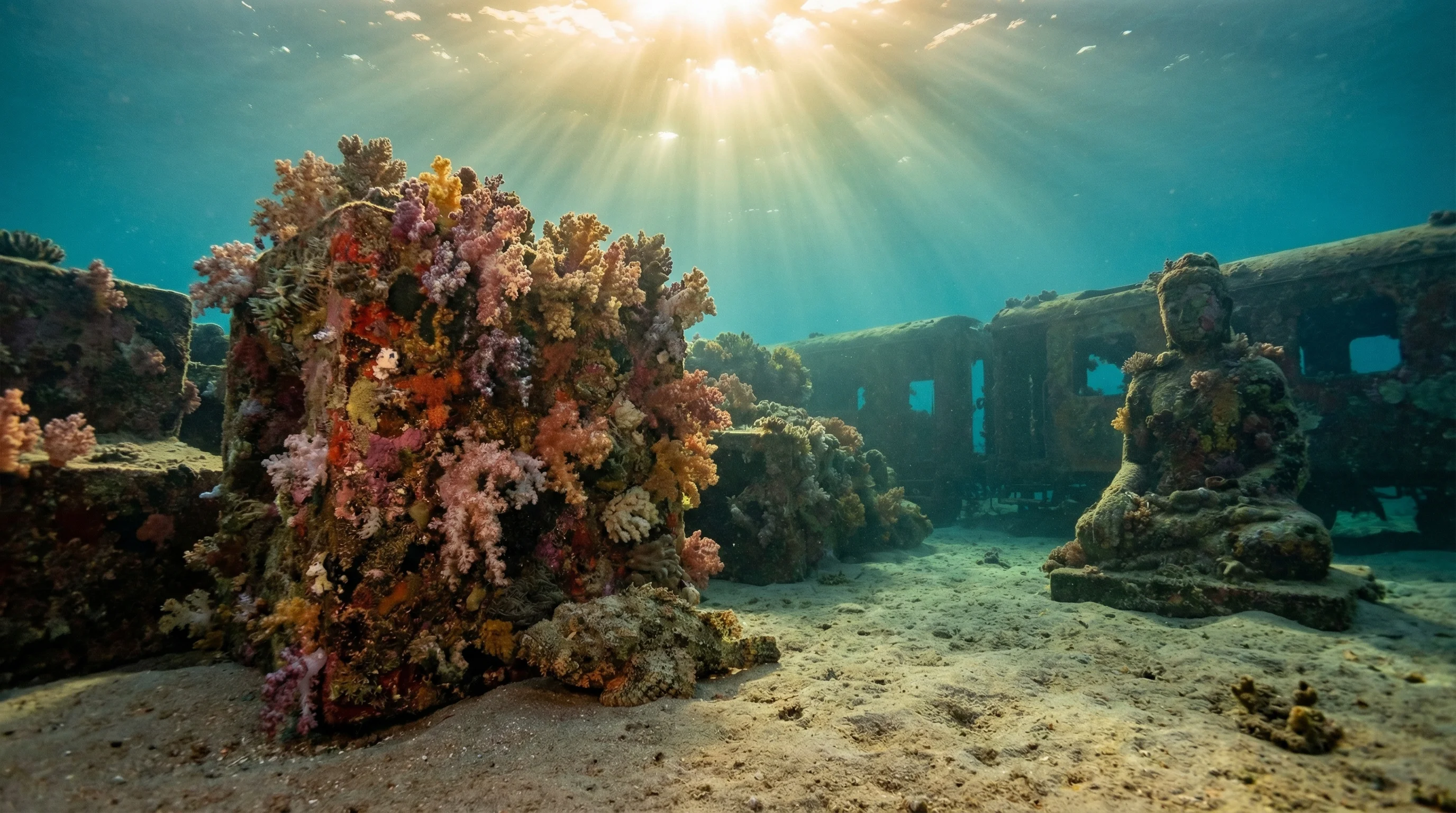
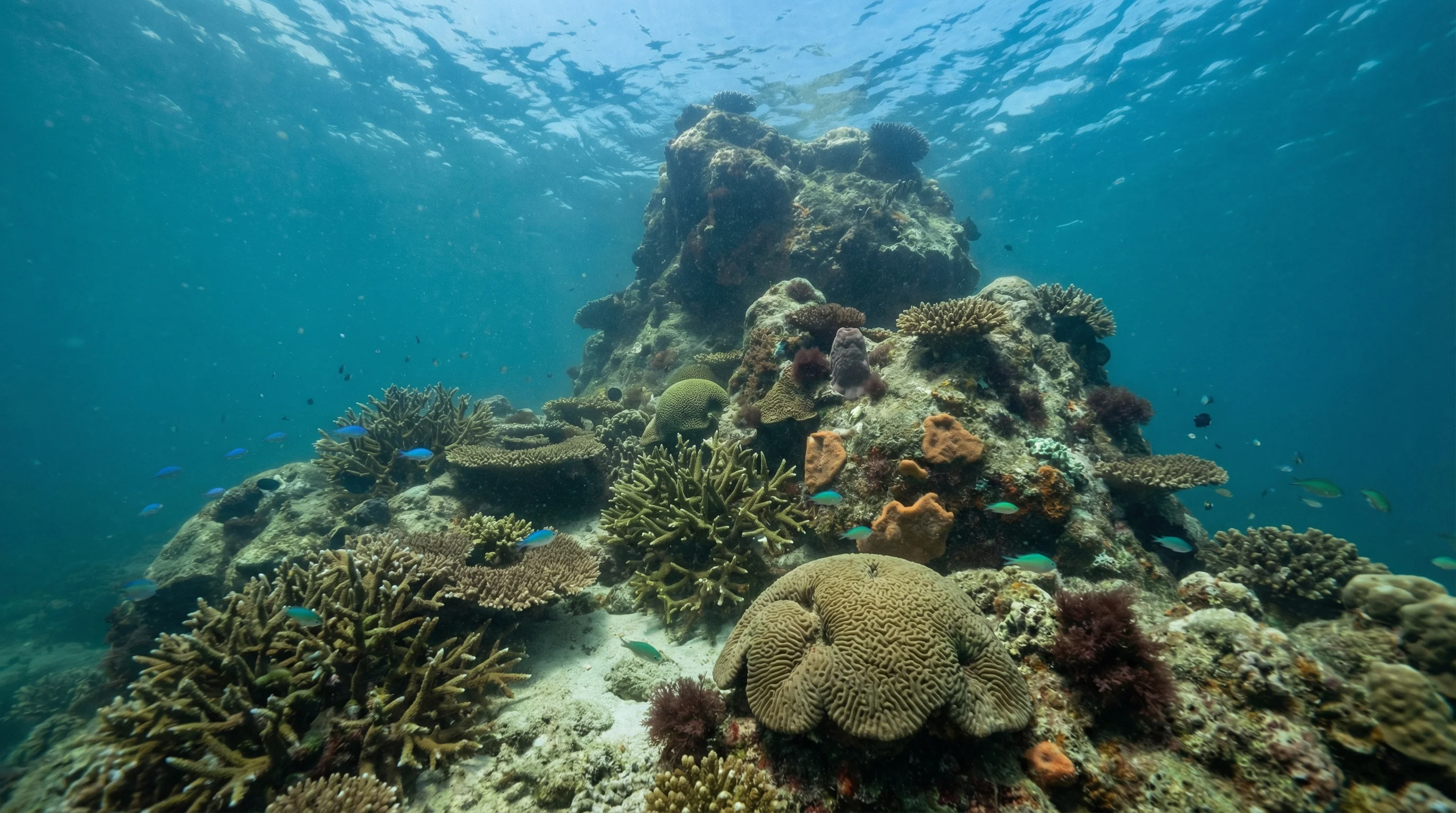
Langkawi's diving and snorkelling centres on reef sites, with the mix rounded out by a sunken vessel acting as an artificial reef and a handful of muck and pinnacle spots. Most sites suit beginners, and the water stays warm throughout the year. The Indo-Pacific Sergeant Major is seen everywhere, while the Giant Moray is the area's signature resident. April and November stand out as peak months, bookending quieter mid-year conditions.

Monthly water temperature across Langkawi's sites, from satellite sea-surface data corrected for depth. The band shows the site-to-site spread.
Water temperature stays consistently warm across all months, with a slight peak in the warmer months of April through June. The best-months data points clearly to April and November as prime windows, likely reflecting calmer seas and improved visibility between the wetter periods. Divers can visit year-round, though conditions during the quieter mid-year months may bring more variable water clarity.
7 operators
Malaysia
12 more sites to explore
Water temperature around Langkawi ranges from about 29°C in January to 31°C in April, based on satellite sea-temperature data for its dive sites.
With water around 29–31°C, a rash guard or 3mm shorty works in Langkawi year-round.
Fin maps 24 sites in Langkawi (20 scuba diving sites and 8 snorkelling spots, with some suited to both).
Across Langkawi's dive sites, April and November are most often reported as the best months to visit.
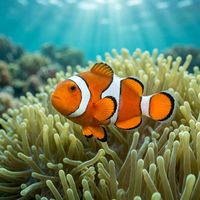
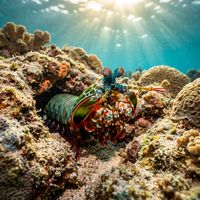
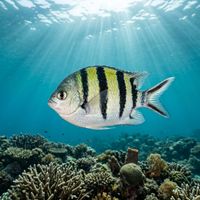
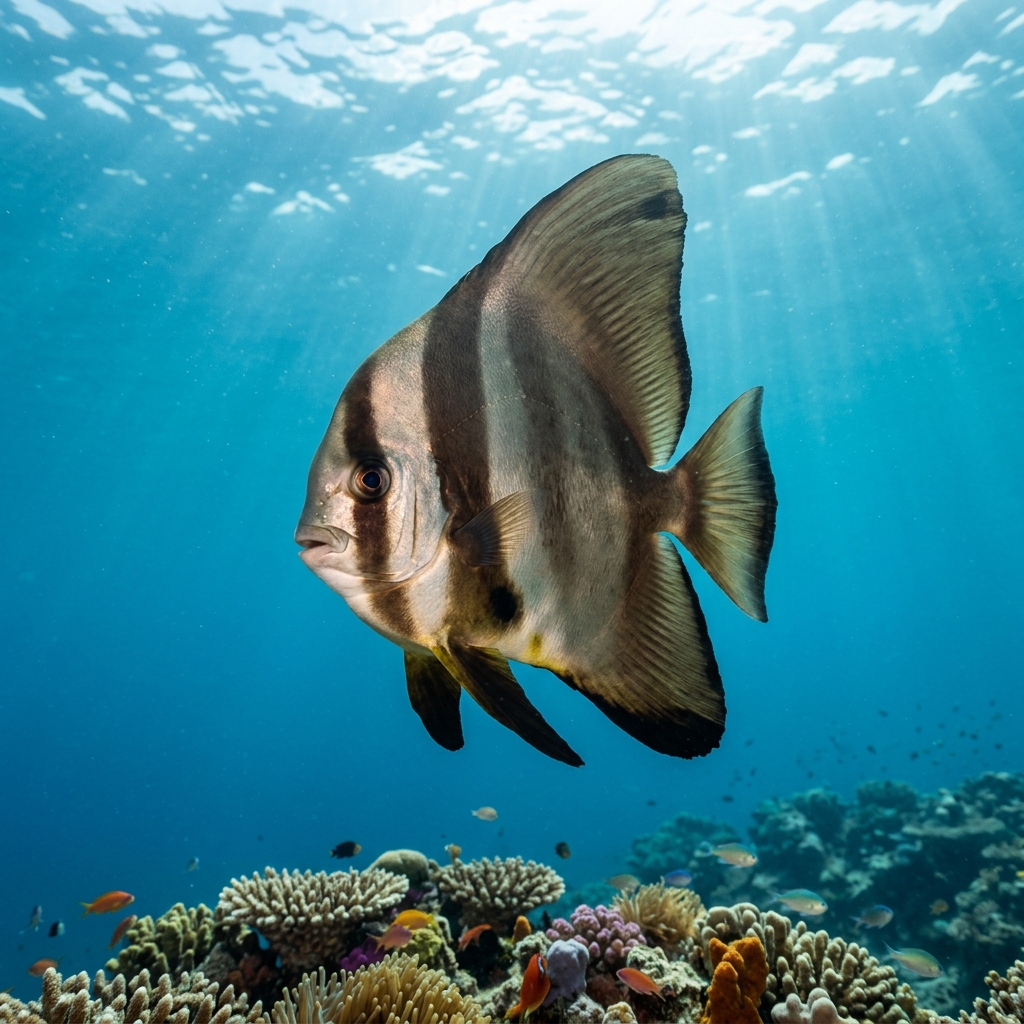
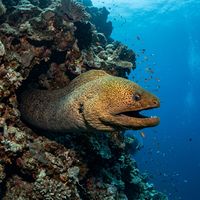
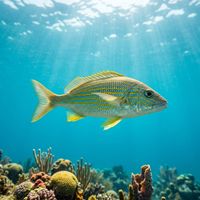
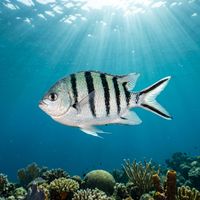
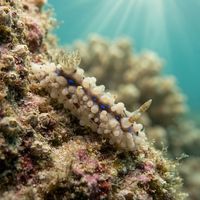
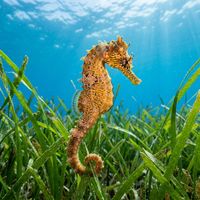
The Indo-Pacific Sergeant Major is present across virtually all sites, and the Common Clownfish and Scissortail Sergeant are also commonly encountered. The Giant Moray is Langkawi's signature species and appears at a notable portion of sites. Less frequent but observed highlights include Frogfish, Seahorse, Eagle Ray, and even Whale Shark.
The majority of dive sites in Langkawi are rated for beginners, with shallow to moderate depths across most reefs. Sites like Grouper Farm, Tanjung Intan and House Reef are all beginner-friendly, with the latter offering a convenient shore entry. A smaller number of sites, including Razorreef and Lembu Rock, are rated for intermediate divers due to variable conditions.
Almost all sites require a boat, which is the standard arrangement with operators such as Scuba Duckling Langkawi, Langkawi Scuba and Scuba Club Langkawi. House Reef is a notable exception, offering shore entry for divers. The Police Wreck is accessible both from shore and by boat, giving it extra flexibility.
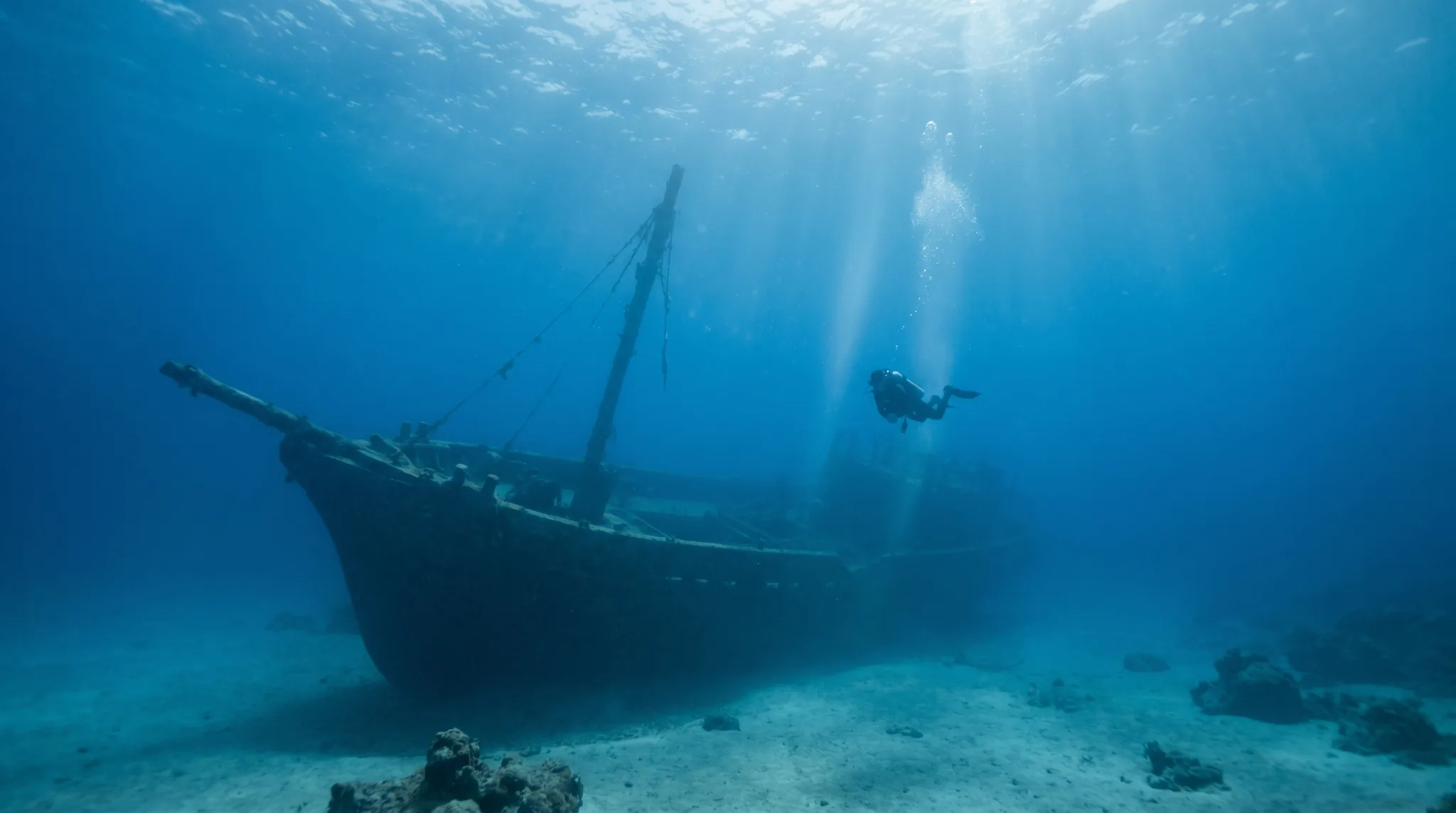
While reefs form the backbone of Langkawi diving, the area also features the Police Wreck, a decommissioned vessel sunk as an artificial reef resting on a sandy bottom. The Stables adds a muck-diving element alongside its reef structure, and Cepu Island includes pinnacle topography. This variety means different styles of diving are available within a compact area.