

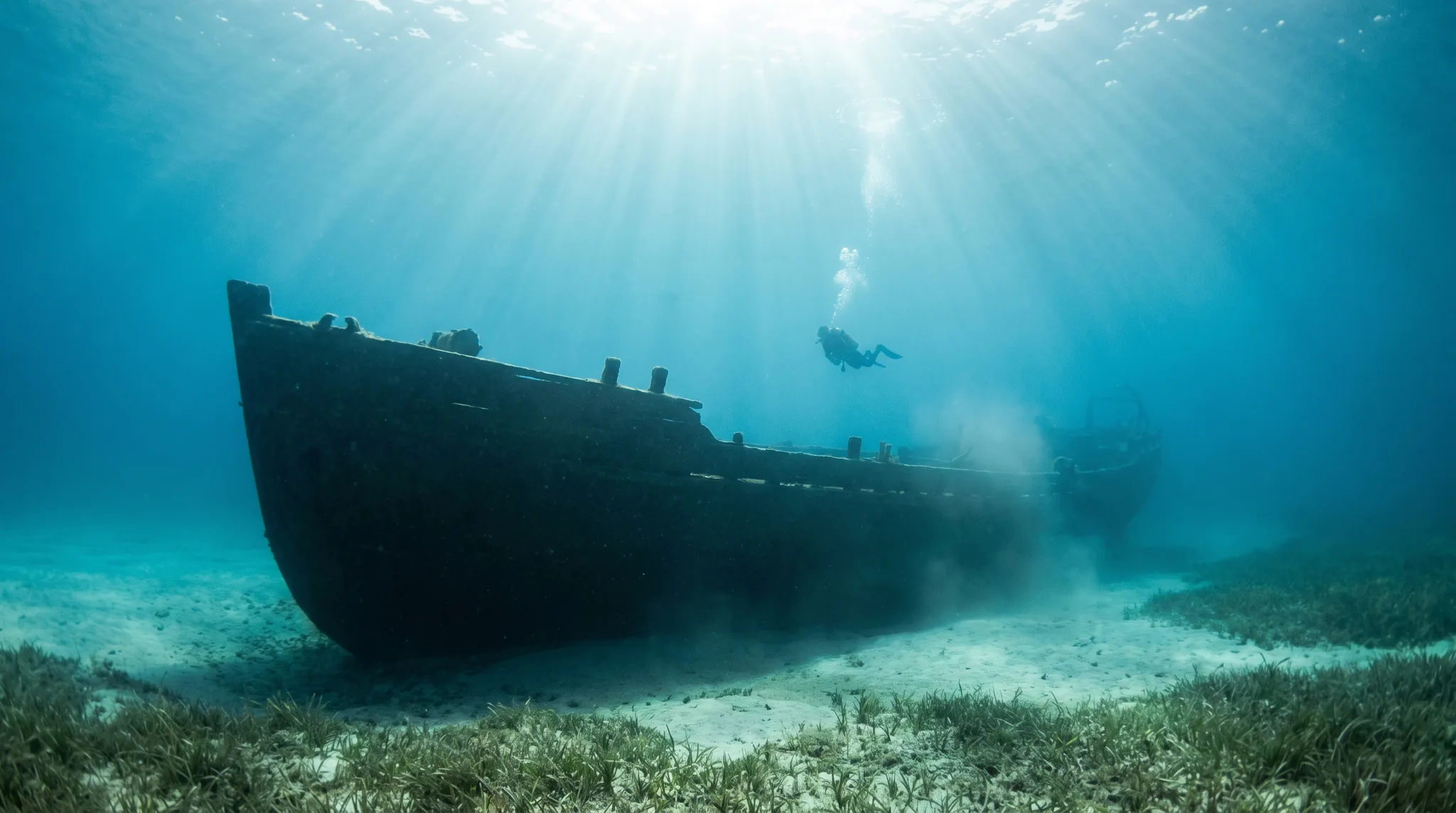
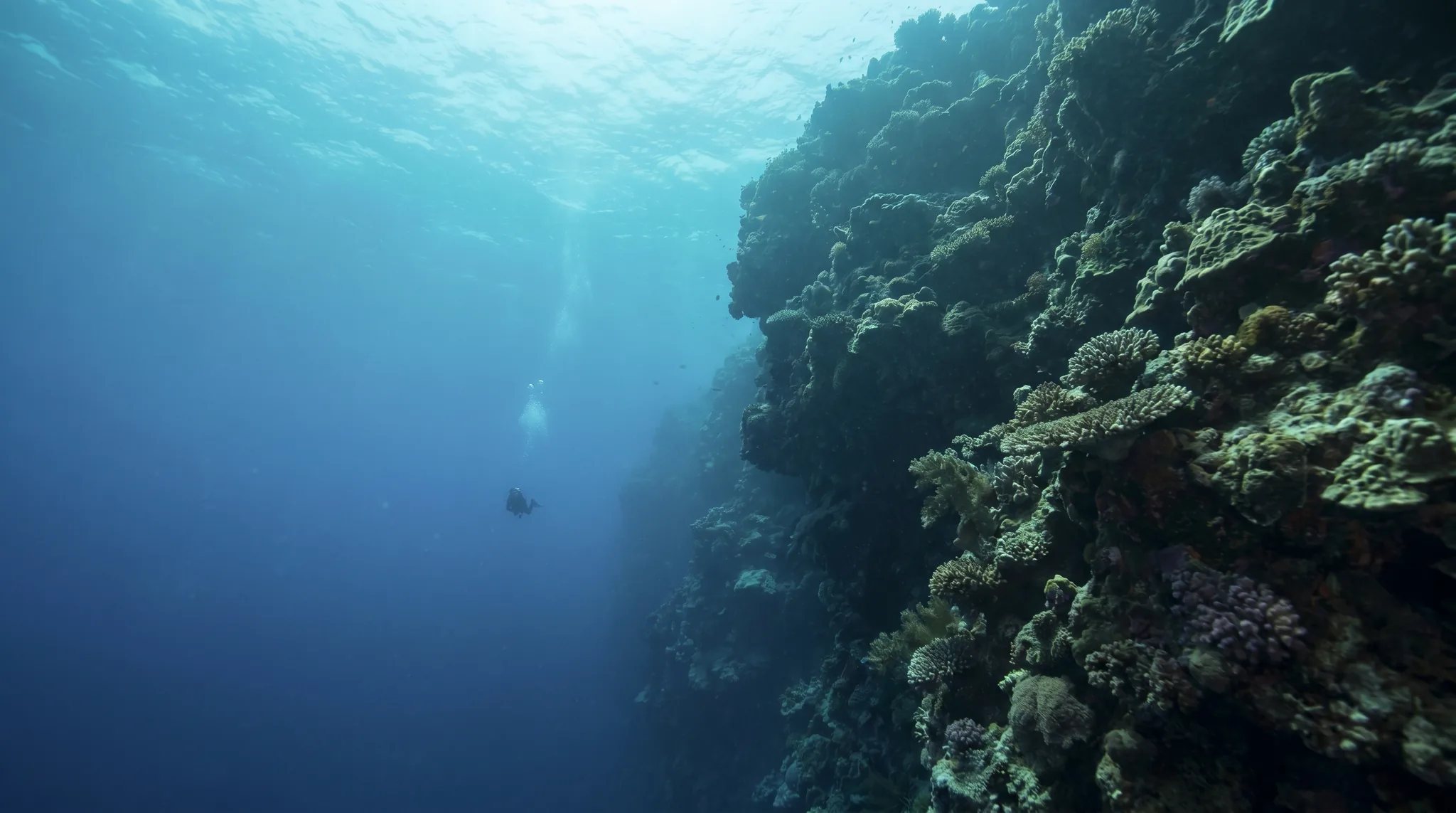
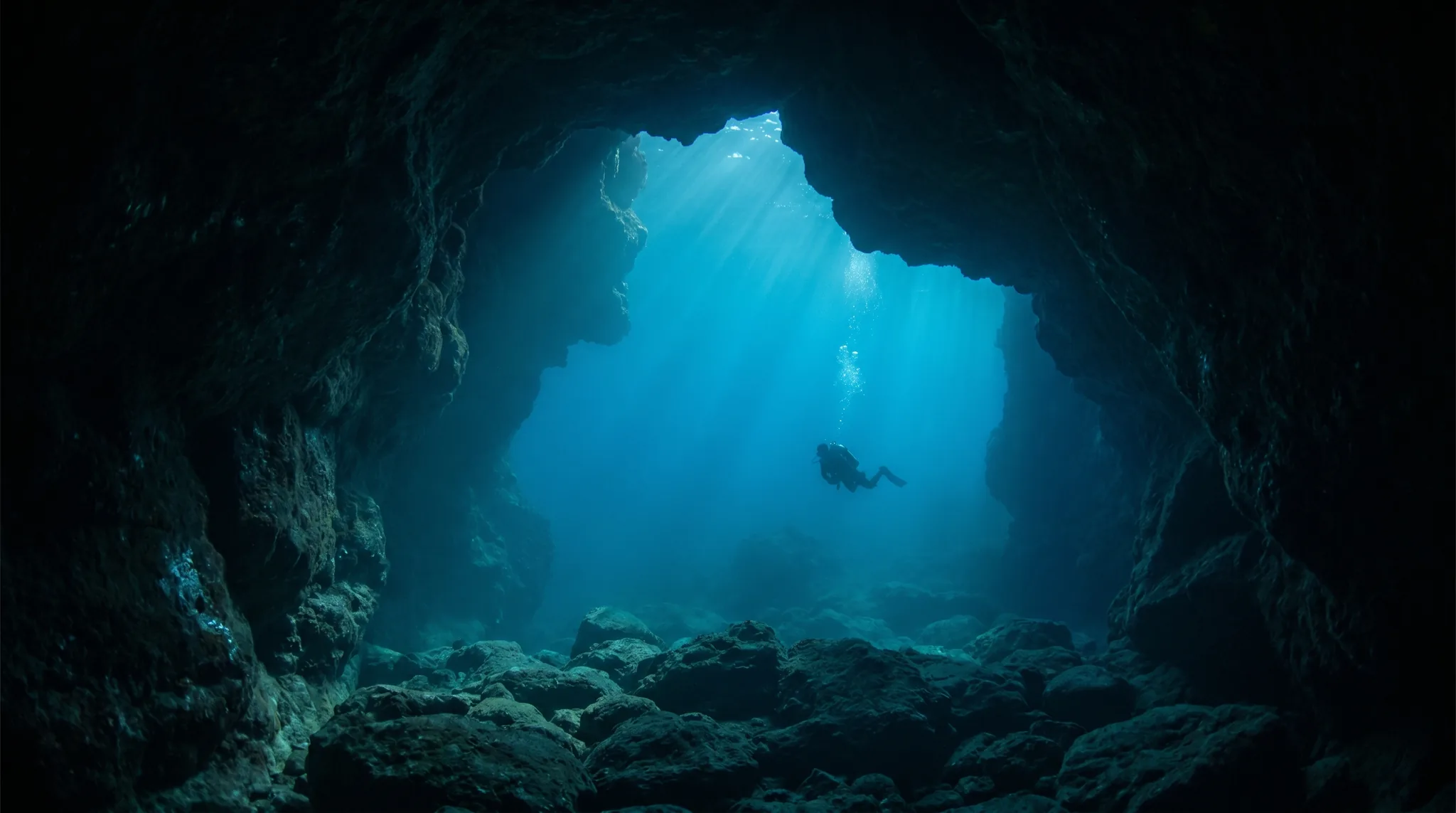
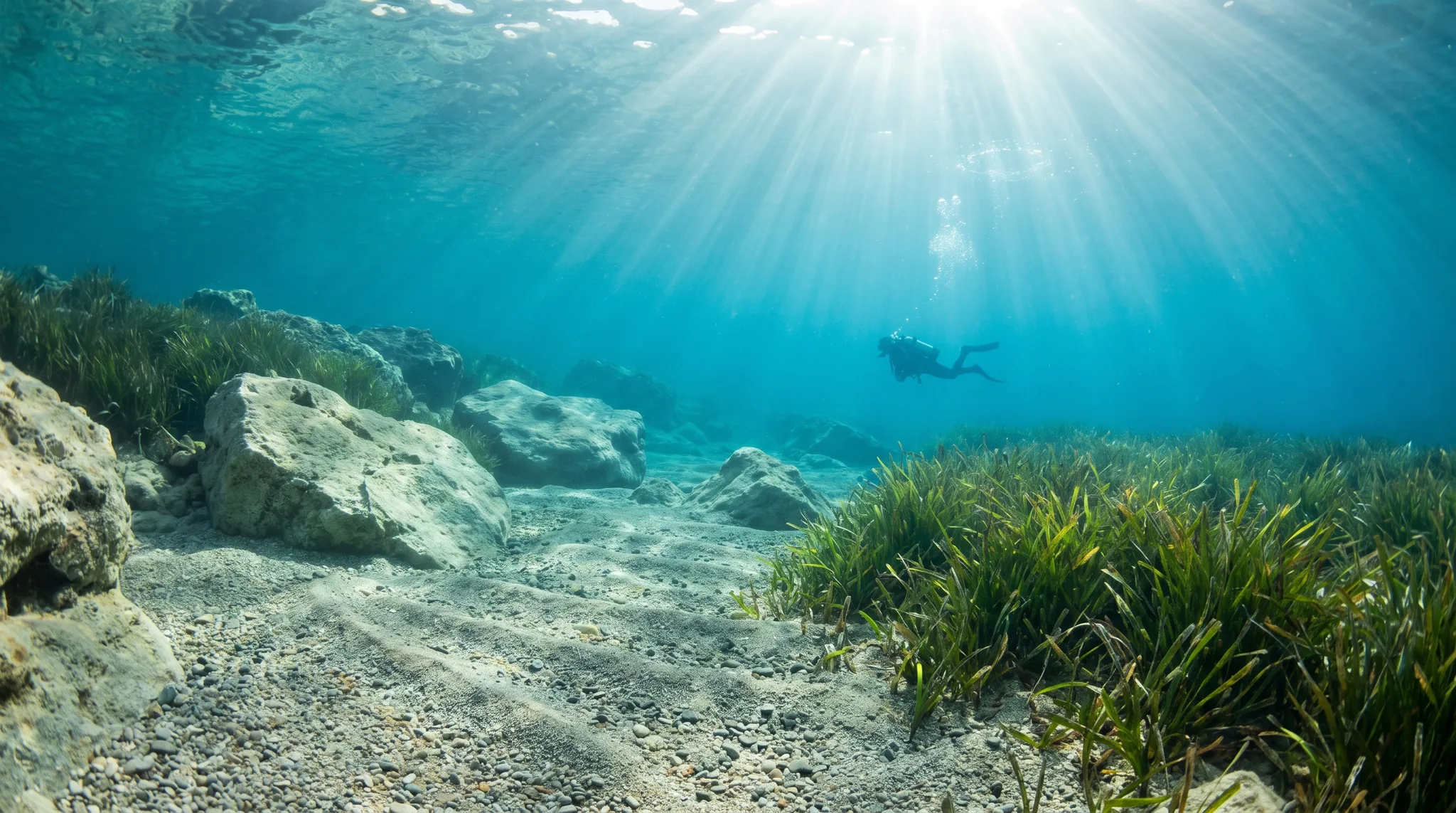
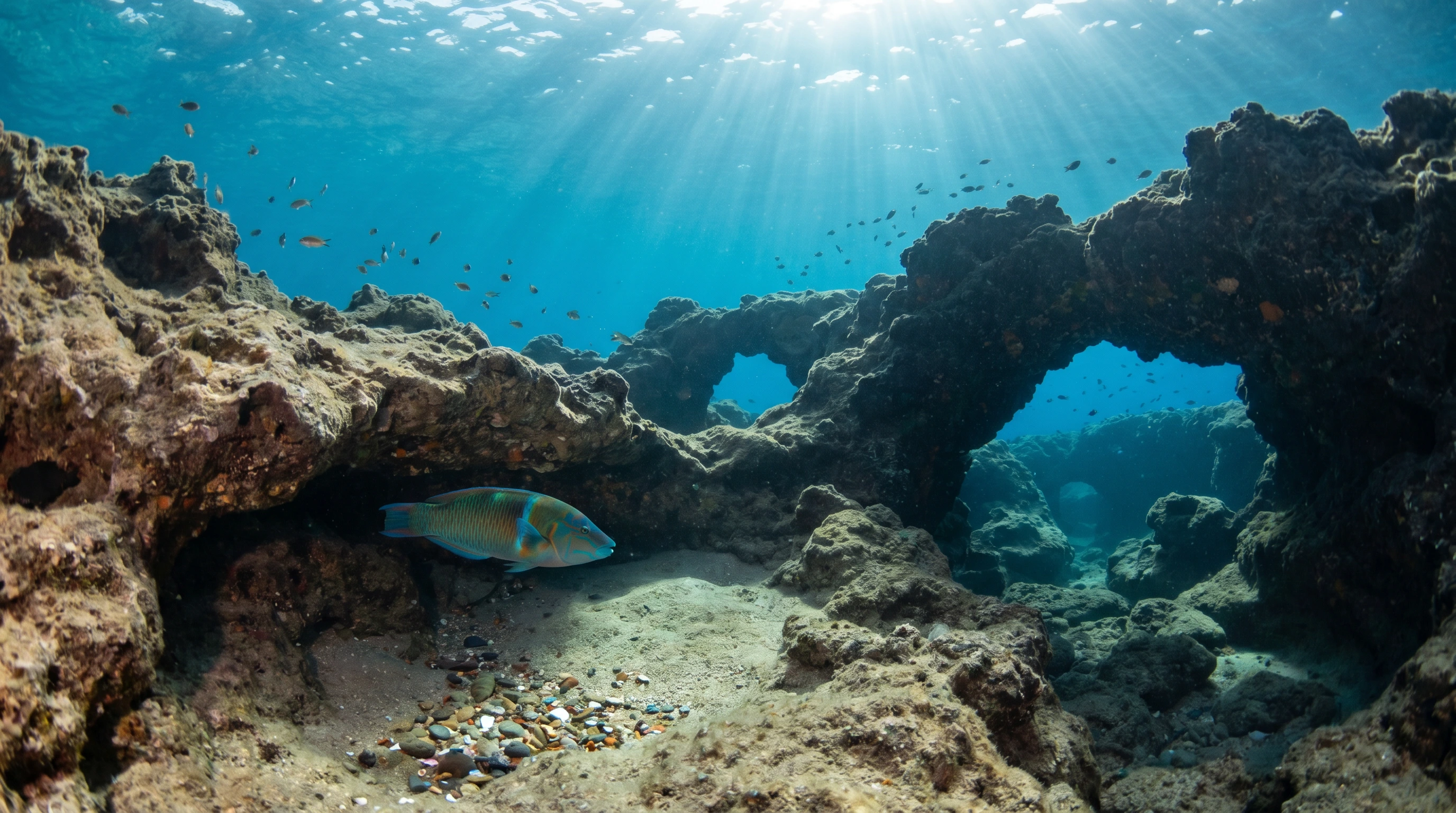
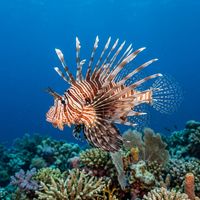
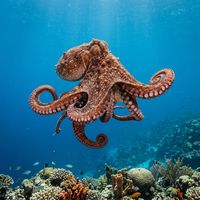
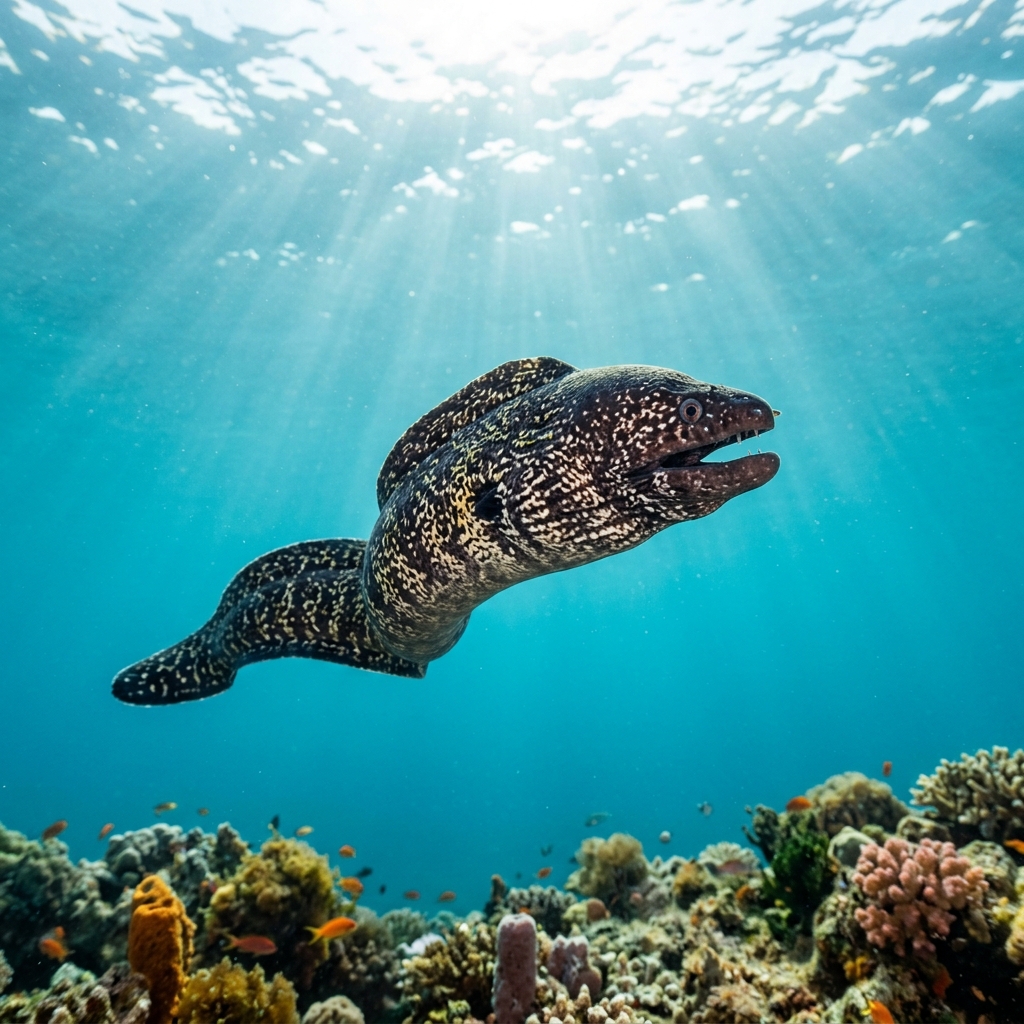
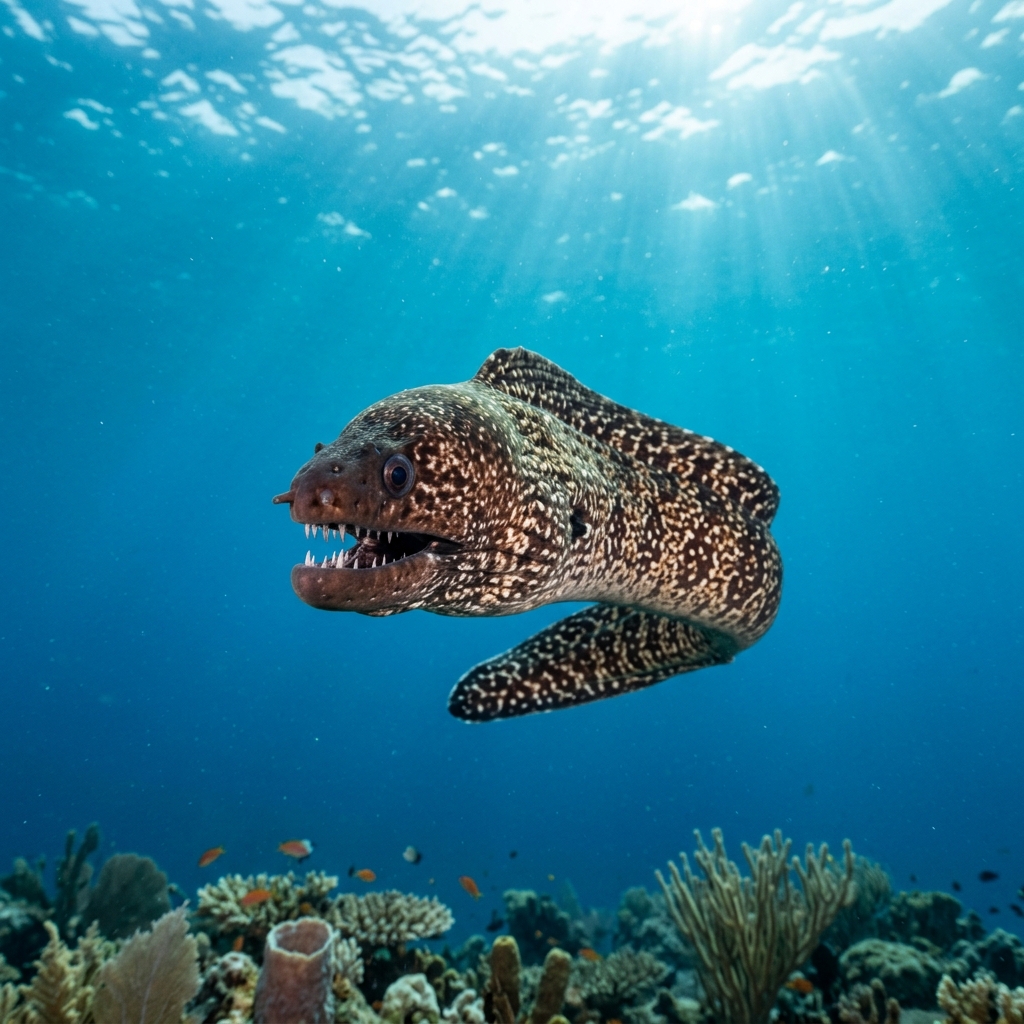
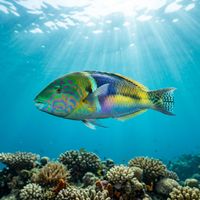
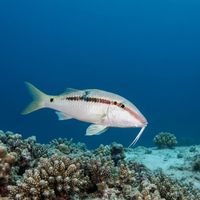
Ayia Napa and Protaras offer a dense concentration of shore and boat dives shaped by dramatic coastal geology. Cape Greco anchors the region, accounting for the majority of sites and delivering steep walls, cave systems, and canyon topography in close succession. Wrecks and artificial reefs add variety, including an underwater sculpture museum at Musan and the sunken Nemesis wreck. Beginners have plenty of accessible shallow reefs and tunnel systems, while intermediate divers can push deeper into caverns and drop-offs. Turkish Wrasse, Goatfish, and Bluespotted Cornetfish are sighted across nearly every site, with Common Octopus, Indian Lionfish, and Fangtooth Moray among the signature encounters.
1 areas

Monthly water temperature across Ayia Napa & Protaras's sites, from satellite sea-surface data corrected for depth. The band shows the site-to-site spread.
Water temperature climbs steadily from spring through to late summer, peaking in September and remaining warm well into autumn, making May through October the most productive window. Winter months are noticeably cooler, which can deter casual divers but still permits year-round access for those prepared. The best-months data shows a strong cluster around late spring and early autumn, when conditions combine comfortable warmth with typically excellent visibility.
40 operators
7 more sites to explore
Water temperature around Ayia Napa & Protaras ranges from about 17°C in February to 27°C in September, based on satellite sea-temperature data for its dive sites.
In the warm season (about 27°C) a rash guard or 3mm shorty is comfortable in Ayia Napa & Protaras; in the coldest months (about 17°C) step up to a 7mm or semi-dry suit.
Fin maps 42 sites in Ayia Napa & Protaras (42 scuba diving sites and 3 snorkelling spots, with some suited to both).
Across Ayia Napa & Protaras's dive sites, May, June, July, August, September and October are most often reported as the best months to visit.
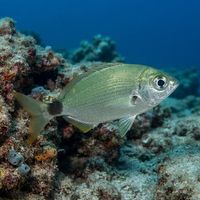
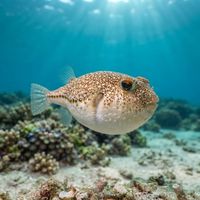
The region has a strong cast of resident species observed across a wide range of sites. Common Octopus and Indian Lionfish are among the most frequently encountered, alongside Mediterranean Moray, Fangtooth Moray, and Pufferfish. Turkish Wrasse and Bluespotted Cornetfish appear on almost every dive, while Reef Squid, European Parrotfish, and Mediterranean Violet Aeolid reward divers who look closely at the reef.
Yes, a good portion of the sites are rated for beginners and can be reached from shore. Tunnels and Caves, The Blue Lagoon, and De Costa Bay all offer shallow, accessible diving with interesting topography and no requirement for boat travel. Intermediate sites such as Cyclops Cave and Pitos are also well served by the many local operators, making it straightforward to progress.
Cape Greco is the dominant sub-area within Ayia Napa and Protaras, containing the large majority of the region's dive sites. The area is characterised by steep wall and canyon topography, with sites like Canyon running beneath the cliffs and Caves at Cape Greco offering shallow cave and reef combinations. Shore access is common here, making it practical to explore independently or with a local dive centre.
Shore diving is the dominant format in this region, covering the majority of listed sites. Many of the most varied sites, including Cyclops Cave, Bogaz Amphora, and Spongie, are all accessible directly from the shore. Boat dives are available for sites such as the Nemesis wreck and Pitos, and numerous operators across the region run regular boat trips for those sites.


