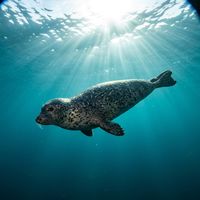
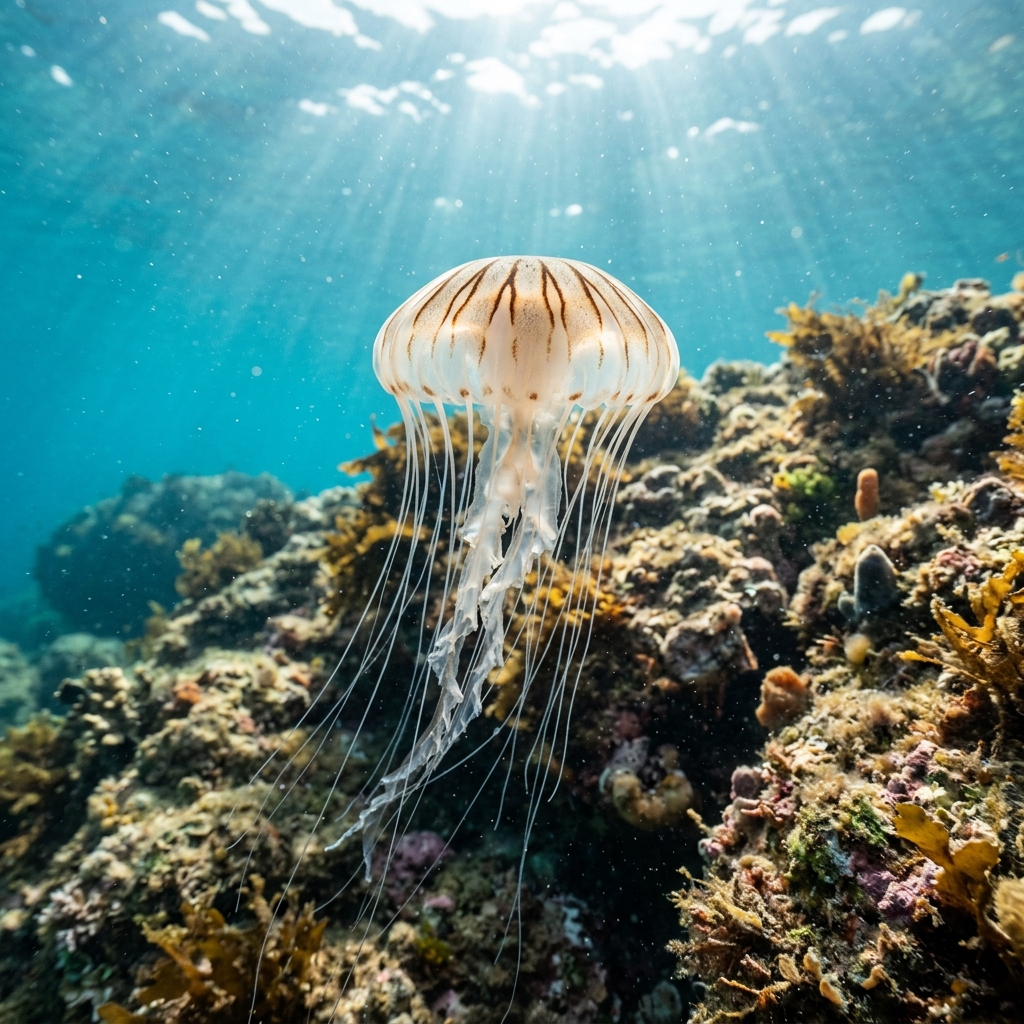
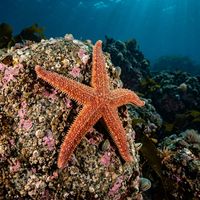
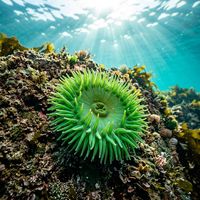
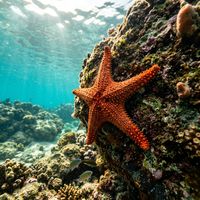
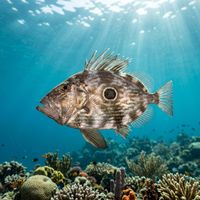
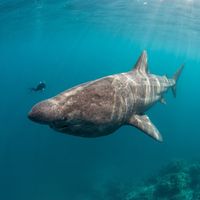
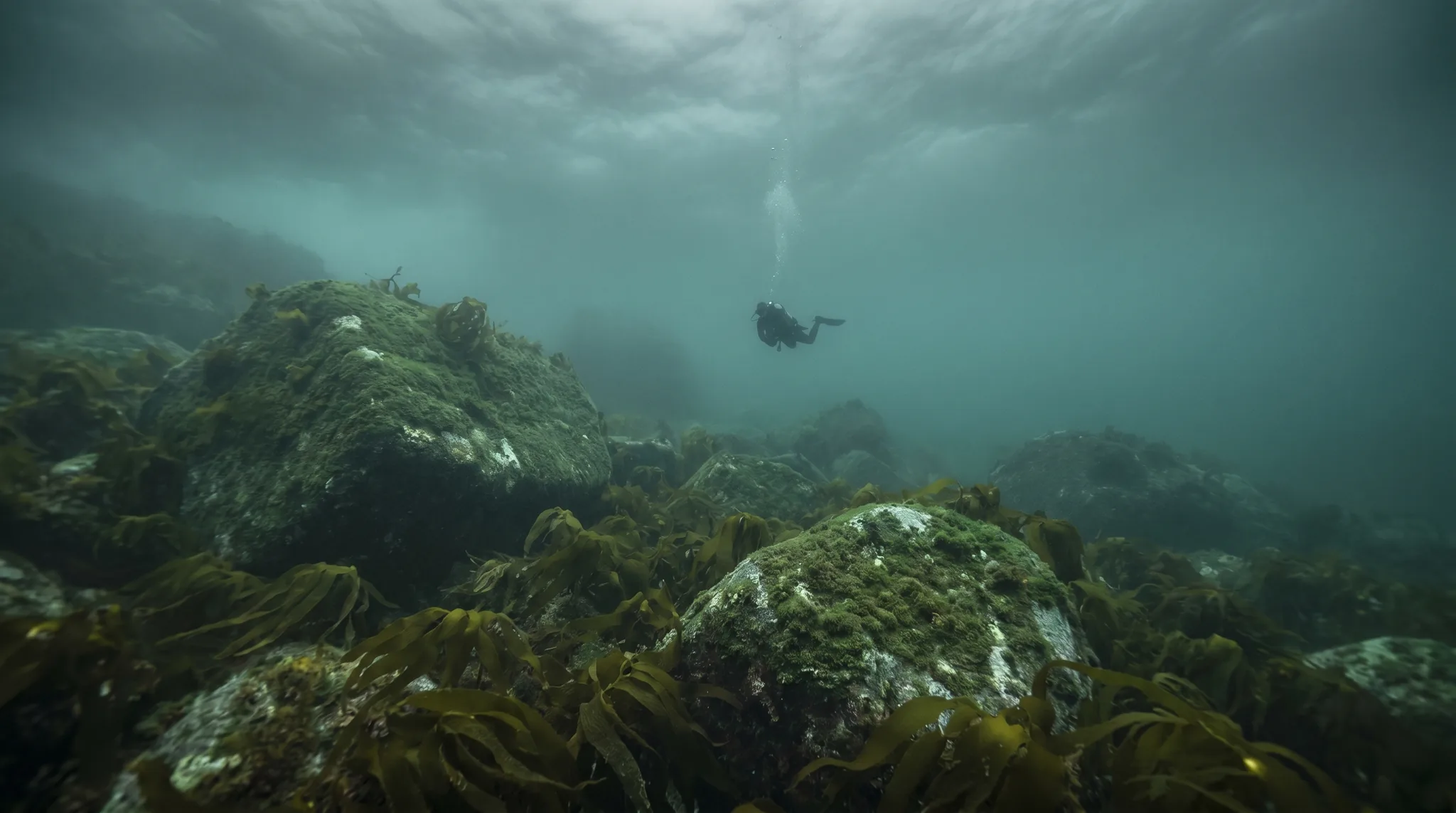
Mullaghmore offers reef diving across exposed offshore rock structures, with boat access taking divers out to sites ranging from shallow reef tops to deeper cave systems. The Harbor Seal is the signature encounter here, observed across the sites consistently. Dead Man's Fingers, Common Sea Star, and European Green Crab are ever-present on the reefs, while John Dory and Wrasses add variety. Conditions are cool year-round, with summer bringing the warmest water and the clearest windows for diving and snorkelling alike.
Monthly water temperature across Mullaghmore's sites, from satellite sea-surface data corrected for depth. The band shows the site-to-site spread.
Water temperatures follow a clear seasonal arc, rising from their coolest in winter through to a summer peak before falling again into autumn. The warmer months from late spring through early autumn offer the most comfortable conditions and are when the majority of dive activity takes place. Exposed reef sites mean that swell and surface conditions can vary, so divers should check conditions before heading out.
4 operators
Manorhamilton, Ireland
Ireland
10 more sites to explore
Water temperature around Mullaghmore ranges from about 9°C in January to 16°C in August, based on satellite sea-temperature data for its dive sites.
In the warm season (about 16°C) a 7mm or semi-dry suit is comfortable in Mullaghmore; in the coldest months (about 9°C) step up to a drysuit.
Fin maps 12 sites in Mullaghmore (10 scuba diving sites and 6 snorkelling spots, with some suited to both).
Across Mullaghmore's dive sites, May, June, July, August and September are most often reported as the best months to visit.
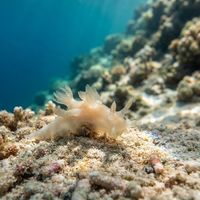
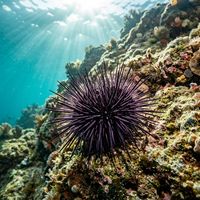
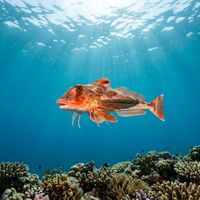
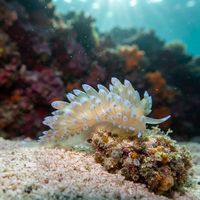
The Harbor Seal is the standout species and is observed consistently across the sites. Reefs are covered in Dead Man's Fingers and Sea Anemone, with Common Lobster and Crayfish found in crevices. Divers also regularly encounter John Dory, Wrasses, Sea Cucumber, and Feather Star, while the Orange-clubbed Nudibranch rewards those who look closely at the reef surface.
The site mix includes both beginner and intermediate options. Thumb Rock is rated beginner-friendly with a shallower reef top, making it a good starting point for those building confidence. Skuddagh Rock, which combines open reef with cave diving at greater depth, is better suited to intermediate divers. Both sites require boat access.
The top dive sites at Mullaghmore are reached by boat, as the main reef structures sit offshore. There are no listed dive operators currently based in the area, so visiting divers should arrange their own boat cover or travel with a club. Snorkellers may find some sites accessible closer to shore, though boat access extends the range considerably.
Thumb Rock is a reef site where the most interesting topography sits in the shallower upper sections, making it approachable for less experienced divers. Skuddagh Rock combines open reef with cave sections at greater depth, offering a more varied and technical experience suited to intermediate level. Both sites share the same cold-water invertebrate communities but differ in depth profile and complexity.