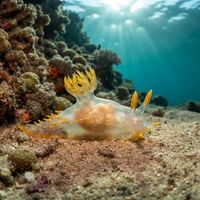
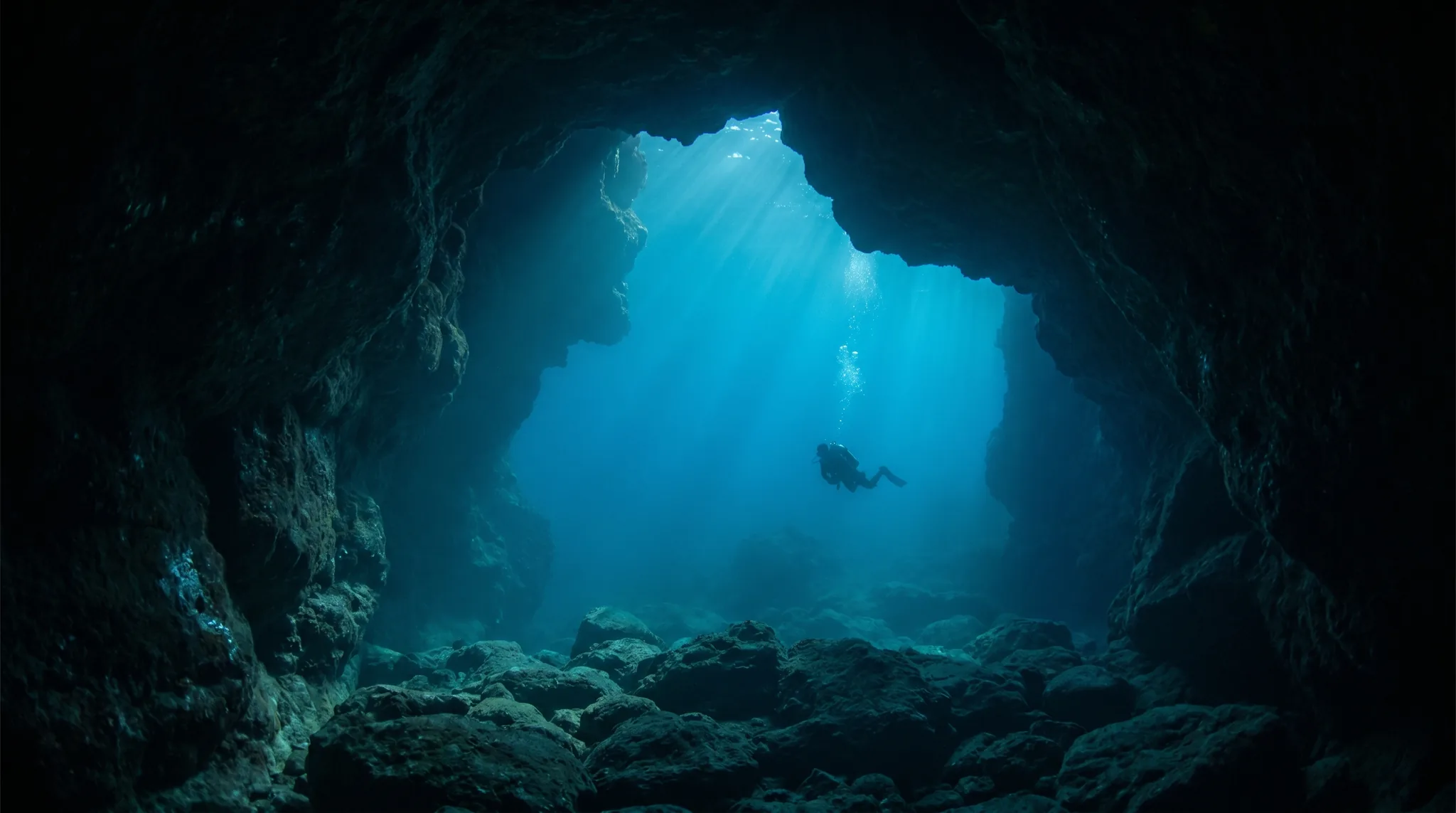
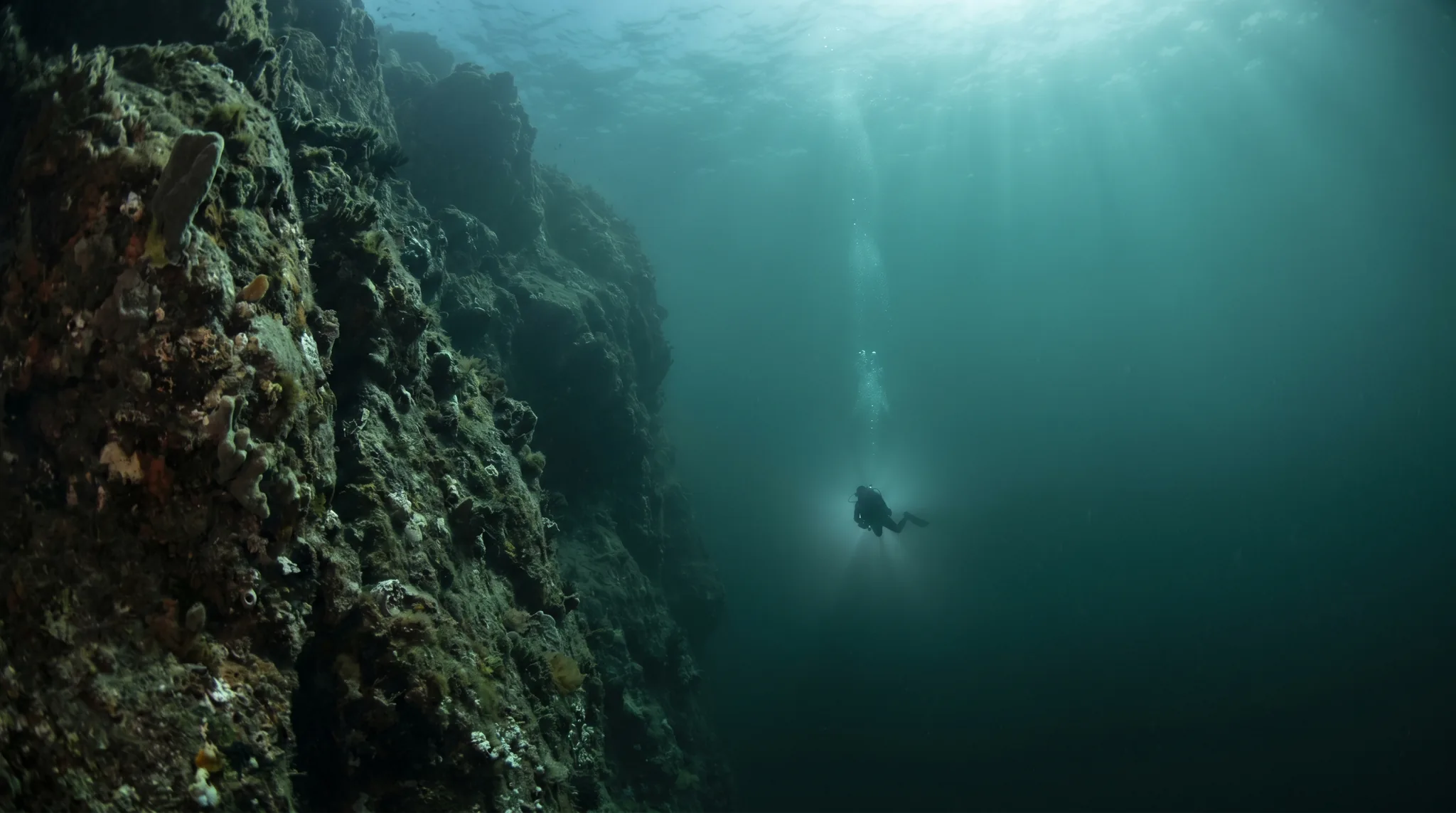
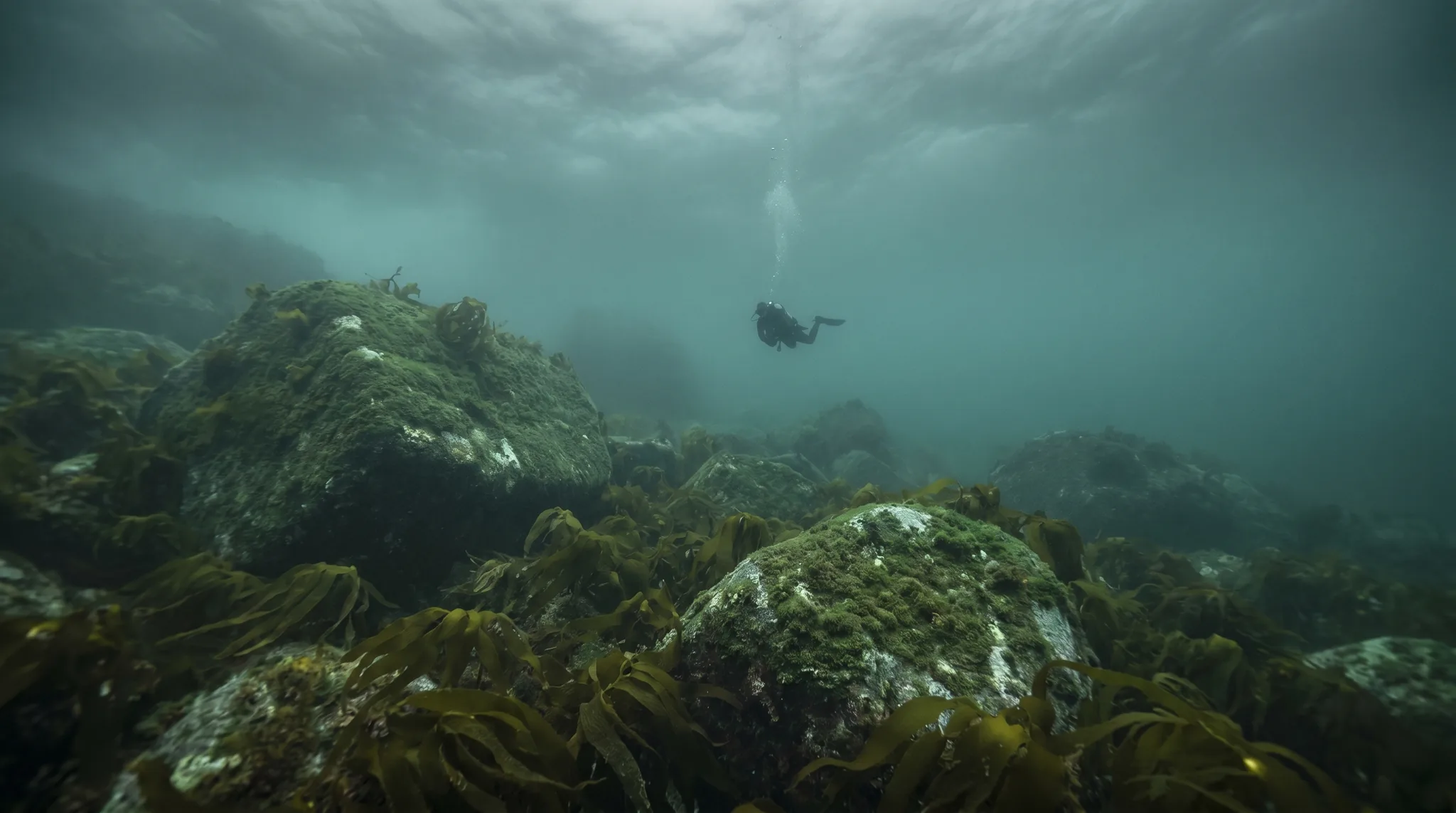
Dingle Bay Reefs is a boat-focused dive destination built around reef and wall diving, with site character ranging from shallow kelp-filled gullies to deep drift walls and cave-laced overhangs. Beginners can ease into sites like Illaunabarnagh and Scraggane Bay, while intermediate and advanced divers work through Square Rock, Pollack Alley, and The Outer Reef. Giant Green Anemone, Spiny Spider Crab, and Yellow Zoanthid colour the walls, and Polycera kernowensis nudibranch appears across nearly every site.
Monthly water temperature across Dingle Bay Reefs's sites, from satellite sea-surface data corrected for depth. The band shows the site-to-site spread.
Water stays cold year-round, warming slightly from midsummer through early autumn when conditions draw the most divers. July through October sees the strongest combination of temperature and settled weather, making these the favoured months for longer boat trips to exposed sites like The Outer Reef. Winter diving is possible but water temperatures drop to their lowest and conditions can be demanding.
11 operators
Dingle, Ireland
Kilrush, Ireland
3 more sites to explore
Water temperature around Dingle Bay Reefs ranges from about 9°C in February to 15°C in July, based on satellite sea-temperature data for its dive sites.
In the warm season (about 15°C) a 7mm or semi-dry suit is comfortable in Dingle Bay Reefs; in the coldest months (about 9°C) step up to a drysuit.
Fin maps 15 sites in Dingle Bay Reefs (15 scuba diving sites).
Across Dingle Bay Reefs's dive sites, July, September and October are most often reported as the best months to visit.
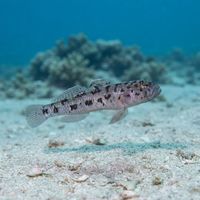
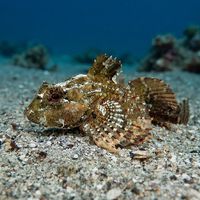
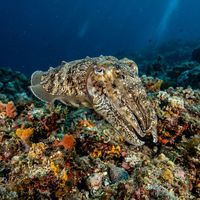
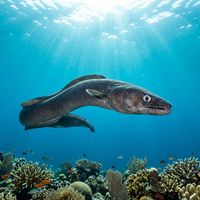
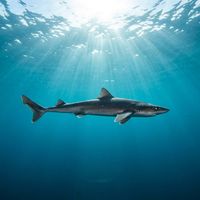
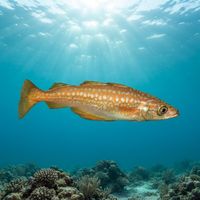
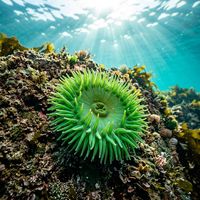
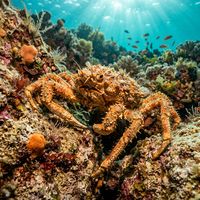
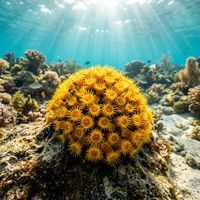
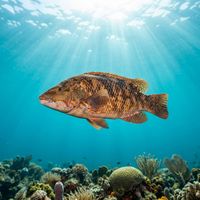
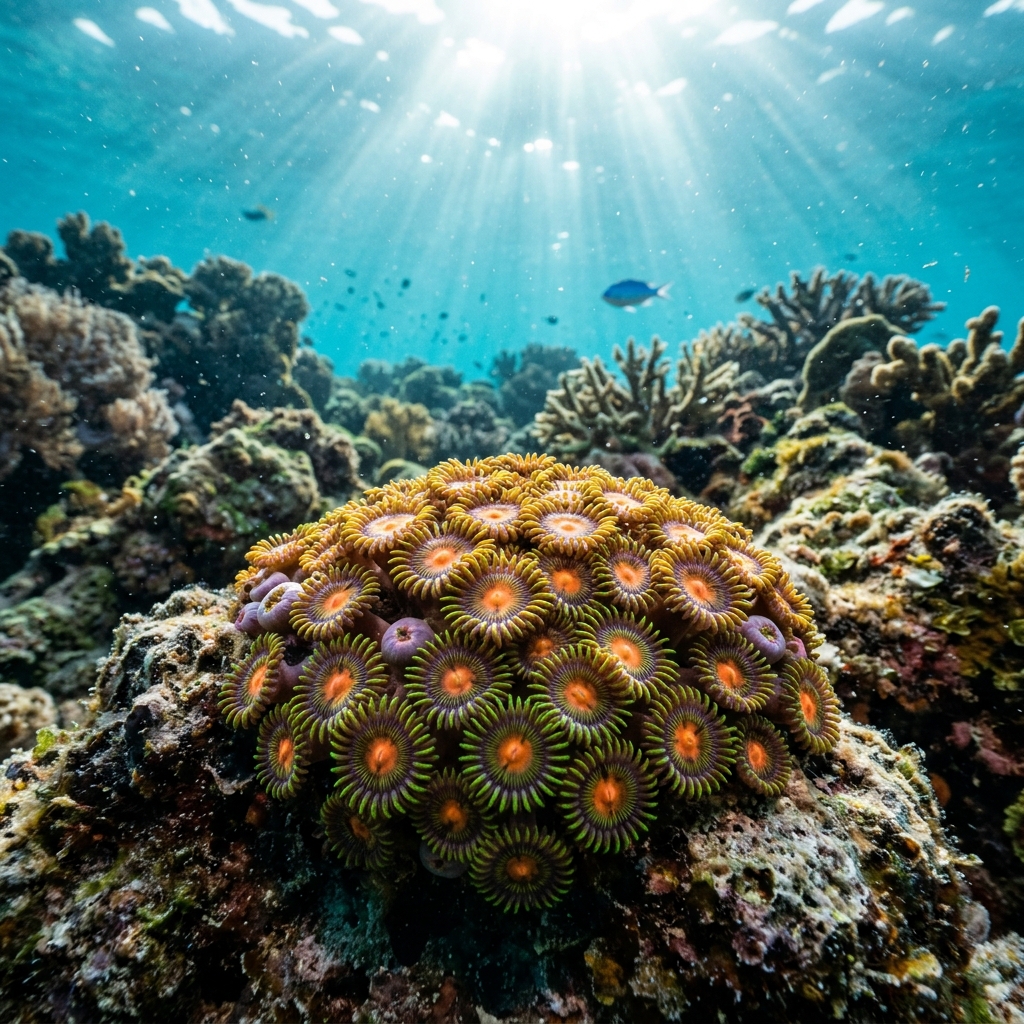
Giant Green Anemone and Spiny Spider Crab are found across virtually every site, and Yellow Zoanthid and Zoanthid colonies coat much of the reef structure. Conger Eel, Dogfish, and Pollack are regularly encountered, while the nudibranch Polycera kernowensis is one of the signature species here. Occasional sightings of Basking Shark, Common Dolphin, and Gray Seal have also been recorded.
Several sites are well-suited to beginners, including Illaunabarnagh and The Necklace, which offer shallower reef and kelp forest terrain. Scraggane Bay is the one shore-entry site and provides a gentle introduction through reef and seagrass habitats. The majority of sites, however, are boat access only and progress toward intermediate and advanced requirements as depths and drift conditions increase.
Almost all sites in Dingle Bay Reefs require a boat, and there are multiple operators serving the area including Waterworld Dive Centre, Wild Water Adventures, Oceandivers, and Dive Academy, among others. The single exception is Scraggane Bay, which can be entered from the shore. Boat diving opens up the more varied topography of sites like The Gully, The Pinnacle, and Overhang, which sit further offshore.
Shallower reef and kelp sites such as The Necklace give newer divers a manageable introduction to the bay's character. Intermediate divers can progress to wall and drift combinations at Pollack Alley and The Letterbox, which feature more complex topography including gullies and swim-throughs. Advanced divers have dedicated sites in The Outer Reef and The Inner Reef, where deep walls, strong drift, and greater depths demand confident buoyancy and navigation skills.