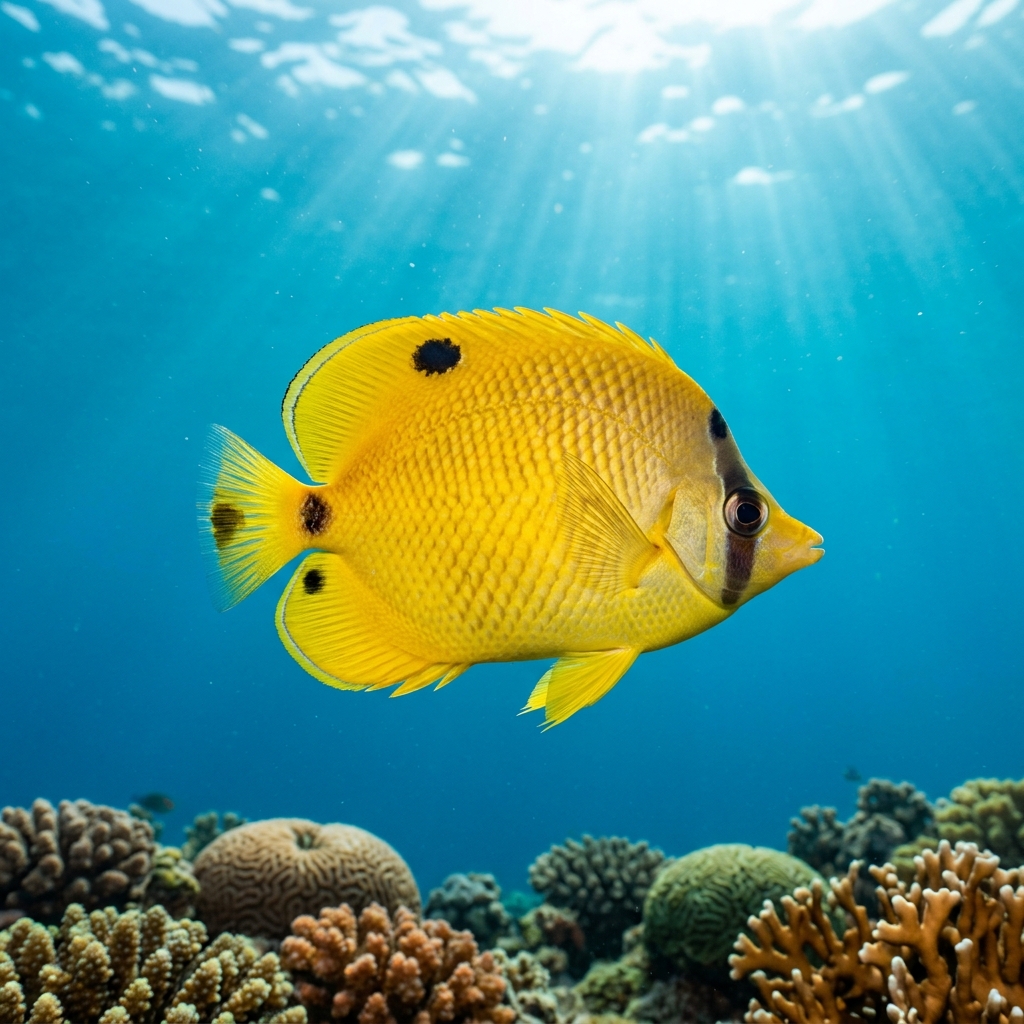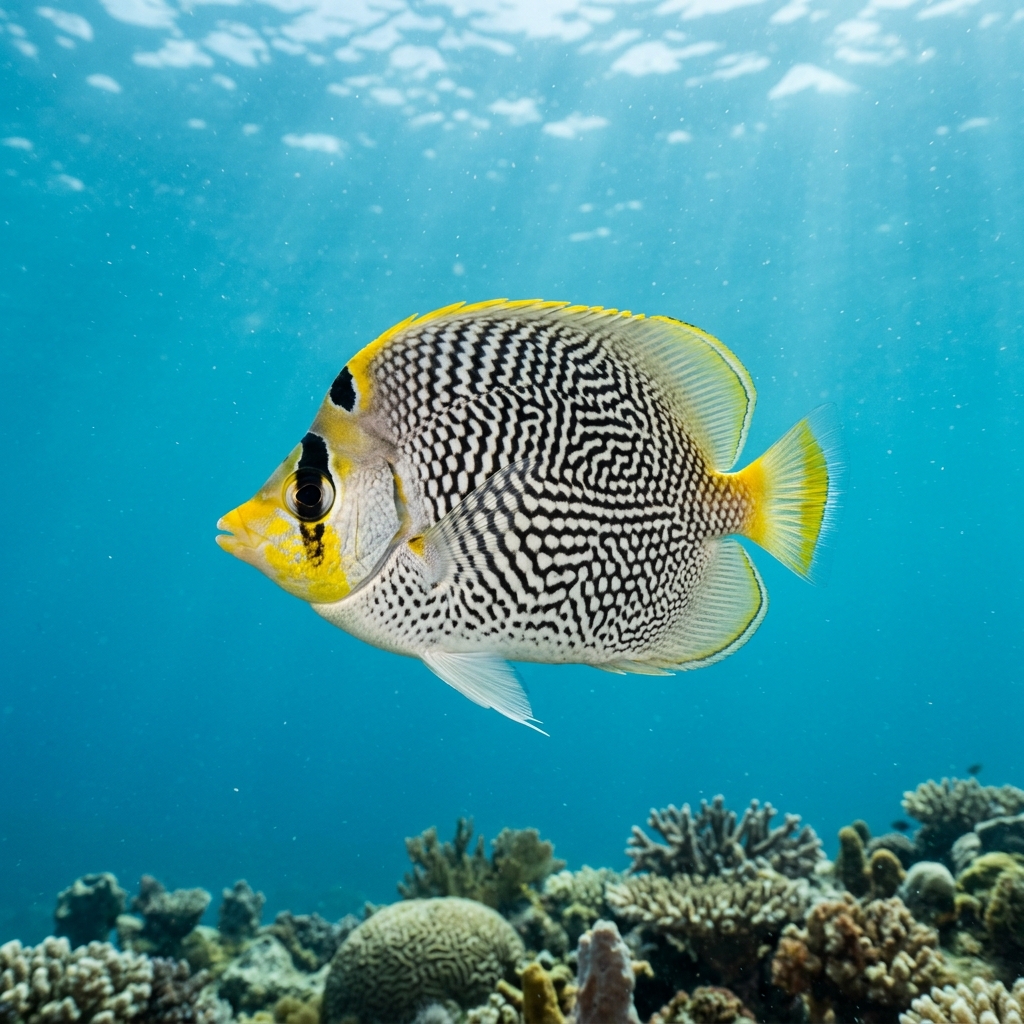
Chaetodon reticulatus
Spot the reticulated butterflyfish in French Polynesia and Palau. ID tips, when to dive, and where sightings concentrate across the central Pacific.
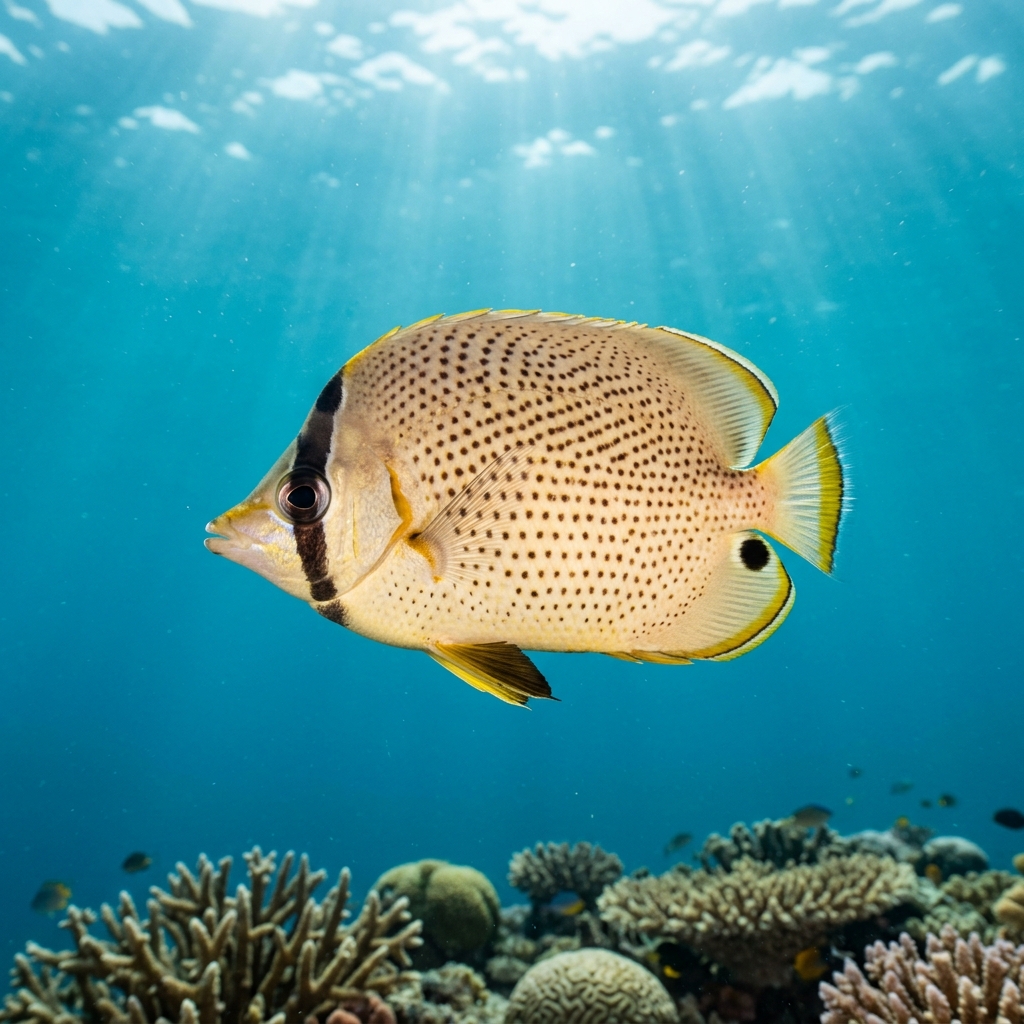
A medium-sized butterflyfish with a bold reticulated (net-like) pattern: each pale scale is outlined in dark grey or black, giving the body a mesh appearance unlike any other Pacific butterflyfish. The tail is bright yellow and the face carries a strong black bar through the eye. Overall body colour is white to pale grey, making the dark scale edges stand out sharply at close range.
Typically encountered singly or in pairs moving deliberately over coral-rich sections of the reef, picking at coral polyps and small invertebrates. It tends to stay close to the reef structure rather than venturing into open water, which can make it easy to approach slowly from below. Most sightings are in daylight hours during recreational dive depths.
Like many obligate corallivores (coral-feeding specialists), this species is tied closely to healthy hard coral cover, which may explain why its sighting record skews so strongly toward the relatively pristine reefs of the central Pacific.
In the northern hemisphere (Palau, Guam, Hawaii) sightings concentrate between January and July. In the southern hemisphere (French Polynesia, Cook Islands, Niue) encounters are most frequent from April through December, aligning with the warmer end of the observed temperature range of 25 to 29 °C.
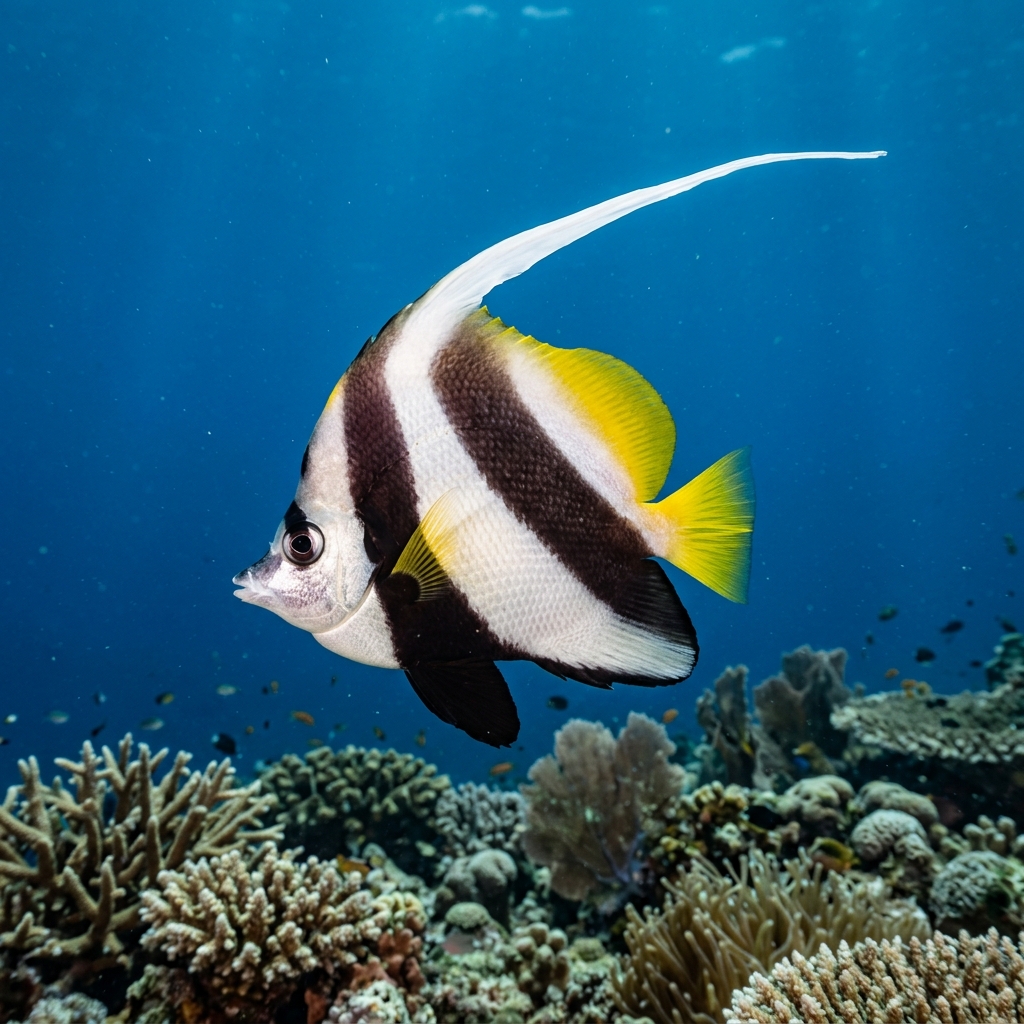
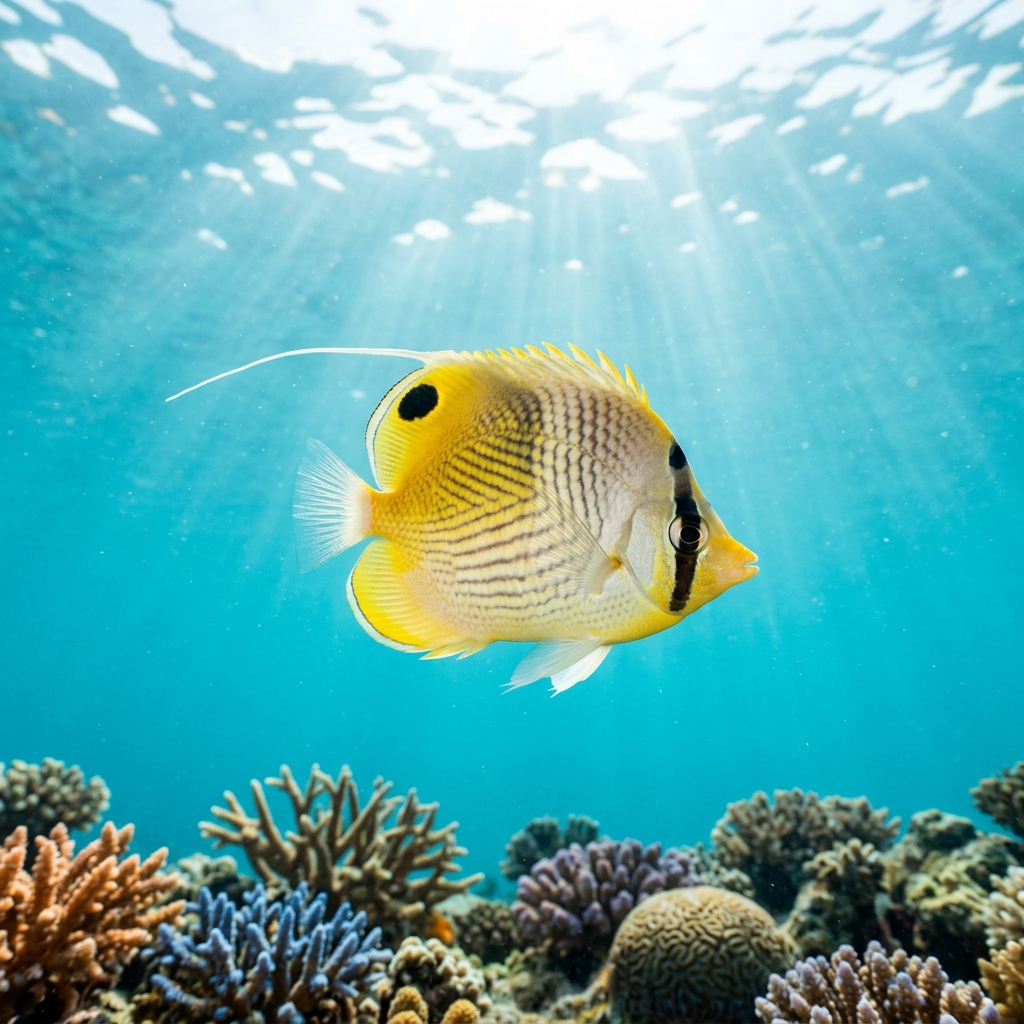
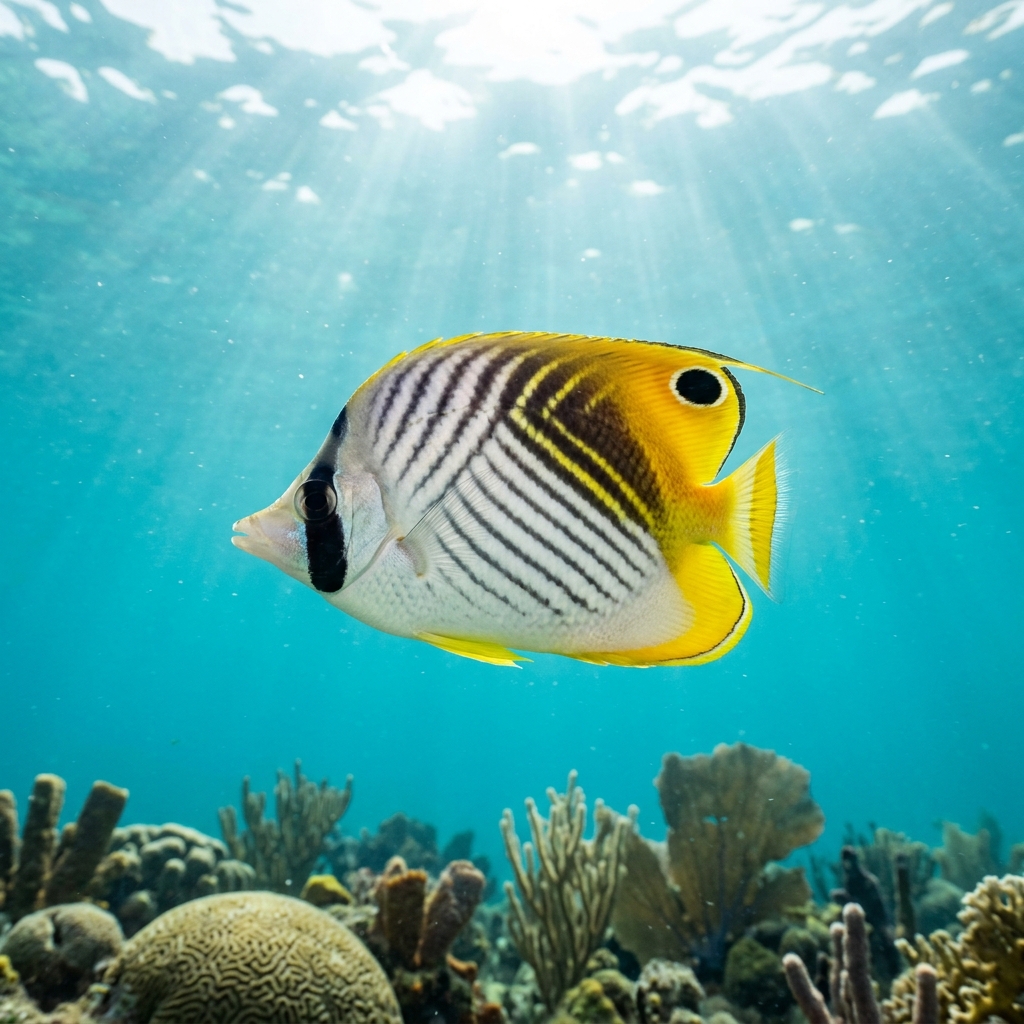
Reef neighbours a diver could mistake it for. Use the identification notes above to tell them apart.
French Polynesia accounts for by far the strongest sighting record, with Tahiti, the Society Islands (Leeward), and Rangiroa and Tikehau all logging consistent encounters. Palau and Guam are the next most reliable destinations, particularly around Ngemelis Islands and Apra Harbor. Smaller but real populations are recorded in the Cook Islands, Niue, Hawaii, and Indonesia.
Mapping where Reticulated Butterflyfish is logged…
The species is most reliably logged in French Polynesia, especially around Tahiti, the Society Islands (Leeward), and Rangiroa and Tikehau. Palau's Ngemelis Islands and Rock Islands are also strong bets, along with Apra Harbor in Guam and sites across the Cook Islands and Niue.
Timing depends on hemisphere. In Palau, Guam, and Hawaii, sightings peak from January to July. In French Polynesia, Cook Islands, and Niue, encounters are most frequent April through December. The species favours water temperatures between roughly 25 and 29 °C.
Look for the distinctive net-like pattern where every pale scale is outlined in dark grey or black across the whole body. Pair that with a bright yellow tail and a clear black eye bar. No other common Pacific butterflyfish combines that mesh body pattern with a yellow tail.
It is uncommon at the large majority of sites where it is recorded, and rare at many others. Only a small number of sites log it as common. Patience and slow reef exploration improve your chances, particularly in French Polynesia.
Site and sighting data is aggregated from diver logs, iNaturalist and GBIF. For taxonomy and conservation status: