

Grande-Terre offers a varied underwater landscape built around reef diving, with cave systems, walls, drop-offs, and artificial structures adding texture across its three sub-areas. Saint-François and Sainte-Anne share the bulk of the sites, while Petite-Terre provides a quieter, more focused complement. Conditions suit all levels: shallow, beginner-friendly reefs sit alongside deep walls and drift dives for advanced divers. The marine life is rich and observation-backed, from very common Blue Tang and Yellowtail Snapper to occasional signature finds such as Frogfish, Spanish Dancer, and Nurse Shark. All sites are boat-accessed.
3 areas
 25
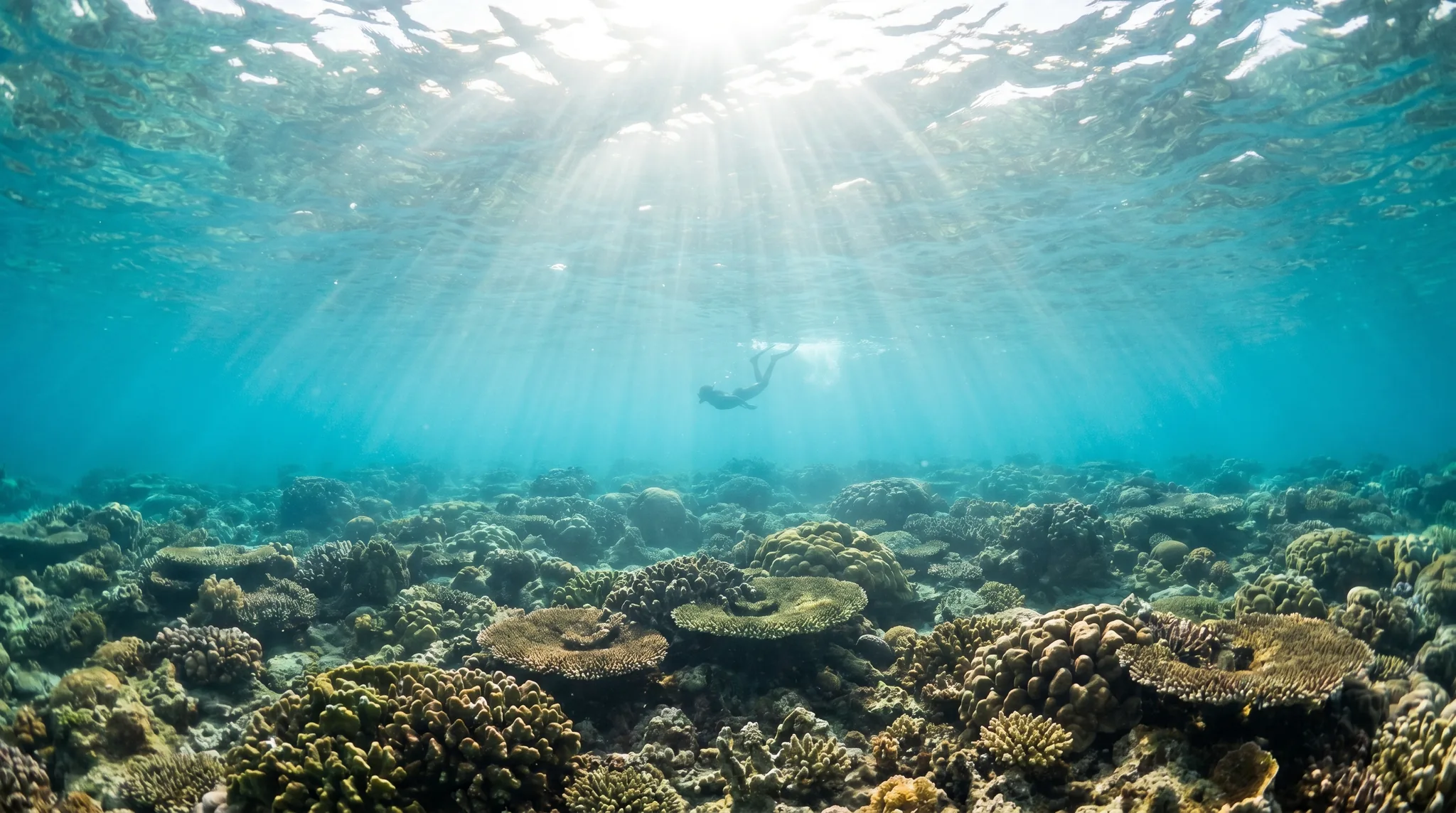
25Accessible reef diving off Grande-Terre, with warm water year-round and a rich cast of observed species from Nurse Shark to Great Barracuda.
 24
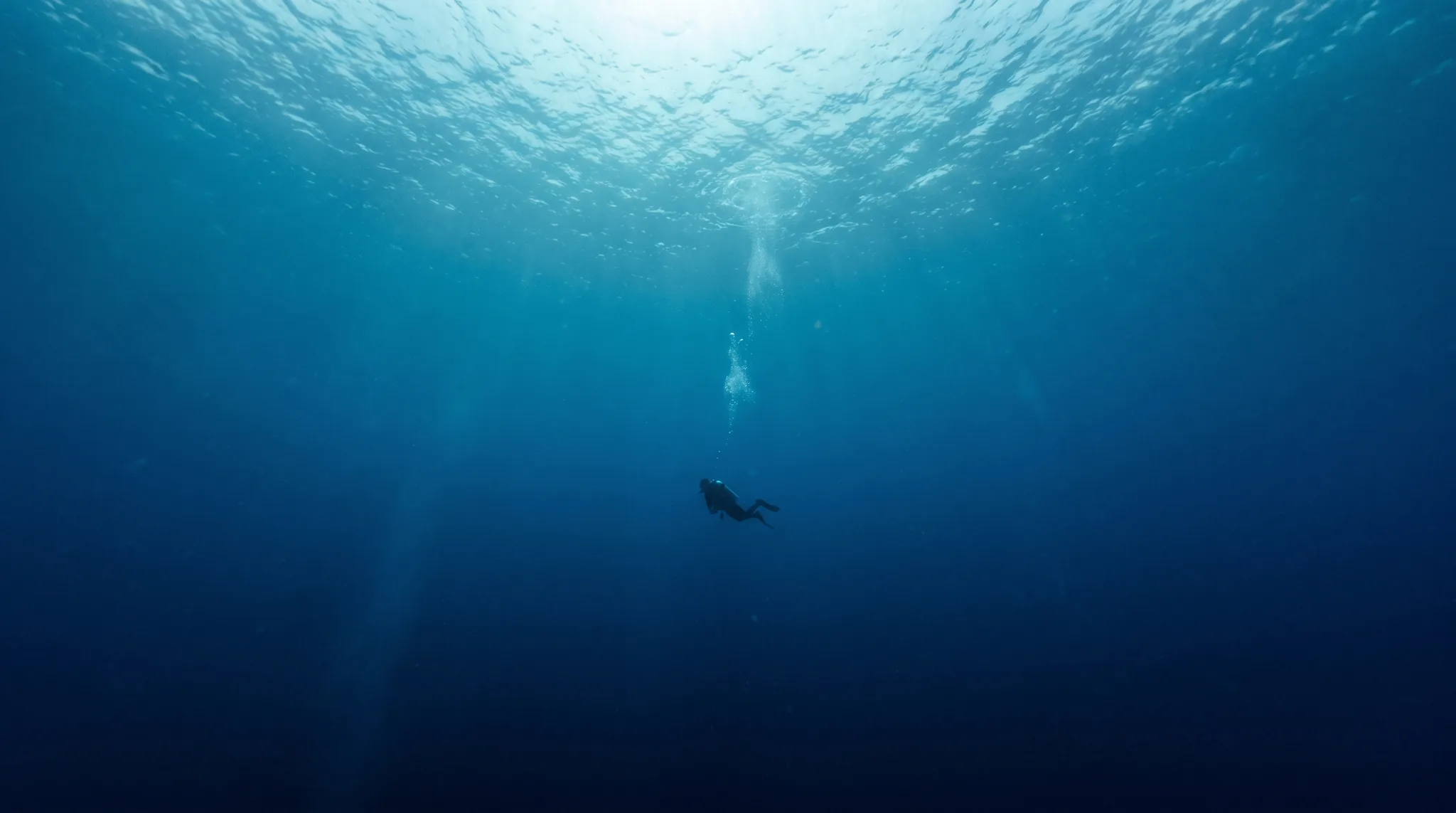
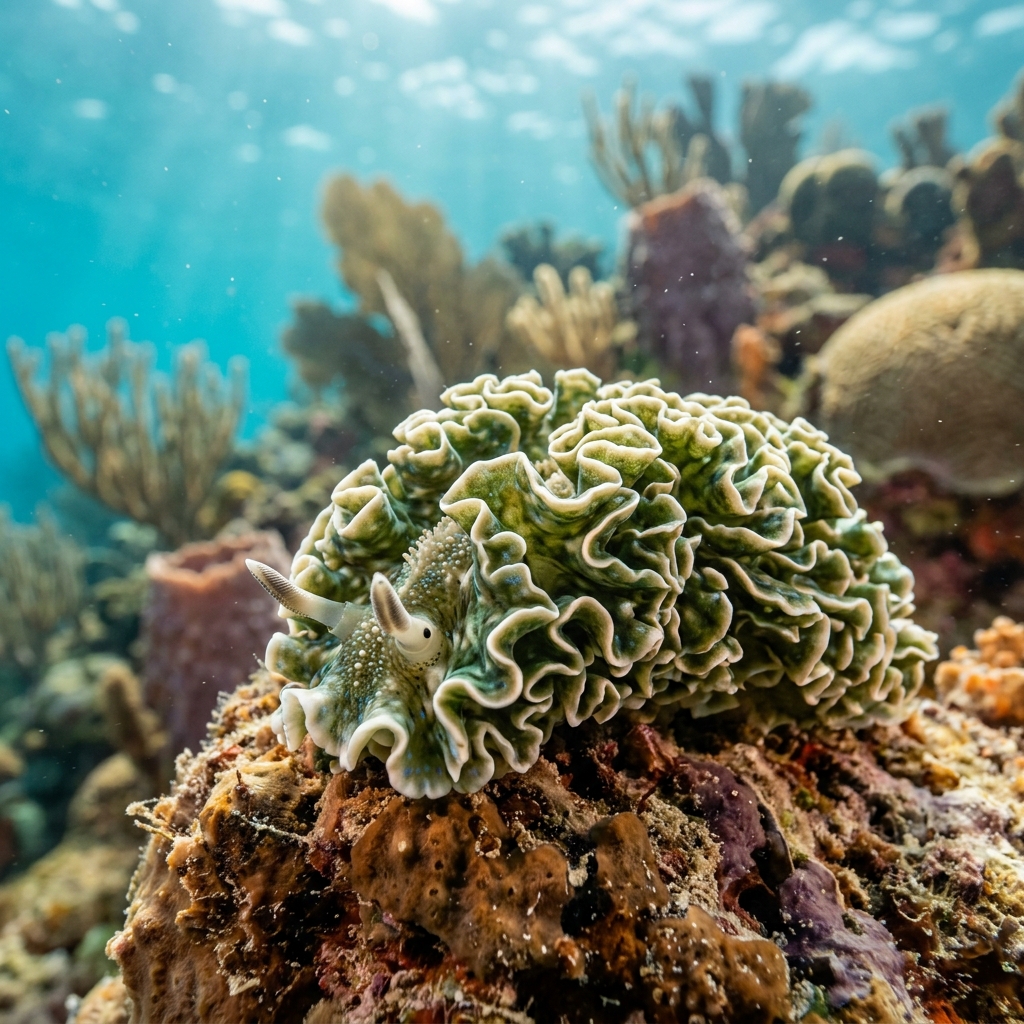
24Boat-access diving off Grande-Terre with caves, walls, wrecks, and an exceptional nudibranch community across sites for all levels.
6A protected Atlantic-side reserve off Saint-François, with reef and seagrass sites sheltering turtles, lemon sharks, and rays.
Monthly water temperature across Grande-Terre's sites, from satellite sea-surface data corrected for depth. The band shows the site-to-site spread.
Water stays warm throughout the year, rising from its coolest in the early months to its warmest around September and October. The peak diving season runs from February through May, when conditions and visibility tend to be at their most favourable. From September into October, fewer operators log ideal conditions, making the earlier dry-season months the more reliable choice for planning a trip.
4 operators
Saint-Francois, Guadeloupe
Water temperature around Grande-Terre ranges from about 27°C in January to 30°C in September, based on satellite sea-temperature data for its dive sites.
With water around 27–30°C, a rash guard or 3mm shorty works in Grande-Terre year-round.
Fin maps 55 sites in Grande-Terre (51 scuba diving sites and 14 snorkelling spots, with some suited to both), organised into 3 areas.
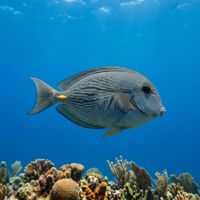
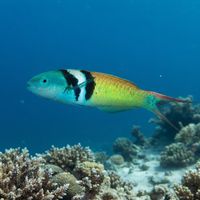
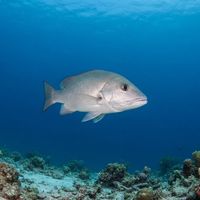
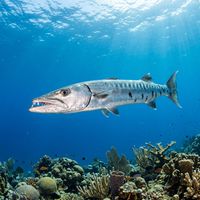
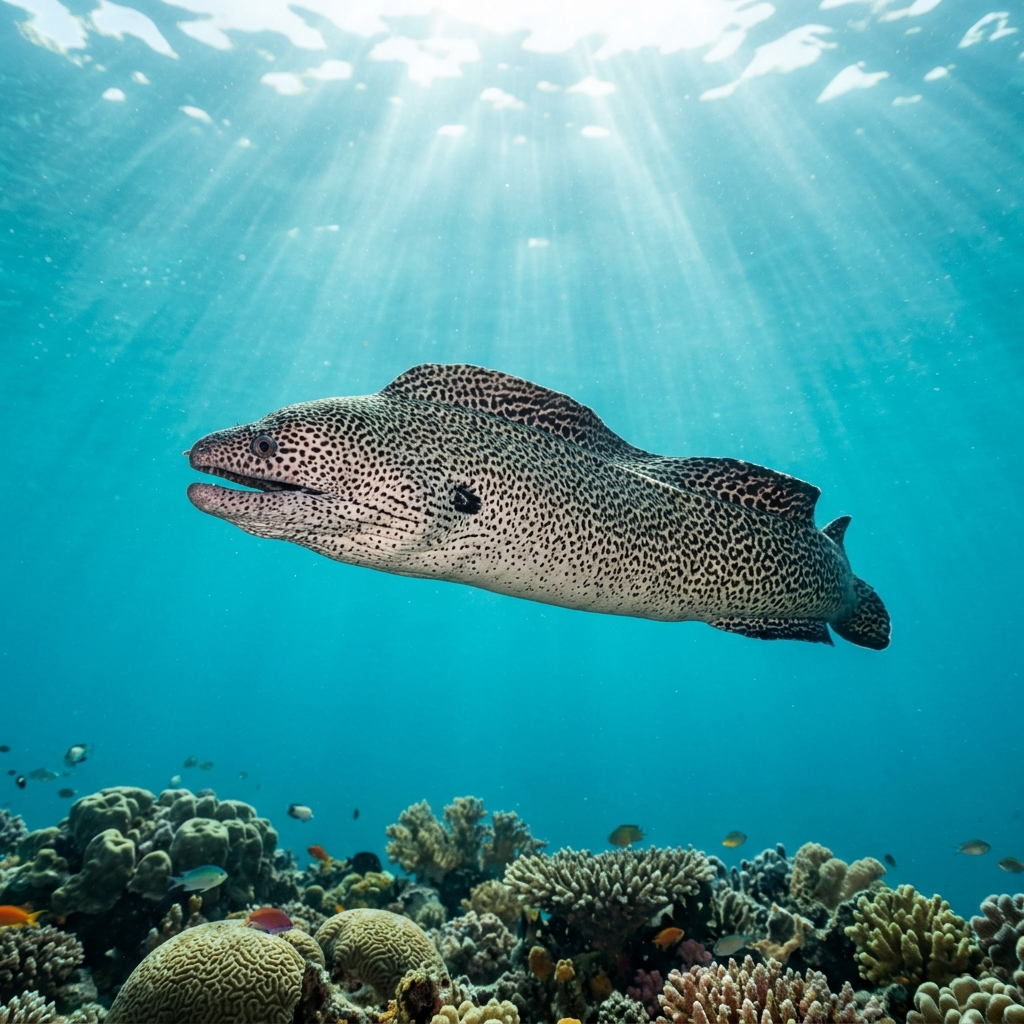
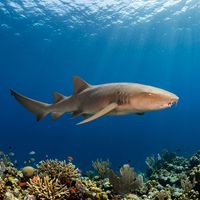
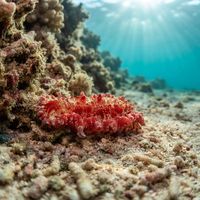
The reefs of Grande-Terre support a wide range of observed species. Very common sightings include Blue Tang, Caribbean Ocean Surgeonfish, Yellowtail Snapper, Soldierfish, Goatfish, and Wrasses. With patience, divers also encounter signature species such as Brazilian Reef Octopus, Great Barracuda, Spotted Moray, Nurse Shark, Frogfish, and the vivid Spanish Dancer nudibranch.
A large proportion of sites in Grande-Terre are rated for beginners, including Le Souffleur, Le Canon, Balise de Petit Canal, Roche Guizmo, and several reefs off Saint-François. These sites are generally shallow, with mild conditions and straightforward topography. Intermediate and advanced sites such as Platax and Le Grand Bleu are also available for those seeking deeper walls and drift diving.
Saint-François and Sainte-Anne each hold a substantial number of sites and between them cover the full range of site types, from shallow beginner reefs to deep walls and cave systems. Petite-Terre is a smaller sub-area with fewer sites, offering a more focused experience away from the busier spots. Divers based anywhere along the coast will need a boat to reach all sites, as there are no shore-entry dives listed in the region.
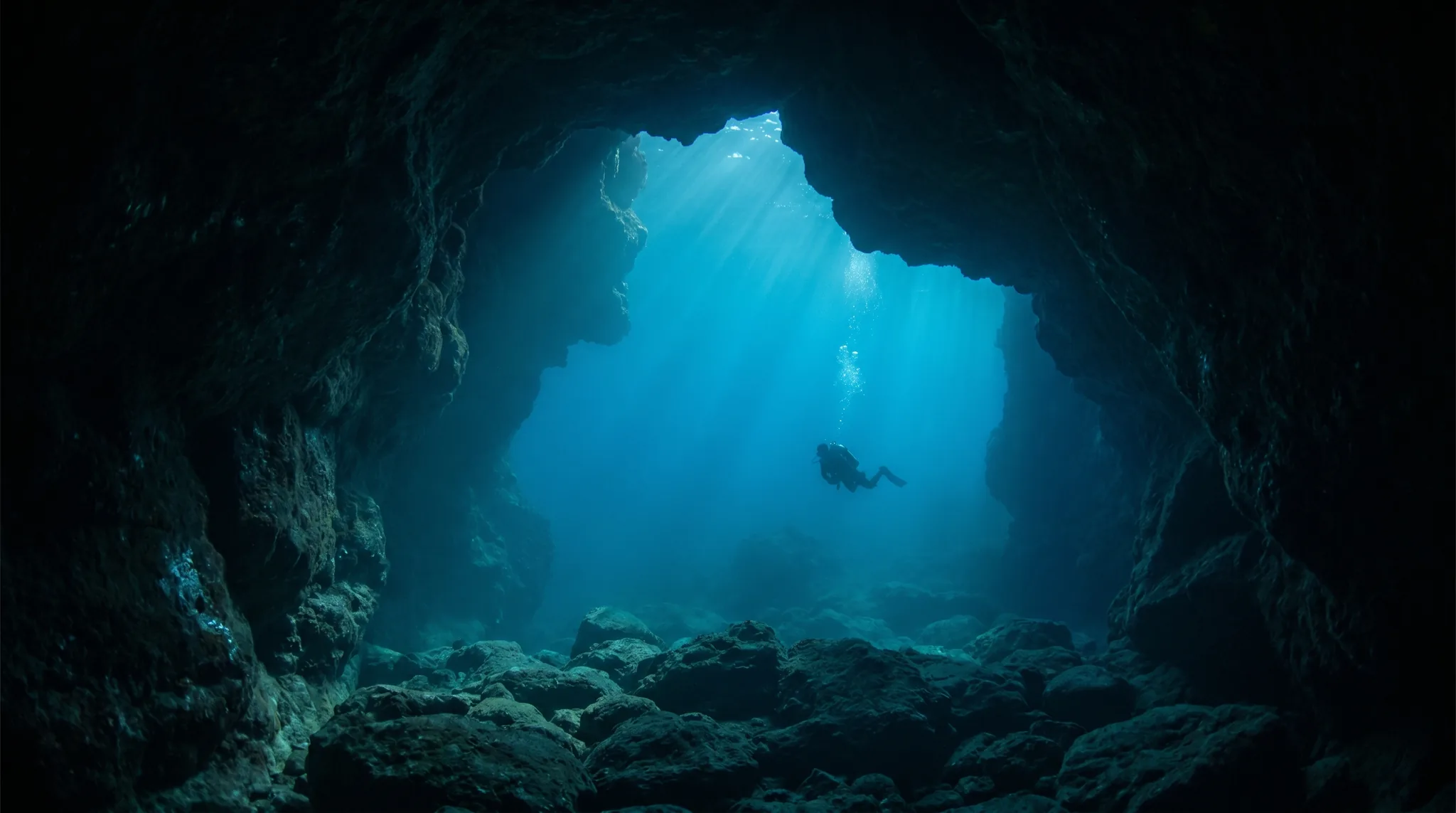
Reef diving is the dominant format across Grande-Terre, but the variety within that is broad. Cave and tunnel sites such as La Grotte Amedien and Tunnel de la Grande Vigie add an overhead element, while Platax and Le Grand Bleu offer wall and drop-off diving with significant depth. Artificial reef structures at Le Canon and Balise de Petit Canal provide additional habitat and attract a good mix of species.


