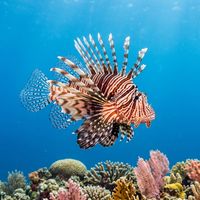
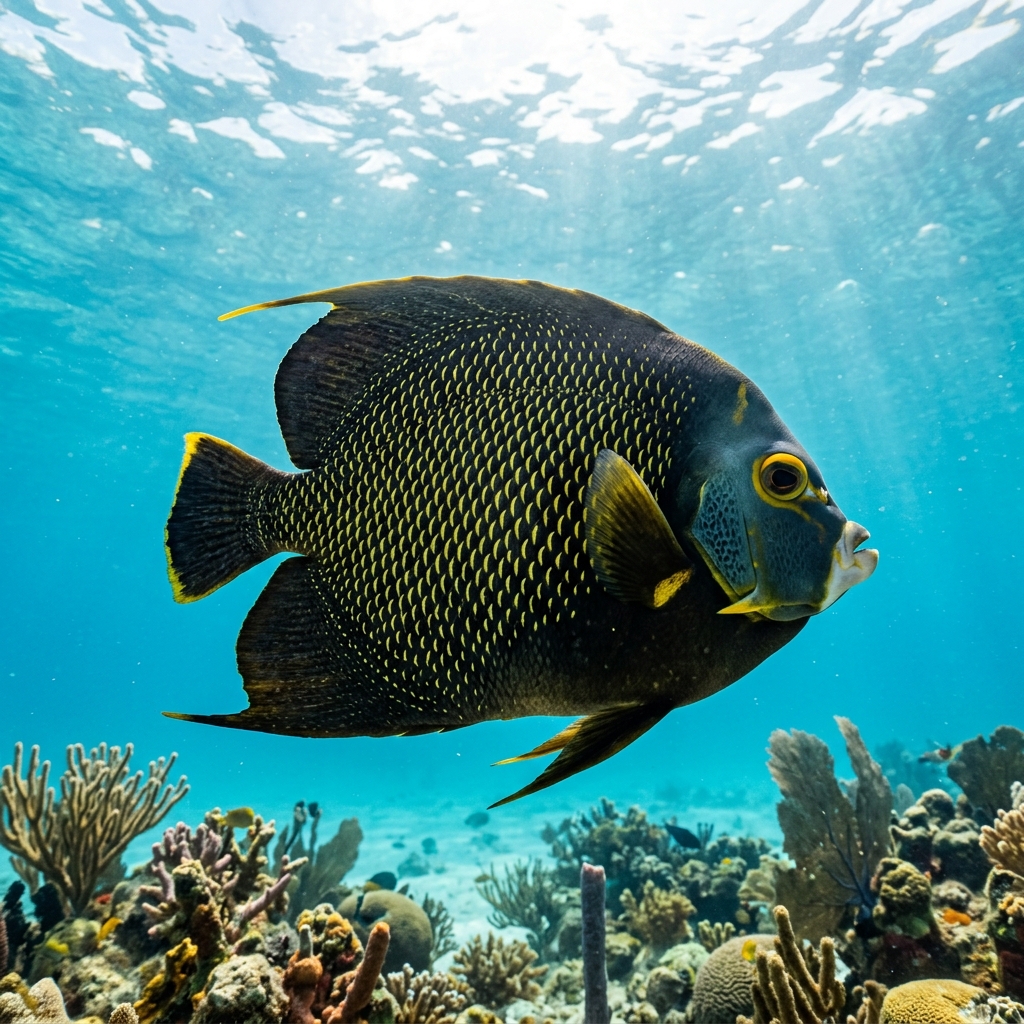
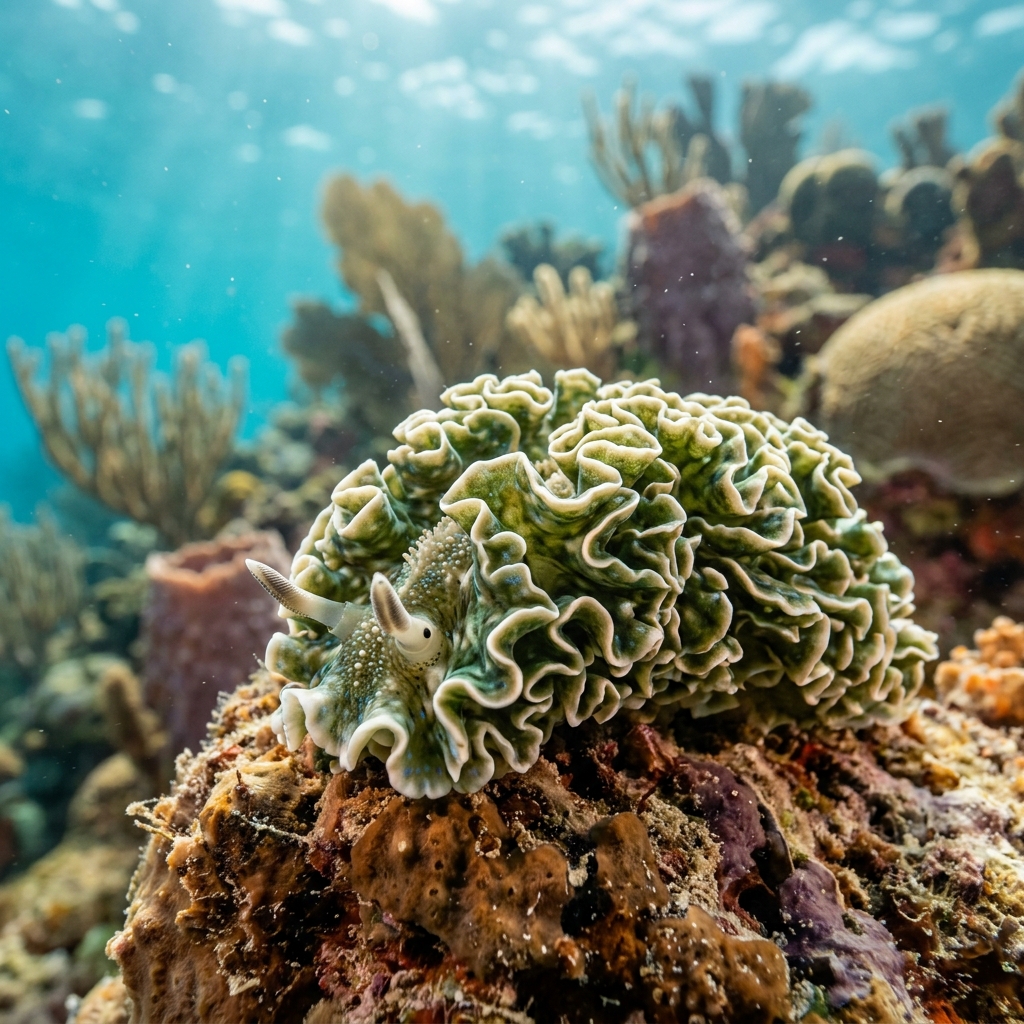
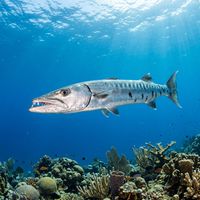
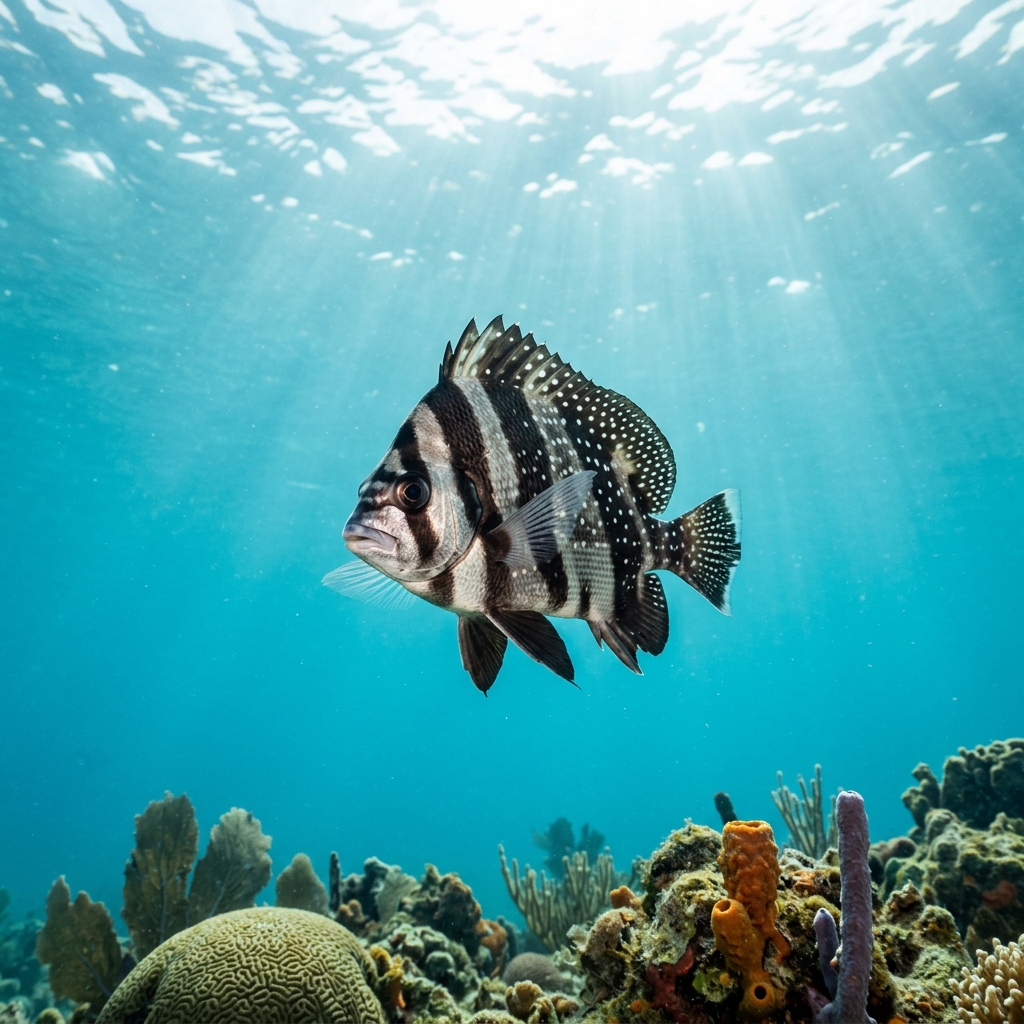
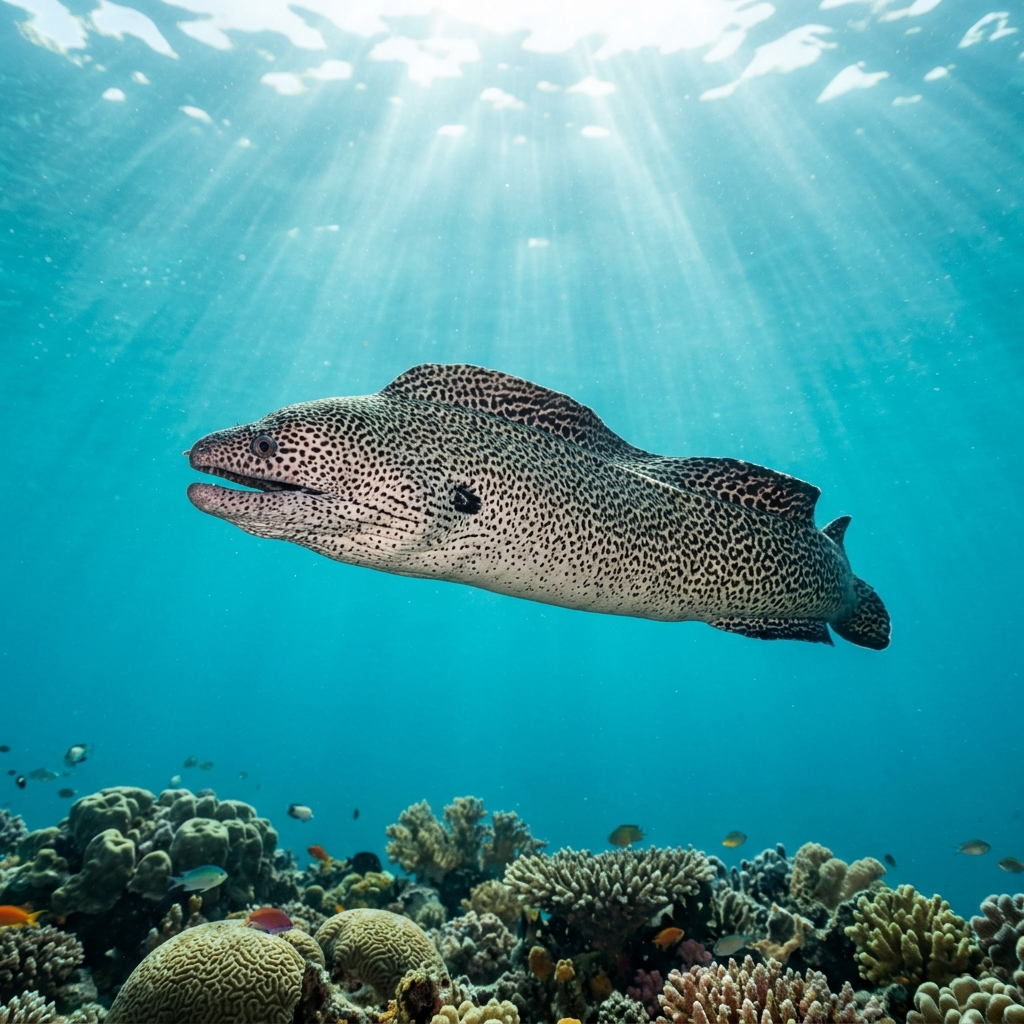
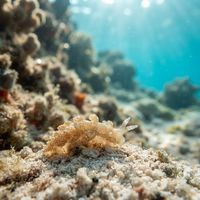
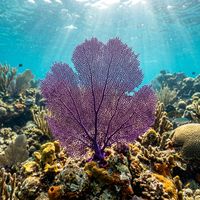
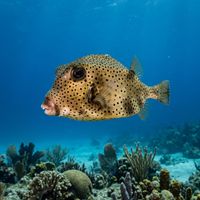
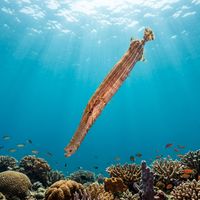
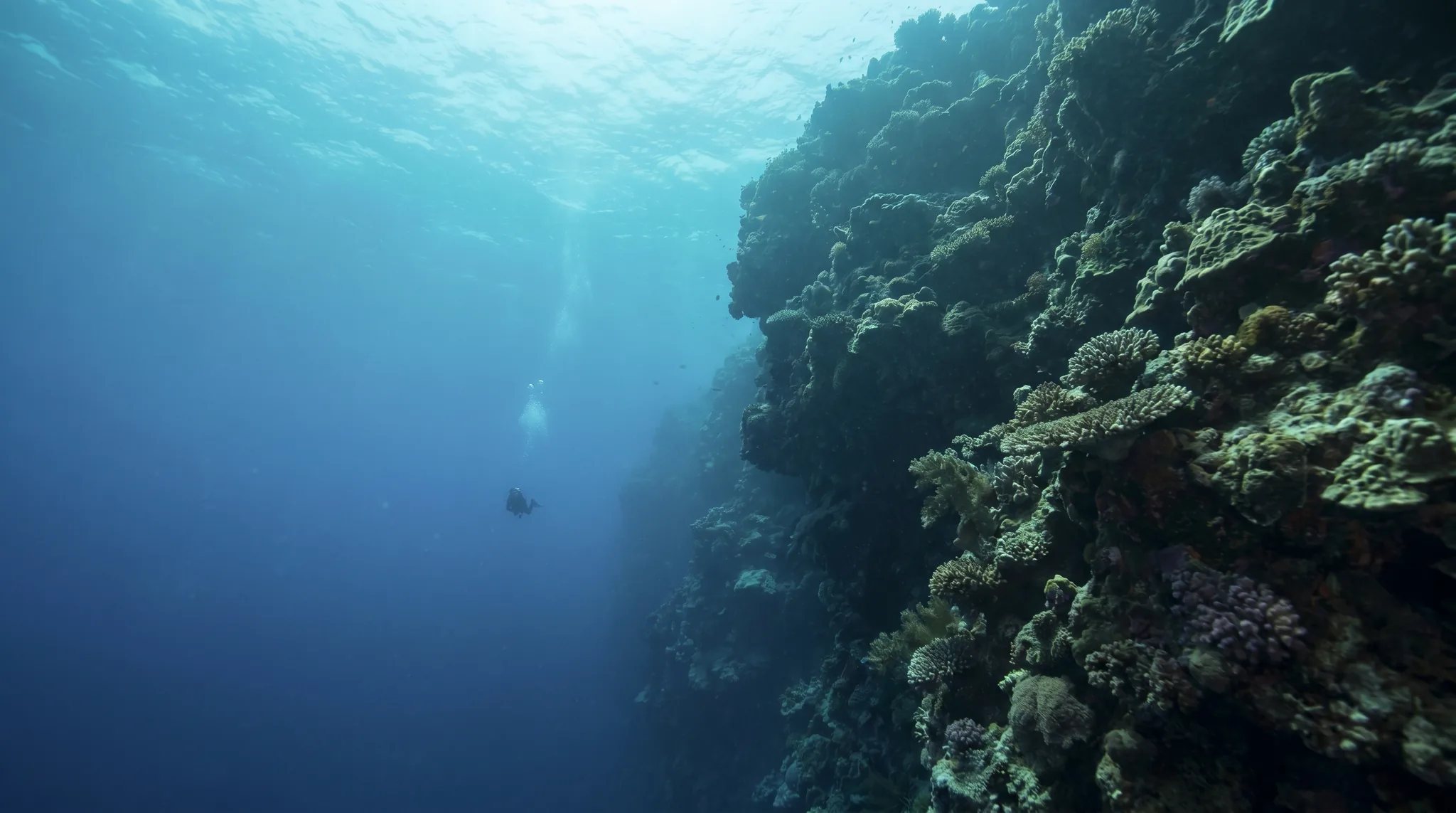
Basse-Terre's diving is anchored around the Pigeon Islands, which sit offshore from Bouillante and account for the great majority of sites in the region. The reef topography spans everything from shallow beginner-friendly shelves to walls and drop-offs that reach serious depth. Geothermal quirks such as Sources d'eau chaude add a distinctive character found nowhere else in the data. Deshaies, to the north, offers a smaller cluster of sites for variety. The Lettuce Sea Slug is the most frequently observed species, while the Indian Lionfish, French Angelfish, Spotted Moray and Great Barracuda appear consistently across sites.
2 areas
 50
50Boat-access reef diving across two distinct areas, with protected Pigeon Islands sites and a rich cast of reef species including French Angelfish and Great Barracuda.
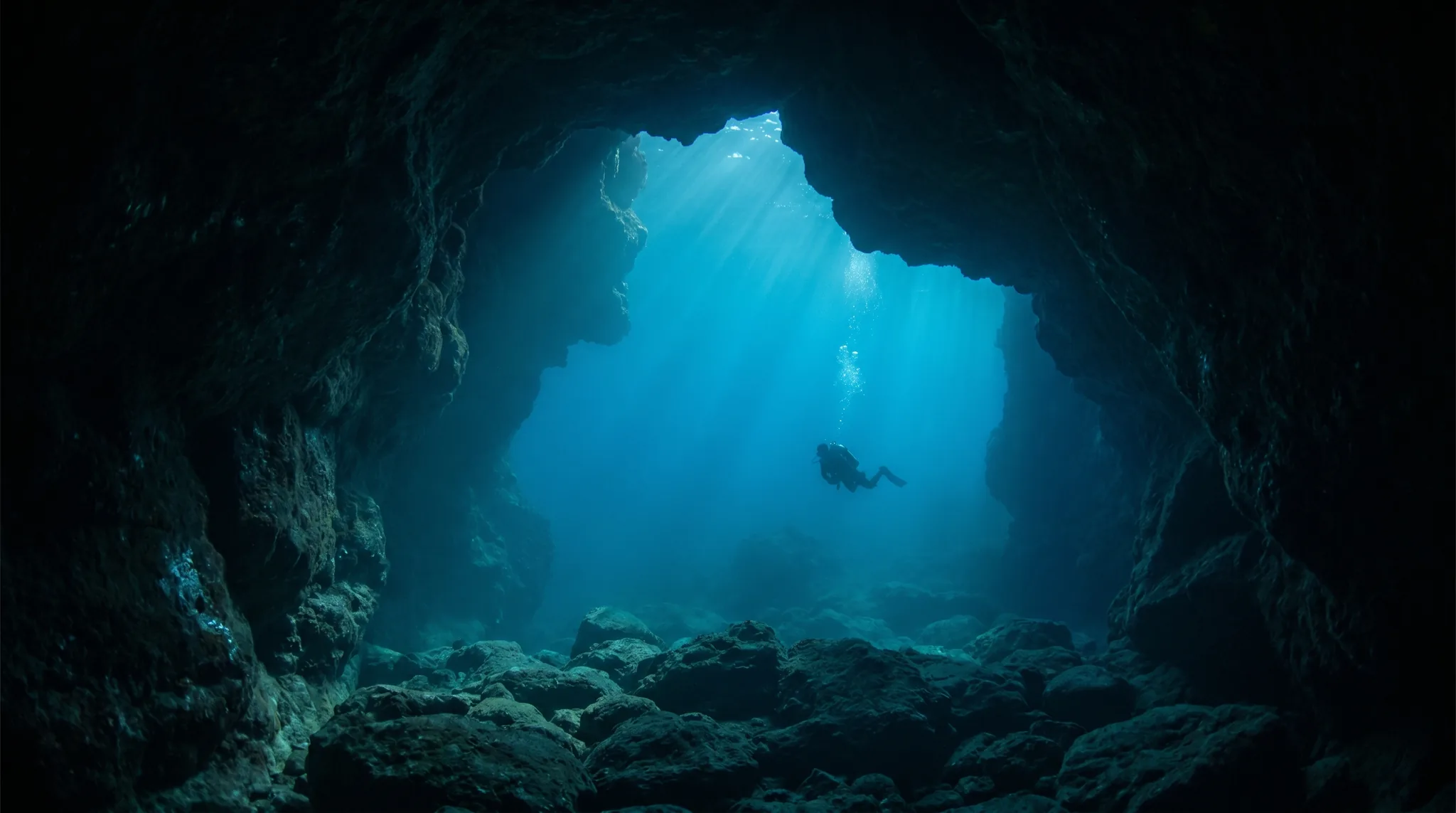
3North-west Basse-Terre diving across caves, walls, and reef drop-offs, with warm water and a diverse mix of Caribbean species.
Monthly water temperature across Basse-Terre's sites, from satellite sea-surface data corrected for depth. The band shows the site-to-site spread.
Water stays warm throughout the year, rising to its peak during late summer and early autumn before easing back in winter. The community's preferred diving window runs from February through May, when conditions tend to be at their most settled and visibility at its best. September and October see a noticeable dip in diver activity, which likely reflects rougher seasonal weather rather than any decline in marine life.
46 operators
Water temperature around Basse-Terre ranges from about 27°C in January to 30°C in September, based on satellite sea-temperature data for its dive sites.
With water around 27–30°C, a rash guard or 3mm shorty works in Basse-Terre year-round.
Fin maps 53 sites in Basse-Terre (52 scuba diving sites and 9 snorkelling spots, with some suited to both), organised into 2 areas.
The Lettuce Sea Slug is the most consistently observed species across sites. The Indian Lionfish, French Angelfish, Blue Tang, Pacific Trumpetfish and Spotted Moray are all common on the reefs. Great Barracuda and Groupers are regular encounters, and the Fairy Basslet and Brazilian Reef Octopus are among the signature species listed for the region.
The majority of listed sites are rated beginner level, including La Piscine, La Caye, Mazarin, Grottes de Ferry and several others around the Pigeon Islands. Many of these start shallow and extend gently deeper, making them well suited to those building experience. Intermediate sites such as Bouée Anticyclonique and Machette are available for divers ready to tackle walls, stronger currents and greater depth.
All of the top listed sites require boat access. Operators depart primarily from the Bouillante area to reach the Pigeon Islands sites, which lie offshore. There are many dive operators active in the region, with names including Tropicalsub Diving, Calypso Plongée, Piton Plongée and Cip Guadeloupe International Centre De Plongée, among others.
Bouillante is by far the larger hub, hosting the vast majority of sites and serving as the main departure point for the Pigeon Islands. Its site mix is broad, ranging from shallow reefs and caves to walls and the geothermally active Sources d'eau chaude. Deshaies, further north, has a small handful of sites and offers a quieter alternative for divers who want to explore beyond the main cluster.