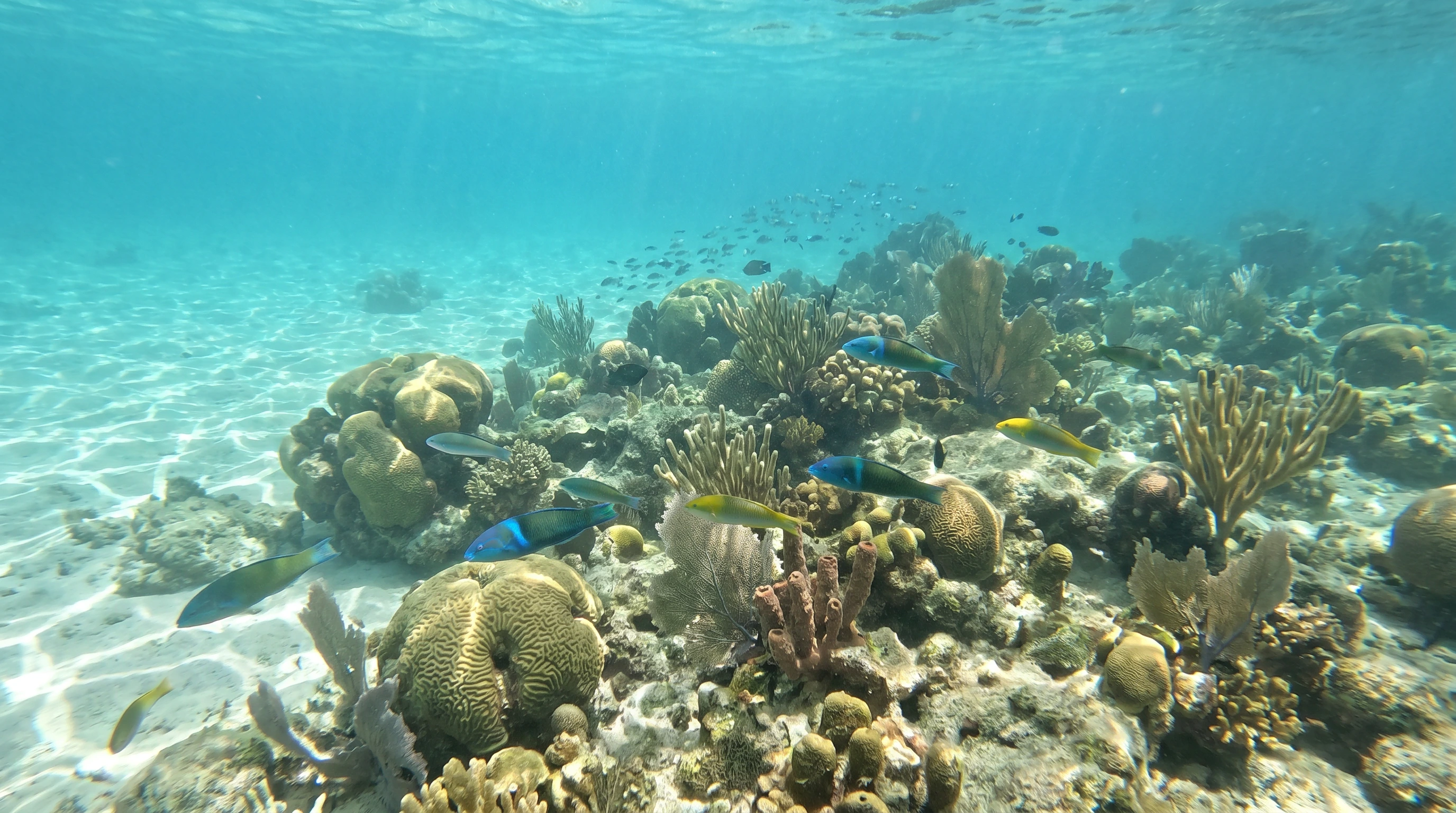
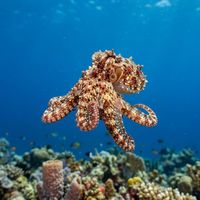
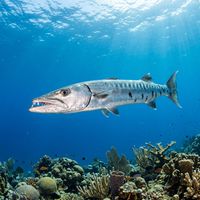
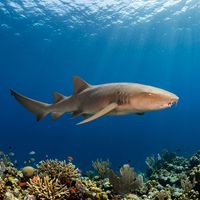
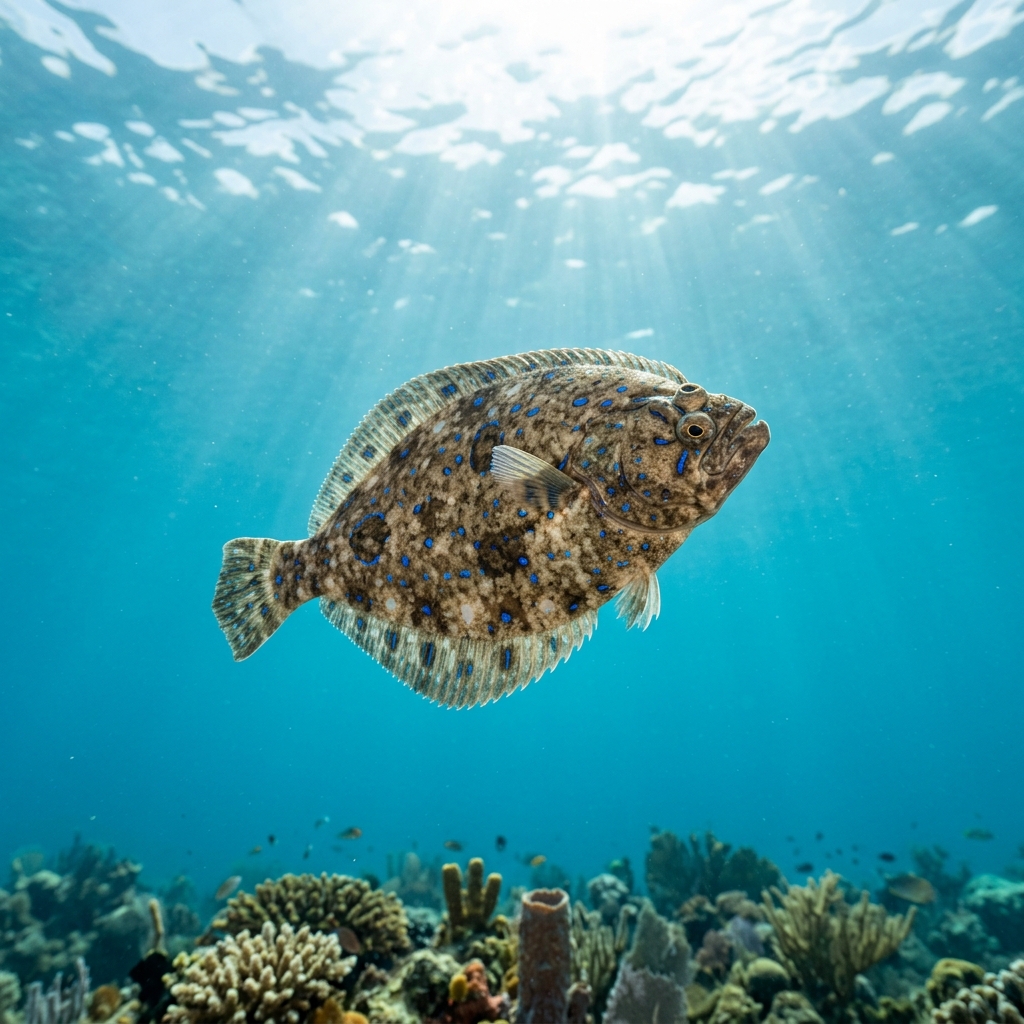
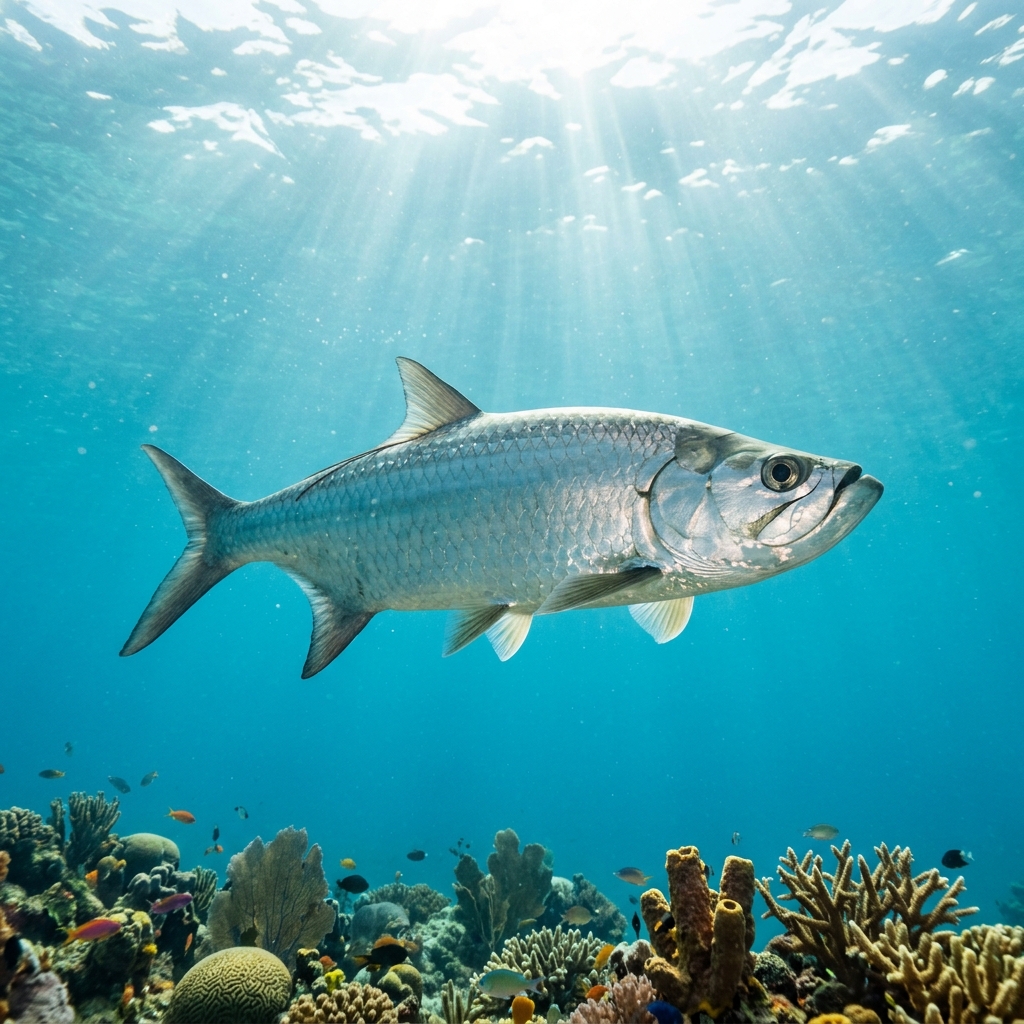
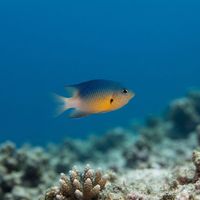
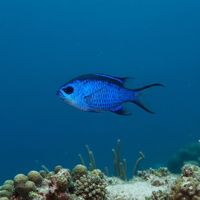
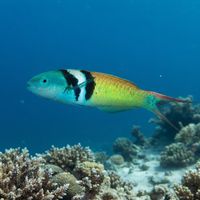
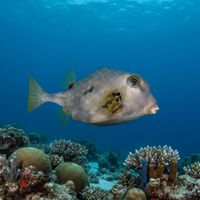
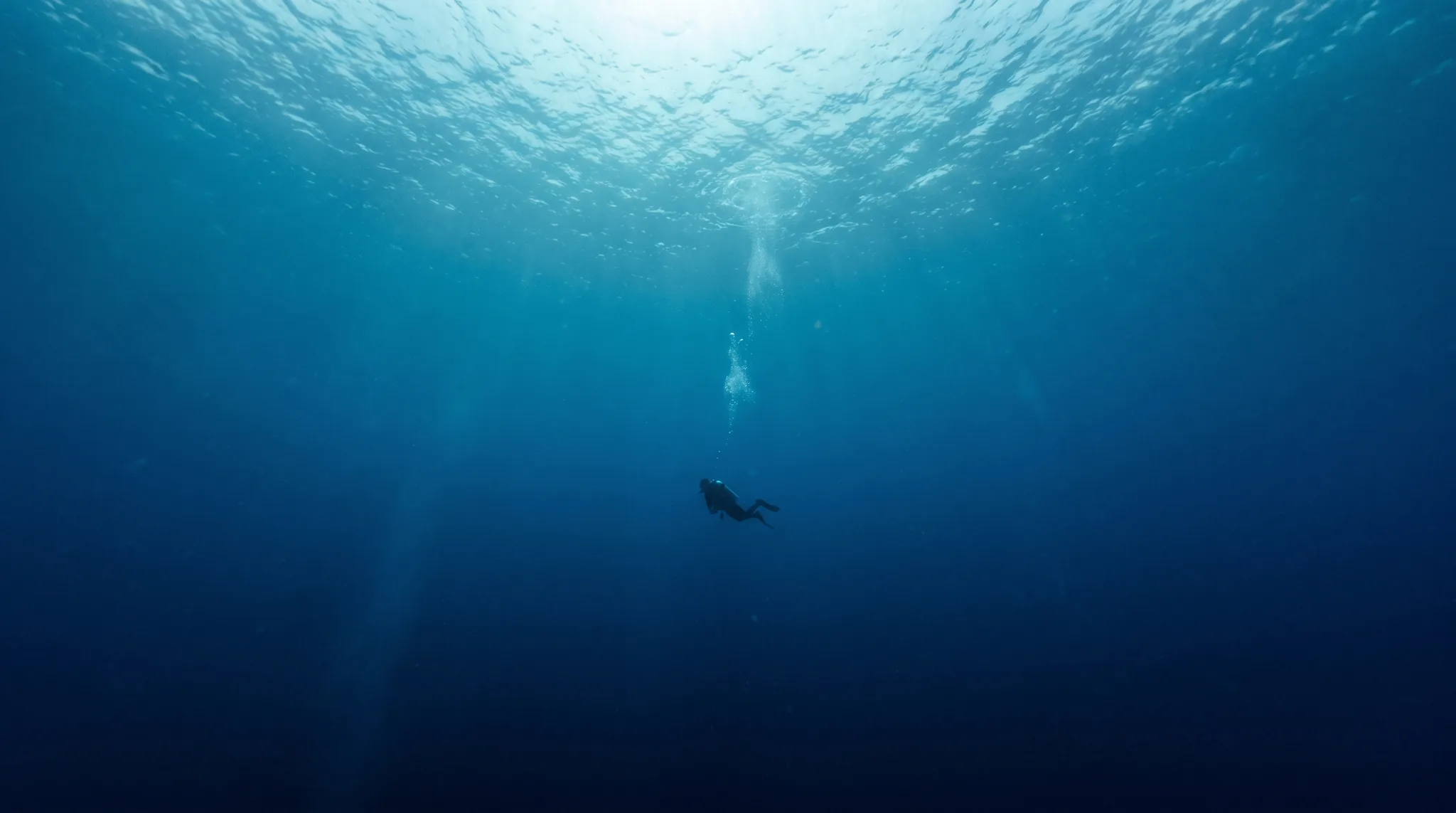
Petite-Terre is a small, uninhabited Atlantic-facing archipelago southeast of Pointe des Châteaux, reached by boat from Saint-François. Its waters sit within the Îles de la Petite-Terre National Nature Reserve, established in nineteen ninety-eight, which protects both the land and the surrounding marine environment. The six sites in Fin's database span reef and seagrass habitats, from very shallow snorkelling grounds to deeper reef structures, and all are rated suitable for beginners. The reserve's protected status has allowed marine life to recover and thrive: divers regularly encounter green sea turtles, lemon sharks, nurse sharks, whiptail stingrays, great barracudas, spotted morays, and Caribbean spiny lobsters. Water temperatures stay warm throughout the year, peaking in late summer and early autumn.
Monthly water temperature across Petite-Terre's sites, from satellite sea-surface data corrected for depth. The band shows the site-to-site spread.
Water temperatures hold steady and warm from winter through spring, then climb to their highest in September. The rainy season, which runs roughly from June to November, can bring stronger currents and less predictable conditions, so checking local advice before heading out is worthwhile. Outside that period, conditions across the shallow sites are generally mild and well suited to beginners.
1 operator
Water temperature around Petite-Terre ranges from about 27°C in January to 30°C in September, based on satellite sea-temperature data for its dive sites.
With water around 27–30°C, a rash guard or 3mm shorty works in Petite-Terre year-round.
Fin maps 6 sites in Petite-Terre (6 scuba diving sites and 3 snorkelling spots, with some suited to both).
Across Petite-Terre's dive sites, January, February, March, April and December are most often reported as the best months to visit.
1 more site to explore