Gnatholepis thompsoni
A pale, sand-loving goby with a gold-ringed eye spot, logged on reefs from Tenerife to Bonaire in water around 24-28C year-round.
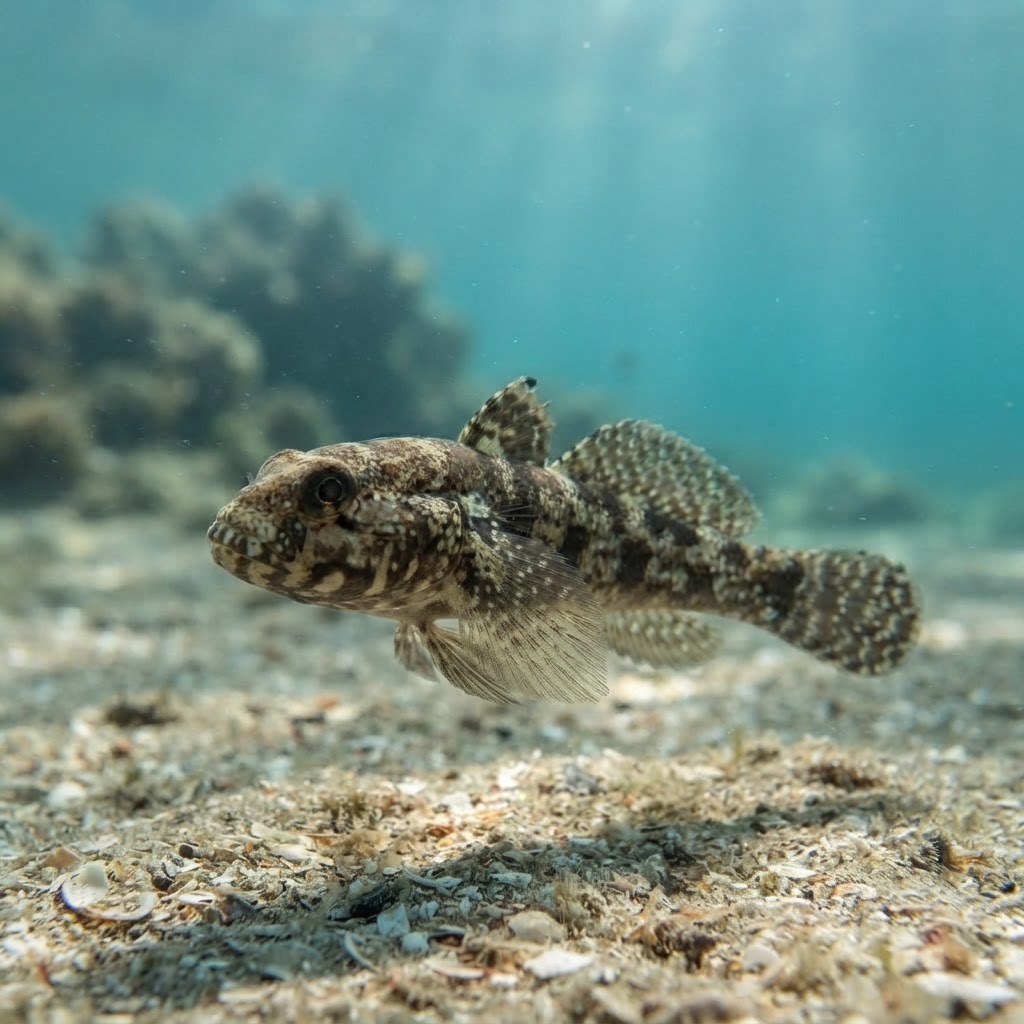
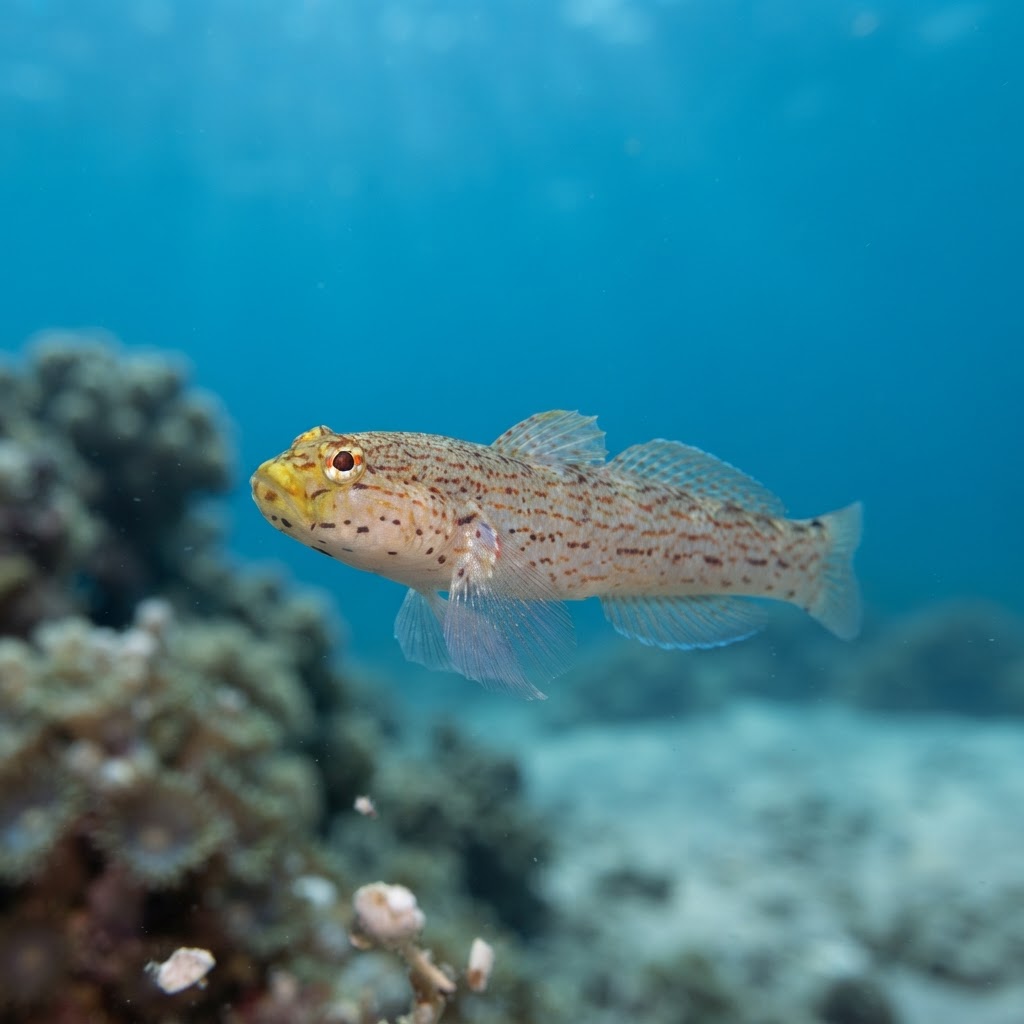
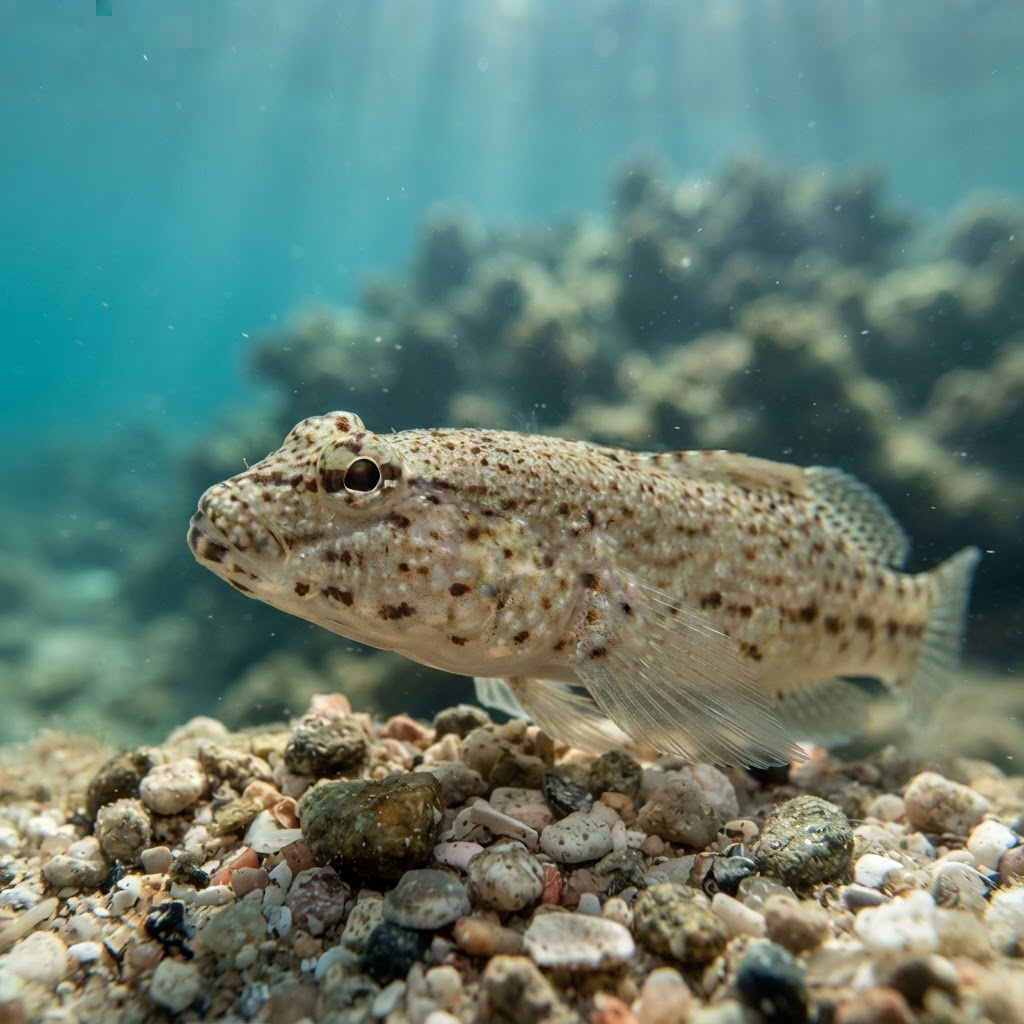
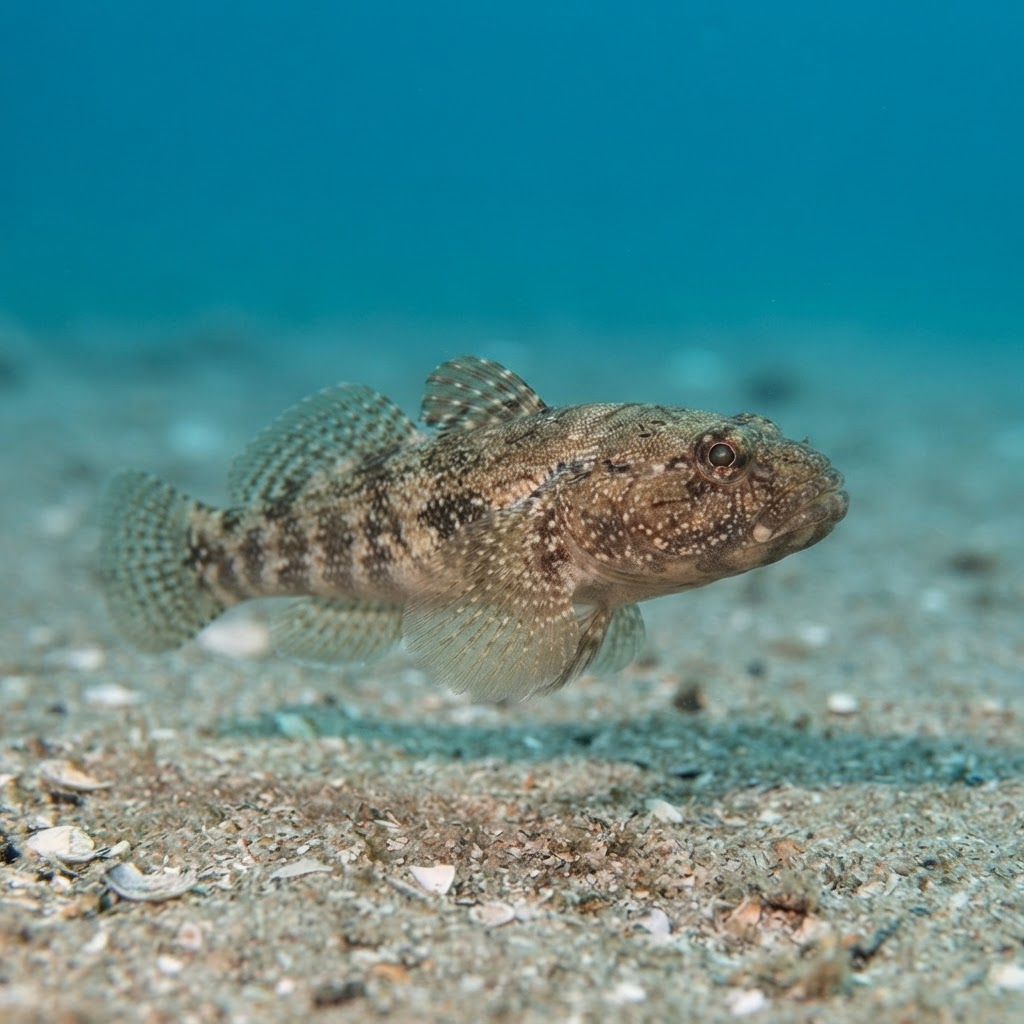
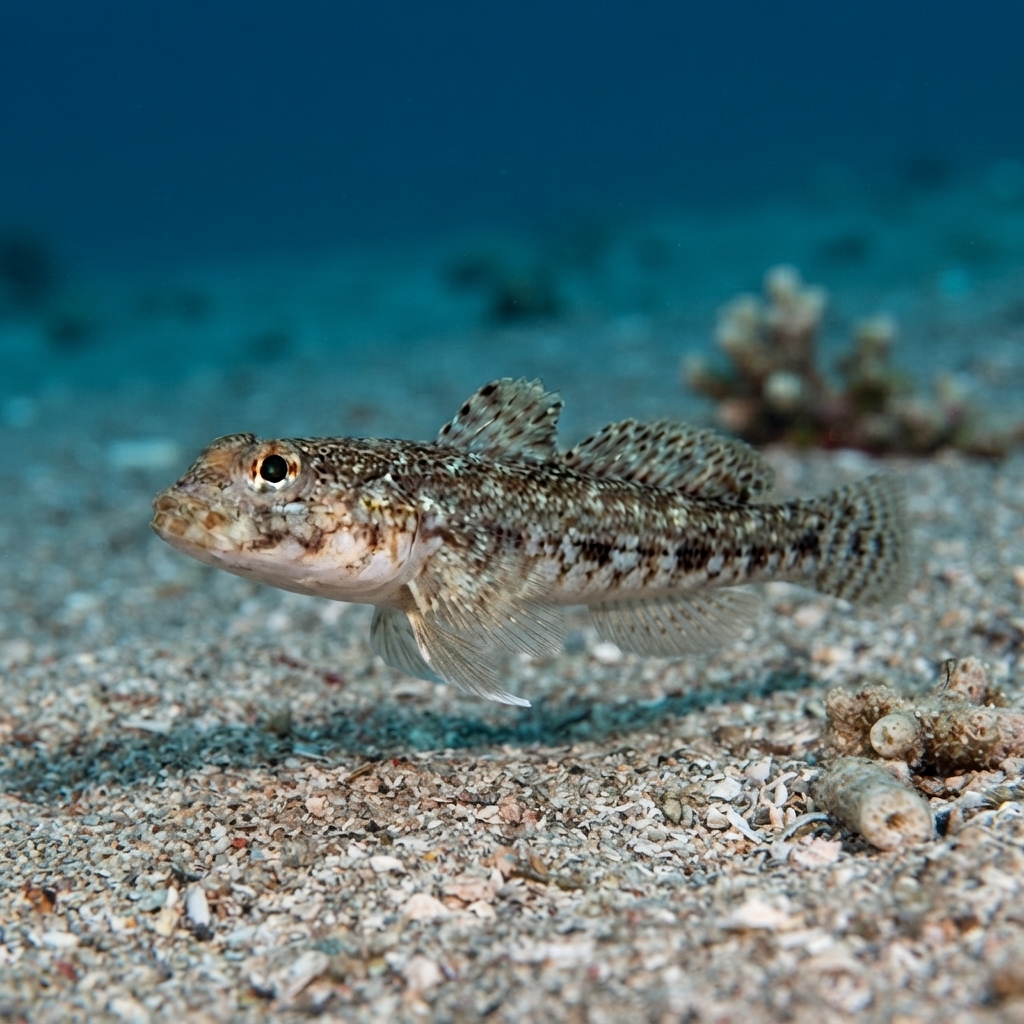
A tiny fish, around 5 cm, pale grey to sandy in colour so it nearly vanishes against rubble or sand patches. The giveaway is a small dark spot ringed in gold just below and behind the eye, which is where the common name comes from. It perches on the bottom rather than swimming freely, propped on its pelvic fins with a slightly arched posture.
Look for it sitting still on sand, rubble, or low reef structure rather than out in open water, often near a burrow or a patch it seems to defend from close range. It tends to hold its ground as divers approach rather than bolt, though a sudden move will send it darting for cover. Most sightings are on shallower, sheltered stretches of reef where fine sediment gives it somewhere to blend in.
Its gold-ringed cheek spot is the field mark divers actually use, since the rest of the body is close to featureless sand-grey and easy to overlook entirely.
No clear seasonal pattern shows up in the sightings data, and its comfort range of roughly 23.5 to 28C covers most of the year across its range, so it's a fair bet on any dive regardless of month.
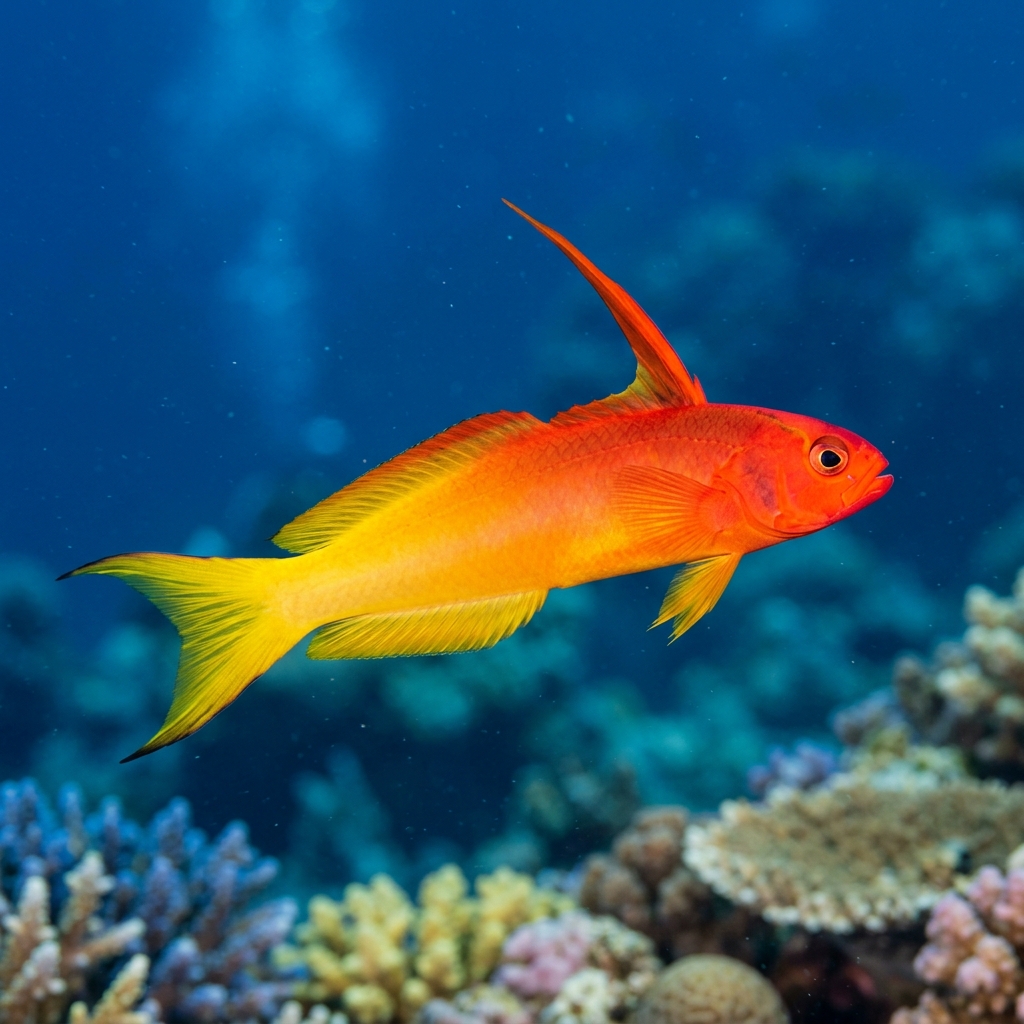
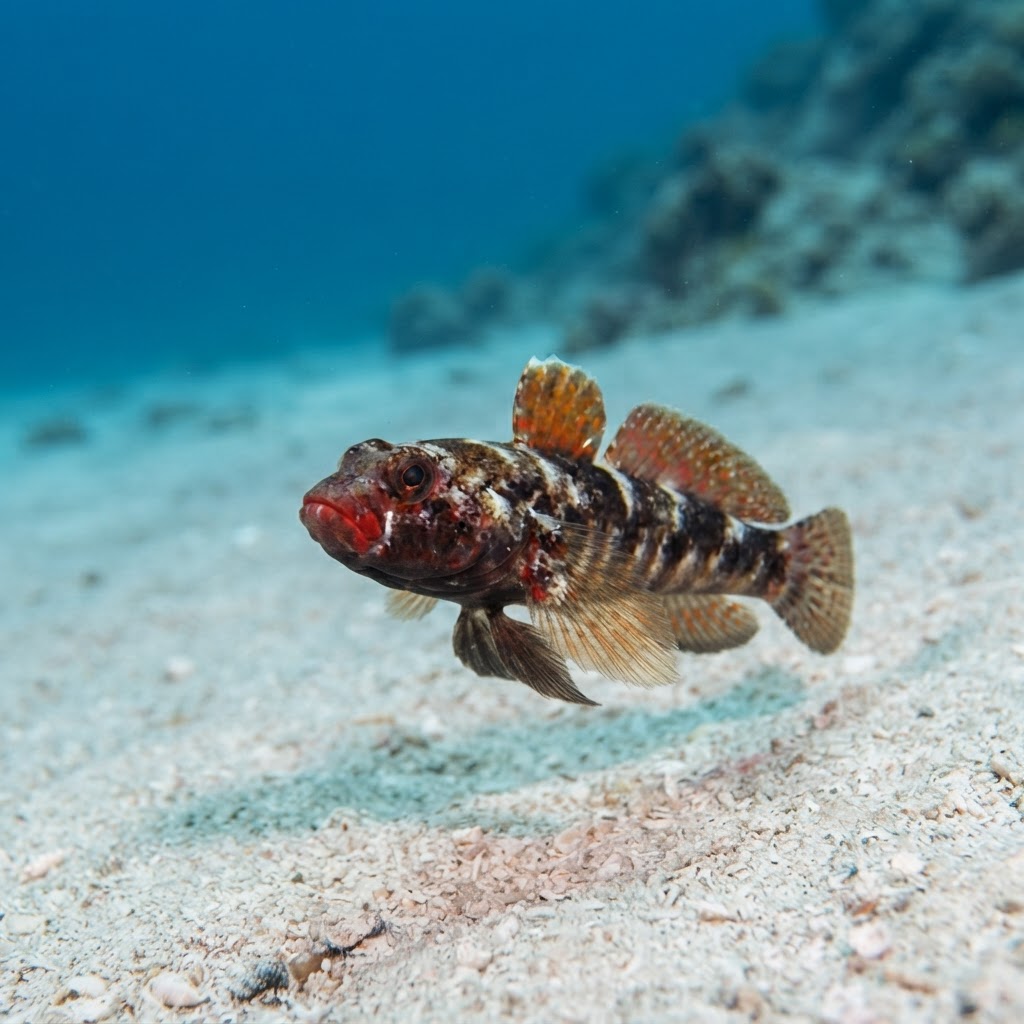
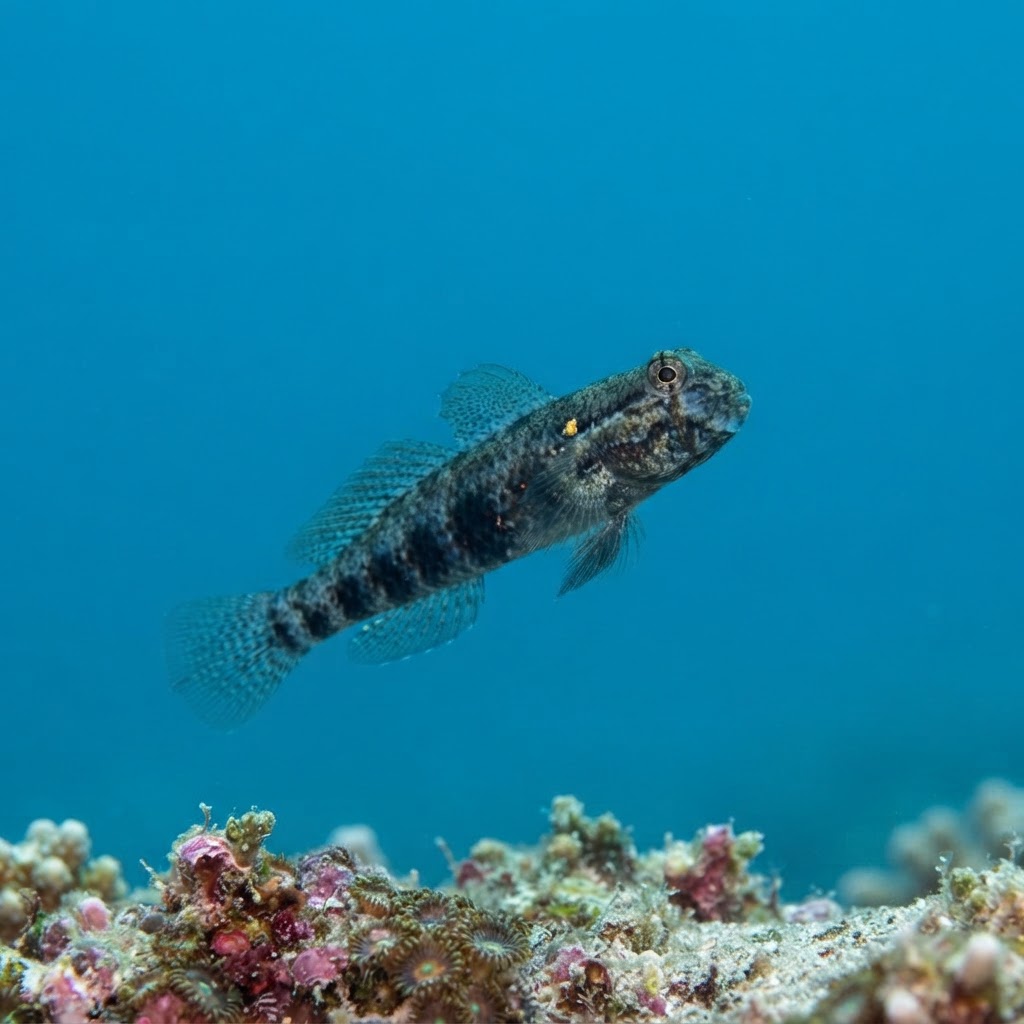
Reef neighbours a diver could mistake it for. Use the identification notes above to tell them apart.
Most reliably logged in the Canary Islands, especially around Tenerife, Lanzarote, and Fuerteventura, which together account for the bulk of sightings. Strong populations also turn up in the Caribbean, particularly Guadeloupe, Bonaire's Leeward Coast, Sint Eustatius, Martinique, and the Bay Islands of Honduras, with further records from Mexico's Yucatán Peninsula and Cape Verde.
Mapping where Goldspot Goby is logged…
Best chances are in the Canary Islands, particularly Tenerife and Lanzarote, plus a strong Caribbean presence in Guadeloupe, Bonaire, Sint Eustatius, and Martinique. It also shows up in Mexico's Yucatán Peninsula, Honduras' Bay Islands, and Cape Verde.
There's no strong seasonal signal in the sightings, and its preferred water temperature of roughly 23.5 to 28C holds across most of the year in its range, so it can be spotted on almost any dive.
Look for a small, pale, sand-coloured fish around 5 cm long resting on the bottom, with a distinctive dark spot edged in gold just below the eye. It perches rather than swims freely, which helps separate it from more active reef fish nearby.
They're small, typically reaching around 5 cm, so a slow, close look at sand and rubble patches is usually needed to pick one out.
No, it poses no risk to divers at all and simply goes about its business on the reef floor while you pass by.
Site and sighting data is aggregated from diver logs, iNaturalist and GBIF. For taxonomy and conservation status:
Slender Goby
806 sites