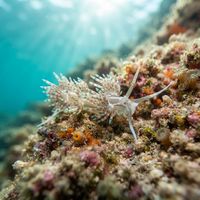
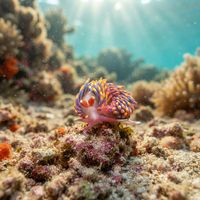
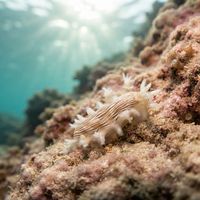
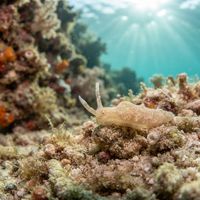
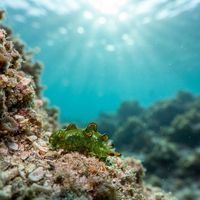
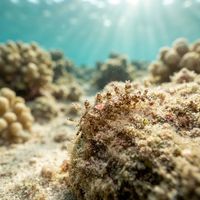
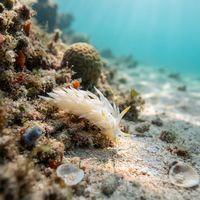
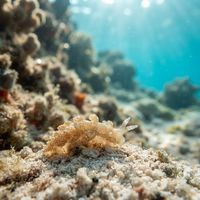
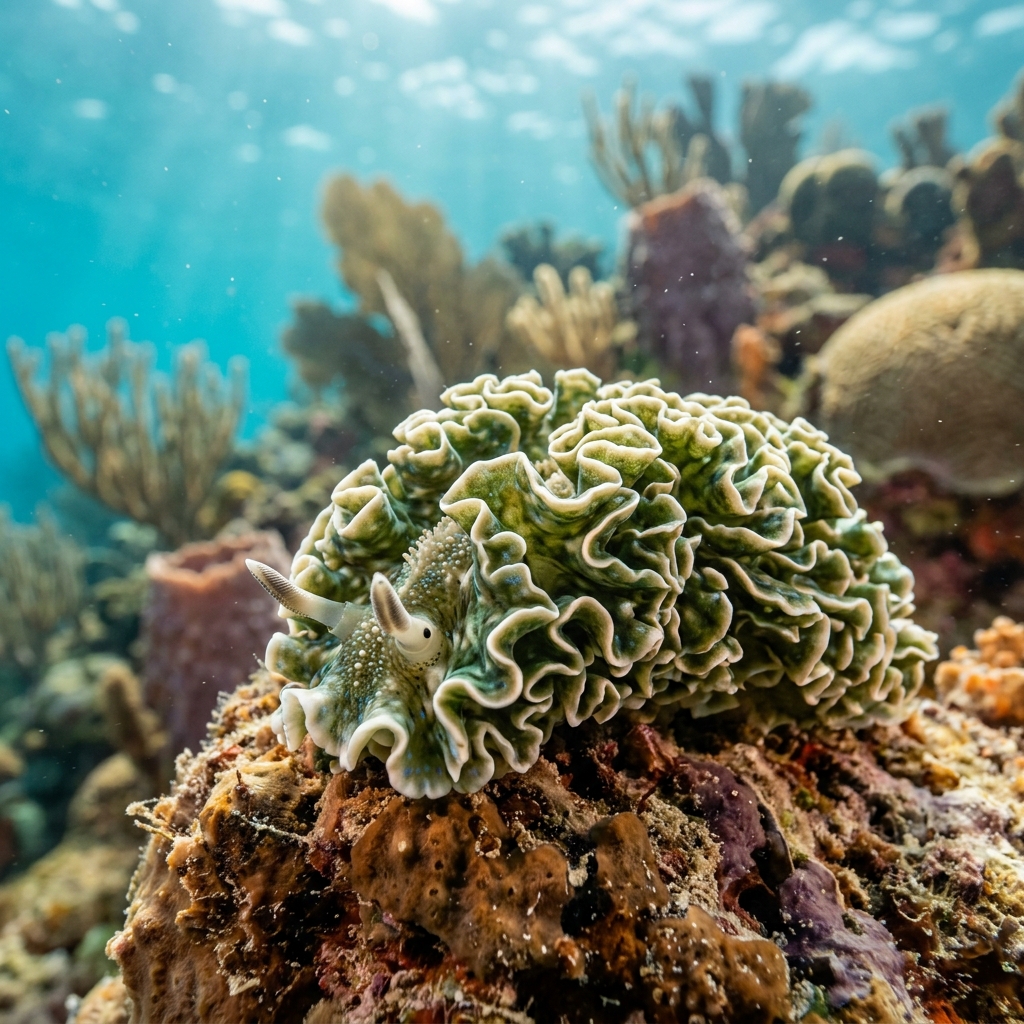
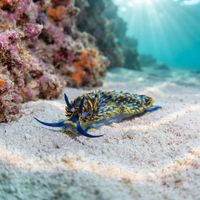
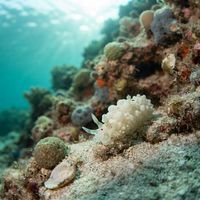
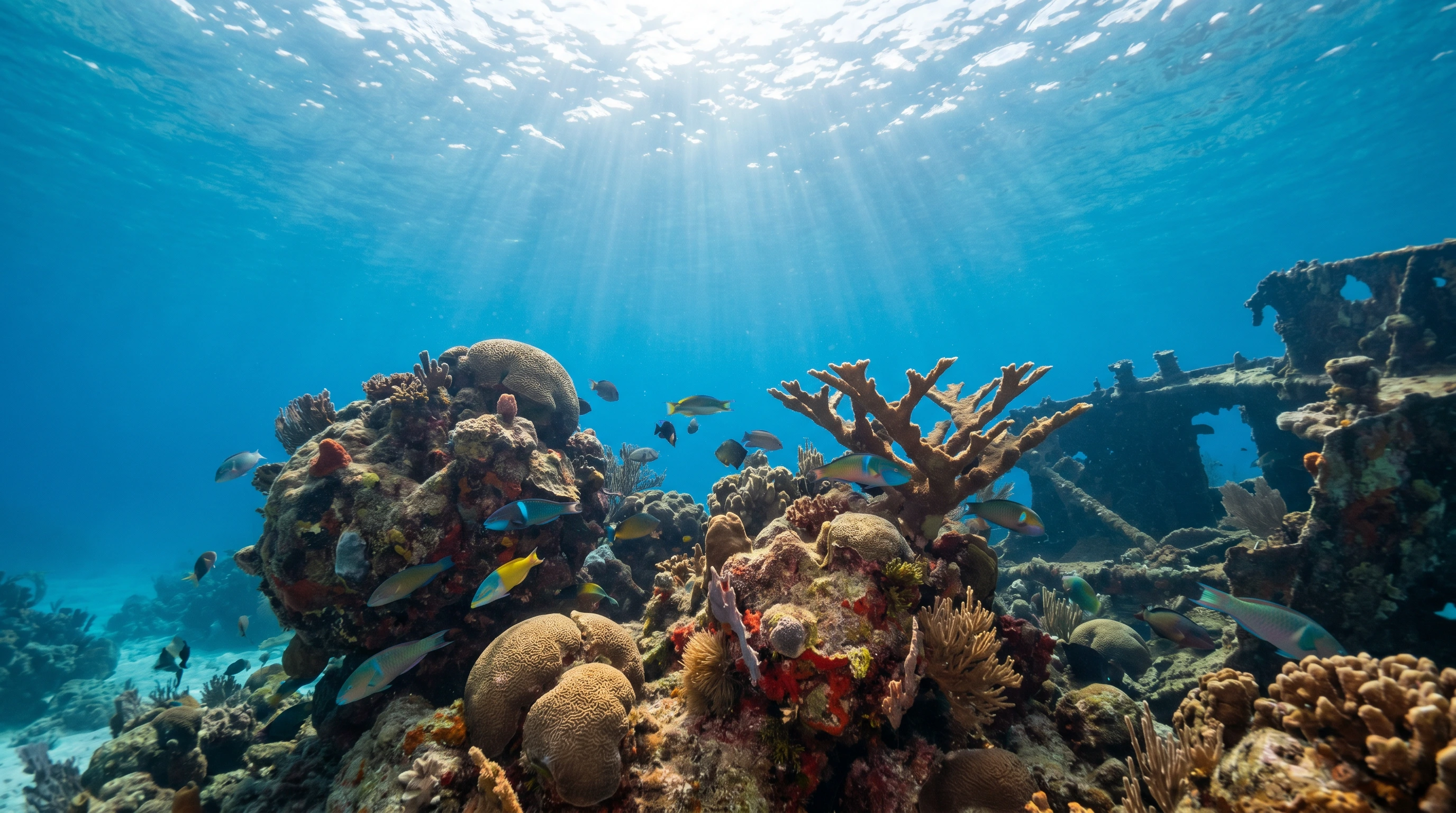
The Bouillante Coast offers a concentrated spread of reef-based diving with notable variety in topography: shallow canyons, walls, caves, and both natural and artificial reef structures. Beginner-friendly boat dives sit alongside deeper advanced sites such as the purpose-sunk Augustin Fresnel wreck. The signature marine life leans strongly toward nudibranchs and sea slugs, with the Lettuce Sea Slug and Sea Hare observed across nearly every site, alongside occasional Green Sea Turtle and French Angelfish encounters.

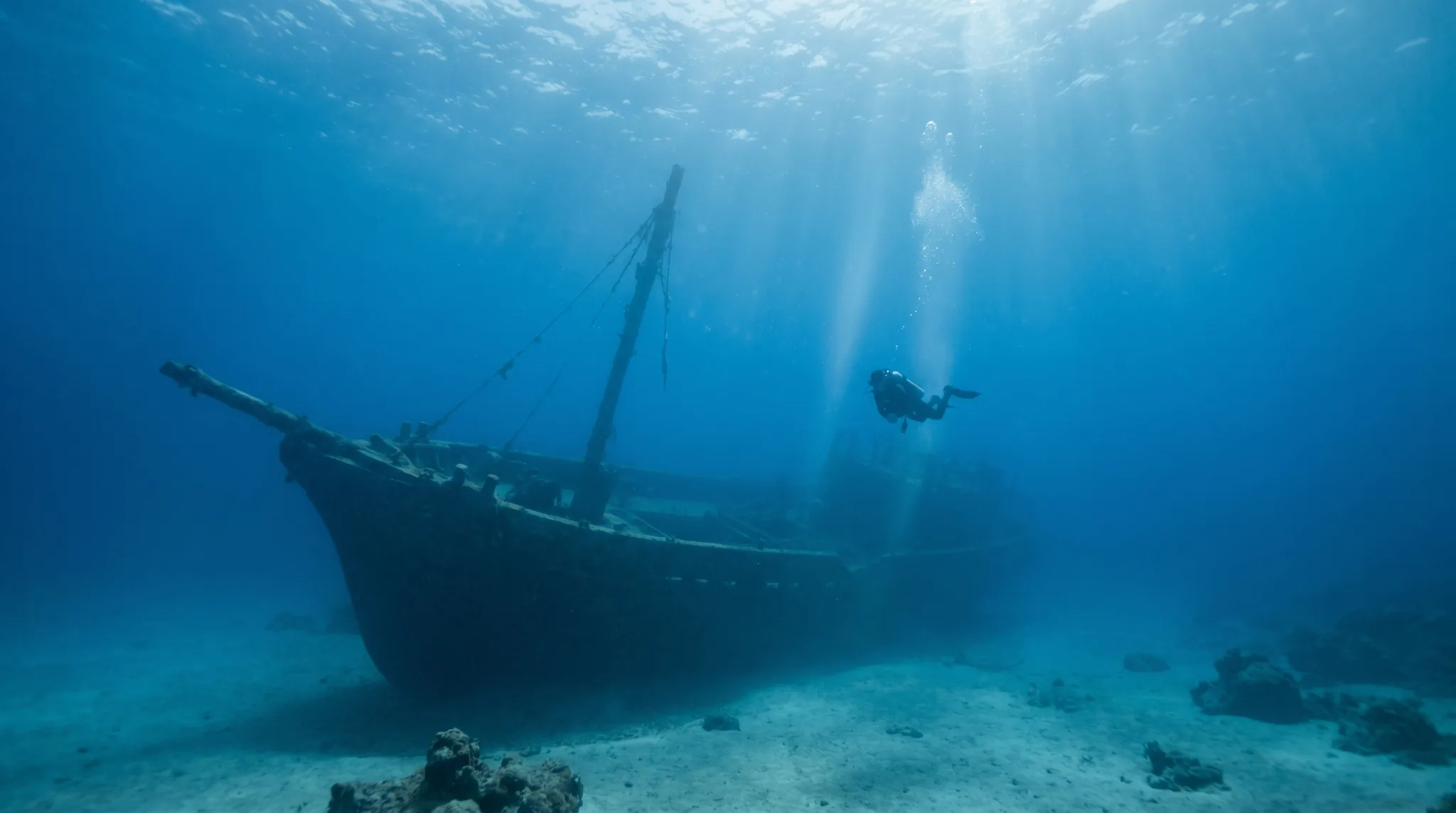
Monthly water temperature across Bouillante Coast's sites, from satellite sea-surface data corrected for depth. The band shows the site-to-site spread.
Water temperature stays warm year-round, rising to its peak in September and October, and dipping only slightly in the cooler months from January through March. The best-months data points clearly toward late winter and early spring as the preferred window, when conditions tend to favour cleaner visibility. Summer and early autumn remain diveable but are rated lower, likely reflecting seasonal weather patterns.
16 operators
Guadeloupe
10 more sites to explore
Water temperature around Bouillante Coast ranges from about 27°C in January to 30°C in September, based on satellite sea-temperature data for its dive sites.
With water around 27–30°C, a rash guard or 3mm shorty works in Bouillante Coast year-round.
Fin maps 17 sites in Bouillante Coast (17 scuba diving sites and 3 snorkelling spots, with some suited to both).
Across Bouillante Coast's dive sites, January, February, March and April are most often reported as the best months to visit.
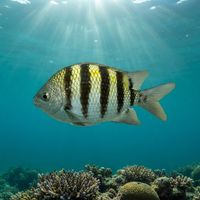
The Bouillante Coast is particularly rich in nudibranchs and sea slugs. The Lettuce Sea Slug, Sea Hare, Fringe-back Nudibranch, Gaudy Babakina, and Horned Elysia are all commonly observed across the sites. Reef fish including the Sergeant Major, Blue Tang, and Bluehead Wrasse are frequent companions, while the Green Sea Turtle and Caribbean Reef Octopus make occasional appearances.
Yes, a good portion of the sites here are rated beginner level. Mademoiselle Rose and Quecy are both beginner-friendly boat dives with shallow to moderate depths, and Anse à la Barque offers an accessible shore entry over wrecks in very shallow water. Intermediate and advanced divers are also catered for, with sites like Anse des Tortues and the deeper Augustin Fresnel wreck providing more challenging options.
The majority of sites are reached by boat, and there are many operators based in the area to choose from, including La Dive Bouteille, Basse-Terre Plongée, and Infini Plongée Guadeloupe, among others. A small number of sites, including Anse à la Barque and Anse des Tortues, can be entered directly from shore, giving independent divers some flexibility.
The coast has a varied mix of site types. Natural reefs are the backbone of the diving, but you will also find canyons, walls, caves, and artificial reef structures. The Quecy site combines all three of reef, cave, and artificial reef in one dive, while the Augustin Fresnel is a purpose-sunk wreck that now functions as an artificial reef at depth.