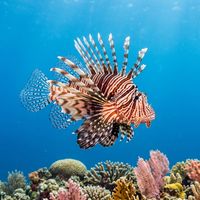
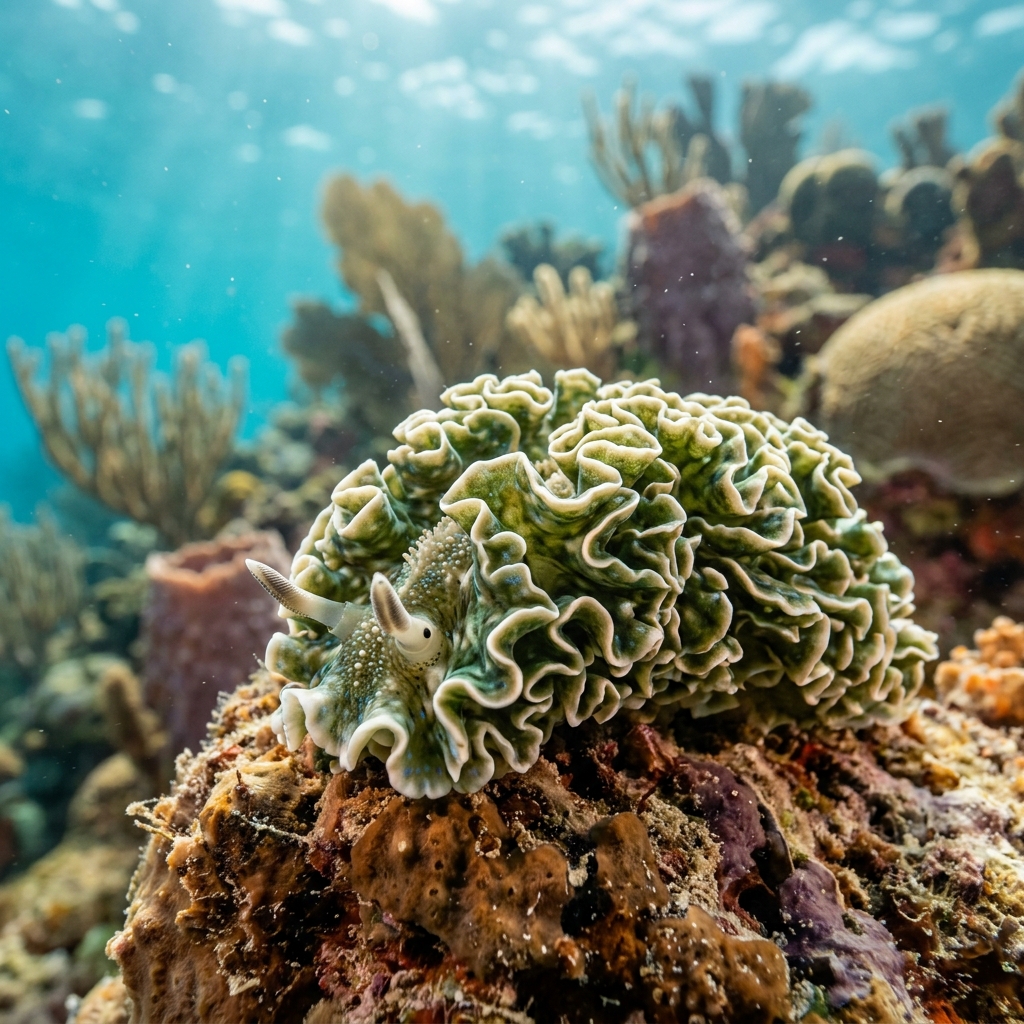
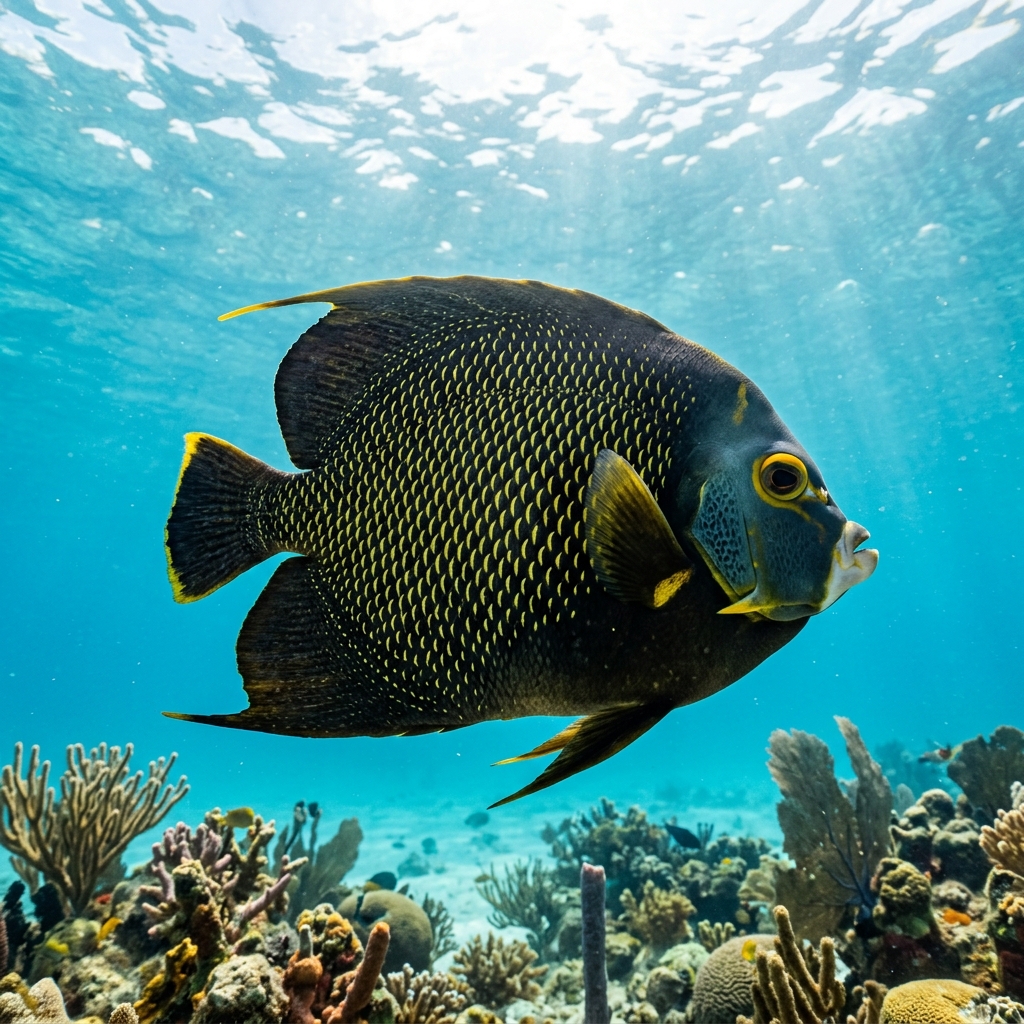
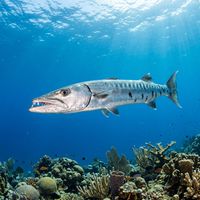
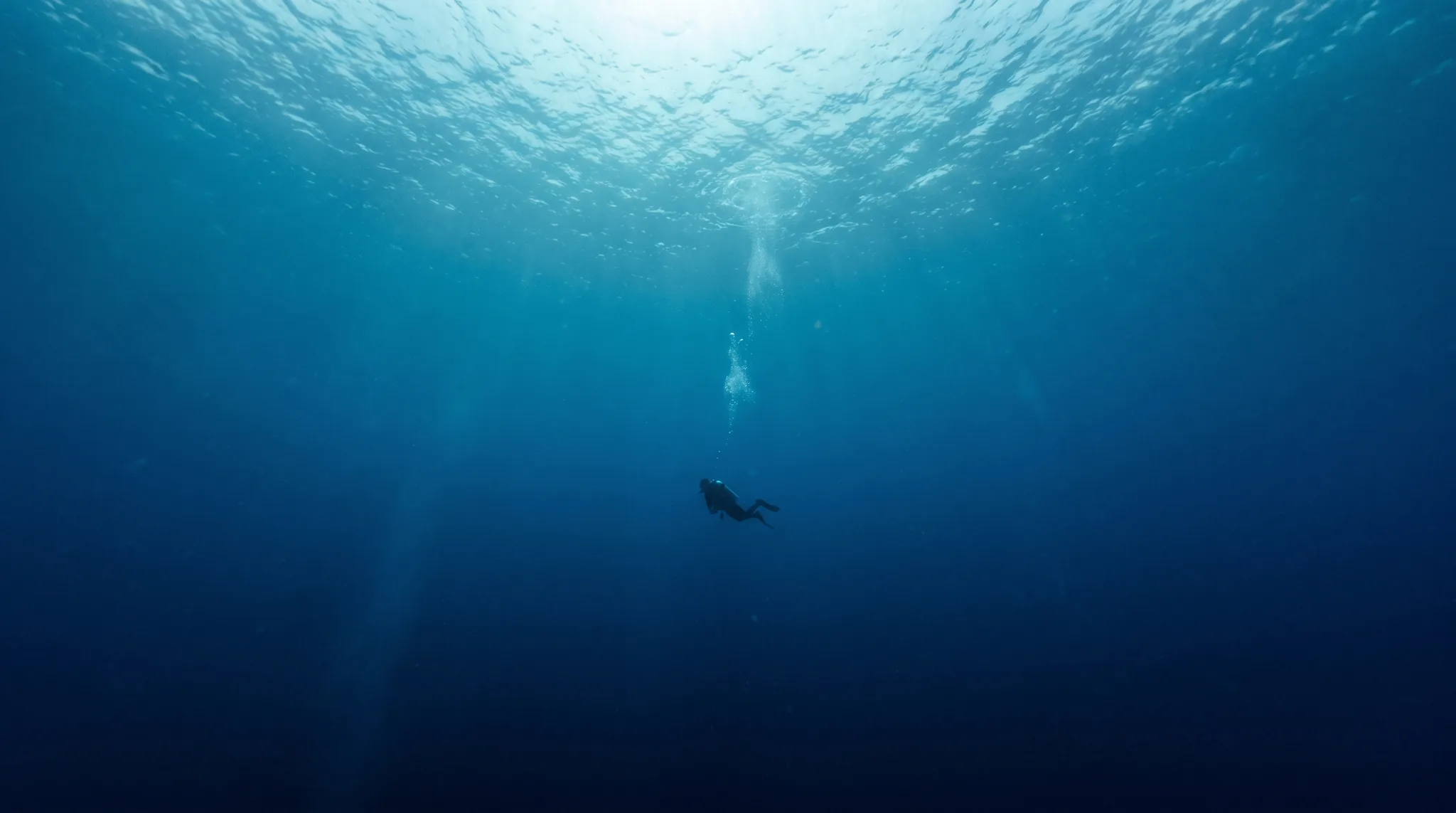
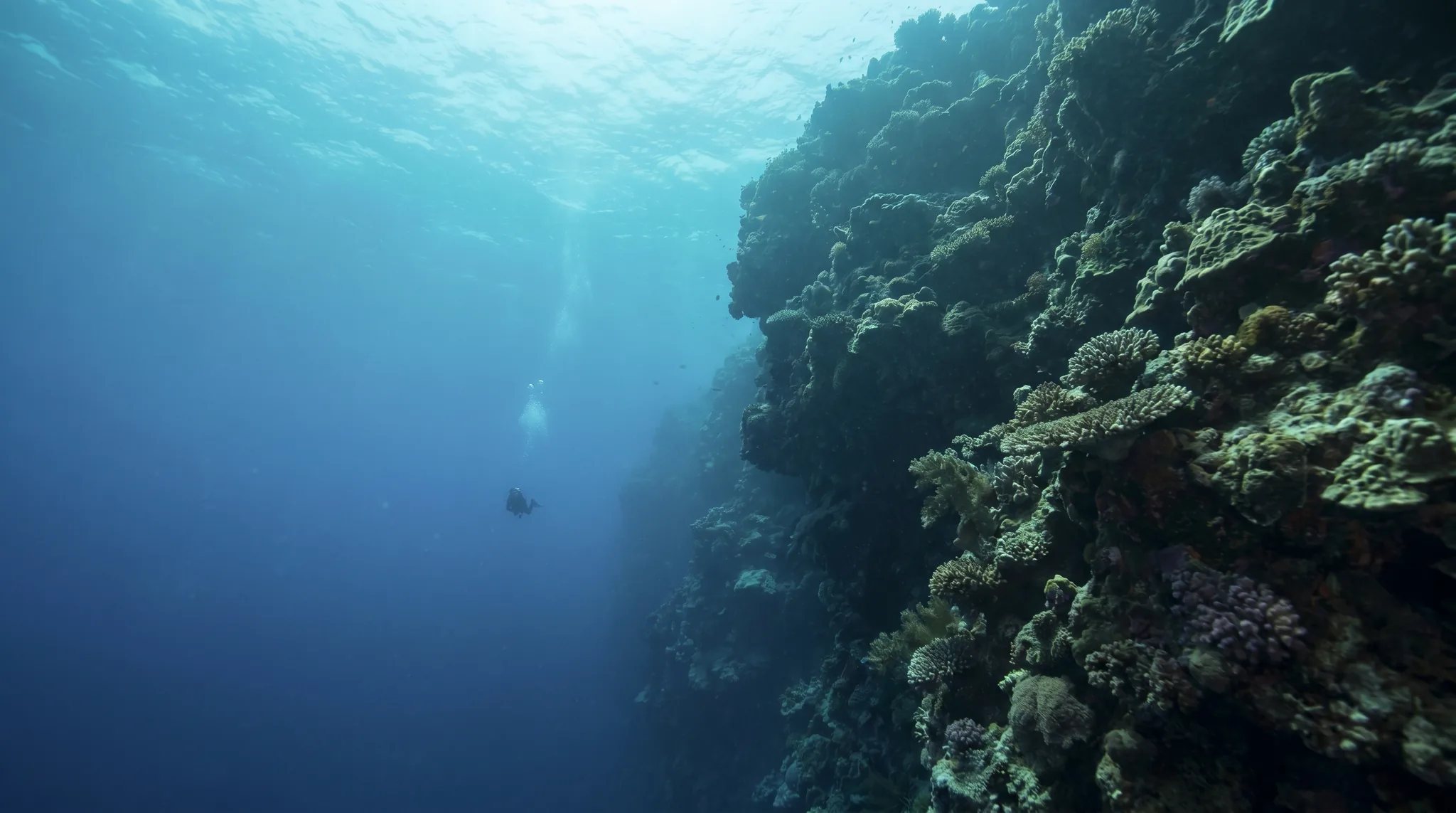
Bouillante's diving divides between two distinct areas: the Pigeon Islands, where protected reefs draw the majority of sites, and the Bouillante Coast, which adds variety through caves, canyons and artificial structures. Boat access is the norm throughout. The reef character ranges from shallow beginner terrain at sites like La Piscine and Mazarin to deeper walls and drop-offs at Bouée Anticyclonique and Machette. Wrasse, Blue Tang, French Angelfish and Great Barracuda are reliably encountered, with Indian Lionfish and Spotted Moray among the signature finds.
2 areas
Monthly water temperature across Bouillante's sites, from satellite sea-surface data corrected for depth. The band shows the site-to-site spread.
Water stays warm year-round, climbing to its peak in the early autumn months and sitting slightly cooler through the winter and spring. Divers tend to favour February through May for conditions, with visitor numbers and rated scores dipping notably from September through November. Currents vary by site, with exposed walls like Machette and Bouée Anticyclonique carrying more variable flow than the sheltered shallows.
46 operators
38 more sites to explore
Boat-access reef diving with walls, drop-offs, caves and reliably warm water. Green Sea Turtle and Spotted Drum are frequent highlights.
Water temperature around Bouillante ranges from about 27°C in January to 30°C in September, based on satellite sea-temperature data for its dive sites.
With water around 27–30°C, a rash guard or 3mm shorty works in Bouillante year-round.
Fin maps 50 sites in Bouillante (49 scuba diving sites and 7 snorkelling spots, with some suited to both), organised into 2 areas.
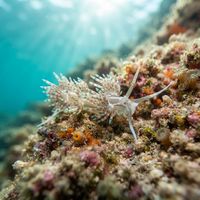
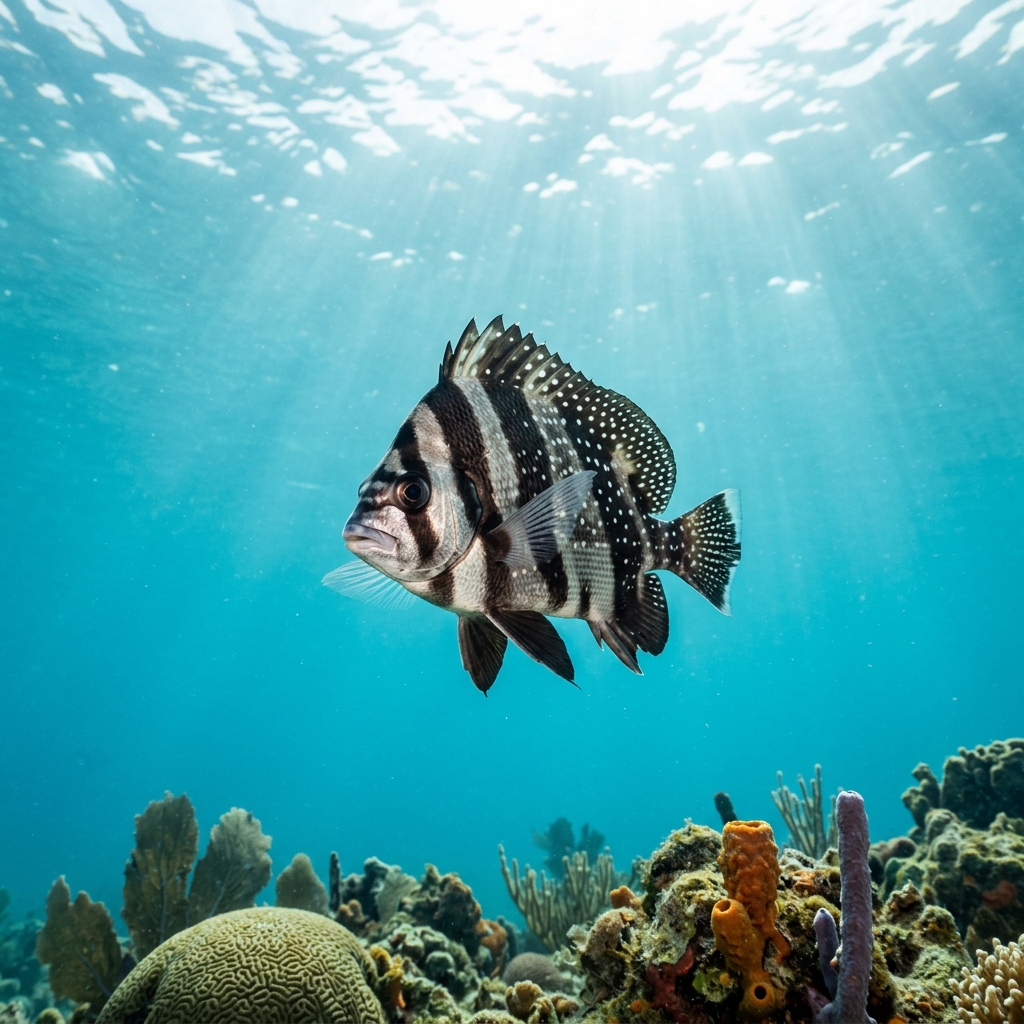
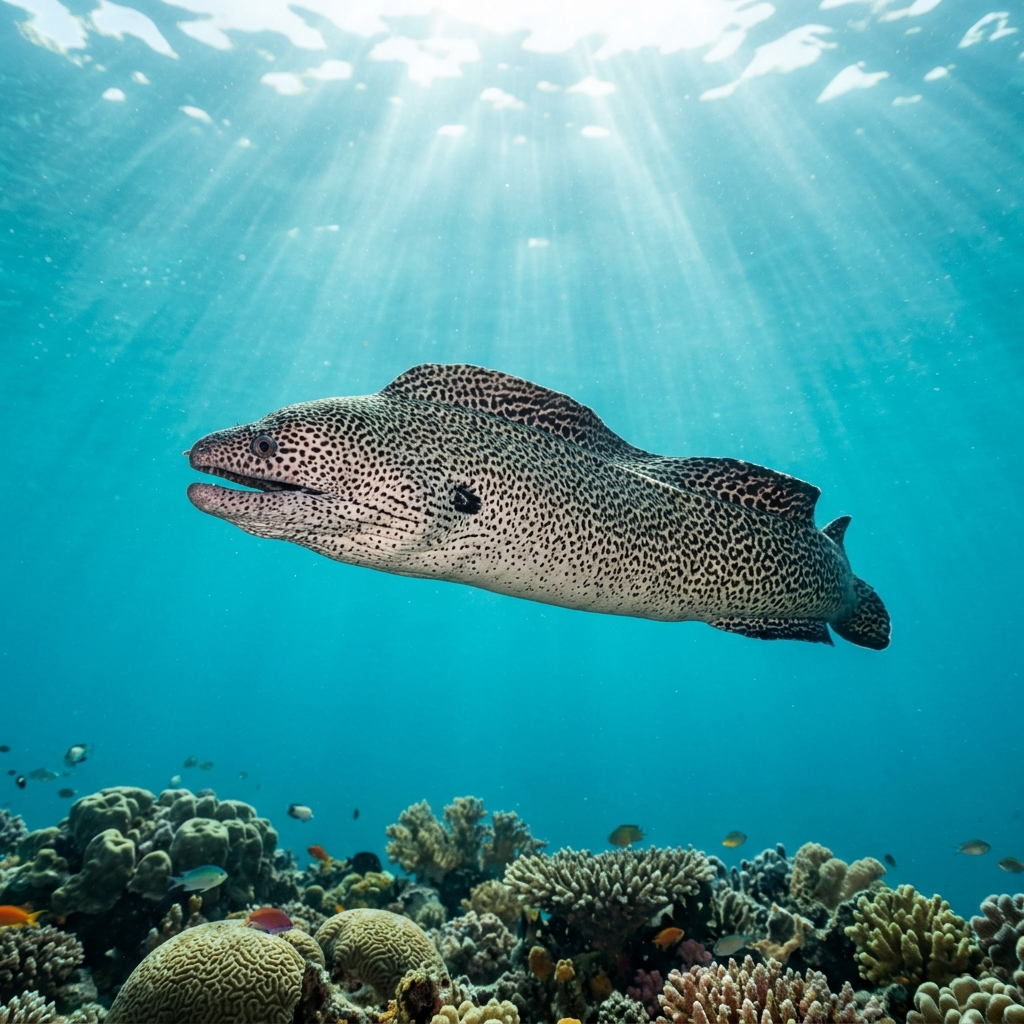
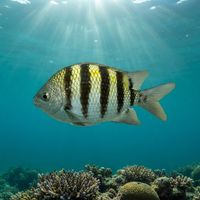
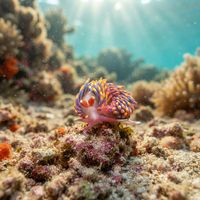
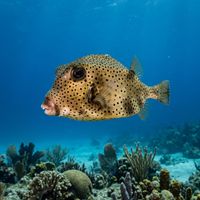
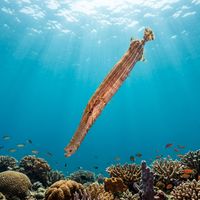
The reefs host a wide variety of species observed across the sites. Wrasse and Lettuce Sea Slug are among the most frequently recorded, while French Angelfish, Blue Tang, Smooth Trunkfish and Pacific Trumpetfish appear consistently. Spotted Moray, Great Barracuda and Indian Lionfish are signature species here, and patient divers may also encounter Fairy Basslet tucked into reef structures.
A large share of the sites in Bouillante are rated for beginners, including popular spots such as La Piscine, La Caye, Mazarin and Grottes de Ferry. These offer accessible depths and relatively calm conditions. Intermediate-level sites such as Bouée Anticyclonique and La Stanior are also available for those wanting more depth or wall diving.
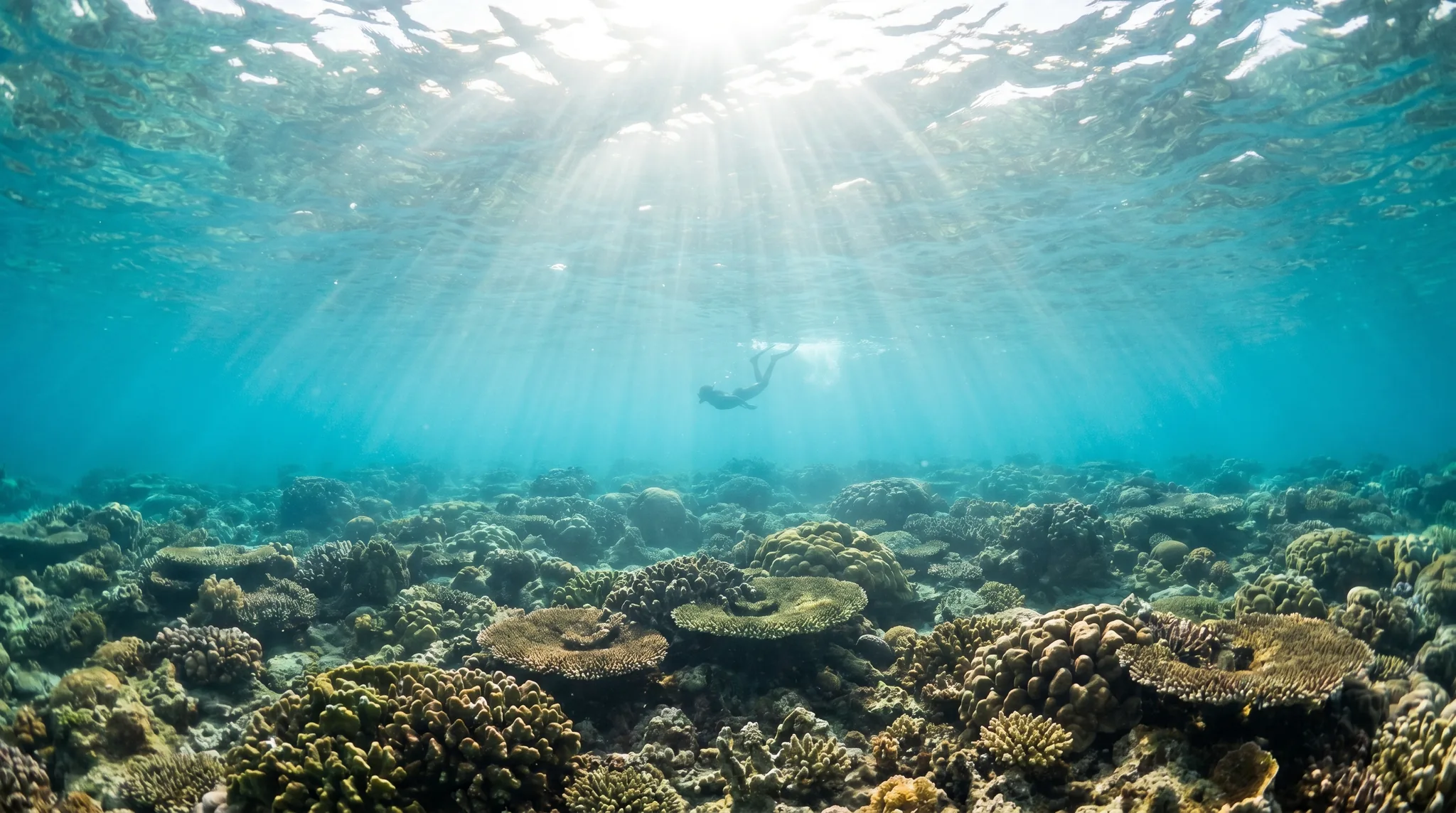
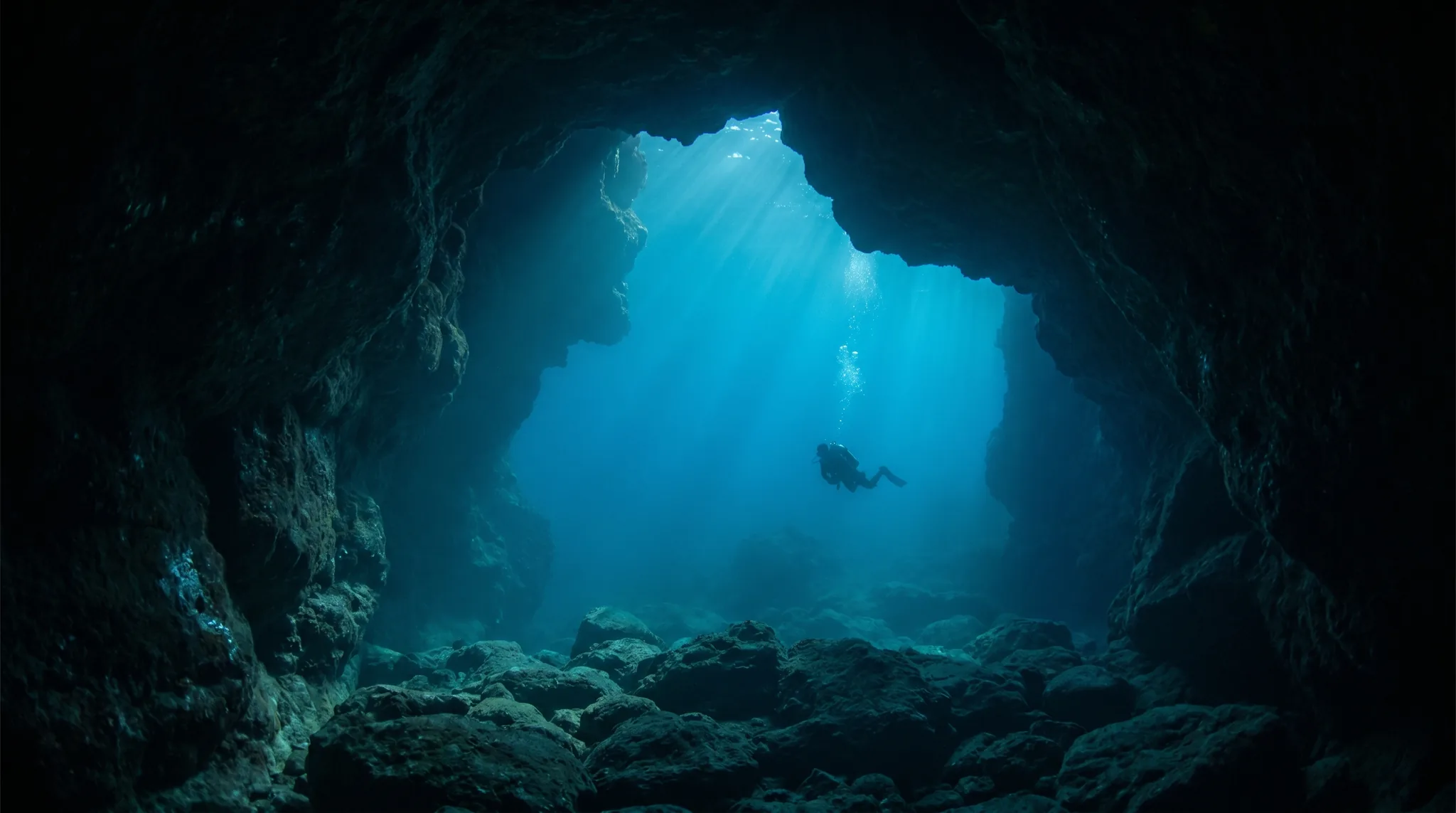
The Pigeon Islands hold the greater concentration of sites and include some of the area's most varied topography, from shallow reef dives to walls, drop-offs, cave systems and a geothermal site at Sources d'eau chaude. The Bouillante Coast offers a smaller selection but adds its own character through sites like Quecy, which combines natural reef, cave and artificial reef in a single dive.
Boat access is required for all the listed sites in Bouillante, including those at both the Pigeon Islands and along the Bouillante Coast. A good number of local operators run regular departures to the main sites, so joining a guided boat trip is the standard approach for visiting divers.