Cerberilla potiguara
A little-known aeolid nudibranch logged only around Basse-Terre, Guadeloupe, in warm water up to 30.8C. Here's how to spot one.
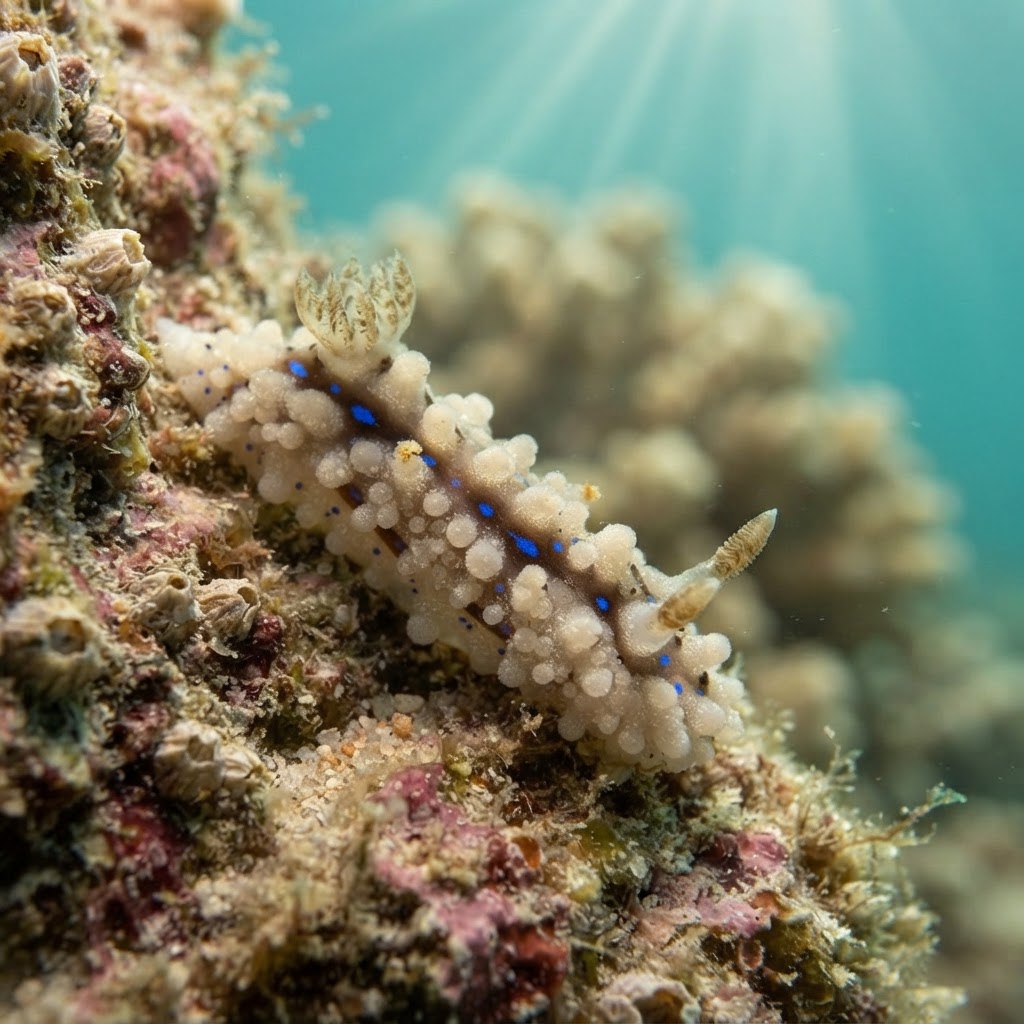
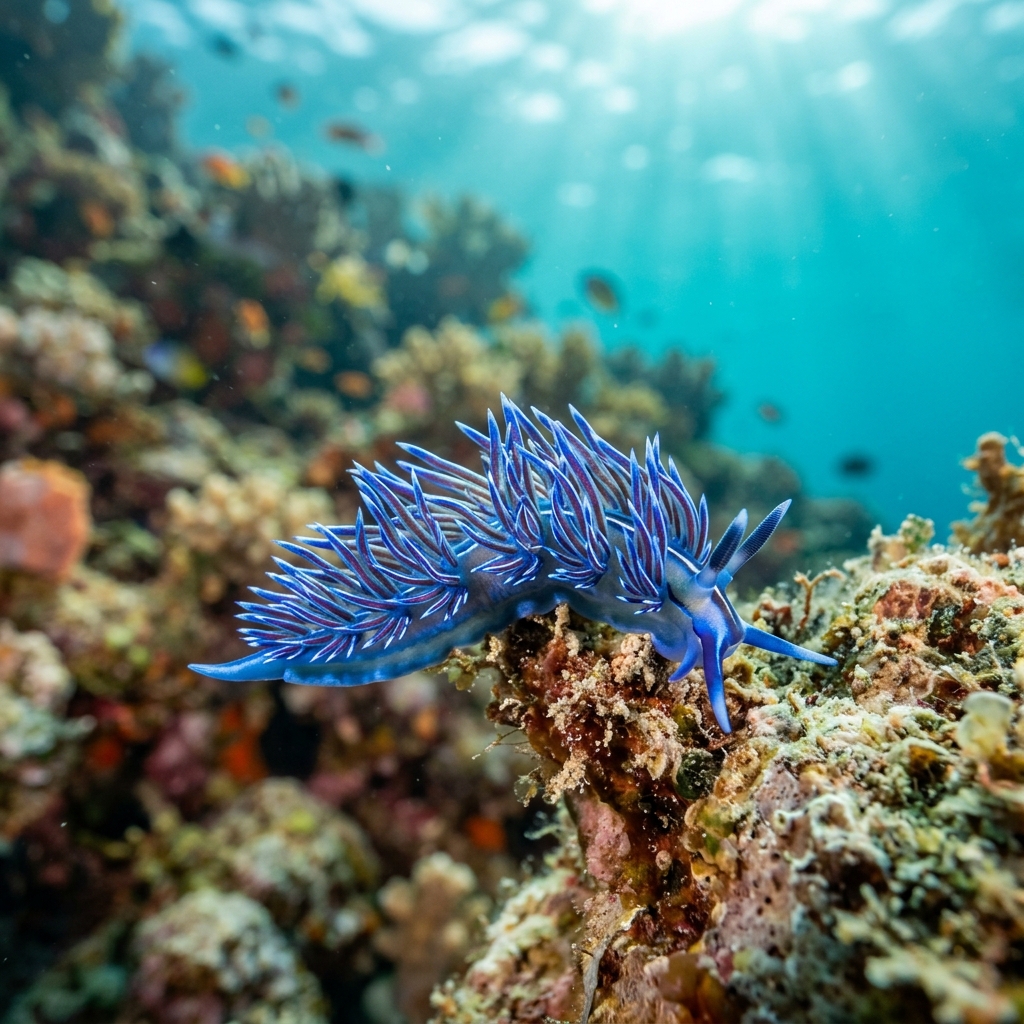
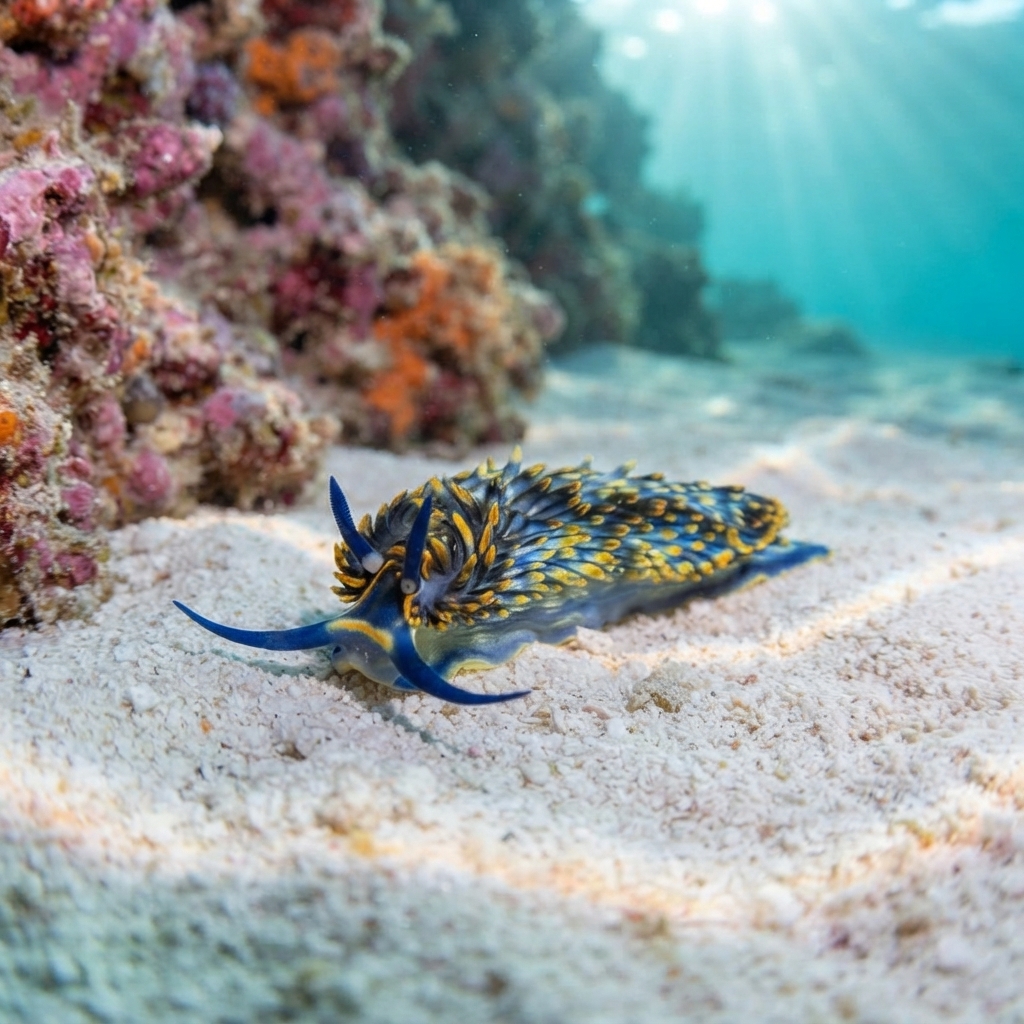
A small aeolid nudibranch (a group known for the finger-like projections, called cerata, covering their backs), built with a slender elongated body typical of the Cerberilla genus. The cerata run in dense rows down the length of the back and are the main feature to check against similar aeolids on the reef. Given how uncommon sightings are, expect to find it tucked into rubble or sediment rather than out in the open on a wall or coral head.
Divers log this one as an uncommon find even at the handful of sites where it turns up, so sightings tend to come down to a careful eye on rubble and sediment patches rather than an expected pass on a dive. Like other aeolid nudibranchs, it likely moves slowly across the substrate while grazing and shows little reaction to a diver's torch or presence. Look low on the reef, in the kind of broken ground and debris that aeolids favour for hunting.
As an aeolid nudibranch, it almost certainly stores stinging cells from its prey in those back cerata and redeploys them as its own defence, a trick common across the family.
No clear seasonal pattern shows up in the sightings, and water temperatures at the sites where it is logged stay warm year-round (24.8 to 30.8C), so it appears to be a year-round find rather than a seasonal one.
Every logged sighting of this species comes from Basse-Terre, Guadeloupe, making it the only confirmed place to look for it right now. There is no record of it elsewhere in the Caribbean or beyond, so a trip to Guadeloupe's Basse-Terre coast is currently the only reliable way to try for one.
Mapping where Gold-fringed Cerberilla is logged…
Every recorded sighting comes from Basse-Terre in Guadeloupe. It hasn't been logged at dive sites outside that area, so it's currently a Guadeloupe speciality.
There's no detected seasonal pattern, and the water stays warm year-round at the sites where it's found (24.8 to 30.8C), so any time of year works.
Look for a slender-bodied nudibranch covered in rows of finger-like cerata along its back, low down on rubble or sediment rather than in open water.
Size isn't well documented for this species, but like most Cerberilla nudibranchs it's likely a small, easily overlooked animal best spotted by scanning rubble closely.
No. It poses no threat to divers and, like related aeolid nudibranchs, its only defences are aimed at predators, not people.
As an aeolid nudibranch, it likely absorbs stinging cells from the prey it eats and repurposes them in its own cerata as a defence against predators.
Site and sighting data is aggregated from diver logs, iNaturalist and GBIF. For taxonomy and conservation status:
Light-spotted Aegires
3,168 sites