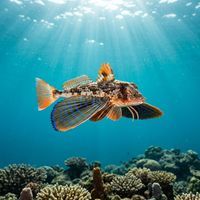
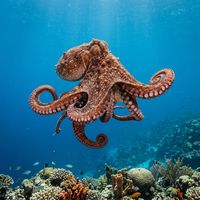
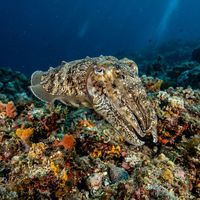
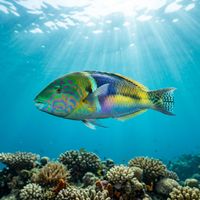
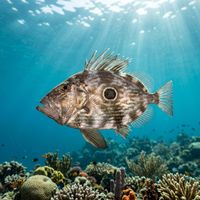
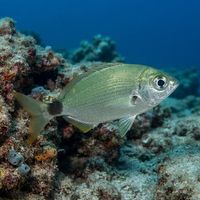
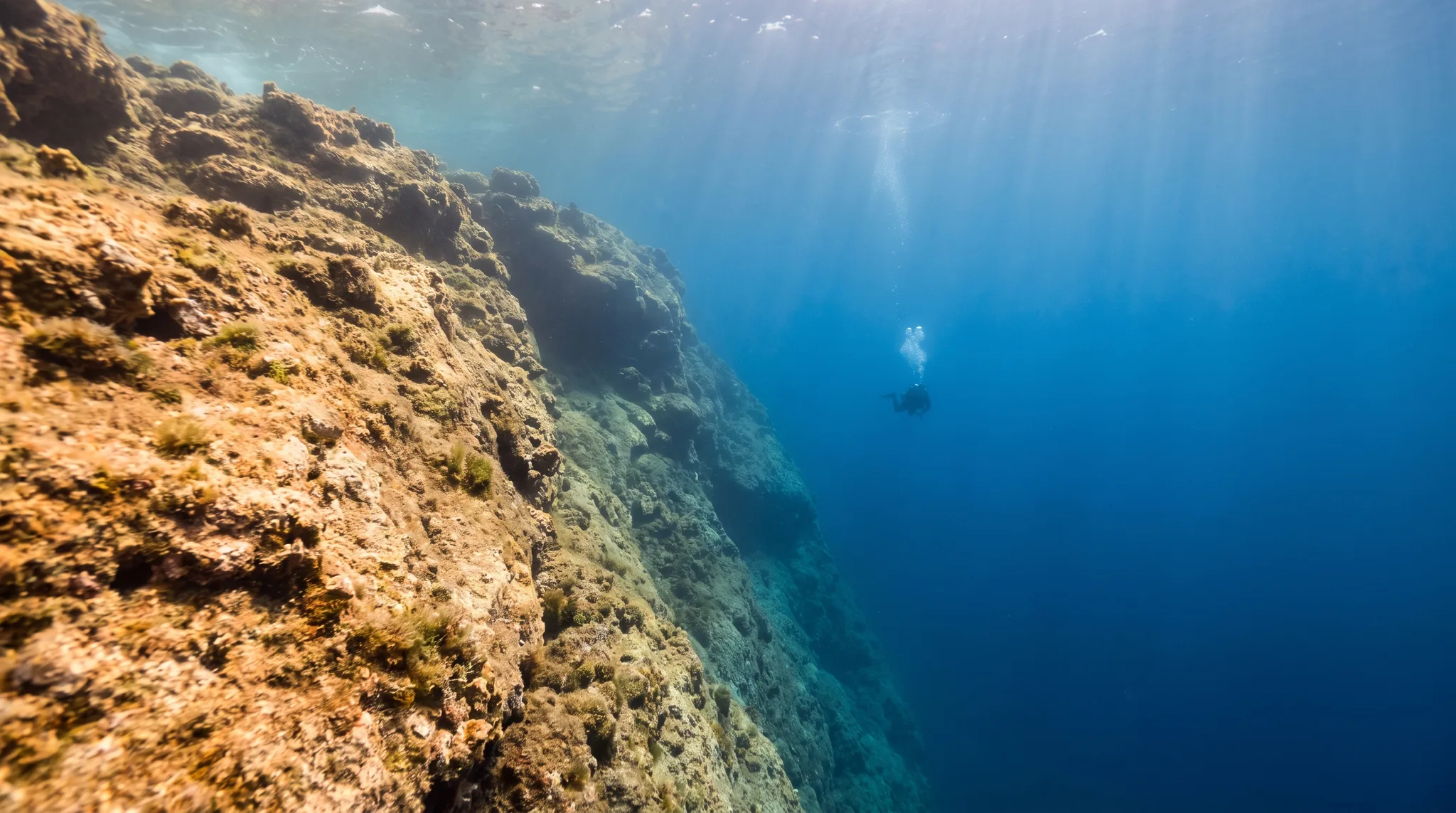
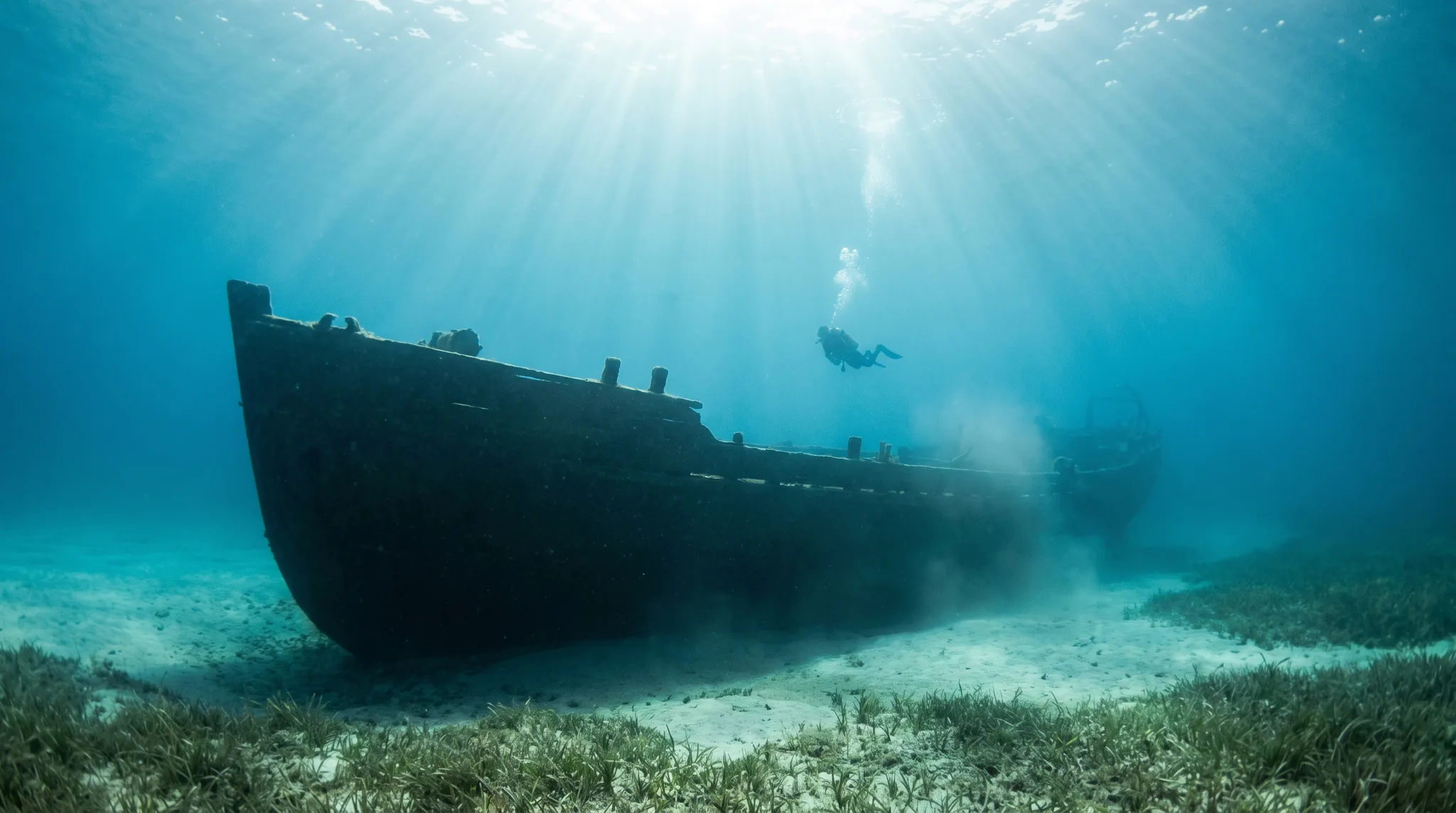
Halkidiki's dive sites span the three peninsulas, offering a varied mix of walls, reefs, caves, wrecks and even a geothermal pinnacle site at Loutra. Most sites suit beginners, with a solid selection for intermediate divers seeking deeper walls and drift diving. The Flying Gurnard, Common Octopus and European Common Cuttlefish are the region's signature encounters, alongside very commonly observed Turkish Wrasse and Two-banded Seabream. Both shore and boat entries are well represented across the area.
Monthly water temperature across Halkidiki's sites, from satellite sea-surface data corrected for depth. The band shows the site-to-site spread.
Water temperatures rise through summer, peaking in September and October, making the late summer and autumn period the warmest and most popular for diving. Spring brings cooler conditions but often good visibility, and the site histogram shows diver activity concentrated from May through October. Winter months are quiet, with the coolest water recorded in spring rather than midwinter.
32 operators
Nea Poteidaia, Greece
18 more sites to explore
Water temperature around Halkidiki ranges from about 14°C in April to 21°C in September, based on satellite sea-temperature data for its dive sites.
In the warm season (about 21°C) a 5mm suit is comfortable in Halkidiki; in the coldest months (about 14°C) step up to a 7mm or semi-dry suit.
Fin maps 30 sites in Halkidiki (26 scuba diving sites and 6 snorkelling spots, with some suited to both).
Across Halkidiki's dive sites, May, June, July, August, September and October are most often reported as the best months to visit.
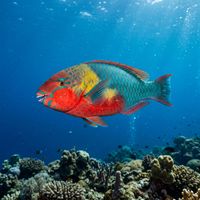
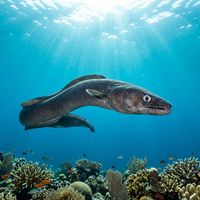
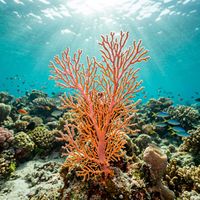
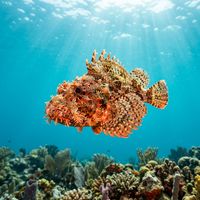
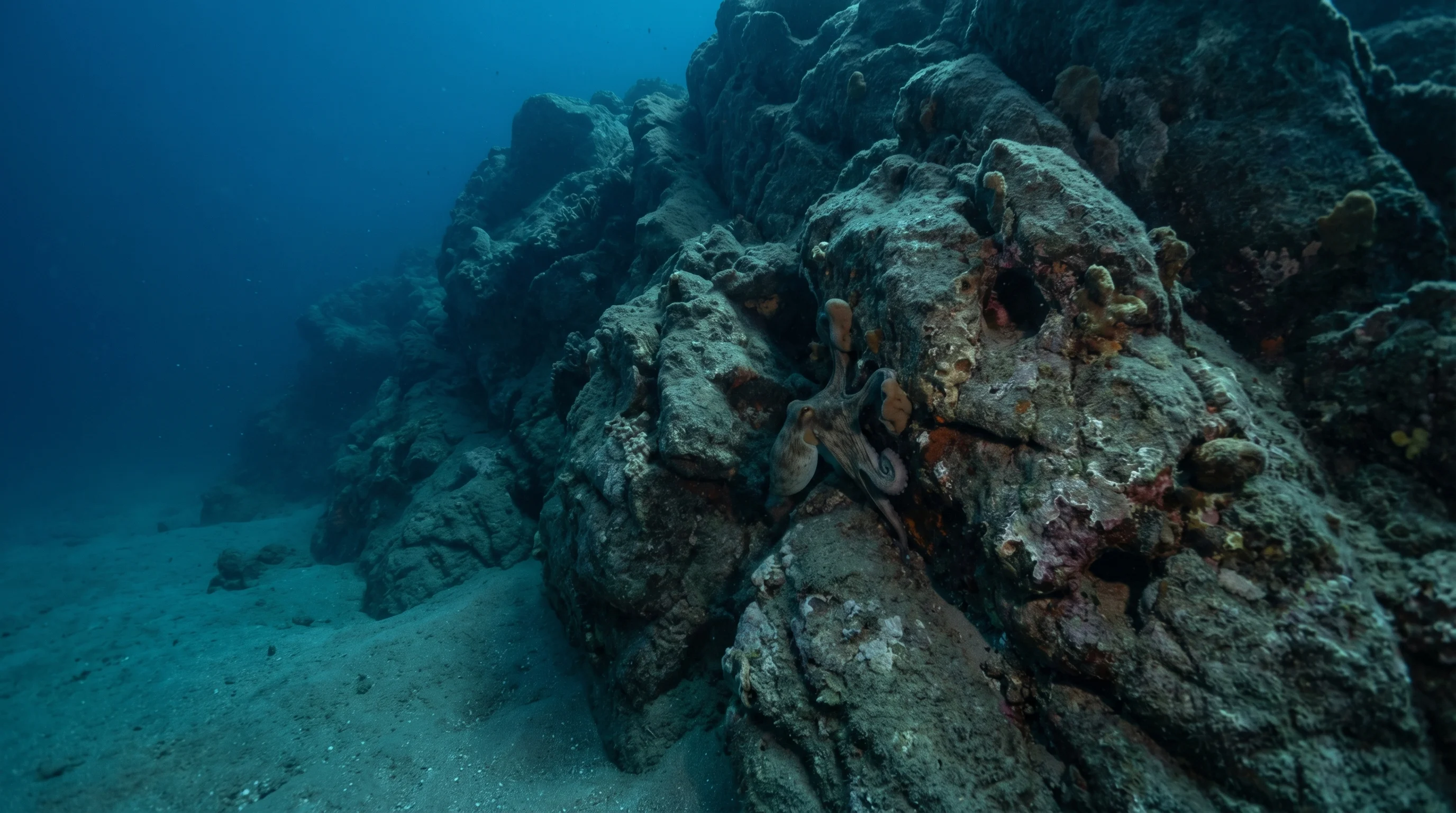
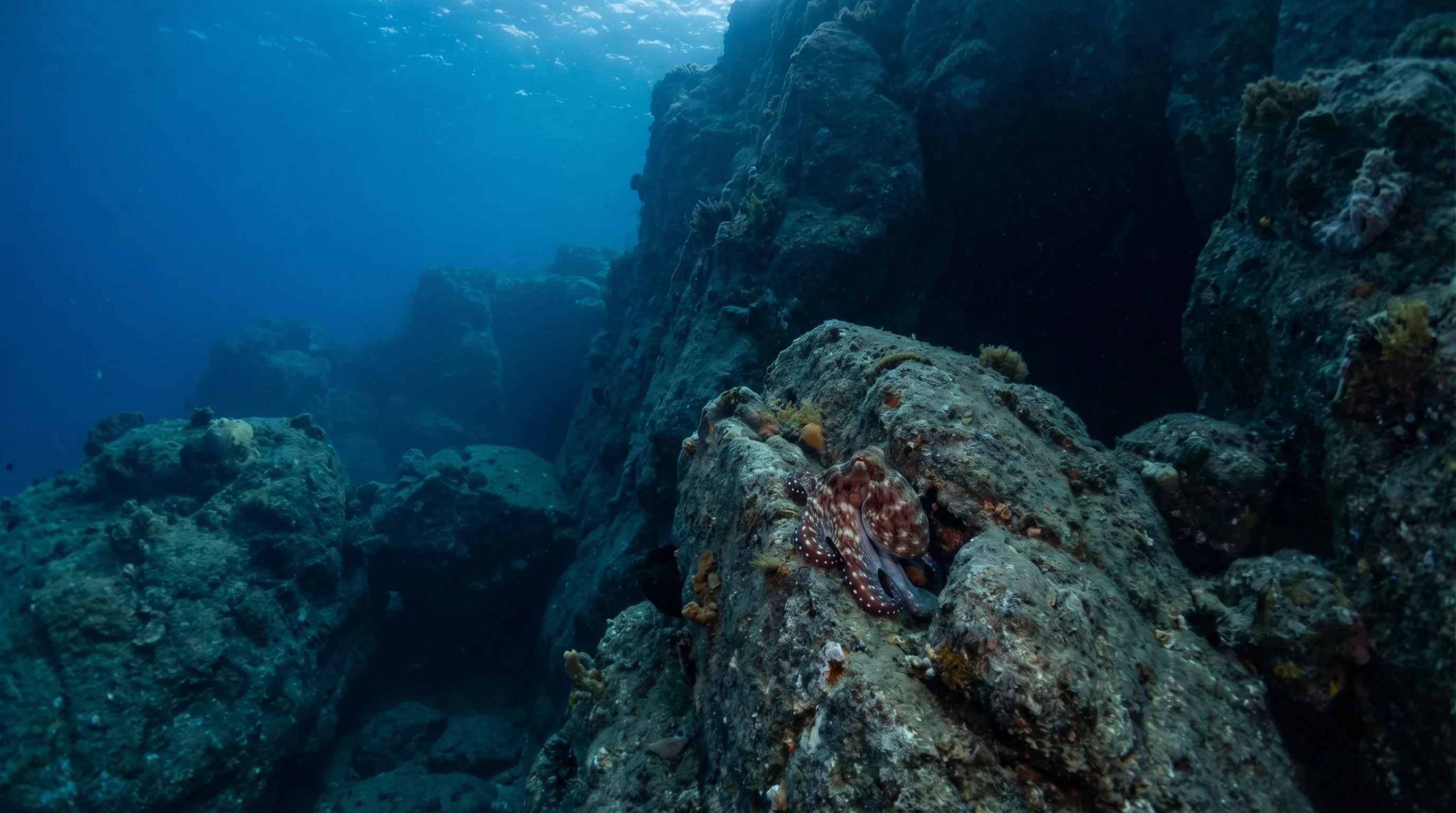
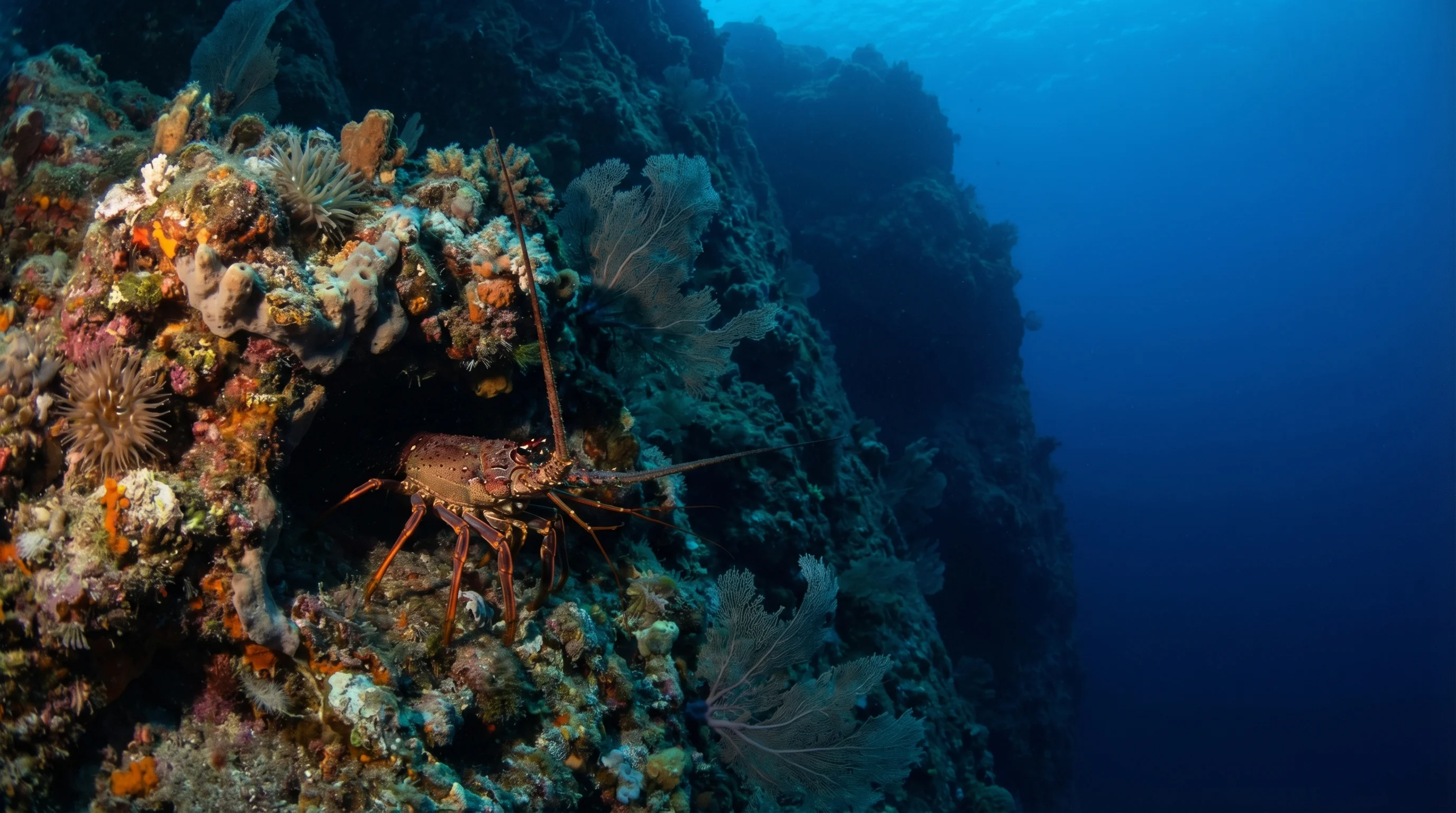
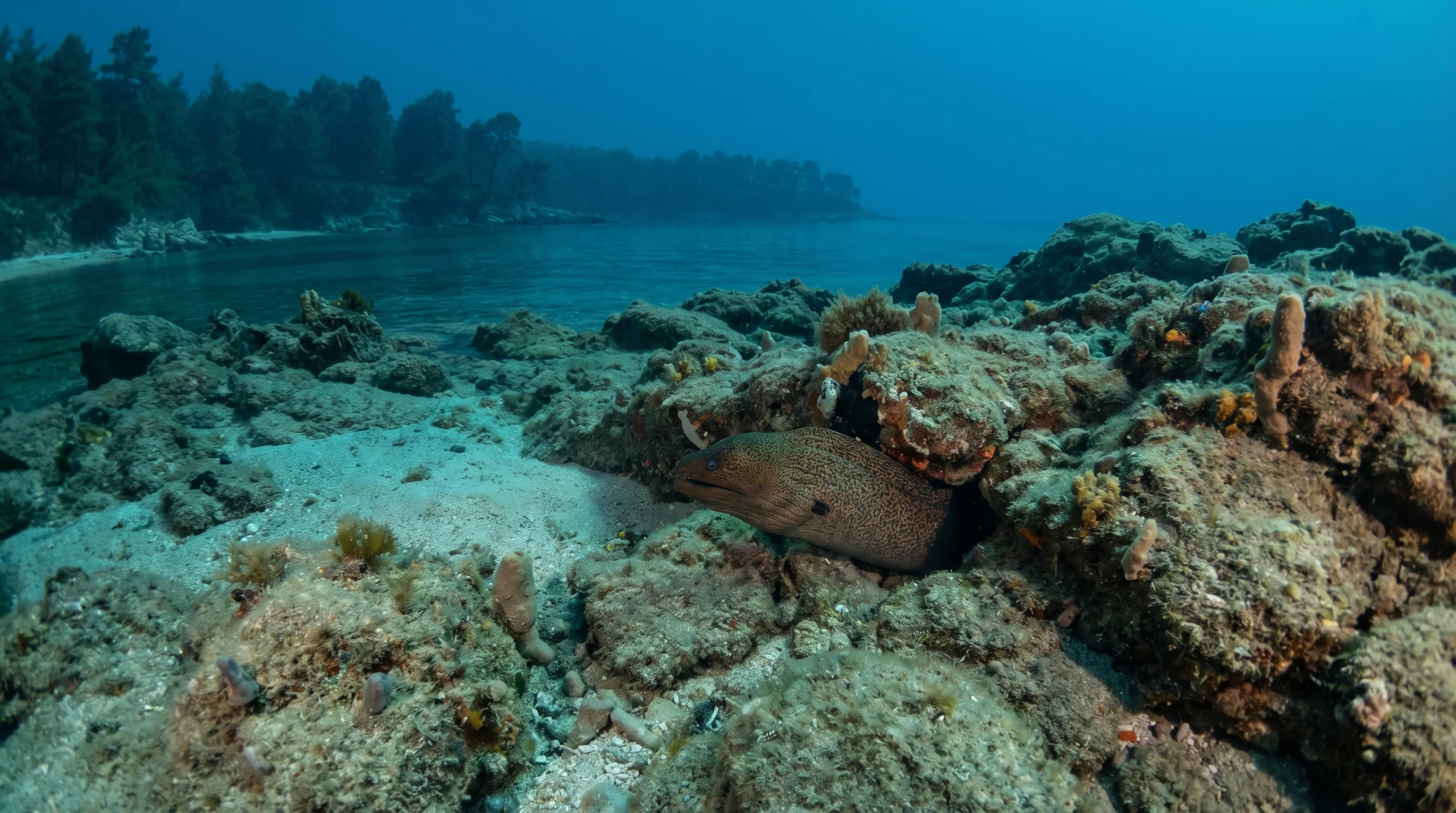
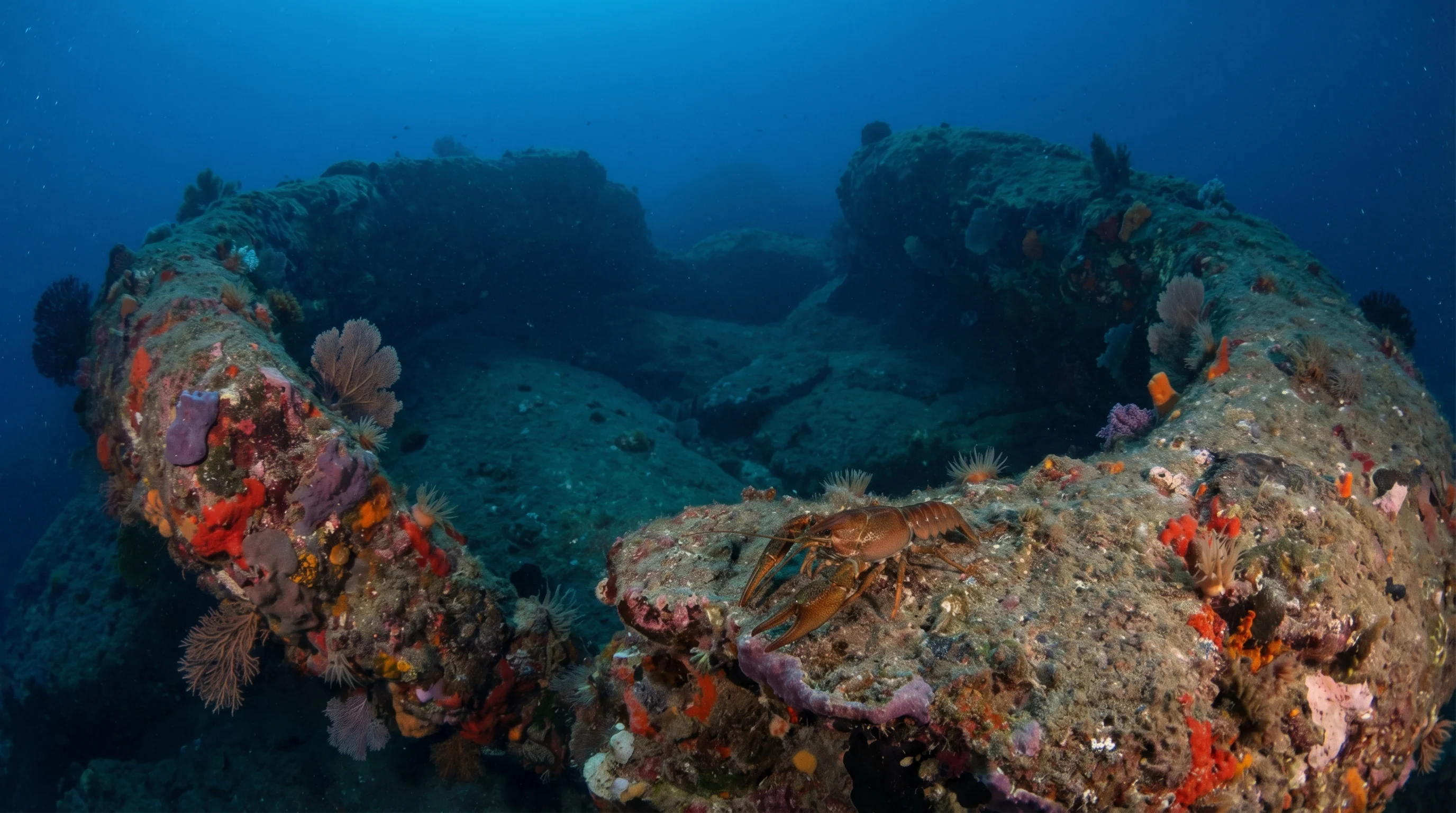
Halkidiki has a rich mix of observed species across its sites. The Flying Gurnard, Common Octopus and European Common Cuttlefish are the region's signature encounters. Turkish Wrasse and Two-banded Seabream are very commonly reported, and divers also regularly spot Scorpionfish, Conger Eel, Mediterranean Moray, John Dory, European Parrotfish and Gorgonian on the deeper walls.
The majority of Halkidiki's dive sites are rated for beginners, including popular shore-entry spots such as Porto Valitsa, Chrousso Bay and Akti Kalogrias. Several sites offer shallow starting depths that gradually drop to greater depths, giving new divers room to progress. Intermediate sites such as Dias, Avlaki and Koursaros are also available for those with more experience.
Shore entry is well catered for across Halkidiki, with sites including Porto Valitsa, Avlaki, Chrousso Bay, Loutra and Koursaros all accessible directly from land. Boat-only sites include Dias, Stiladari and Finger Reef. Several sites such as Kalamitsi and Porto Koufo Wall offer both shore and boat entry, giving divers good flexibility depending on the operator or personal preference.
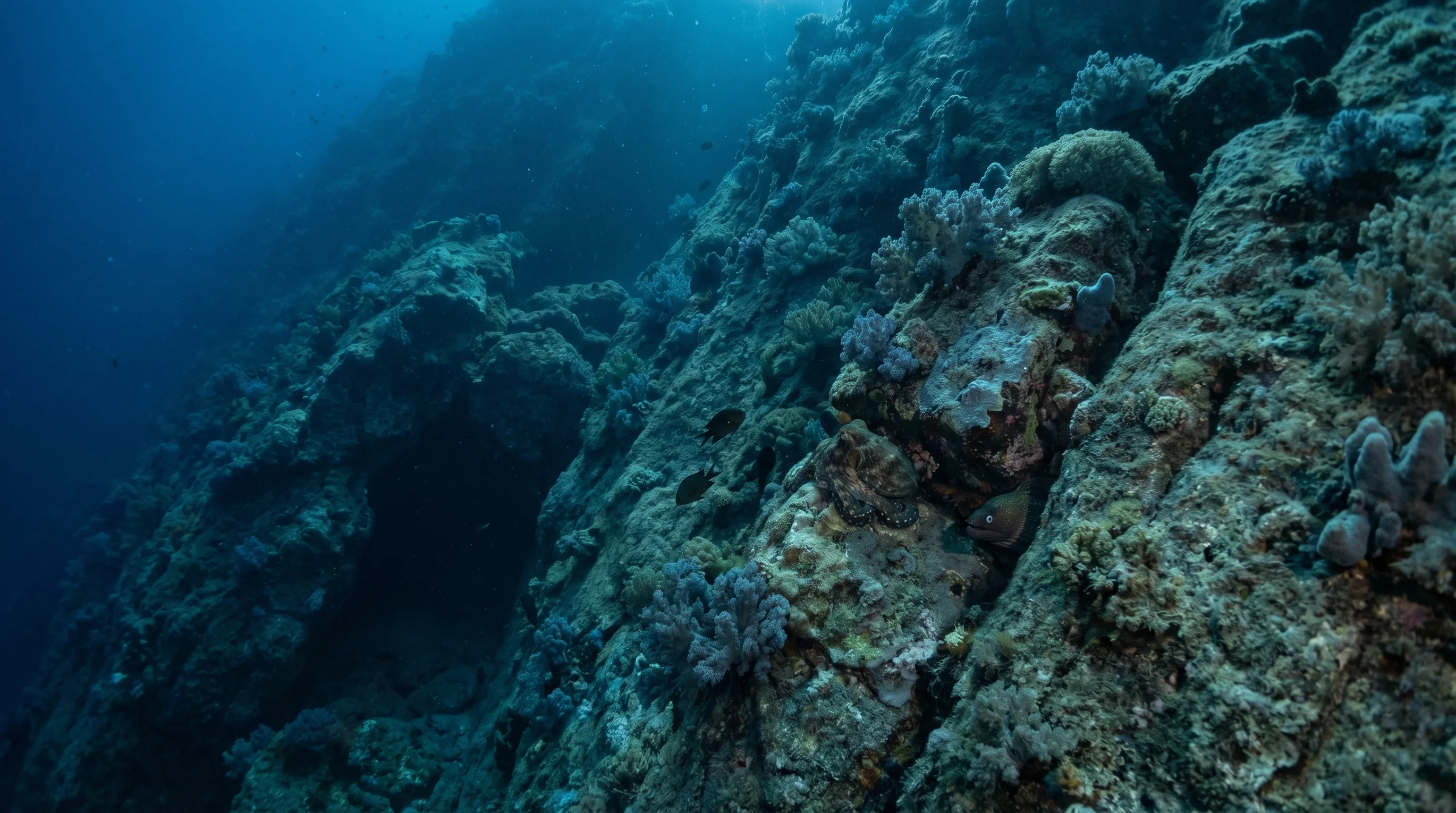
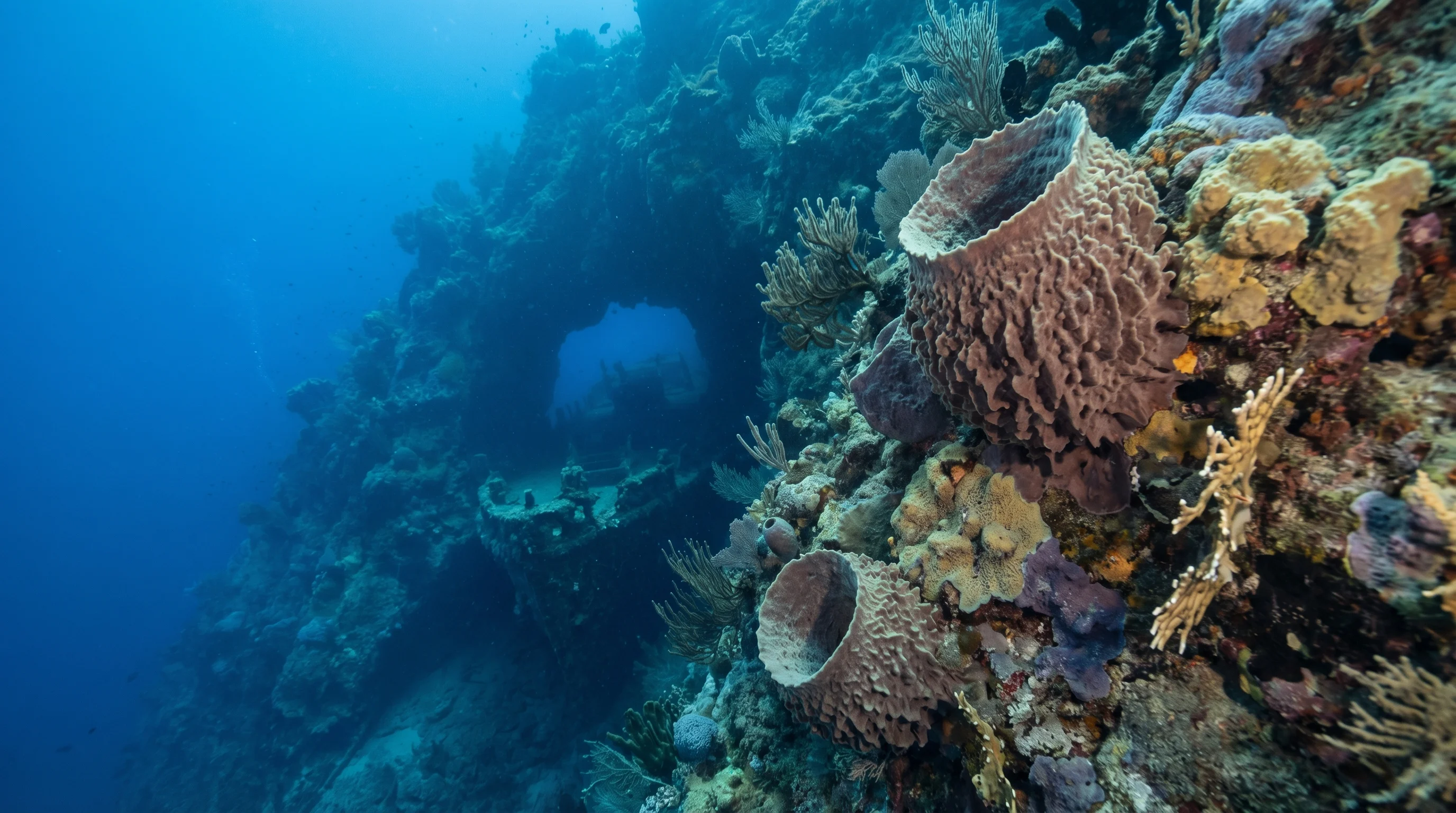
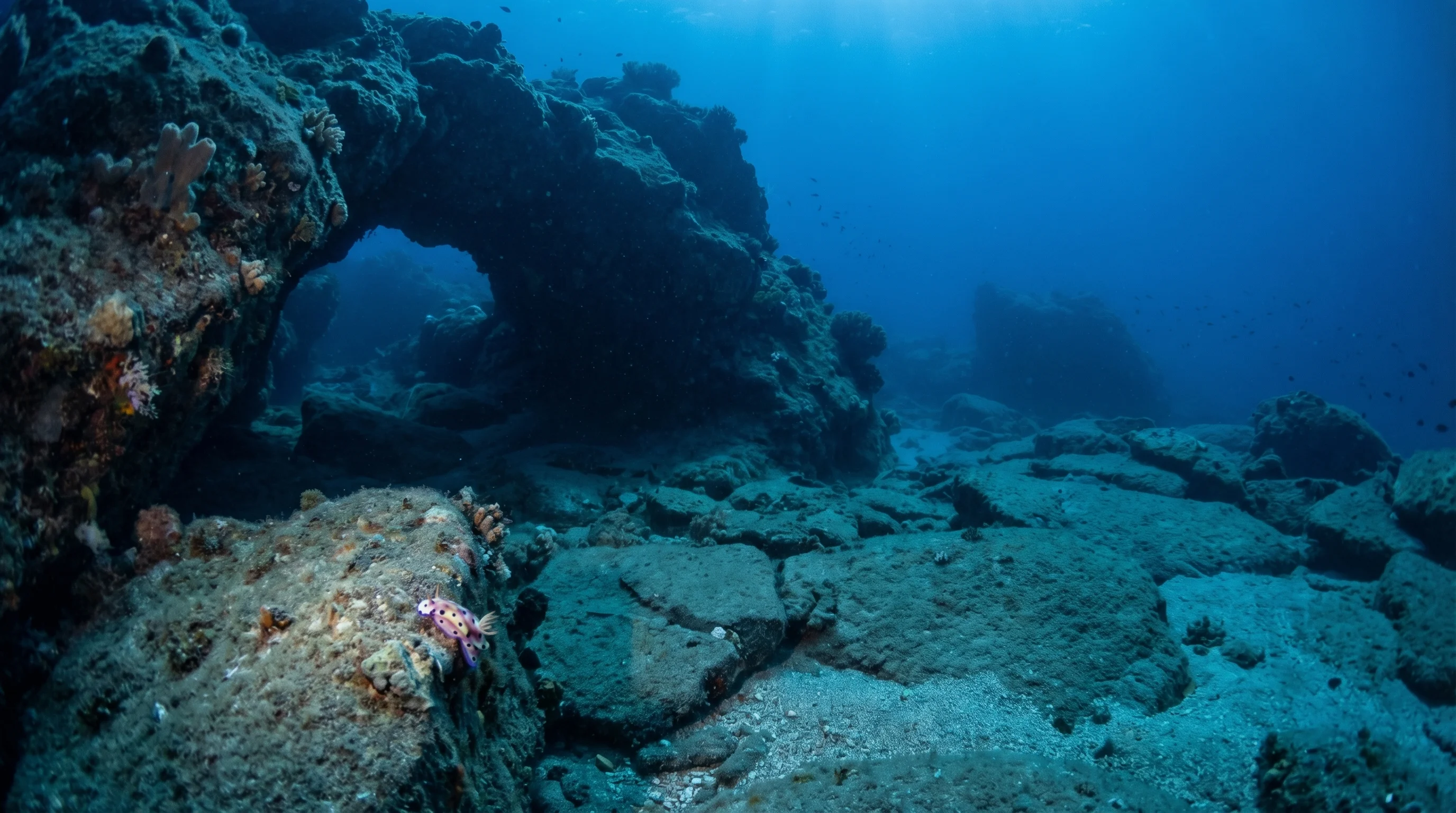
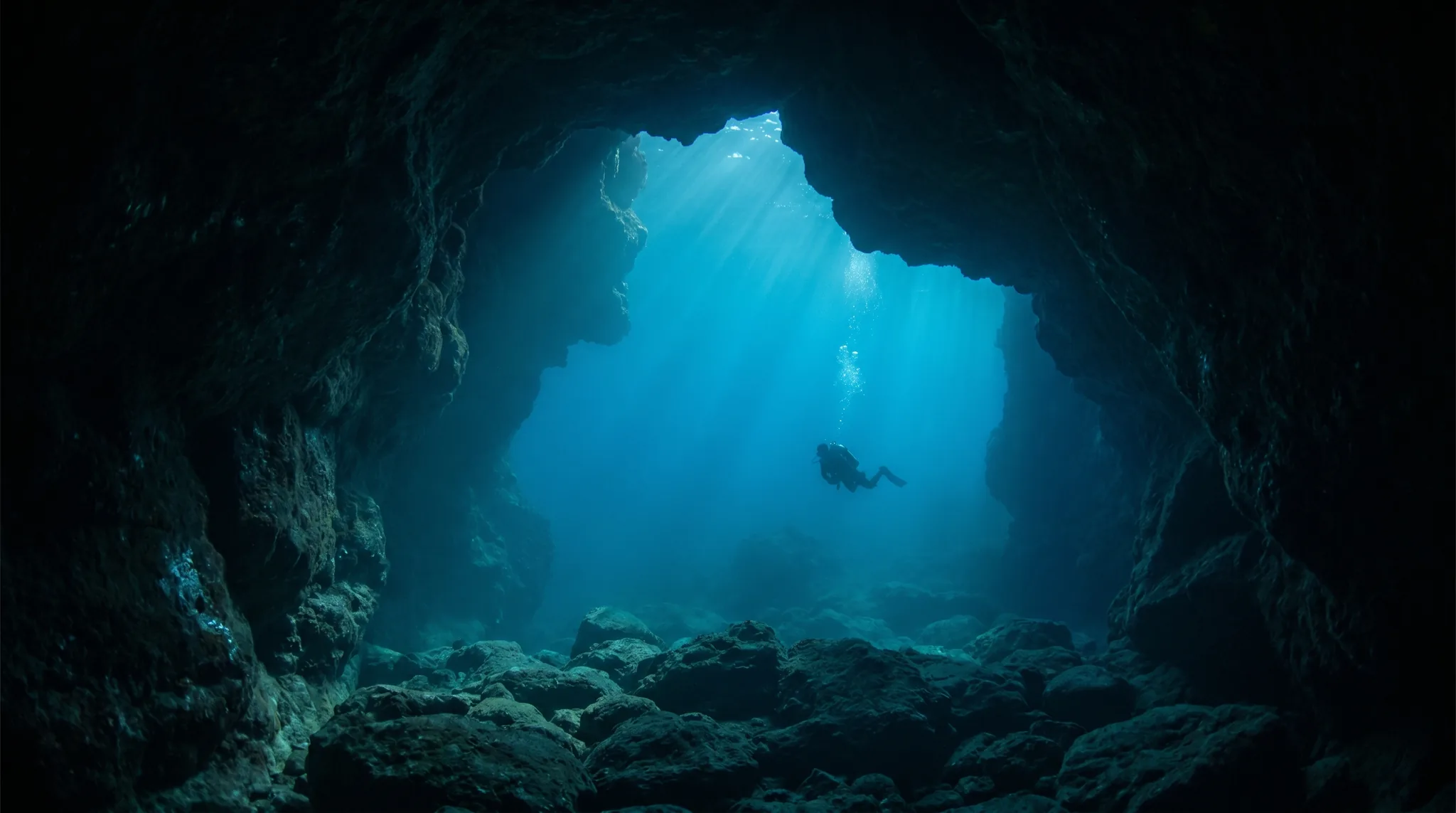
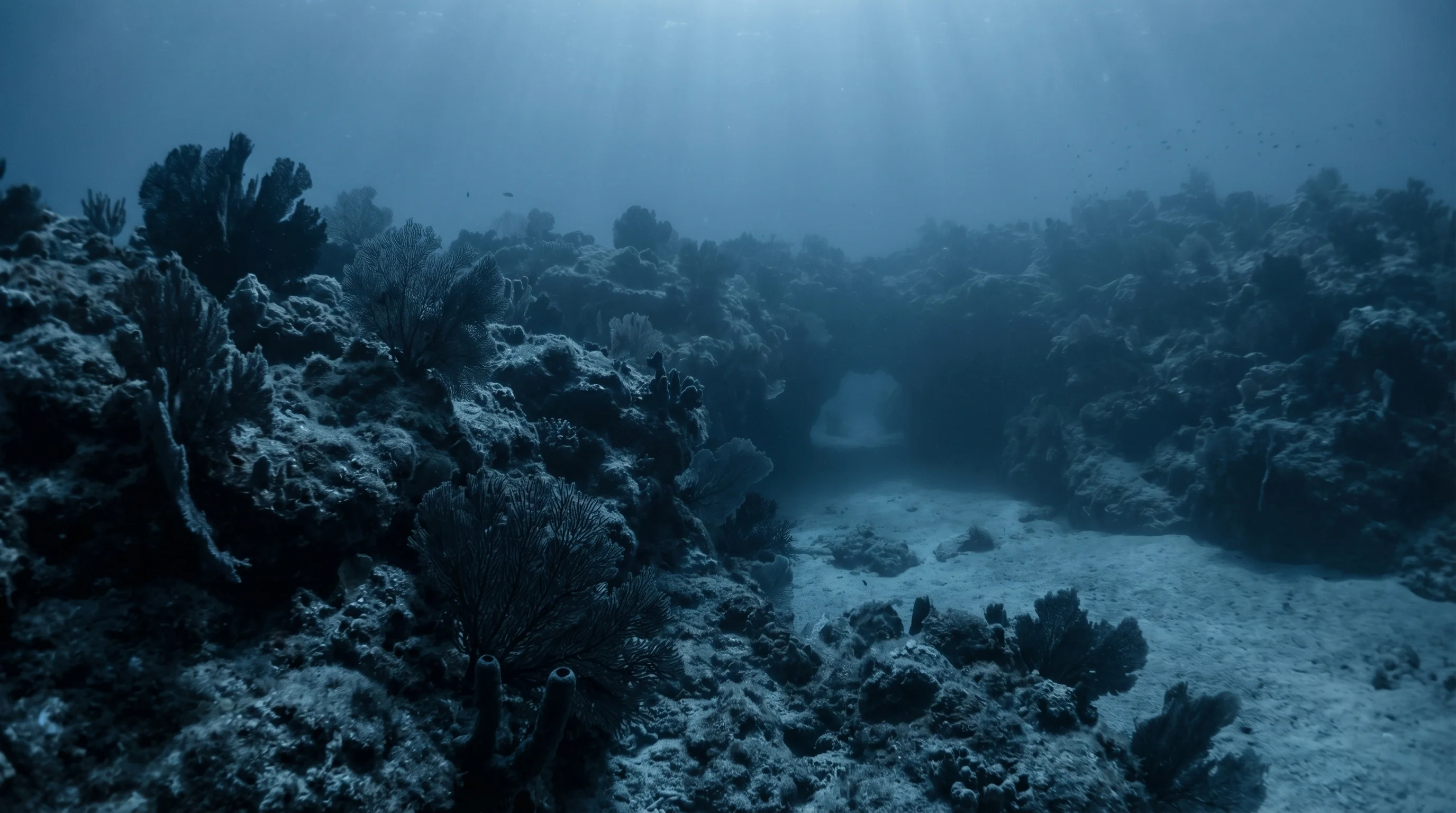
Halkidiki offers an unusually varied site mix for a single region. Alongside conventional reef and wall diving, there are wrecks including the Mitilini wreck, cave systems at sites like Dias and Porto Koufo Wall, drift diving at Koursaros, and the geothermal pinnacle and tunnel site at Loutra, where volcanic gases create a truly unusual underwater environment. This variety means divers rarely need to repeat the same type of dive.