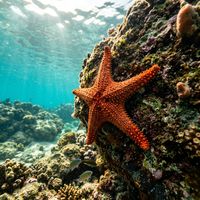
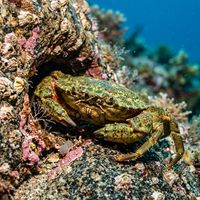
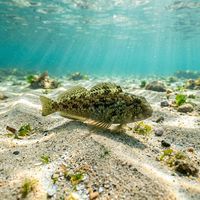
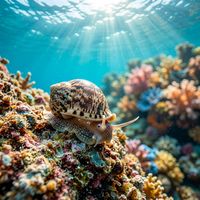
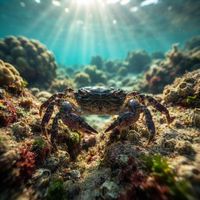
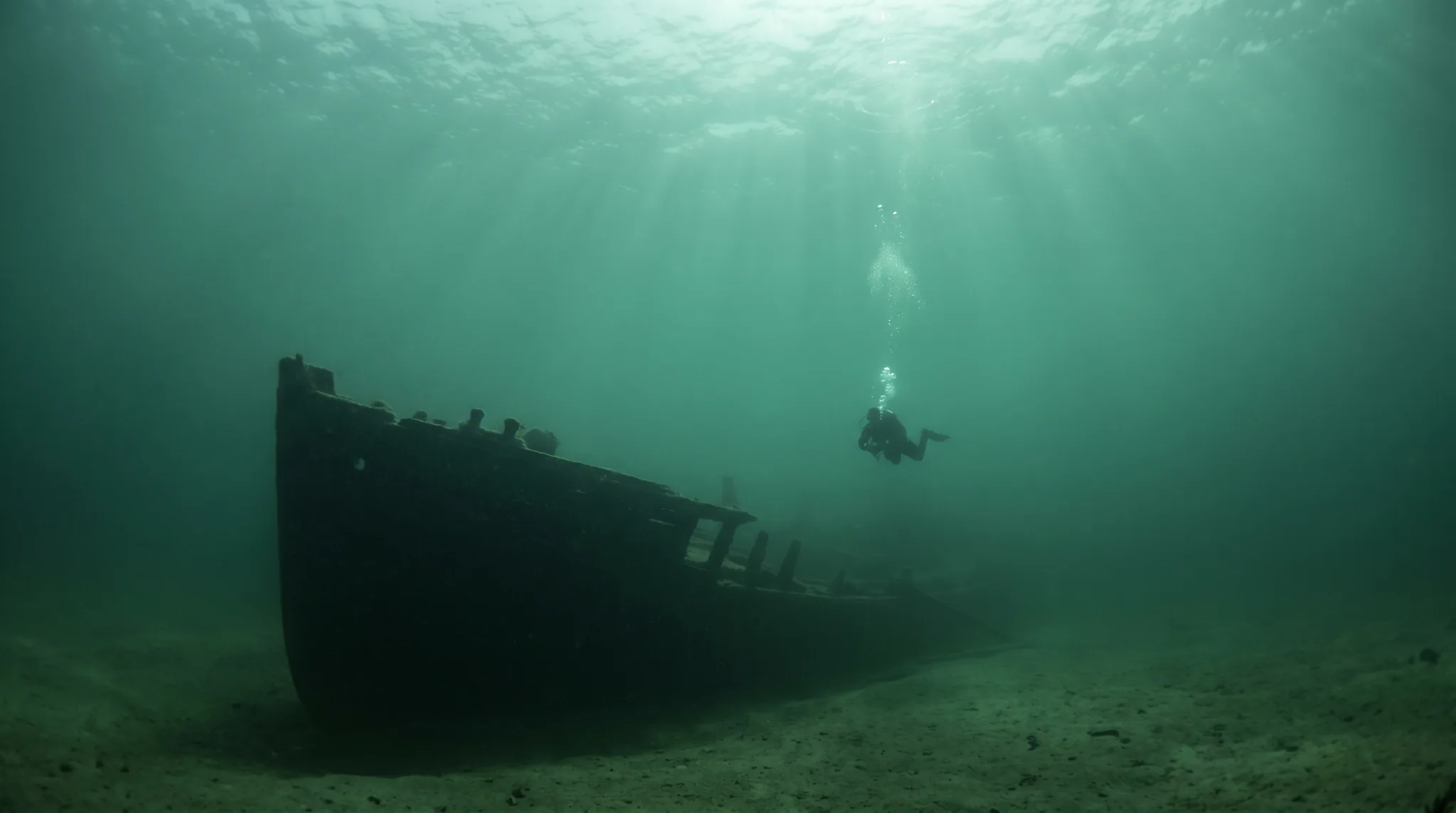
The Alabaster Coast offers a mix of wreck diving and rocky shore snorkelling along the Normandy coastline near Dieppe. Wrecks such as Le Gauss and HMS Daffodil sit at intermediate depths and are accessible by boat, drawing divers who enjoy exploring encrusted structure. Shallow sites reward snorkellers with European Green Crab, Shanny, and Sea Star across most sites. Water is cool year-round, warming through summer, and visibility is moderate, shaping a distinctly temperate underwater character.
Monthly water temperature across Alabaster Coast's sites, from satellite sea-surface data corrected for depth. The band shows the site-to-site spread.
Water temperatures rise from their winter low in February and March through to a summer peak in August and September, making the warmer months the most comfortable for diving without heavy exposure protection. The boat-access wrecks near Dieppe sit at intermediate depths, so conditions at the surface and en route to the site matter as much as those below. Spring and autumn shoulder months are diveable but demand attention to thermal layers and the region's moderate visibility range.
1 operator
12 more sites to explore
Water temperature around Alabaster Coast ranges from about 9°C in February to 19°C in August, based on satellite sea-temperature data for its dive sites.
In the warm season (about 19°C) a 5mm suit is comfortable in Alabaster Coast; in the coldest months (about 9°C) step up to a drysuit.
Fin maps 14 sites in Alabaster Coast (8 scuba diving sites and 8 snorkelling spots, with some suited to both).
Across Alabaster Coast's dive sites, June, July, August and September are most often reported as the best months to visit.
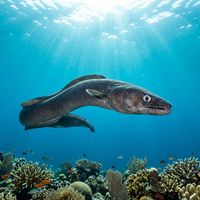
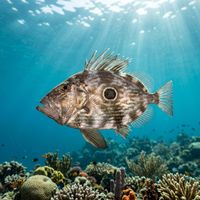
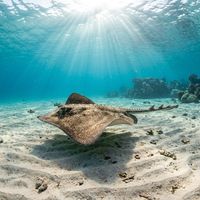
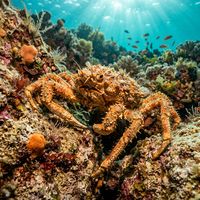
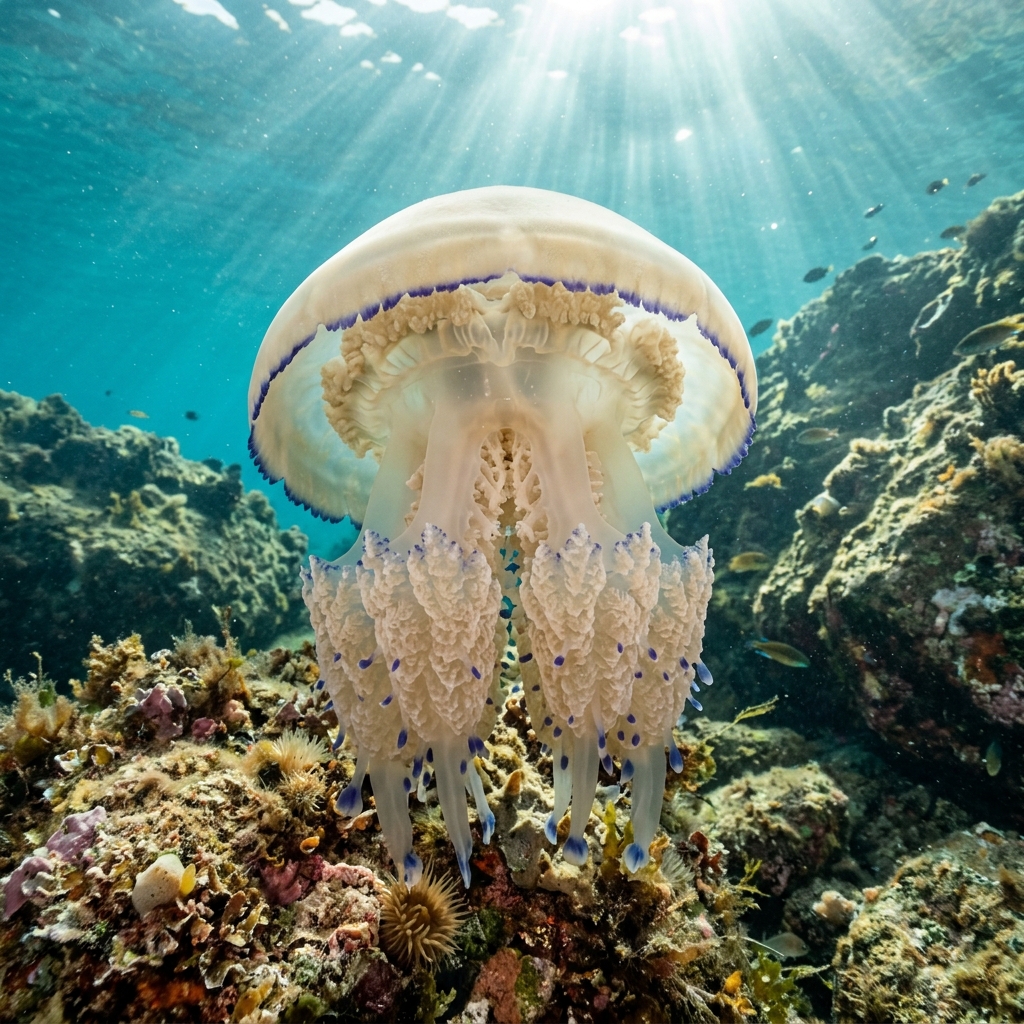
The wrecks here attract Conger Eel, John Dory, and Skate, alongside encrusting life including Sea Squirt and Sponge. Spiny Spider Crab and Sea Star are very commonly observed across the dive sites. Compass Jellyfish and Barrel Jellyfish appear occasionally, particularly during warmer months.
The featured dive sites, Le Gauss and HMS Daffodil, are both rated at intermediate skill level and require boat access. Beginners would be better placed gaining experience elsewhere before tackling these wrecks. The moderate visibility typical of the region also means good buoyancy control is helpful.
Both named dive sites require boat access, as they lie offshore from the coast near Dieppe. There are currently no listed dive operators based in the region, so visiting divers will need to arrange their own boat or check for independent charter options locally. Snorkelling sites can be accessed from shore.
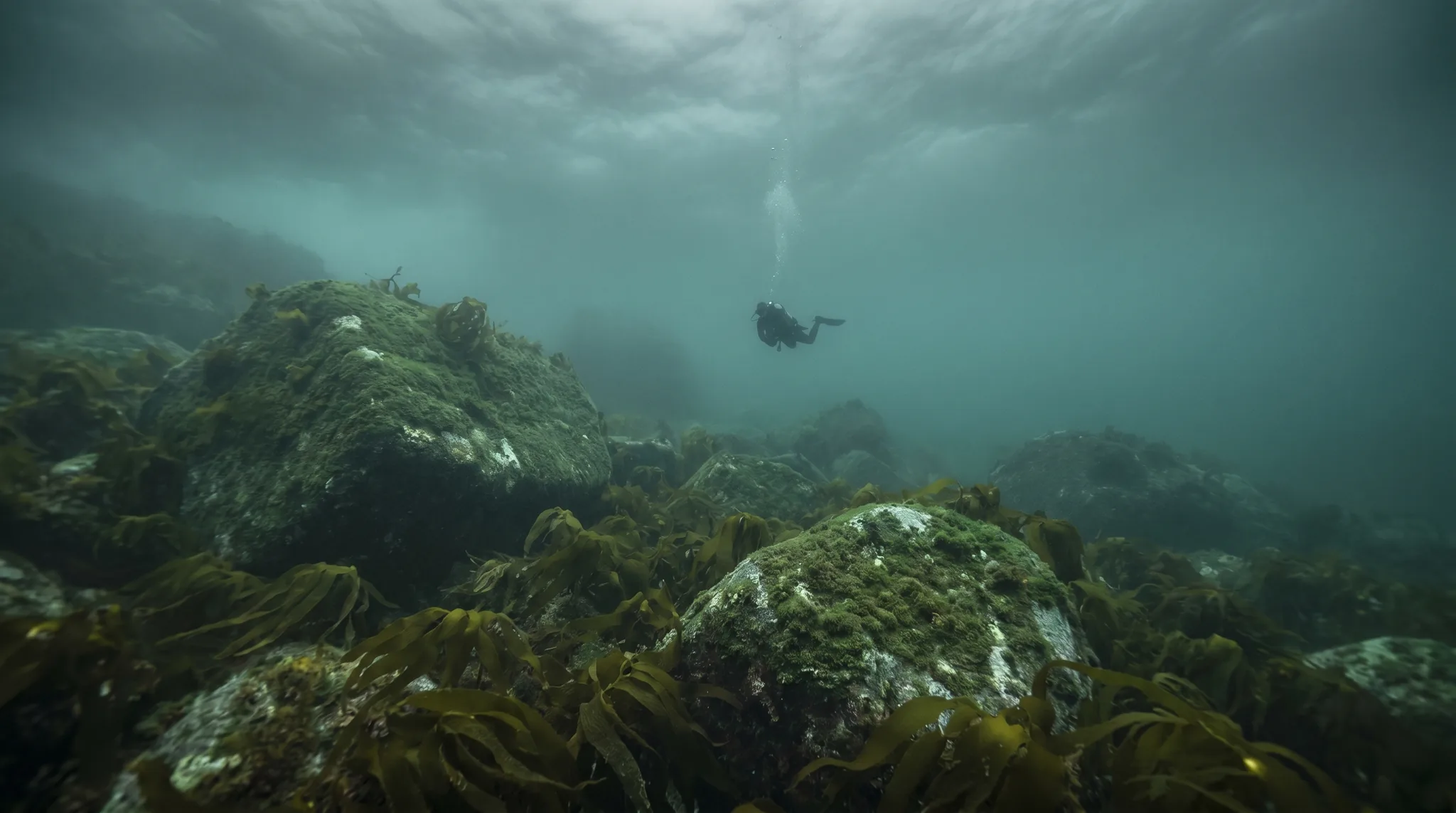
Rocky shore habitats host European Green Crab, Shanny, Rockpool Prawn, and Sea Star, all of which are consistently observed across snorkel sites. Spiny Spider Crab is also very commonly encountered. The mix of crustaceans, small fish, and invertebrates makes shallow exploration rewarding, particularly during the warmer months when conditions are most settled.