Hemigrapsus sanguineus
Look for this small purple-clawed crab under rocks in Zeeland's cool waters, most often logged as an uncommon find year-round.
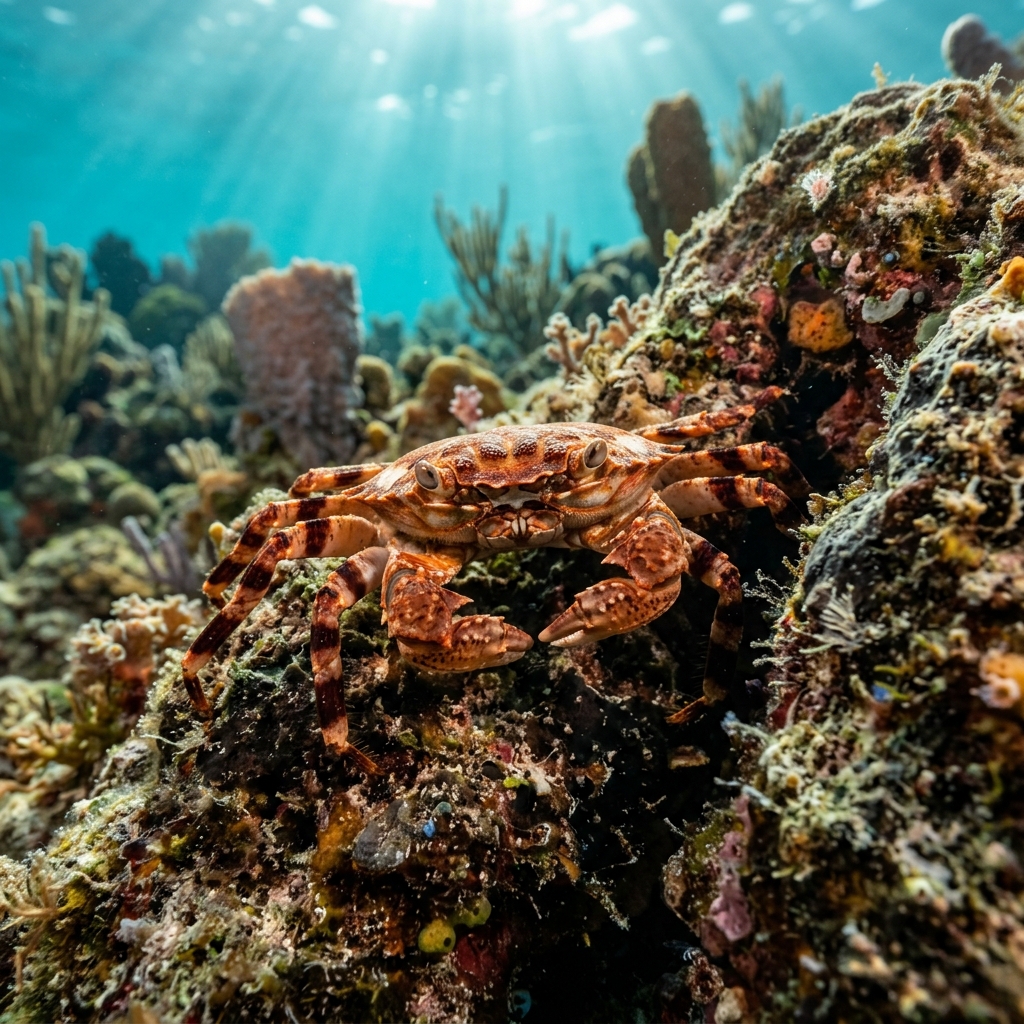
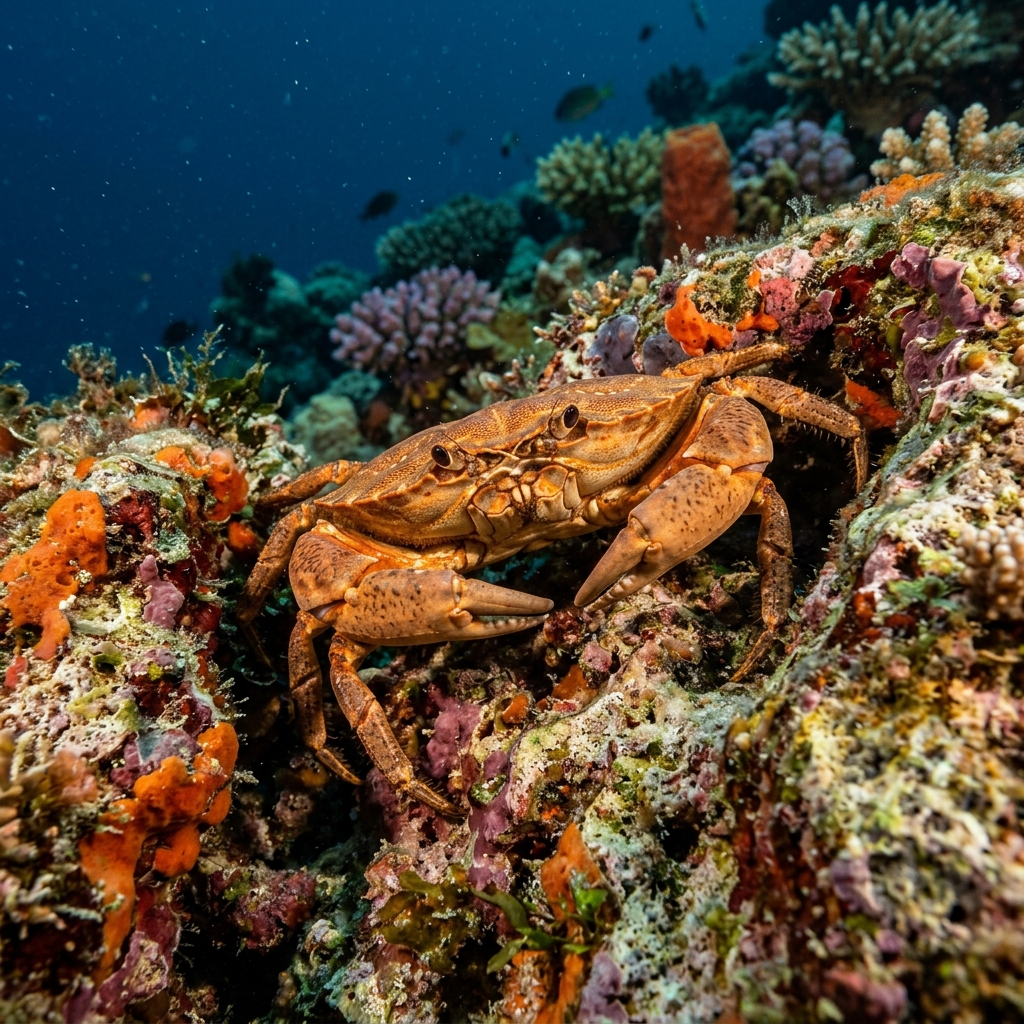
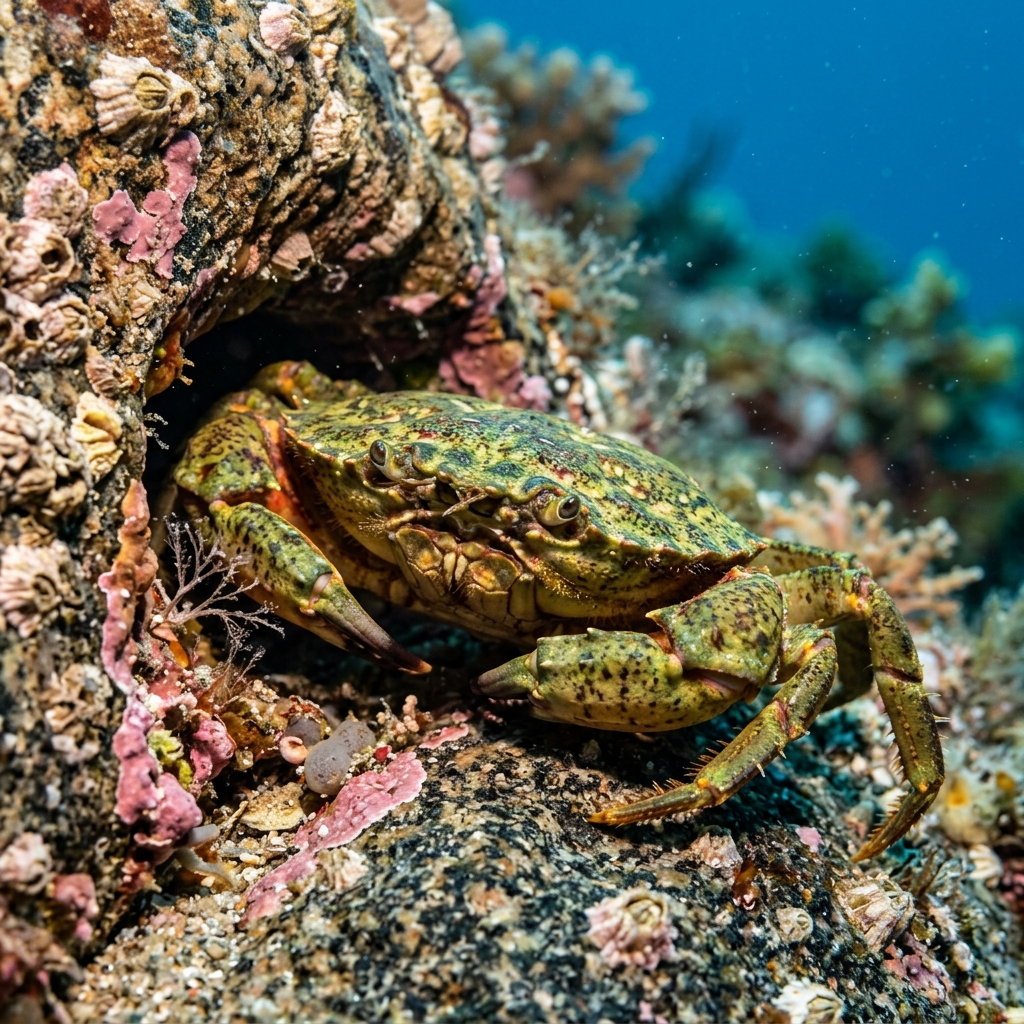
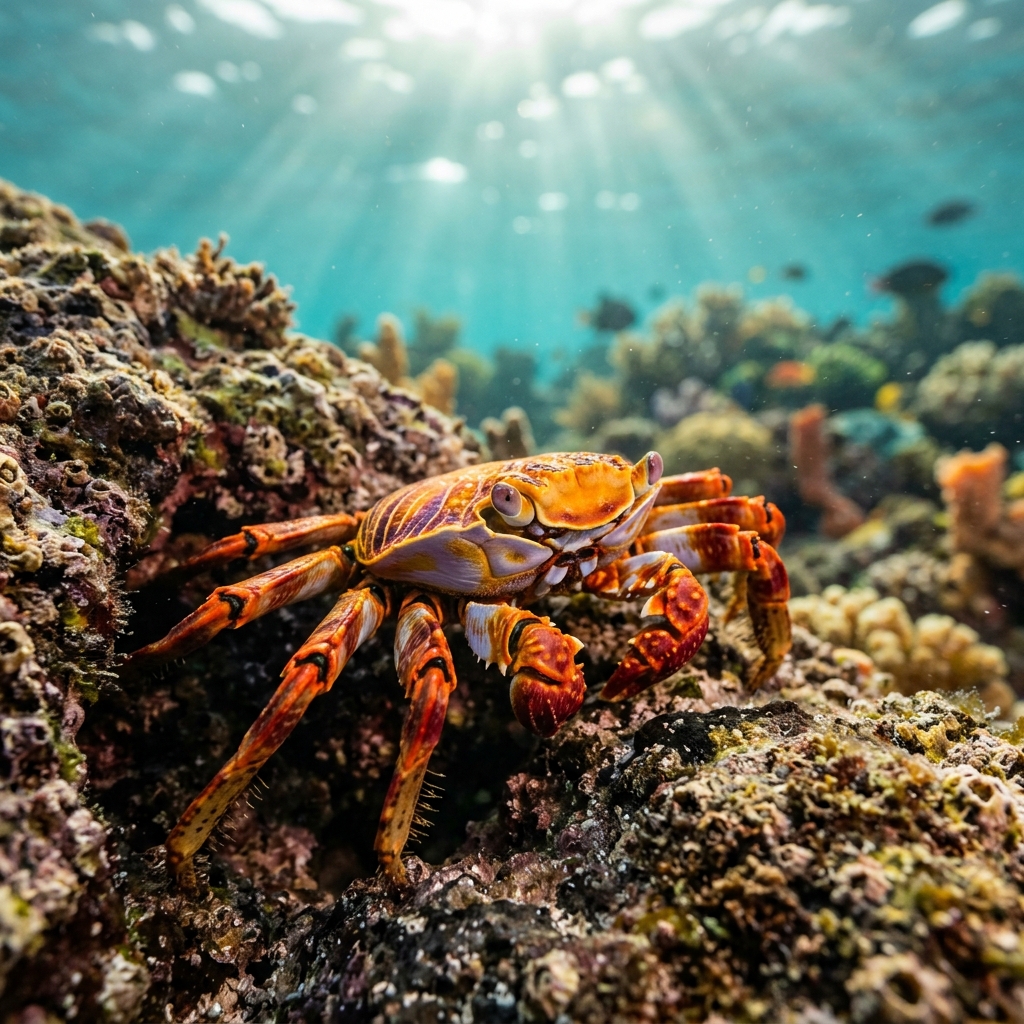
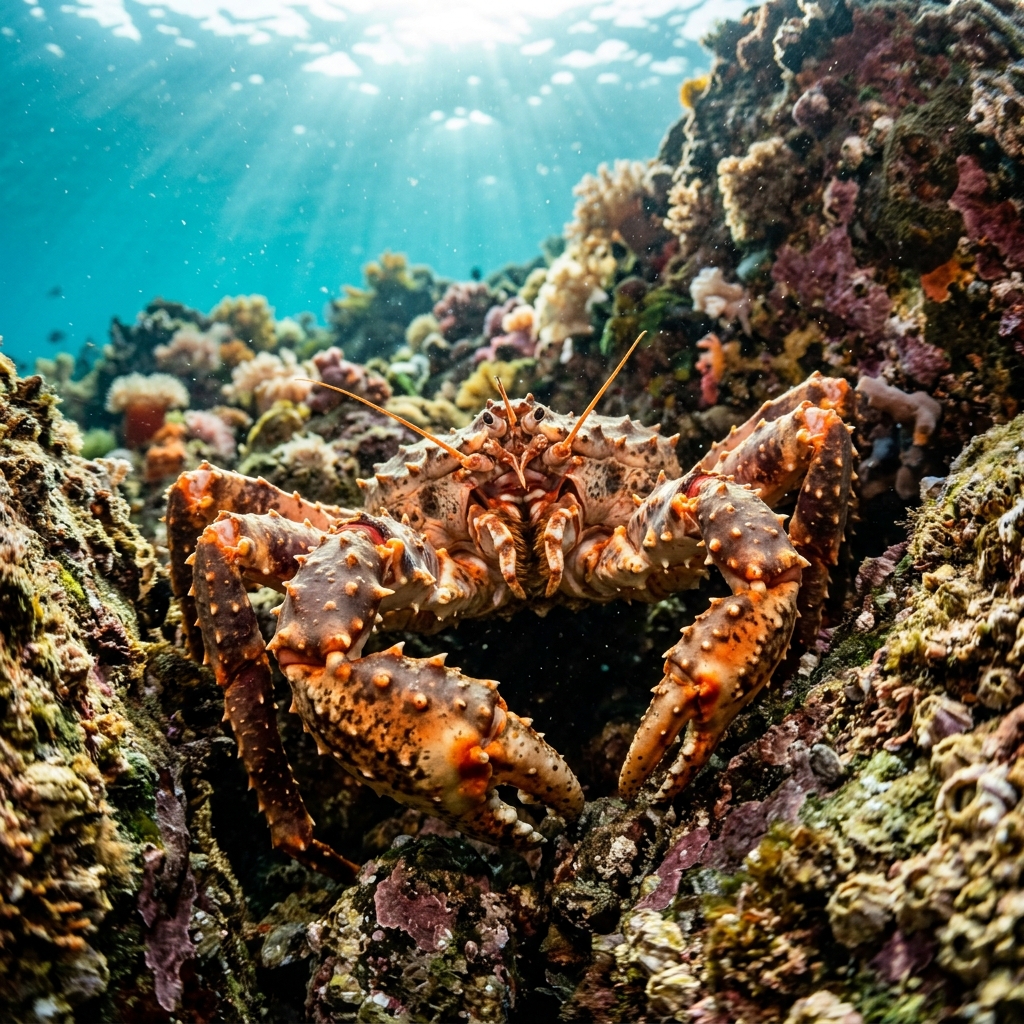
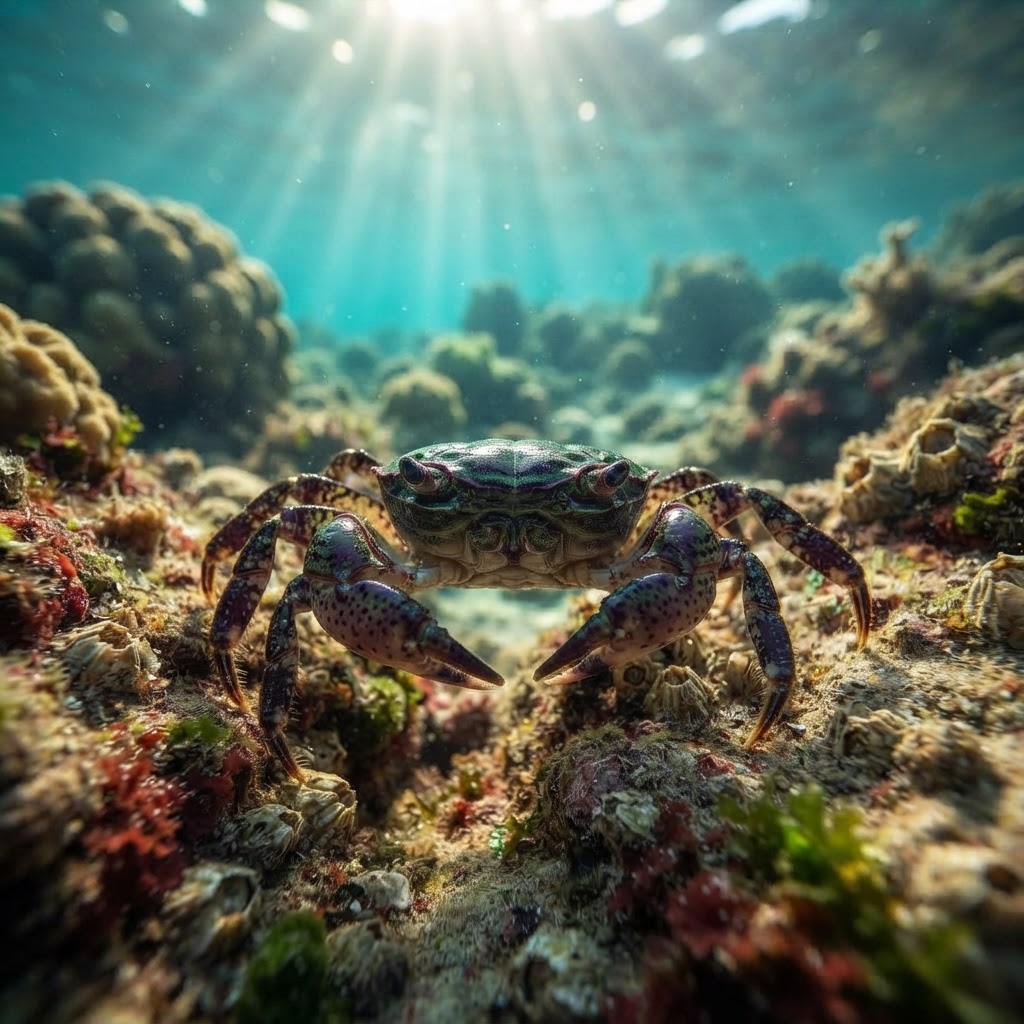
Small, boxy carapace with a squared-off front edge, usually mottled brown, green or purple. The giveaway is a light and dark banding pattern on the claws, which often end in distinctly purple or orange tips. Body stays low and tucked against rock, and it moves in quick sideways scuttles rather than swimming.
Divers mostly find it wedged under rocks or in crevices on the bottom, picking over the substrate for food rather than swimming out in the open. It reacts to a torch or a close approach by freezing or retreating further into cover, and most logs describe it as an uncommon find rather than something seen on every dive.
This species is an invasive spreader outside its native western Pacific range, and its rapid establishment along European and North American shorelines is part of why it now shows up so consistently in diver logs from Zeeland to the northeast US.
Sightings show no clear seasonal pattern, so it is logged year-round wherever divers check rocky, mangrove-fringed shallows. Recorded water temperatures span 9.1 to 15.1C, pointing to a cool-water, temperate species rather than one tied to a summer peak.
Zeeland in the Netherlands is by far the strongest area for logging this crab, with far more sites recording it there than anywhere else. Outside the Netherlands it turns up along the northeast United States, in Normandy in France, and around Jersey and Guernsey in the UK, with a scatter of sightings reaching Victoria in Australia.
Mapping where Asian Shore Crab is logged…
Zeeland in the Netherlands is the standout region for this crab, logged there far more often than anywhere else. It also shows up along the northeast United States, in Normandy in France, and around Jersey and Guernsey in the UK.
There is no strong season in the data, so it is a year-round find wherever divers check rocky bottoms in cool water. Recorded sightings sit in the 9 to 15C range, consistent with a temperate species rather than a warm-season one.
Look for a small, square-fronted carapace in mottled brown, green or purple, paired with banded claws that often have purple or orange tips. It tends to stay low against rock and scuttle sideways into cover rather than swim.
No, it poses no danger to divers. It is a small benthic crab that retreats into crevices rather than confronting anything nearby.
Yes, it is native to the western Pacific but has spread widely along European and North American coastlines, which explains why it is now a regular, if uncommon, sighting from Zeeland to the northeast US.
Site and sighting data is aggregated from diver logs, iNaturalist and GBIF. For taxonomy and conservation status:
European Green Crab
2,469 sites