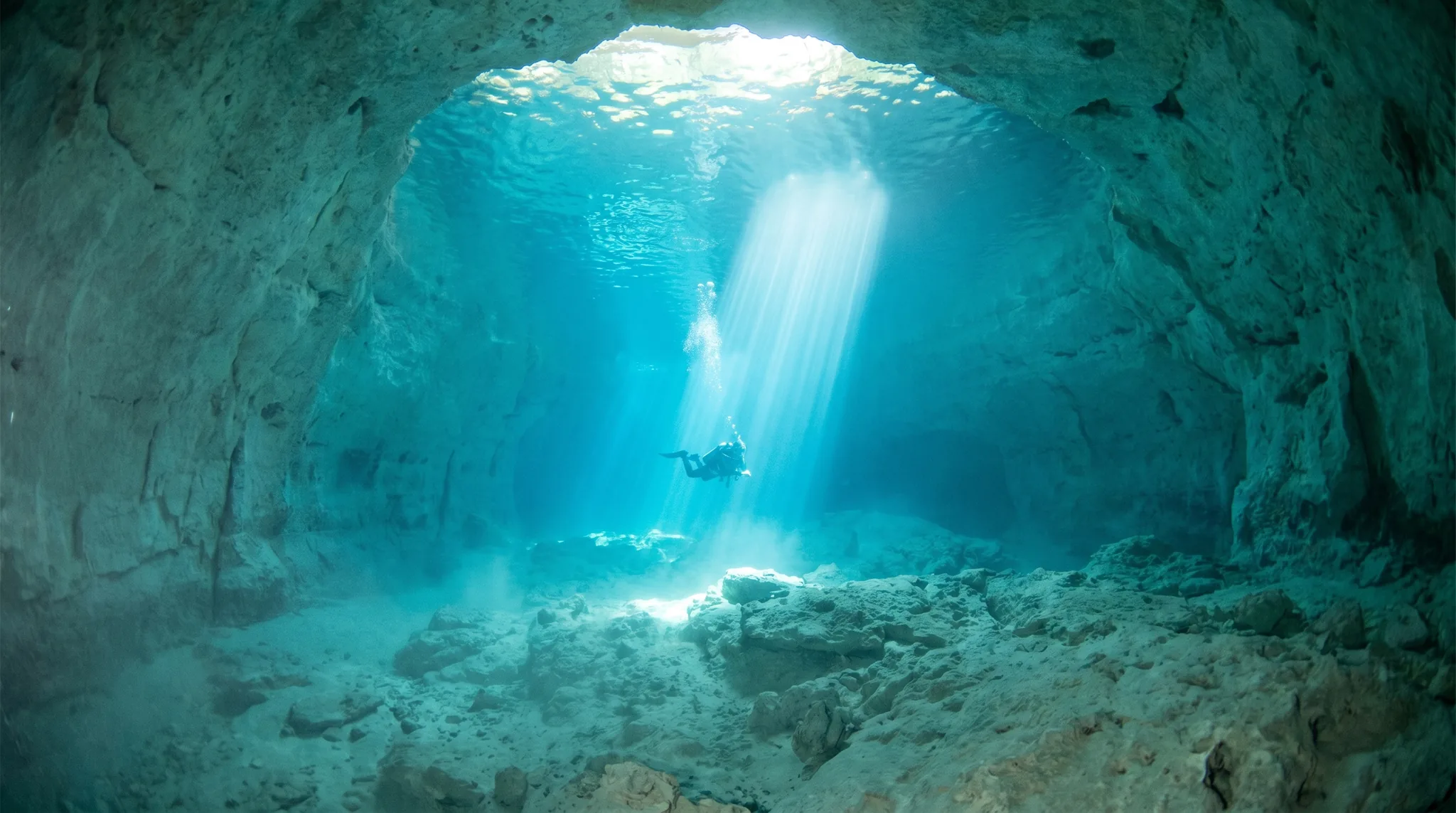
Île-de-France offers an unusual inland diving scene built almost entirely around freshwater pits and artificial reef structures. Sites such as Lac des ciments, Fosse de Conflans and Fosse de Charenton provide shore-entry dives across a range of depths, from shallow training platforms to deeper artificial reefs featuring car wrecks. Freshwater species dominate, with Common Carp, Sun Perch, Pike Perch and Wels Catfish among observed encounters. Most sites suit beginners, making the region a practical training ground.
Monthly water temperature across Île-de-France's sites, from satellite sea-surface data corrected for depth. The band shows the site-to-site spread.
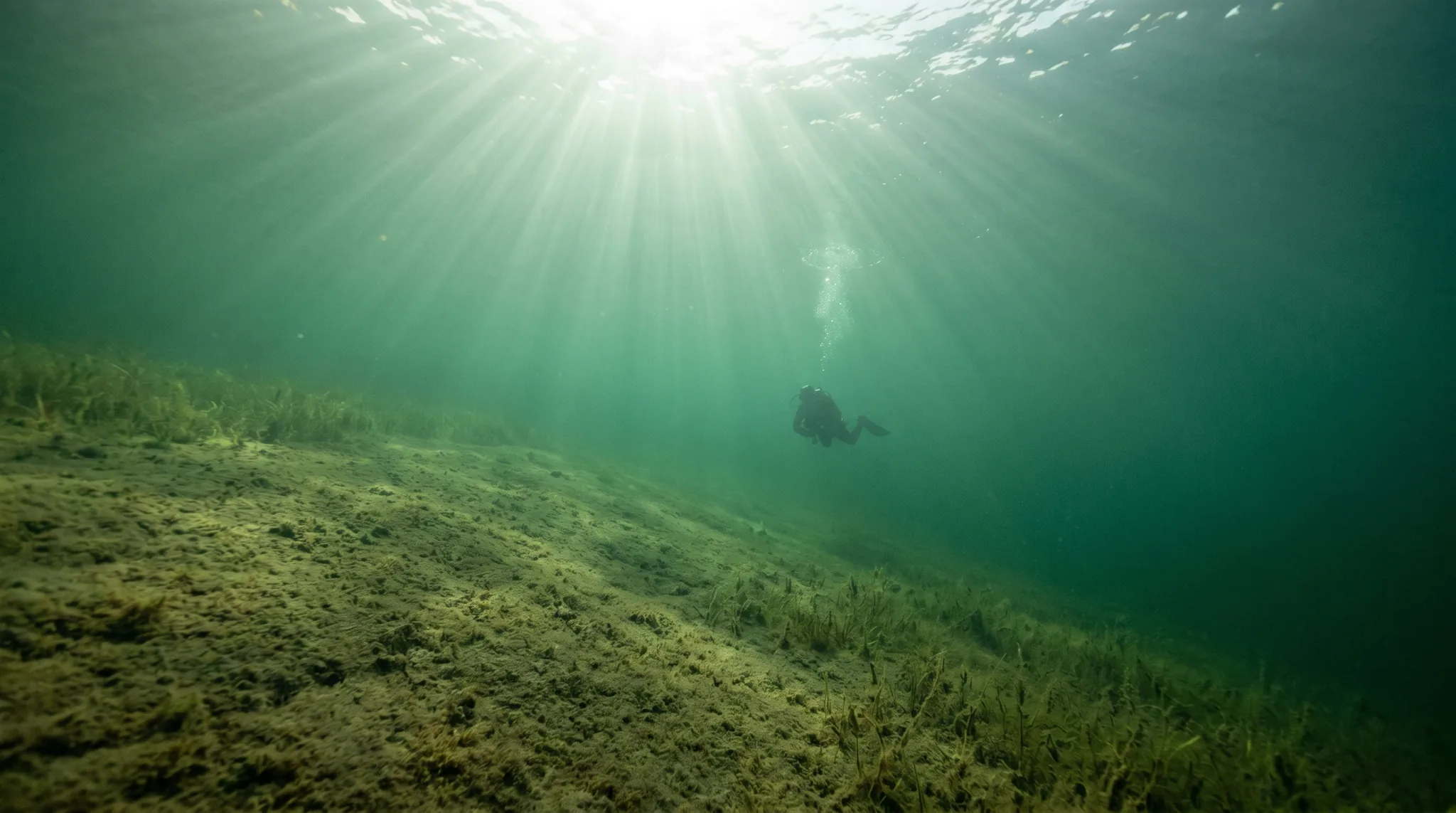
All sites offer shore entry, removing any reliance on boat operators. The freshwater pits tend toward cold, groundwater-fed conditions, so exposure protection is worth planning carefully. Visibility can vary between sites but is generally workable for structured training and exploratory dives.
33 operators


11 more sites to explore
Water temperature around Île-de-France ranges from about 4°C in January to 17°C in August, based on satellite sea-temperature data for its dive sites.
In the warm season (about 17°C) a 7mm or semi-dry suit is comfortable in Île-de-France; in the coldest months (about 4°C) step up to a drysuit.
Fin maps 15 sites in Île-de-France (15 scuba diving sites and 2 snorkelling spots, with some suited to both).
Across Île-de-France's dive sites, April, May, June, July, September and October are most often reported as the best months to visit.
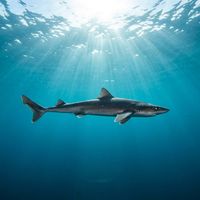
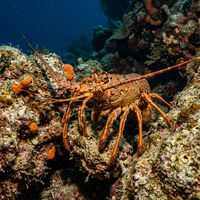
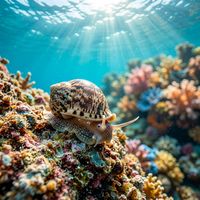
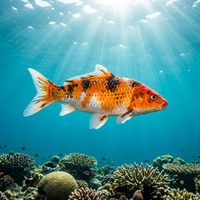
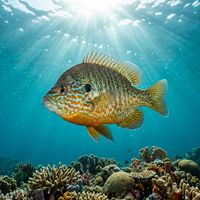
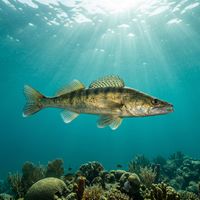
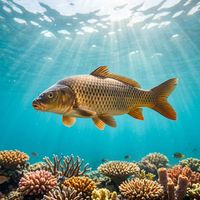
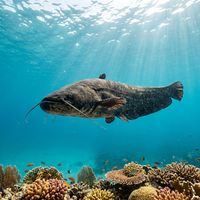
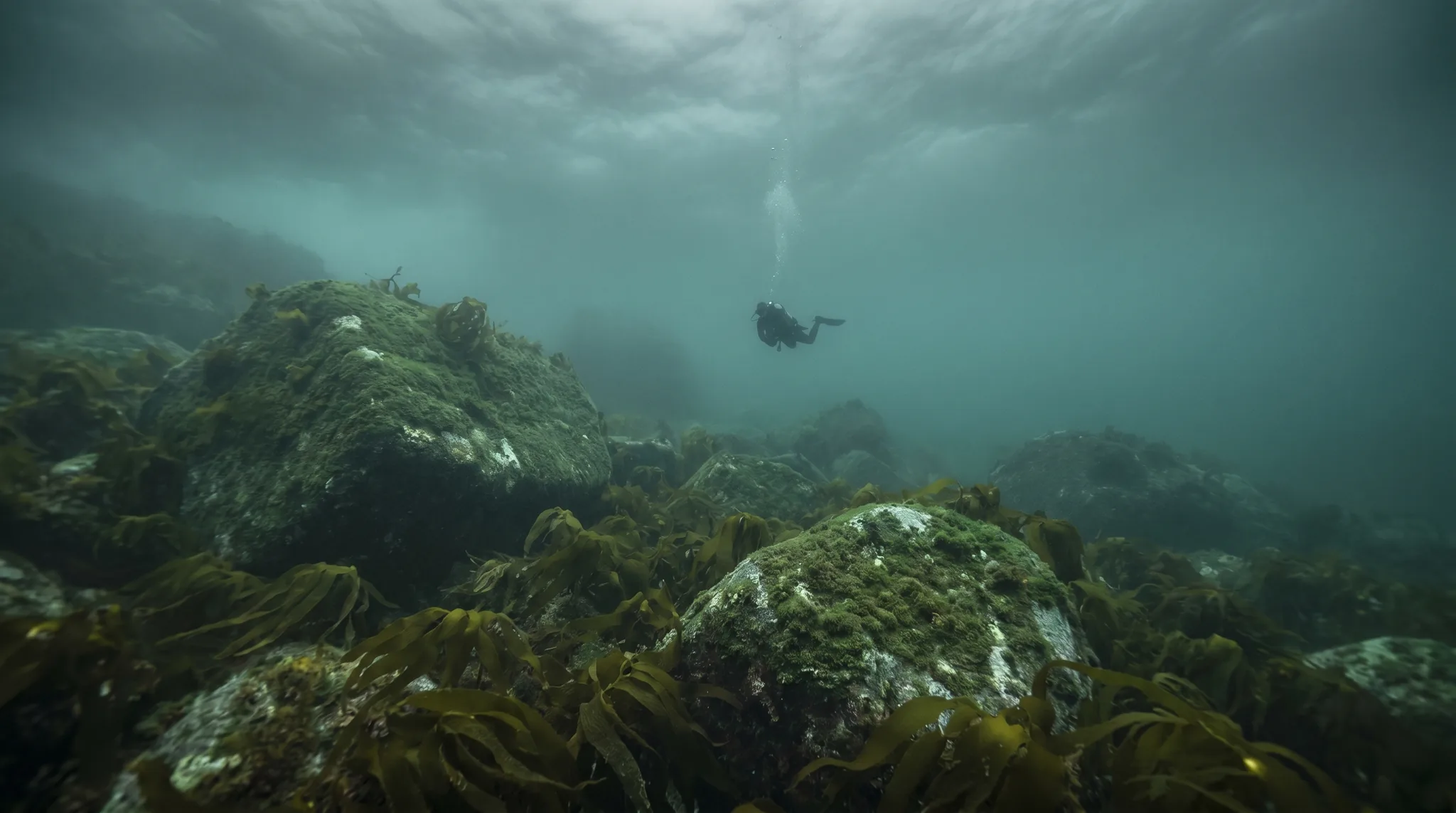
The sites here are freshwater, so the wildlife is quite different from coastal diving. Observed species include Common Carp, Sun Perch, Pike Perch, Wels Catfish and Crayfish. Snail is frequently recorded across many of the sites. Occasional reports of Dogfish have also been logged.
A good number of sites, including Centre Aquatique Marne et Gondoire, Fosse de Conflans and Fosse de Charenton, are rated for beginners. Fosse de Conflans even features dedicated training platforms at multiple shallow depths. Lac des ciments steps up to intermediate level, offering more depth and artificial reef structures for those progressing their skills.
All the featured sites offer shore entry, so no boat charter is required. This makes logistics straightforward and keeps diving accessible throughout the year. There are currently no listed dive operators in the region, so divers should plan independently or connect with clubs before visiting.
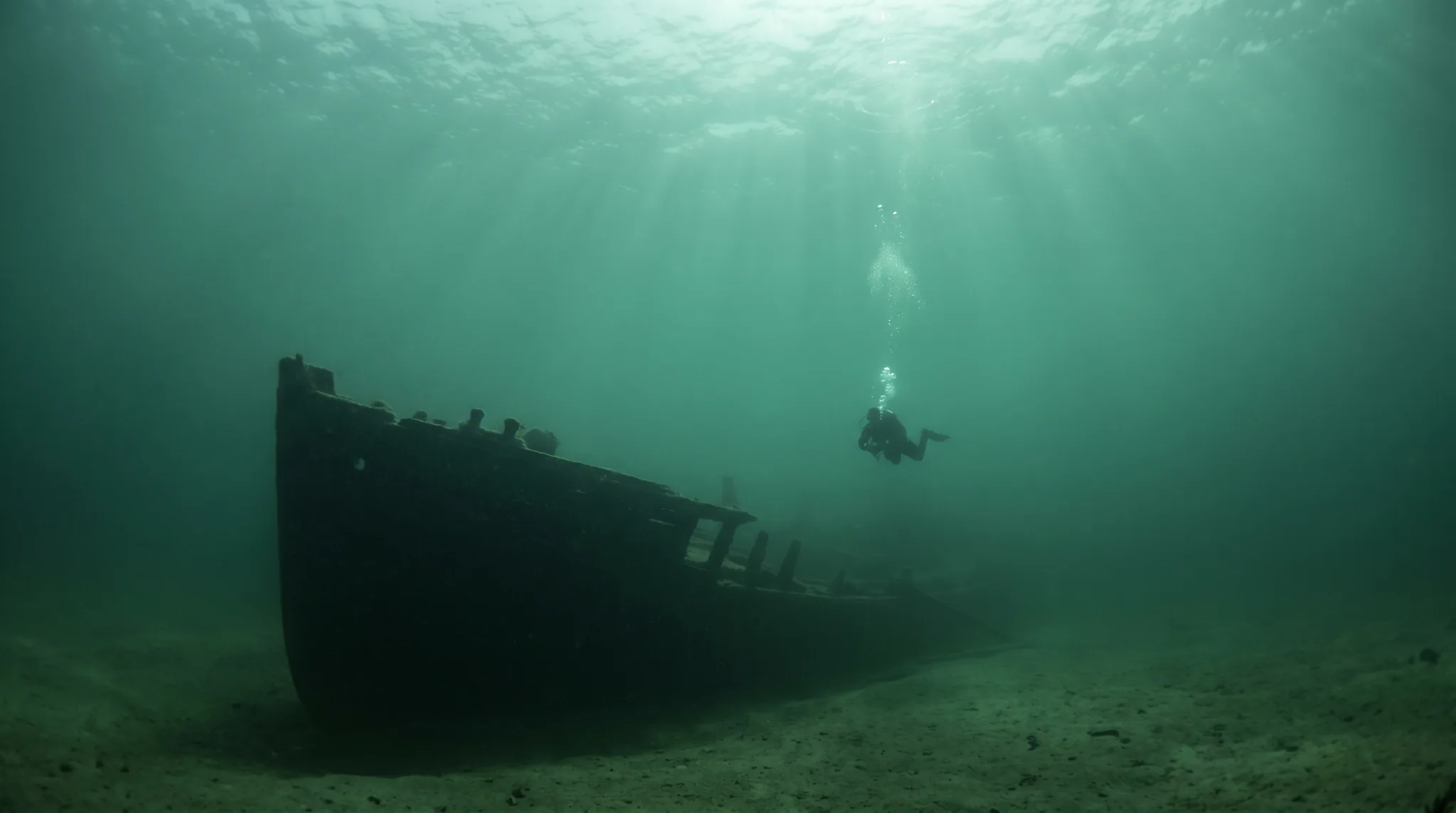
The region is dominated by freshwater pits and artificial reefs rather than natural coastal formations. Several sites feature deliberately placed structures, including car wrecks at Lac des ciments, which create habitat and add interest for underwater exploration. This makes Île-de-France a distinctive inland diving destination rather than a conventional reef or wreck diving area.