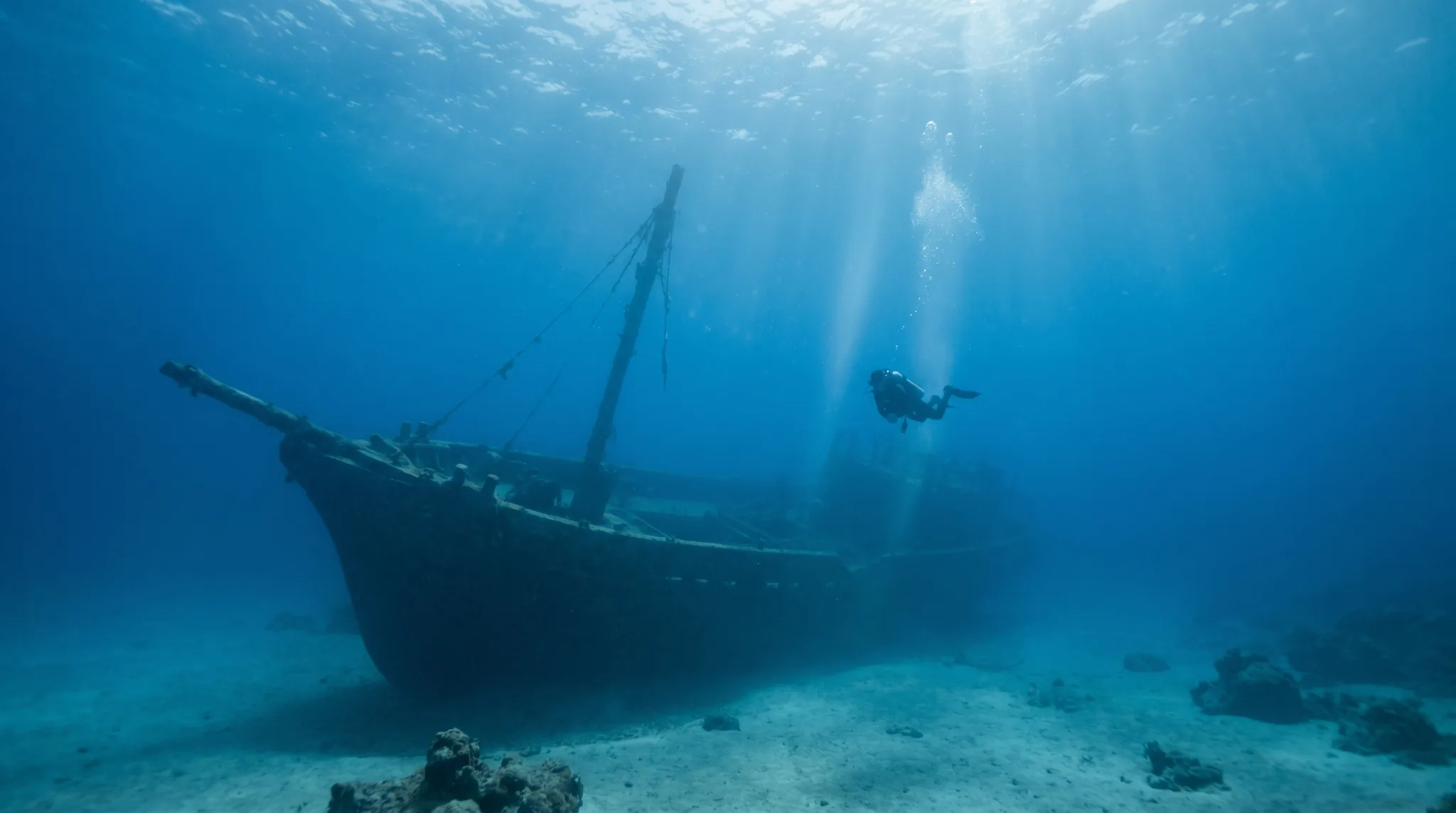
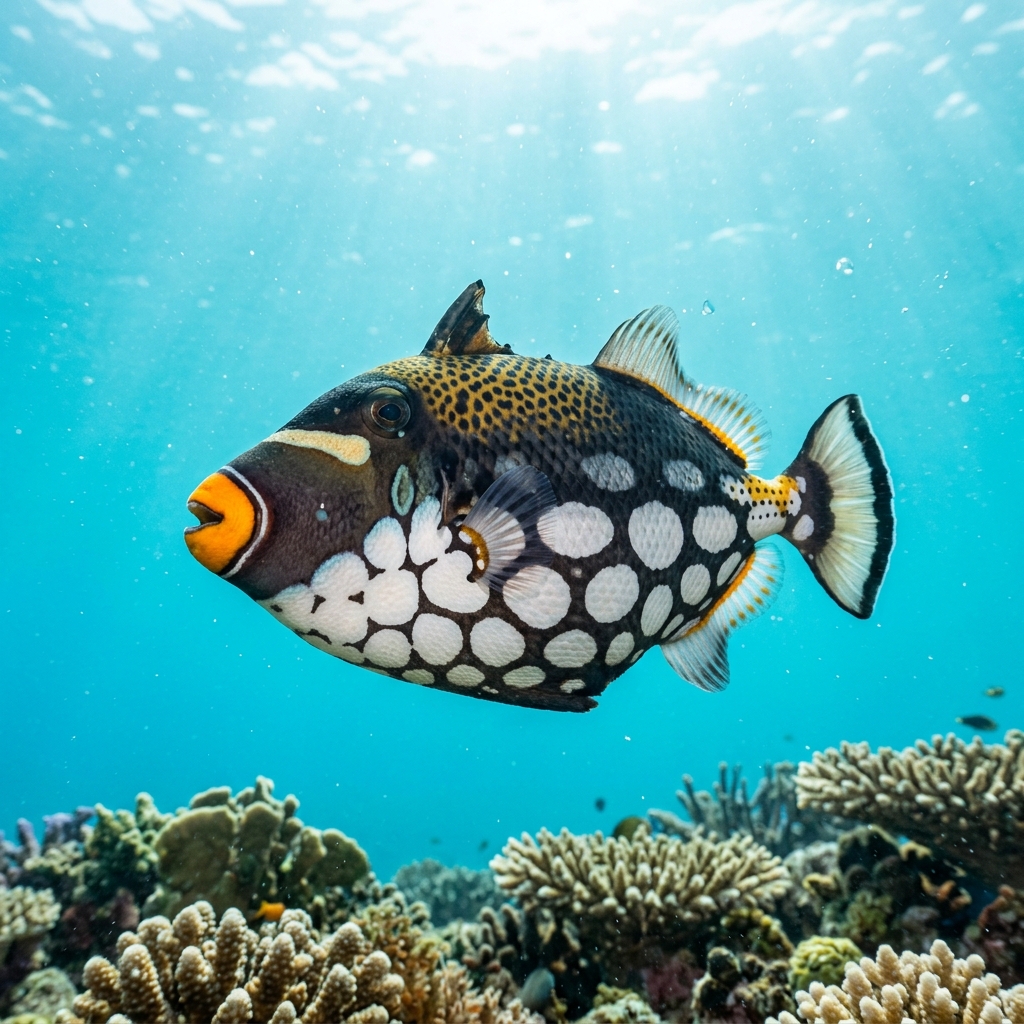
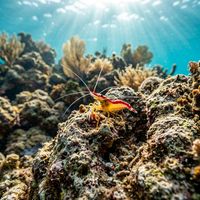
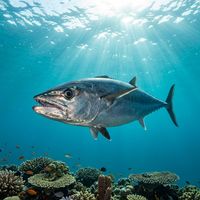
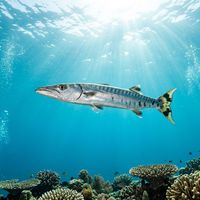
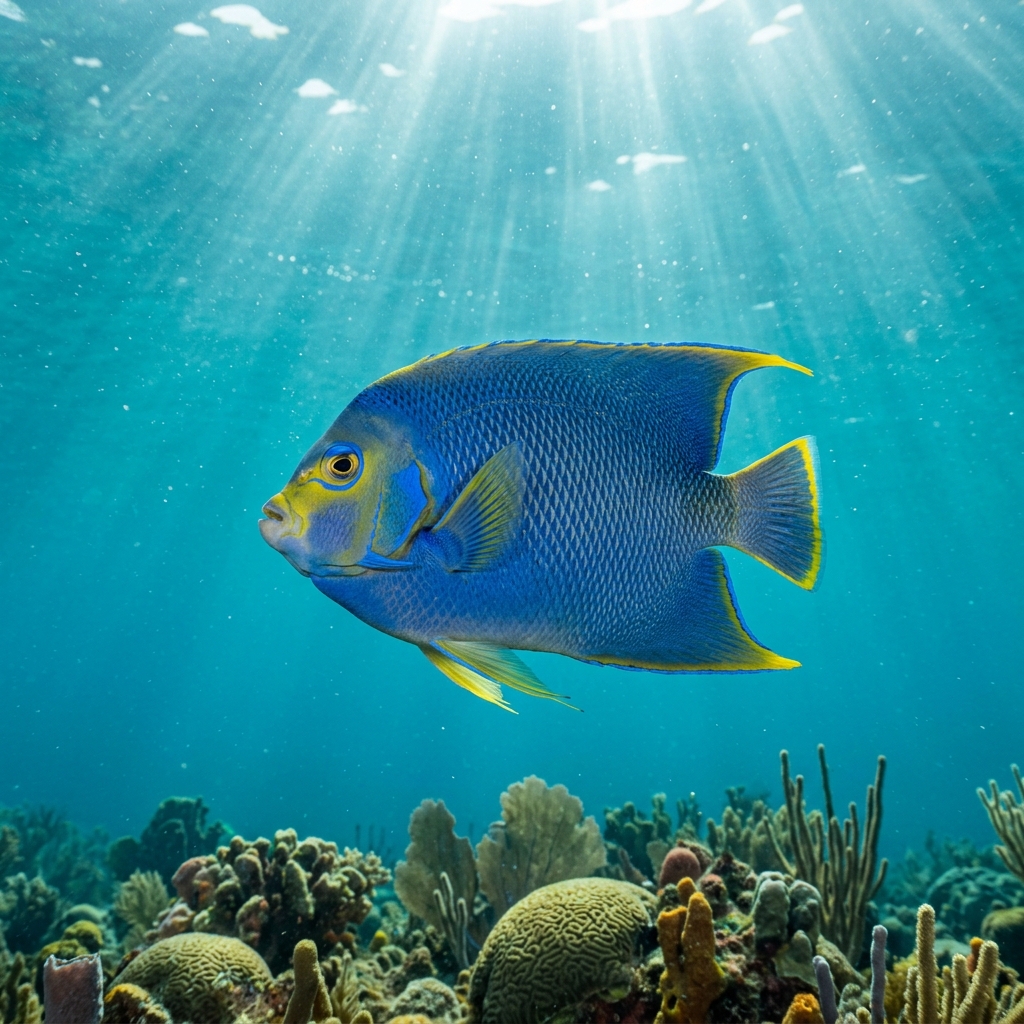
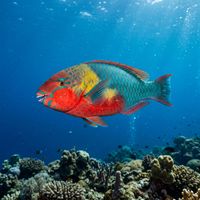
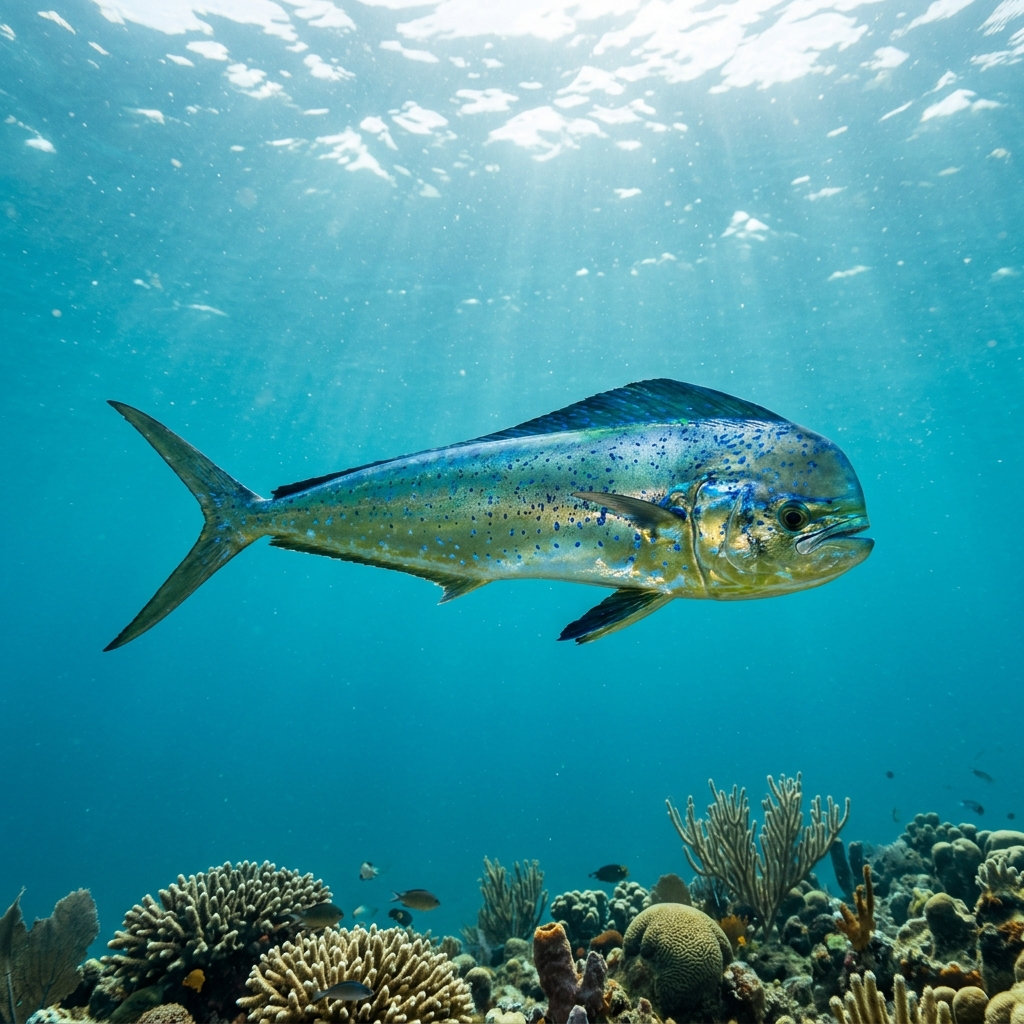
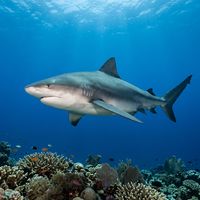
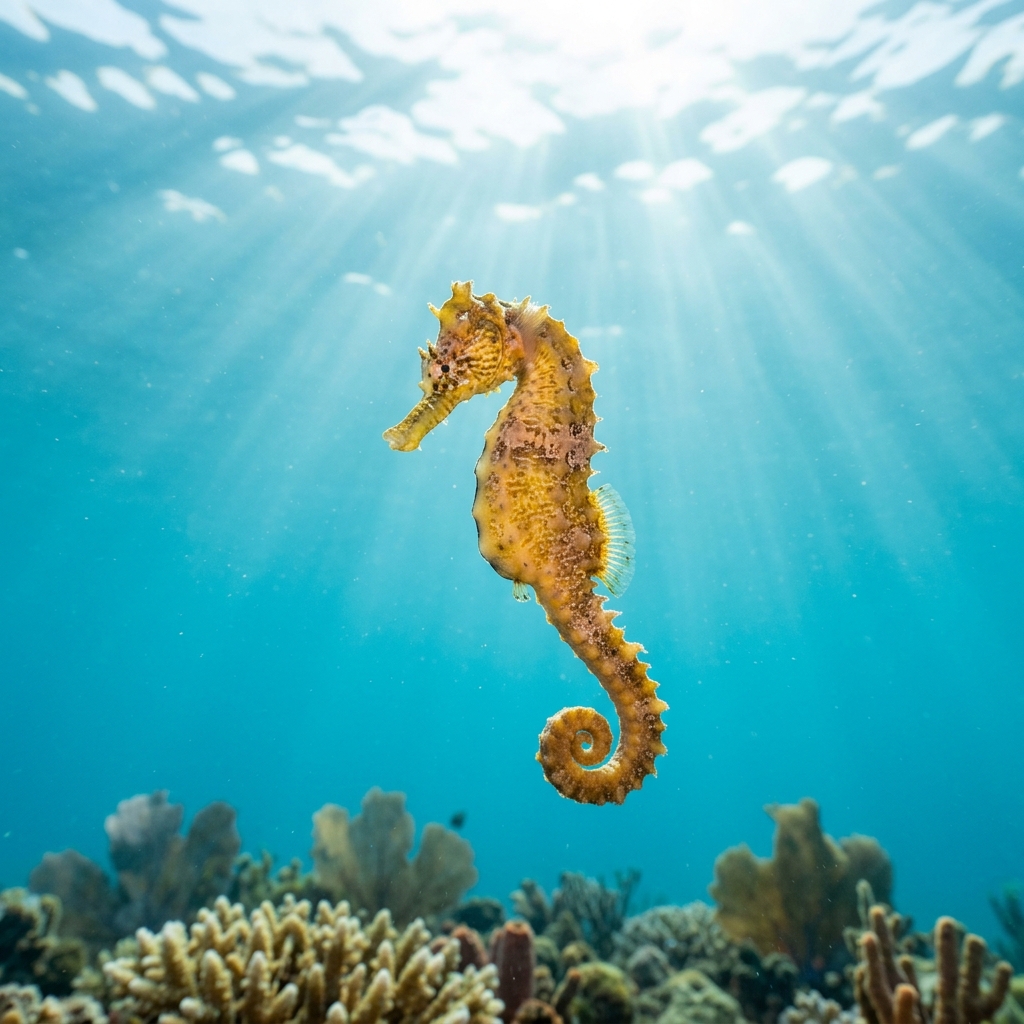
Kadavu sits at the edge of the Great Astrolabe Reef, one of the largest barrier reefs in the South Pacific, and that geography shapes every dive here. Sites range from the deliberately sunk Pacific Voyager wreck and the canyon topography of Canyons to wall and drift diving at Naiqoro Passage and Sea Fan Reef, all reached by boat. Currents run strongest through the passages, so intermediate experience is the baseline. Visibility is best during the dry season from May to November, and the species list spans whitetip and blacktip reef sharks, whale sharks, green sea turtles, Napoleon wrasse, and pygmy seahorses, alongside sea kraits and a variety of reef fish.
Monthly water temperature across Kadavu's sites, from satellite sea-surface data corrected for depth. The band shows the site-to-site spread.
Water sits at its warmest, close to twenty-nine degrees Celsius, from February through April, then cools to around twenty-six degrees during the dry-season months of July to October. The dry season also brings the best visibility and calmer surface conditions, making those months the most reliable window for diving the stronger-current sites such as Naiqoro Passage.
Water temperature around Kadavu ranges from about 26°C in July to 29°C in February, based on satellite sea-temperature data for its dive sites.
In the warm season (about 29°C) a rash guard or 3mm shorty is comfortable in Kadavu; in the coldest months (about 26°C) step up to a 3mm full suit.
Fin maps 5 sites in Kadavu (5 scuba diving sites).