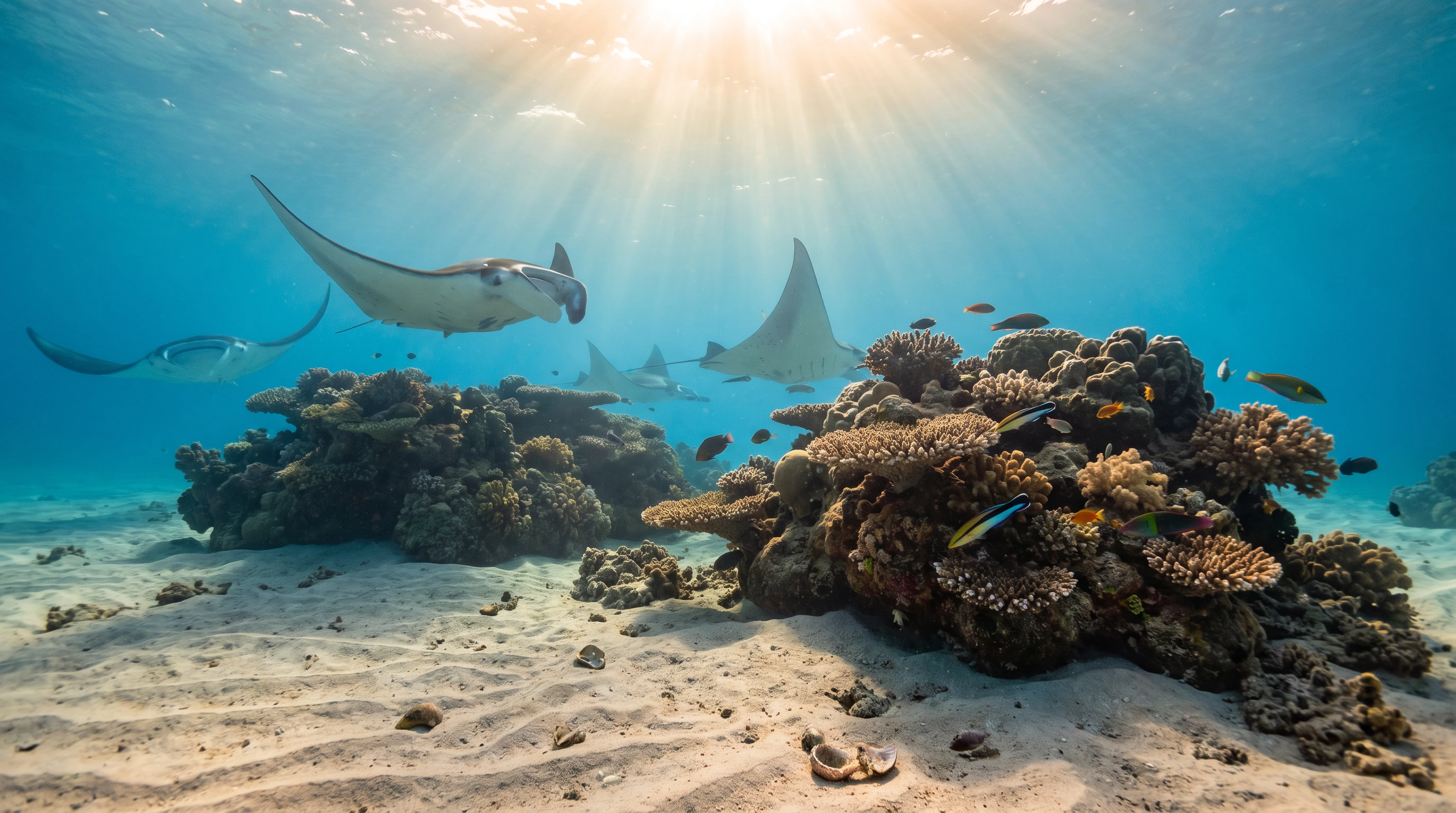
The Yasawa Islands offer a reef-focused diving experience shaped by warm water year-round and a mix of site types ranging from gentle shore dives to complex drift-and-cave systems. Beginners can start at Nanuya Island Reef or explore the reef, wall, and drop-off topography at The Blue Lagoon. More experienced divers head to Simis Maze, where caves and drift sections extend to considerable depth. Manta Ray Passage stands out as the signature site, drawing divers and snorkellers alike for its resident Grey Reef Shark encounters and the chance of meeting a manta. Wrasses, Blackback Clownfish, and Azure Sea Star appear across almost every site.

Monthly water temperature across Yasawa Islands's sites, from satellite sea-surface data corrected for depth. The band shows the site-to-site spread.
Water temperature stays warm throughout the year, dipping only slightly during the cooler months from July to October, which also happen to attract the most diver activity. Visibility tends to be generous, suiting the drift sections at sites like Simis Maze and Manta Ray Passage. The dry season months from May through October generally bring calmer surface conditions and are considered the prime window for diving the islands.
6 more sites to explore
Water temperature around Yasawa Islands ranges from about 27°C in July to 29°C in January, based on satellite sea-temperature data for its dive sites.
With water around 27–29°C, a rash guard or 3mm shorty works in Yasawa Islands year-round.
Fin maps 10 sites in Yasawa Islands (9 scuba diving sites and 2 snorkelling spots, with some suited to both).
Across Yasawa Islands's dive sites, May, June, July, August, September and October are most often reported as the best months to visit.
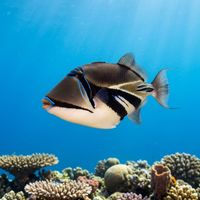
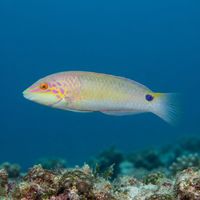
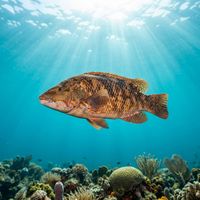
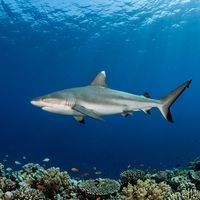
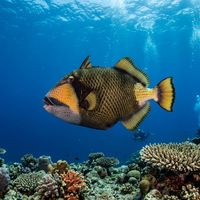
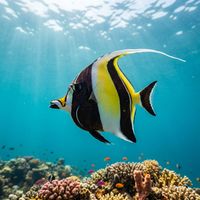
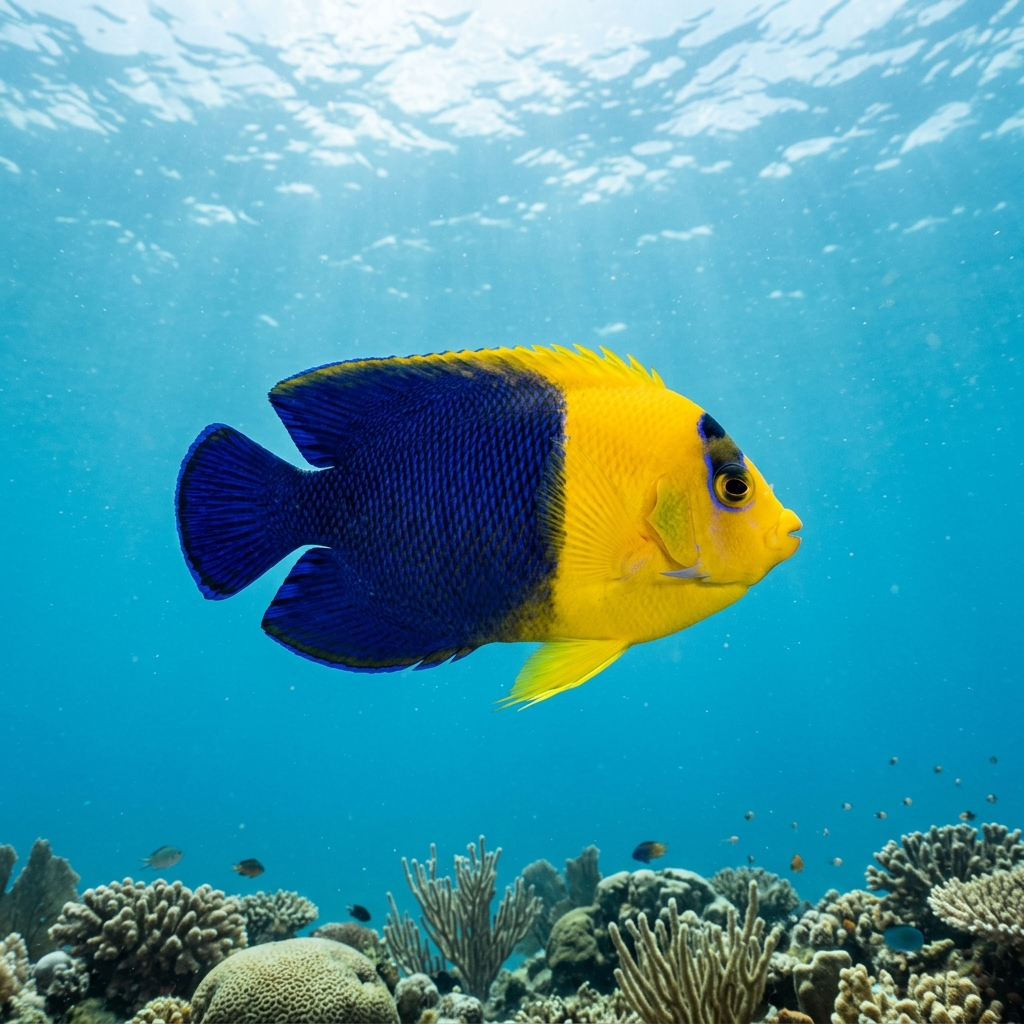
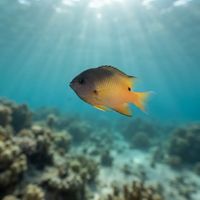
Wrasses and Blackback Clownfish appear across nearly every site, while the Azure Sea Star is a consistent reef companion. Grey Reef Shark is a signature species and is commonly observed, particularly around Manta Ray Passage. Divers also regularly spot Moorish Idol, Titan Triggerfish, Bicolor Angelfish, and a variety of butterflyfish across the reefs.
Several sites are well-suited to those new to diving. Nanuya Island Reef offers a shallow, consistent depth with calm conditions and shore entry, while The Blue Lagoon combines reef, wall, and drop-off topography at accessible depths from shore. Manta Ray Passage is also listed as a beginner site, though it involves a short boat ride. Intermediate divers seeking more challenge can progress to Simis Maze, which adds caves and drift to the mix.
Both entry types are available depending on the site. Nanuya Island Reef and The Blue Lagoon are accessible directly from shore, making them convenient for divers based at nearby resorts. Simis Maze and Manta Ray Passage require a boat, which is the typical arrangement offered by operators such as Mantaray Island Resort, Octopus Resort, and Barefoot Kuata Island Resort.
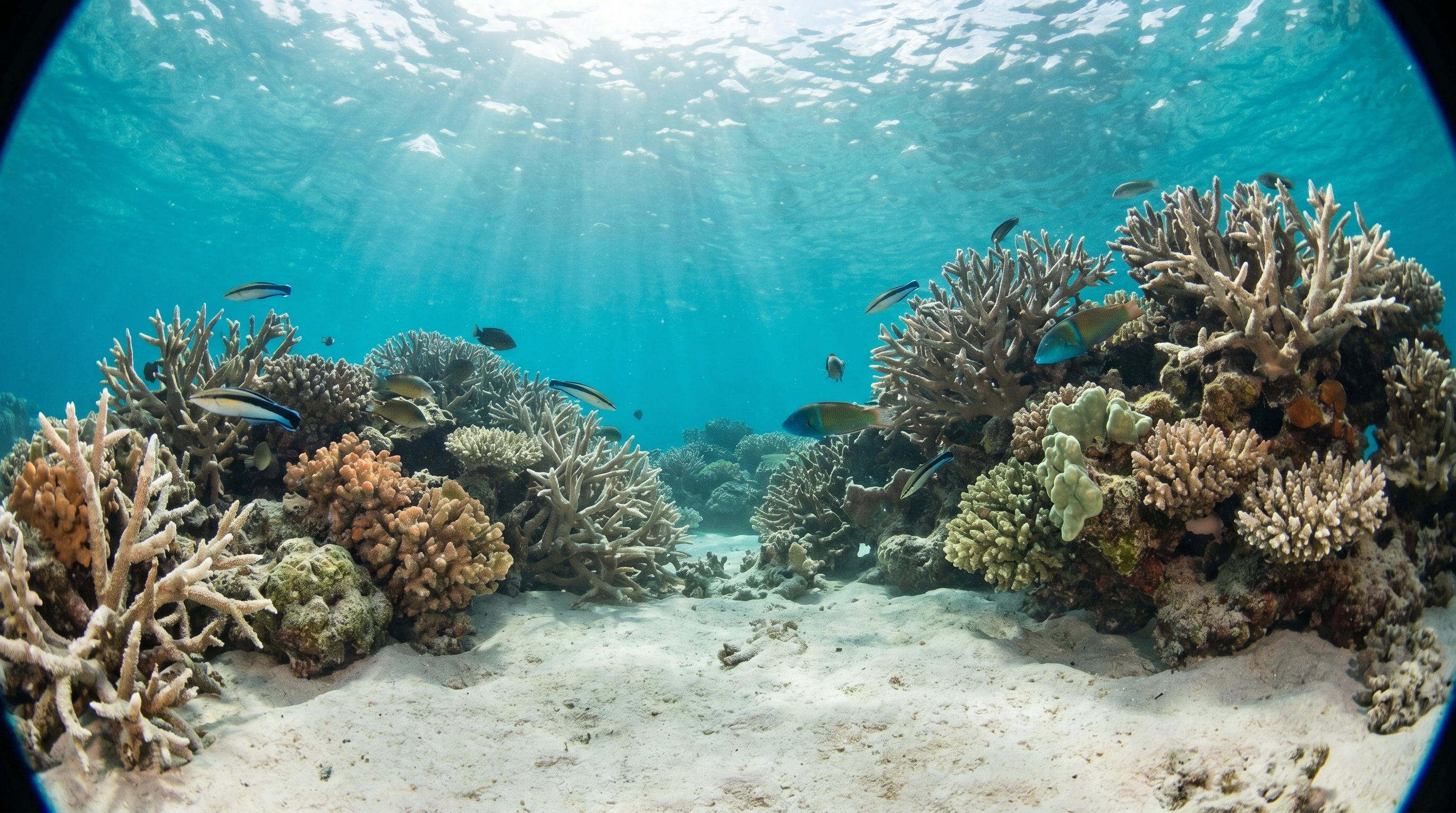
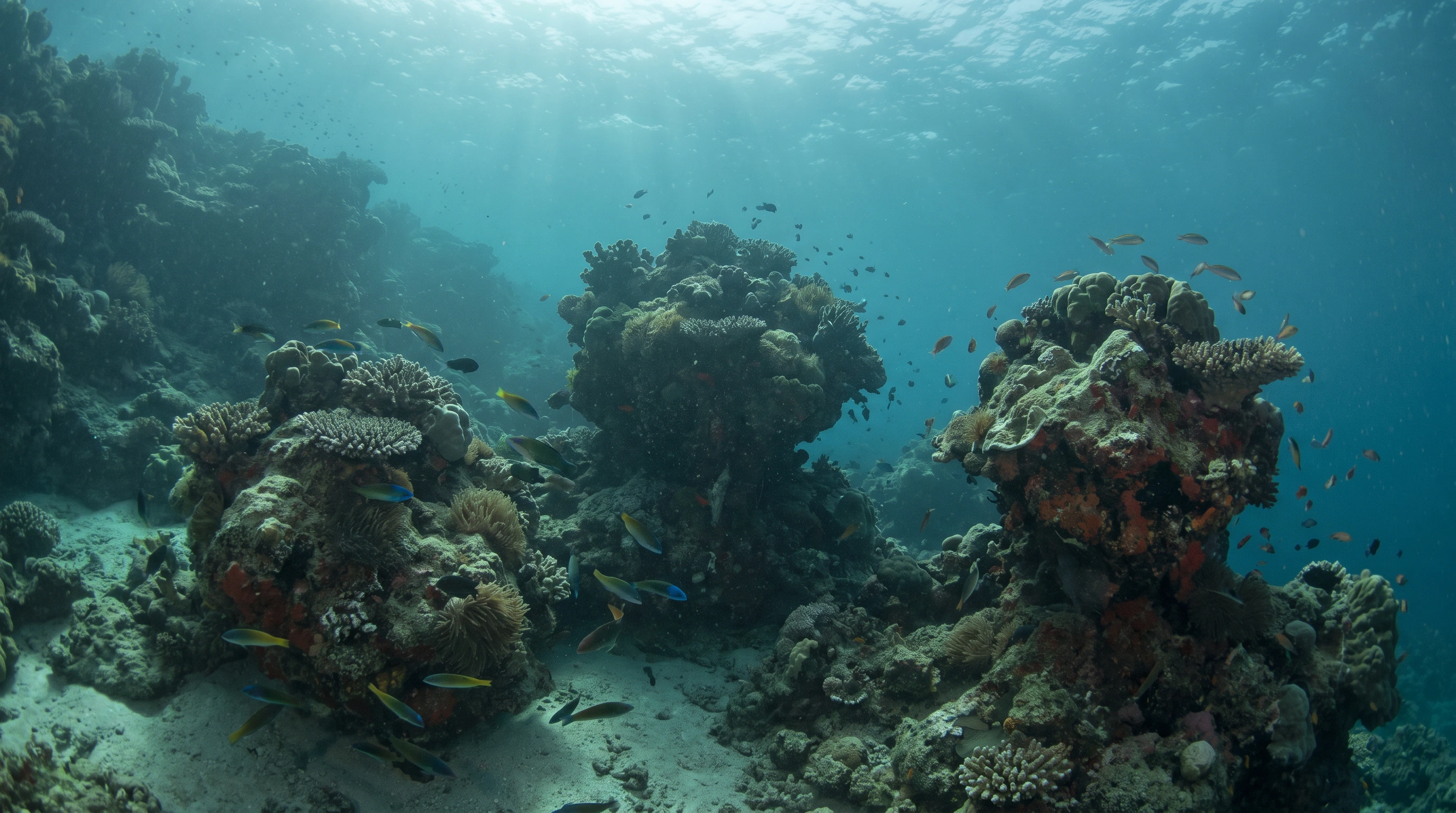
The sites span a wide range of experiences. Shore reefs like Nanuya Island Reef keep things straightforward and shallow, ideal for relaxed, unhurried diving. The Blue Lagoon adds wall and drop-off elements for a bit more topographic interest. Simis Maze is the most complex, combining a labyrinthine reef system with caves and drift passages that reach significant depth. Manta Ray Passage is the most distinctive, a drift reef site where manta encounters are possible alongside regular shark activity.