

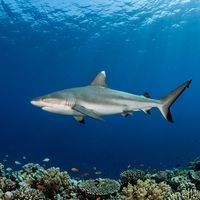
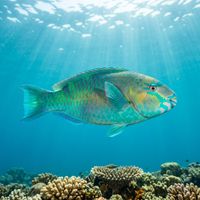
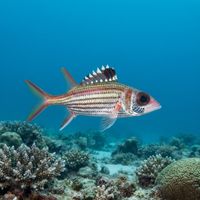
The Mamanuca Islands deliver reef and wall diving across a compact but well-stocked site list, all accessed by boat. The marine life is notably consistent across sites: Azure Sea Star, Goatfish, and Soldierfish appear at virtually every dive, while Pacific Bullethead Parrotfish, Threadfin Butterflyfish, and Wrasses are almost as reliable. Grey Reef Shark and Whitetip Reef Shark add edge to the experience, and Eagle Ray appearances are well documented. Turtle Head, the standout site, suits all skill levels with its shallow wall and reef structure. Water stays warm year-round, peaking in the warmer months and dipping only slightly through the cooler mid-year period.
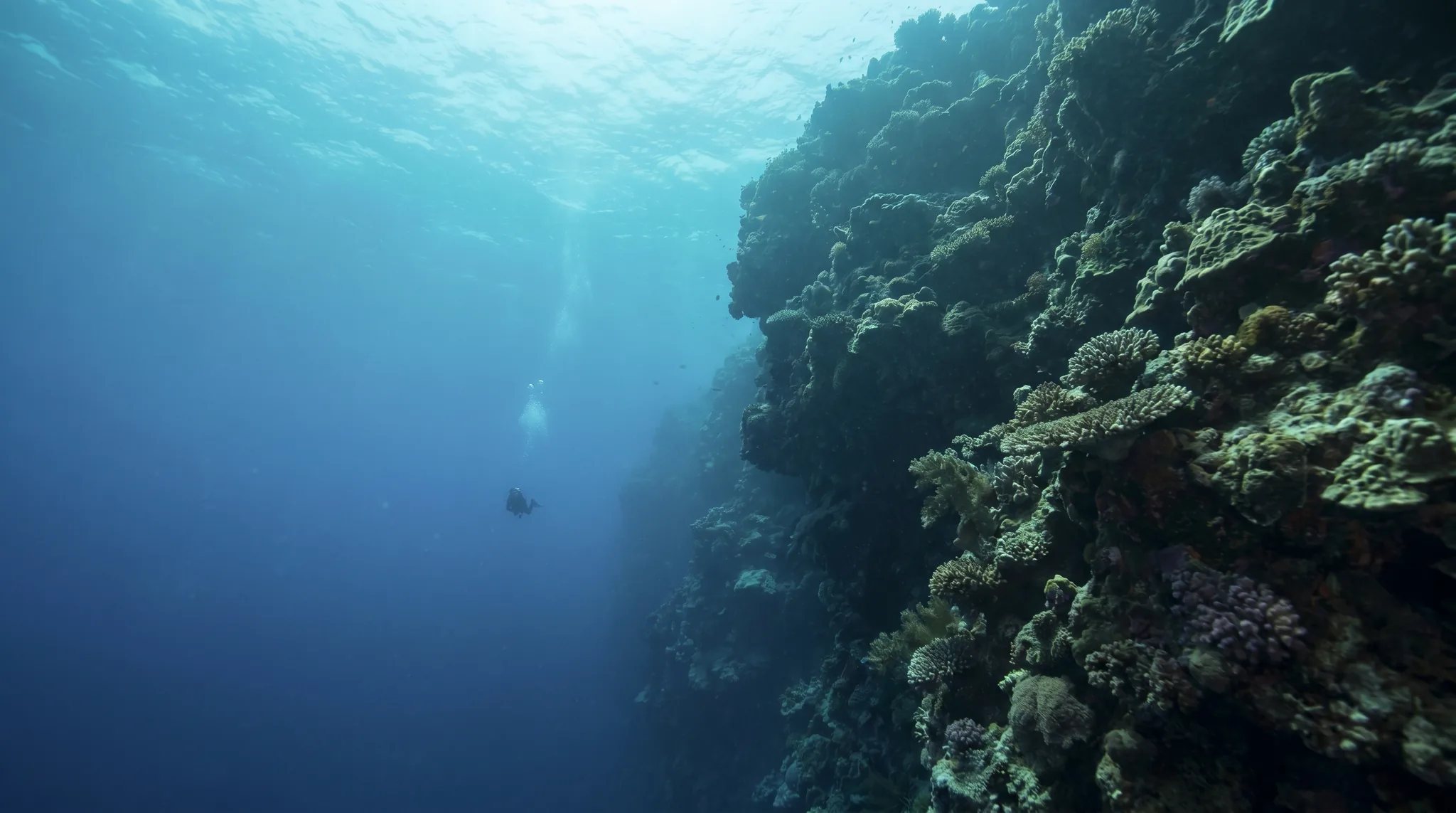
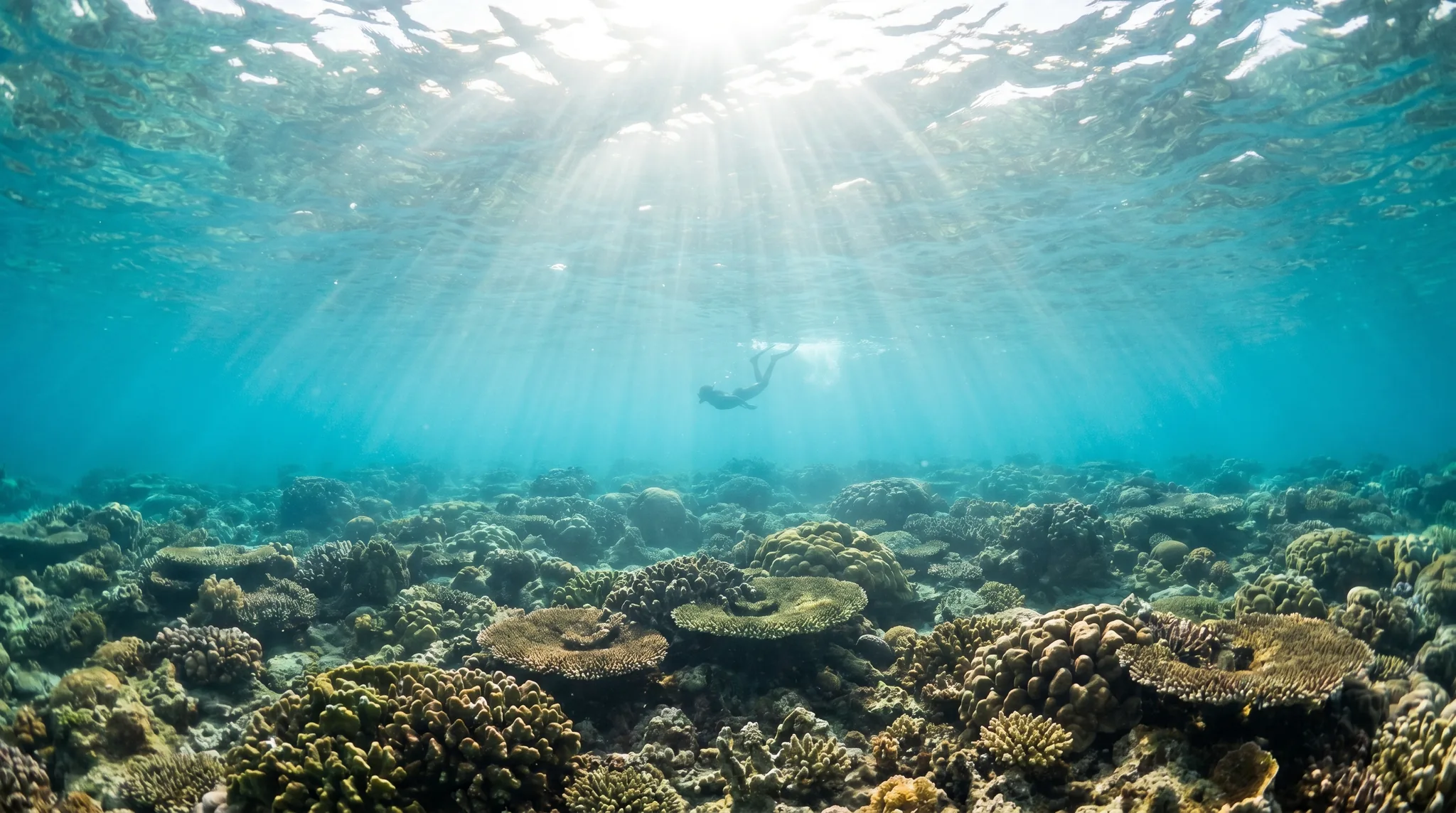
Monthly water temperature across Mamanuca Islands's sites, from satellite sea-surface data corrected for depth. The band shows the site-to-site spread.
Water temperature remains warm throughout the year, sitting at its highest from January through April and easing into a cooler but still comfortable range from July to September. The best-months data points clearly toward the drier mid-year window as the preferred season, likely reflecting calmer seas and better visibility. Divers planning around shark encounters or cleaner conditions are well served by timing a trip between May and October.
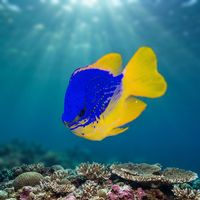
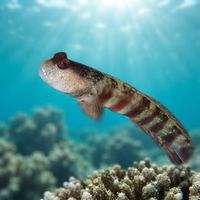
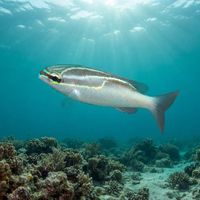
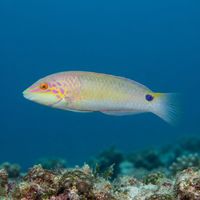
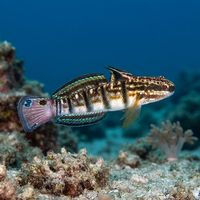
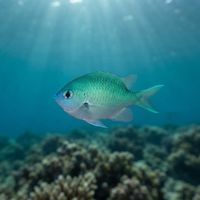
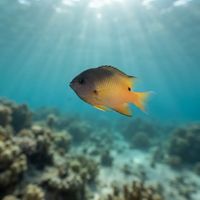
10 more sites to explore
Water temperature around Mamanuca Islands ranges from about 27°C in July to 30°C in February, based on satellite sea-temperature data for its dive sites.
With water around 27–30°C, a rash guard or 3mm shorty works in Mamanuca Islands year-round.
Fin maps 11 sites in Mamanuca Islands (11 scuba diving sites and 1 snorkelling spots, with some suited to both).
Across Mamanuca Islands's dive sites, May, June, July, August, September and October are most often reported as the best months to visit.
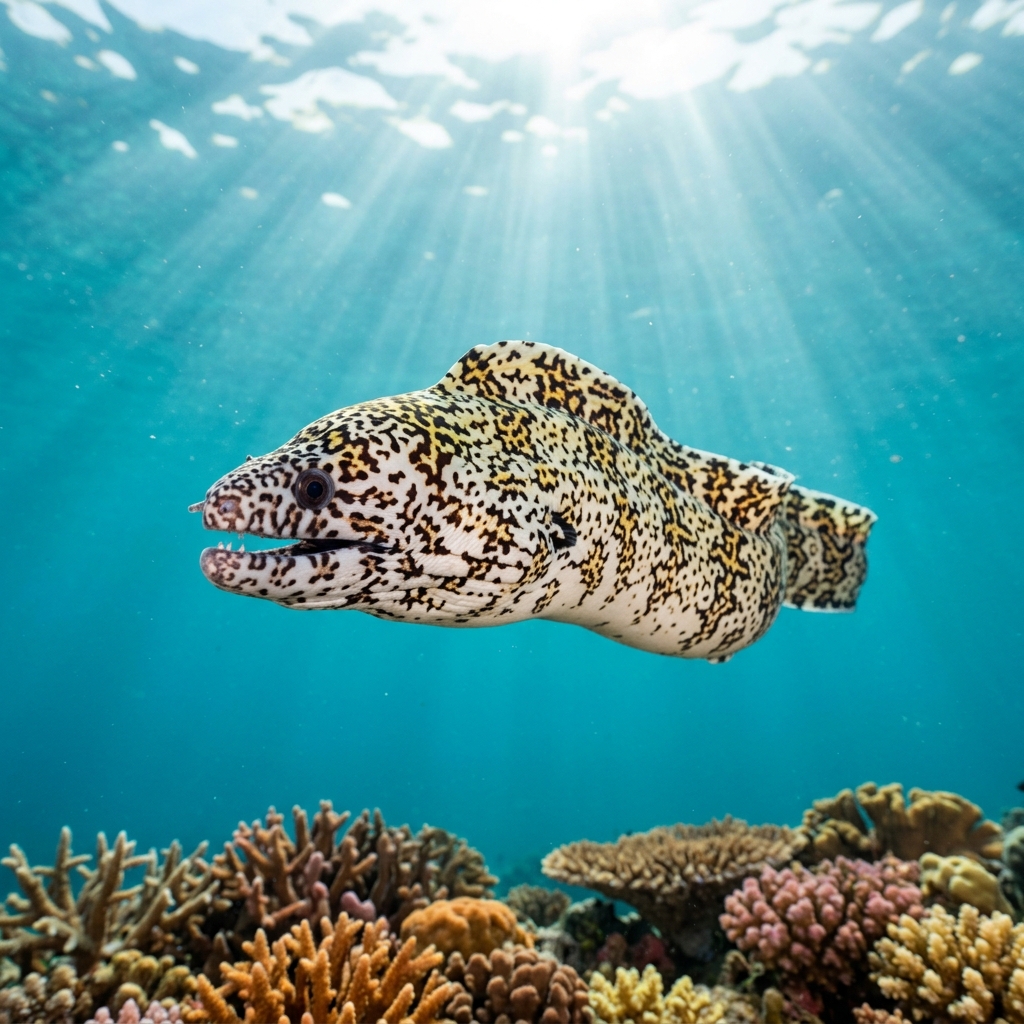
The reefs here host a wide and well-observed species list. Azure Sea Star, Goatfish, Soldierfish, and Threadfin Butterflyfish are recorded at virtually every site. Grey Reef Shark and Whitetip Reef Shark are regularly sighted, Eagle Ray appearances are documented across many sites, and the Snowflake Moray is one of the most frequently encountered species of its kind in the region.
Yes. Turtle Head, the best-documented site in the data, is rated for beginners and features a shallow wall and reef structure. Its relaxed environment and modest depth range make it approachable for divers with limited experience. The broader site list is boat-access only, so comfort on a dive boat is useful even for newer divers.
All sites in the Mamanuca Islands are reached by boat. Several dedicated dive operators are based in or around the islands, including Deep Blue, Tokoriki Diving, AQUA-TREK MANA, and resort-based operations such as Likuliku Lagoon Resort and Matamanoa Island Resort. This gives divers the option of choosing between dedicated dive centres and integrated resort packages.
Reef and wall diving are the primary formats across the Mamanuca Islands sites. Turtle Head is a clear example, combining a wall structure with reef terrain across a range of depths. This mix supports both fish-focused diving in shallower areas and more exploratory dives along the wall sections.


