Best for advanced divers, 25-43m, shore entry, mild current.
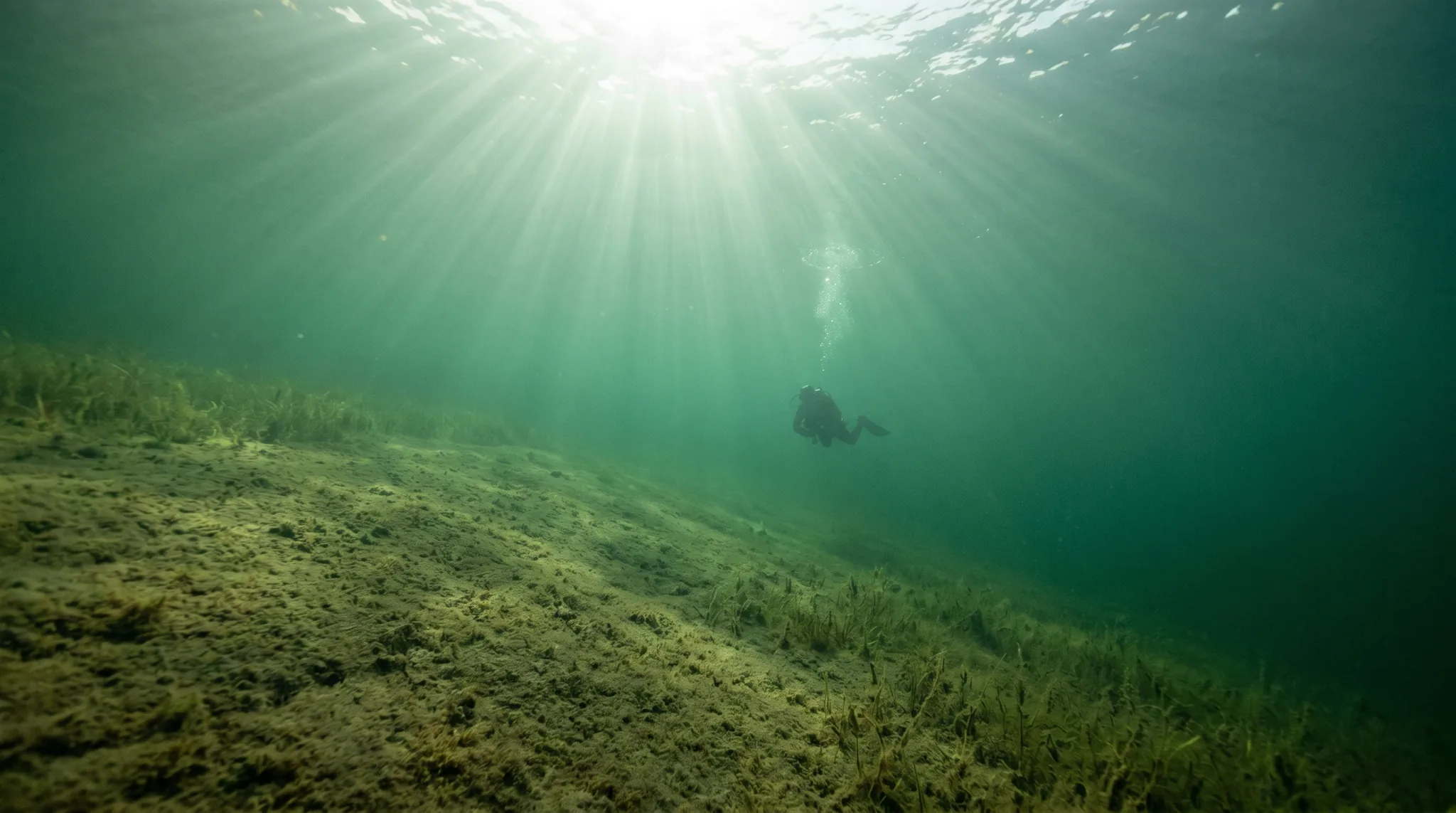
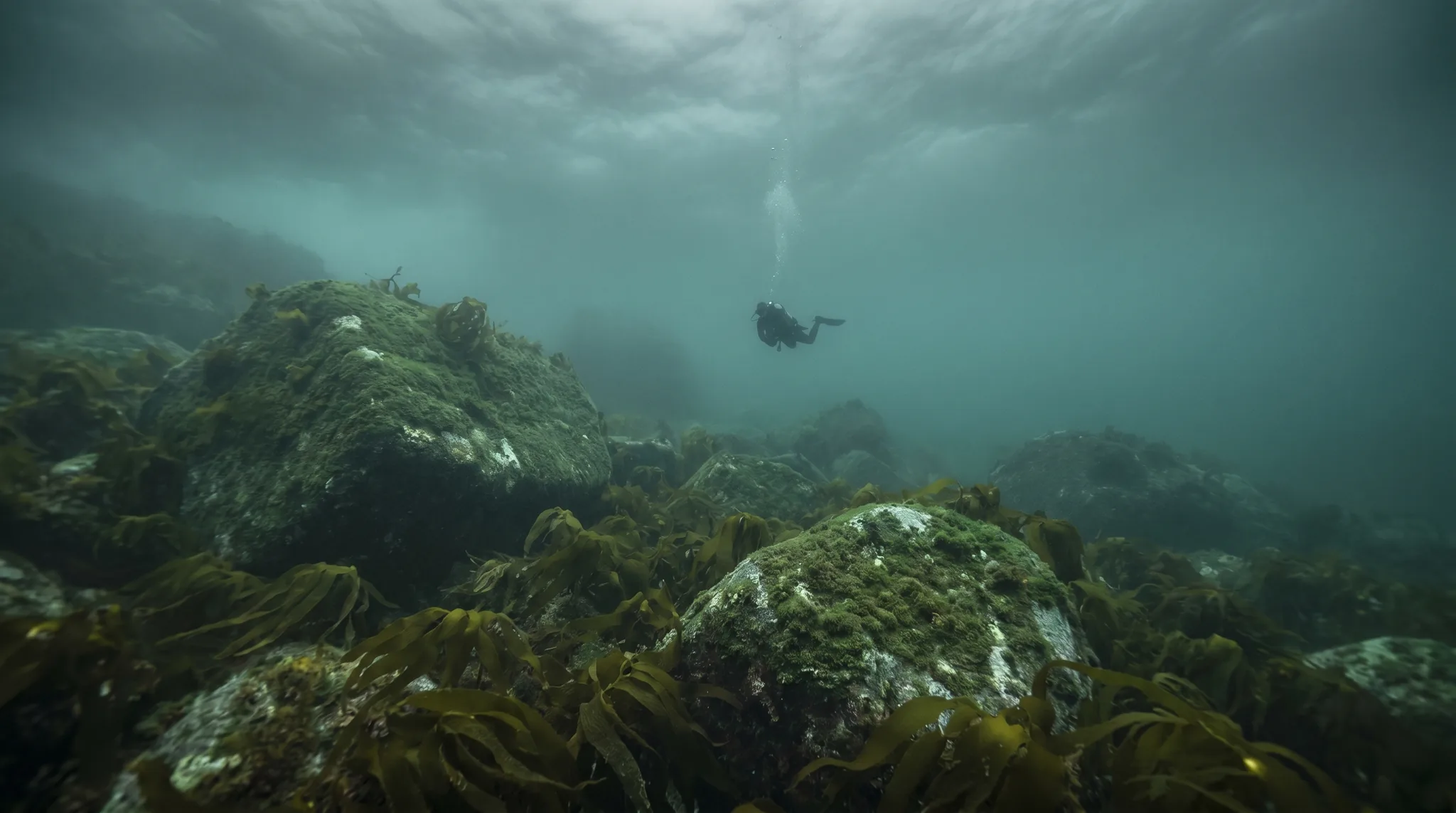
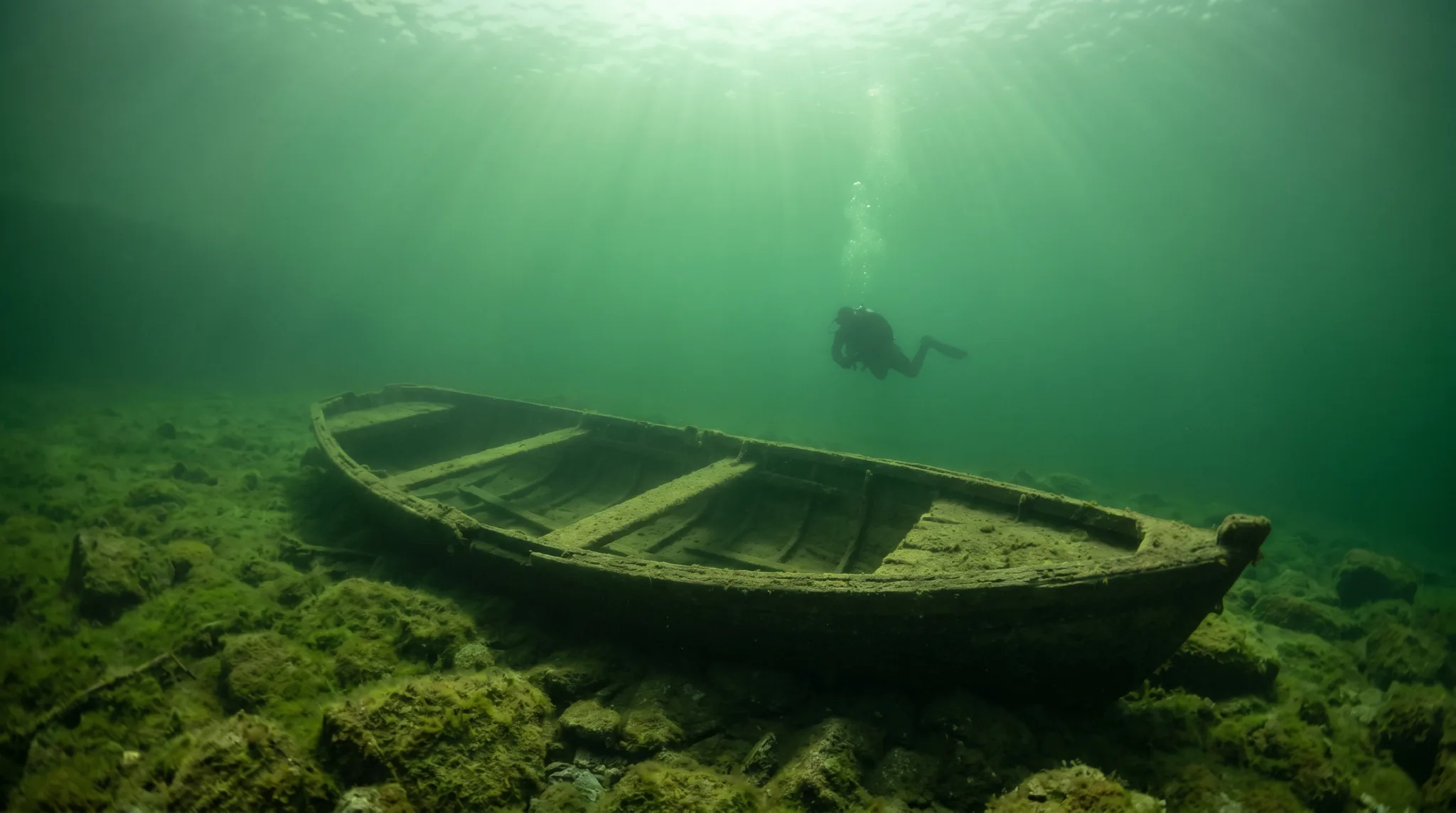
Hráz Slapy in the Slapy Reservoir offers a technically demanding freshwater dive focused on submerged wrecks and artificial reef structures. The site reaches depths between 25 and 43 metres, with an average depth of 35 metres. Divers should expect mild currents and visibility ranging from 2 to 8 metres. Due to the depth and potential for low visibility, an underwater torch is essential. Shore entry is available, though caution is required in the shallows to avoid sharp rocks. The site is suited for advanced divers and provides full facilities, including air fills, changing rooms, and showers, to support multi-dive sessions.
49.82320, 14.43080
An underwater torch is non-negotiable here as visibility can drop at depth even on a clear day above the surface. Facilities include air fills, parking, changing rooms, showers, and toilets, so you can plan a comfortable multi-dive day without needing to leave the site.
Access info coming soon
Expected in this region. No sightings logged here yet.
Depth
25-43m
Visibility
2-8m
Skill Level
Advanced
Entry
Shore
Current
Mild
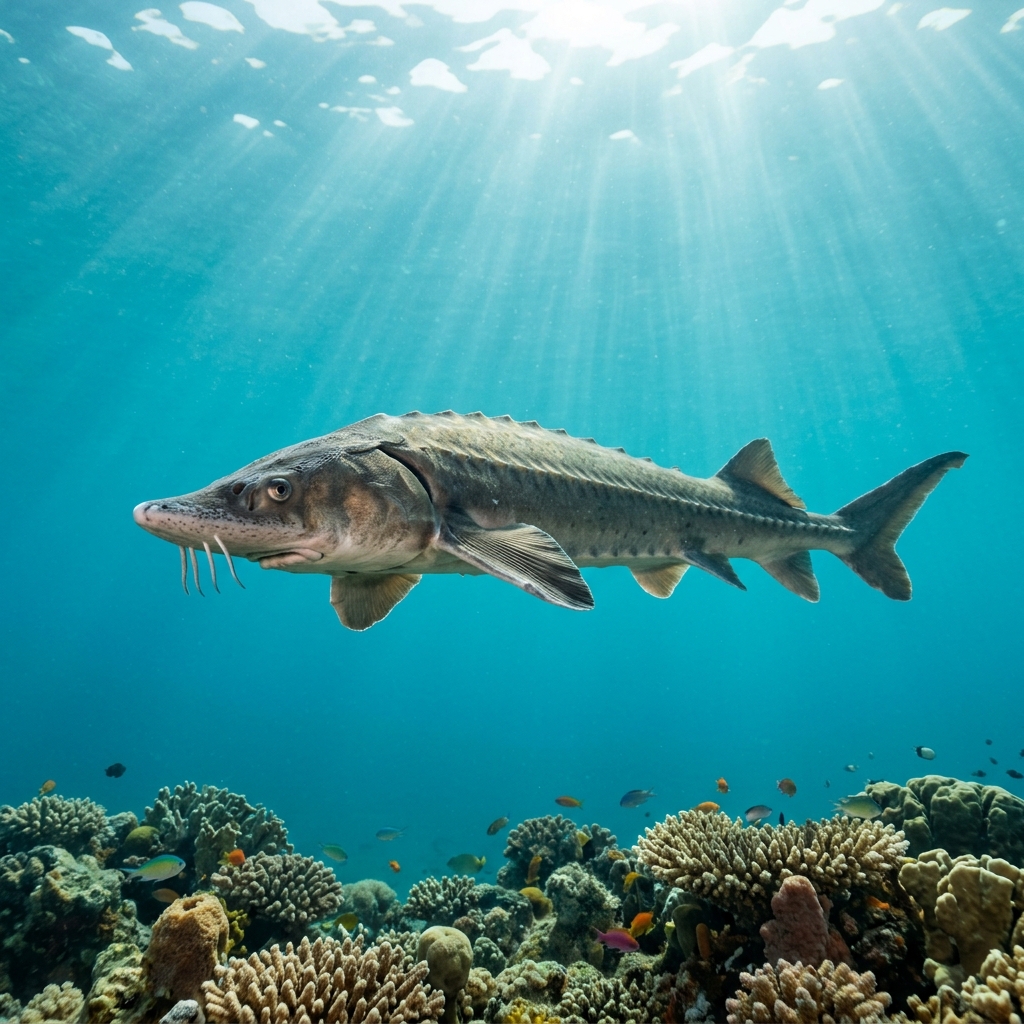
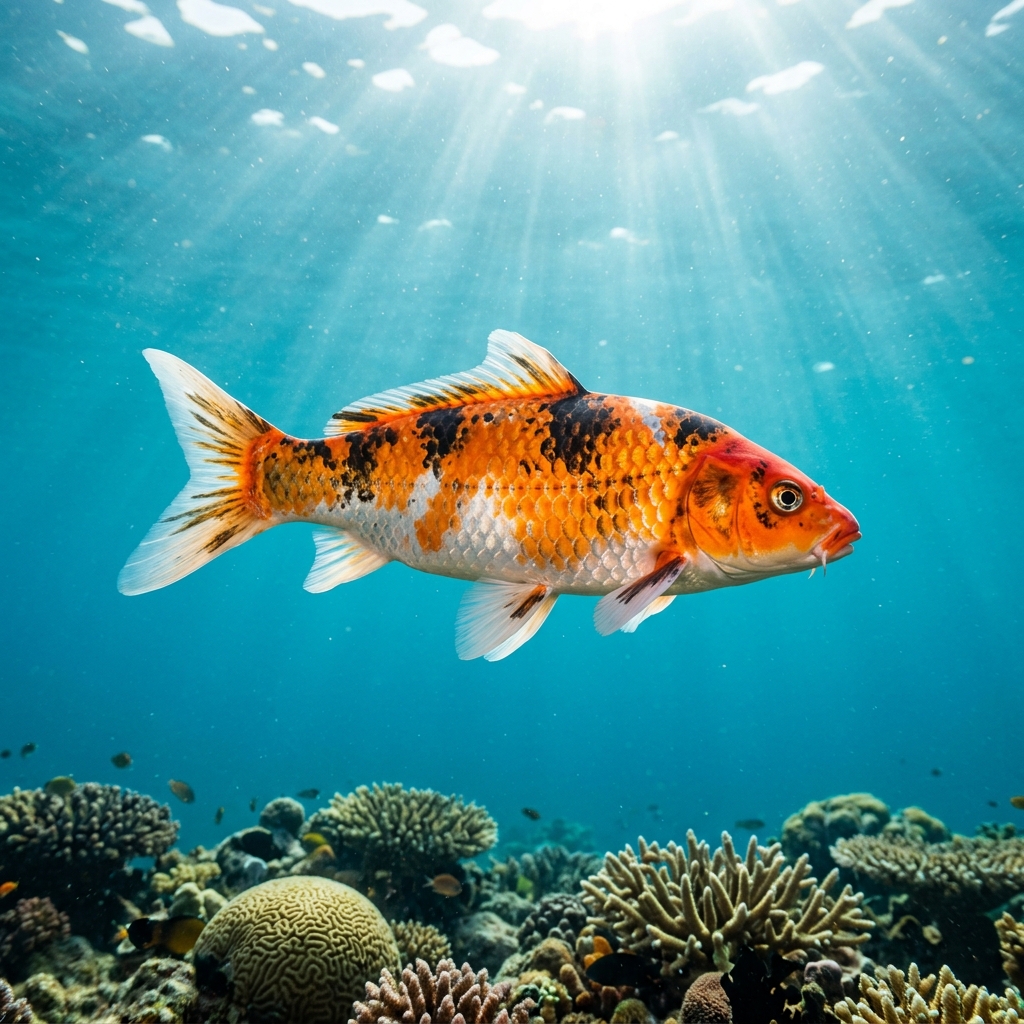
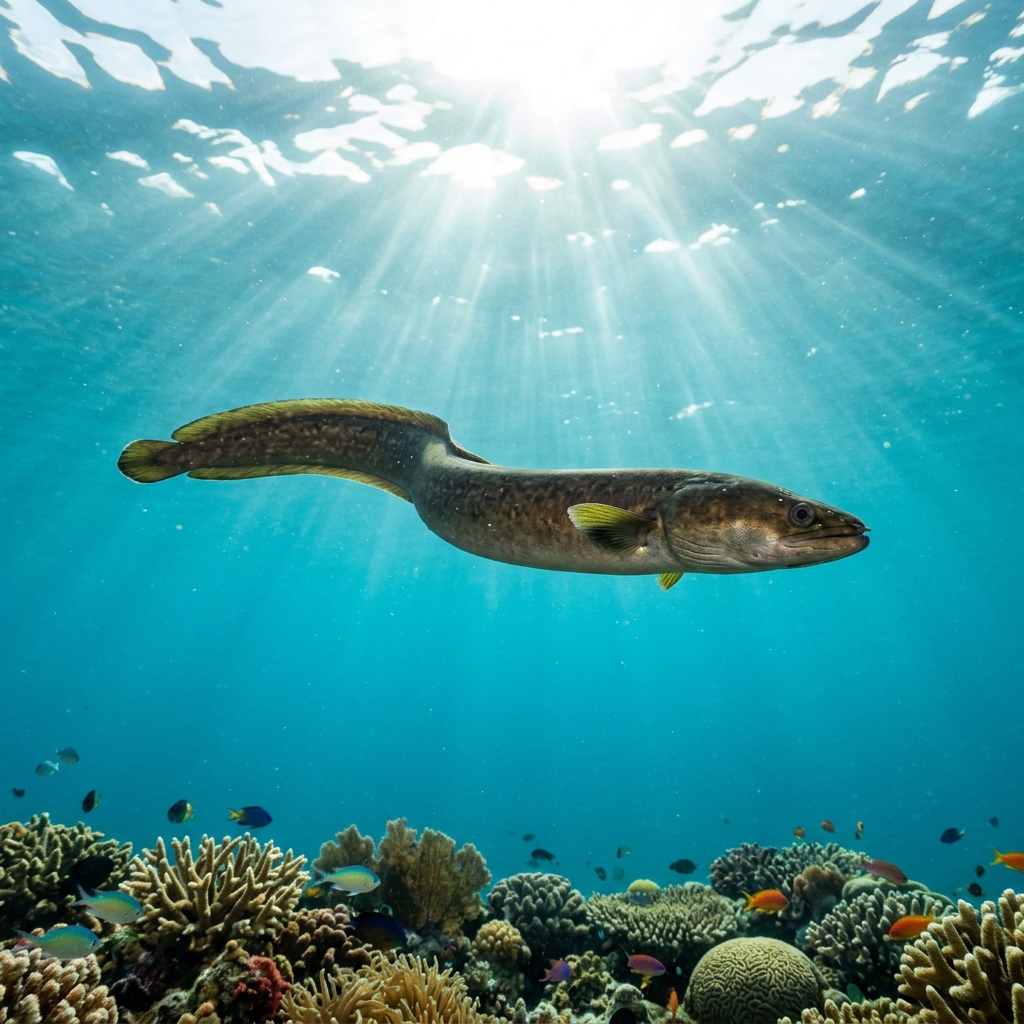
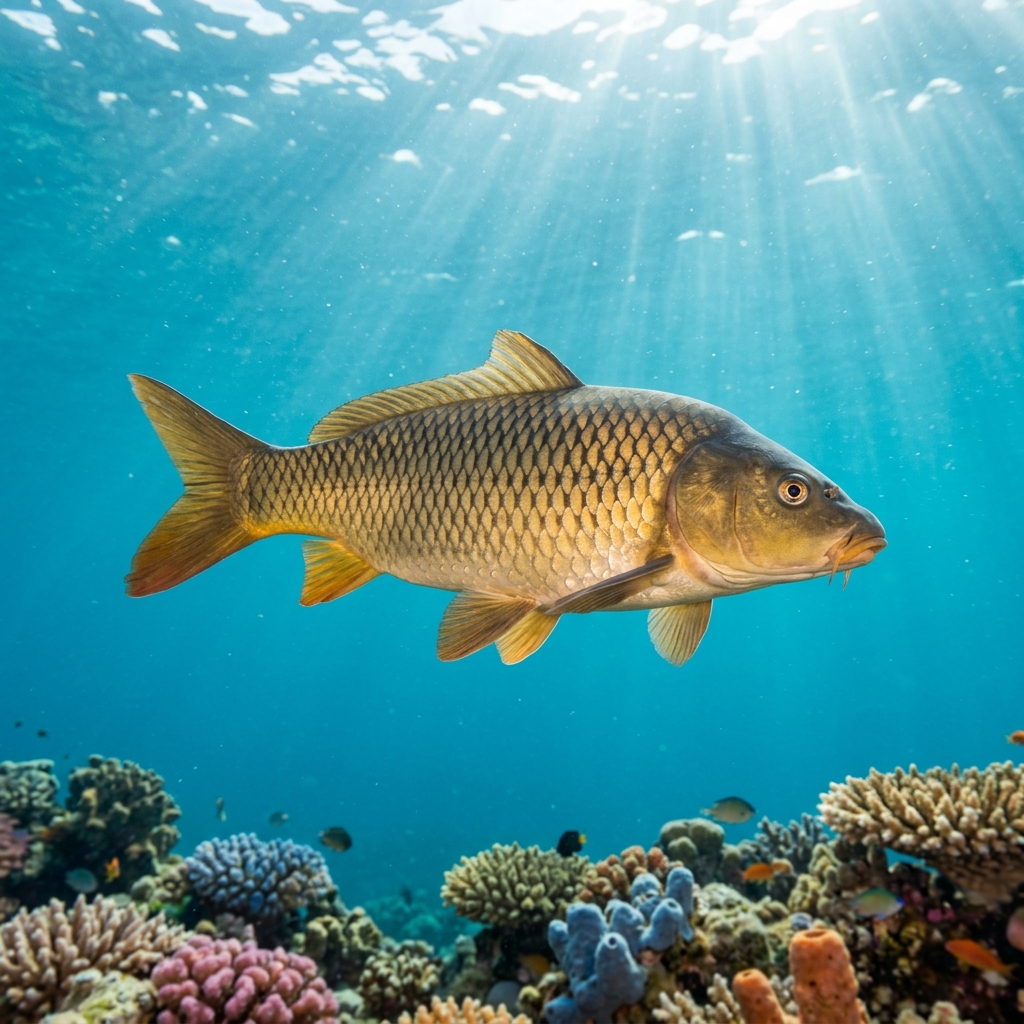
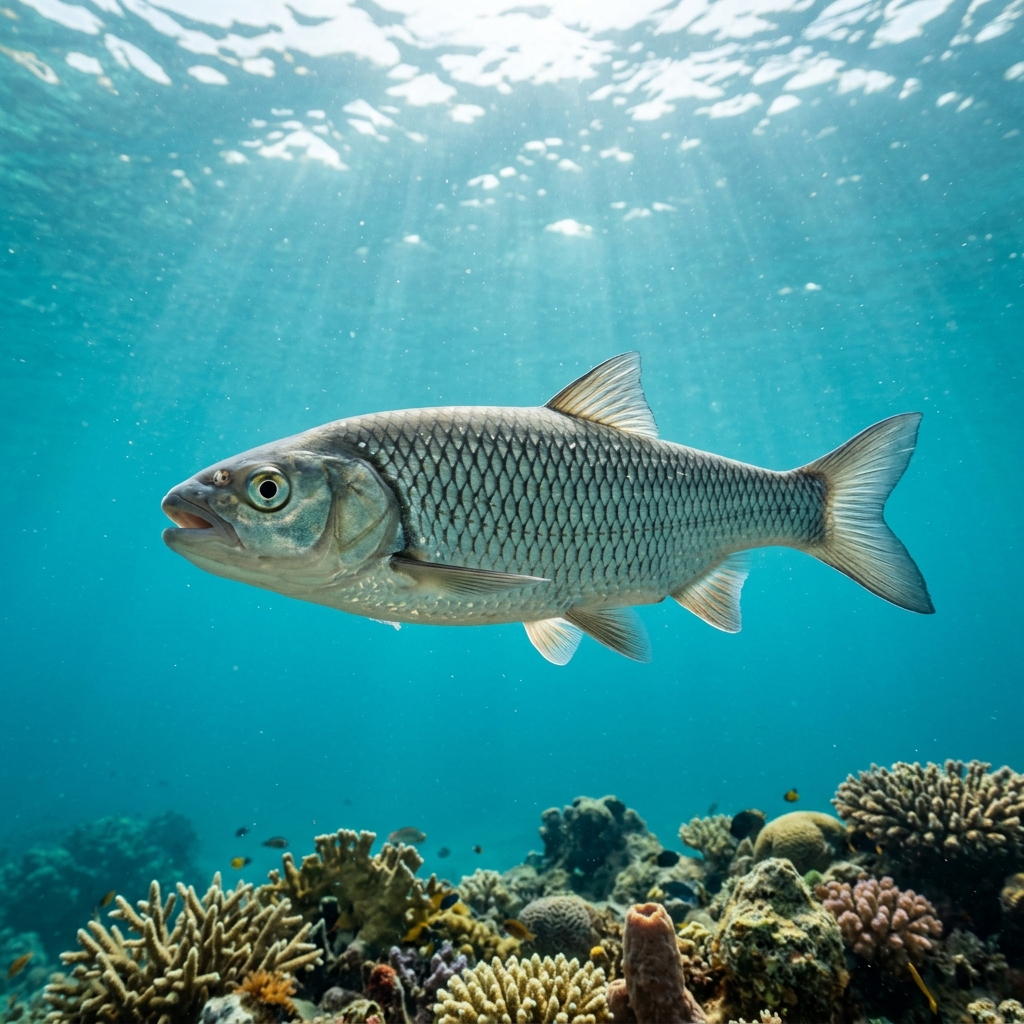
The site supports various temperate freshwater fish and invertebrates typical of the region, including species such as sturgeon, eel, carp, and pike perch.
No, Hráz Slapy is intended for advanced divers due to the significant depths of 25 to 43 metres and the technical nature of the submerged structures.
The site features depths ranging from 25 to 43 metres, with an average depth of 35 metres.
Yes, Hráz Slapy offers shore entry, though divers should exercise caution with rocks in the shallows.
The main hazards include the significant depth, potential for entanglement in submerged structures, and low visibility.
Diving at Hráz Slapy in Slapy requires the following certifications: Open Water. Always dive within your training limits.
Hráz Slapy in Slapy typically has mild currents that most divers can handle comfortably.
Visibility at Hráz Slapy in Slapy typically ranges from 2 metres to 8 metres. Conditions vary with weather, tides, and seasons.