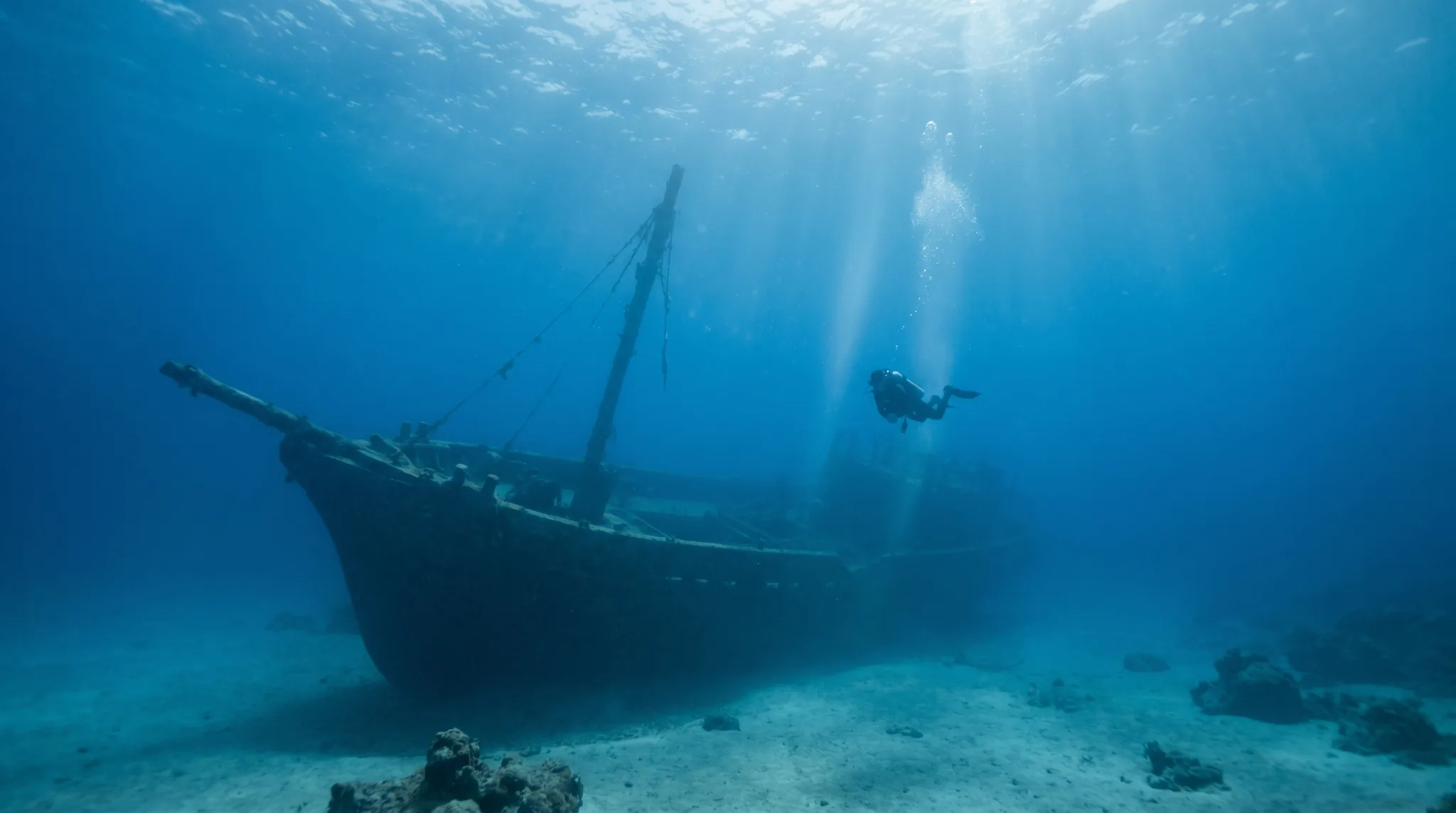
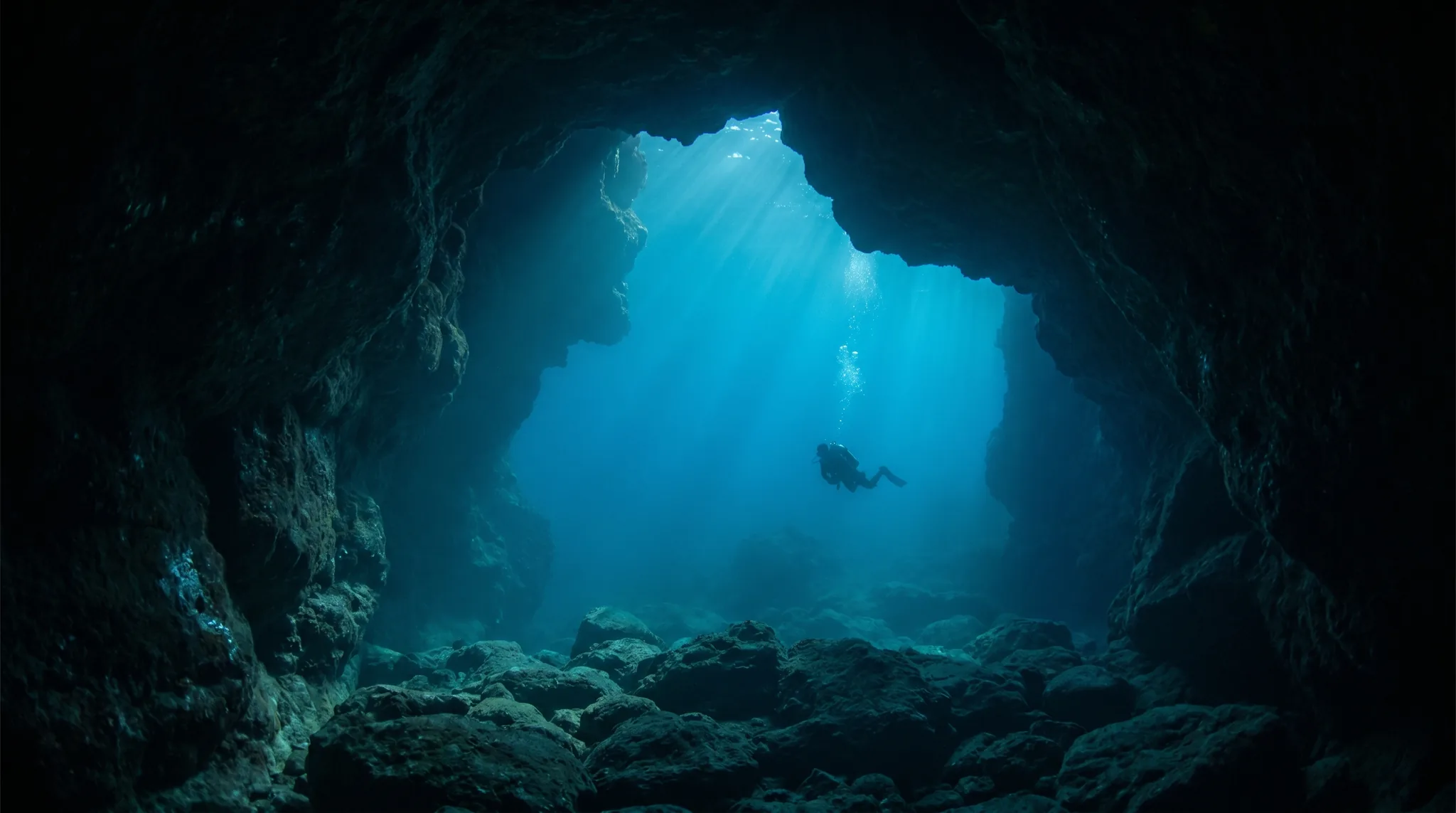
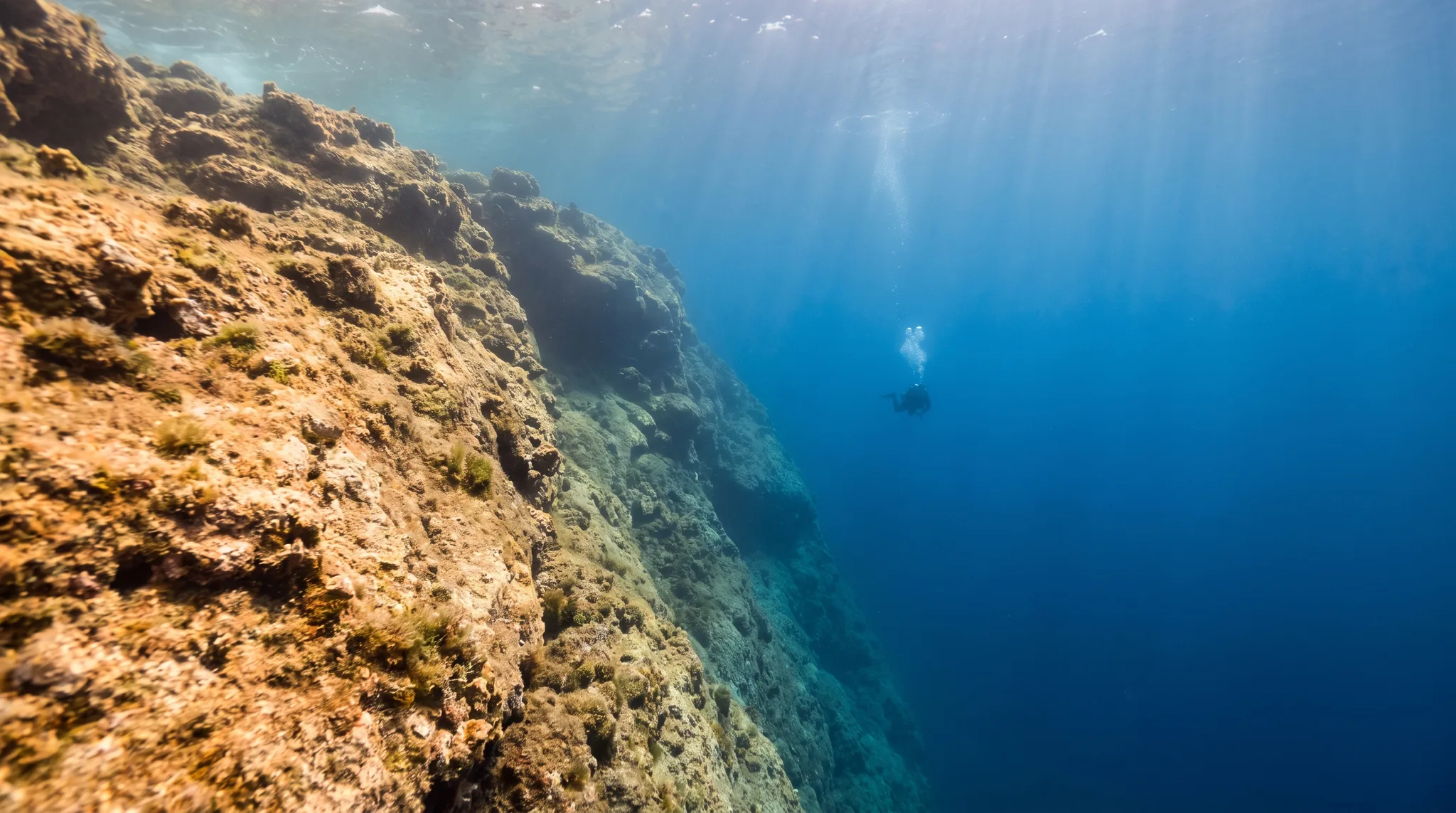
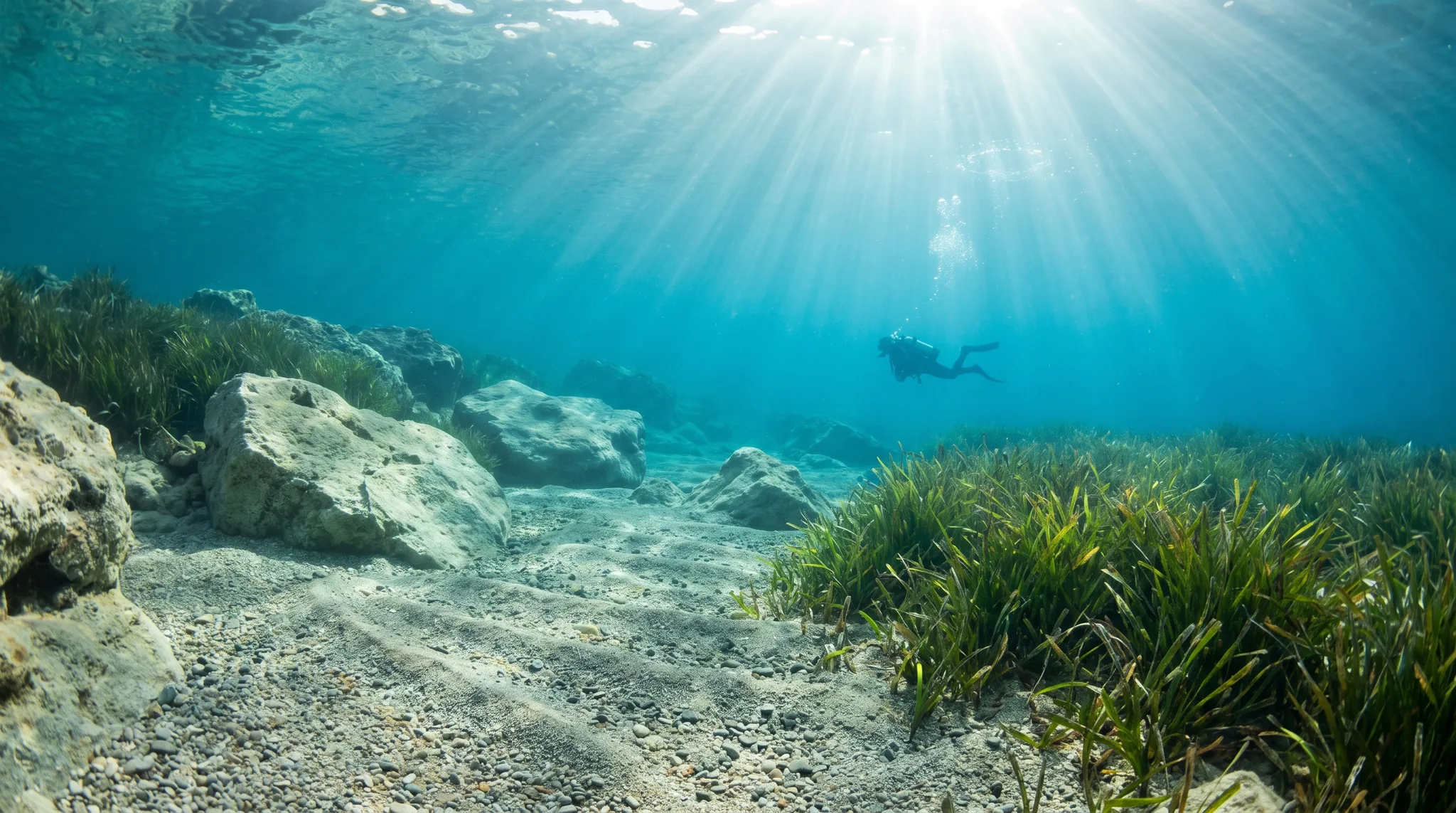
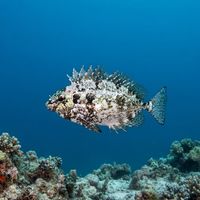
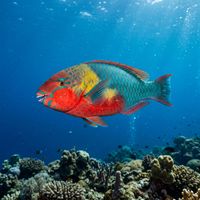
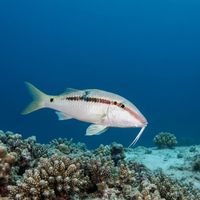
The Akamas Peninsula offers a compact but varied dive programme built around rocky reef, wall, cave, and even wreck formations. Sites range from shallow, beginner-friendly wall dives like Aphrodite Rock to the deeper, cave-riddled walls of St Georges Island. European Parrotfish, Rabbitfish, Bluespotted Cornetfish, and Grouper are observed across virtually every site, while Indian Lionfish and Common Octopus reward more attentive explorers. Most sites require a boat, though shore entries at White River, Lara Bay, and Sea Caves add flexibility.
Monthly water temperature across Akamas Peninsula's sites, from satellite sea-surface data corrected for depth. The band shows the site-to-site spread.
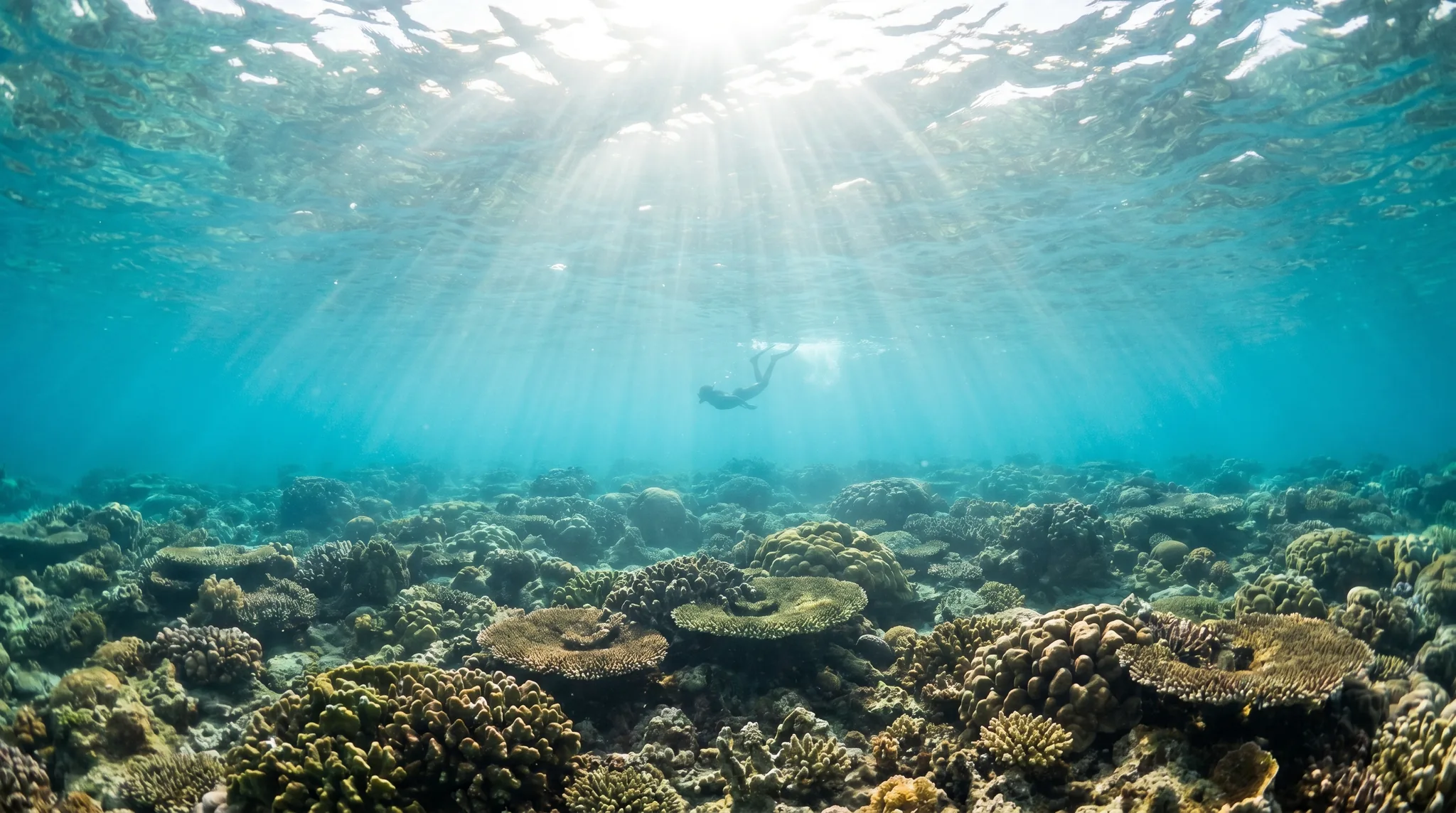
Water temperature reaches its warmest from late summer into autumn, making September and October particularly comfortable for longer dives. Spring marks the start of the favoured season, with conditions building steadily from May onward. Winter months bring cooler water, so an exposure suit with adequate thermal protection is worth planning for year-round.
4 more sites to explore
Water temperature around Akamas Peninsula ranges from about 17°C in February to 26°C in October, based on satellite sea-temperature data for its dive sites.
In the warm season (about 26°C) a 3mm full suit is comfortable in Akamas Peninsula; in the coldest months (about 17°C) step up to a 7mm or semi-dry suit.
Fin maps 11 sites in Akamas Peninsula (11 scuba diving sites and 1 snorkelling spots, with some suited to both).
Across Akamas Peninsula's dive sites, May and October are most often reported as the best months to visit.
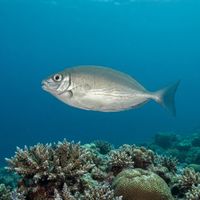
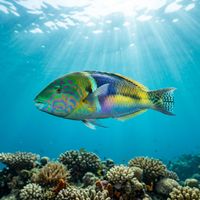
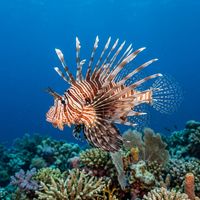
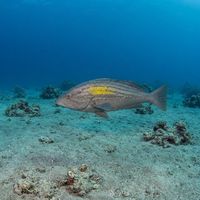
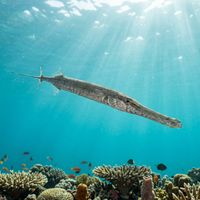
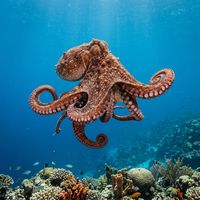
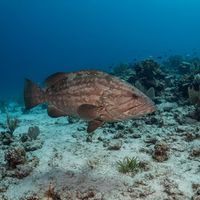
Observation-backed sightings cover a wide range of reef species. European Parrotfish, Turkish Wrasse, Rabbitfish, Bream, and Bluespotted Cornetfish are seen across almost every site. Indian Lionfish and Common Octopus appear regularly enough to be considered signature species, and both Bottlenose Dolphin and Green Sea Turtle have been recorded in the area.
Yes, several sites cater specifically to less experienced divers. Aphrodite Rock is a shallow wall dive accessible by shore or boat, and White River offers a shore entry with a reef and cave layout at manageable depths. More challenging walls and deeper cave systems at sites like St Georges Island are reserved for advanced divers.
Both options exist. Boat access is required for several of the more exposed sites, including Manijin Island, St George Reef, and St Georges Island. Shore entries are available at White River, Lara Bay, and Sea Caves, giving independent divers a meaningful range of reef and cave terrain without needing to arrange a charter.
The area is dominated by rocky reef and wall diving, with cave passages woven through the majority of sites. St George Reef adds wreck exploration to the mix, and Lara Bay includes an artificial reef structure alongside natural formations. This variety means the peninsula suits divers who enjoy technical topography as much as open reef swimming.