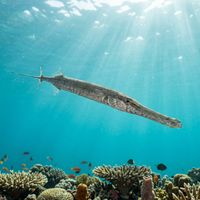
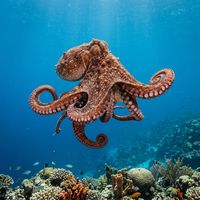
Paphos offers a varied diving landscape built around three distinct sub-areas: Coral Bay, the Akamas Peninsula, and Paphos Town and Coast. Sites range from shallow shore-entry reefs and walls at places like Cynthiana Beach and Amphitheatre through to deeper boat dives at St Georges Island and Manijin Island, where walls, caves and swim-throughs demand more experience. Wrecks add further character, including the Vera-K and the Achilleas. The resident marine life is well-documented, with Turkish Wrasse, Bluespotted Cornetfish, Rabbitfish and White Seabream present across most sites, and signature encounters including Indian Lionfish, Common Octopus and Mediterranean Moray. Most sites are rated beginner-friendly, making Paphos an accessible base with real depth for those wanting to progress.
3 areas
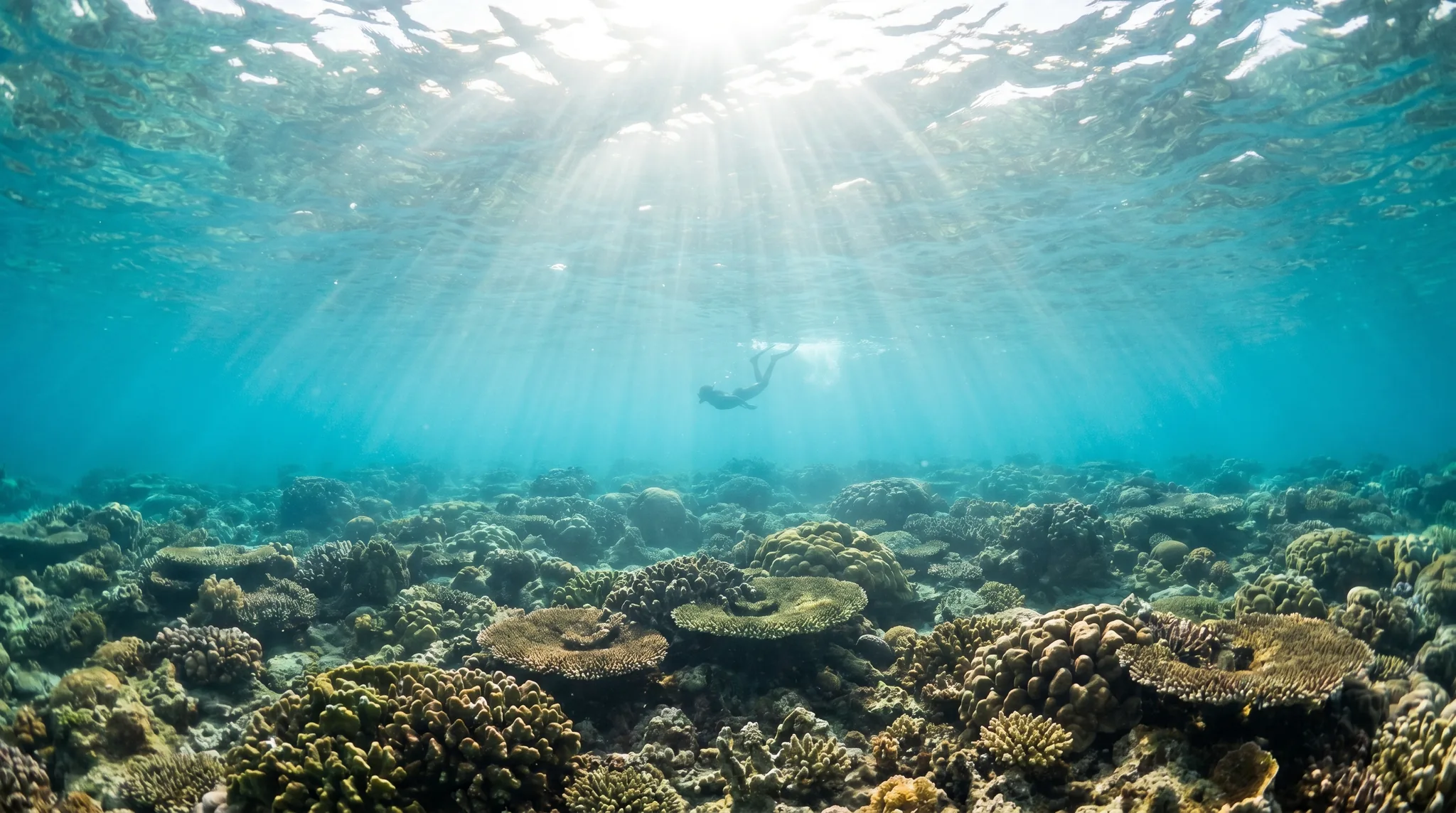 18
18Shore-accessible reef, wall and cave diving near Paphos, with a wide species list headlined by Indian Lionfish, Mediterranean Moray and Common Octopus.
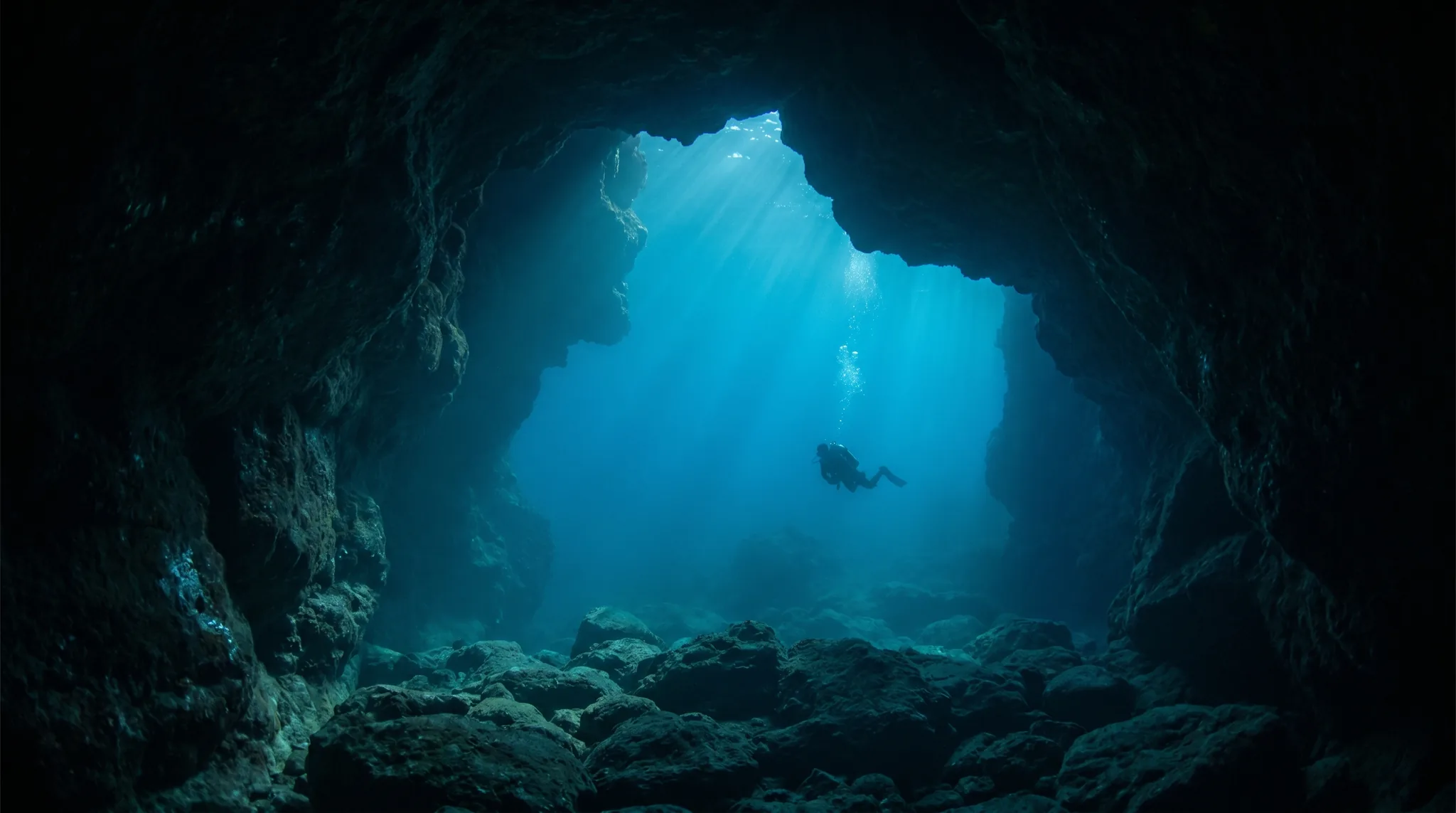 11
11Rocky reefs, dramatic walls and cave systems off the Paphos coast, with rich fish life from parrotfish to Indian Lionfish.
10Reef systems, a crater wreck, and ancient harbour remains make Paphos a varied and accessible dive destination on the Cyprus coast.
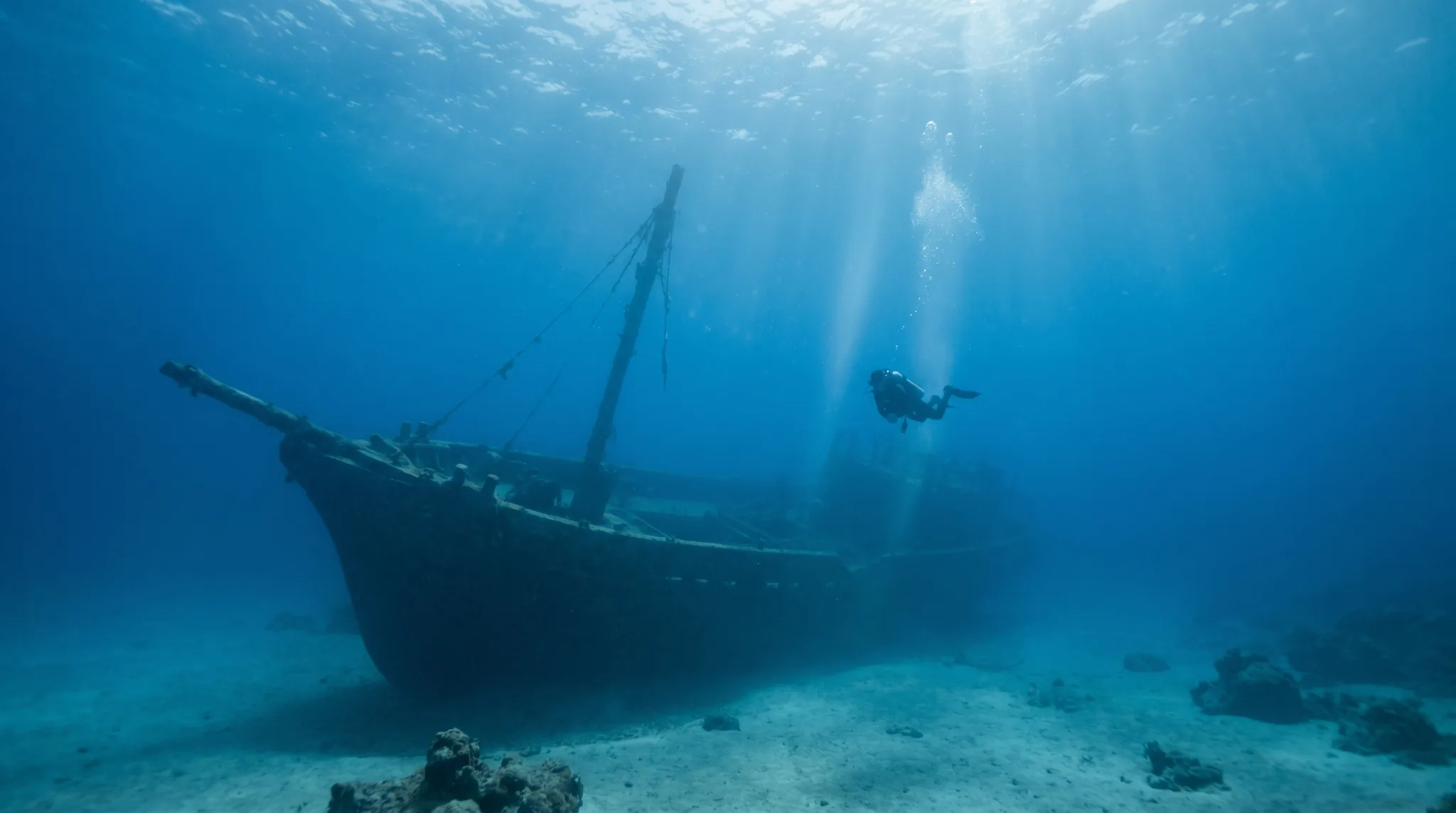
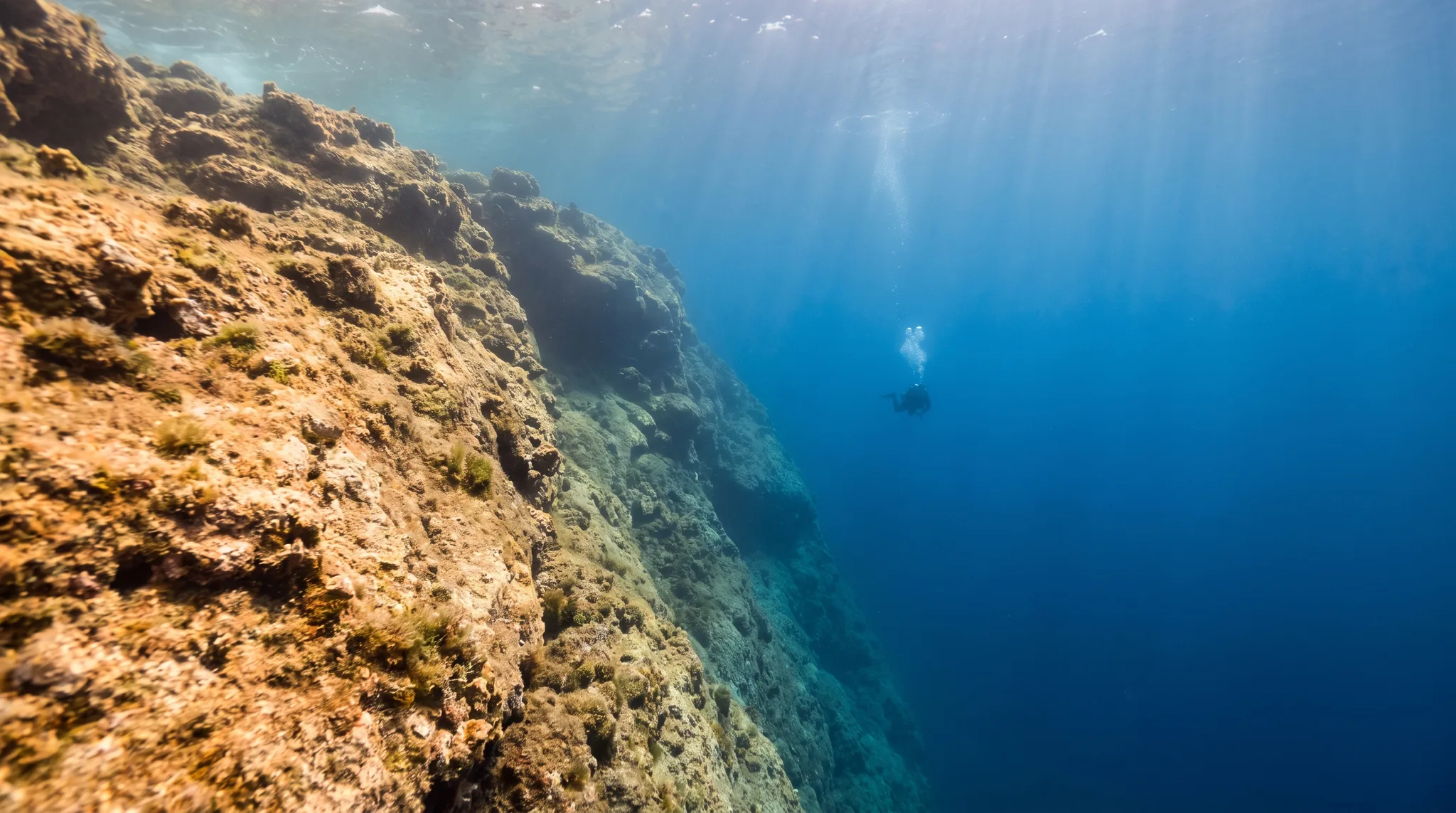
Monthly water temperature across Paphos's sites, from satellite sea-surface data corrected for depth. The band shows the site-to-site spread.
Water temperatures follow a clear seasonal curve, climbing through late spring and peaking in late summer and early autumn, when conditions are warmest and diver numbers are highest. Spring from May onward sees rapidly improving warmth and represents a popular window, while the shoulder months of April and November offer cooler water but quieter sites. The cooler winter months bring the lowest temperatures, which suits those comfortable in thicker exposure suits.
31 operators
Mouttagiaka, Cyprus
Pegeia, Cyprus
Water temperature around Paphos ranges from about 17°C in February to 27°C in September, based on satellite sea-temperature data for its dive sites.
In the warm season (about 27°C) a rash guard or 3mm shorty is comfortable in Paphos; in the coldest months (about 17°C) step up to a 7mm or semi-dry suit.
Fin maps 39 sites in Paphos (39 scuba diving sites and 3 snorkelling spots, with some suited to both), organised into 3 areas.
Across Paphos's dive sites, May, June, August, September and October are most often reported as the best months to visit.
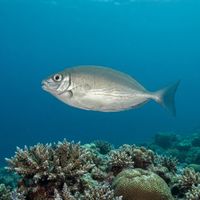
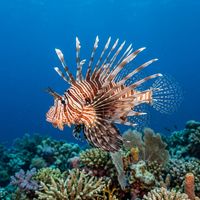
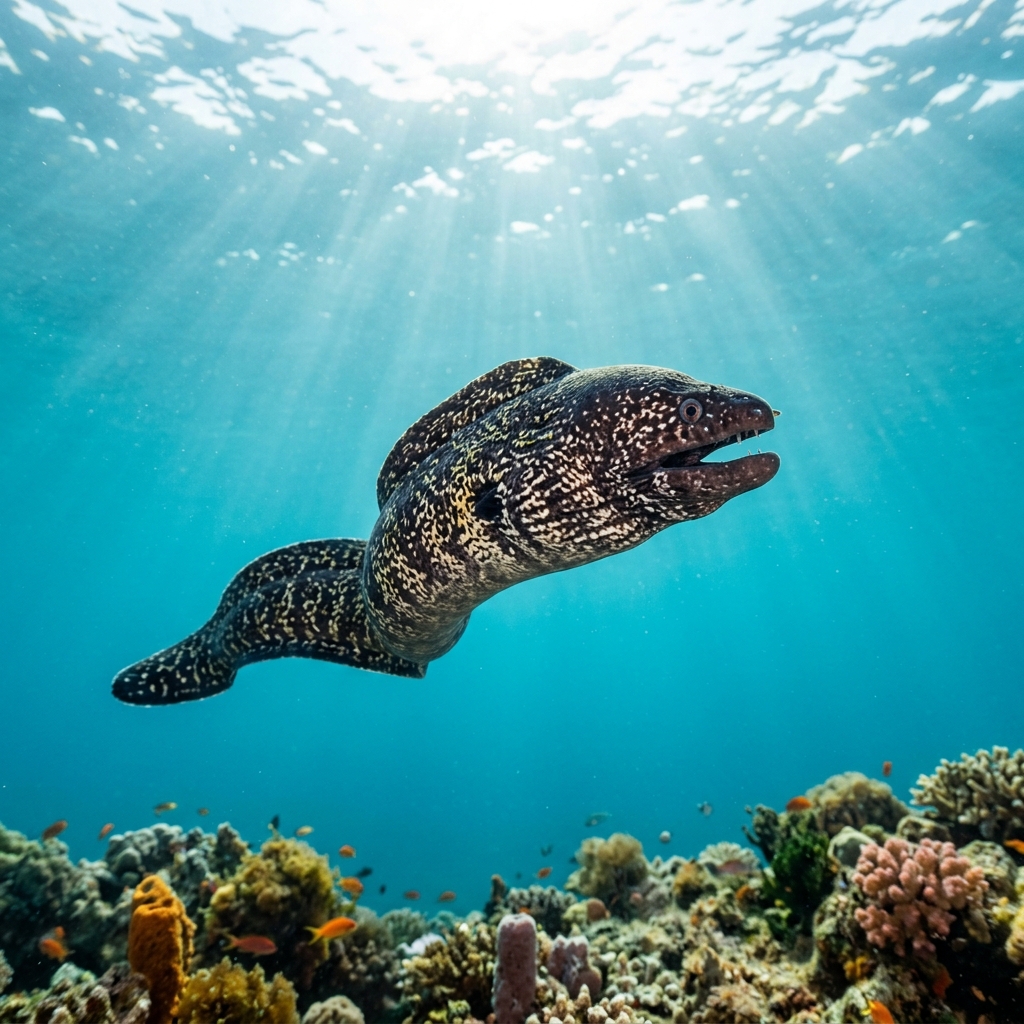
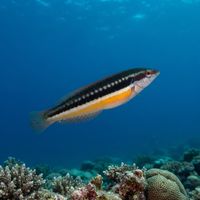
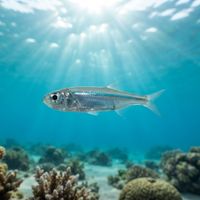
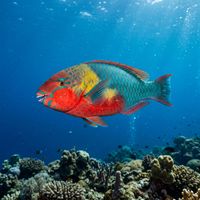
Turkish Wrasse, Bluespotted Cornetfish, Rabbitfish, Goatfish and White Seabream are observed across the majority of sites. Signature species include Indian Lionfish, Common Octopus and Mediterranean Moray. Divers have also recorded Green Sea Turtle, Dusky Grouper, Seahorse and European Common Cuttlefish at select sites, and Bottlenose Dolphin has been observed occasionally.
The majority of Paphos dive sites are rated for beginner level, and many are accessible directly from shore. Sites such as Timi Beach, Cynthiana Beach and Mandria Pots offer shallow, sheltered conditions ideal for those early in their diving experience. Intermediate and advanced options at Manijin Island and St Georges Island give divers room to progress without leaving the region.
Coral Bay has the largest concentration of sites and suits a wide range of experience levels. The Akamas Peninsula offers a more remote feel with boat-access sites that include walls, caves and deeper topography. Paphos Town and Coast provides convenient shore-entry diving, including the historically interesting Mandria Pots and wreck sites near the Paphos lighthouse.
Paphos offers both shore and boat entry across its sites, giving divers flexibility. Shore-entry sites such as White River, Timi Beach and Amphitheatre require no boat and are straightforward to access. Boat-access sites like Manijin Island and Bubblecave are served by several local operators including Coral Bay Divers, Dive Point Cyprus, Sun Seals Divers and Abyss Dive Center, among others.